Native American Subject
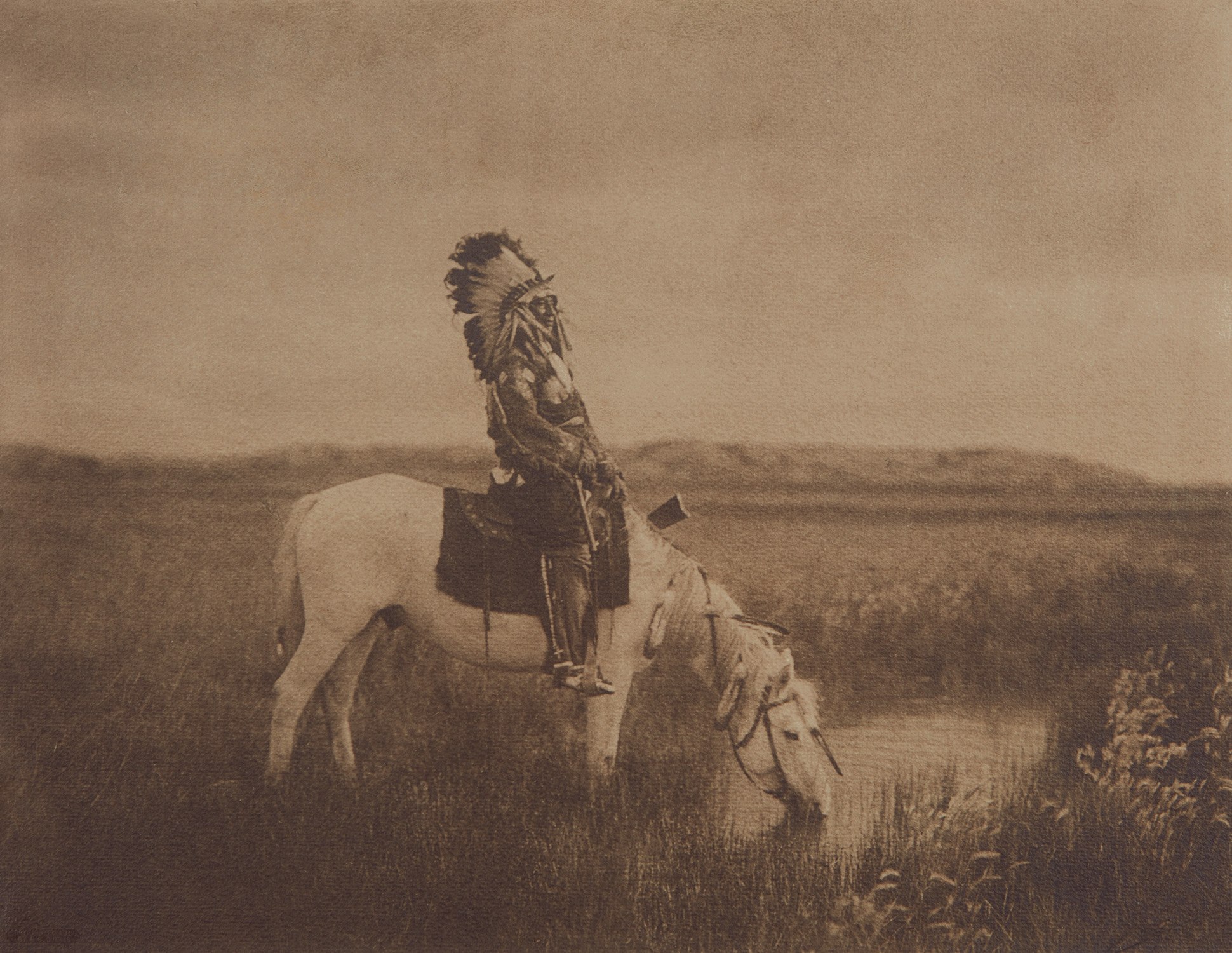
Edward Sheriff Curtis
An Oasis in the Badlands


Who Gets to Look, Who Gets to Own
When a vintage print by Edward Sheriff Curtis sold at a major auction house several years ago for a price well into six figures, the room felt the weight of something unresolved. Curtis made his name in the early twentieth century producing thousands of photographs of Indigenous peoples across North America, a project that was simultaneously monumental in ambition and deeply compromised in its assumptions. The buyer acquired not just a beautiful photographic object but an artifact of a gaze that Indigenous communities have been reckoning with for over a century. That tension, between aesthetic achievement and ethical complexity, is what makes this collecting category one of the most alive and genuinely contested spaces in the art market today.
The critical conversation around Native American subject matter in art has shifted dramatically in recent years. No longer confined to anthropology departments or regional historical societies, the subject now commands serious attention from major institutions and leading curatorial voices. The Smithsonian National Museum of the American Indian has been central to this reframing, as has the work of scholars like Vine Deloria Jr., whose foundational critiques of how Indigenous peoples have been represented continue to ripple through exhibition practice.
Edward Sheriff Curtis
An Oasis in the Badlands
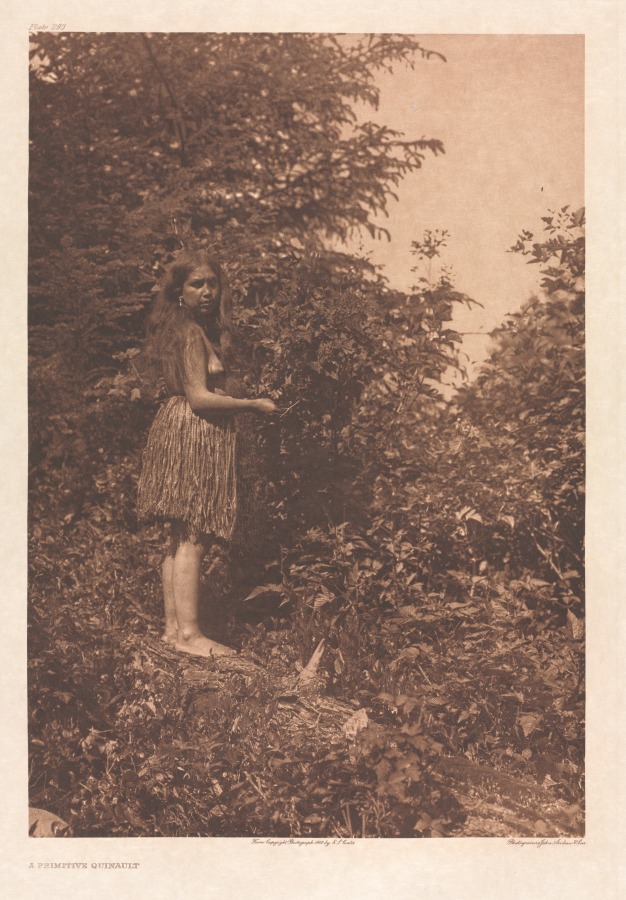
Curators such as Paul Chaat Smith have pushed the discourse in important directions, insisting that Indigenous art be understood on its own terms rather than filtered through the expectations of a non Indigenous audience hungry for something it imagines as authentic or vanishing. Edward S. Curtis and Edward Sheriff Curtis, names that appear as distinct entries in many collections and databases but refer to the same photographer working across decades and formats, remain the dominant market presence in this category. His large format photogravures from The North American Indian, the publishing project he undertook beginning in 1907 with financial backing from J.
P. Morgan, appear regularly at auction and continue to attract serious bidders. What the market reveals in its appetite for Curtis is complicated. Collectors are drawn to the technical mastery and the sheer ambition of the project, but the most thoughtful buyers are also engaging with the critical literature that interrogates his staging, his erasure of contemporary objects, and his collaboration with an ideology of the vanishing Indian that served settler cultural anxieties more than it served the communities he photographed.
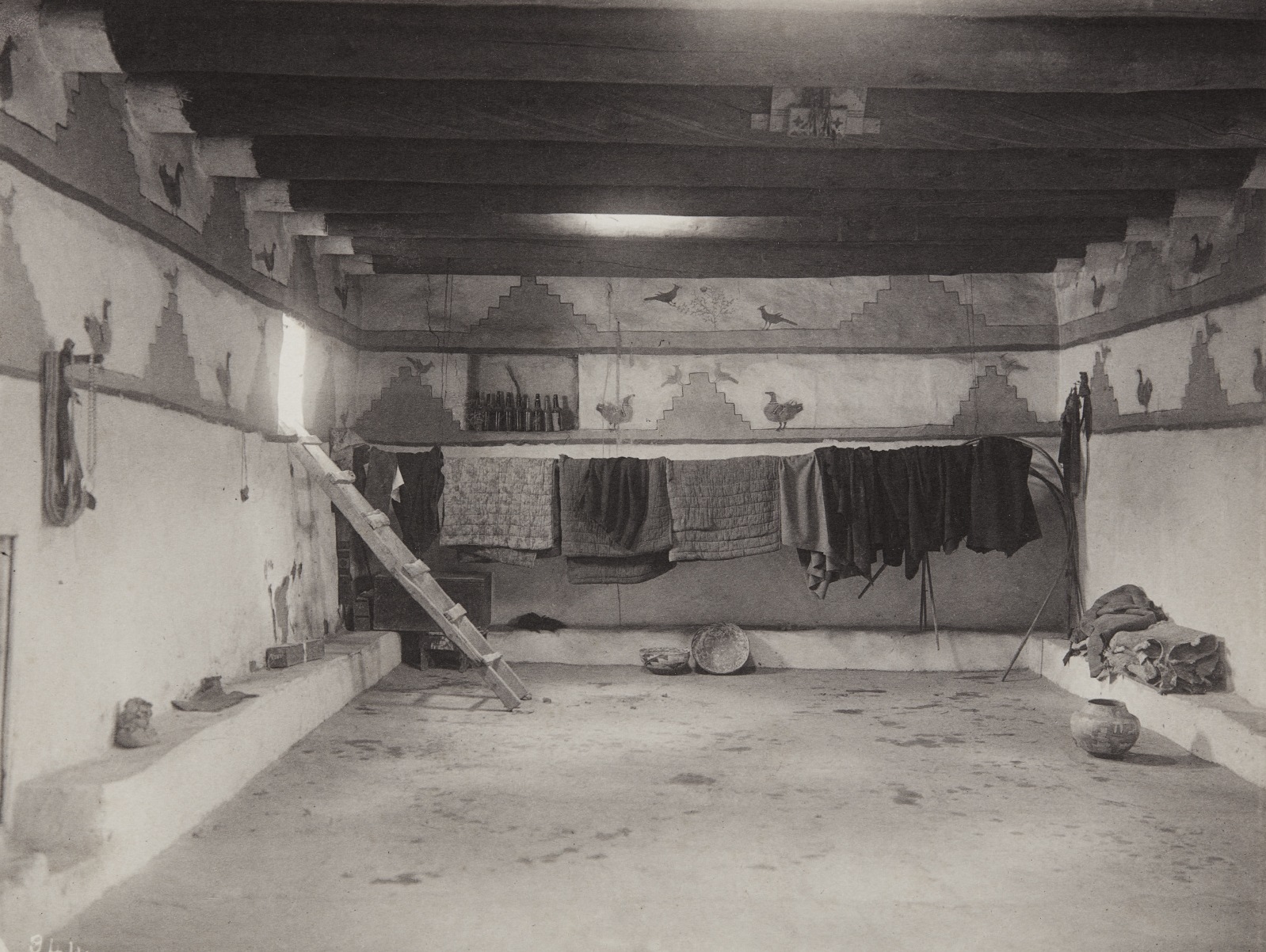
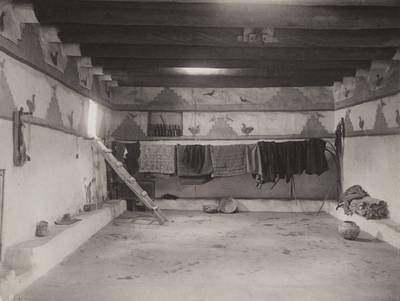
Adam Clark Vroman
Zuni Interior
The presence of Adam Clark Vroman on The Collection adds an interesting counterpoint. Vroman, working in the American Southwest in the 1890s and early 1900s, brought a somewhat different sensibility to his documentation of Hopi and other Pueblo communities, though he too operated within the period's assumptions about the camera's documentary authority. His photographs have appeared in significant exhibitions at institutions including the Autry Museum of the American West in Los Angeles, which has done sustained and serious work contextualizing the photographic archive of this era. The Autry's programming consistently asks visitors to hold the beauty of these images alongside the circumstances of their making, and that dual awareness is increasingly what sophisticated collectors bring to the market.
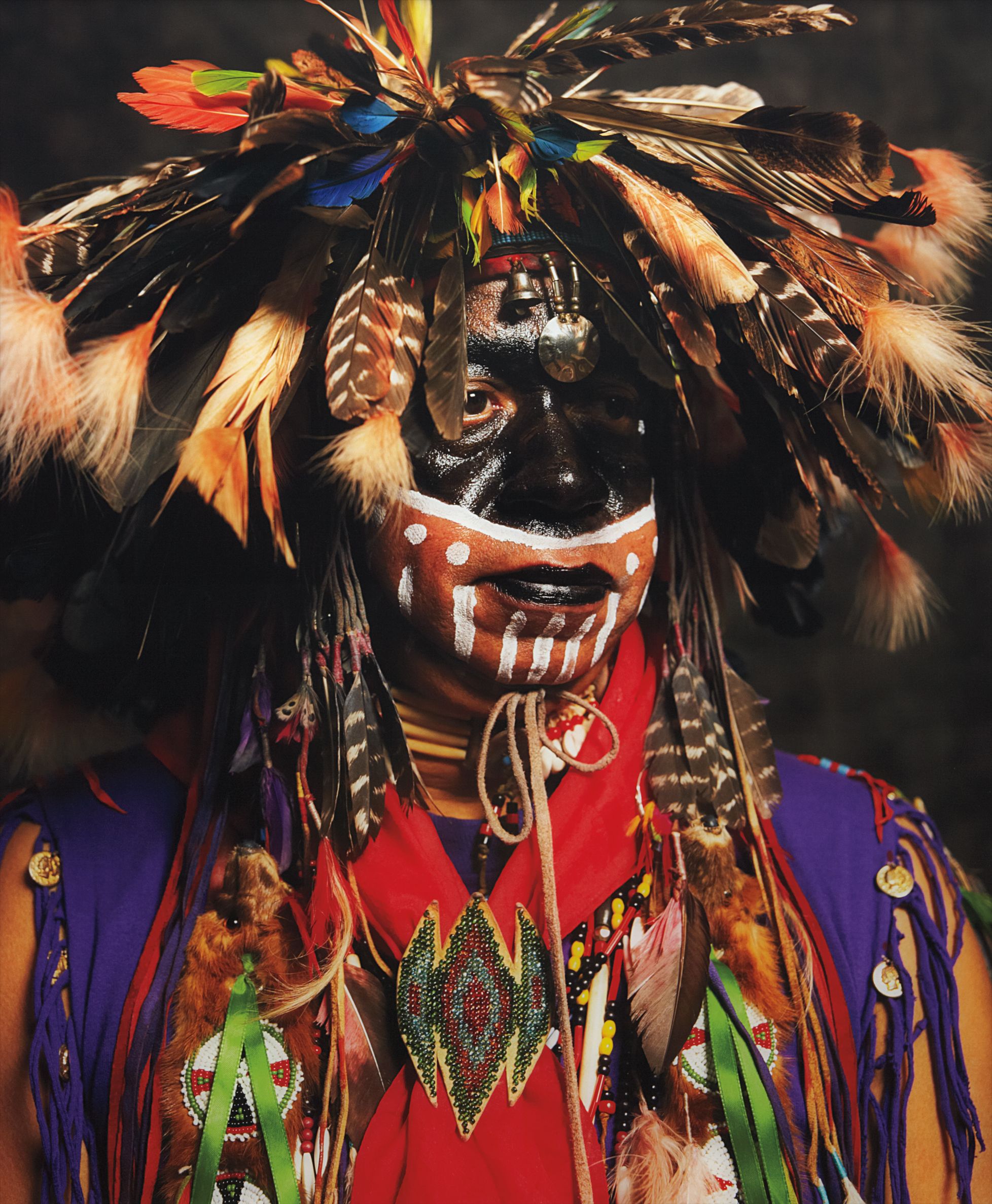
Andres Serrano complicates the category in productive ways. Known primarily for works that provoke debate around religion and identity, his engagements with Indigenous subjects bring an entirely different set of questions. Where Curtis sought a kind of mythological timelessness, Serrano works in the register of confrontation and visibility. His inclusion alongside the early twentieth century photographers in this collecting category is not accidental.
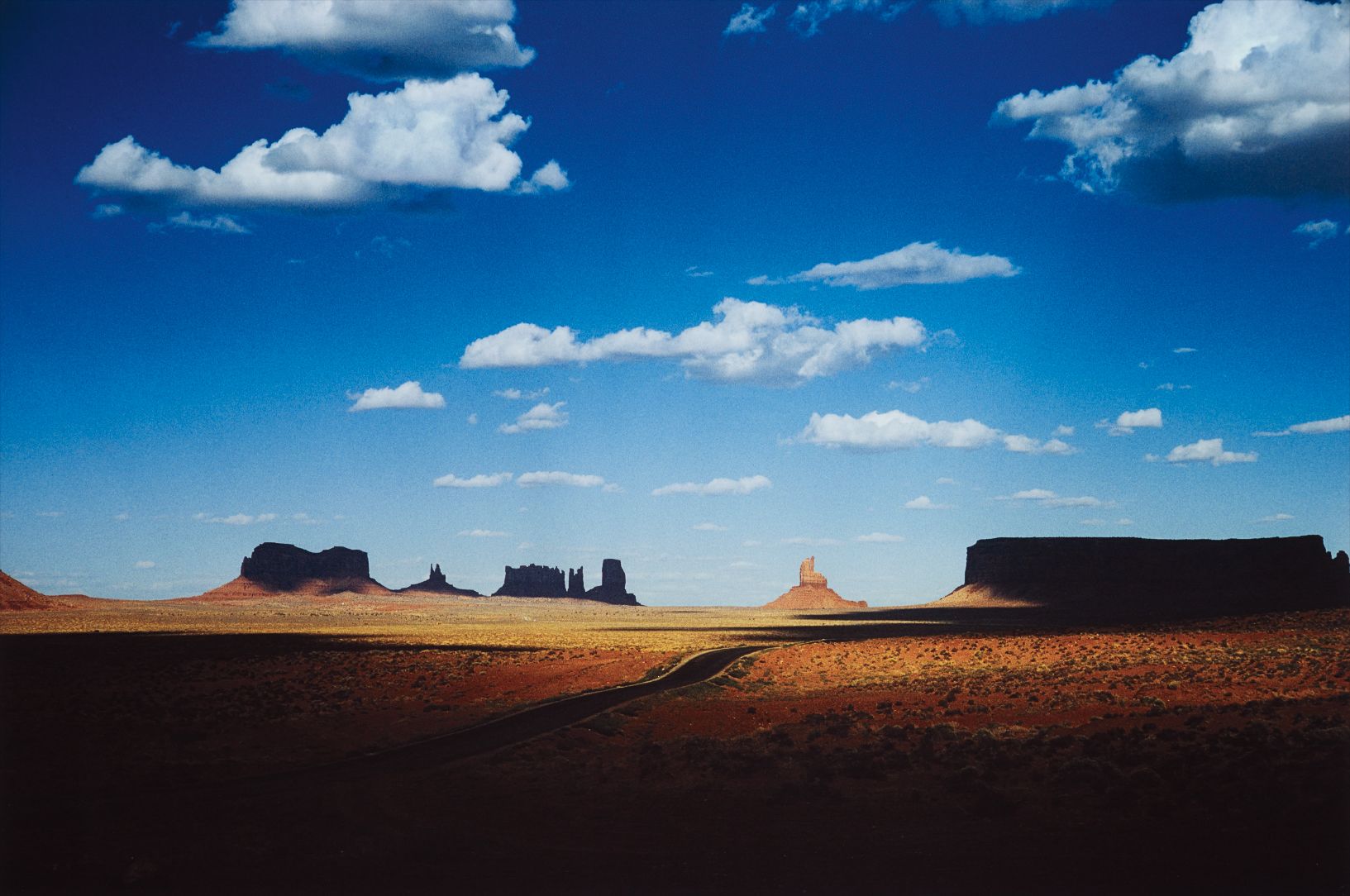
Ernst Haas
Navajo Nation, Arizona, USA
It signals a market and a critical community that is beginning to think about Native American subject matter across time and intent rather than confining it to the ethnographic past. The energy here feels genuinely alive, and prices for contemporary and post war work engaging Indigenous identity have been moving steadily upward. Ernst Haas, represented on The Collection in this context, offers yet another angle. Best known for his innovations in color photography and his editorial work for Life magazine, Haas brought a distinct visual poetry to his subjects.
His images have always attracted collectors interested in the history of color photography as a medium, and when his work touches on the American West and its peoples, it sits at an interesting intersection of documentary impulse and pure aesthetic pleasure. Haas commands strong auction results across his body of work, and his presence in this category reflects how broad and varied the market has become. Institutions are acquiring in this space with new urgency and new frameworks. The Whitney Museum, the Denver Art Museum, and the Minneapolis Institute of Art have all deepened their holdings of work by Indigenous artists and of historical material depicting Indigenous subjects in recent years, often with advisory input from Native communities themselves.
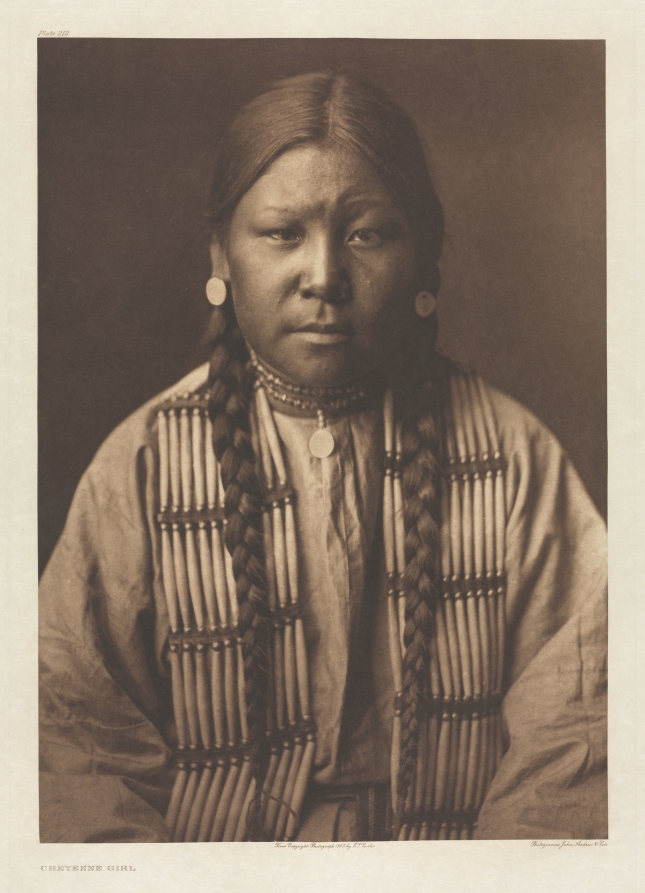
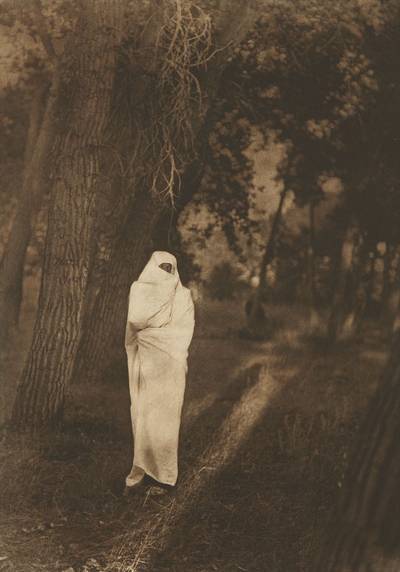
Edward S. Curtis
Portfolio VI, Plate 212: Cheyenne Girl, 1905
This shift toward consultation and collaboration is changing what gets collected and why. It also affects the secondary market, as provenance and context become more important to serious buyers. A Curtis print acquired with scholarship and community engagement attached to it represents something meaningfully different from one purchased without that framing. The publications shaping the critical conversation include Aperture, which devoted significant attention to Indigenous photography and representation in recent issues, and the journal American Indian Culture and Research Journal, which bridges academic rigor and curatorial practice.
Collectors who are serious about this category are reading broadly and following the work of Native scholars and artists who are producing their own counter archives and counter images. The most interesting collecting happening right now is not purely retrospective. It runs a line from the Curtis photogravures through the late twentieth century interventions of photographers like Hulleah Tsinhnahjinnie and into the present, where Indigenous artists are making work that is in active dialogue with, and in some cases active resistance to, the very archive that established this market category. What feels settled is the canonical status of Curtis as an auction commodity.
What feels alive is everything else. The surprises are coming from younger Native artists whose work is entering major collection contexts and from the ongoing reassessment of the ethnographic archive by institutions willing to examine their own holdings with honesty. For collectors paying attention, this is one of the most intellectually rich and morally serious areas of the market. It rewards curiosity, demands research, and offers something rare in contemporary collecting: the genuine possibility that acquiring thoughtfully can participate in a larger cultural reckoning rather than simply deferring it.