Native American Artist
Jeffrey Gibson
Turn it up
Sovereignty, Paint, and the Unfinished Argument
There is a particular kind of authority that comes from making art out of contested ground. For generations of Native American artists, the canvas, the loom, the ceramic surface, and the installation space have all been sites where something far larger than aesthetics is being negotiated. Identity, land, memory, survivance that word Anishinaabe scholar Gerald Vizenor coined to describe active presence rather than mere endurance these are the terms that have shaped one of the most vital and genuinely underrecognized traditions in American art history. To collect in this space is to participate in a conversation that predates the United States itself and continues to evolve with urgent intelligence.
The formal recognition of Native American artists within mainstream institutional frameworks is relatively recent, but the artistic traditions themselves are ancient and continuous. Long before European contact, Indigenous peoples across the continent produced work of extraordinary sophistication: Pueblo ceramics with geometric patterning that anticipates the visual logic of minimalism, Plains ledger drawings that documented history with compressed narrative power, Northwest Coast carvings that encoded cosmological systems into material form. The mistake Western art history made for too long was treating these traditions as anthropological artifacts rather than art. That misclassification did real damage, and the correction of it has been one of the defining projects of the past half century.
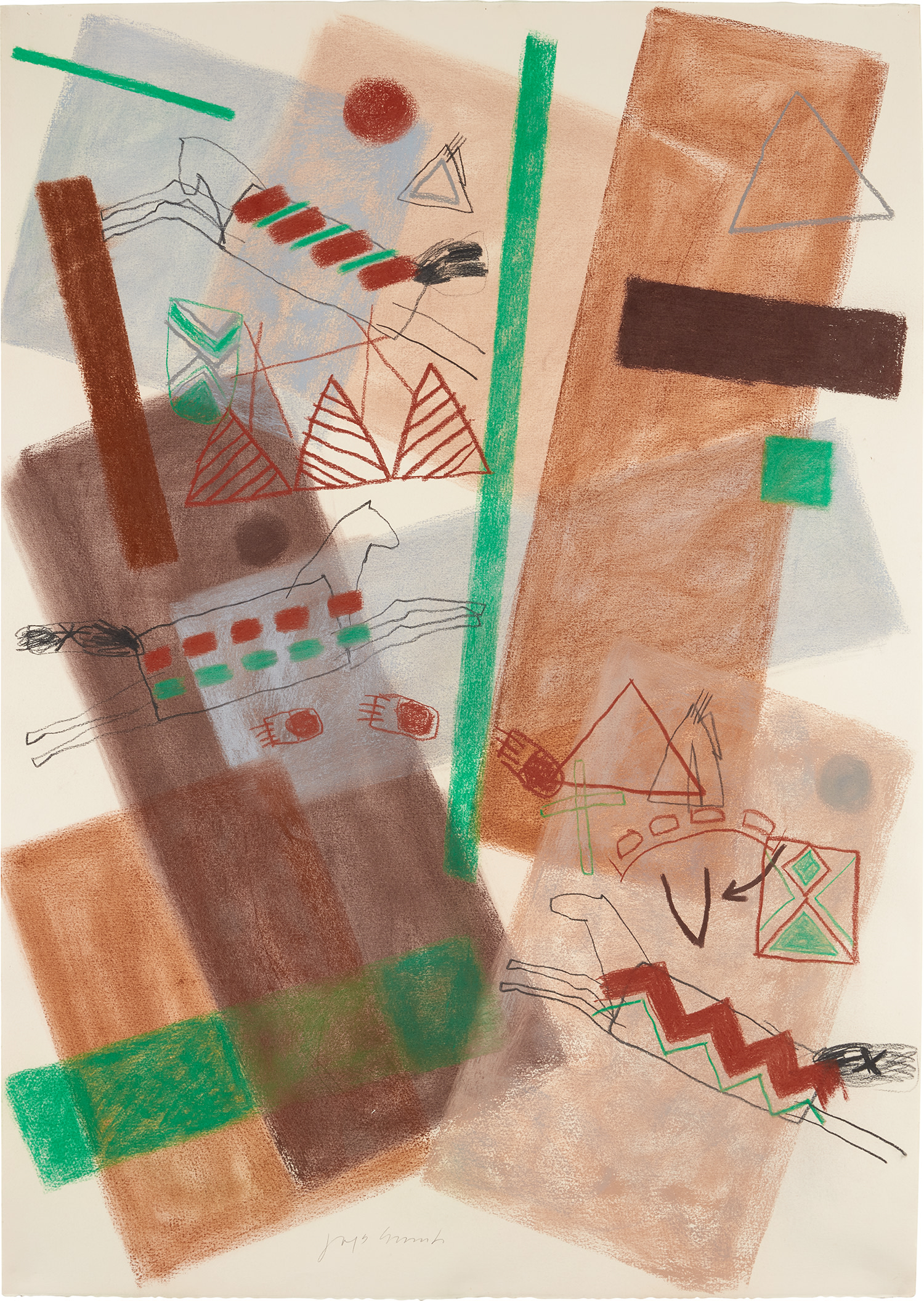
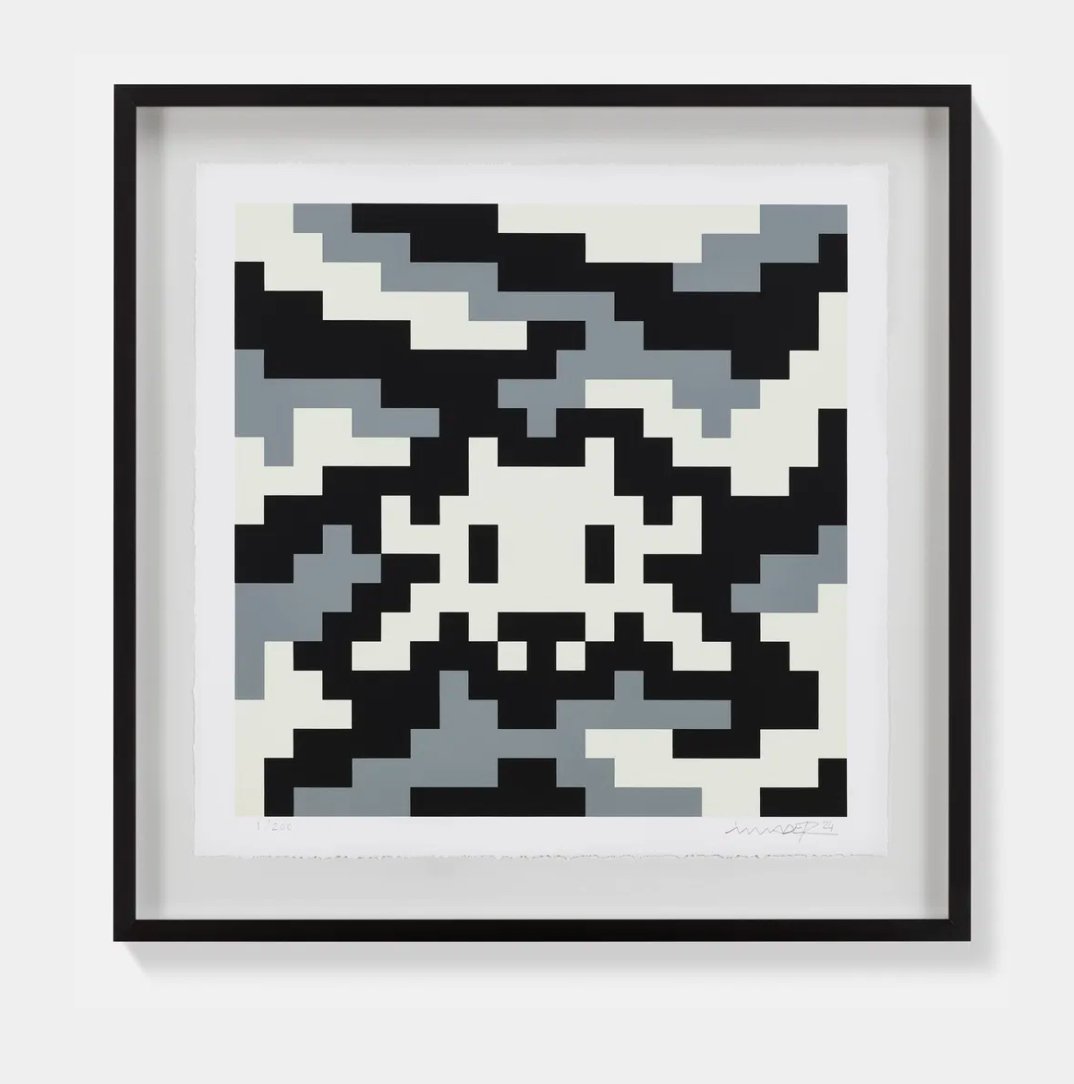
Jaune Quick-to-See Smith
Camas #19, 1980
The 1970s mark a decisive turning point. The American Indian Movement brought political urgency to questions of representation and self determination, and Native artists responded by demanding space within contemporary art institutions on their own terms. The founding of the Institute of American Indian Arts in Santa Fe in 1962 had already created an incubator for a new generation, one trained in both traditional visual languages and the conceptual vocabulary of contemporary art. By the late 1970s and into the 1980s, a cohort of artists was emerging who refused the binary between tradition and experiment, who insisted that Indigenous identity could be both deeply rooted and radically contemporary.
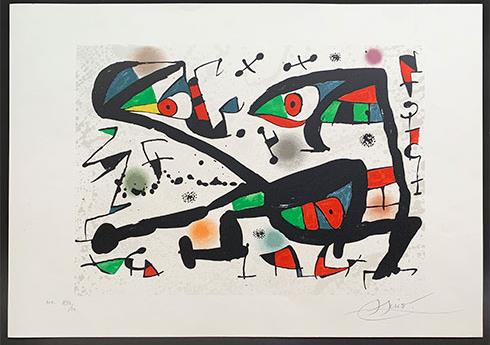
Jaune Quick to See Smith stands as one of the most important figures in this history, and her presence on The Collection speaks to the platform's commitment to artists who genuinely matter. Born in 1940 on the Flathead Reservation in Montana and a member of the Confederated Salish and Kootenai Tribes, Smith has spent decades making paintings that layer map imagery, consumer culture detritus, newspaper text, and gestural abstraction into densely argued visual essays. Her 1992 suite Trade (Gifts for Trading Land with White People) is among the most politically pointed works in American art of that decade, a painting festooned with sports mascots and novelty items that dismantles the logic of cultural appropriation with devastating wit. She has described her practice as making work for a future audience, work that will be legible to people not yet born, which is the kind of long horizon thinking that serious collectors recognize.
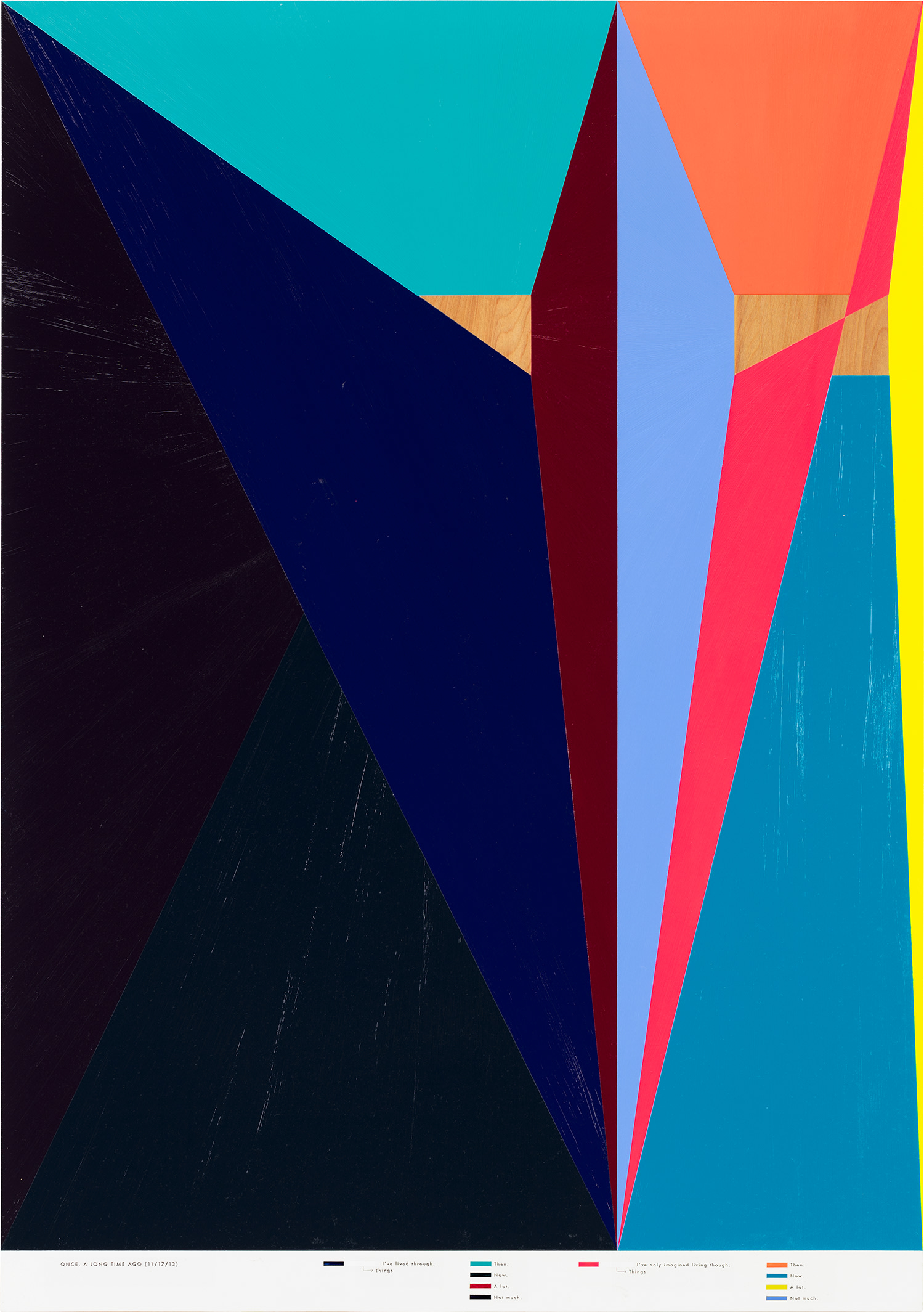
Jeffrey Gibson
Turn it up
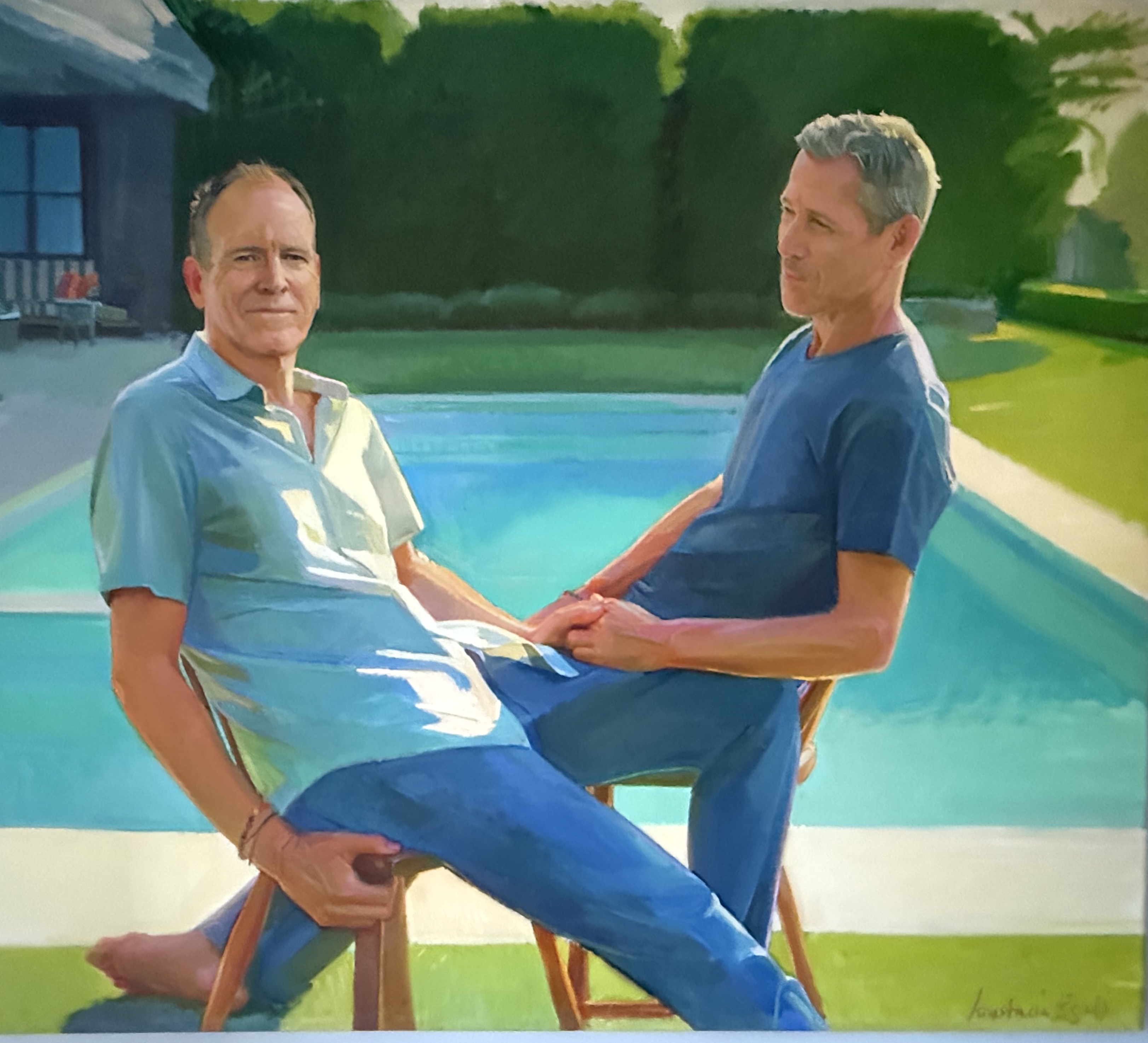
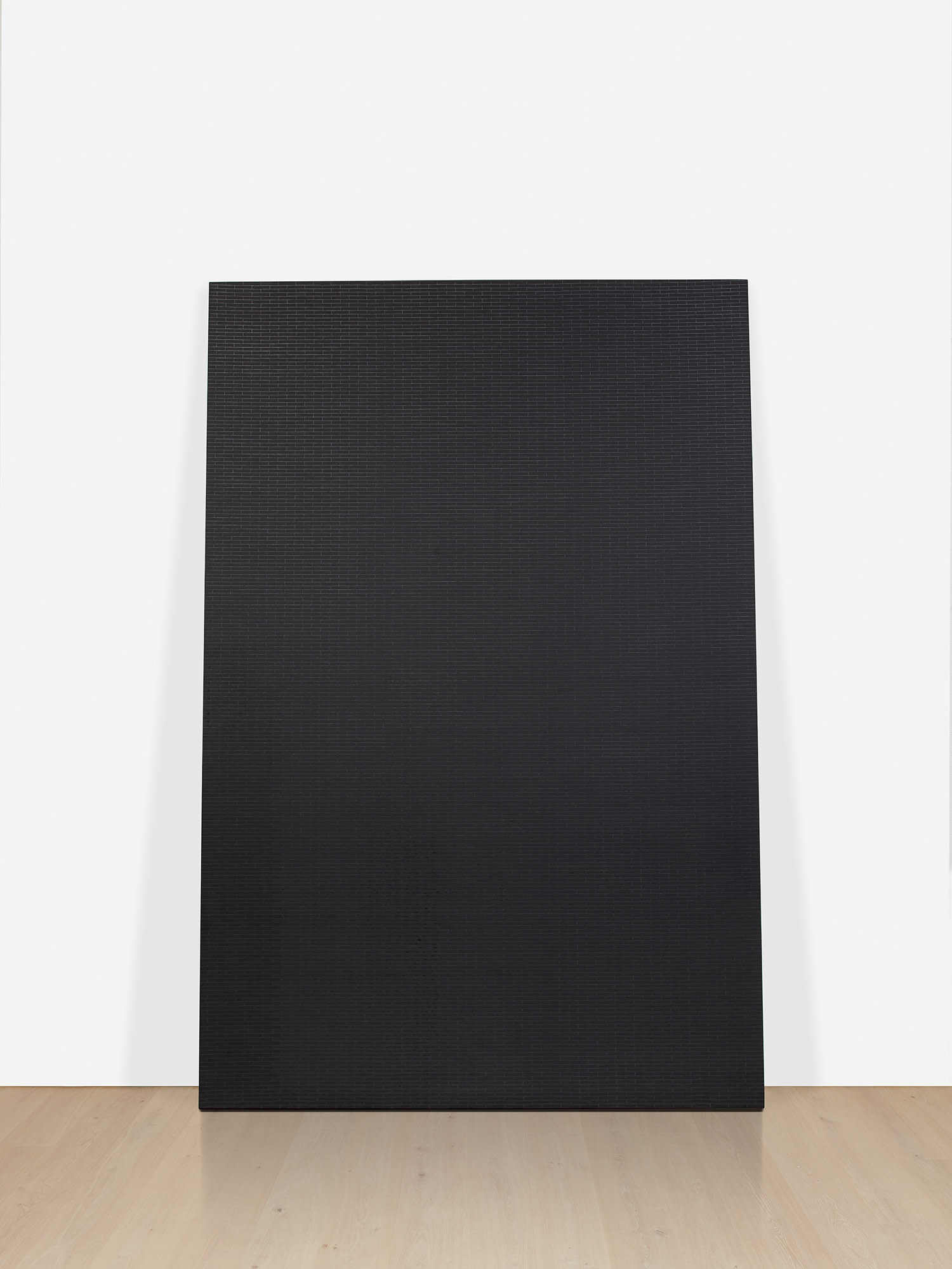
Jeffrey Gibson represents a younger generation that has moved these questions into new formal territory. A member of the Mississippi Band of Choctaw Indians and of Cherokee descent, Gibson trained at the Art Institute of Chicago and the Royal College of Art in London, and his work synthesizes powwow textile traditions, punk aesthetics, queer identity, and the visual syntax of abstraction painting. His beaded punching bags, his canvases dense with geometric pattern and text, his fashion collaborations all of it emerges from a practice that treats Indigenous visual culture as a living language capable of absorbing and transforming everything it encounters. Gibson represented the United States at the Venice Biennale in 2024, a signal moment for Native art within the global institutional framework.
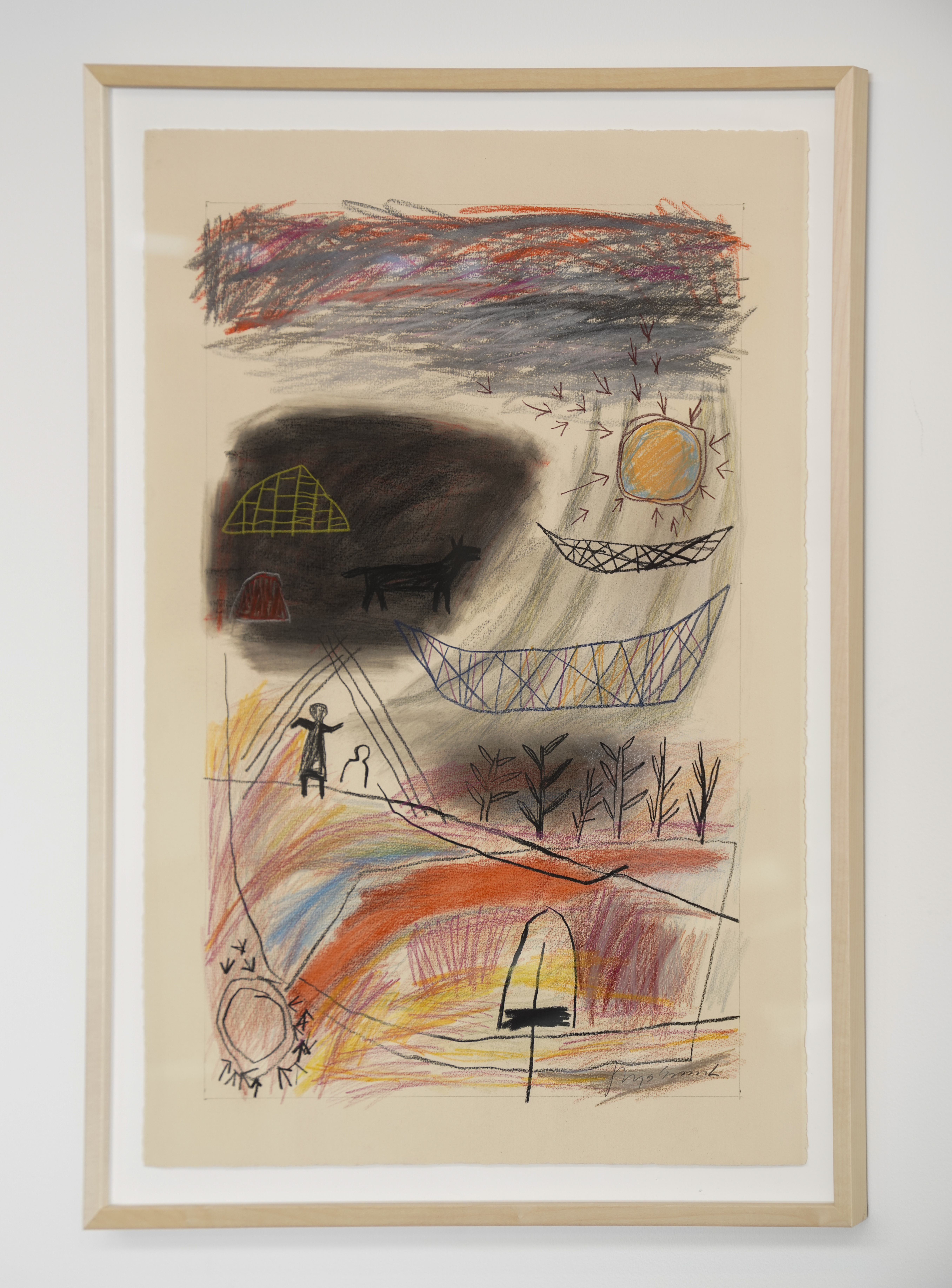
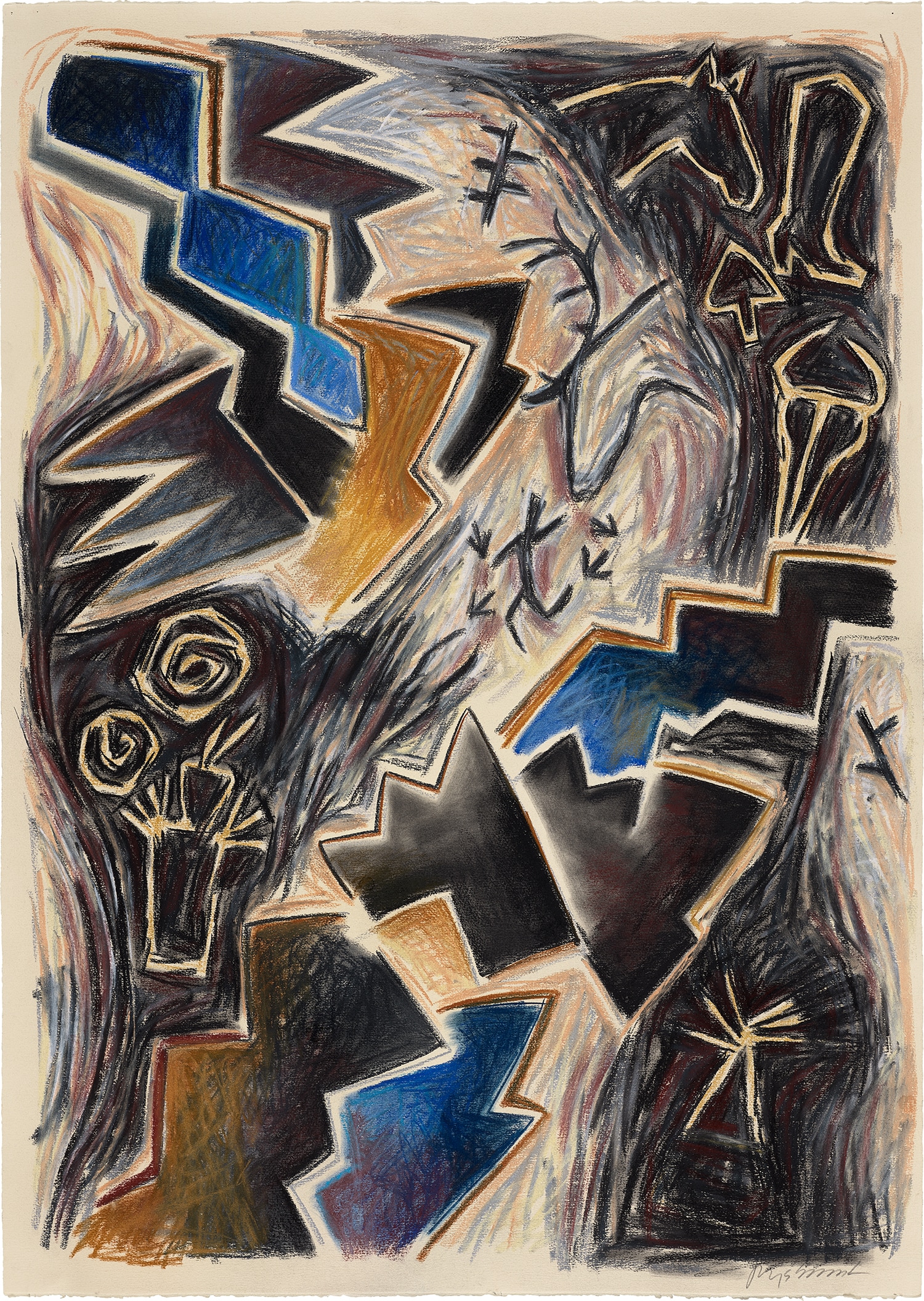
Emmi Whitehorse, a member of the Navajo Nation, works in a register that feels quieter but is no less rigorous. Her paintings on paper and canvas develop an abstract vocabulary rooted in Navajo weaving traditions, sand painting, and the landscape of the Southwest, but filtered through a sensibility that is entirely her own. The marks accumulate slowly, atmospherically, suggesting light conditions and topographic memory rather than describing them. Kevin Red Star, a Crow Nation artist who studied at the Institute of American Indian Arts, brings a more figural approach, his paintings celebrating Crow cultural life with a chromatic intensity that draws on both traditional ceremonial imagery and the bold color language of twentieth century modernism.
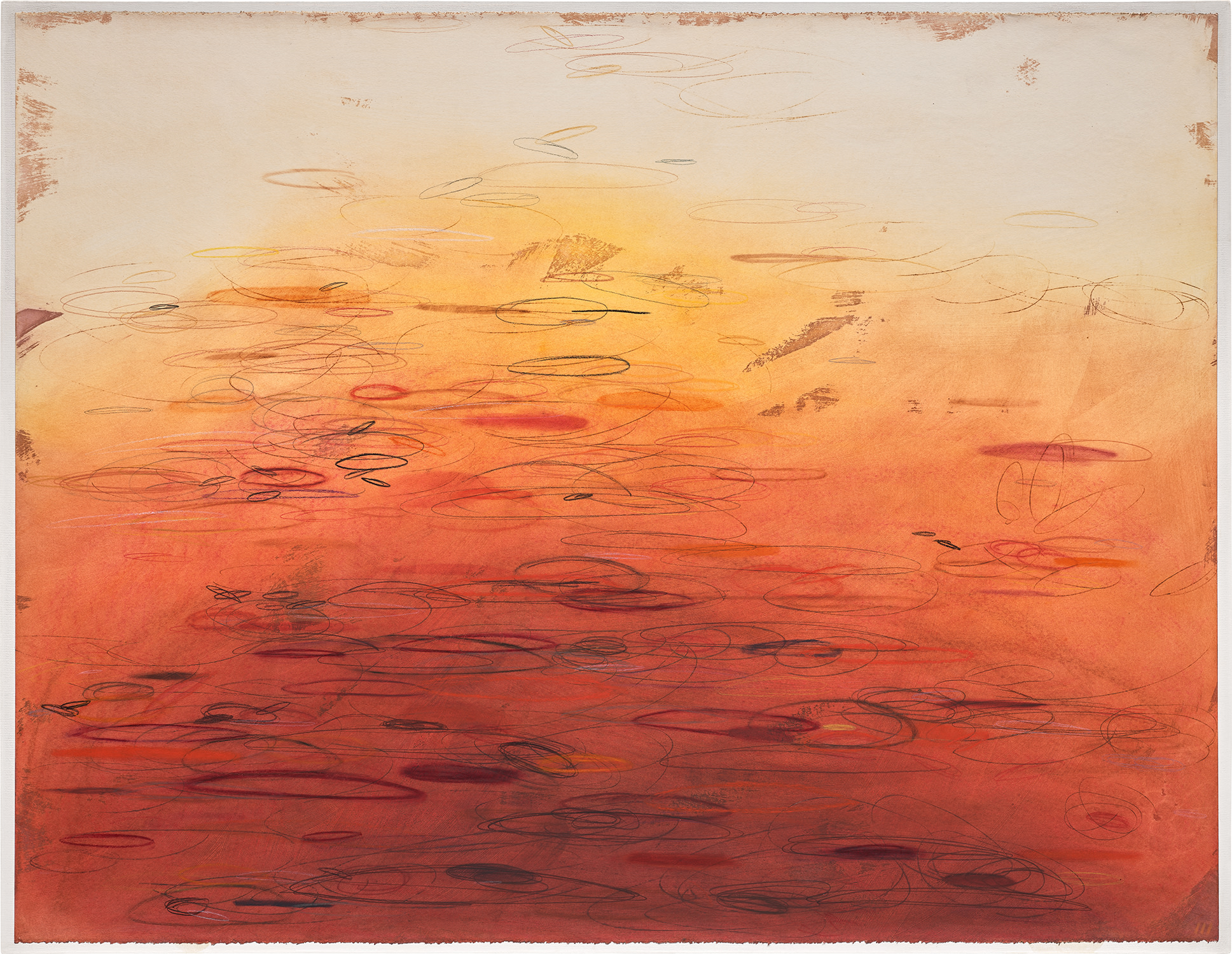
Emmi Whitehorse
Canyon Lake I
Together, these four artists present a remarkable range of what Native American art can mean and do in the contemporary moment. What unites artists across this tradition is a relationship to materials and meaning that refuses easy separation. The choice of elk hide or commercial canvas, of natural dye or industrial pigment, of geometric abstraction or figurative narrative, is never merely formal. It is always also a statement about continuity and rupture, about what gets preserved and what gets transformed in the passage from one world to another.
This is not burden or limitation. It is, for the most ambitious artists working in this space, an extraordinary source of conceptual richness. The broader art world has been catching up, slowly. Major institutional surveys like the Smithsonian's National Museum of the American Indian, established in 2004, and landmark exhibitions such as Hearts of Our People: Native Women Artists, which traveled to several major museums between 2019 and 2021, have expanded the critical framework available to collectors and curators.
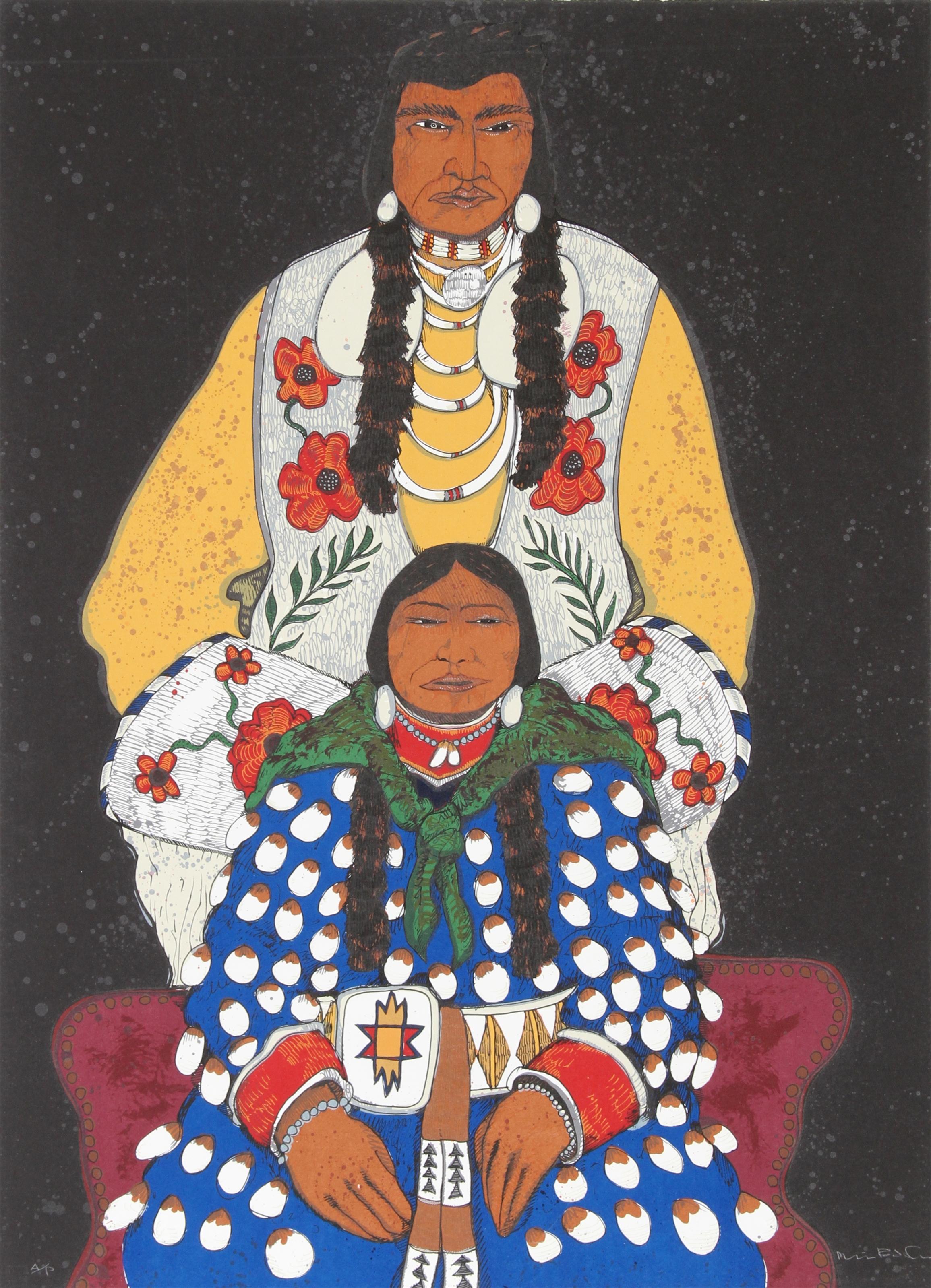
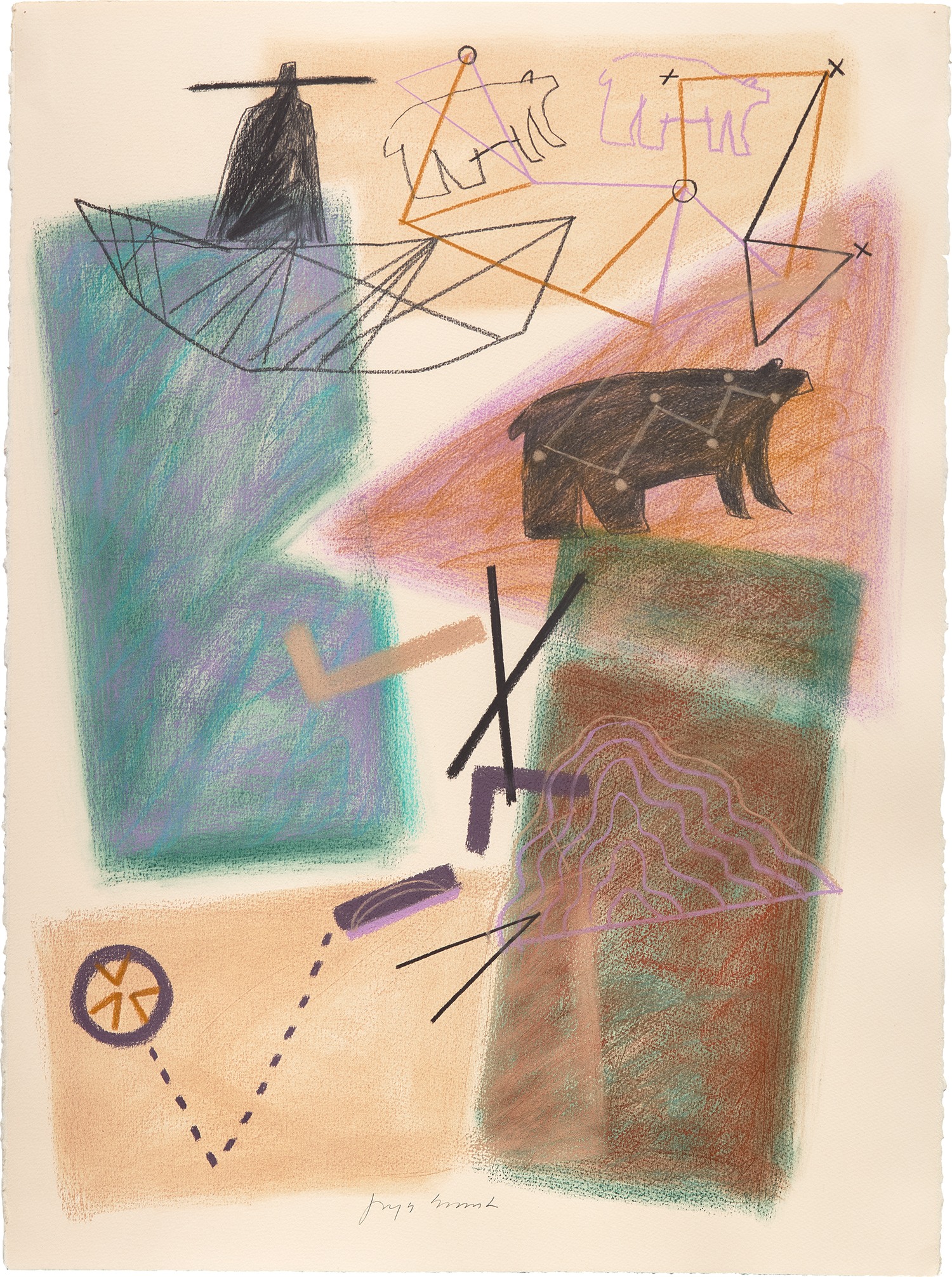
Kevin Red Star
Crow Husband and Wife
Auction results have followed, with significant works by Smith and Gibson achieving prices that reflect their rightful standing in art history rather than the discounted positioning that once reflected institutional prejudice. For collectors, Native American art offers something that feels genuinely rare in the current market: work that is formally innovative, conceptually serious, historically grounded, and alive to the present moment all at once. These are artists thinking about time differently than most of their contemporaries, holding longer debts and longer visions. The works represented on The Collection reward that kind of attention, the kind that returns to a painting and finds new argument in it each time.