Monumental Art
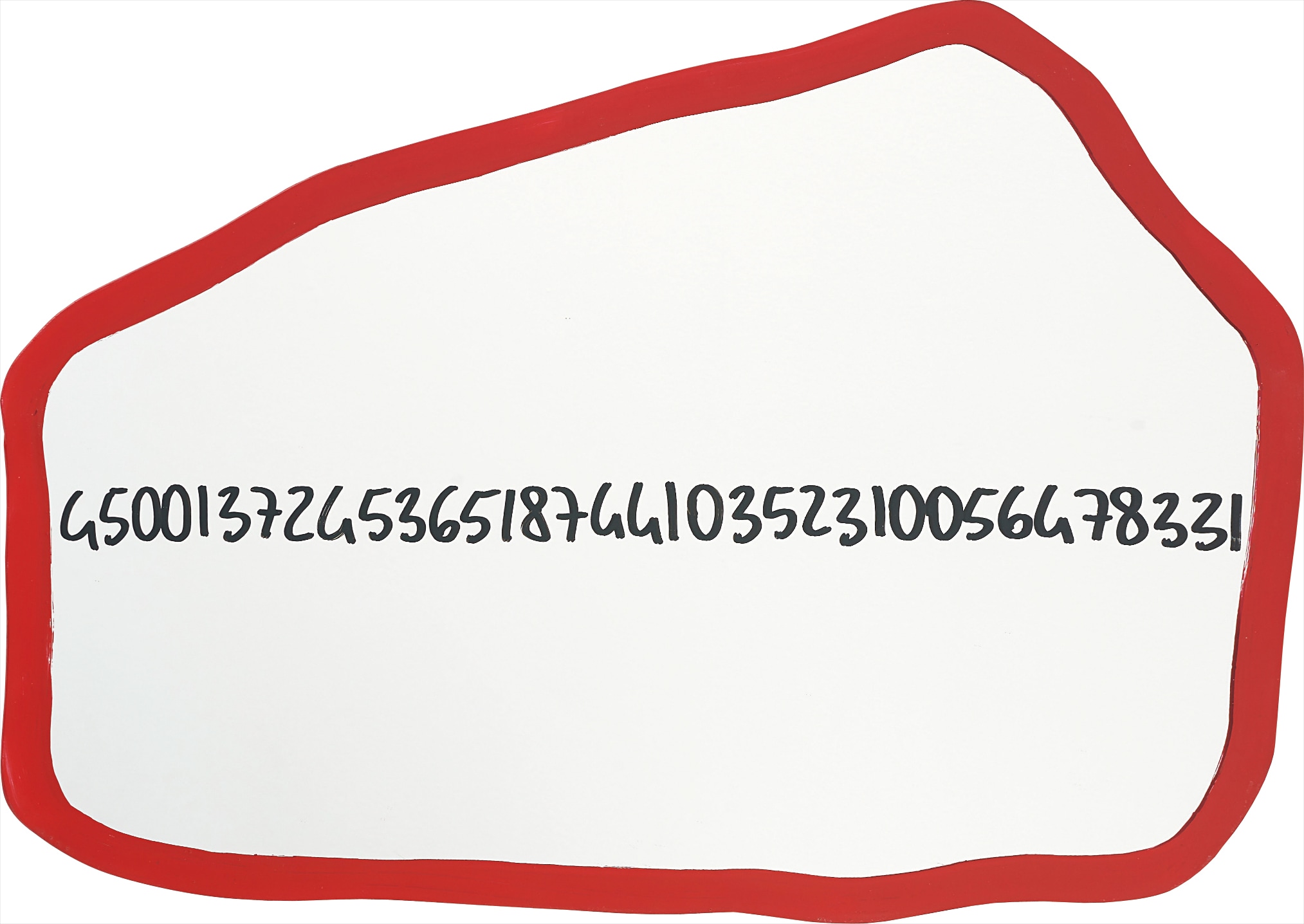
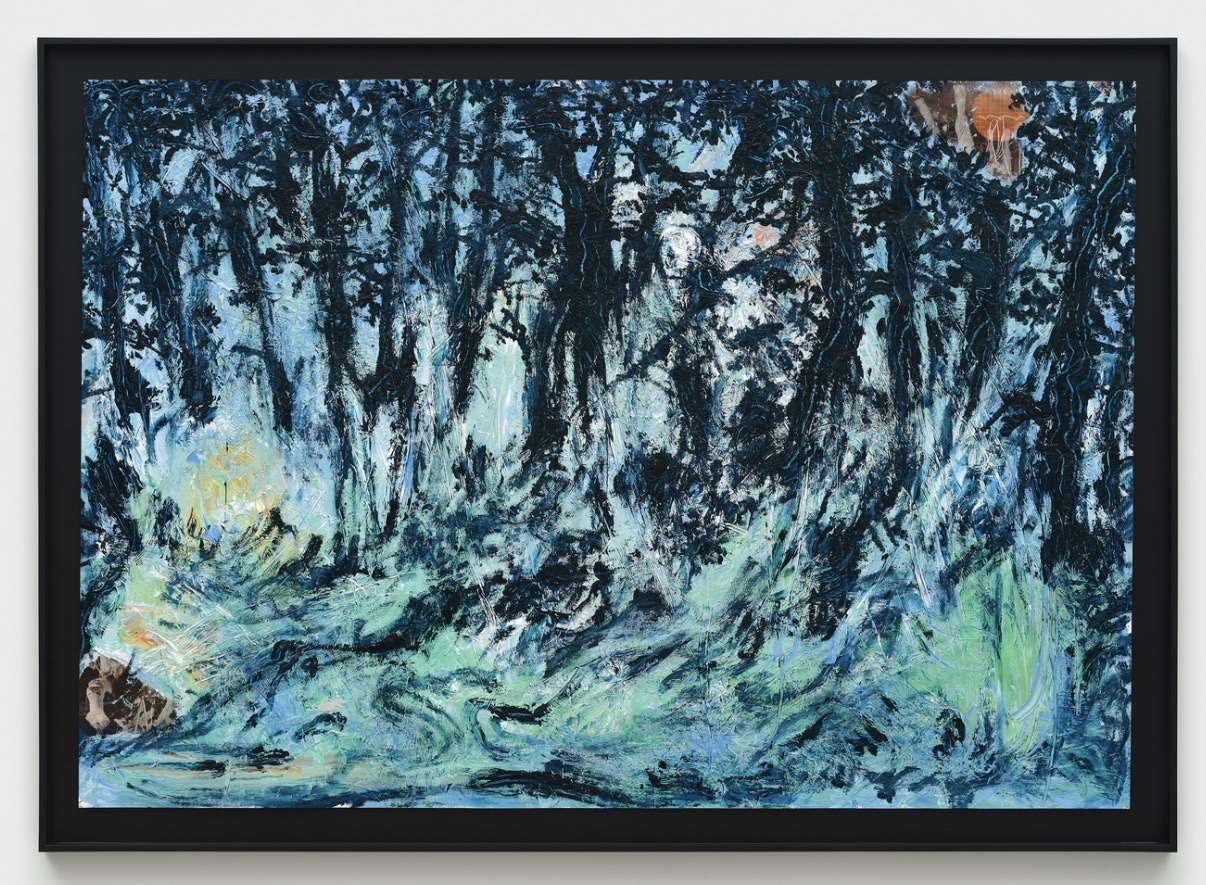
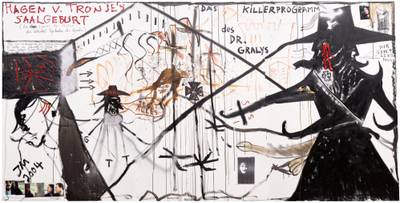
Jonathan Meese
Jean
When Art Refuses to Whisper
There is a particular feeling that comes with standing before a truly monumental work of art. The body registers it before the mind catches up. Scale does something to us that smaller work cannot, pressing on some primal instinct that conflates size with meaning, with permanence, with the kind of authority that outlasts any single human life. This is not simply a matter of ambition or ego, though both have always played their part.
It is about art claiming its right to occupy the world rather than hang politely within it. The roots of monumental art stretch back to the earliest impulses of human civilization. The megaliths of Stonehenge, assembled around 2500 BCE, and the colossal statuary of ancient Egypt demonstrated that communities have always poured their most urgent beliefs into large scale form. These were not decorative gestures.
Unknown
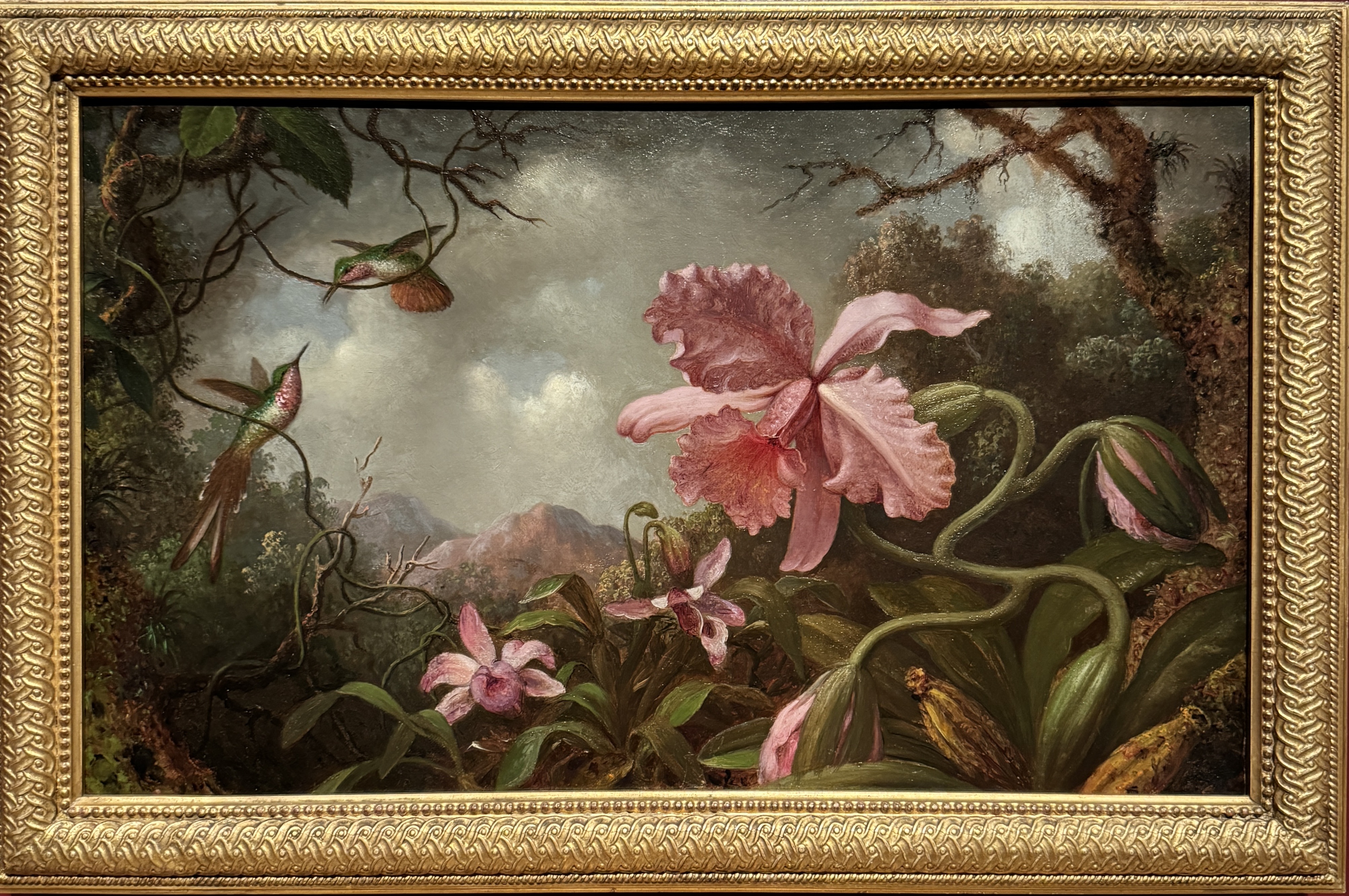
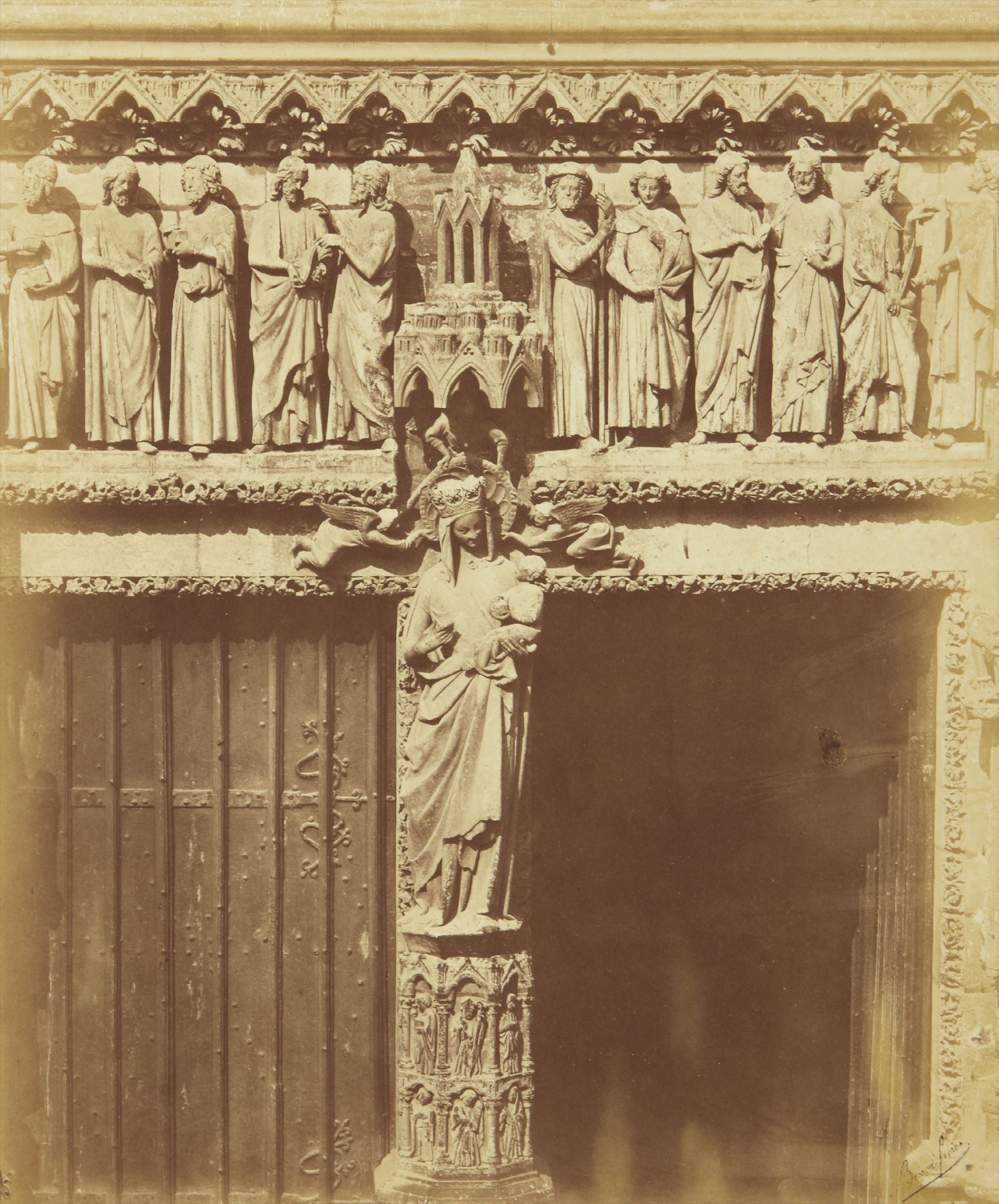
South Transept Portal, Amiens Cathedral with Trameau Figure, Vierge Doree
They were statements of cosmological certainty, political power, and collective identity, built to endure long after the hands that made them had turned to dust. The tradition carried forward through the Hellenistic Colossus of Rhodes, the Roman triumphal columns, and the cathedral portals of medieval Europe, each generation finding new reasons to speak loudly in stone and bronze. The modern understanding of monumental sculpture as a distinct and self conscious artistic practice began to crystallize in the early twentieth century. Constantin Brancusi was pushing toward an absolute distillation of form, and his Endless Column, installed in Târgu Jiu, Romania in 1938, offered a new kind of monumentality: one stripped of narrative and political allegory, concerned instead with pure presence.
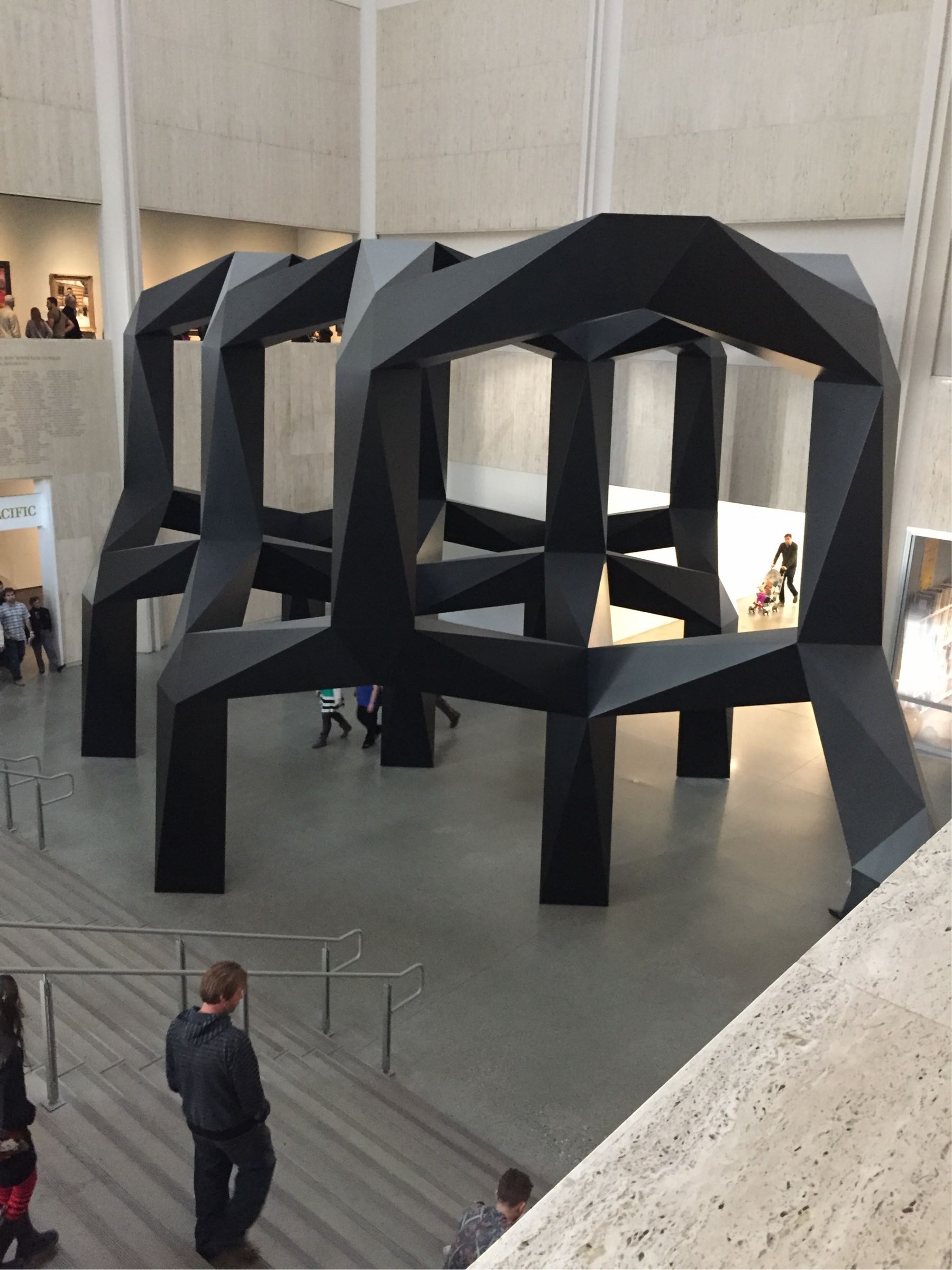
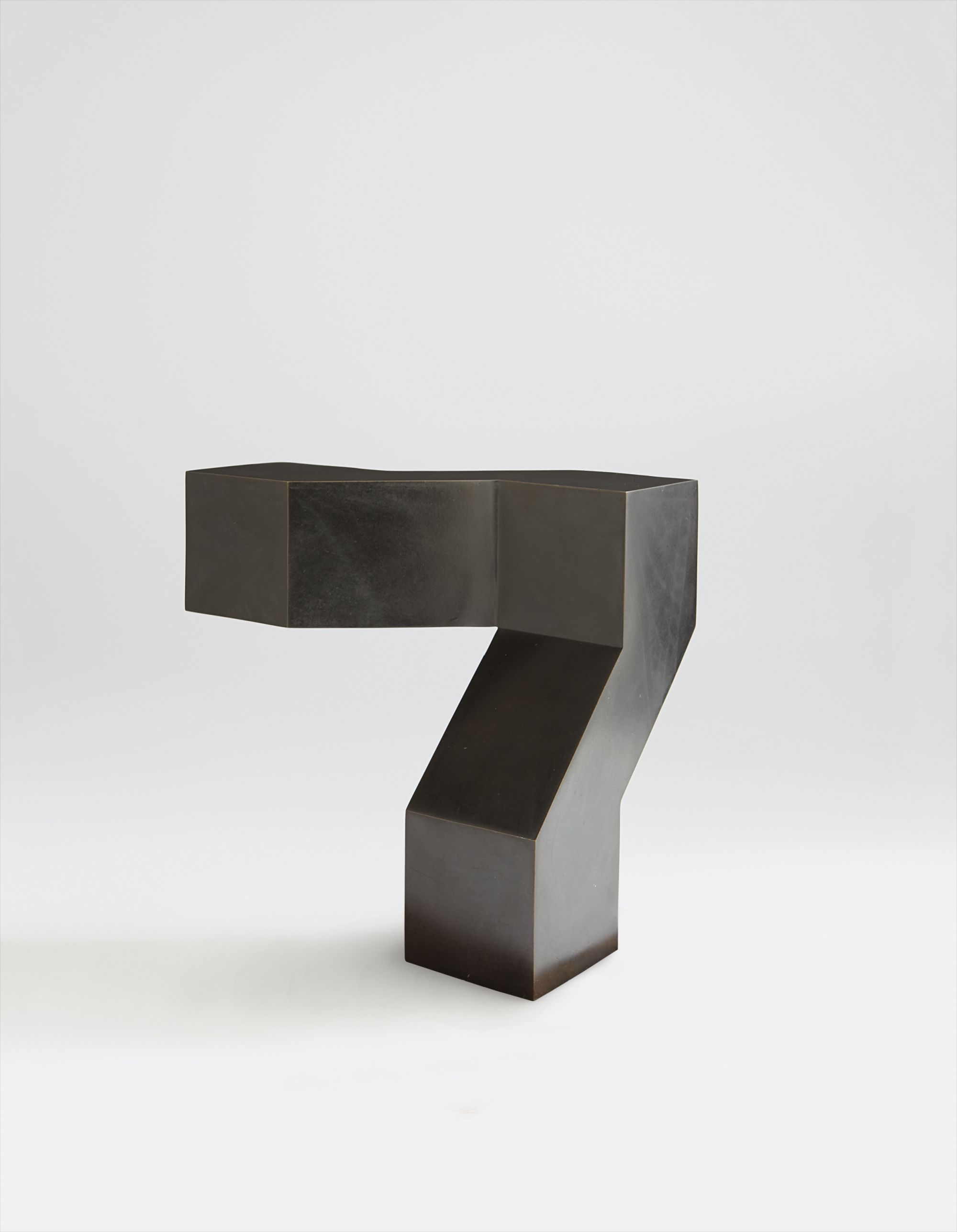
Henry Moore followed with his reclining figures and upright forms that entered the landscape as though they had always belonged there, influencing generations of sculptors who understood that scale and site were inseparable considerations. By the 1960s, the conversation had shifted again, as Minimalism brought industrial materials and geometrical rigor into public space. Tony Smith was central to this transformation. His black steel cube Die, completed in 1962, proposed something quietly radical: a work that refused symbolic content in favor of sheer phenomenological encounter.
Tony Smith
Mistake
Standing six feet in every direction, it addressed the viewer not as a spectator but as a body sharing space with another body. Smith described driving along an unfinished section of the New Jersey Turnpike at night, an experience he credited with revealing the sculptural potential of the built environment. That openness to scale as an experience rather than a statement runs through his work on The Collection and connects directly to the concerns of every major monumental artist who came after him. Igor Mitoraj brought an entirely different sensibility to large scale form.
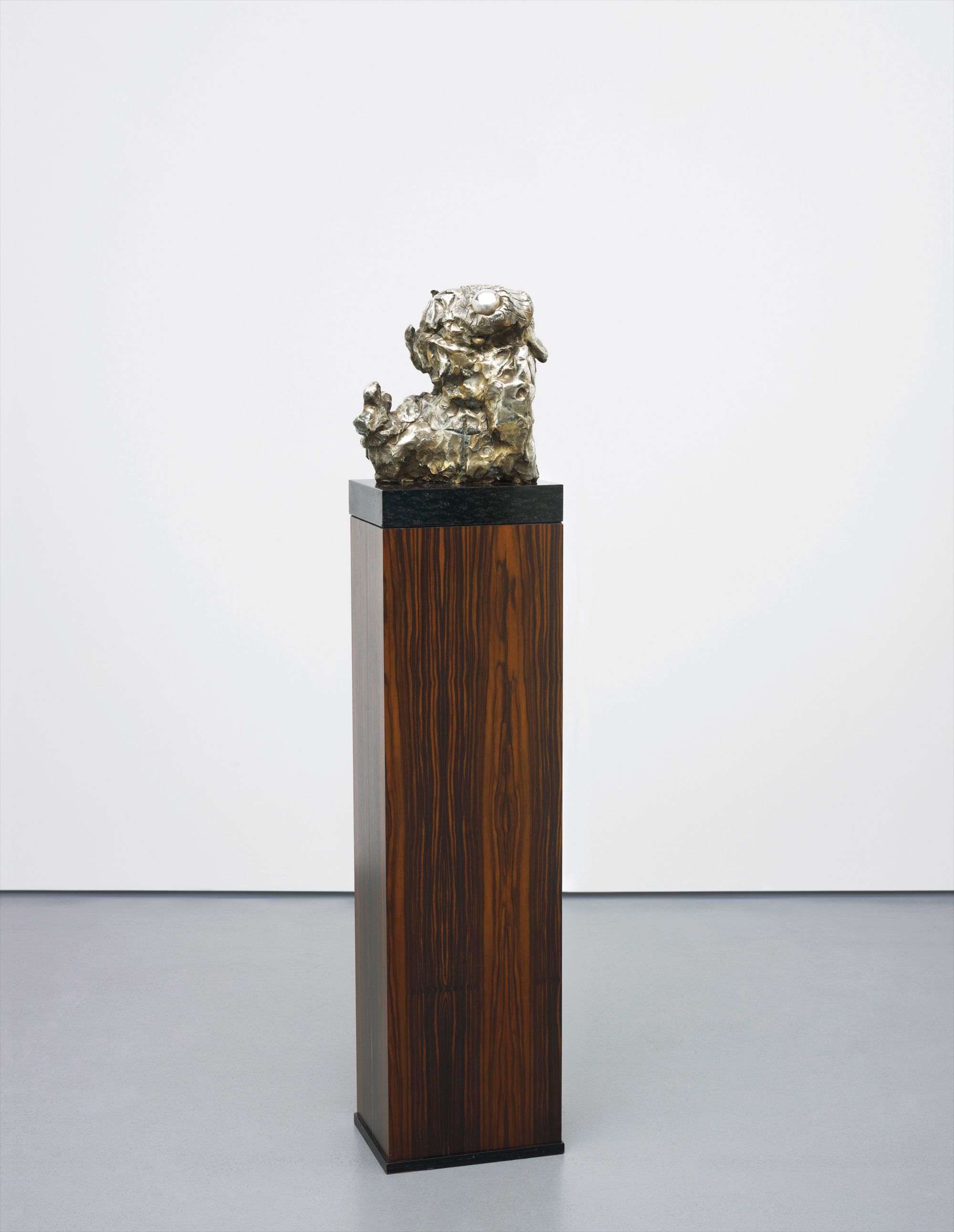
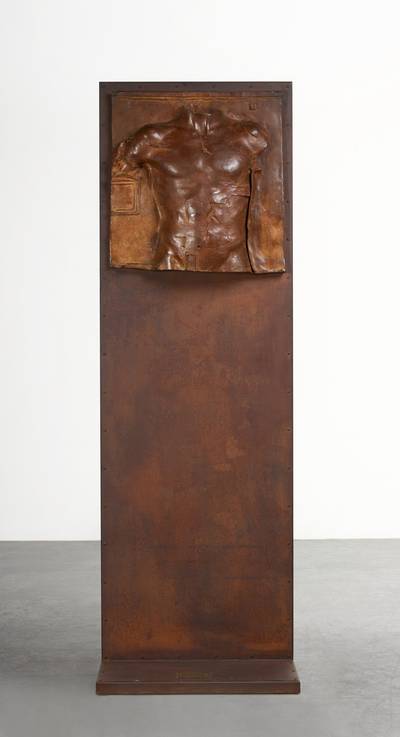
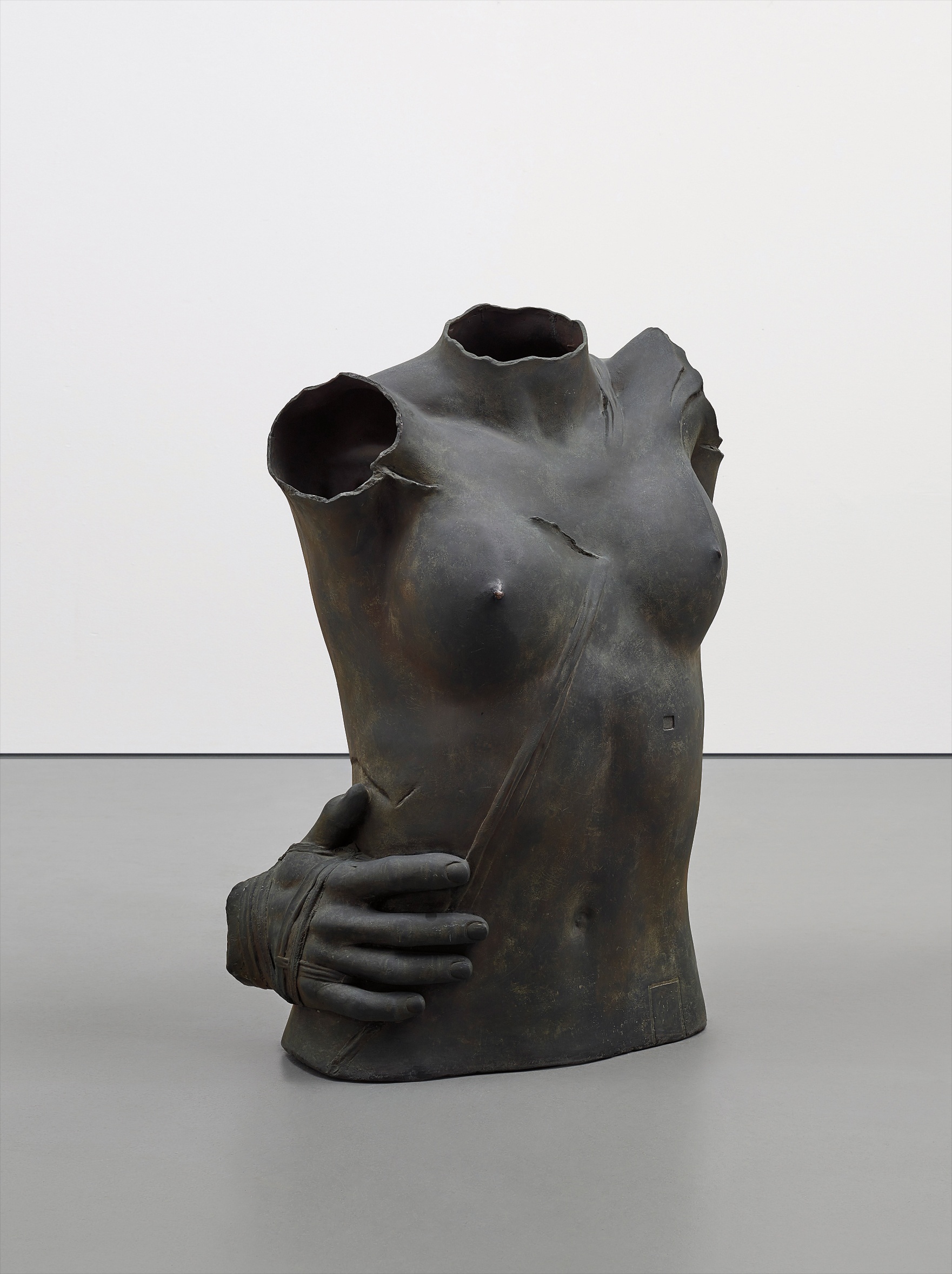
Working primarily in bronze, the Polish sculptor created fragmented classical figures that carried the weight of antiquity while speaking unmistakably to a fractured modern world. His monumental heads and partial torsos, placed in public squares across Europe and beyond, achieved something rare: they looked ancient and urgently contemporary at the same time. There is a melancholy tenderness in Mitoraj's work that resists the triumphalism usually associated with monumental sculpture, replacing it with something more like meditation on loss, beauty, and the incompleteness of all human endeavor. Egor Zigura represents a younger generation's engagement with the monumental tradition, and the works available on The Collection reward careful attention.
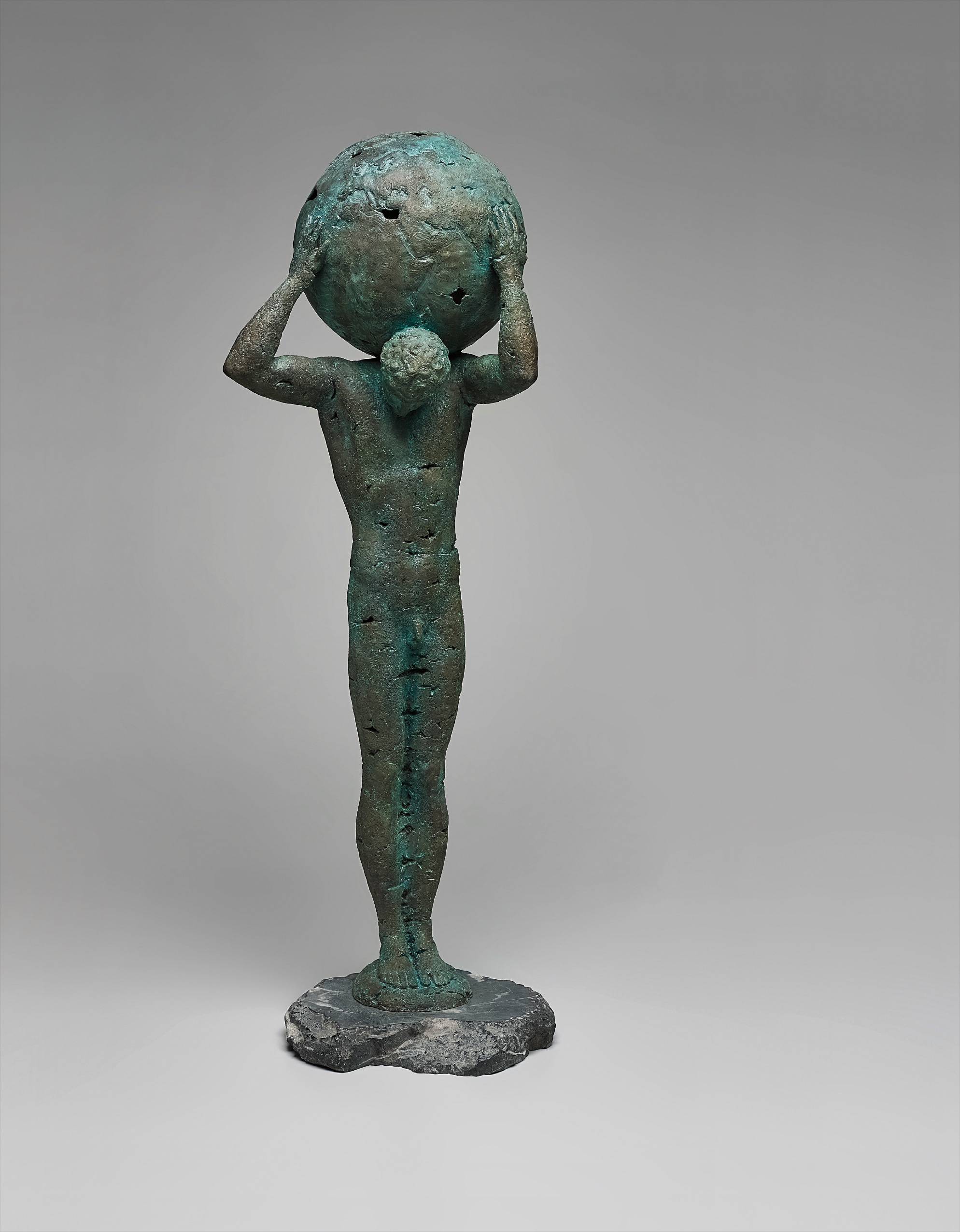
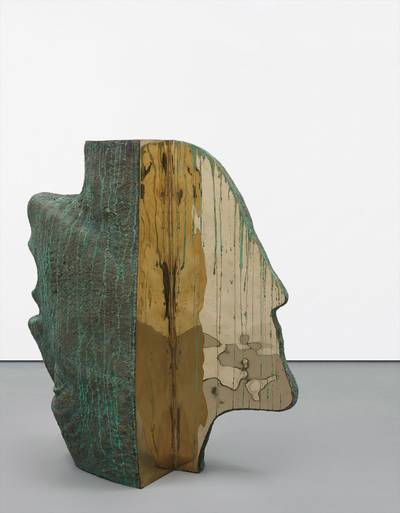
Egor Zigura
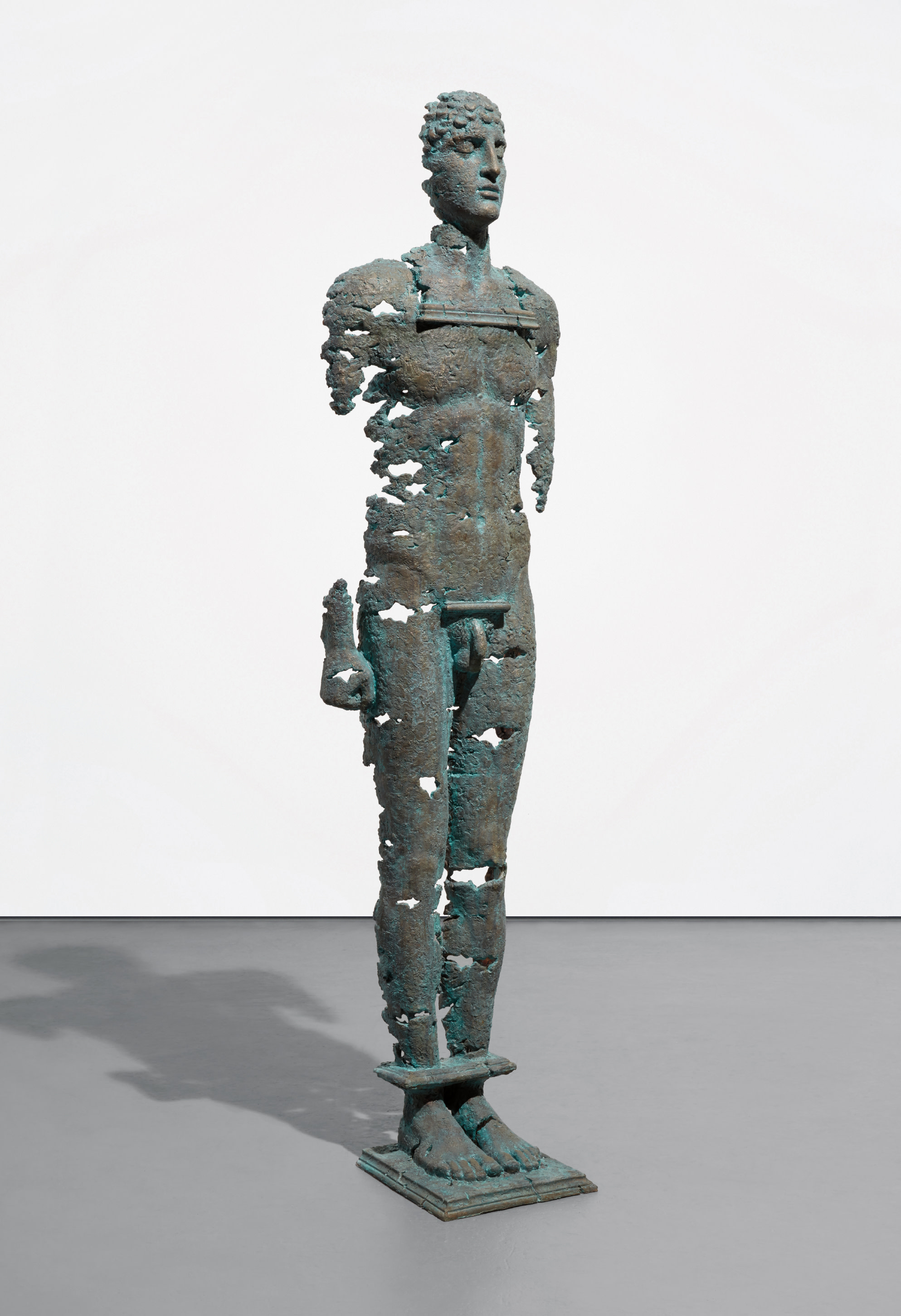
Colossus that awakens, 2016
His approach acknowledges the full weight of sculptural history while finding a language that belongs to the present moment. Zigura is interested in the way form can carry psychological charge, how a surface or silhouette can create a field of feeling around itself. This places him in a lineage that runs through Smith and Moore back to Rodin, whose Gates of Hell began in 1880 and took the idea of a sculptural program to its outermost limits. Jonathan Meese, whose presence on The Collection brings a different kind of intensity, approaches monumentality from a performative and iconographic angle.
Where sculptors like Smith pursued formal purity, Meese floods the frame with imagery, text, and mythological overload. His work understands that the monumental impulse is also about cultural memory and its distortions, about how societies construct their heroes and their nightmares at the same scale. Meese has spoken often about art as a totalizing force, something that should overwhelm rather than accommodate. It is a provocative position and a genuinely serious one.
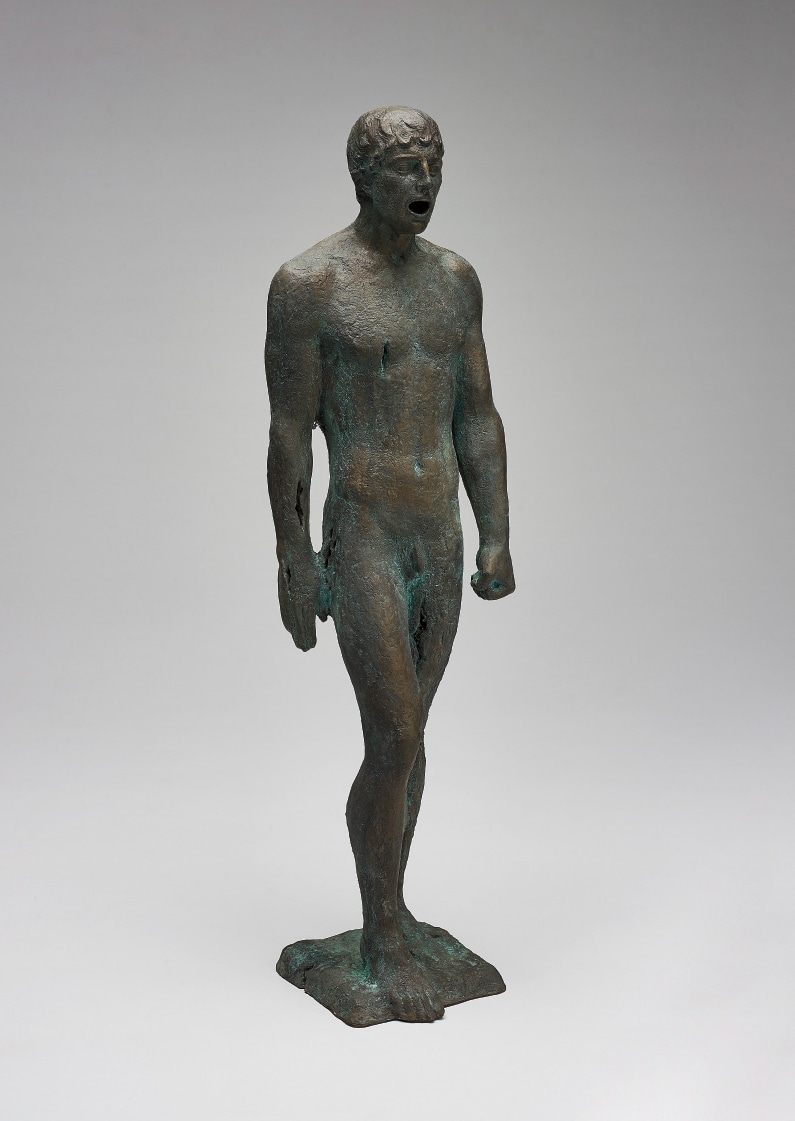
Igor Mitoraj
This work is number 2 from an edition of 6.
The materials that define monumental work have expanded dramatically over the past half century. Bronze and marble remain present, partly because their weight and permanence carry historical resonance that lighter materials struggle to replicate. But Cor Ten steel, as used by Richard Serra in his massive curved walls, introduced a surface that rusts and weathers into the landscape over time, blurring the line between sculpture and geology. More recently, artists have explored resin, polished stainless steel, and even inflatable structures at architectural scale, each material choice carrying its own argument about what permanence means and who it serves.
Culturally, the fate of monumental art has become one of the most contested conversations in public life. The removal of Confederate statues across the American South, the toppling of Edward Colston's bronze in Bristol in 2020, and ongoing debates about Soviet era monuments throughout Eastern Europe have all forced a reckoning with the question of whose stories deserve to be told at scale. Monumentality is never neutral. It encodes ideology, and the argument about which ideologies deserve that amplification is alive and unresolved.
For collectors engaging with monumental work, either in institutional scale or in the more intimate versions that pass through private hands, the essential question is the same one that has always animated this tradition. What deserves to last. What should be given the weight and permanence of bronze, the authority of scale, the dignity of taking up space in the world without apology. The artists gathered on The Collection who work within this tradition each offer their own answer, and taken together they trace a lineage that runs from ancient stone to contemporary steel, always asking the same urgent question in an ever louder voice.