Metal Art
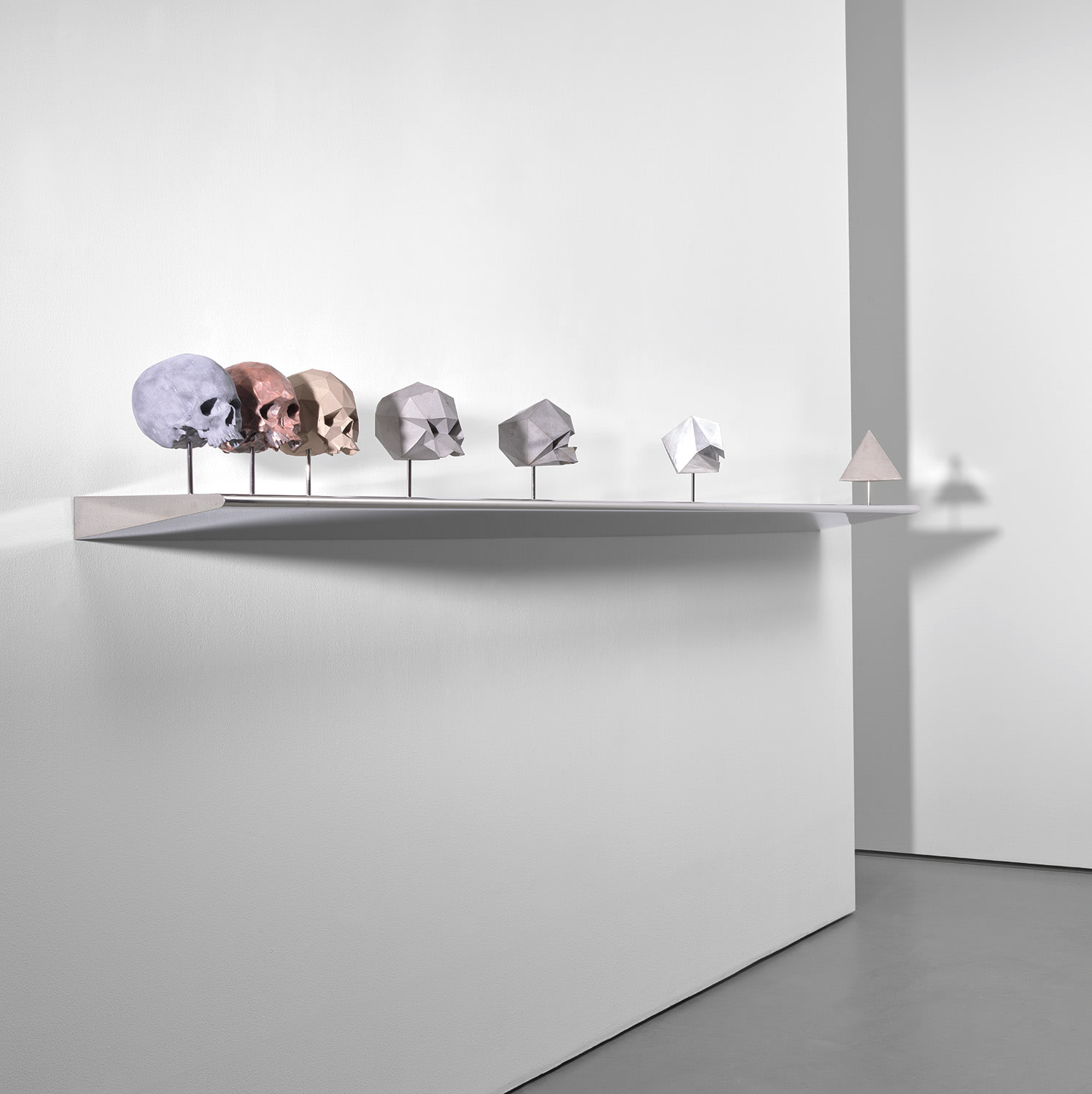
Matthew Day Jackson
The Way We Were, 2010


Steel, Weight, and the Market's New Hunger
When a compressed automobile sculpture by César sold at Christie's Paris for well above its high estimate a few seasons back, the room took notice in a particular way. Not because the result was entirely surprising, but because of what it confirmed: that metal as a sculptural medium, long associated with industrial weight and masculine bravado, had quietly become one of the most desirable and intellectually serious categories in the contemporary and modern market. The compressed car, that signature gesture of César's Compressions series, looked as urgent and alive as it did when he first presented those works in the early 1960s. The market was simply catching up to what curators had understood for decades.
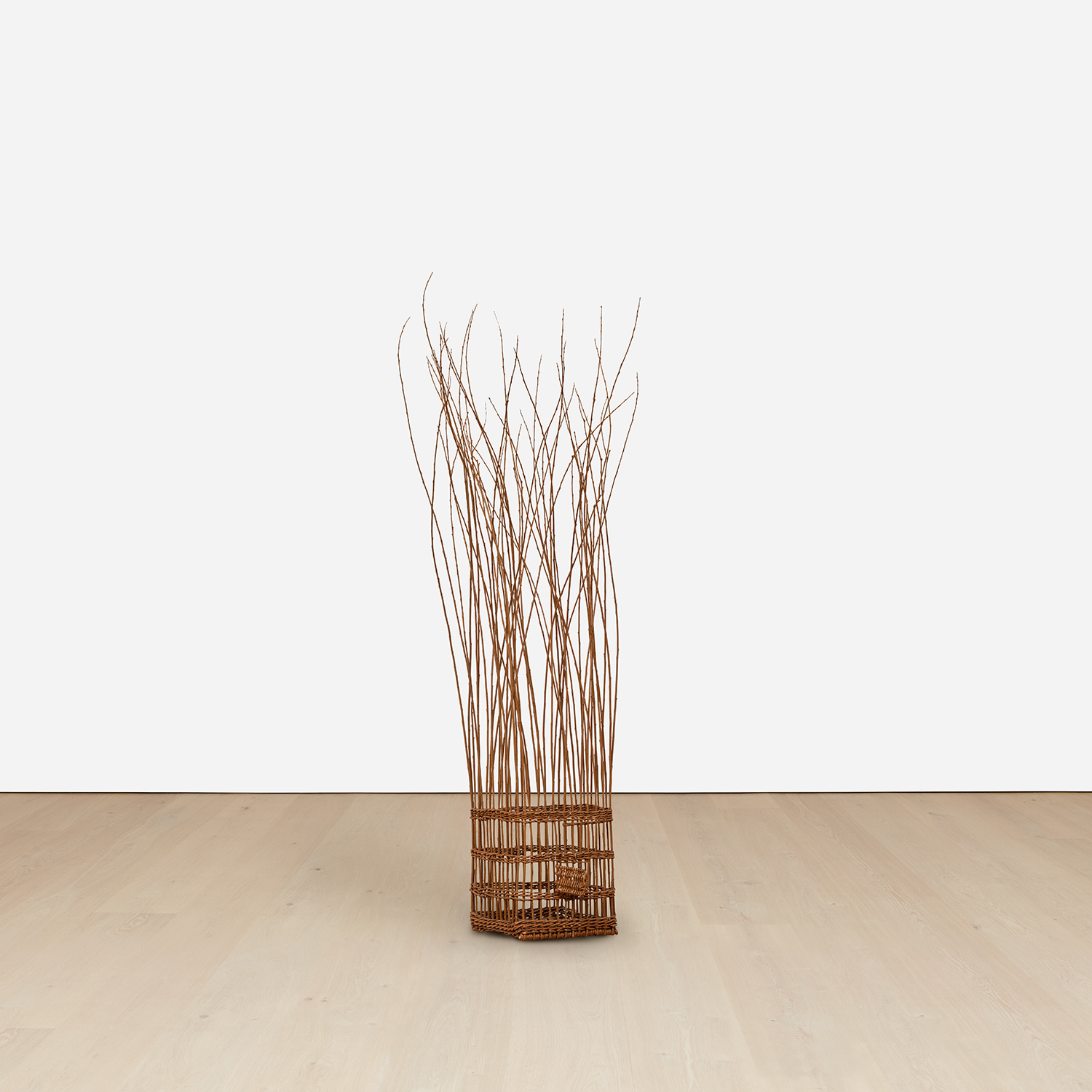
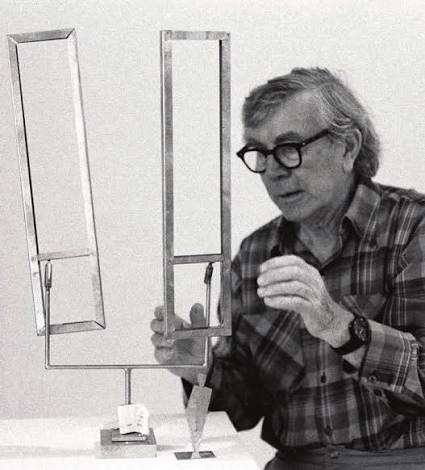
The critical rehabilitation of metal sculpture as a category has been gradual but unmistakable. For years, large scale steel and aluminum works were understood primarily through their relationship to public space, to plazas and corporate lobbies, which had the unfortunate effect of making them seem more civic than collectible. George Rickey changed that perception for many, particularly after major retrospective attention in the 1990s and early 2000s reminded audiences that his kinetic stainless steel works were not decorations but precise philosophical instruments, machines for thinking about balance, time, and atmosphere. His pieces require wind, patience, and a certain willingness to surrender to duration rather than immediate impact.
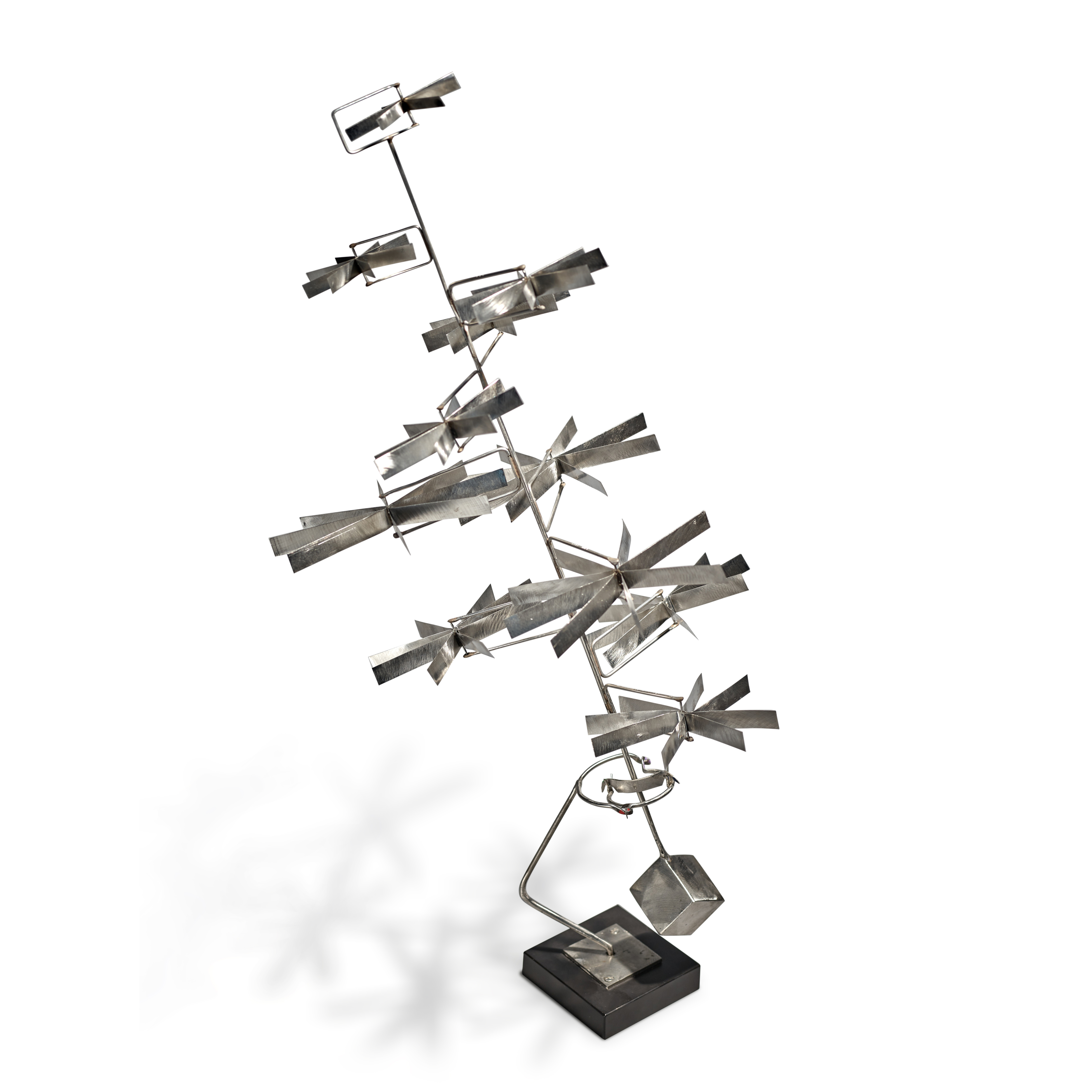
George Rickey
Spruce II, 1993
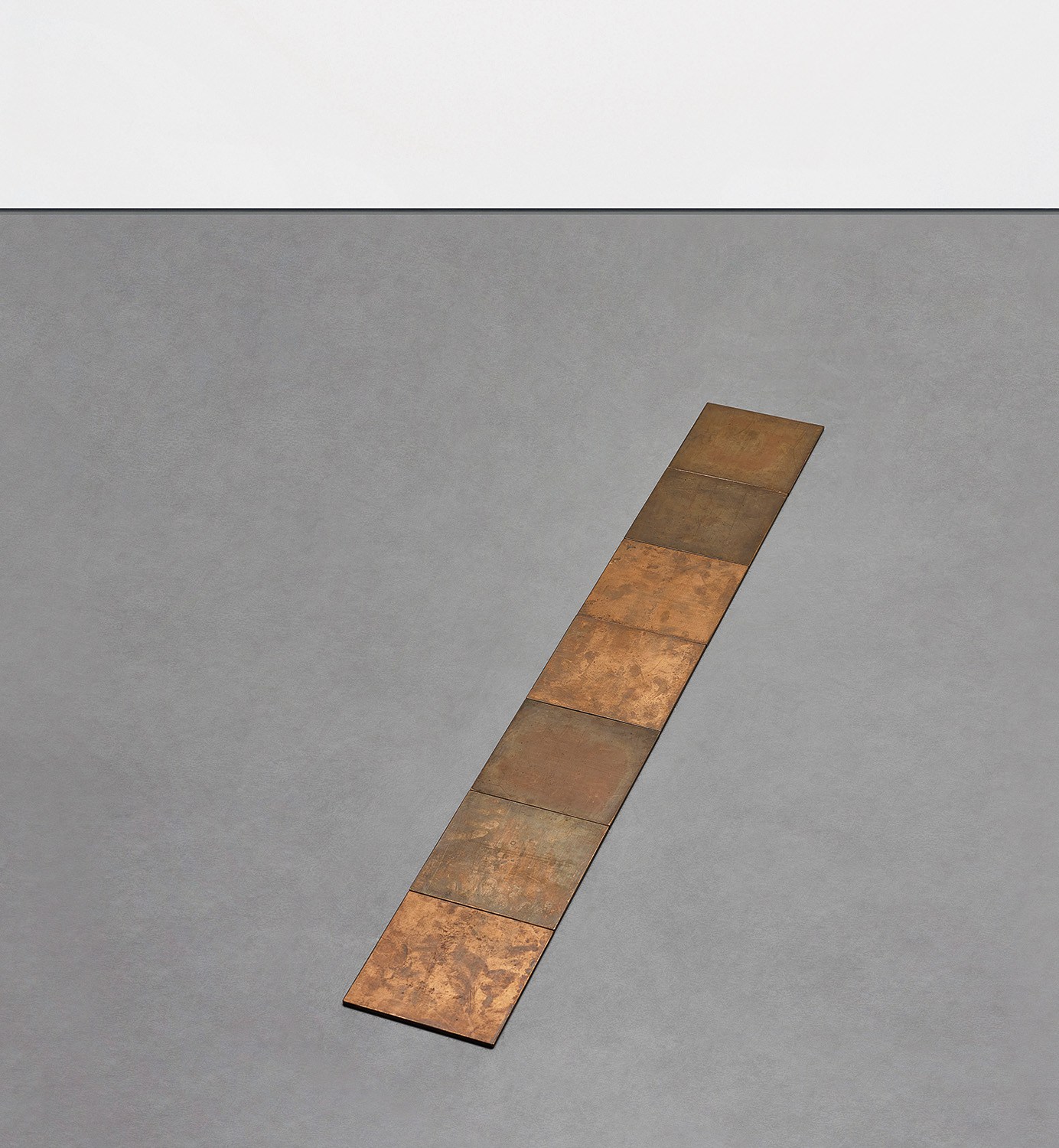
The institutional conversation around metal sculpture has intensified considerably since MoMA's long running commitment to the medium became newly legible through a series of reinstallations in its permanent collection galleries. The presence of Carl Andre in those rooms, with his flat metal plate arrangements on the floor, continues to generate productive friction. Andre remains among the most contested figures in contemporary art for reasons beyond his formal practice, yet the work itself commands consistent critical attention and significant prices at auction. His steel and aluminum floor pieces have sold at major houses for sums that confirm collector appetite even amid ongoing cultural debate.
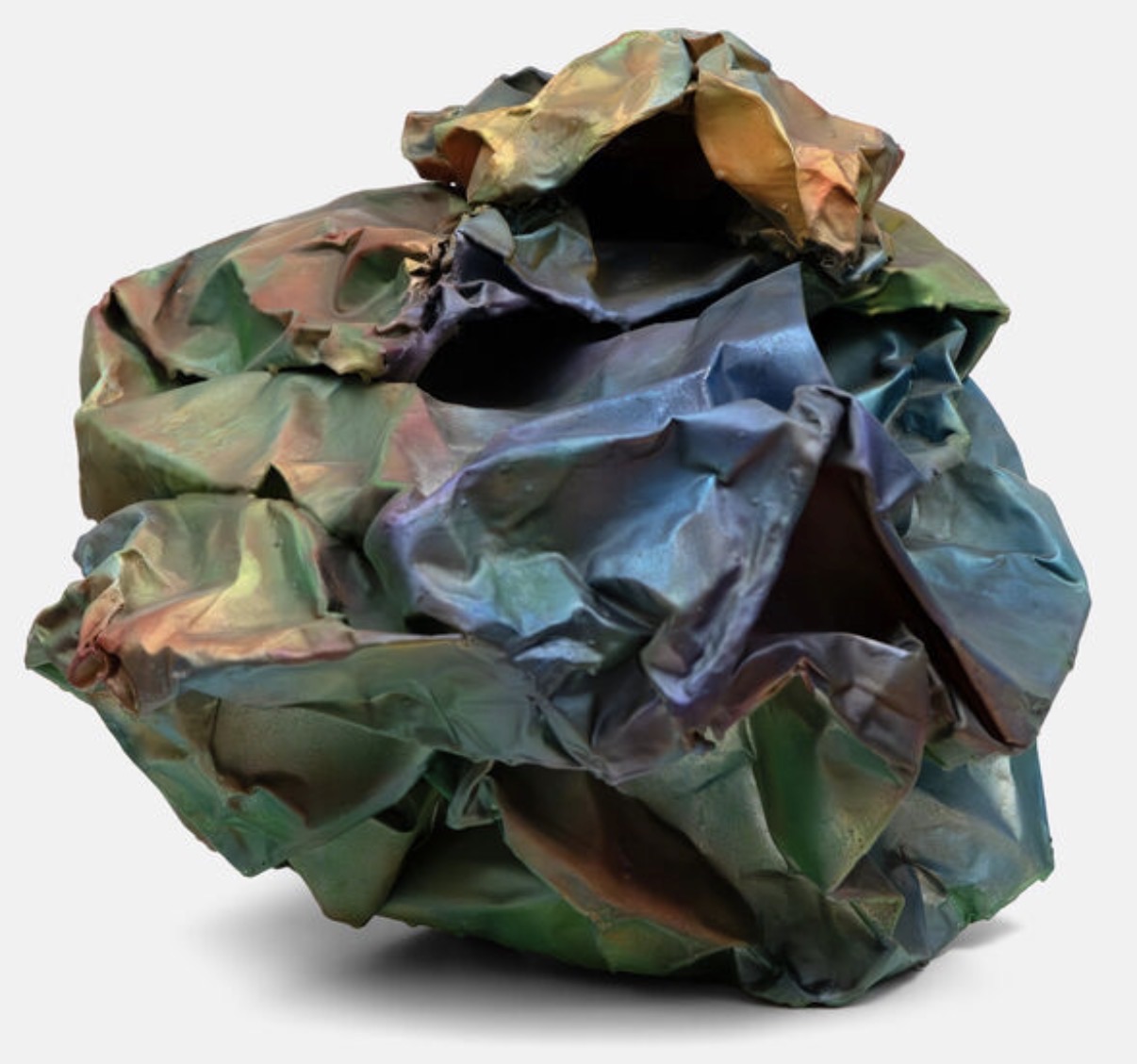
What that tension reveals about the market is worth sitting with. John Chamberlain occupies a particularly interesting position in this conversation. His crushed and welded automobile bodies, made from salvaged steel, arrived as an answer to Abstract Expressionism's painterly drama but in three dimensions. The Guggenheim's 2011 retrospective, which filled the rotunda with these chromatic metal tangles, was one of the more visually overwhelming exhibition experiences of that decade.
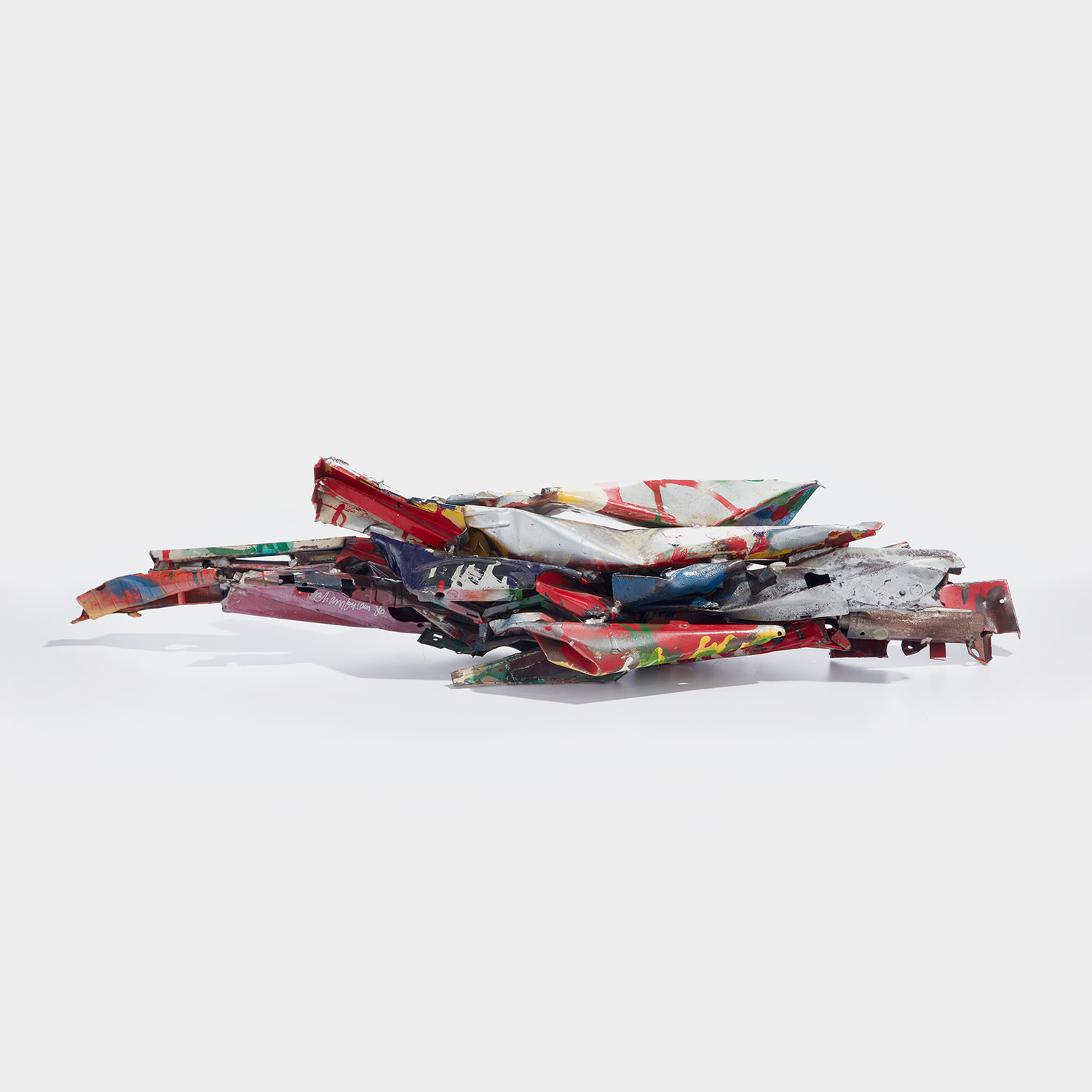
John Chamberlain
Tonk #8, 1986
Since his death in 2011, the secondary market for Chamberlain has grown steadily, with major works crossing seven figures at Christie's and Sotheby's. The works represented on The Collection offer collectors a chance to engage with an artist whose prices have moved with real conviction and whose critical standing has only strengthened posthumously. Michelangelo Pistoletto brings an entirely different energy to metal. His mirror works, which incorporate polished stainless steel surfaces alongside silkscreened photographic imagery, sit at the intersection of Arte Povera, conceptual art, and a kind of democratic humanism that feels more relevant now than ever.
The Cittadellarte foundation he established in Biella has made him a figure of ongoing cultural production rather than simply historical importance. Pistoletto's market reflects his dual status: as both a museum collected master and an artist still actively shaping discourse. Institutions from the Tate to the Centre Pompidou have deepened their holdings of his work over the past ten years, which is always a signal worth tracking. Matthew Day Jackson represents the more recent critical energy in this space.
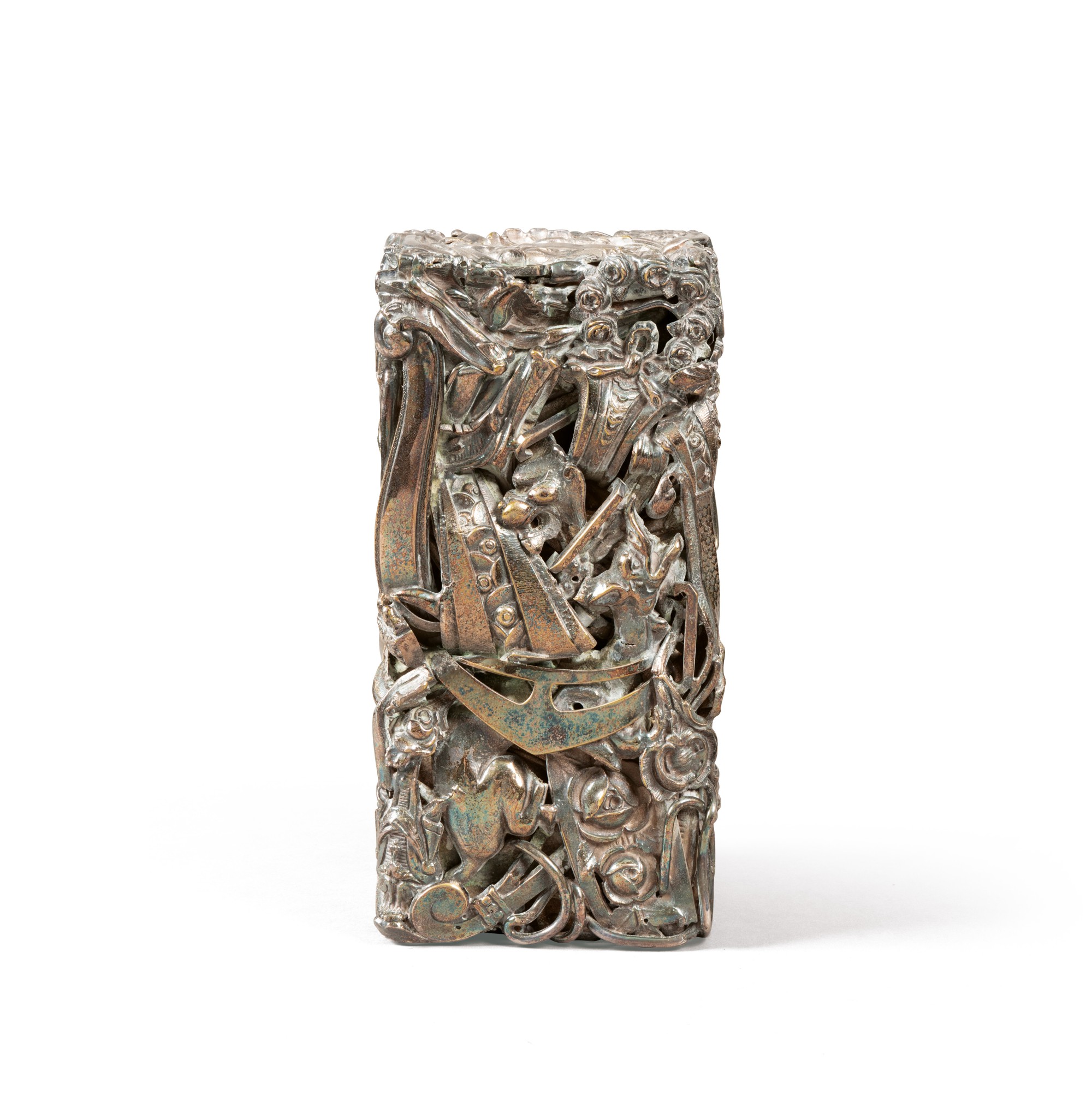
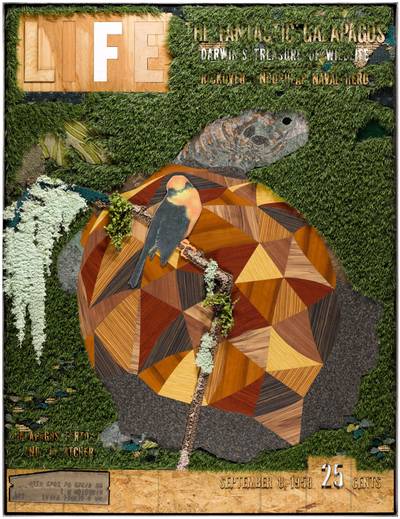
Matthew Day Jackson
The Way We Were, 2010
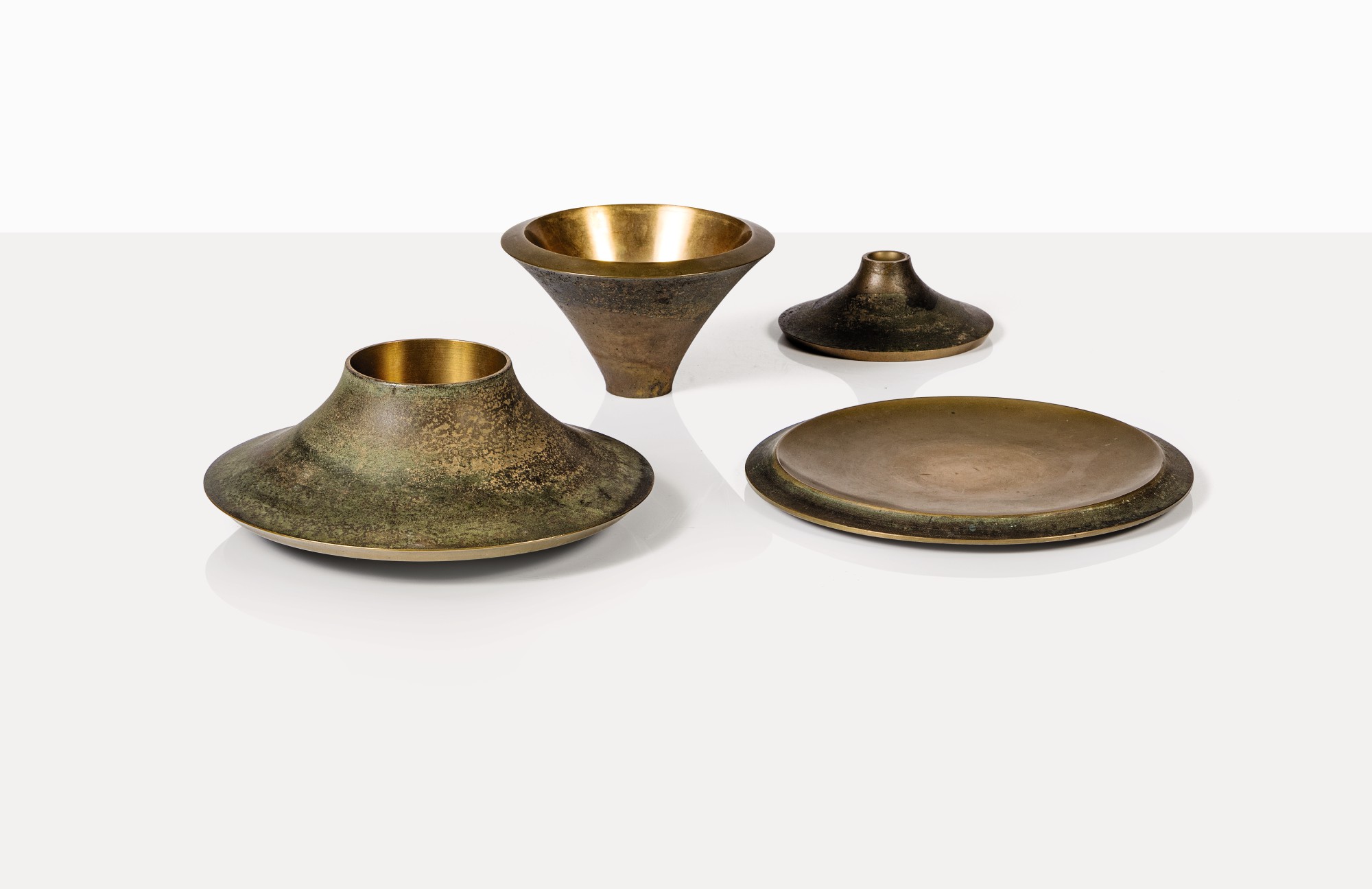
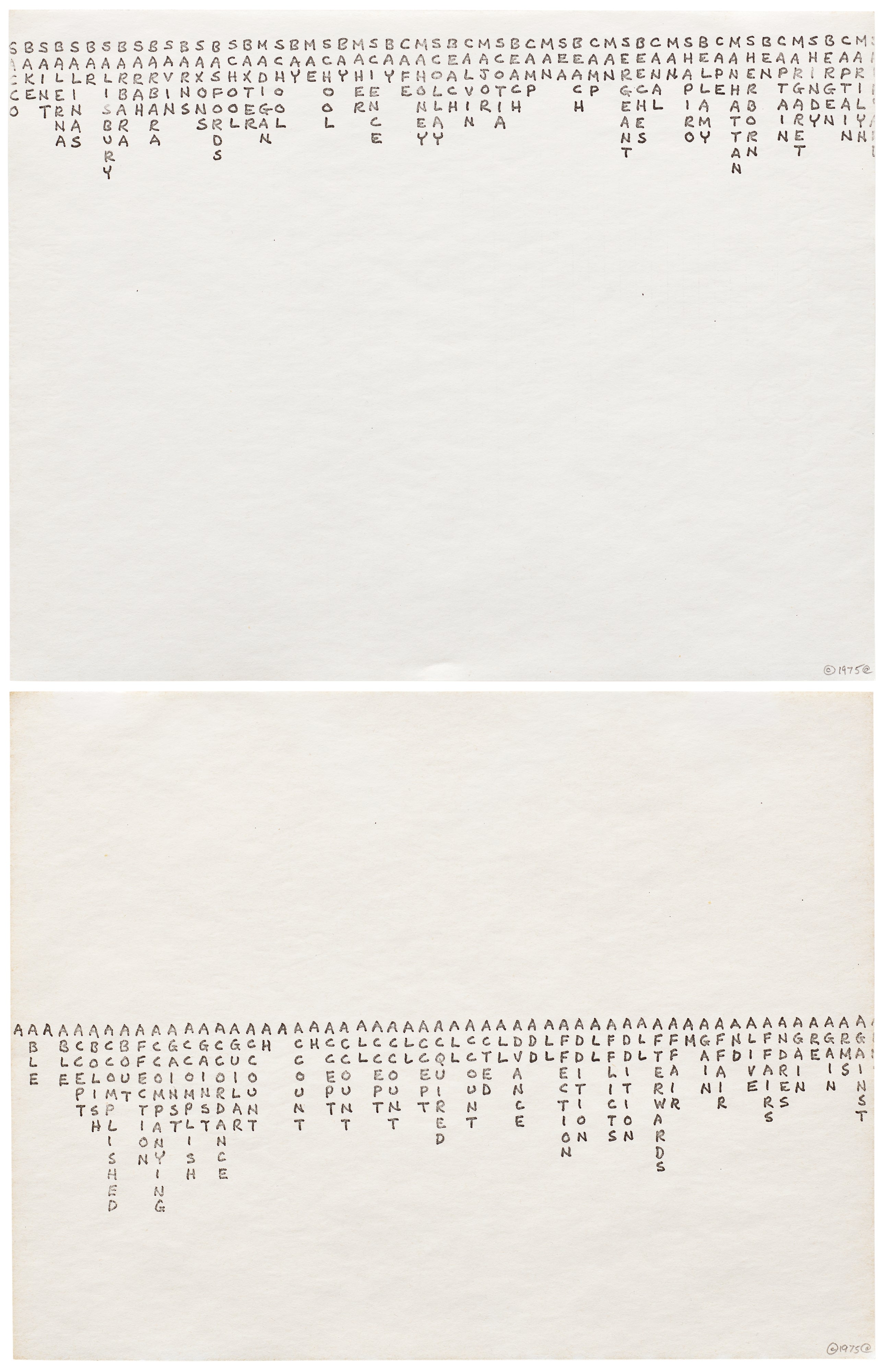
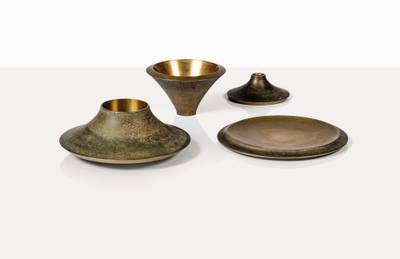
His practice engages with metal as a material freighted with historical meaning, drawing on American industrial mythology, the aesthetics of damage and repair, and a melancholy relationship to technological optimism. His inclusion in major group shows at the Gagosian network and sustained critical attention from publications including Artforum have positioned him as a bridge between the legacy of postwar metal sculpture and a contemporary sensibility shaped by ecological anxiety and post industrial nostalgia. Jackson is an artist whose market trajectory feels open rather than settled, which is where the interesting conversations tend to happen. Angelo Mangiarotti, whose reputation has grown substantially since a renewed interest in postwar Italian design and sculpture, and Jerome Kirk, who worked within the tradition of kinetic and geometric metal abstraction, represent the quieter but genuinely rewarding corners of this category.
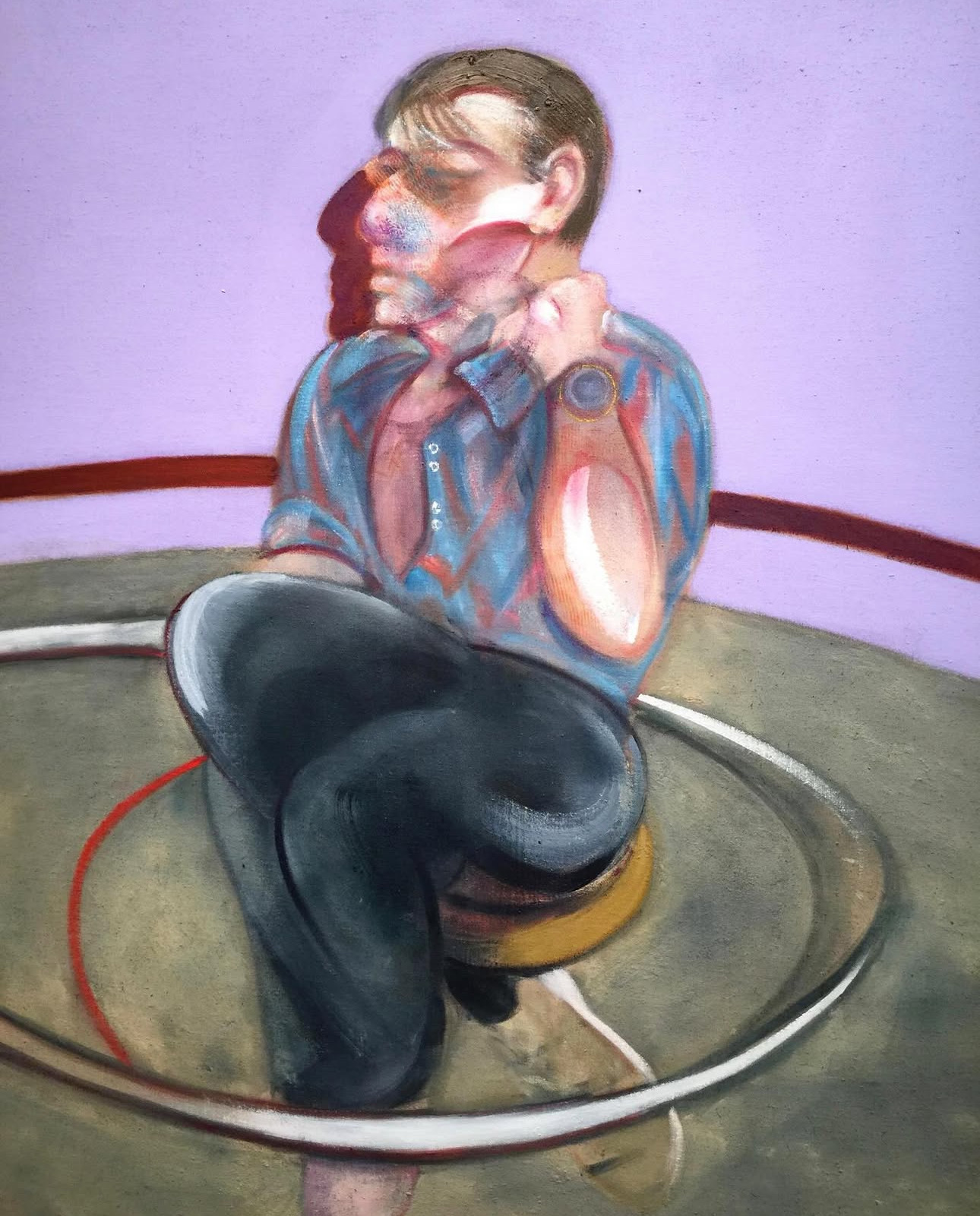
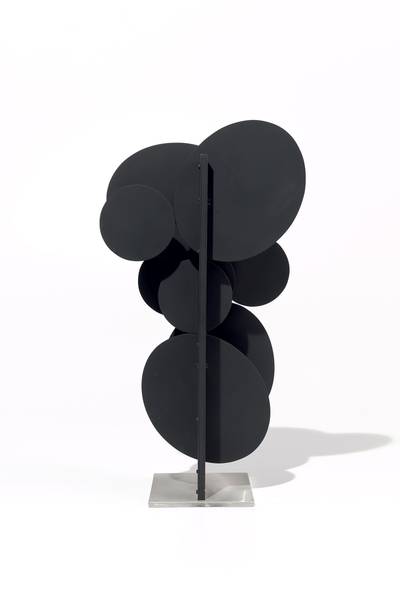
Paige Tashner, working today, brings a sensitivity to fabrication and surface that positions her work as both formally rigorous and emotionally accessible. The range of practices gathered under the broad umbrella of metal art, from Andre's severe horizontality to Tashner's more lyrical investigations, suggests that the category resists easy summary, which is precisely what makes it so generative for collectors willing to look carefully. The critical writing shaping this territory has moved away from formalist analysis toward a richer engagement with materials, labor, and meaning. Curator Helen Molesworth's work on postwar American sculpture, along with essays by Briony Fer and Hal Foster on the legacies of Minimalism and Arte Povera, have given collectors and institutions a much more nuanced framework for understanding why these heavy, demanding, often site specific objects matter.
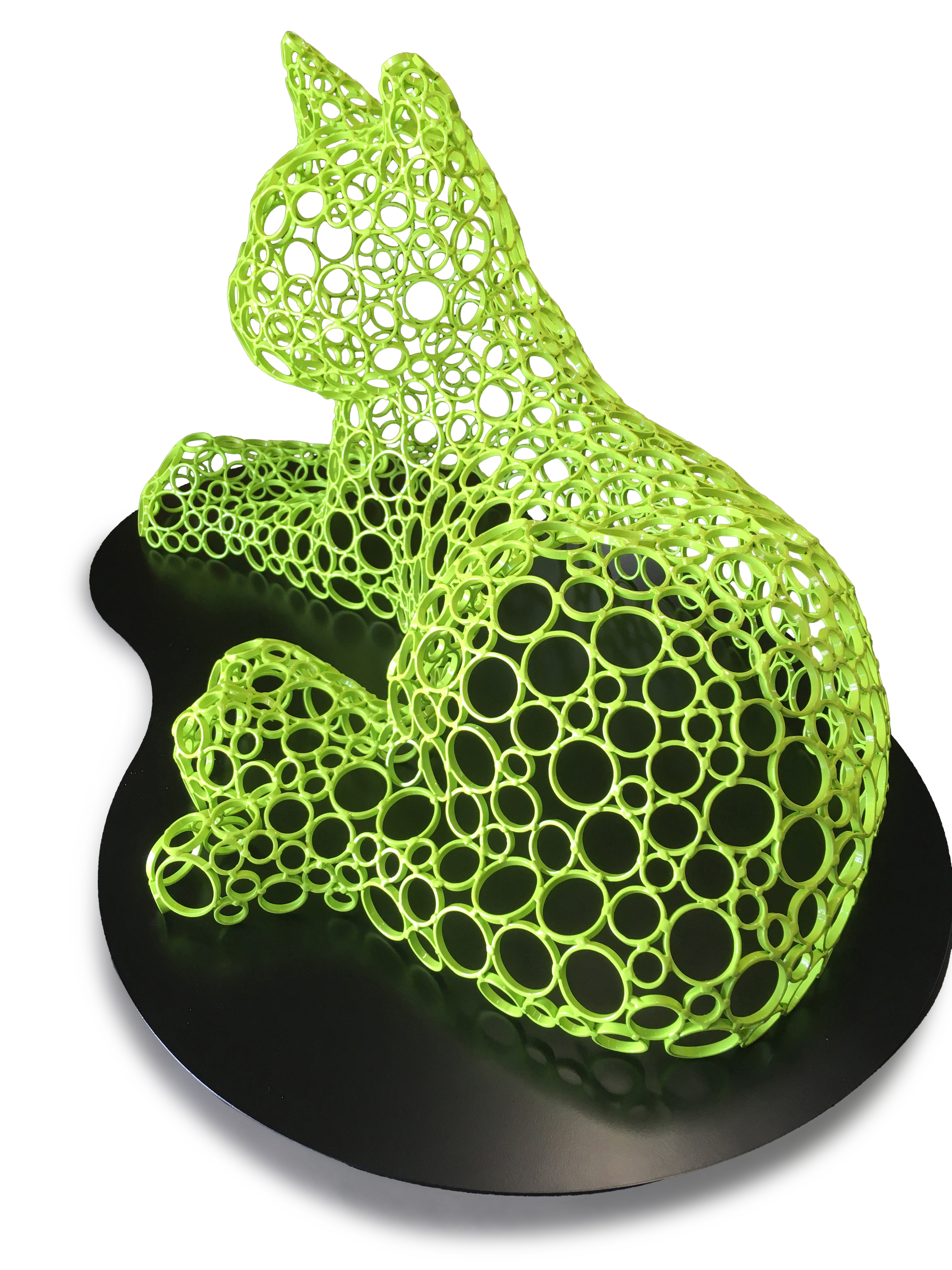
Paige Tashner
Paige Tashner, 2021
The conversation is no longer simply about what the work looks like but about what it does to a body standing near it, and what it asks of the spaces and institutions that hold it. Where is the energy heading? Kinetic work, long undervalued relative to static sculpture, is attracting renewed institutional and market interest. Rickey's legacy feels newly relevant as younger artists working with movement and material return to questions he posed with such rigor.
At the same time, artists engaging with metal as a historically charged material, drawing on industrial decline, military production, and environmental consequence, are finding serious curatorial advocates. The settled center of this market, the canonical Minimalists and Arte Povera masters, offers stability. The live edge belongs to artists using metal not as a neutral medium but as a carrier of specific, uncomfortable histories. That is where the next decade of collecting will be most rewarding.