Major Modern Artist
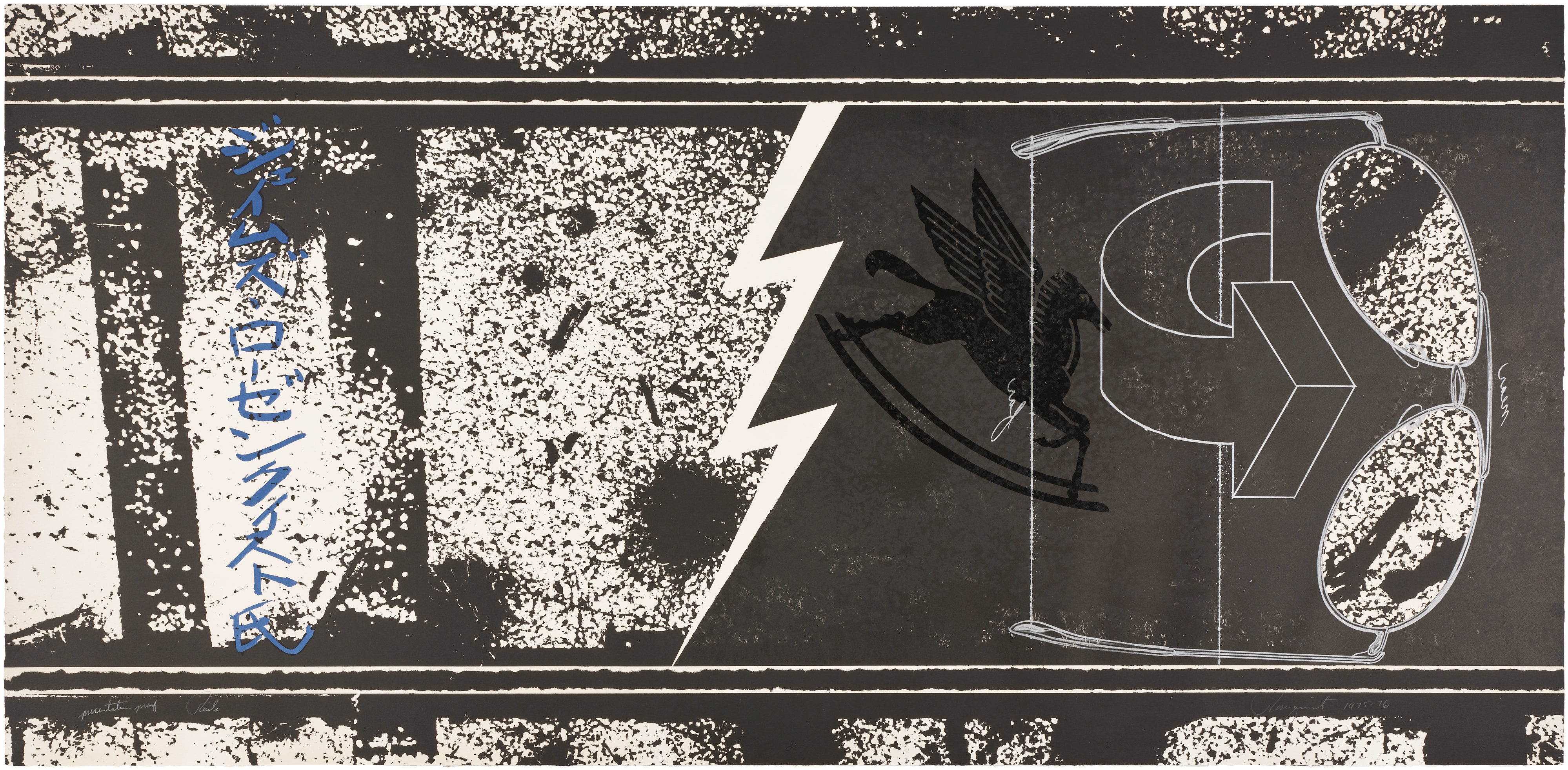
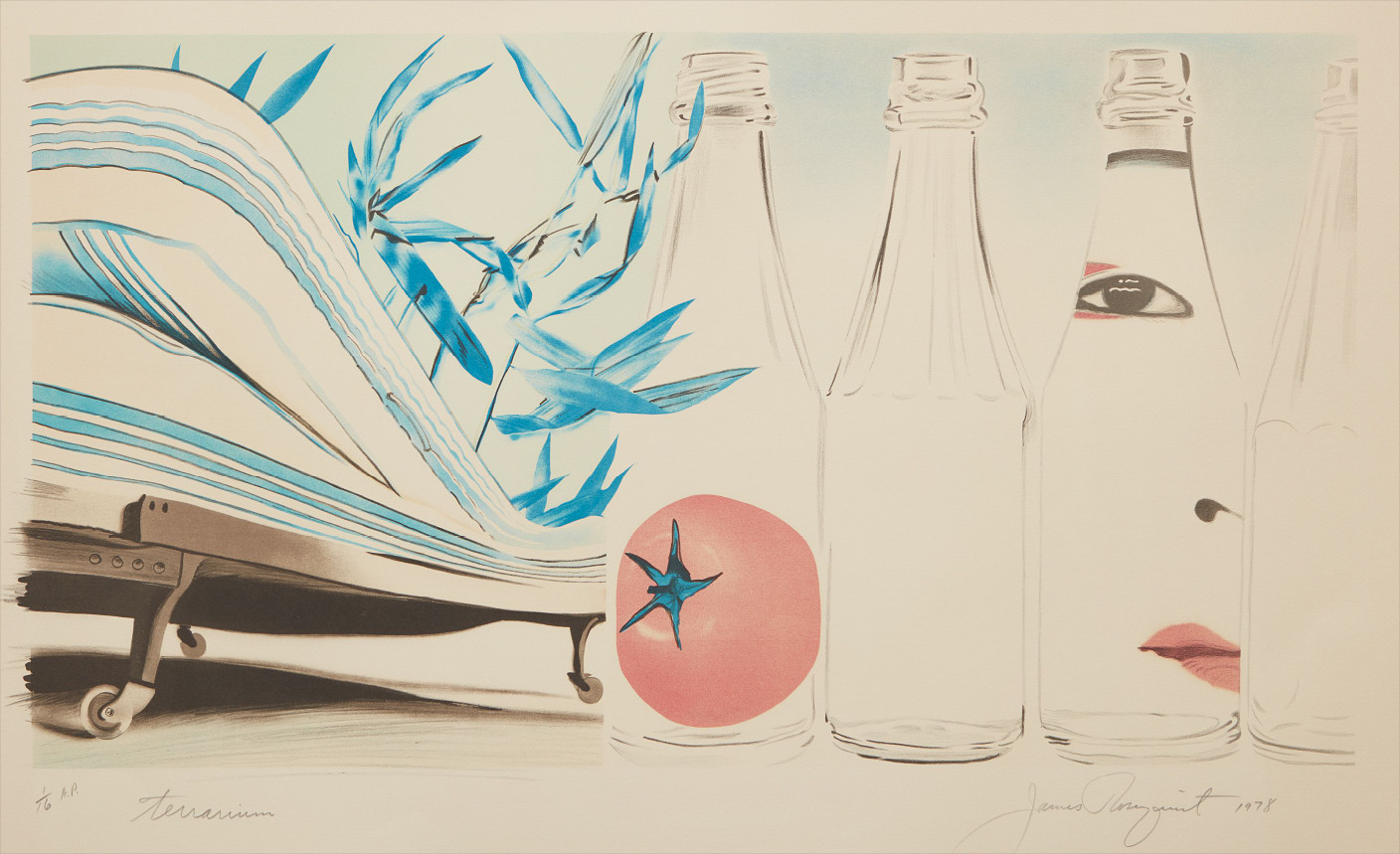
James Rosenquist
Where the Water Goes, from Welcome to the Water Planet


The Radicals Who Remade Everything After 1945
There is a particular kind of looking that modern art demands, one that asks you to abandon the comfortable assumption that a painting should resemble something, that a sculpture should sit quietly on a plinth, that art should soothe rather than provoke. The artists who emerged in the decades following the Second World War did not simply make new work. They rewired the entire circuit of what art could be, what it could do, and who it was speaking to. To collect in this space is to hold a piece of that rewiring in your hands.
The story of major modern art is inseparable from the upheaval of the mid twentieth century. By the late 1940s, New York had displaced Paris as the center of the art world, and Abstract Expressionism had announced American painting to a global audience with a ferocity that felt almost evangelical. But even as Pollock and de Kooning dominated critical conversation, a younger generation was already growing restless. The 1950s and 1960s saw a cascade of movements, each one a pointed argument with what came before.
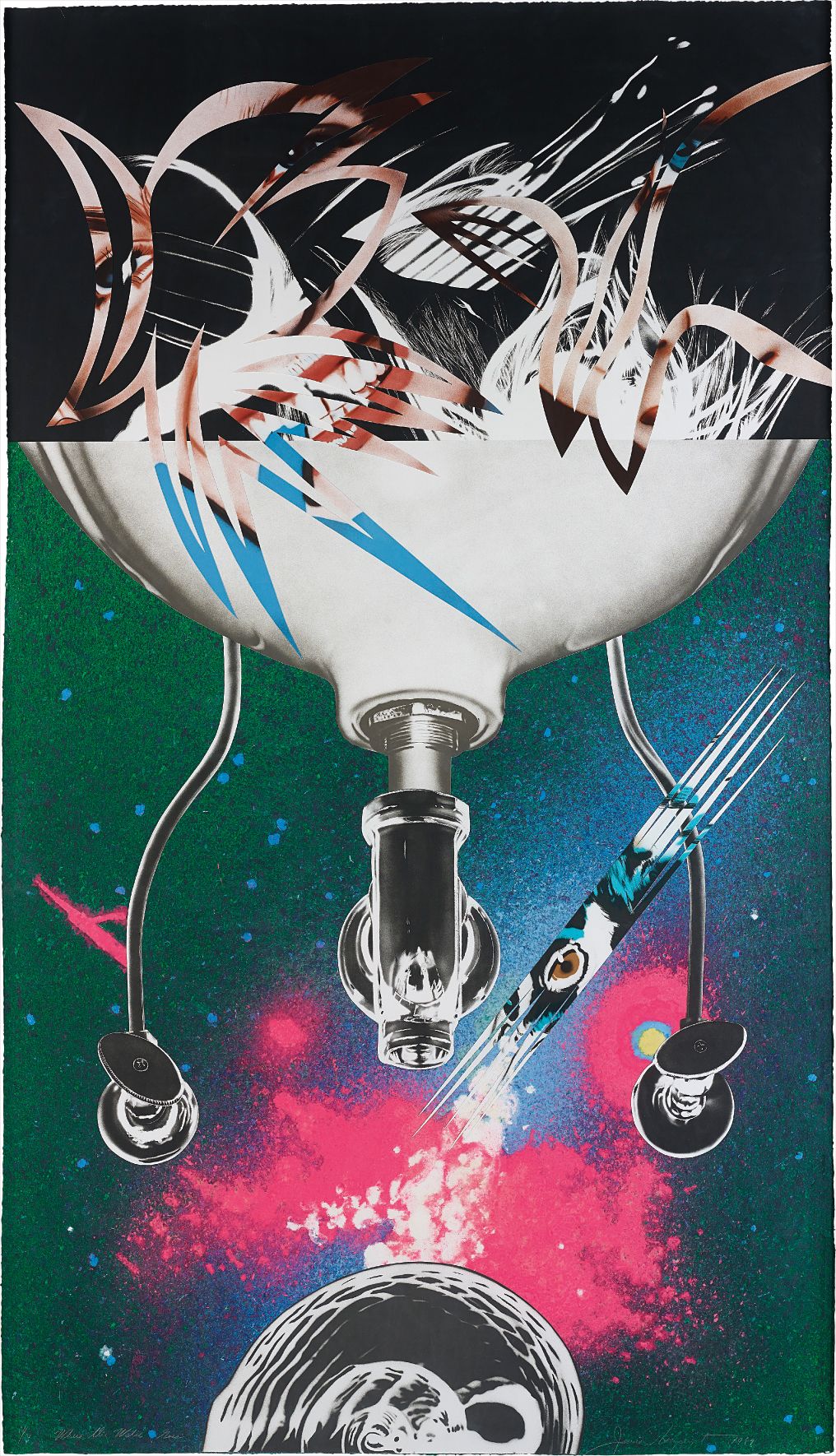
James Rosenquist
Where the Water Goes, from Welcome to the Water Planet
Pop art, Minimalism, Process art, Conceptualism. Each arrived not as a gentle evolution but as a kind of manifesto made physical. Pop art reached its most disruptive pitch not in London, where it was born intellectually through the Independent Group in the early 1950s, but in the studios of New York a decade later. James Rosenquist belongs to that moment with particular authority.
Having worked as a billboard painter in Times Square before becoming a major artistic voice, he brought to his canvases a scale and a vernacular that felt genuinely new. His 1965 work F 111, spanning eighty six feet across the walls of the Leo Castelli Gallery, fused imagery of a fighter jet with consumer goods in a way that was both seductive and deeply unsettling. Rosenquist understood that American abundance and American violence occupied the same visual space, and he made you confront that collision at billboard scale. Frank Stella was making an equally definitive argument at almost the same moment, though from a different direction entirely.
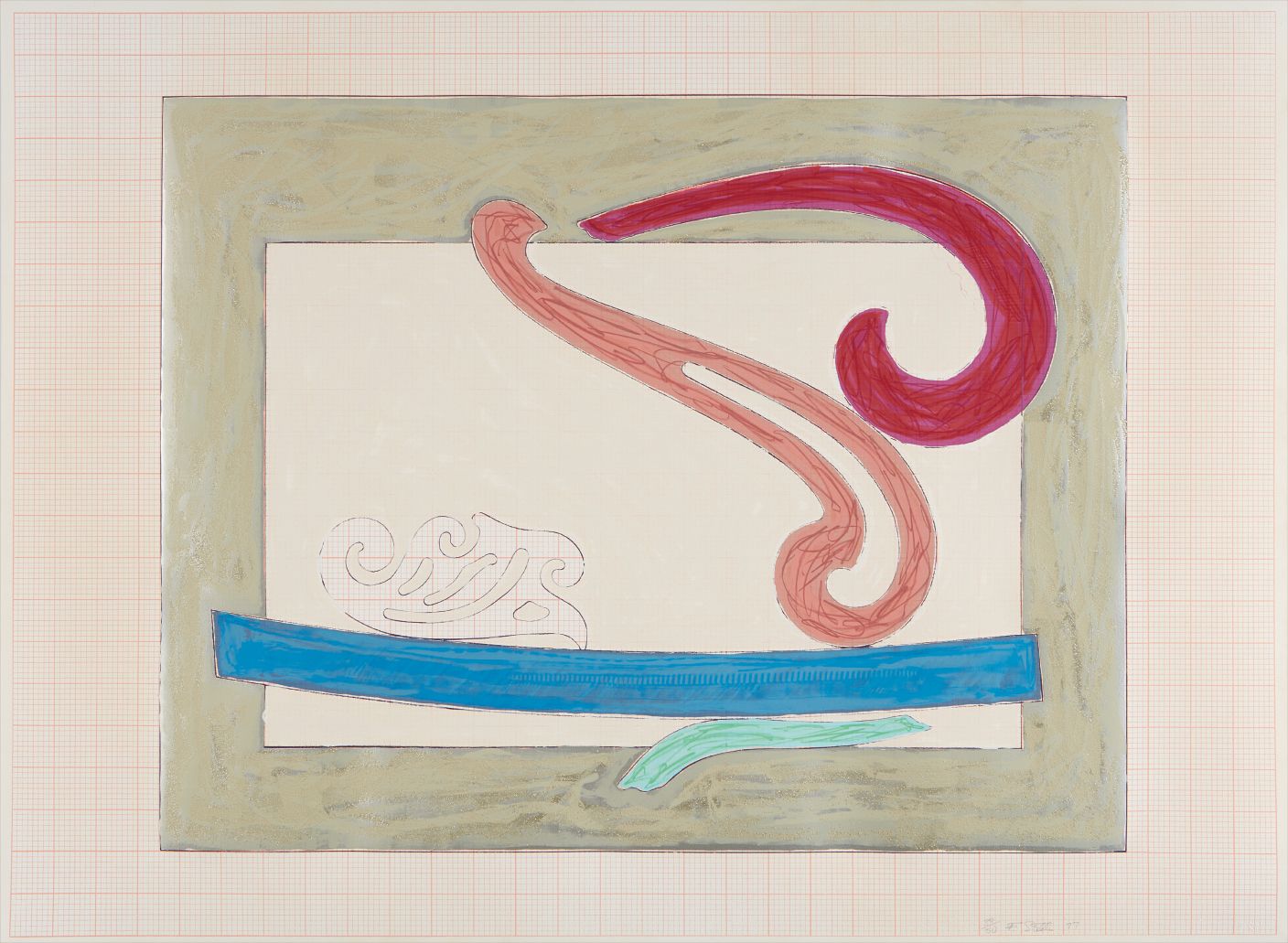
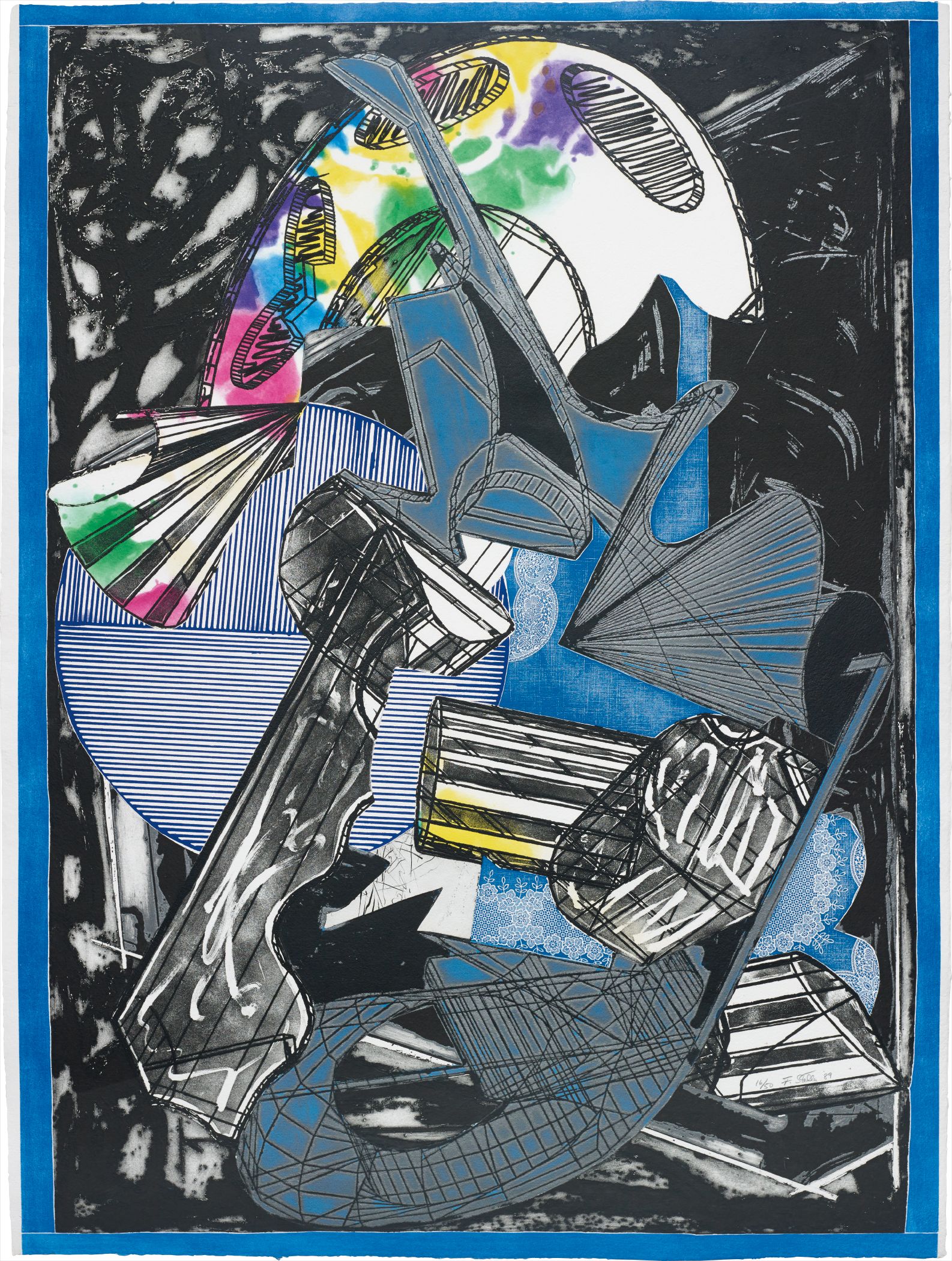
Frank Stella
Noguchi's Okinawa Woodpecker, from the Exotic Bird Series
His Black Paintings, shown at the Museum of Modern Art in 1959 as part of the landmark exhibition Sixteen Americans, stripped painting to its most essential logic. Parallel stripes following the shape of the canvas, nothing more. The work was not decorative, not expressive in any traditional sense. It was structural, almost architectural.
Stella's famous statement that what you see is what you see became something of a battle cry for a generation trying to clear away the psychological freight of Abstract Expressionism and find a new ground zero. His later shaped canvases and the exuberant Maximalist work that followed in subsequent decades showed an artist perpetually willing to contradict himself, which is itself a kind of modernist virtue. If Stella represented the cerebral precision of Minimalism at its most refined, Richard Serra took its physical logic somewhere far more visceral. Working with raw steel, lead, and later with massive cor ten plates, Serra made sculpture that was unapologetically about weight, gravity, and the way bodies move through space.
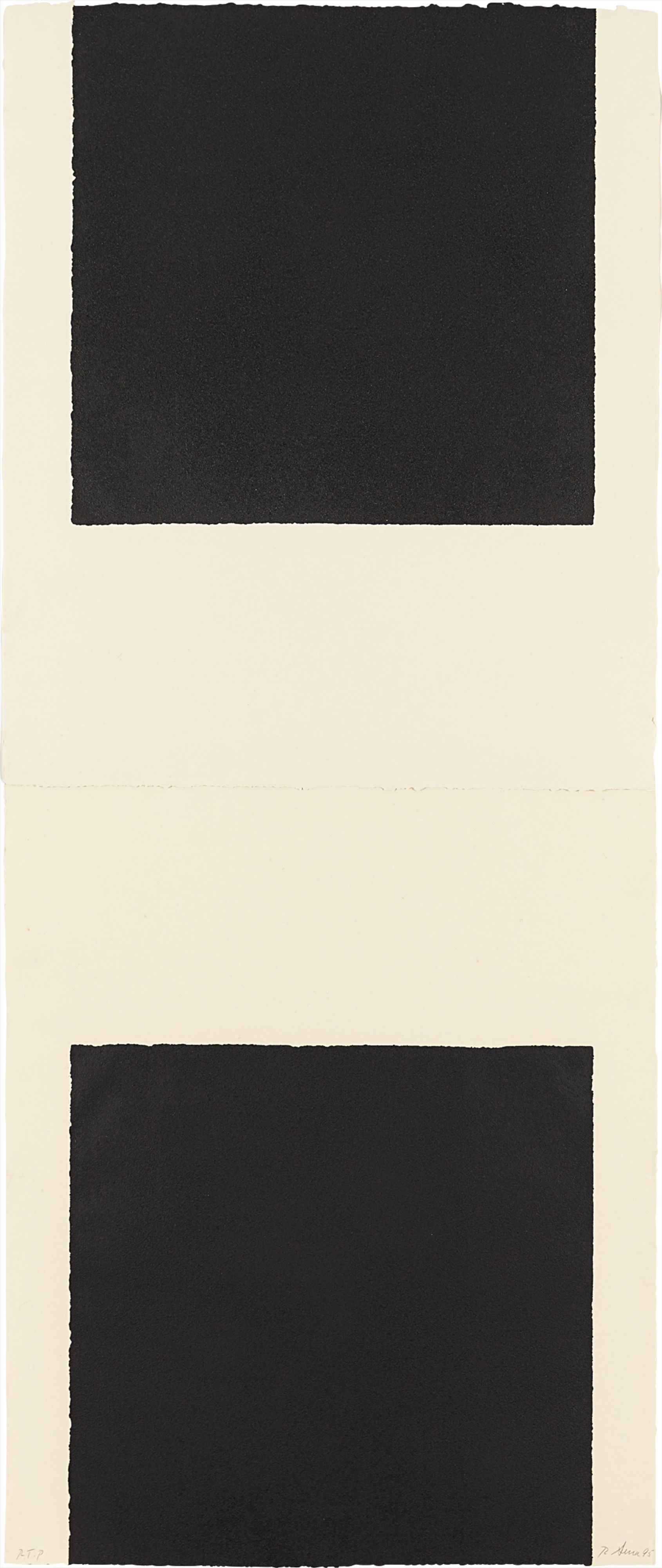
Richard Serra
WM
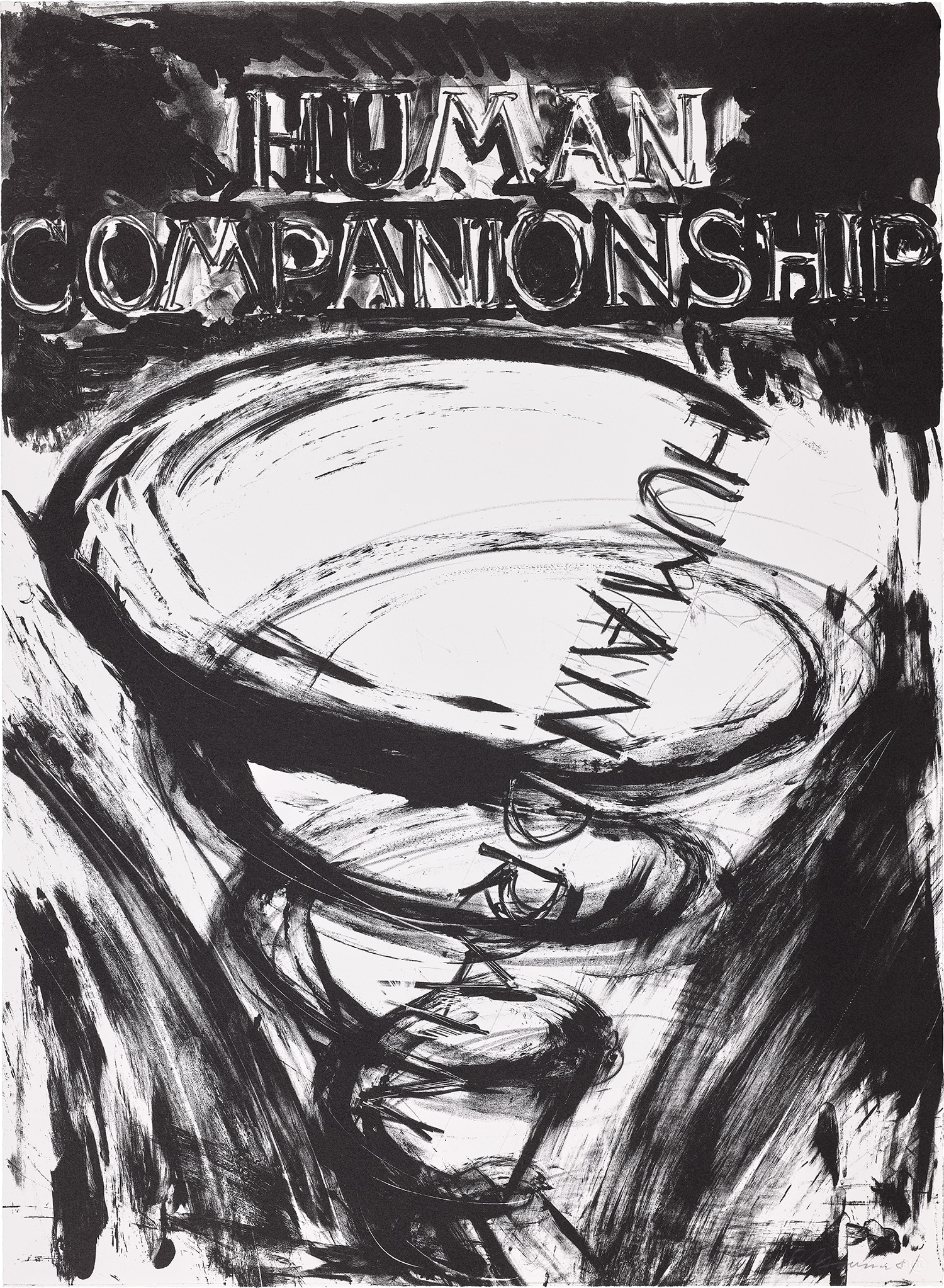
His installation at the Guggenheim Bilbao and the long running controversy around Tilted Arc, installed in Federal Plaza in New York in 1981 and removed eight years later following public opposition, raised fundamental questions about what public art owes its audience. Serra insisted on the integrity of site specificity with an almost uncompromising conviction, and that conviction remains one of the most important intellectual legacies of the period. Bruce Nauman extended these questions into language, the body, and the nature of the studio itself. His early films and performances from the late 1960s, including works made in his San Francisco studio where he filmed himself pacing, bouncing balls, and playing the violin, treated the artist's own presence as raw material.
Nauman was interested in systems, repetition, and the way meaning slides around under pressure. His neon works, often featuring looping text or fragmented phrases, carry an anxiety that feels completely contemporary. There is something in Nauman's sensibility that refuses resolution, that keeps the viewer in a state of productive discomfort, which is perhaps why his influence on younger artists remains so profound. What unites artists as formally different as Rosenquist, Stella, Serra, and Nauman is a shared insistence that art must do something other than decorate.
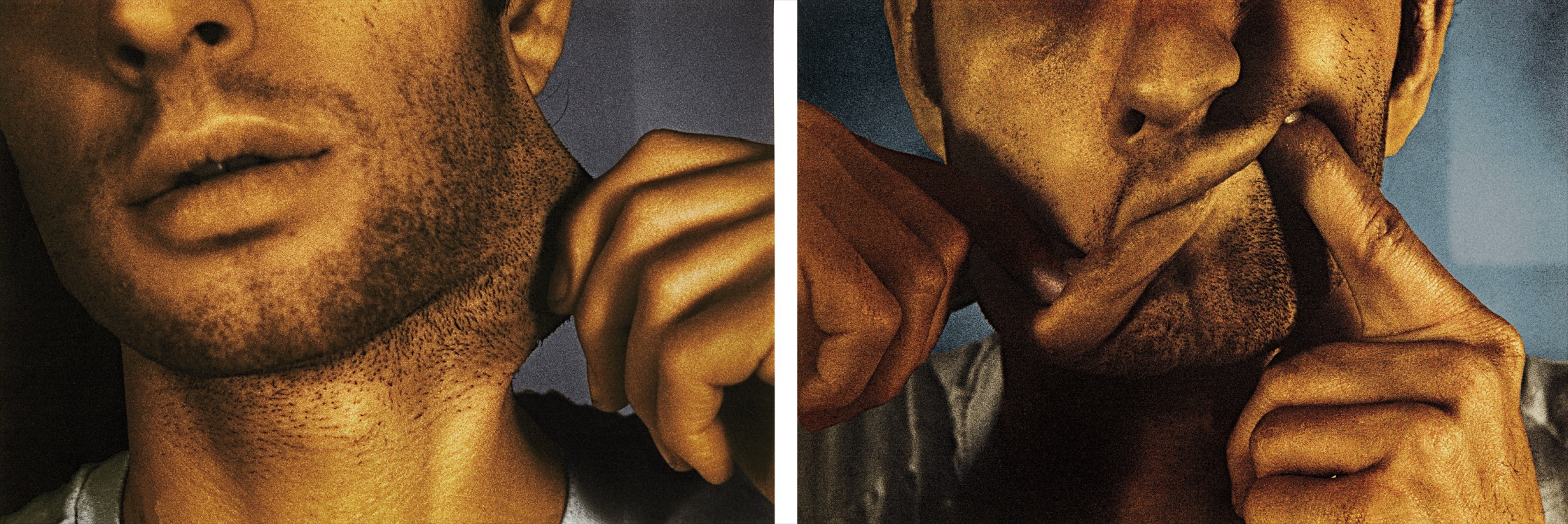
Bruce Nauman
Cockeye Lips; and Neck Pull, from Infrared Outtakes
Each in their own way took the postwar moment as an invitation to interrogate not just style but the fundamental structures of perception, politics, and meaning making. They asked what the frame means, what the institution means, what the viewer's body in the room means. These were not purely aesthetic questions. They were philosophical and political ones dressed in the language of art.
The cultural significance of this period cannot be overstated. The movements that emerged from the 1950s through the 1980s fundamentally changed the infrastructure of the art world itself. The rise of the artist statement, the expansion of the white cube gallery, the growth of public art programs, the internationalization of the art market, all of these developments are traceable in part to the ambitions and arguments of major modern artists who refused to let art remain a private pleasure for a cultivated few. For collectors today, engaging with this work means participating in one of the richest ongoing conversations in cultural history.
The works on The Collection that represent Rosenquist, Stella, Serra, and Nauman are not simply blue chip assets, though their market standing is beyond question. They are primary documents of a moment when artists genuinely believed, and demonstrated, that form could change thought. That belief has not dated. If anything, in a period of information saturation and visual noise, the rigorous clarity these artists demanded feels more necessary than ever.
To live with work of this caliber is to keep that demand alive.