Lebanese-American
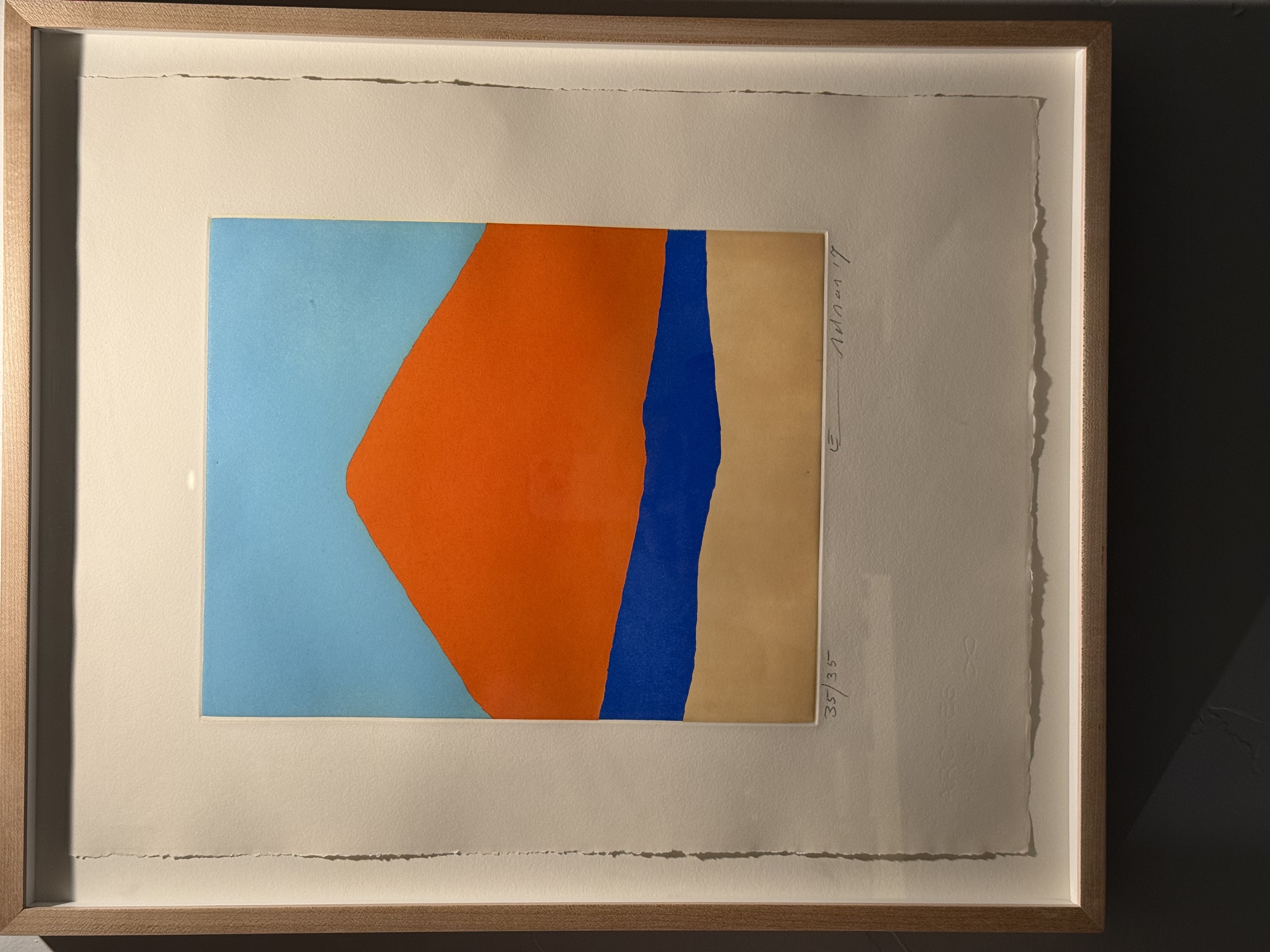
Etel Adnan
Guatemala, 2017
Artists
Between Two Worlds, Art Finds Its Voice
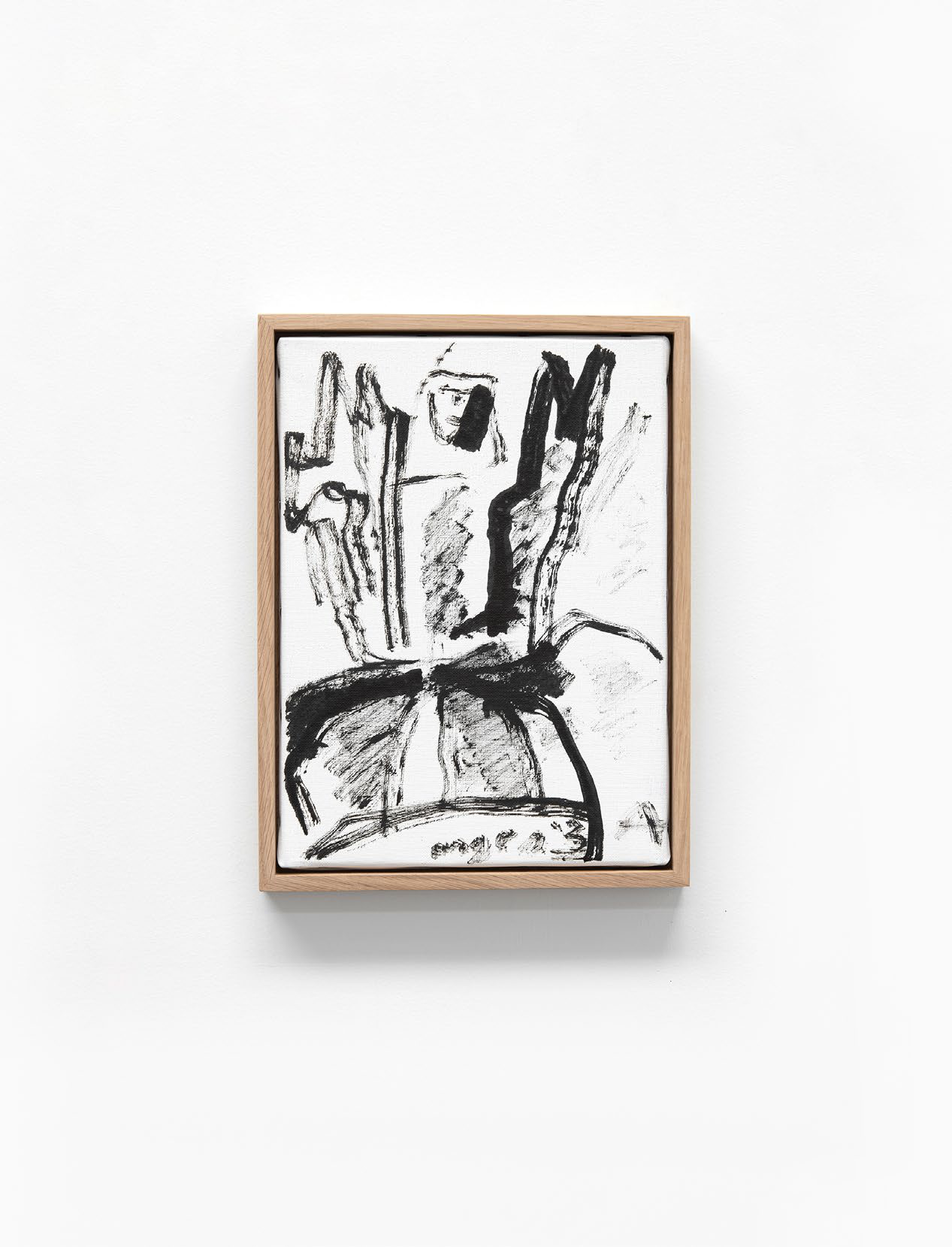
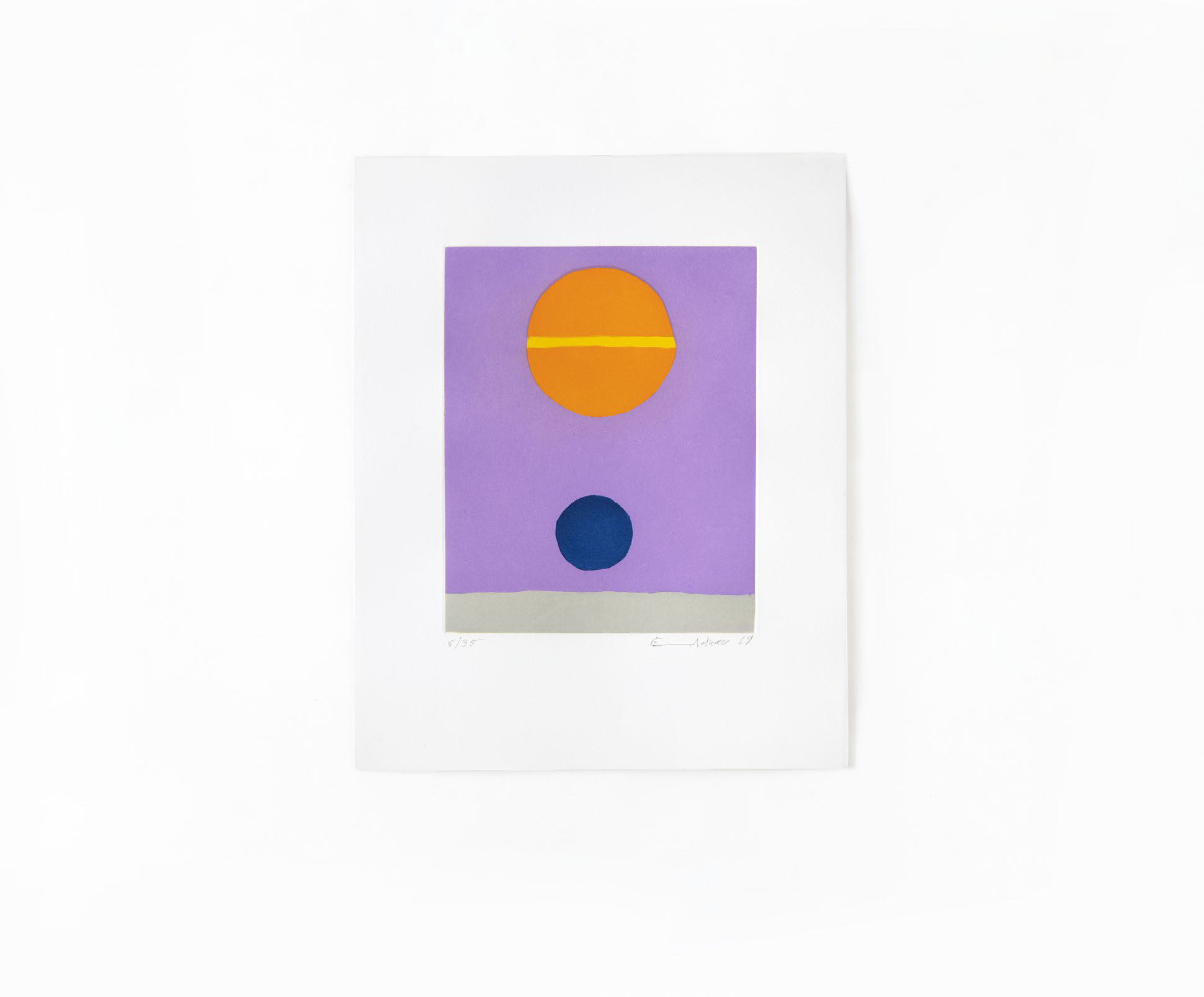
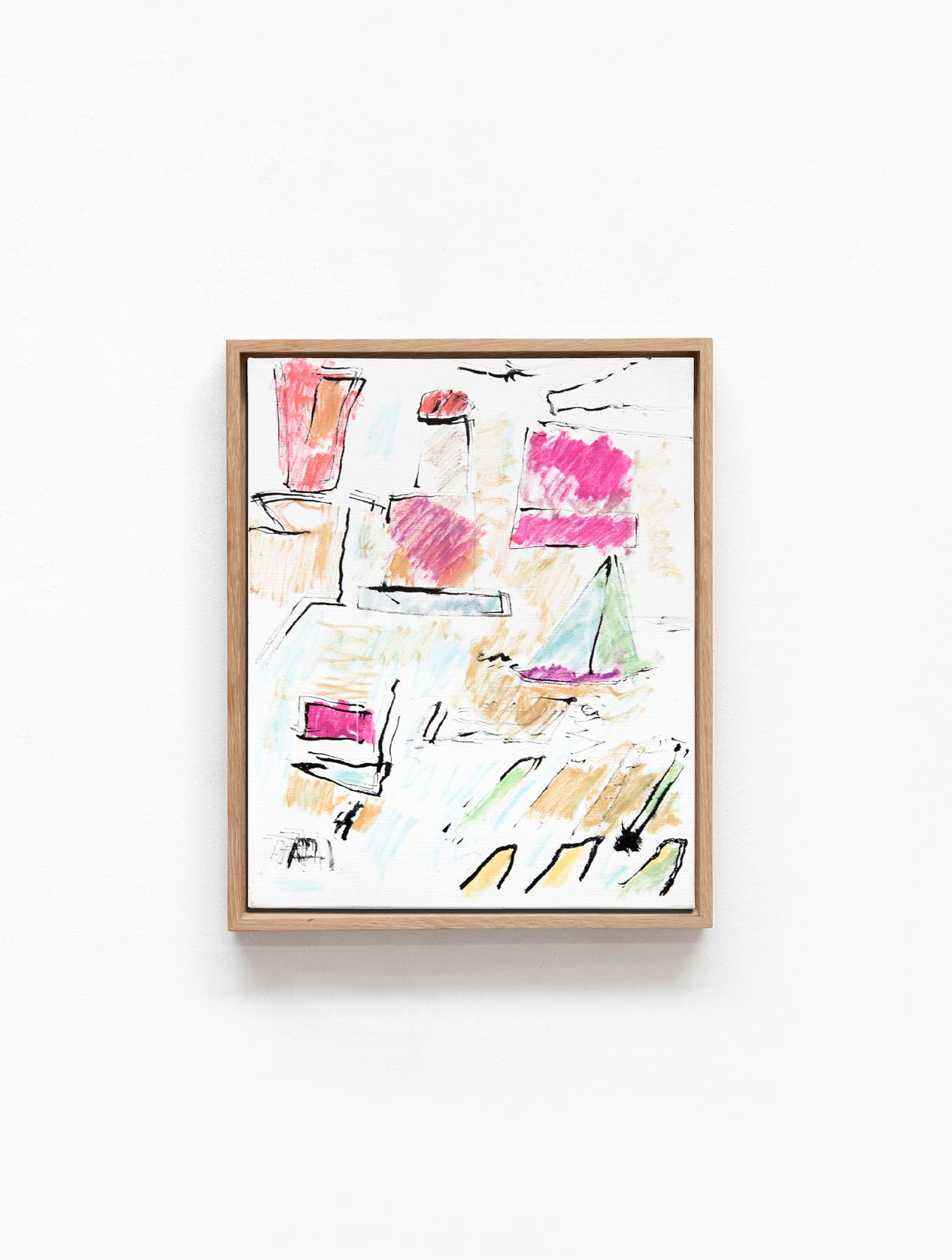
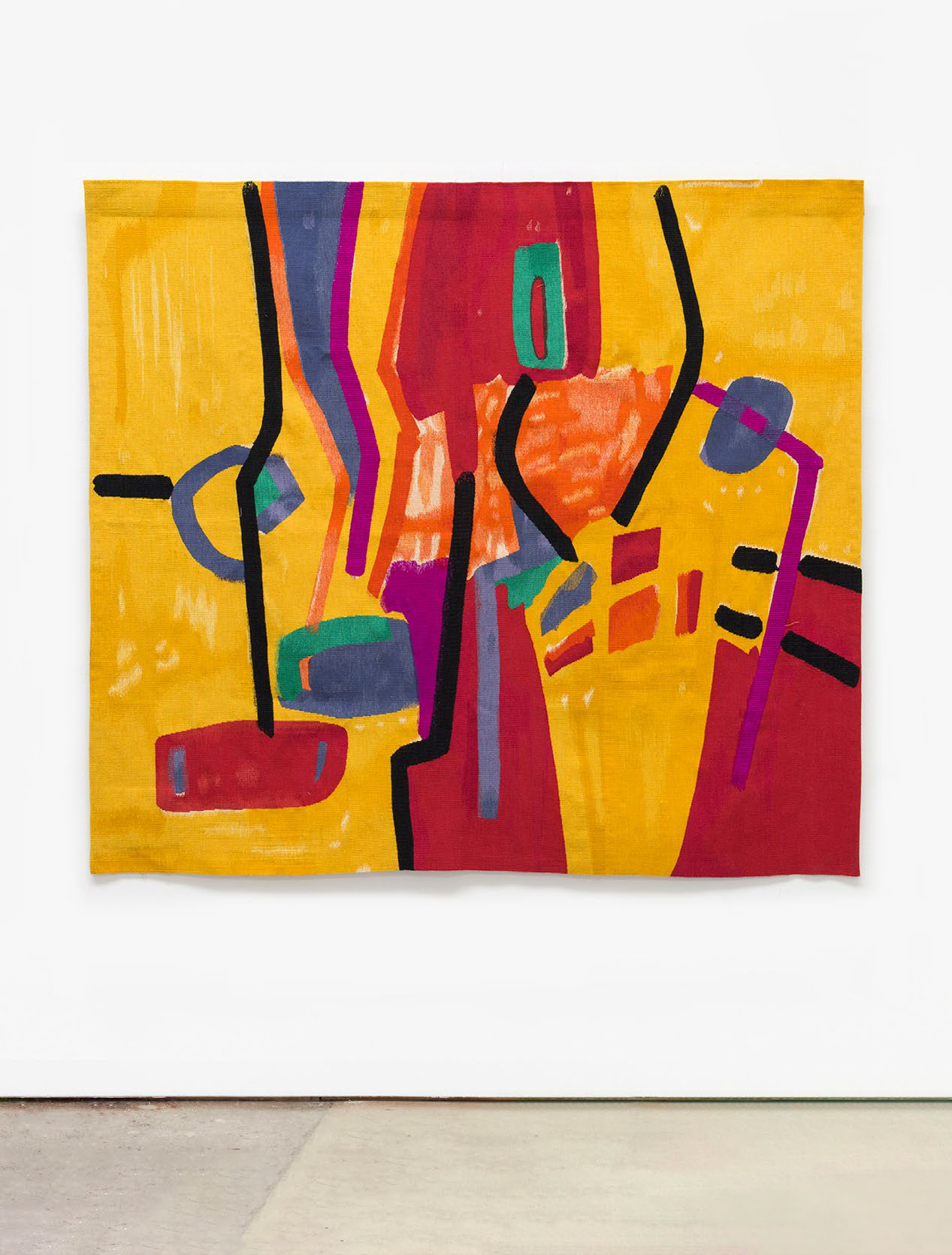
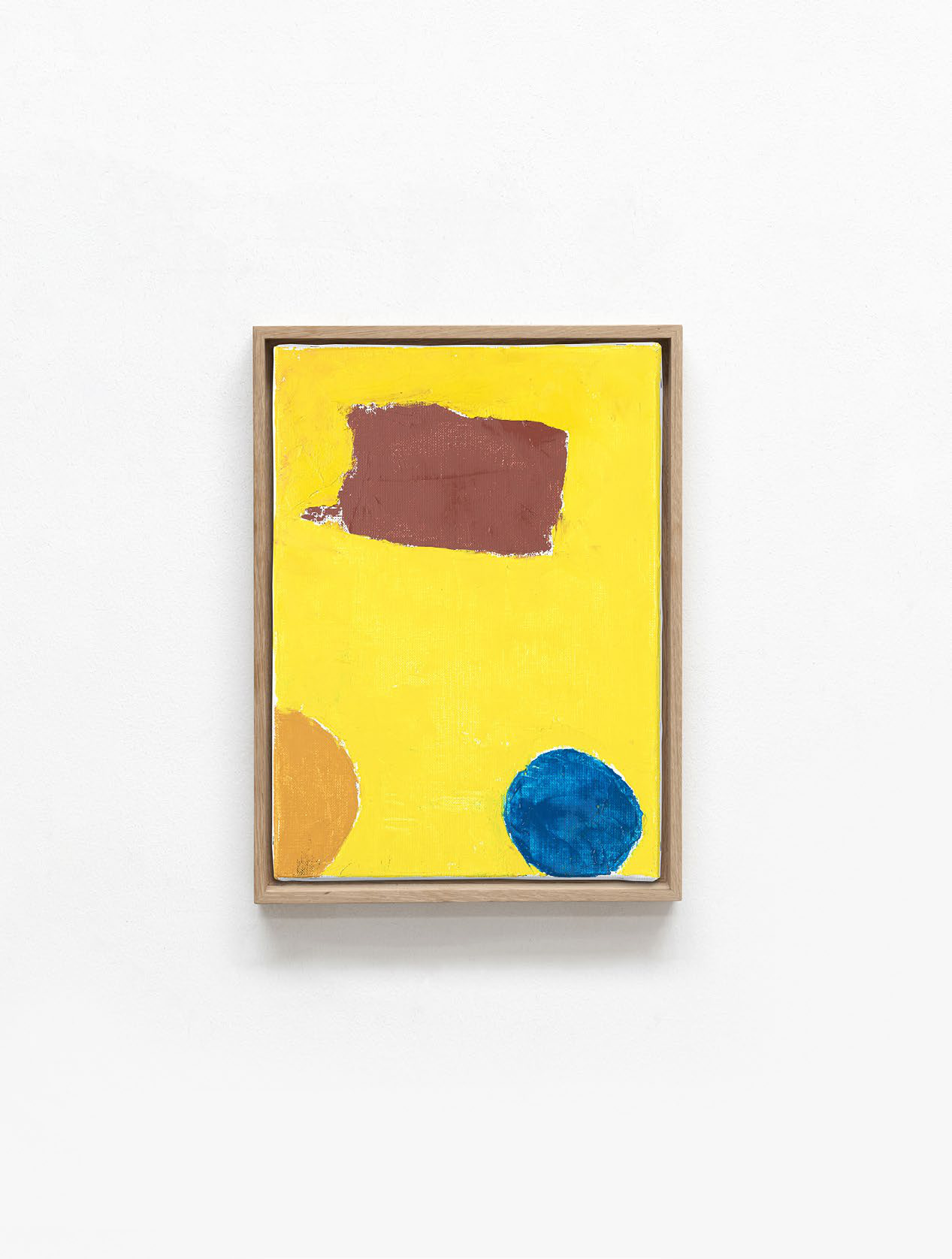
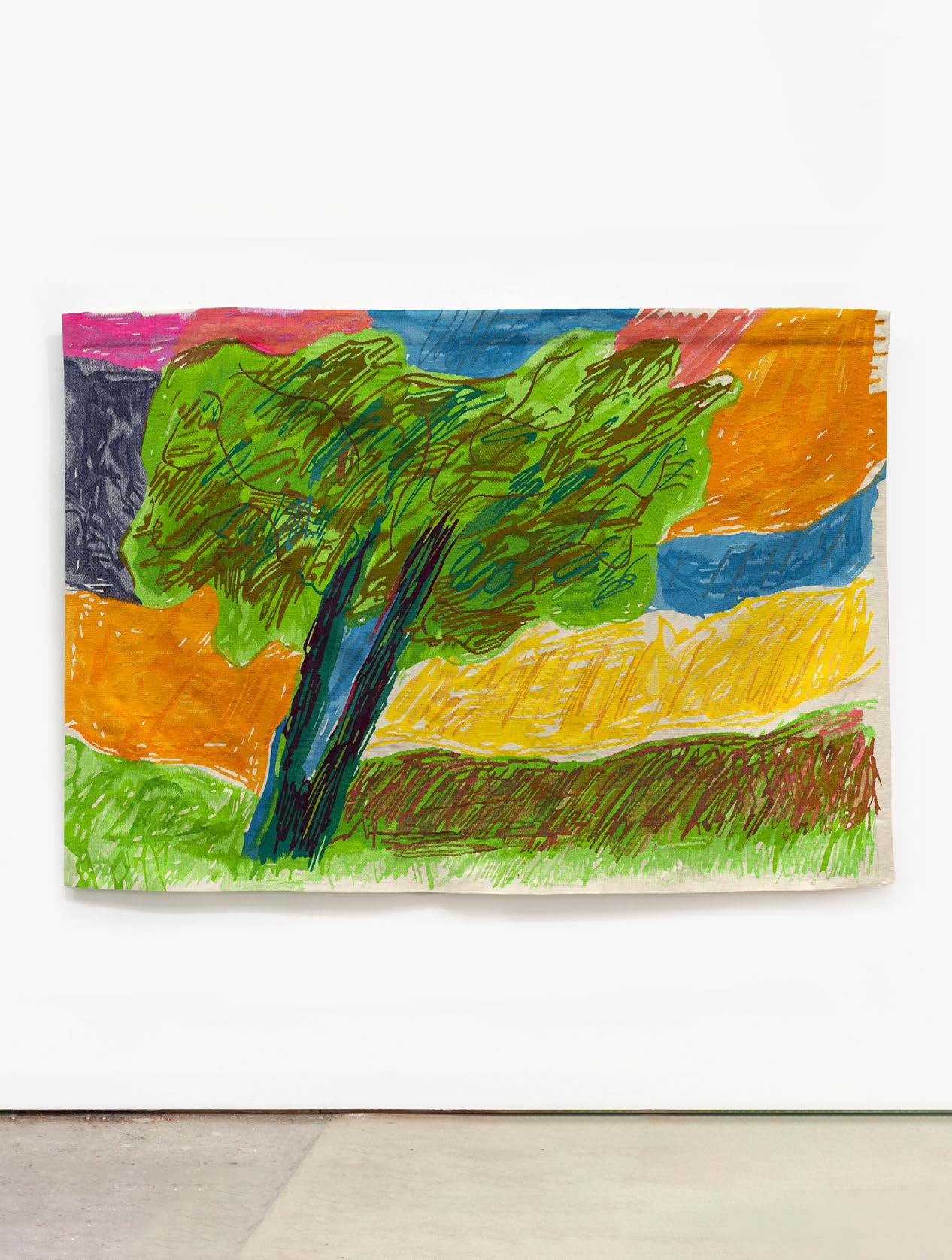
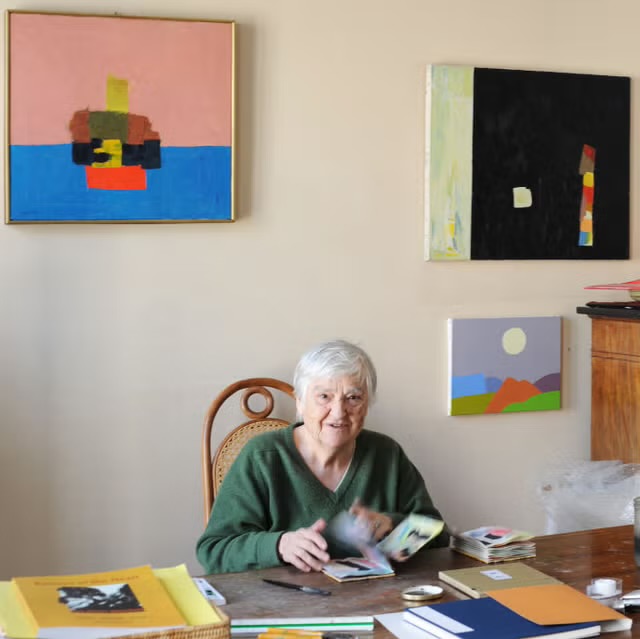
When the Hammer Museum in Los Angeles staged its expansive retrospective of Etel Adnan's work, something shifted in the room. Visitors who had known Adnan primarily as a poet, the Lebanese American writer whose slim accordion books had circulated in literary circles for decades, suddenly encountered the full force of her visual practice. The leporello books, the small luminous oils, the writing that folds back on itself like memory itself, all of it pointed toward an artist who had been hiding in plain sight. That the Hammer show arrived as Adnan was in her nineties only intensified the feeling that the art world had been slow to catch up with something extraordinary.
The Lebanese American presence in contemporary art has never been a single story, and that multiplicity is precisely what makes it so charged right now. It is a category shaped by displacement, by the long shadow of the Lebanese Civil War, by the Palestinian question, by emigration to Paris and New York and Los Angeles and São Paulo, and by the particular creative energy that comes from navigating multiple languages and multiple loyalties. The artists who move through this world are not simply making work about identity in the narrow sense. They are making work about time, about landscape, about the body, about how meaning survives translation.
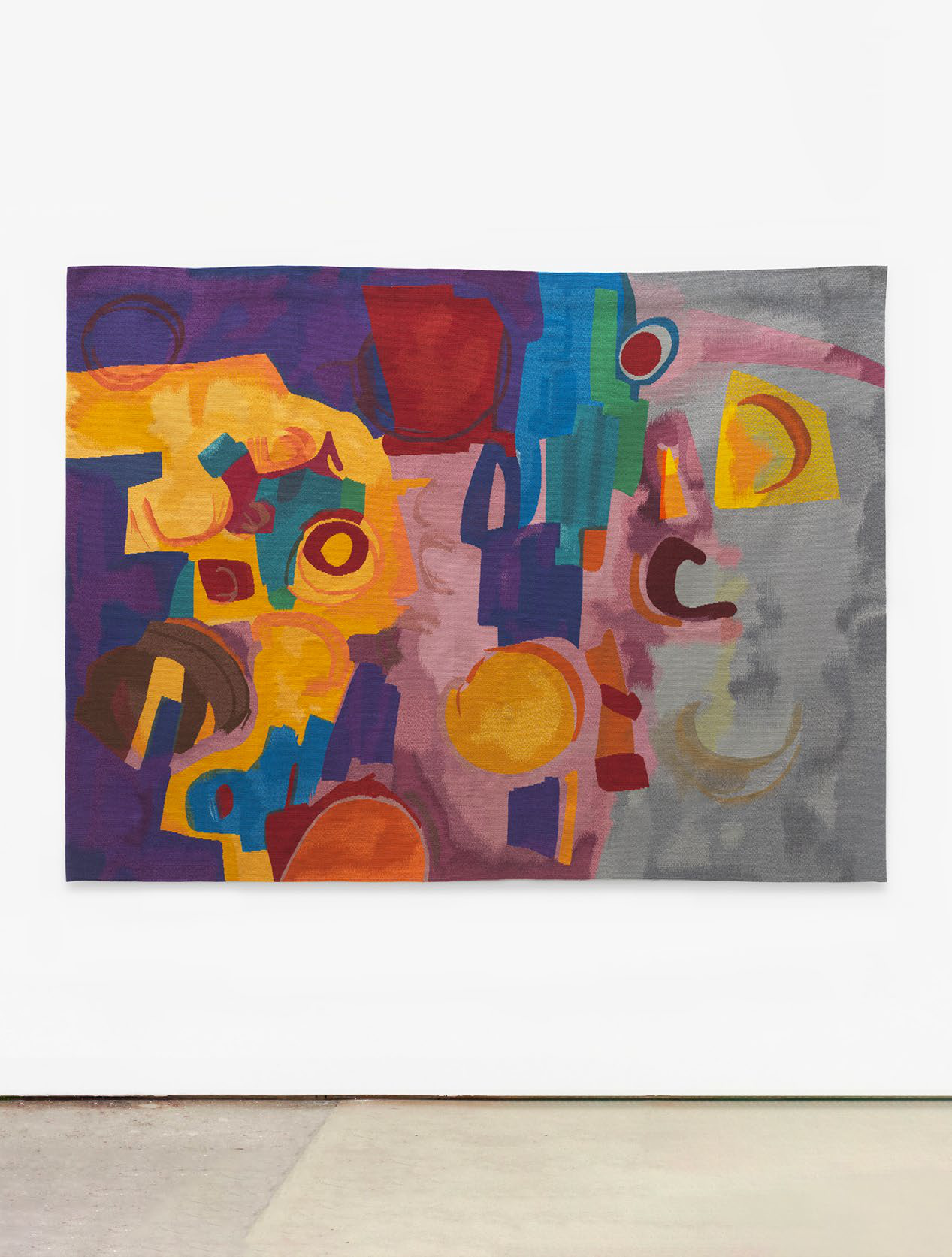
Etel Adnan
Défilé nocturne, 2017
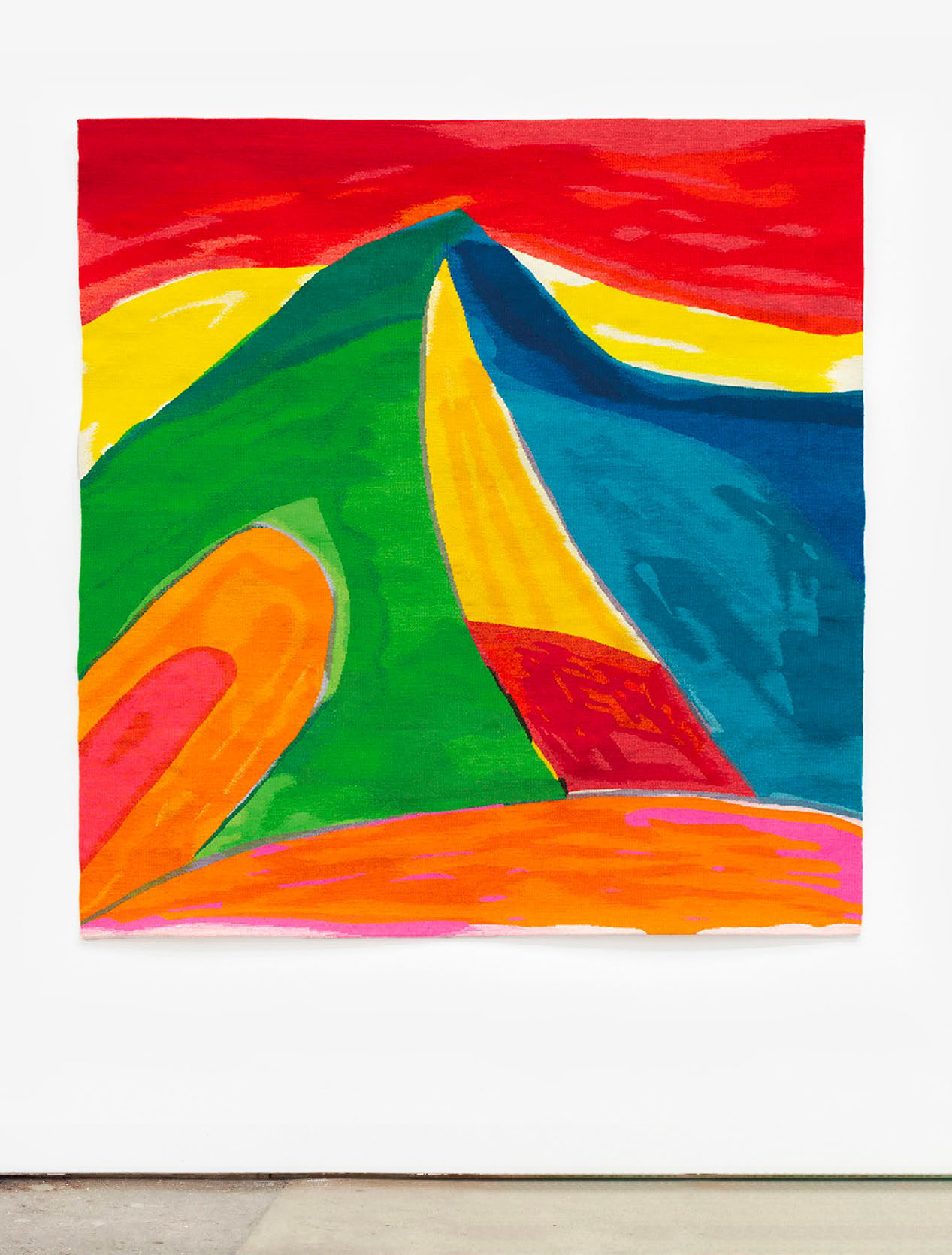
At auction, Etel Adnan has emerged as the most closely watched name in this space. Her leporello books, painted with those jewel like rectangles of color inspired by the slopes of Mount Tamalpais in California, have passed through Christie's and Sotheby's with increasing regularity and with results that reflect genuine institutional appetite rather than speculative heat. A major leporello offered at Christie's Paris in recent years attracted serious bidding from European collectors who recognized in Adnan's practice a bridge between the Arab literary tradition and the concerns of postwar abstraction. The prices are not yet stratospheric, which is part of what makes this a compelling moment to pay attention.
There is still room to acquire work by an artist whose critical standing is essentially settled. The institutional story is equally compelling. MoMA acquired work by Adnan, a meaningful signal from an institution whose acquisitions function as a kind of cultural ratification. The Arab American National Museum in Dearborn has long collected in this space, but the more interesting development is the broadening of interest beyond institutions with an explicit cultural mandate.
The Centre Pompidou's attention to artists working across the Arab world, including those in the Lebanese American diaspora, reflects a wider European willingness to reckon with modern art histories that were written out of the canonical narrative for too long. The curatorial conversation has been shaped by a handful of essential voices. The scholar and curator Salwa Mikdadi has done foundational work in mapping modern Arab art and its diasporic extensions, and her writing provides essential context for understanding where Lebanese American artists fit within a broader regional story. Kaelen Wilson Goldie, the Beirut based critic who writes for Artforum and a range of other publications, has been consistently sharp about the specific conditions that shape art coming out of Lebanon and its diaspora, attending to local context without reducing artists to their geography.
The publication Bidoun, which described itself as an arts and culture magazine focused on the Middle East, created an intellectual space in the 2000s that had a lasting influence on how this work gets discussed and who gets to discuss it. What feels genuinely alive right now is the refusal of younger Lebanese American artists to accept the frameworks that previous generations were handed. There is less interest in the hyphenated identity as a site of mourning or explanation and more interest in it as a formal and conceptual resource. Artists in their thirties and forties are drawing on Adnan not simply as a foremother but as a model for how a practice can hold poetry and visual art and political thought without resolving them into a single coherent message.
The accordion book as a form, the layering of Arabic and French and English, the refusal of the single fixed viewpoint, these are not just biographical facts about Adnan. They are artistic strategies that younger practitioners are genuinely learning from. The market will inevitably continue to catch up with the critical conversation, and that process is already underway. Collectors who came to this work through literature, through the poetry of Adnan or the novels of Rabih Alameddine, are now moving into the visual art with genuine knowledge rather than peripheral curiosity.
That is a different kind of collector than the one responding to trend, and it tends to produce more stable, more meaningful market conditions. The work on The Collection reflects this seriousness, with Adnan's paintings and books represented in depth, giving collectors the chance to understand her practice across different periods and formats rather than encountering a single iconic image. The surprises ahead are likely to come from the archive. There is still substantial work by Lebanese American artists of the mid twentieth century that has not been properly evaluated or exhibited.
Artists who were active in New York and Paris during the postwar decades, working in abstraction and figuration, remain significantly underresearched. As curators continue to expand the story of modern art beyond its Euro American center, these figures are going to start appearing in biennials and museum surveys with increasing frequency. The collector who pays attention now, who is willing to look at work that lacks the full apparatus of critical support, is in a genuinely interesting position. That is the kind of opportunity that tends to feel obvious only in retrospect.