Late Modern Era
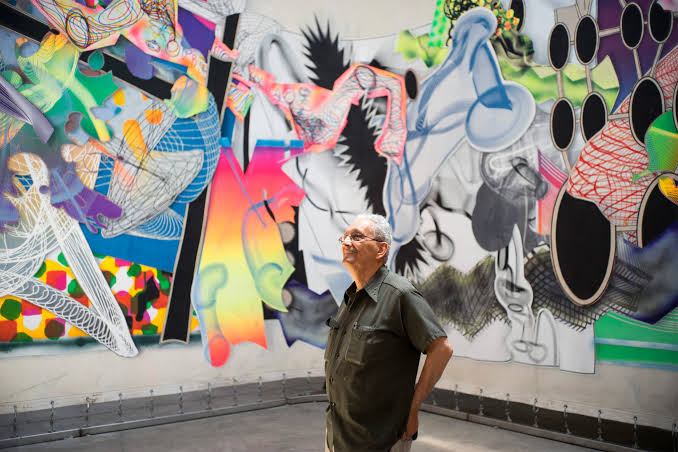
Alex Katz
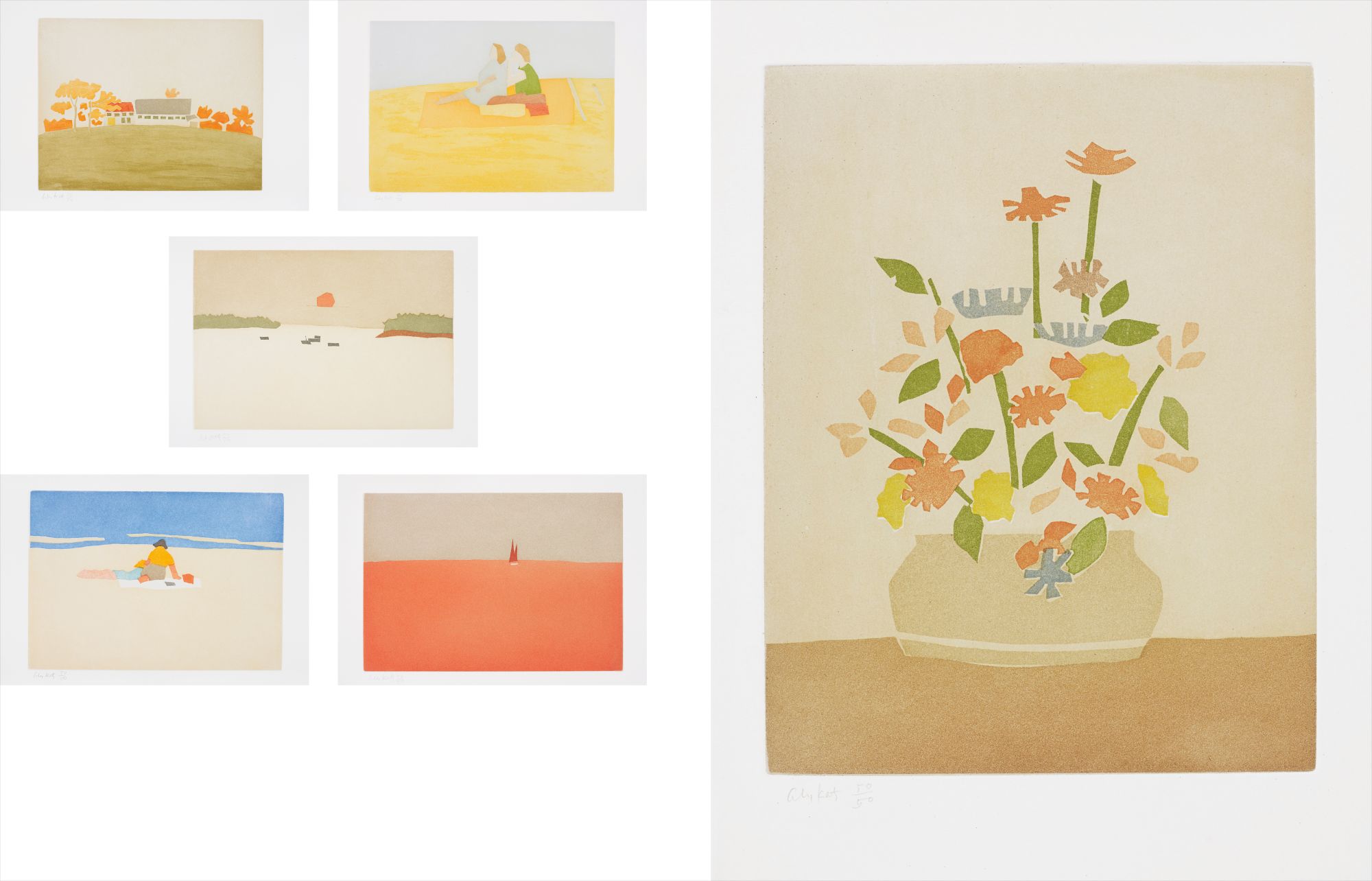
Small Cuts


The Late Modern Moment Is Far From Over
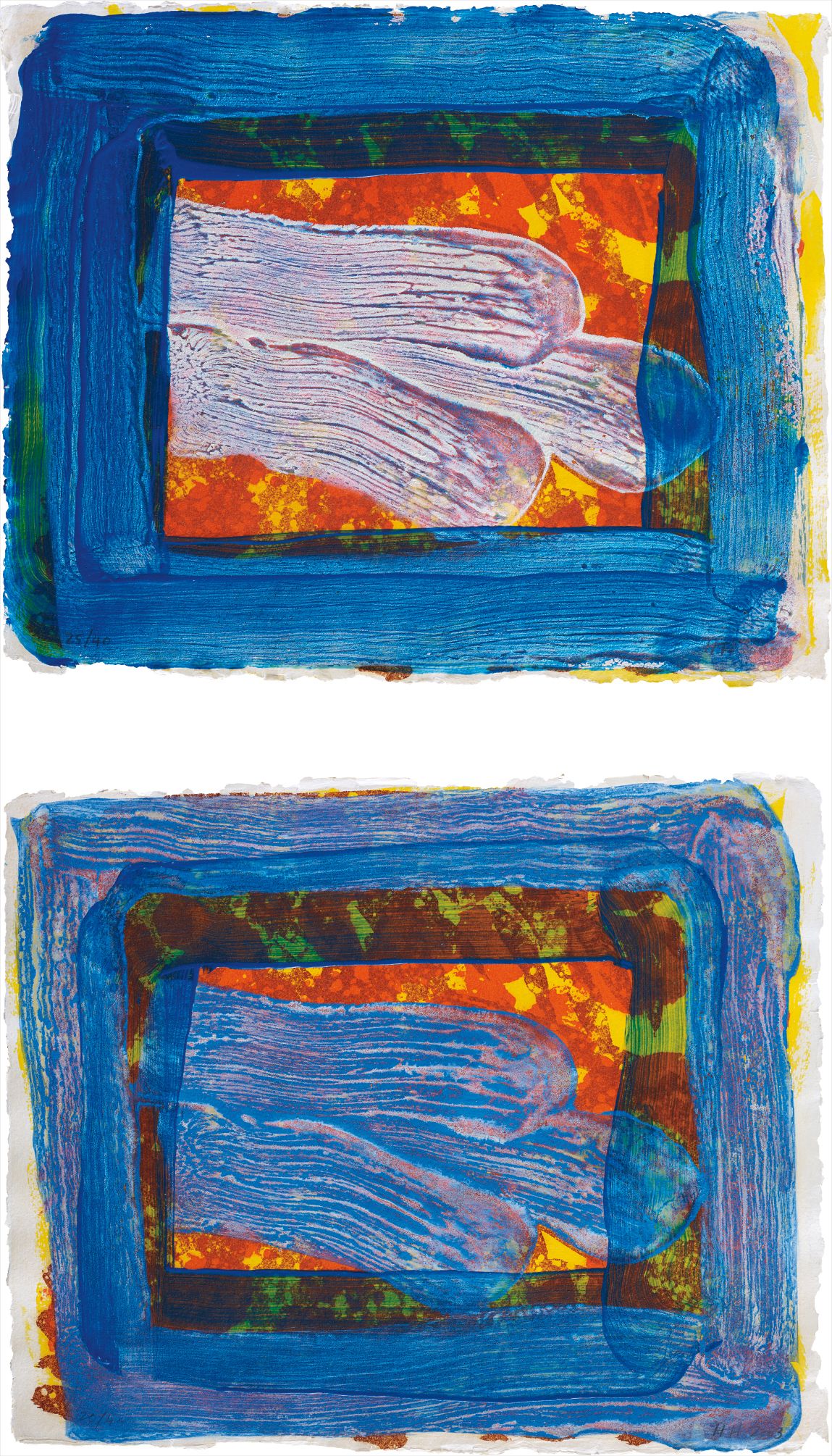
When Howard Hodgkin's 'In the Bay of Naples' sold at Christie's London for well over a million pounds, the room held its breath in a way it rarely does for work from this period. It was not nostalgia in the air. It was recognition. Collectors who had spent years chasing contemporary names were quietly, then loudly, turning back toward the painters and sculptors who had wrestled Western art into its current shape during the postwar decades.
The Late Modern era, roughly spanning the 1950s through the 1990s, is having a serious reappraisal, and the auction records and museum programming of the past few years confirm that this is not a passing mood. The critical rehabilitation of Howard Hodgkin is perhaps the most instructive story in this space right now. For a long stretch, his intensely personal, color saturated panels occupied an awkward position in the critical conversation, too painterly for the conceptualists and too emotional for the market's taste for cool detachment. His death in 2017 began a slow reassessment that has only accelerated.
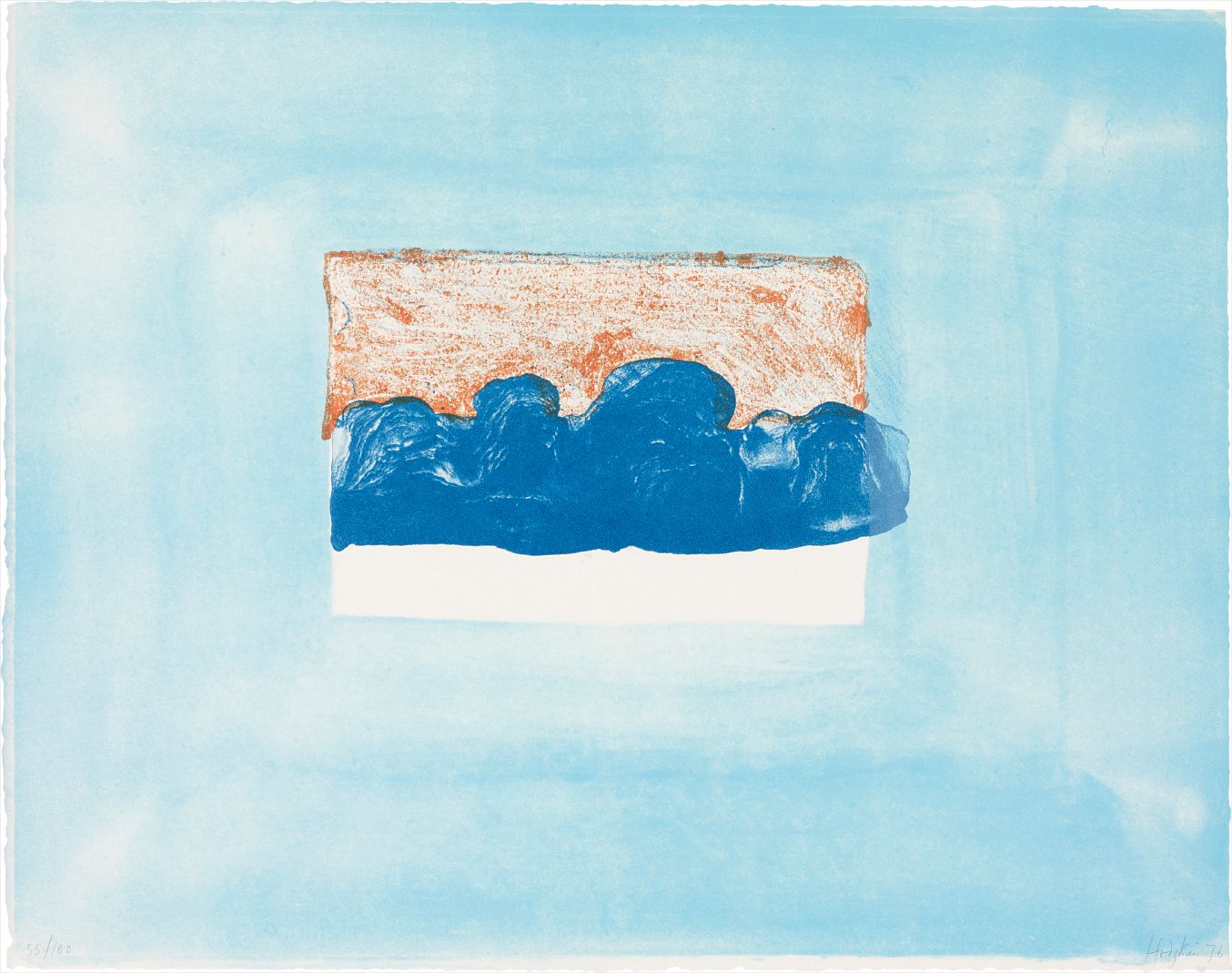
Howard Hodgkin
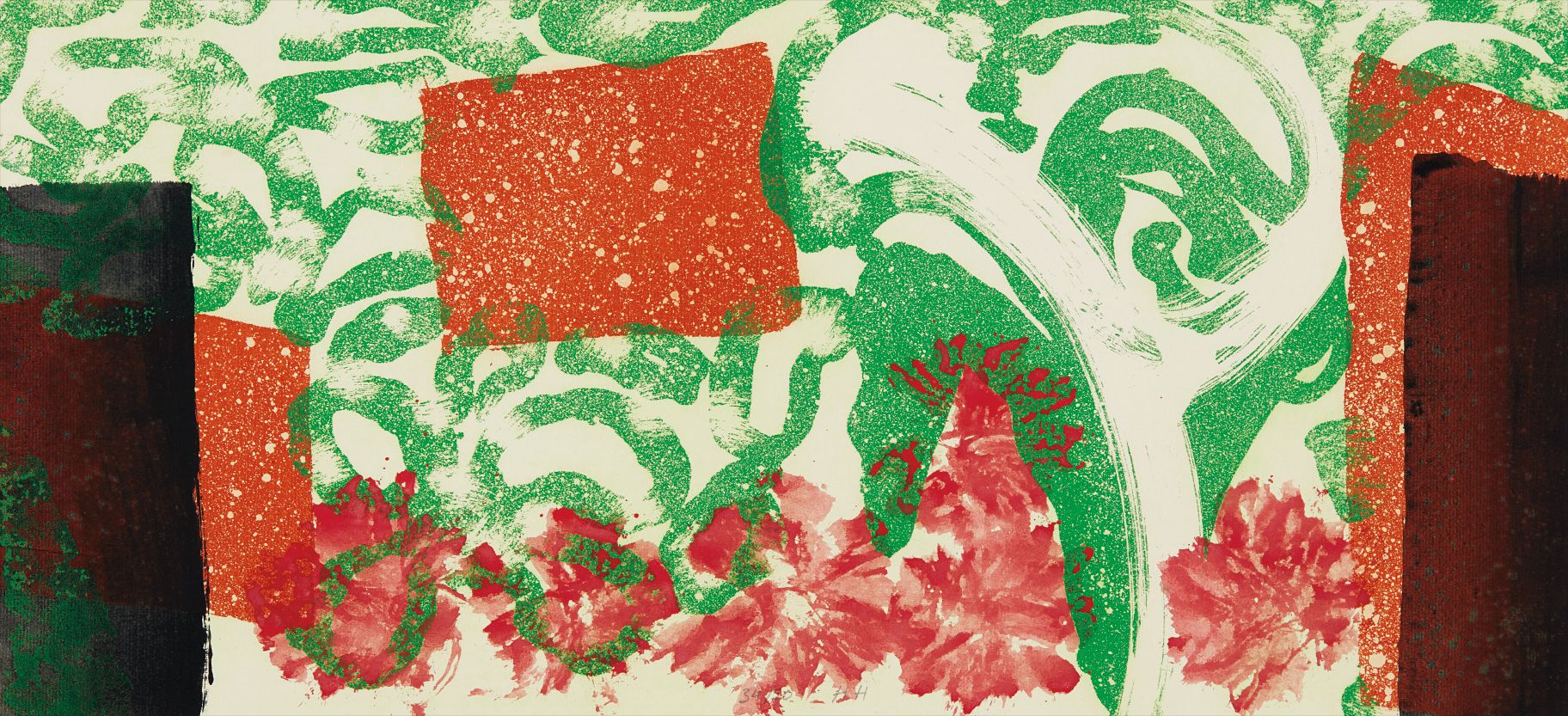
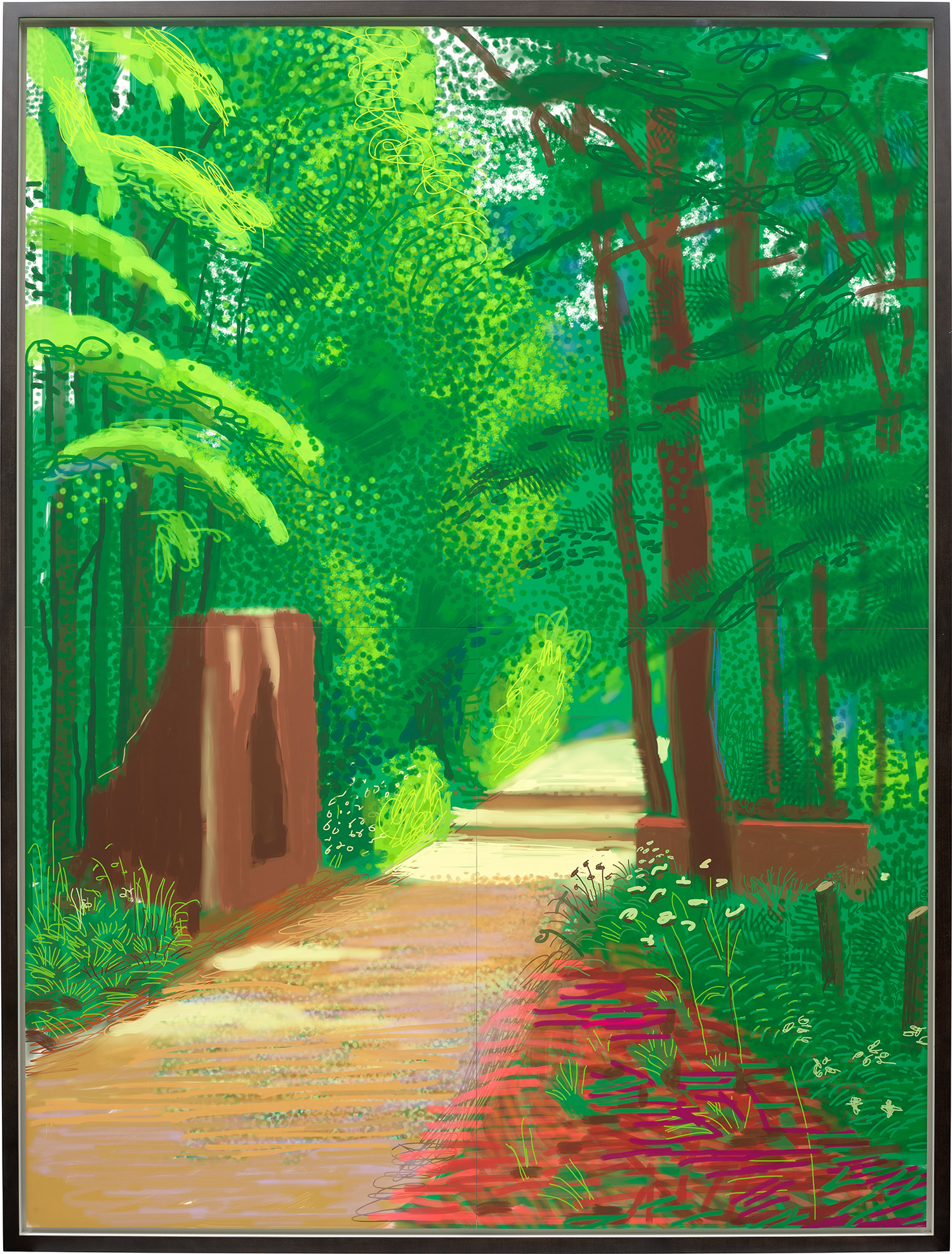
After Luke Howard, from For John Constable
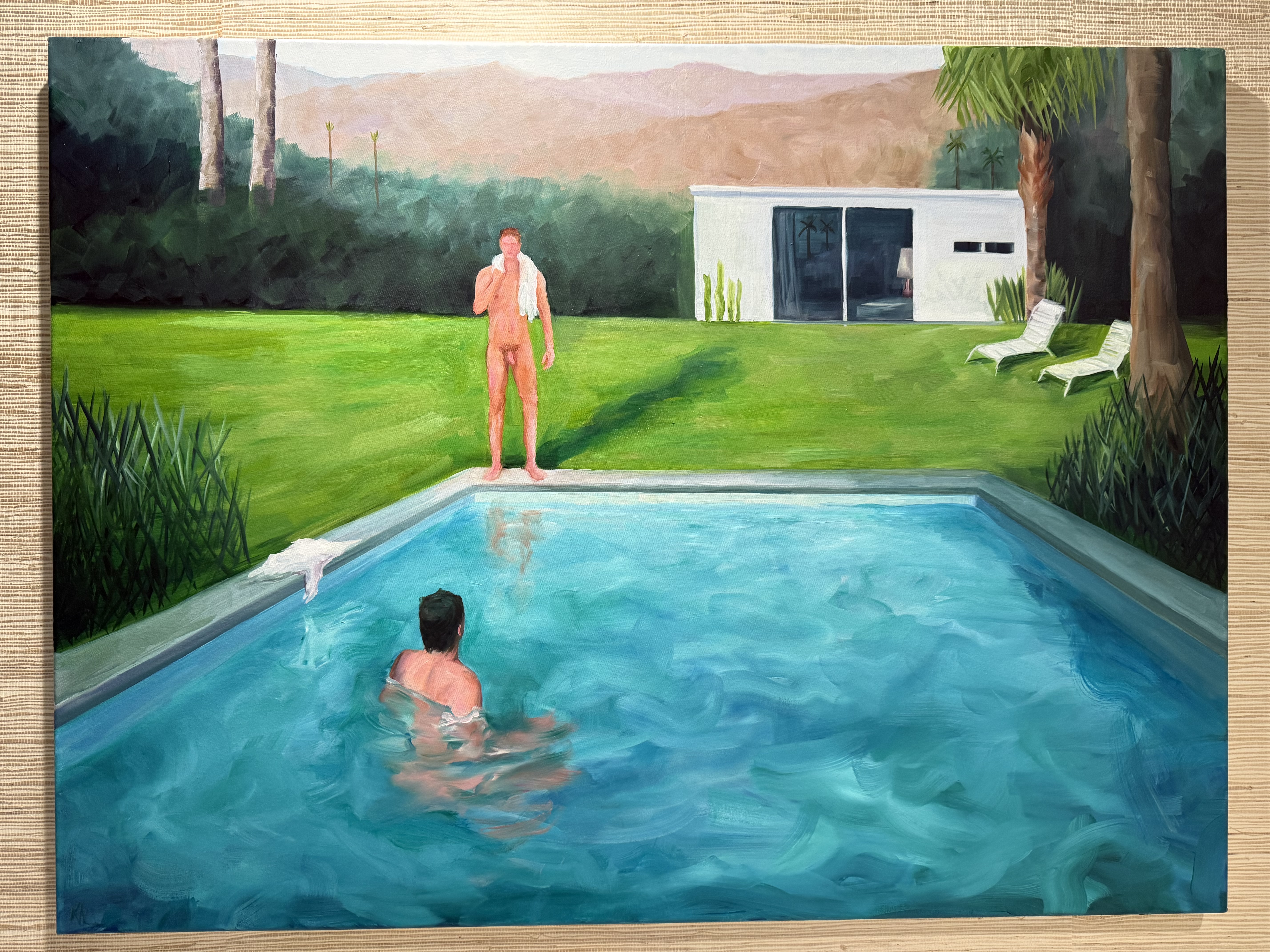
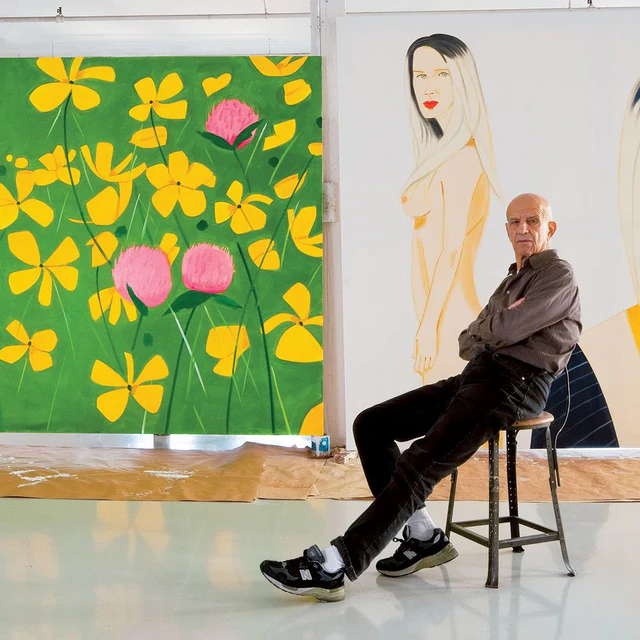
The Hepworth Wakefield mounted a significant retrospective that drew a new generation of visitors who had grown up inside screens and arrived hungry for something that pushed back with physical presence. On The Collection, his works offer an ideal entry point into understanding why this reconsideration feels so overdue. Alex Katz occupies a different but equally instructive position in the Late Modern conversation. For decades he was discussed primarily as a precursor, the painter who anticipated Pop without quite belonging to it, who influenced a generation of fashion photographers without receiving the institutional credit.
The Guggenheim Bilbao's major retrospective in 2022, which subsequently traveled, changed the terms of that discussion decisively. Prices at auction reflected this shift almost immediately. His large scale portraits, with their flattened light and quietly radical cropping, now read not as proto something else but as complete statements in their own right, and the market has priced that completeness accordingly. Frank Stella's market has long operated at a different altitude entirely.
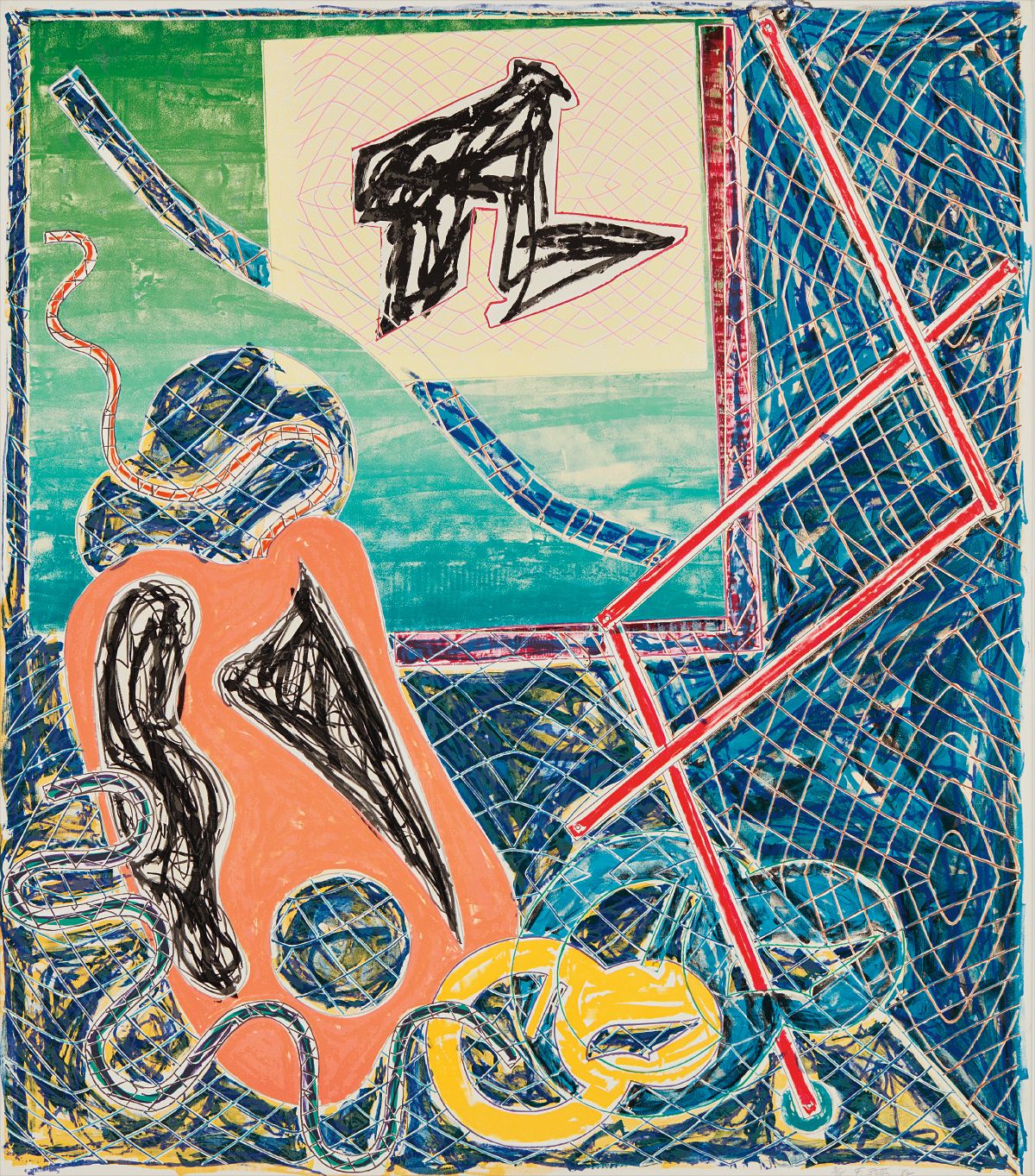
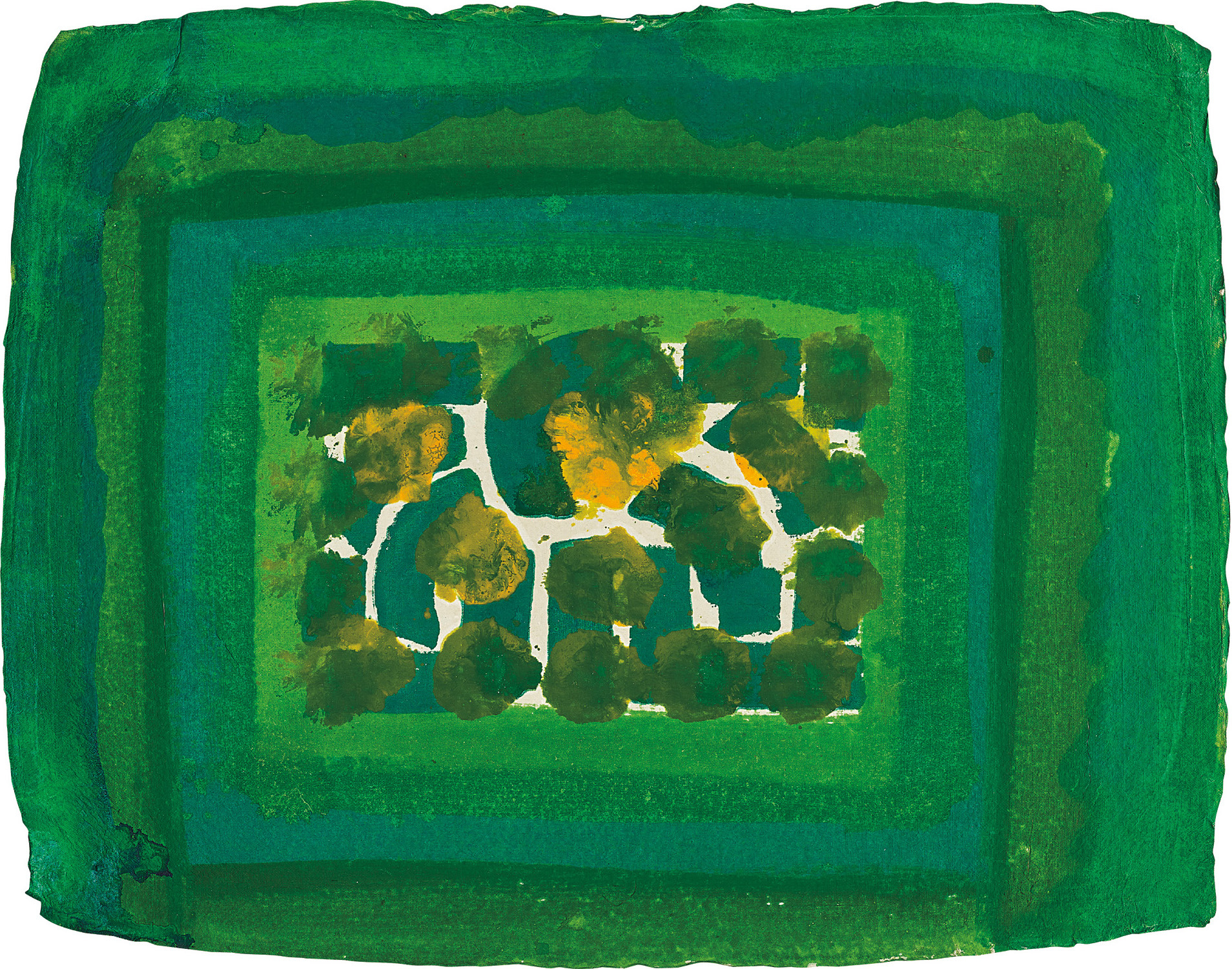
Frank Stella
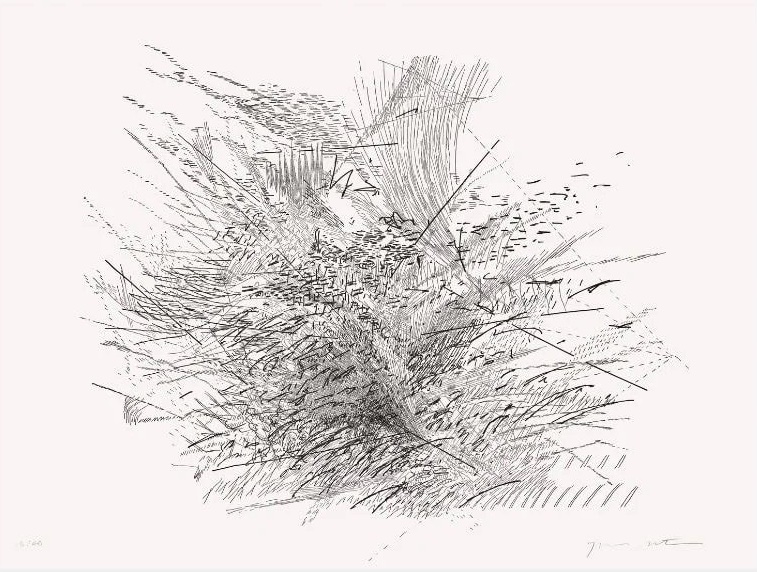
Shards Variant Ia, from Shards
His early Black Paintings from the late 1950s and early 1960s are among the most institutionally secure works from the entire postwar period, residing in the permanent collections of MoMA, the Art Institute of Chicago, and the Tate. But the more interesting critical energy around Stella in recent years has centered on his later, maximalist work, the Circuits series and the Exotic Bird paintings, which were for a long time treated as an embarrassing swerve away from the rigorous early work. Curators and writers are now making the case that the late work is where the real argument was happening all along. His death in 2024 will inevitably bring further retrospective attention, and the market will follow.
Jim Dine sits at one of the more fascinating intersections in this category, connected to the New York performance and Happenings scene of the early 1960s, deeply invested in printmaking and drawing as primary rather than secondary forms, and consistently undervalued relative to peers whose work is arguably less formally adventurous. Pace Gallery has been instrumental in keeping his profile visible, and his work on paper in particular has attracted serious print collectors who understand that his command of the etching and lithograph is without parallel in his generation. On The Collection, his presence speaks to exactly the kind of refined, specific collecting sensibility this platform is built for. The institutional signals worth watching include the Tate Modern's ongoing commitment to revisiting postwar abstraction and figuration not as separate trajectories but as a continuous conversation.
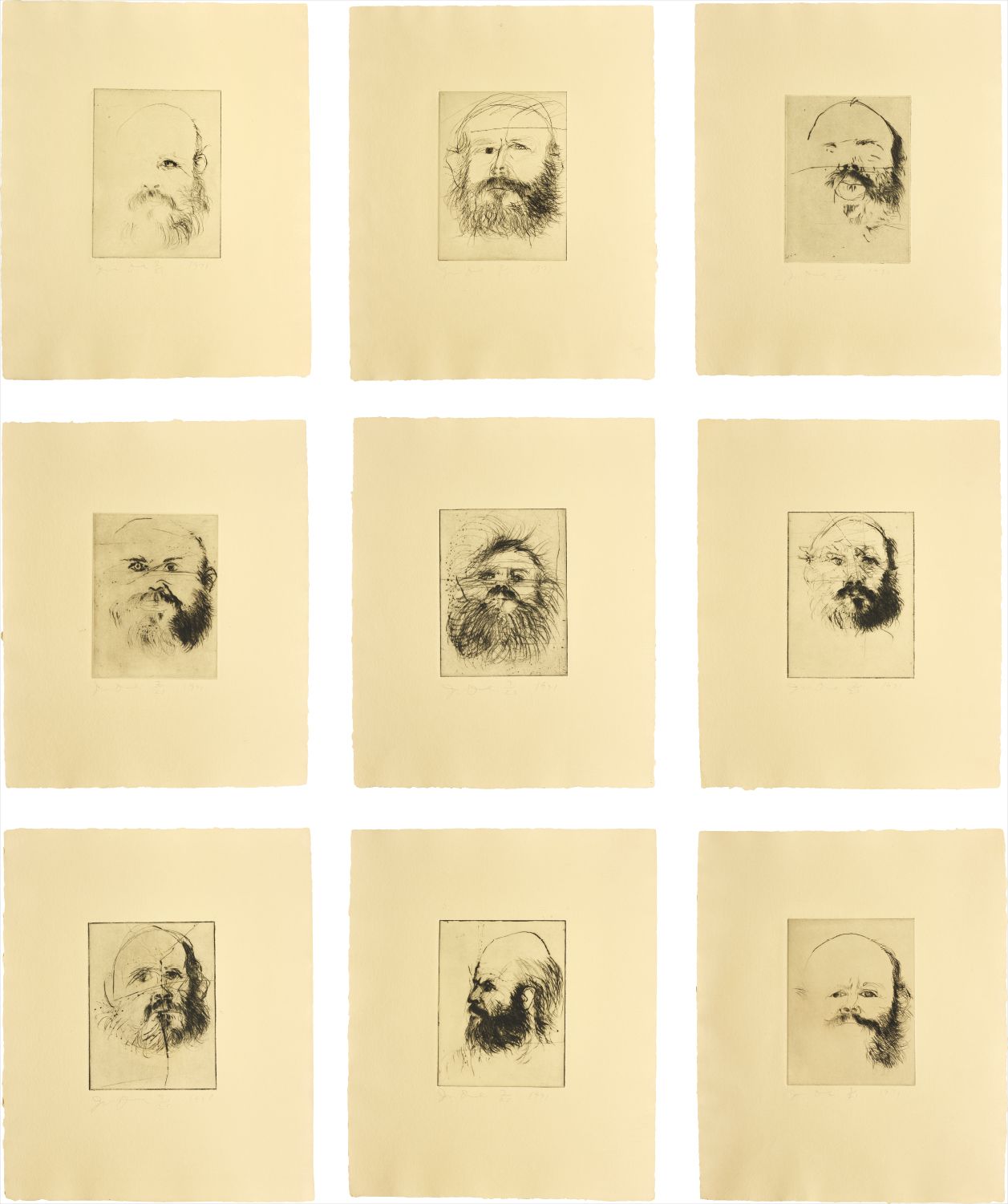
Jim Dine
Self Portraits
The museum's rehang of its permanent collection in recent years has been quietly radical in this respect, placing painters like Hodgkin in dialogue with Minimalist sculpture in ways that productively disturb old art historical categories. The Whitney Biennial's periodic returns to artists who came of age before the 1990s also suggest that younger curators are no longer treating the Late Modern as a closed chapter. In terms of the critical conversation, a few voices are setting the agenda in useful ways. The art historian Phyllis Tuchman has written with particular clarity about the generation of American painters who emerged in the 1950s and 1960s, and her essays remain essential background reading.
The journal October continues to provide the theoretical scaffolding through which younger curators engage with this material, even when its arguments feel academic. More interesting perhaps are the independent critics writing for Artforum, Frieze, and the Burlington Magazine who are doing the patient work of revisiting individual reputations without the pressure of a thesis to prove. What feels most alive in this category right now is the renewed appetite for paintings that make demands. There is a generational exhaustion with work that explains itself immediately, and the complexity of a Hodgkin, the rigorous simplicity of a Stella, the strange tenderness of a Katz portrait offer something that asks you to stay in the room.
Alex Katz
Small Cuts
What feels settled is the canonical status of the very early work, the 1960s masterpieces that will never drop below a certain floor at auction. What is genuinely surprising is how quickly the secondary market has moved on work that was considered decorative or unfashionable as recently as a decade ago. The Late Modern era is not being rediscovered so much as it is being properly seen for the first time, and for collectors with the right sensibility, that timing matters enormously.