Korean American Artist
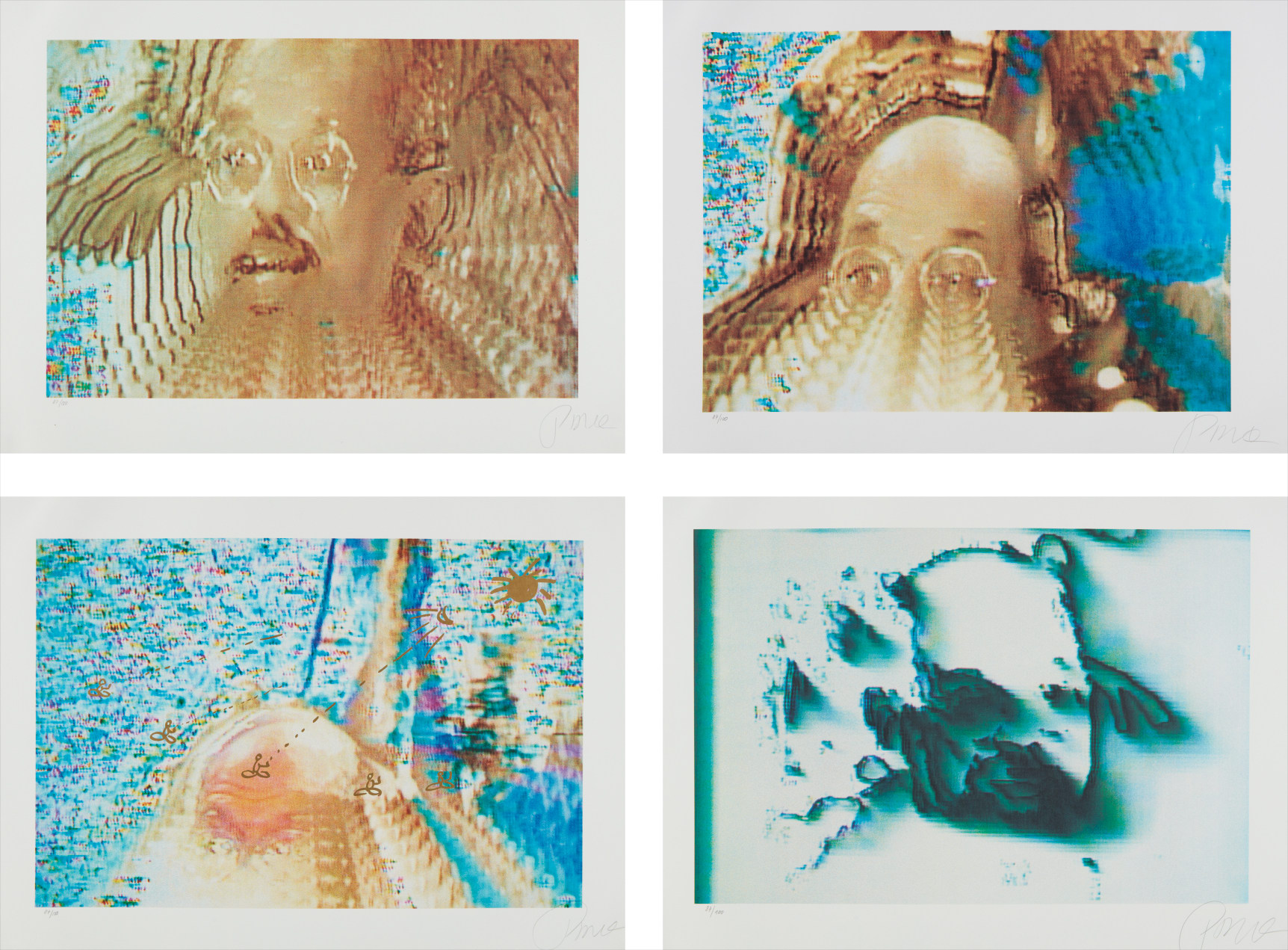
Nam June Paik
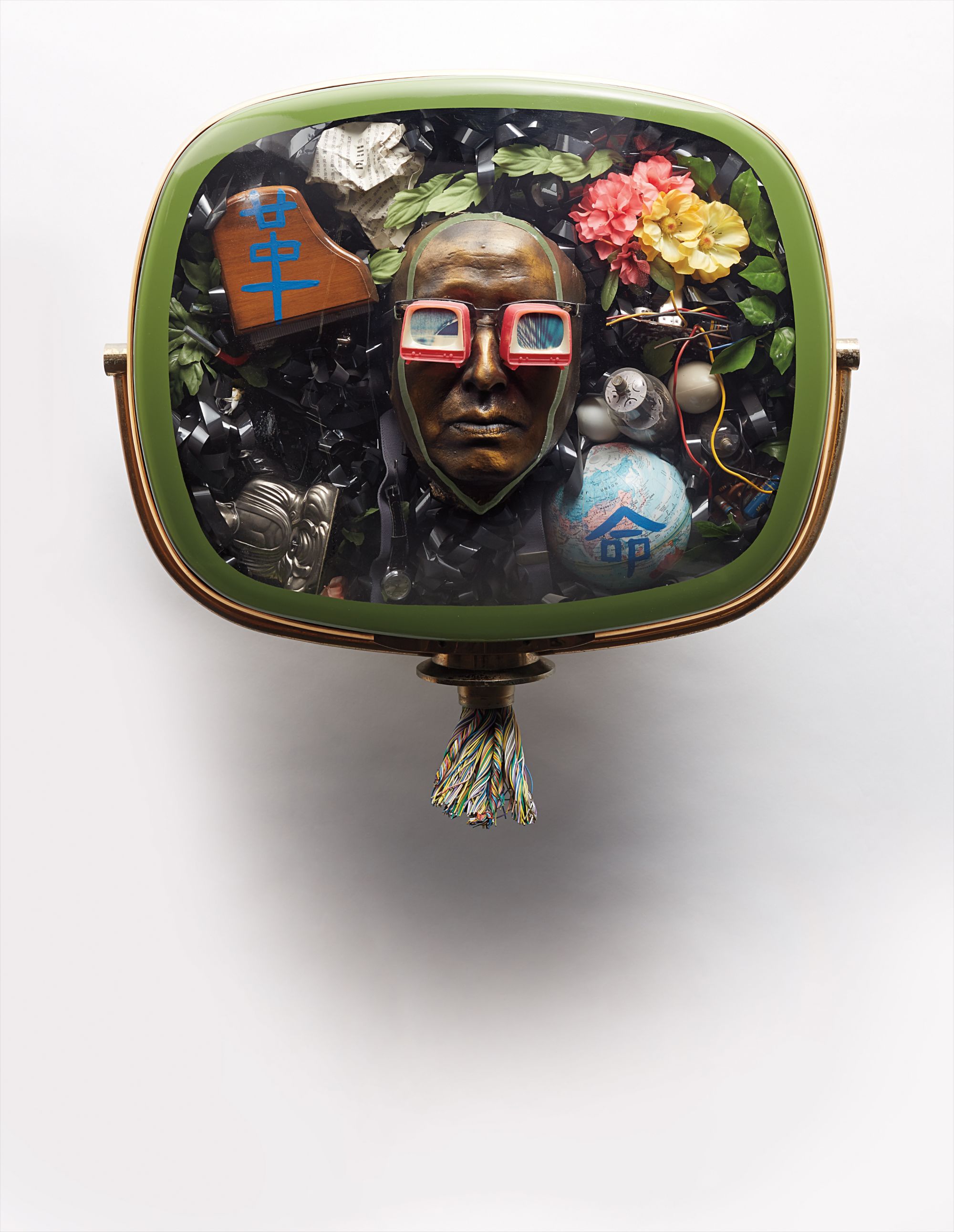
Big Shoulder, 1998

Korean American Art Is Having Its Moment
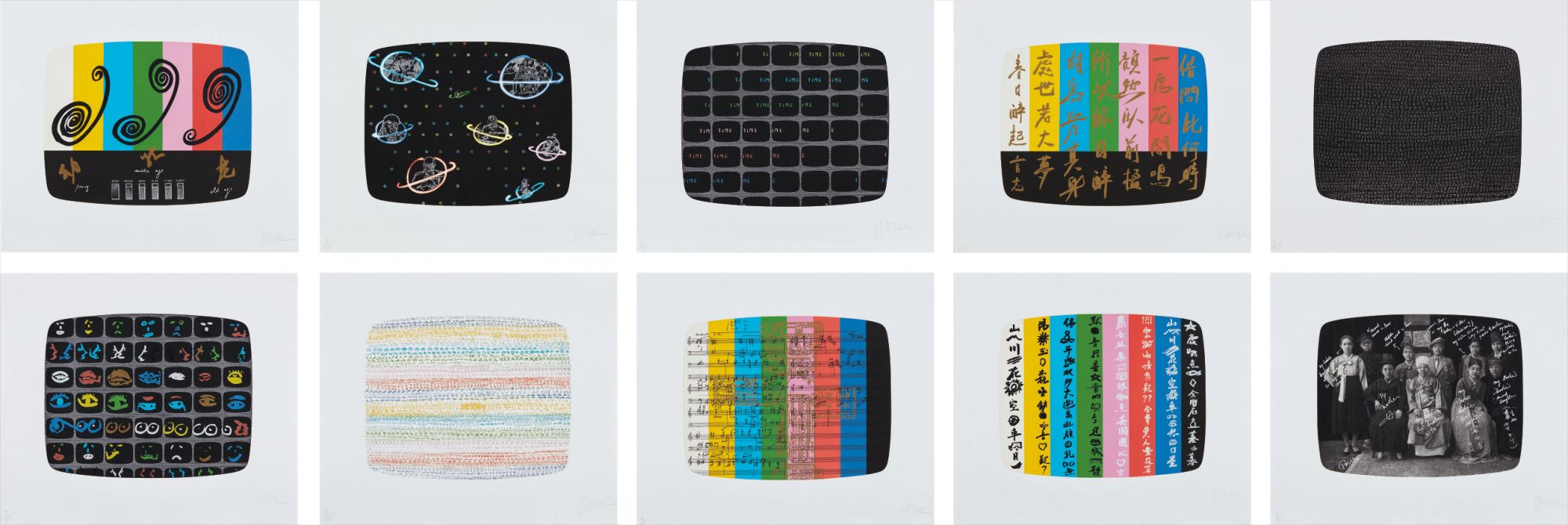
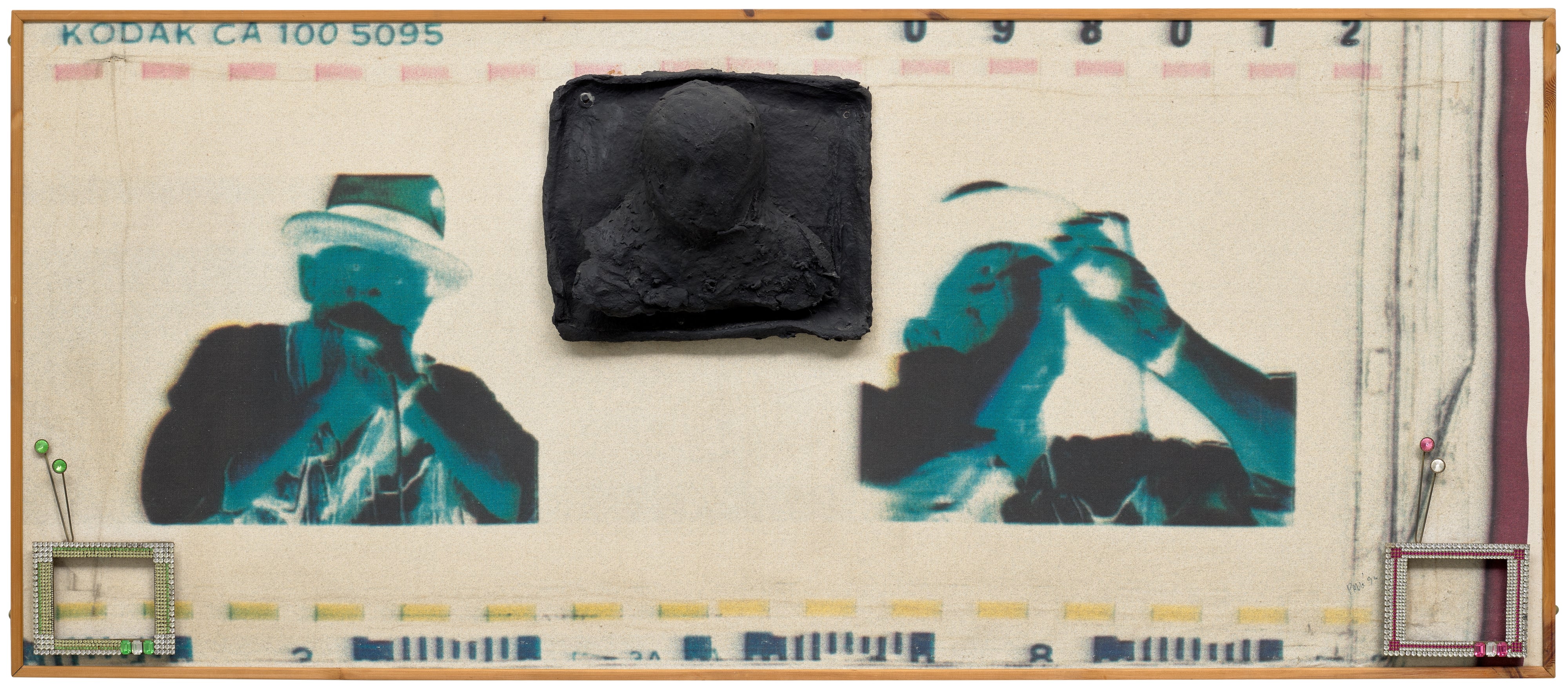
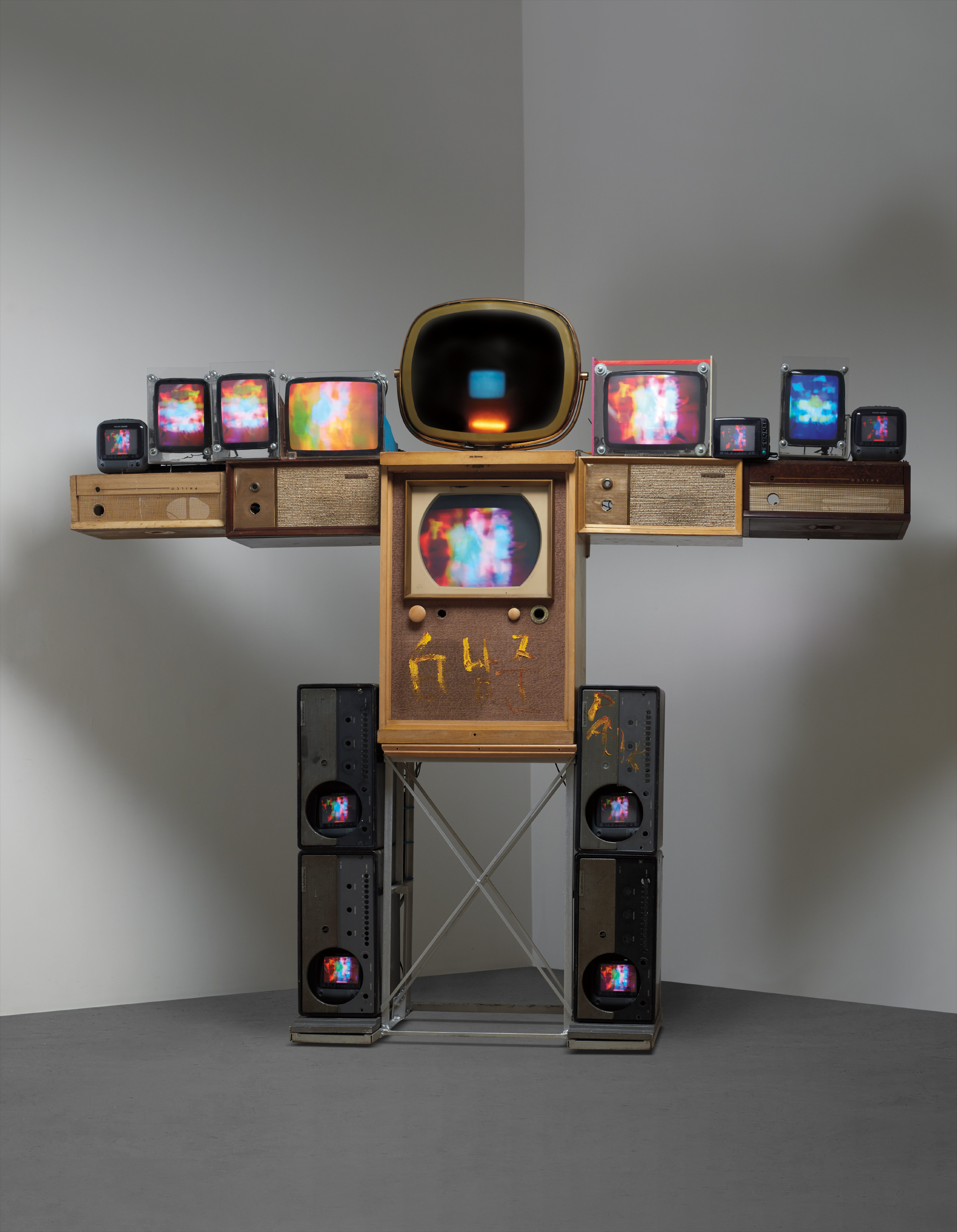
When Christie's brought a Nam June Paik video installation to auction in recent years and watched bidders push the final price well past its high estimate, it confirmed something that curators and gallerists had been quietly saying for some time: the market for Korean American art has matured into something serious, sustained, and genuinely exciting. This is no longer a conversation happening at the margins of the contemporary art world. It is happening at the center, in the major institutions, in the critical press, and in the rooms where serious collectors make serious decisions. Nam June Paik remains the gravitational force in this conversation, and rightly so.
His work defined the possibilities of video art before most of the world had any framework for understanding it. Born in Seoul in 1932, Paik moved through Germany and New York, absorbing Fluxus energy and transforming it into something entirely his own. His television sculptures and multichannel video environments still feel urgent, which is the rarest quality an artwork can possess. The Smithsonian American Art Museum holds a significant body of his work, and the Whitney Museum of American Art has been instrumental in keeping his legacy visible through successive generations of collectors and scholars.
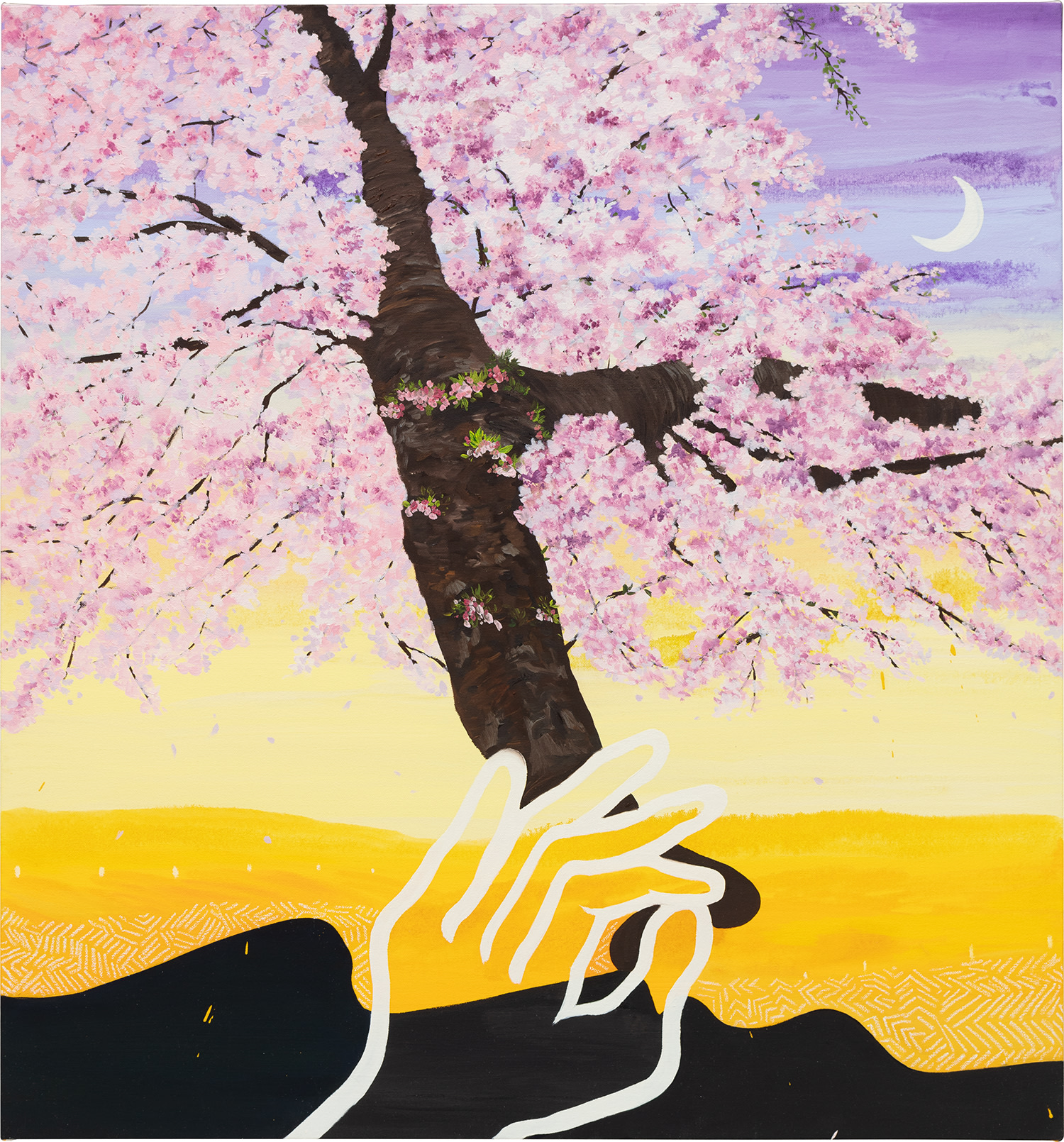
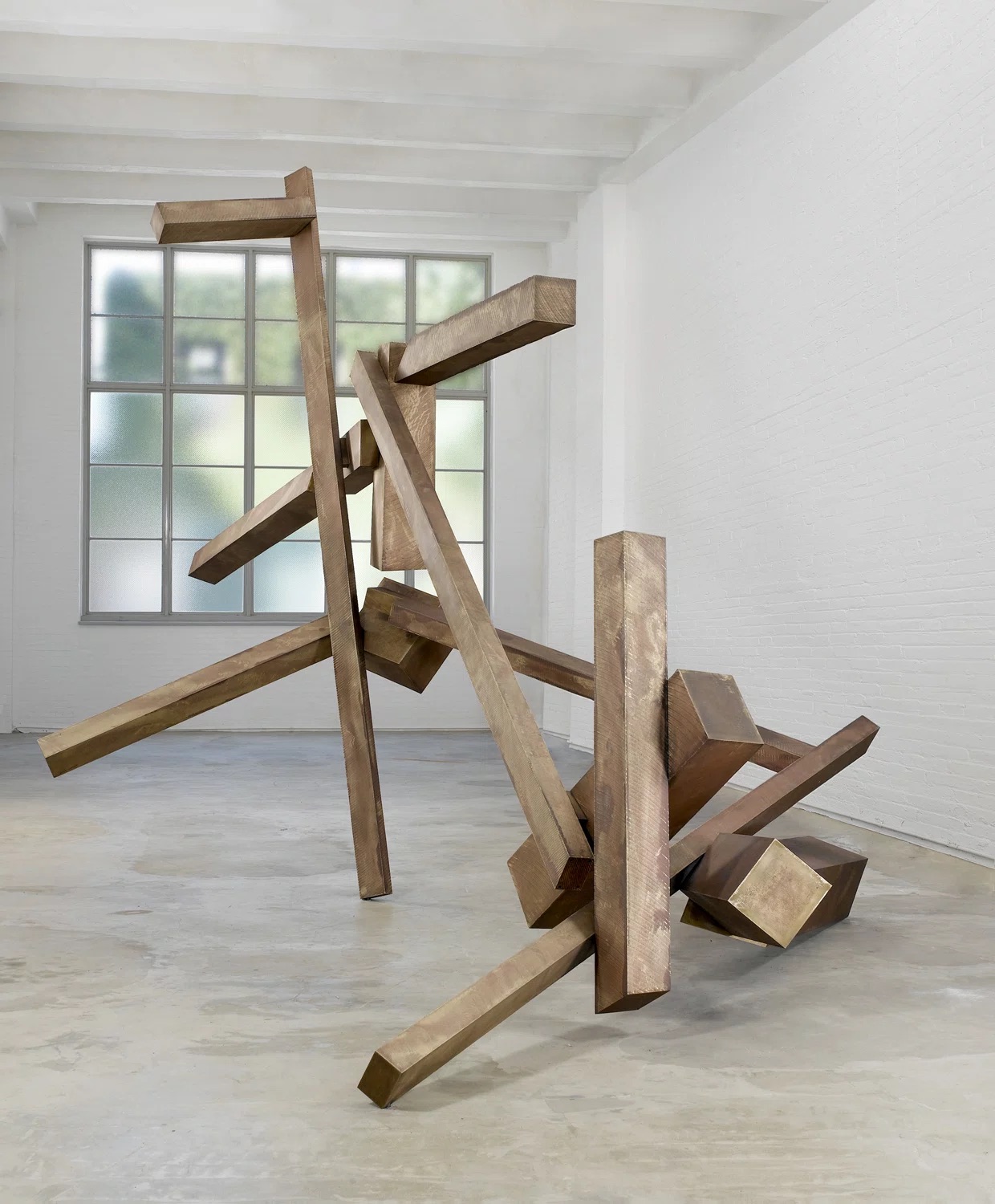
Hiejin Yoo
The Organic Chewing Gum Tastes Like, 2021
On The Collection, his works represent a cornerstone of the Korean American presence on the platform, and their inclusion speaks to how foundational his vision remains for understanding everything that came after. The critical reassessment of Paik has gathered momentum in recent years, partly because of the broader institutional reckoning with artists who worked across media before the market had categories to contain them. The 2020 retrospective organized by the San Francisco Museum of Modern Art and the de Young Museum was a landmark moment, drawing fresh attention from collectors who had not previously considered video art as a primary collecting category. That show traveled and generated the kind of press coverage that moves prices, and Paik auction results in its wake reflected exactly that dynamic.
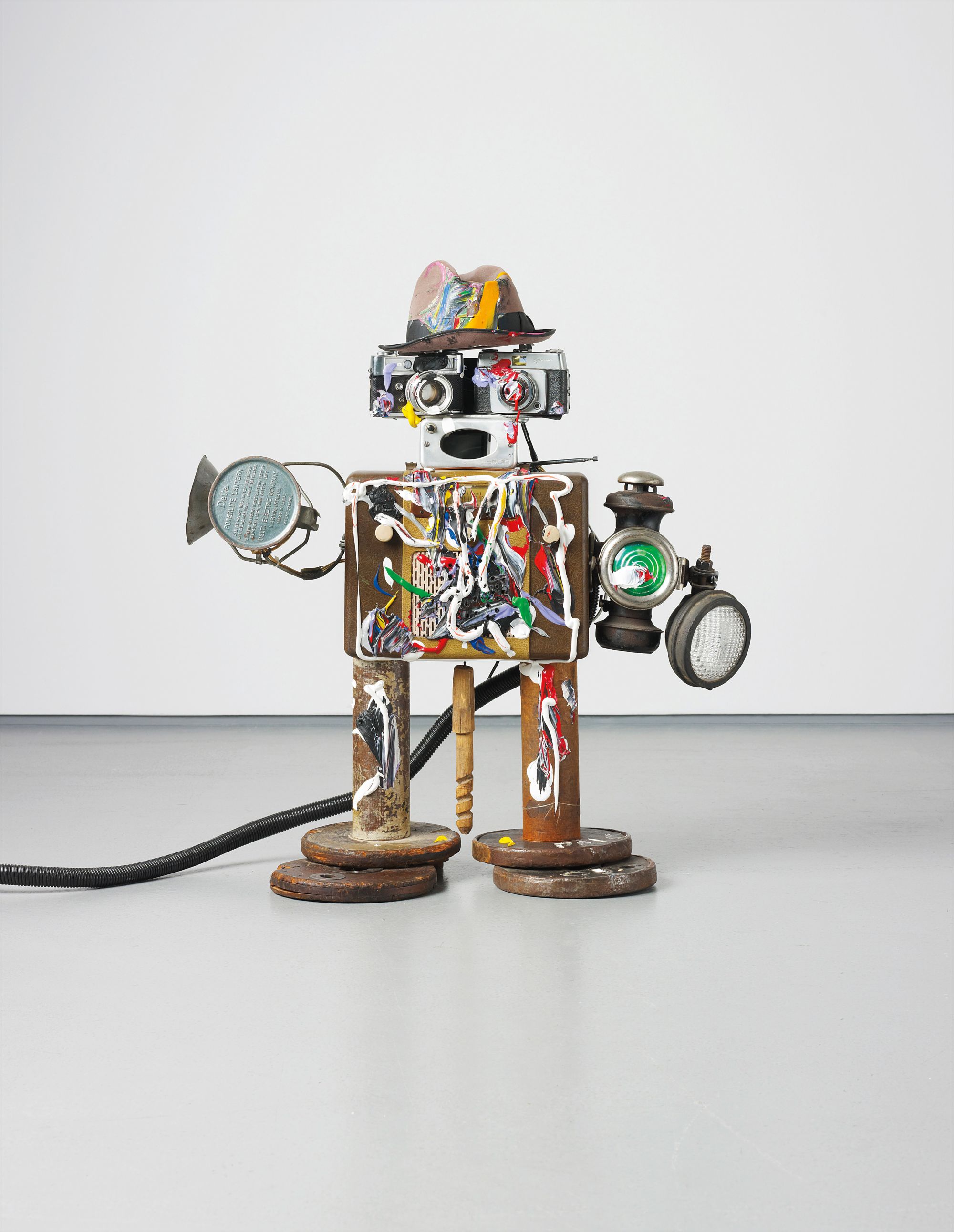
When a recognizable Paik television robot or video wall piece comes to market, it rarely stays close to its estimate for long. What makes this moment particularly interesting is the way younger Korean American artists are being understood in relation to that legacy while also insisting on their own distinct concerns. Hiejin Yoo works in a register that feels attentive to the body, to intimacy, and to the particular textures of contemporary experience in ways that resist easy categorization. Her presence on The Collection signals the kind of curatorial thinking that serious collectors respond to, the recognition that a platform or collection tells a coherent story when it holds work across generations rather than simply accumulating names.
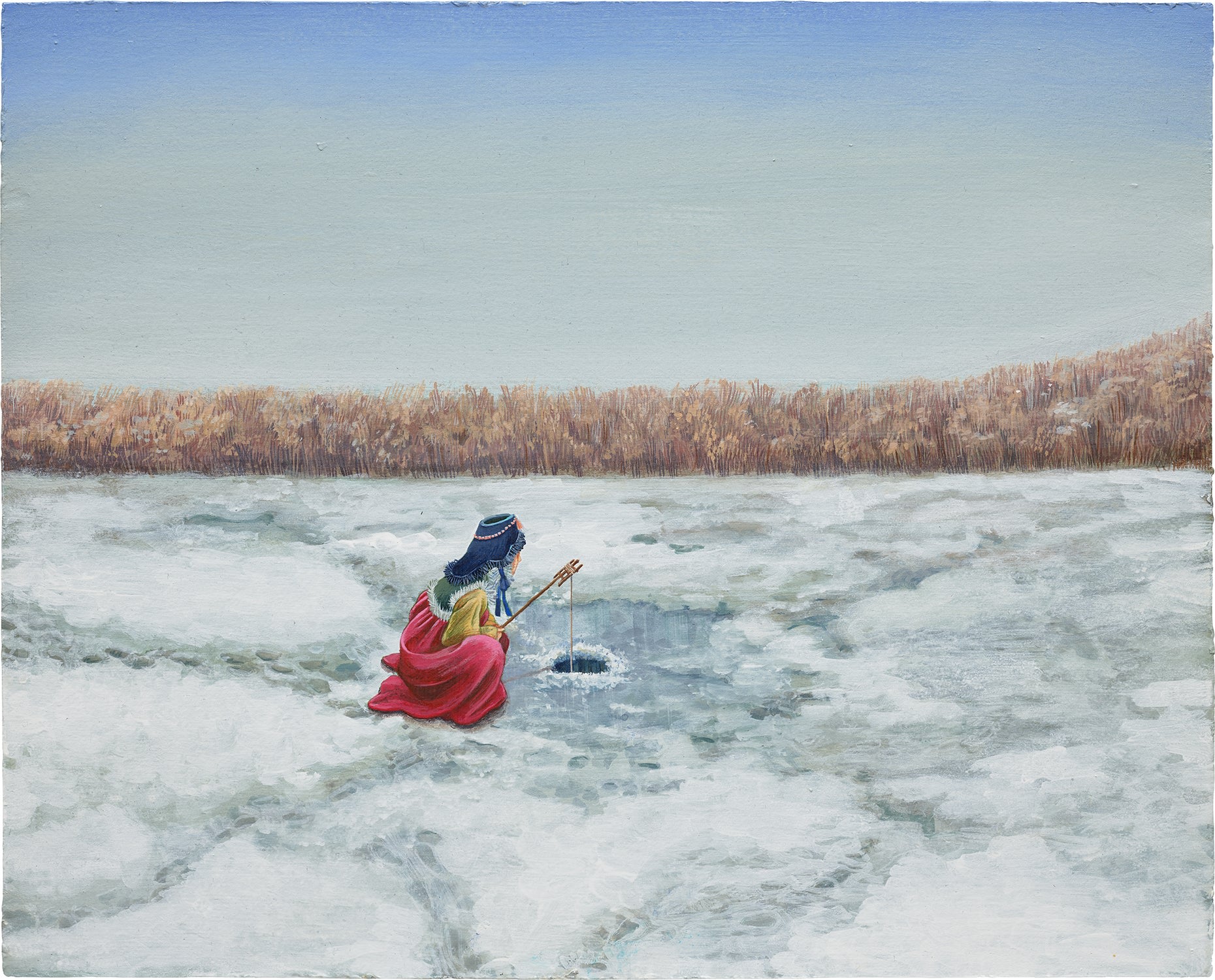
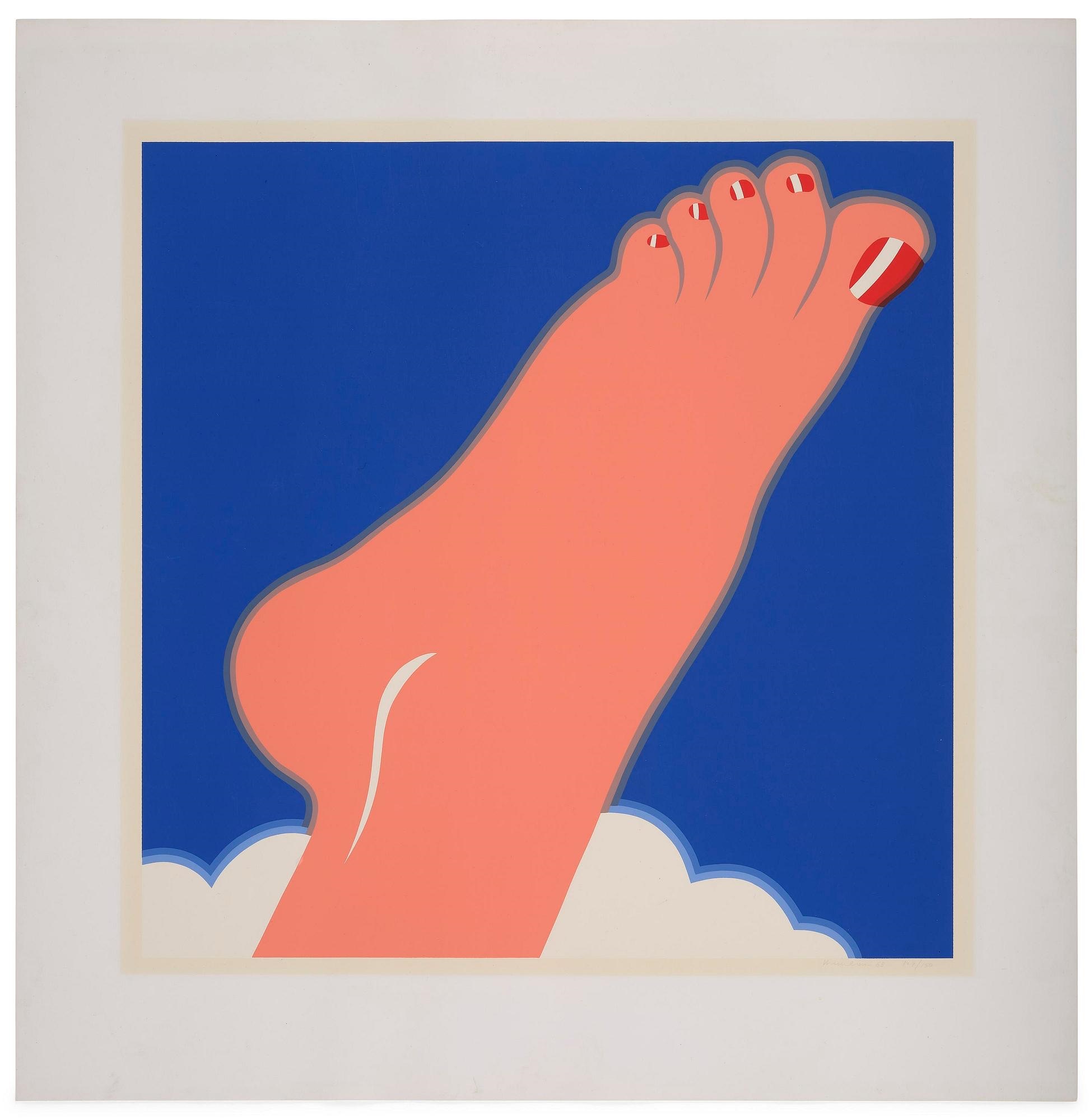
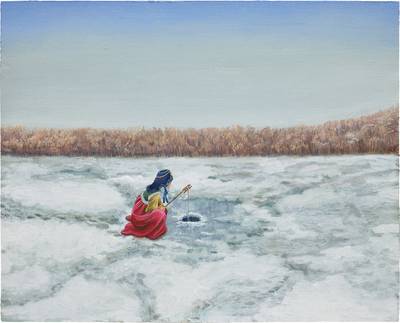
Sally J Han
Ice Fishing, 2020
Sally J Han brings yet another sensibility into focus, one engaged with materiality and surface in ways that reward sustained looking. These are artists whose institutional relationships are still developing, which is precisely the moment when thoughtful collectors pay attention. The institutional picture is genuinely encouraging. The Museum of Contemporary Art Los Angeles has been consistent in its attention to artists from the Korean diaspora, and the Guggenheim Museum's ongoing engagement with Pacific Rim perspectives continues to shift the curatorial vocabulary available to American audiences.
The National Museum of Modern and Contemporary Art in Seoul has also been an important interlocutor, lending legitimacy and depth to artists who move between Korean and American contexts. When American institutions acquire work by Korean American artists and Korean institutions show them, the dialogue that results tends to be richer and more complex than either conversation would be on its own. The critical writing around this area has become more sophisticated as the artists themselves have demanded more sophisticated responses. Curator Christine Y.
Nam June Paik
Big Shoulder, 1998
Kim, who has worked at institutions including LACMA and the Museum of Contemporary Art Los Angeles, has been a particularly thoughtful voice, insisting on specificity rather than generalization when discussing artists from the Korean diaspora. Publications including Artforum, Frieze, and the Los Angeles Review of Books have increasingly given space to writers who can navigate both Korean art history and American contemporary art discourse without flattening either. That kind of critical infrastructure matters enormously because it creates the intellectual context in which markets develop confidence. Auction houses have noticed.
Beyond Paik, whose works now command prices that reflect his canonical status, there is growing interest in works by second and third generation Korean American artists across the major sales. The secondary market for these works is still forming, which means that primary market relationships, with galleries like Tina Kim Gallery in New York, which has been doing serious work in this space for years, still represent the most important point of entry for collectors building positions. Tina Kim's program has been notable for its willingness to show Korean artists and Korean American artists together, refusing the artificial separation that sometimes impoverishes both conversations. What feels most alive right now is the intersection of this work with broader conversations about diaspora, language, and the politics of belonging.
Korean American artists are not simply being absorbed into a neutral American art history. They are challenging the terms of that history, asking who it was written for and what it failed to see. That challenge produces interesting art and it produces interesting collecting opportunities, because the artists doing the most challenging work are often the ones whose prices have the furthest to travel. The settled part of this story is Paik, whose place in art history is secure and whose market reflects that security.
The surprising part is how quickly the generation working now is closing the distance between institutional recognition and market consequence. For collectors paying attention, that gap is exactly where the most interesting decisions get made.