Inkjet And Acrylic
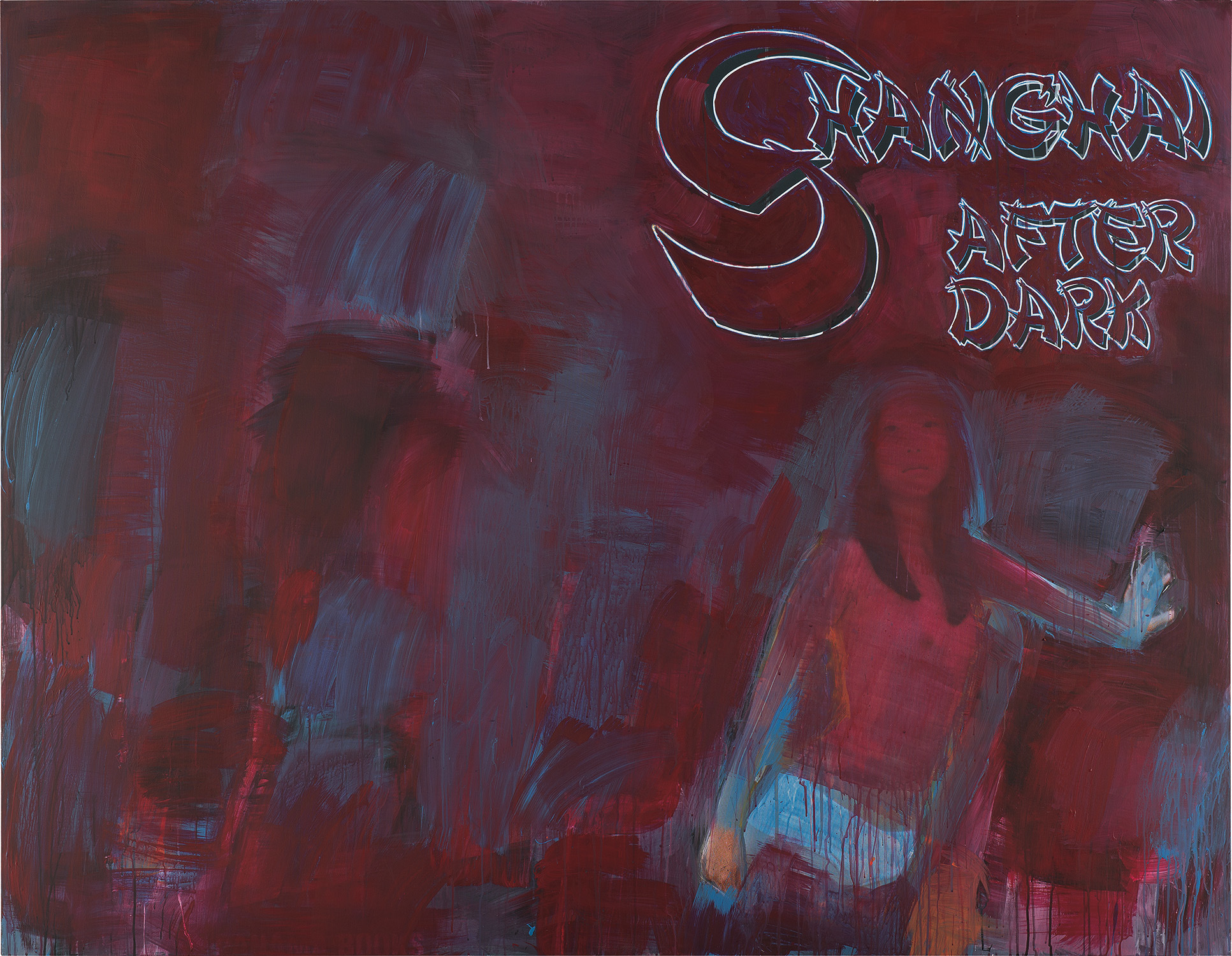
Richard Prince
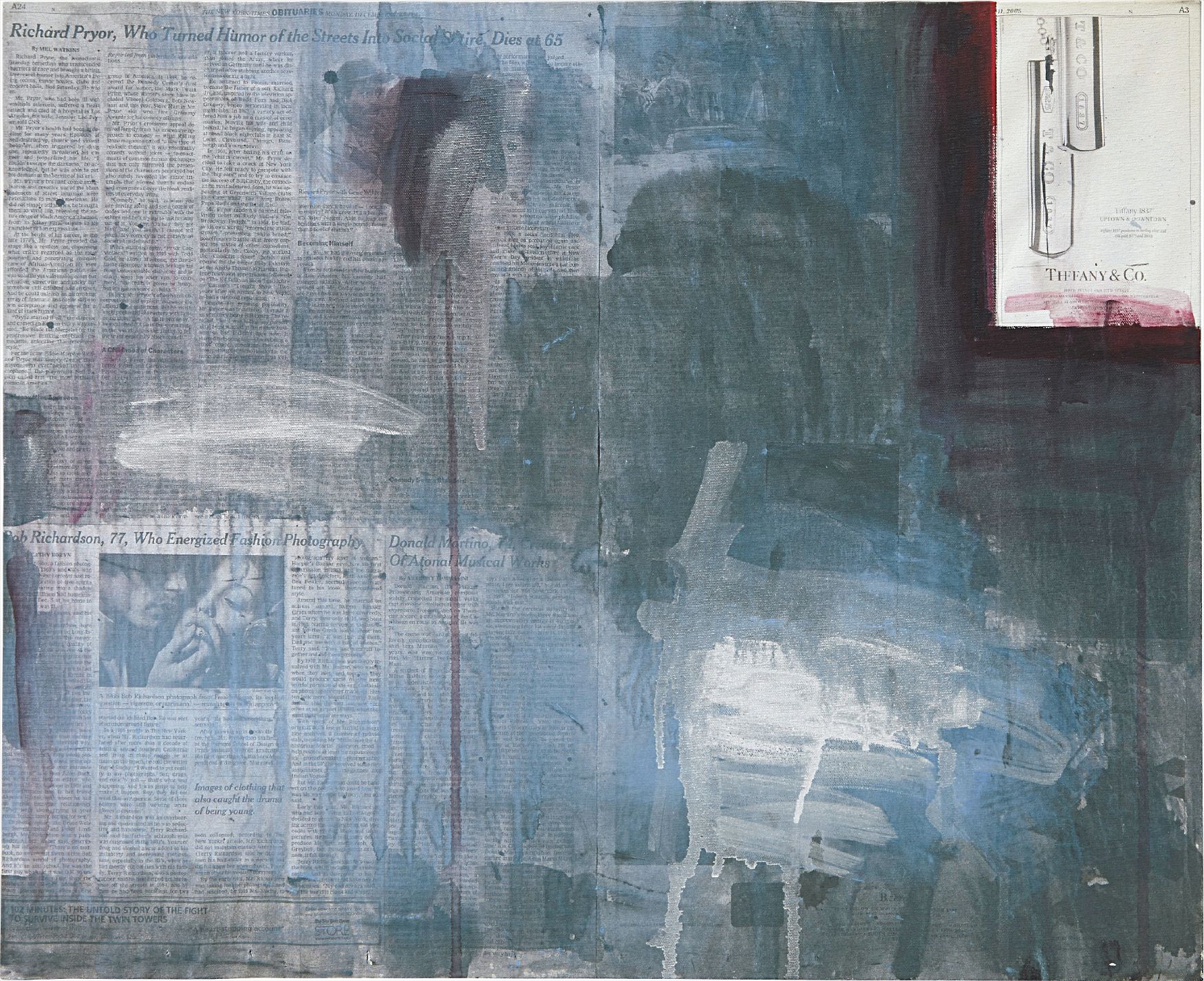
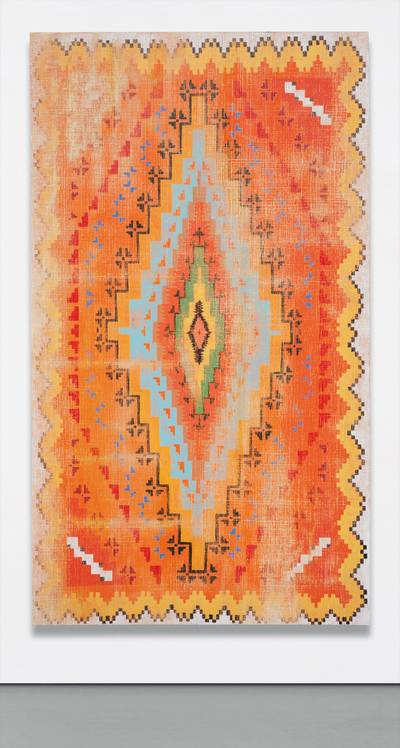
Treading a thin line between satire and subversion, Richard Prince’s art seeks to disorient its audience with a sense of pseudo-familiarity. Foraging from photographs, billboards, and pulp fiction—the latter thanks to the artist’s ardent bibliophilic tendencies—Prince’s work destabilises our notions of authenticity and authorship. When taken against the wider context of Prince’s ‘re-photography’ techniques,, 2010
Where Ink Meets Paint, Everything Changes
When a Richard Prince work combining inkjet printing and acrylic paint crossed the block at Christie's and cleared expectations comfortably, it felt less like a data point and more like a confirmation. The market was simply catching up to what certain curators and collectors had understood for over a decade: that the tension between photographic reproduction and painterly gesture is one of the most generative spaces in contemporary art right now. That particular sale signaled an appetite not just for Prince's name, but for the specific material logic his practice embodies. Inkjet and acrylic, together, represent a genuine conceptual argument about images and their afterlives.
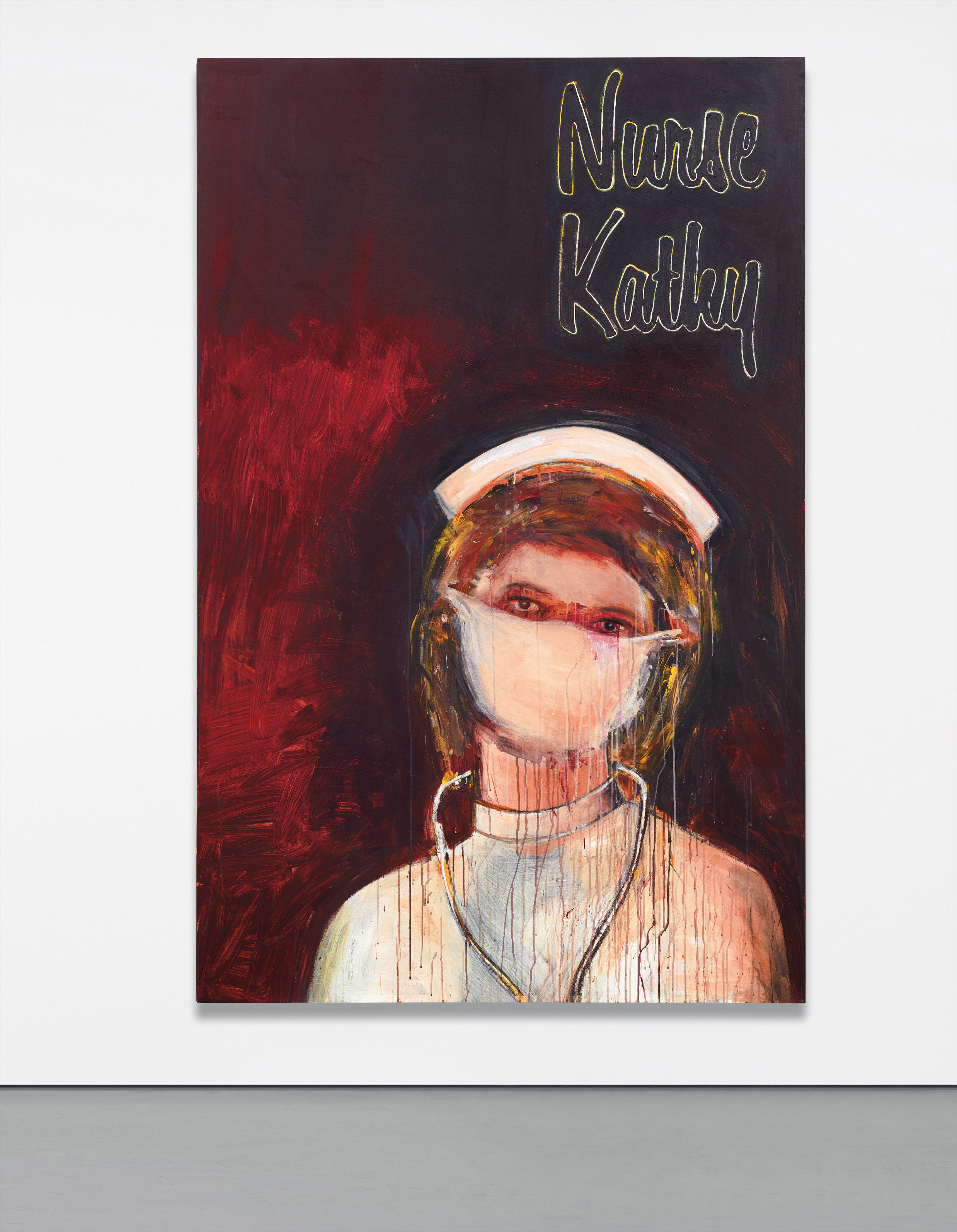
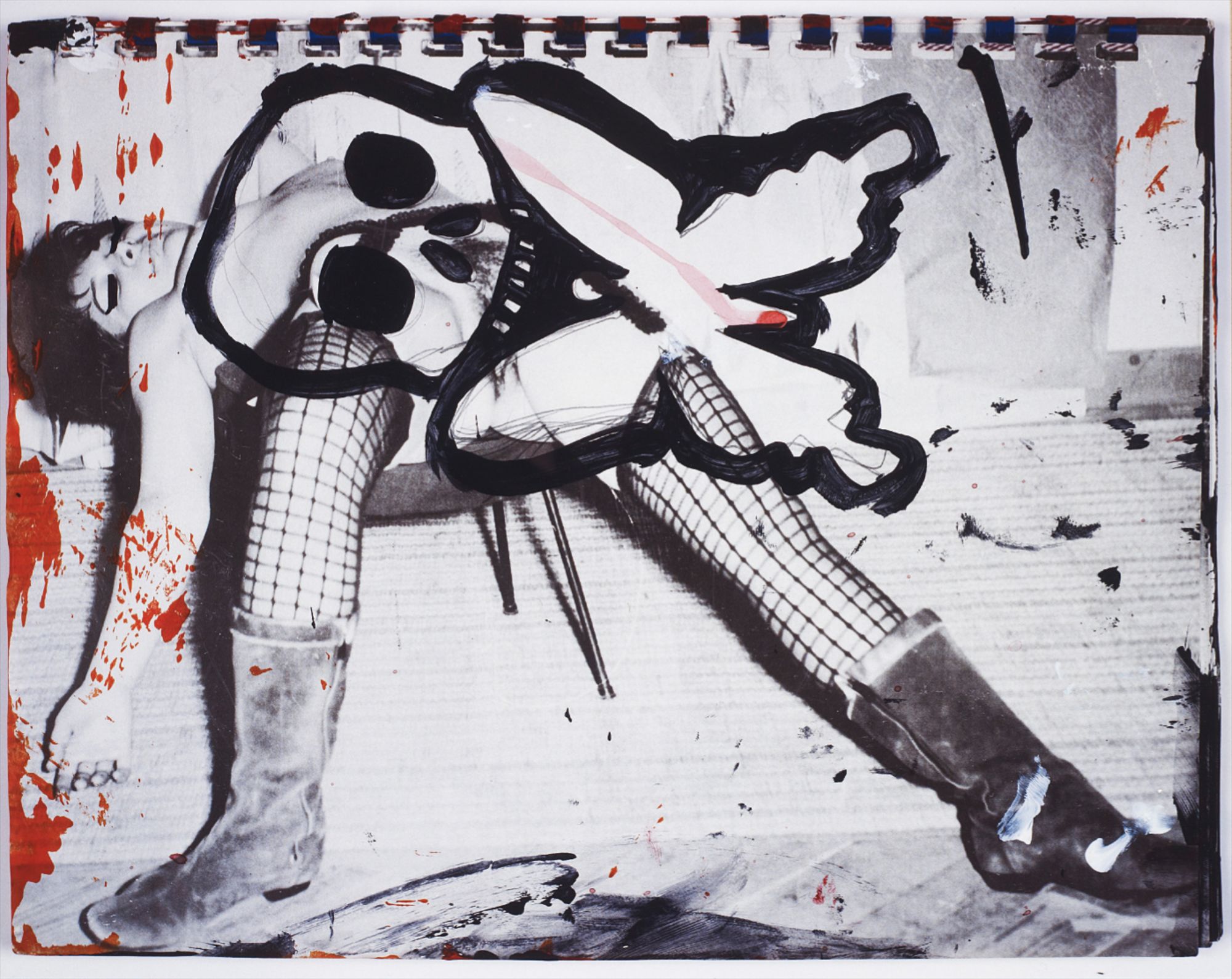
Prince has spent years working at this intersection with a restlessness that keeps his practice from calcifying. His Nurse paintings and later Instagram works both treat the inkjet print as raw material, something to be acted upon rather than simply displayed. The acrylic comes in not to decorate but to disrupt, to remind the viewer that the image is a thing in the world, subject to intervention. Collectors who have followed his work closely understand that the works on The Collection reflect a sustained inquiry rather than a series of stylistic detours.
Michael Williams
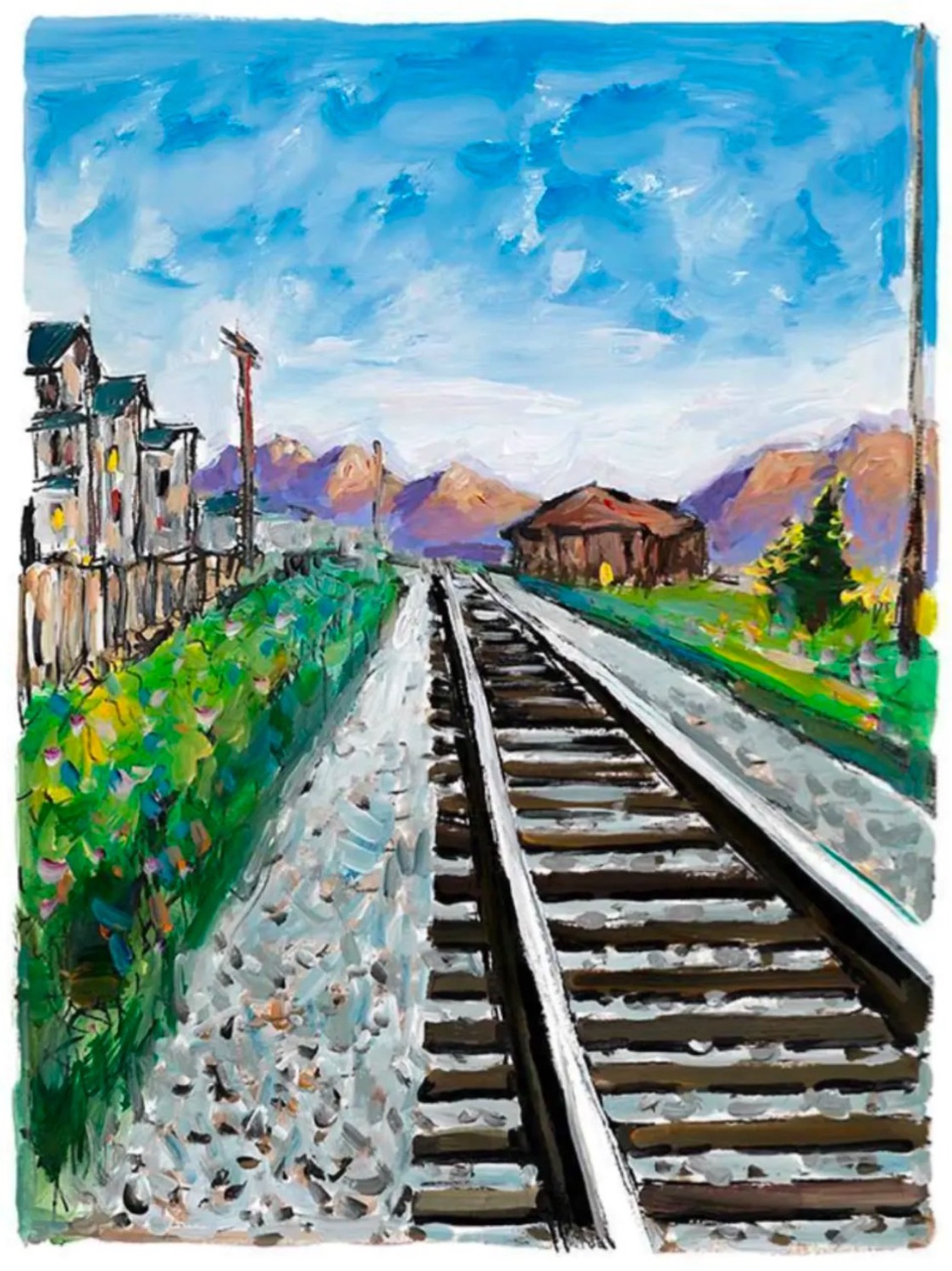
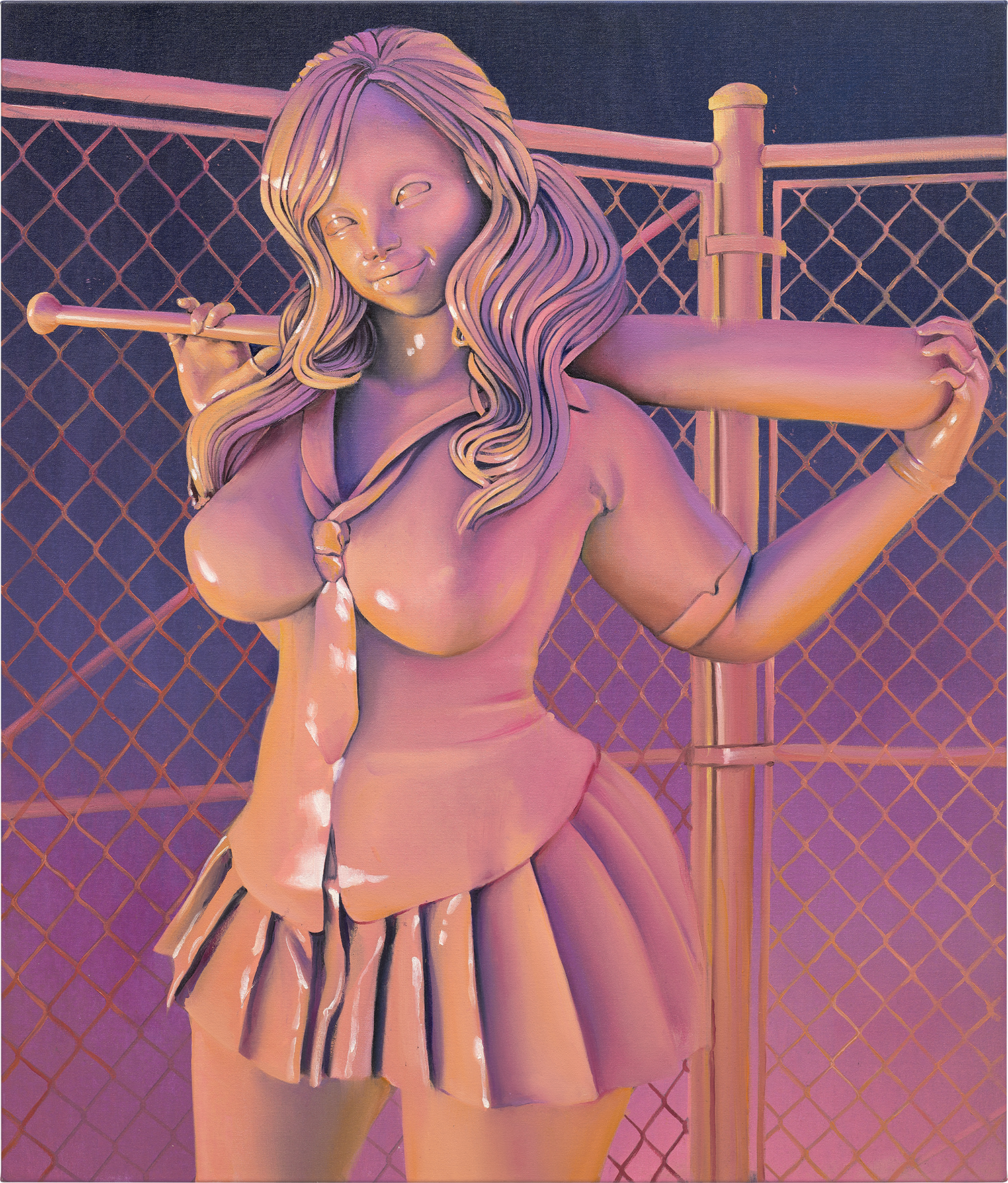
Deserted Medieval Village, 2014
That sustained quality is part of what institutions respond to. Museum attention to this material combination has grown meaningfully over the past decade. The Gagosian retrospective programming around Prince gave institutional weight to work that earlier critics had sometimes treated as provocative but slight. The Whitney has long been attentive to artists working in this zone, and their programming through the 2010s helped legitimize inkjet as something other than a production shortcut.
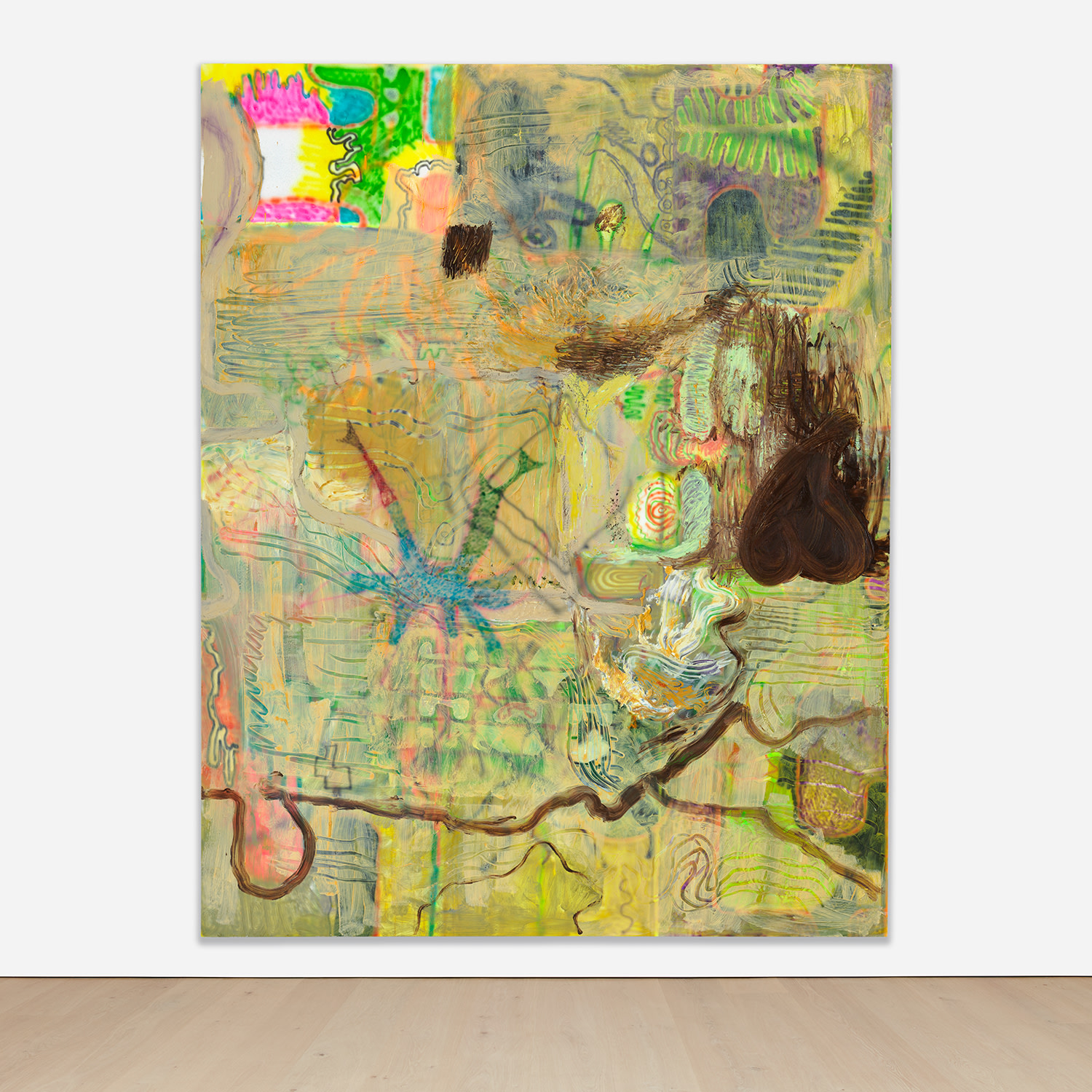
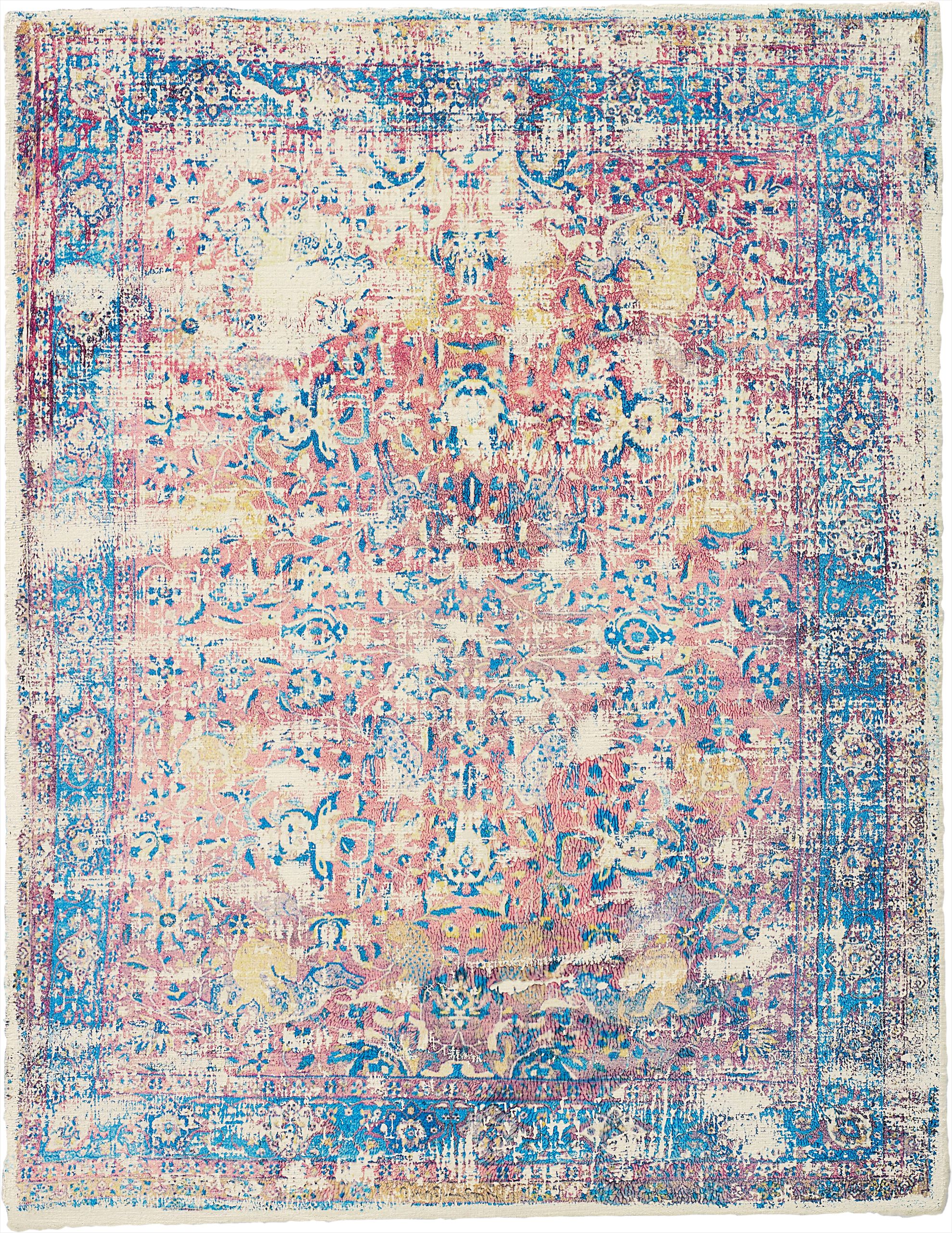
When major museums began treating the printed substrate as a genuine medium rather than a support for something else, the critical conversation shifted. What had seemed like a commercial compromise started to read as a principled choice. Kour Pour brings a very different sensibility to this material territory, and his presence in the same conversation as Prince says something important about how broad this category has become. Pour's work draws on pattern, textile history, and South Asian visual culture, using inkjet processes to achieve densely layered surfaces that then receive further physical treatment.
Kour Pour
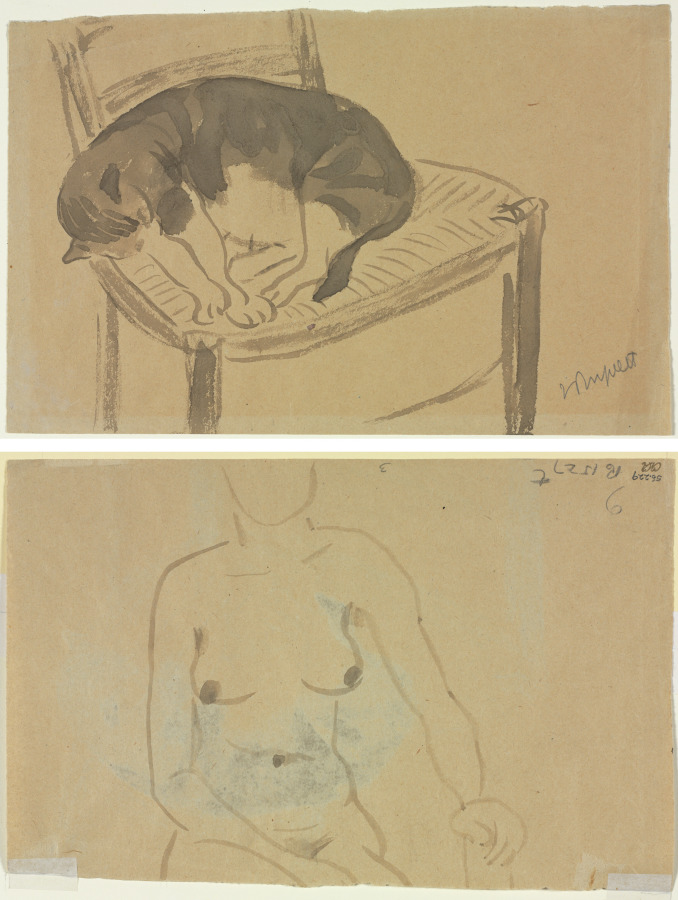
Mousepad
The result feels archaeological, like excavating through time rather than moving across it. His appearances in group exhibitions at galleries in Los Angeles and London have introduced his work to collectors who approach it from a completely different angle than they would approach Prince, which is precisely the point. The category is capacious enough to hold both. Michael Williams occupies yet another position within this conversation.
His paintings have always been interested in the image as something that arrives already processed, already mediated through screens and software. The inkjet element in his work carries that digital atmosphere into physical space, while the acrylic marks on top register his insistence on the hand as a counterforce. His inclusion in the New Museum's surveys of painting in the digital age helped cement critical understanding of what he was doing. Writers like Chris Wiley and critics associated with Artforum have spent real energy trying to articulate why Williams feels necessary rather than merely clever, and that critical investment has translated into institutional acquisitions and secondary market momentum.
Richard Prince
Treading a thin line between satire and subversion, Richard Prince’s art seeks to disorient its audience with a sense of pseudo-familiarity. Foraging from photographs, billboards, and pulp fiction—the latter thanks to the artist’s ardent bibliophilic tendencies—Prince’s work destabilises our notions of authenticity and authorship. When taken against the wider context of Prince’s ‘re-photography’ techniques,, 2010
The institutions collecting most seriously in this space tend to be ones that made early commitments to digital and post digital practice. The Museum of Contemporary Art Los Angeles has been consistent here, as has the Broad. In Europe, the Astrup Fearnley in Oslo and various Swiss private foundations have approached inkjet and acrylic work with the same seriousness they bring to any major contemporary medium. What these institutional commitments signal to the broader market is staying power.
When a work is acquired by a serious institution it enters a different kind of conversation, one measured in decades rather than seasons. Critically, the most interesting writing about this category tends to avoid the trap of treating it as primarily a technology story. The temptation is to frame inkjet and acrylic as a response to digital culture, full stop. But the more nuanced curators and writers understand that artists working in this mode are engaging with the entire history of reproductive image making, from photomechanical printing through offset lithography and into the present.
Rachel Kushner's catalog essays have touched on related territory. So have the more ambitious reviews in Frieze and even in smaller publications like Mousse, where there is more room to develop an argument over several pages. As for where the energy is moving, two things feel genuinely alive right now. The first is younger artists who are approaching the inkjet and acrylic combination with less anxiety about its legitimacy, simply treating it as available material rather than as a statement.
That freedom produces work with a different register, less self conscious and more interested in what the combination can do visually and conceptually. The second is the growing interest in provenance and process documentation for works in this medium, as collectors and institutions get more sophisticated about understanding exactly what they own. Works that arrive with clear studio records of the printing process and subsequent paint application are starting to command premiums that reflect that clarity. What feels settled is the basic legitimacy question.
Nobody serious is still arguing that inkjet printing is a lesser substrate or that acrylic intervention on a printed surface is somehow cheating. That battle was won, quietly but decisively, over the course of roughly fifteen years of museum validation and auction results. What remains genuinely open is the question of which bodies of work will prove to have the depth and coherence to sustain long term critical interest. Not every artist working in this mode has something necessary to say about the specific properties of the medium.
The ones who do, including the artists represented on The Collection, tend to be working from a position of conceptual conviction rather than material convenience. That conviction is what collectors and institutions are ultimately paying for, and it is what this particular intersection of ink and paint continues to make visible.