Greek Mythology
Archived article
You are reading a previous version of this article.
Read the latest version```json { "headline": "Gods Never Die, They Just Get Collected", "body": "When a Roman marble head of Apollo came up at a major auction house recently, it sold well past its high estimate, drawing bids from at least three continents. The piece, serene and slightly idealized in that way of late Republican portraiture, felt almost anachronistically alive in the saleroom. What struck observers was not just the price but the intensity of attention, the sense that something genuinely necessary was being contested. Greek mythology as a collecting category is not having a moment so much as it is having a reckoning, and the market is reflecting a broader cultural appetite that feels less like nostalgia and more like urgency.
\n\nThe appetite shows up most vividly in ancient sculpture, where Roman marbles and bronzes interpreting Greek mythological subjects continue to command serious institutional and private interest. A Roman bronze bust of Artemis, the huntress frozen in that characteristic composure that Roman craftsmen borrowed so fluently from Hellenistic prototypes, represents exactly the kind of object that serious collections have been quietly prioritizing. Similarly, a marble figure of Triple bodied Hekate, the goddess of crossroads and transitions, carries a weight that goes beyond archaeological significance. Hekateion figures are rare in private hands, and their presence in a collection signals a sophisticated understanding of Greek religious practice beyond the familiar Olympian hierarchy.
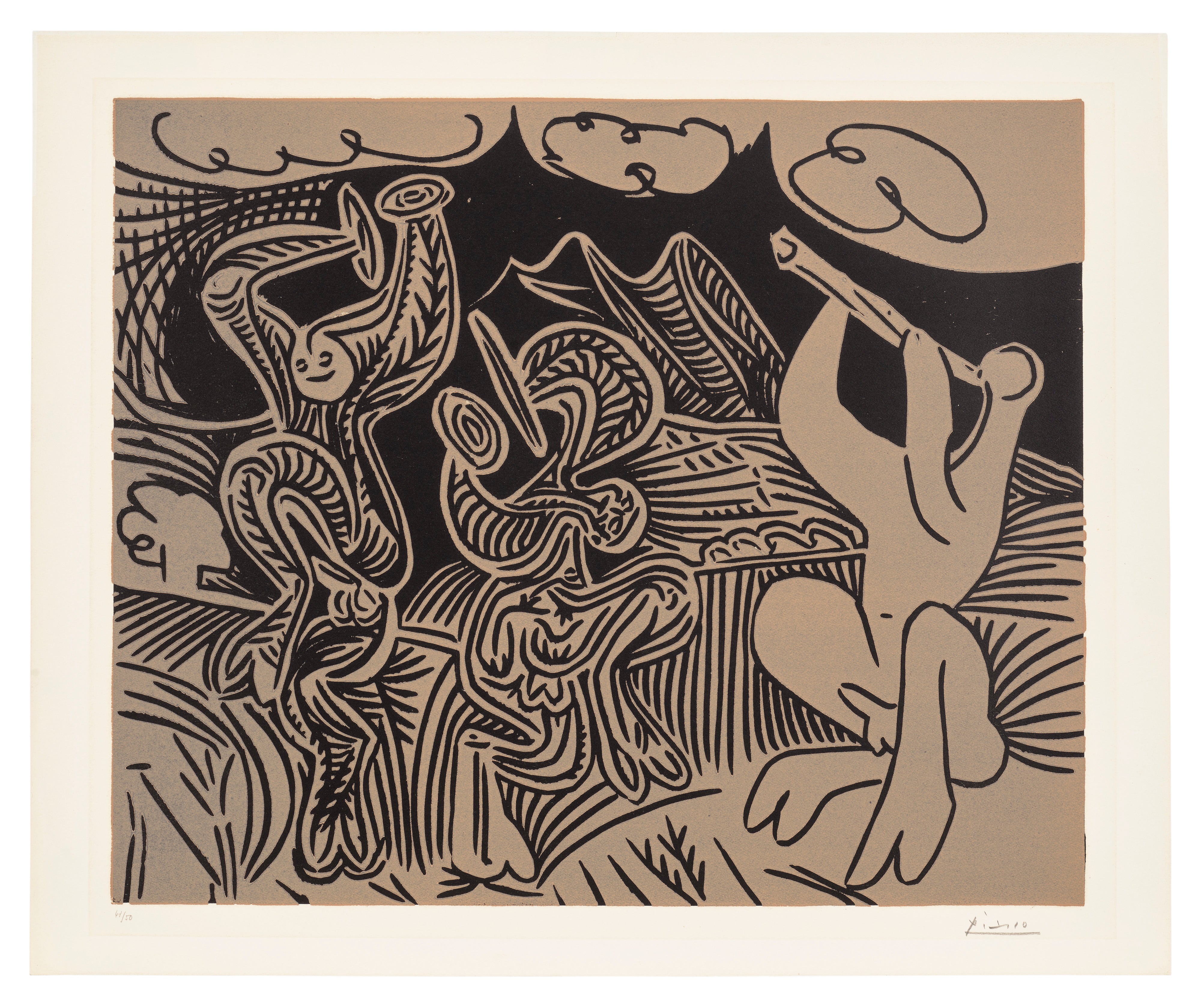
Pablo Picasso
Bacchanale: flûtiste et danseurs aux cymbales (Bacchanal: Flautist and Cymbal Dancers) (Bl. 939, Ba. 1251)
The market for such objects rewards depth of knowledge, and that is part of what keeps this category vital.\n\nMuseums have been doing essential work in reframing how we encounter mythological subjects, moving away from purely iconographic readings toward something more phenomenological. The Getty Villa in Malibu has remained one of the most important spaces for this kind of encounter, with its permanent collection and focused loan exhibitions consistently demonstrating how Roman interpretations of Greek myth encode not just religious meaning but political ambition and personal identity. The Metropolitan Museum of Art's longstanding engagement with Greek and Roman antiquities, refreshed in recent years through new acquisitions and rehung galleries, has pushed curators and collectors alike to think harder about what these objects were actually for, how they functioned in real spaces, how they were touched and seen and believed in.
These are not merely aesthetic questions.\n\nAmong modern and contemporary artists, the engagement with Greek mythology on The Collection reveals how persistently the old stories anchor new ambitions. Anselm Kiefer has spent decades building a practice that treats mythological material as genuinely live matter, not cultural shorthand. His large scale works carry the weight of both Greek and Germanic myth with a kind of geological patience, insisting that these stories remain unresolved and therefore still dangerous.
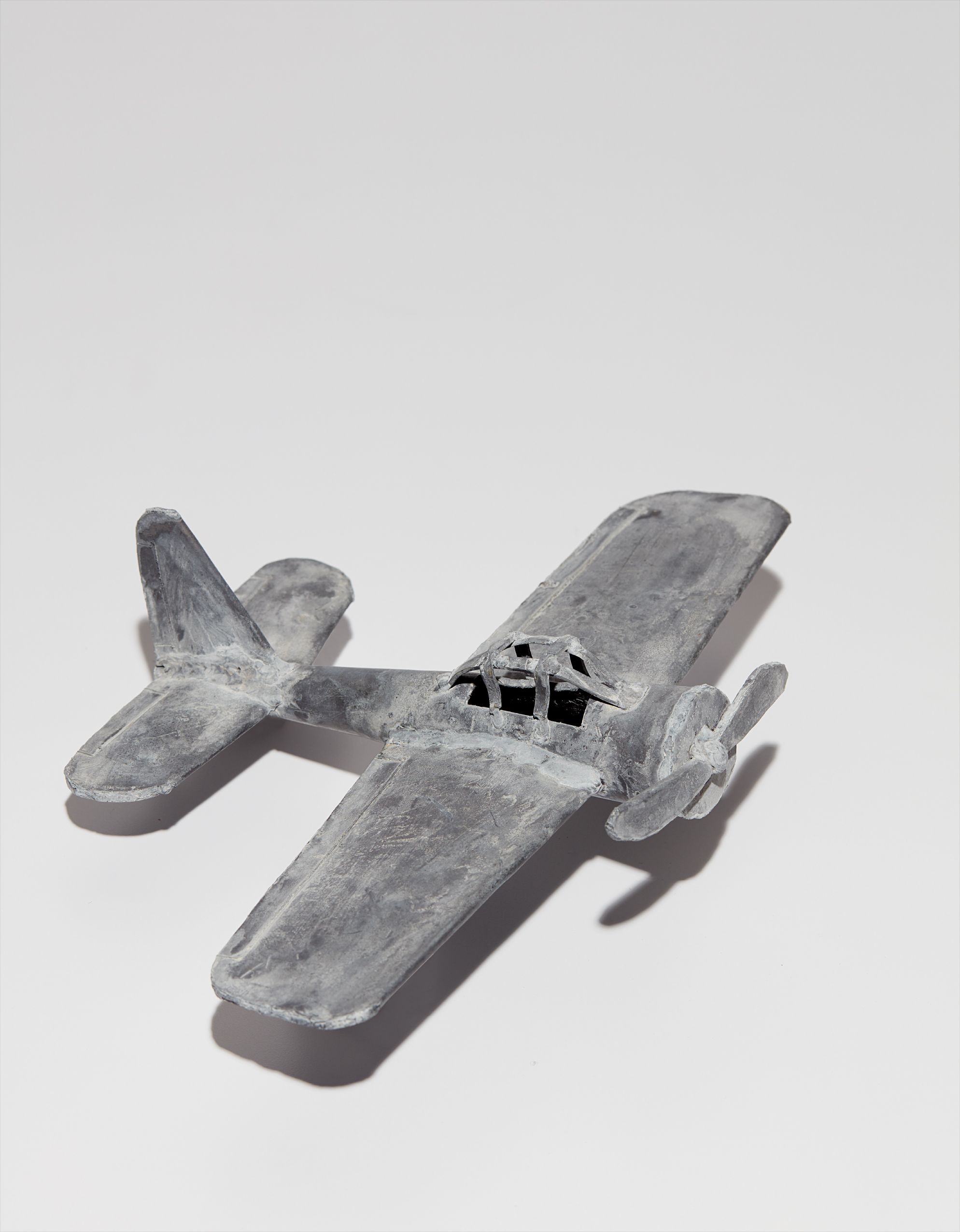
Anselm Kiefer
The Argonauts, 2014
Pablo Picasso's lifelong conversation with Greek subject matter, particularly his postwar engagement with fauns, minotaurs, and the figures of antiquity, produced some of the most psychologically complex work of the twentieth century. Both artists understood mythology not as a repository of beautiful references but as a set of unfinished arguments about power, desire, and transformation. Daniel Arsham brings a very different sensibility, his archaeological aesthetics deliberately blurring the boundary between ancient artifact and contemporary artifact, making Roman and Greek formal languages feel simultaneously eroded and freshly discovered.\n\nThe sculptors in this conversation matter too.
George Simonds, the Victorian artist whose work belongs to that late nineteenth century fascination with classical form filtered through Romantic naturalism, and Alfred Gilbert, whose technical brilliance found a natural home in mythological subjects, both represent a period when Greek mythology functioned as a kind of permission structure for artists to pursue formal ambition beyond the constraints of academic genre painting. Their presence alongside ancient Roman marbles and contemporary conceptualists on a single platform says something interesting about how collectors actually think, which is rarely in neat chronological categories and almost always in terms of resonance and conversation across time.\n\nThe critical conversation around this category has been energized by several important publications and curatorial voices. Classicist Edith Hall's work on ancient myth in popular culture has given serious intellectual scaffolding to what some dismissed as a trendy revival of interest in Greek stories.
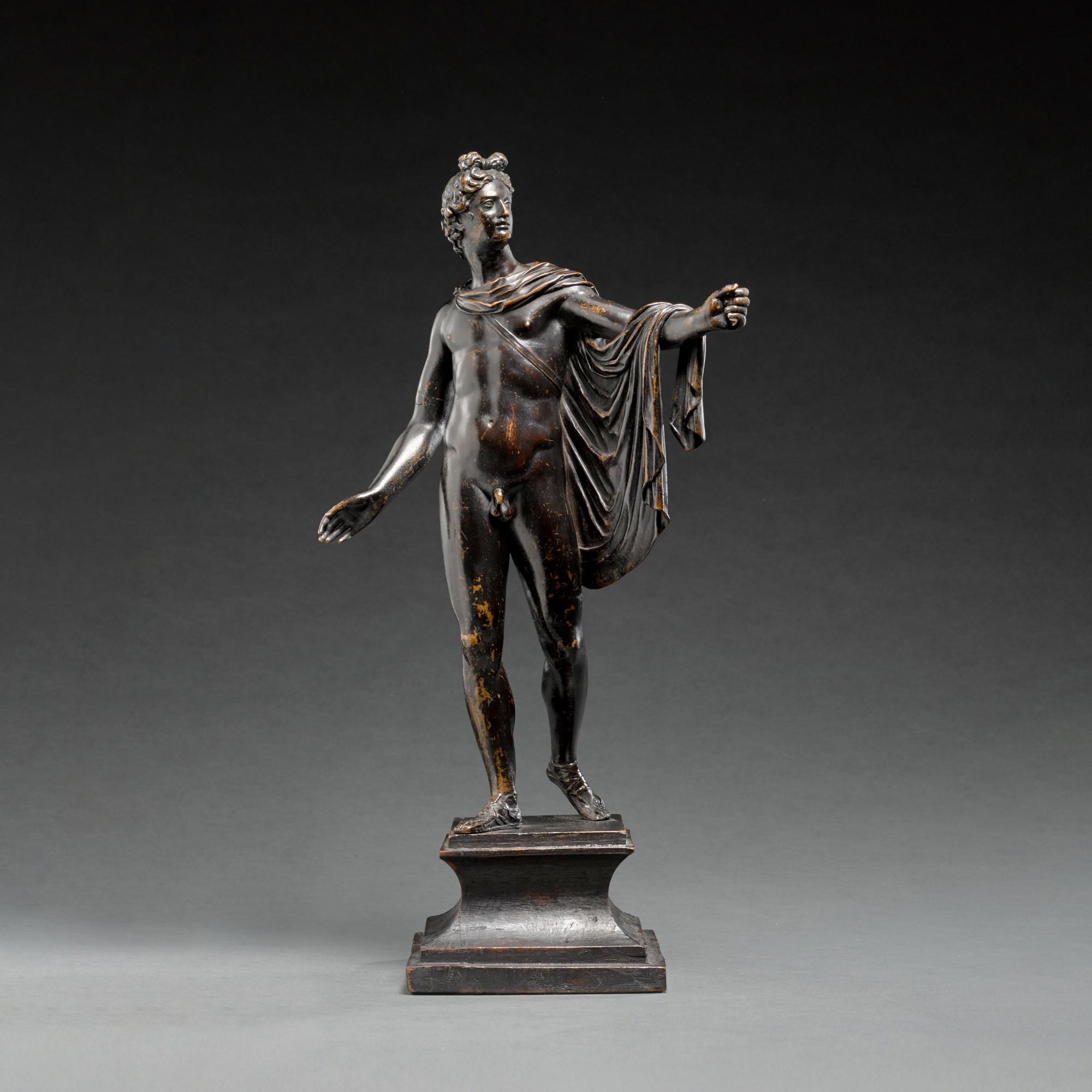
Italian, 17th century
Apollo Belvedere
Robin Lane Fox's writings on the ancient world, though primarily historical, have fed the appetite for understanding mythological narratives in their lived context rather than as decorative allegory. In the art world specifically, curators at the British Museum have consistently produced catalogue essays and public programming that treat the mythological tradition as a dynamic, contested inheritance rather than a fixed canon. The emerging field of reception studies, which examines how Greek mythology has been interpreted and reinterpreted across centuries, has given collectors a richer vocabulary for understanding why a seventeenth century Italian painting of a mythological subject and a second century Roman marble head of Aphrodite can coexist meaningfully in the same collection.\n\nLooking forward, a few things feel genuinely alive and worth watching.
The market for ancient bronzes and marbles with strong mythological subjects continues to tighten as museum deaccessioning debates and stricter provenance standards reduce the available supply of clean, well documented material. Collectors who move carefully and early in this environment are likely to find themselves holding exceptional objects whose institutional competitors are increasingly constrained. In contemporary practice, artists engaging with mythology from non Western perspectives are beginning to enter collections and conversations that have historically treated Greek myth as the default universal, and that shift is producing some of the most intellectually interesting acquisitions being made right now. The story is not finished.
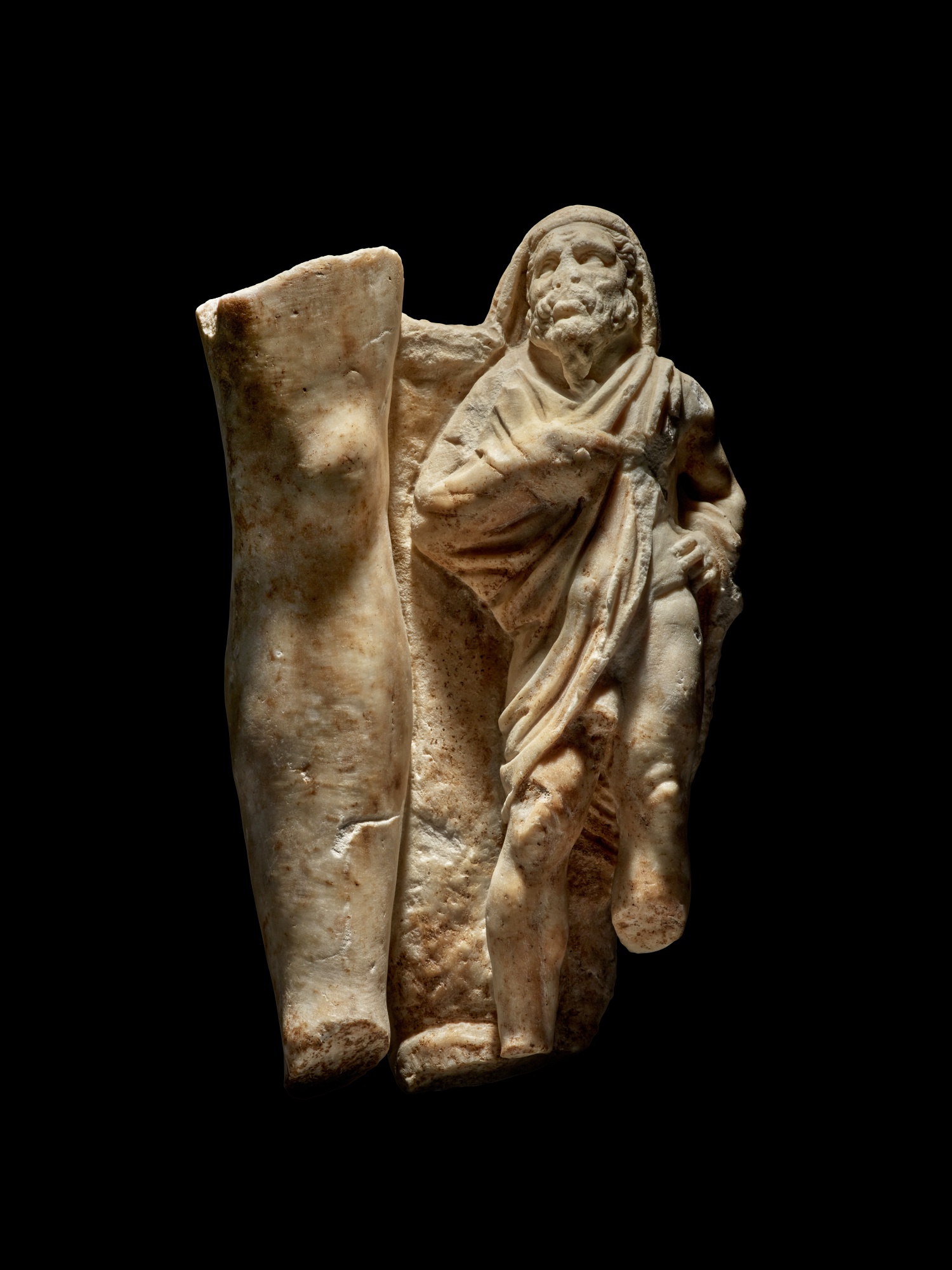
A Roman Marble Figure of Priapos, circa Early 3rd Century A.D.
A Roman Marble Figure of Priapos, Circa Early 3rd Century A.D.
If anything, the gods are getting more complicated, more contested, and considerably more expensive, which is usually a sign that something important is happening.
Works tagged Greek Mythology
Pablo Picasso
Bacchanale: flûtiste et danseurs aux cymbales (Bacchanal: Flautist and Cymbal Dancers) (Bl. 939, Ba. 1251)
Italian, 17th century
Apollo Belvedere
A Roman Marble Figure of Priapos, circa Early 3rd Century A.D.
A Roman Marble Figure of Priapos, Circa Early 3rd Century A.D.
Anselm Kiefer
The Argonauts
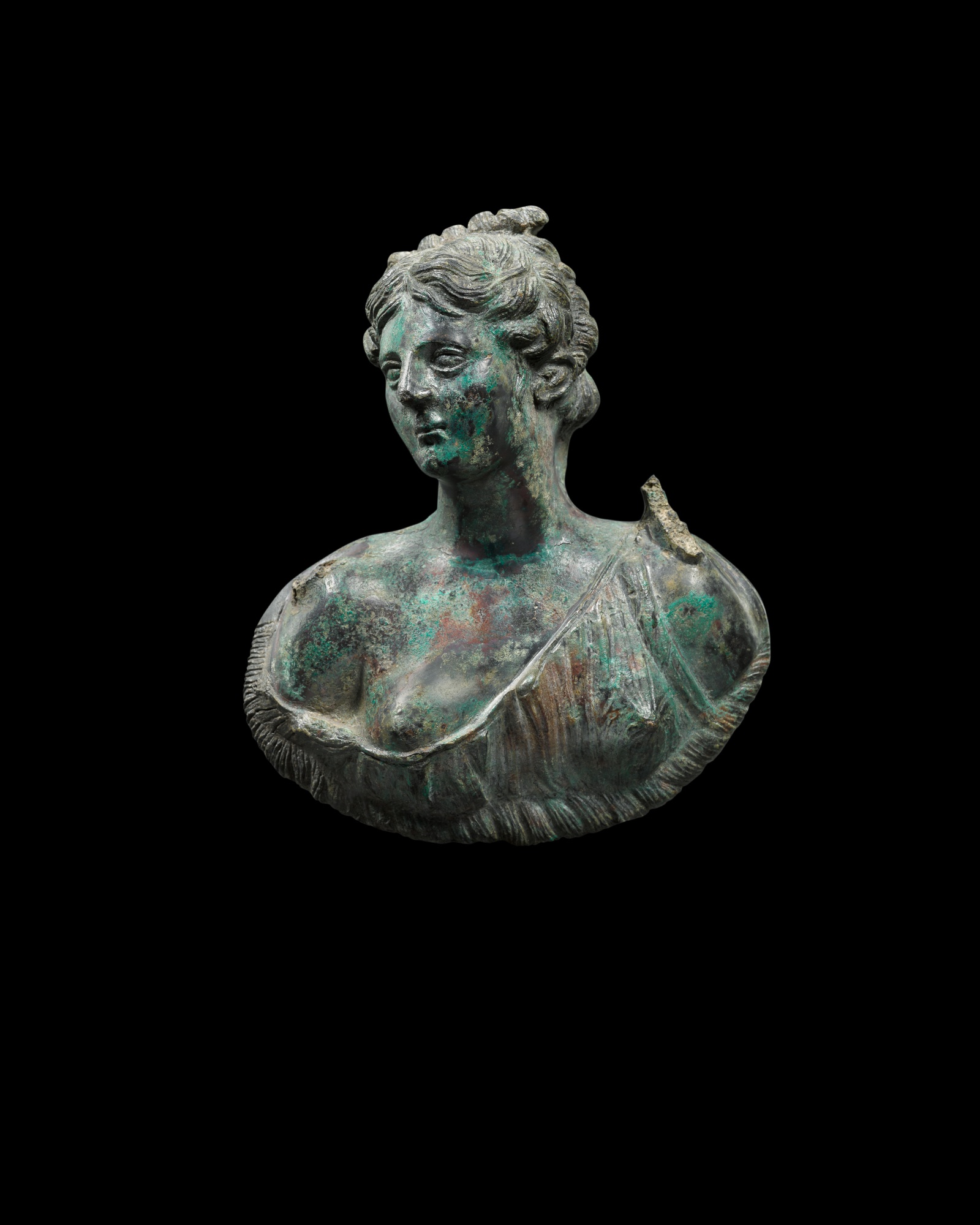
A Roman Bronze Bust of Artemis, circa 2nd Century A.D.
A Roman Bronze Bust of Artemis, circa 2nd Century A.D.
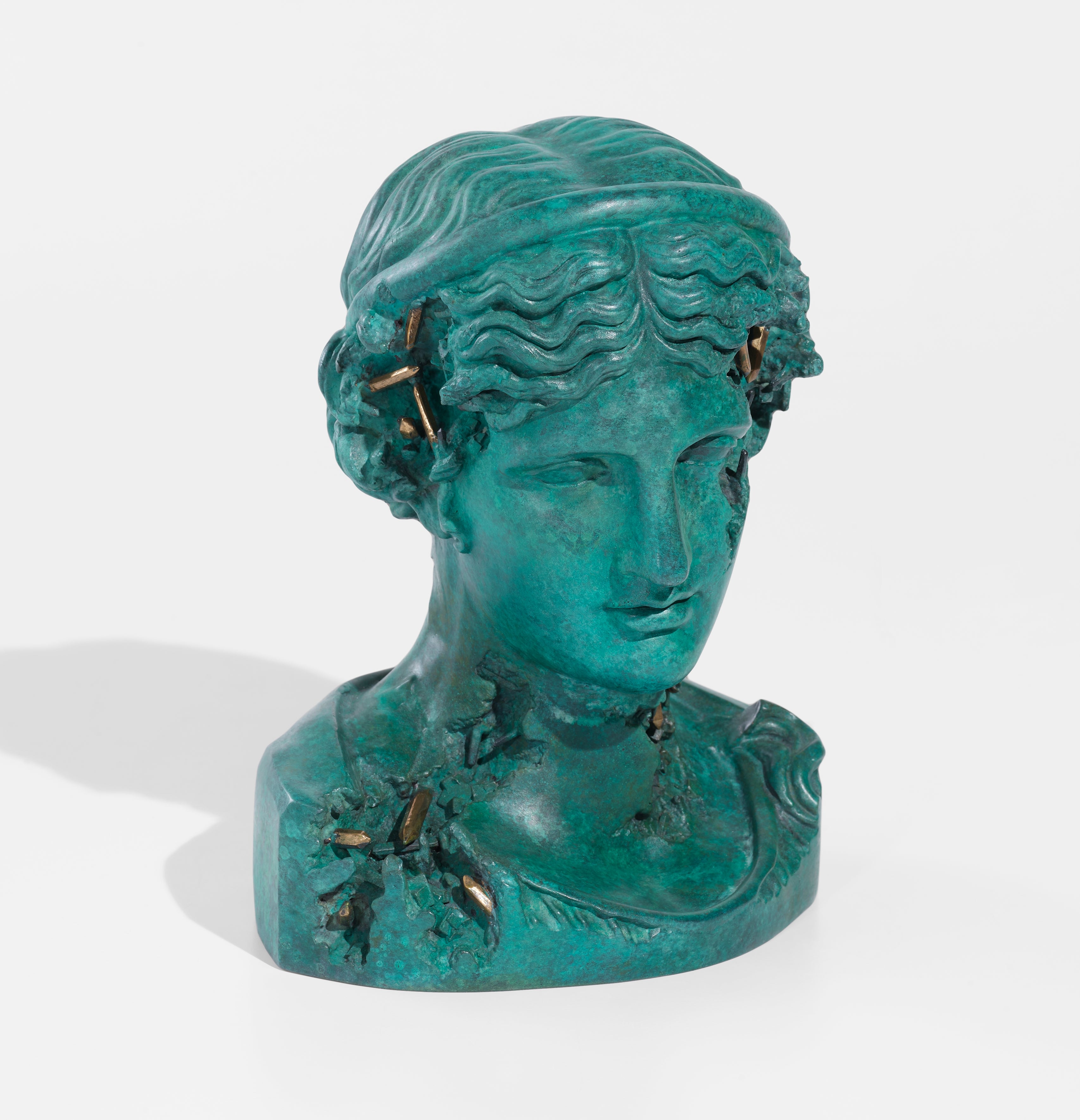
Daniel Arsham
Bronze Eroded Melpomene

Anselm Kiefer
Die Argonauten (The Argonauts)
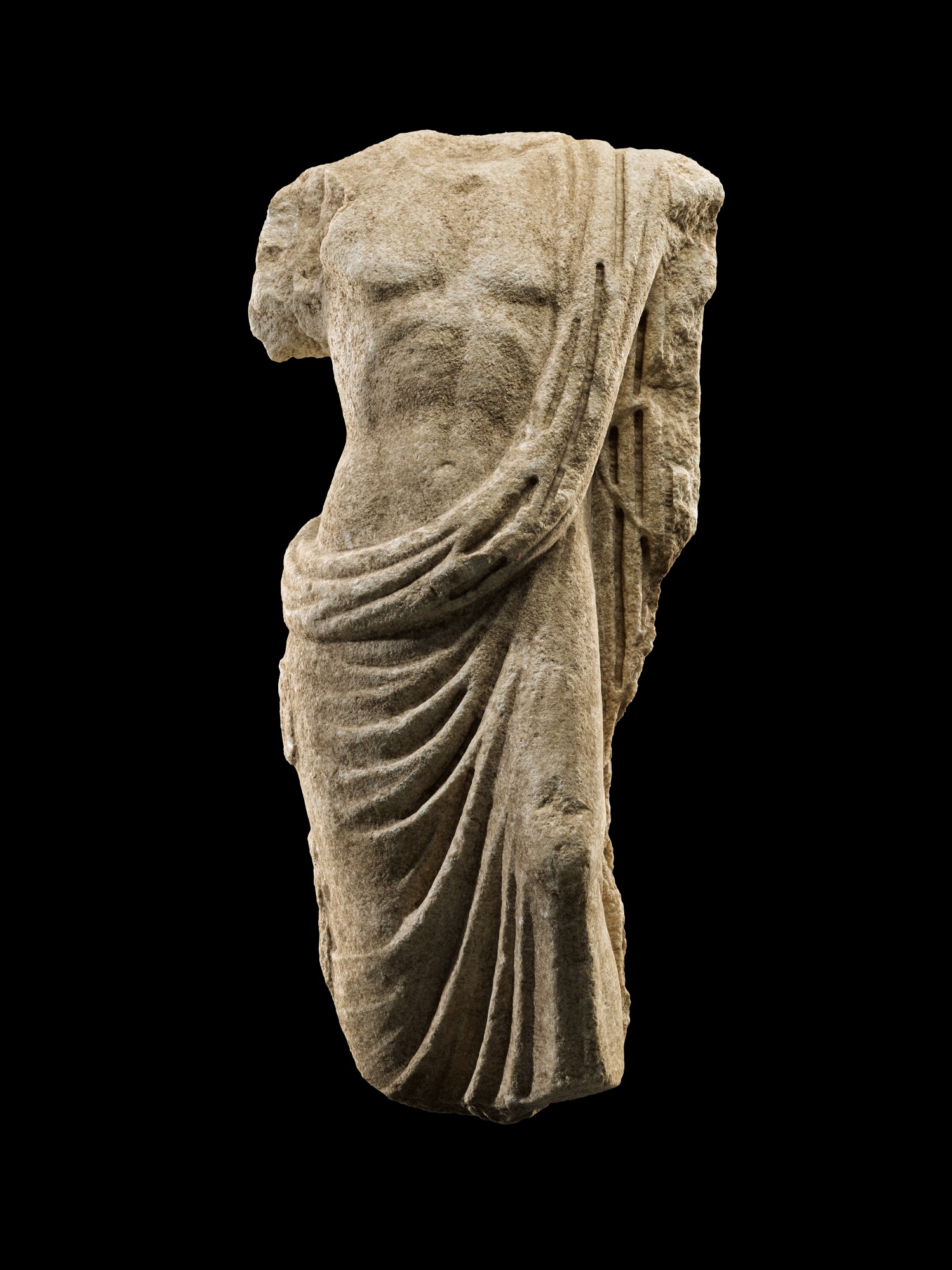
A Roman Marble Torso of Asklepios
A Roman Marble Torso of Asklepios, 2nd/3rd Century A.D.
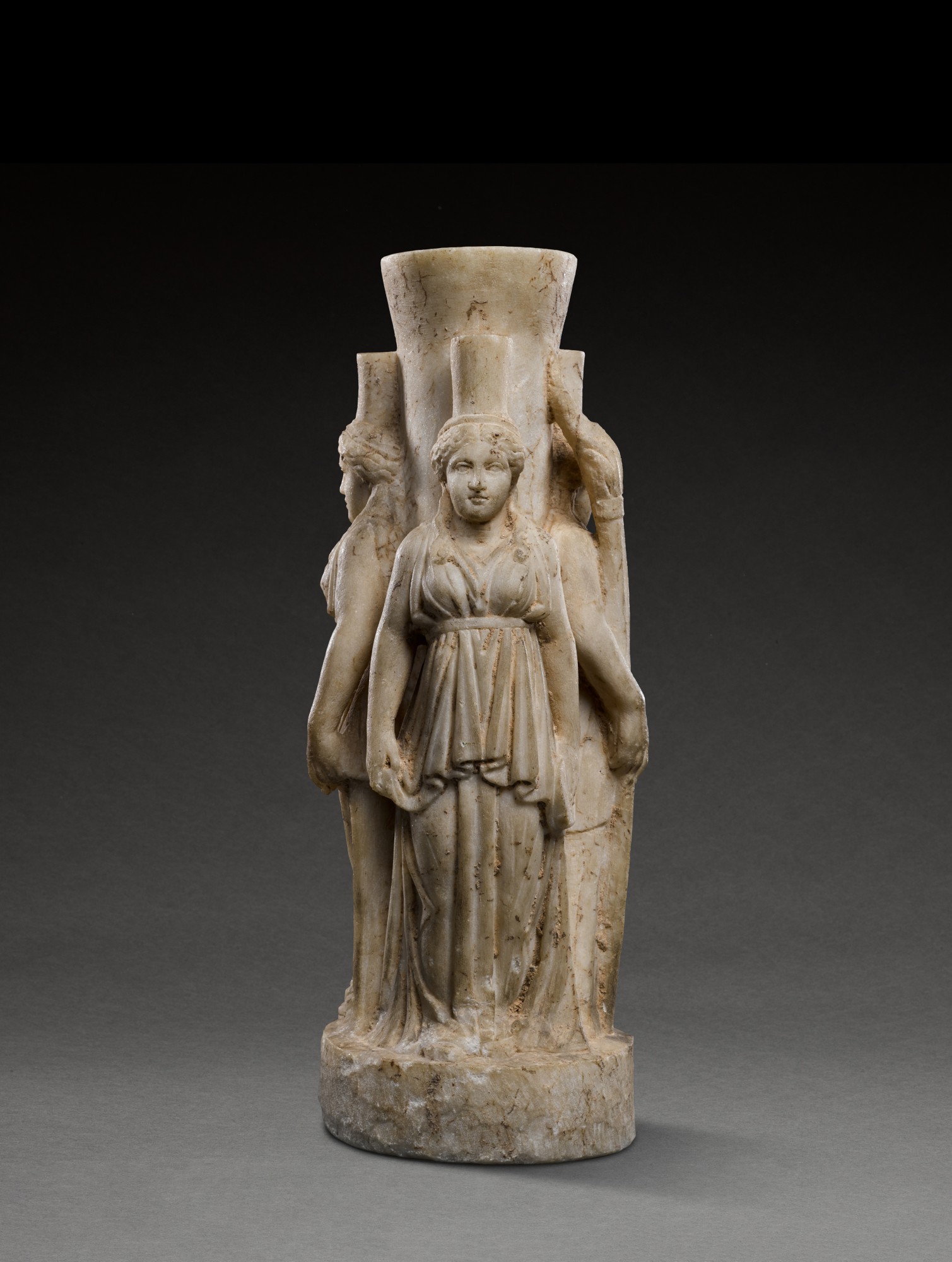
A Roman Marble Figure of Triple-bodied Hekate (Hekateion)
A Roman Marble Figure of Triple-bodied Hekate (Hekateion), 1st/2nd Century A.D.
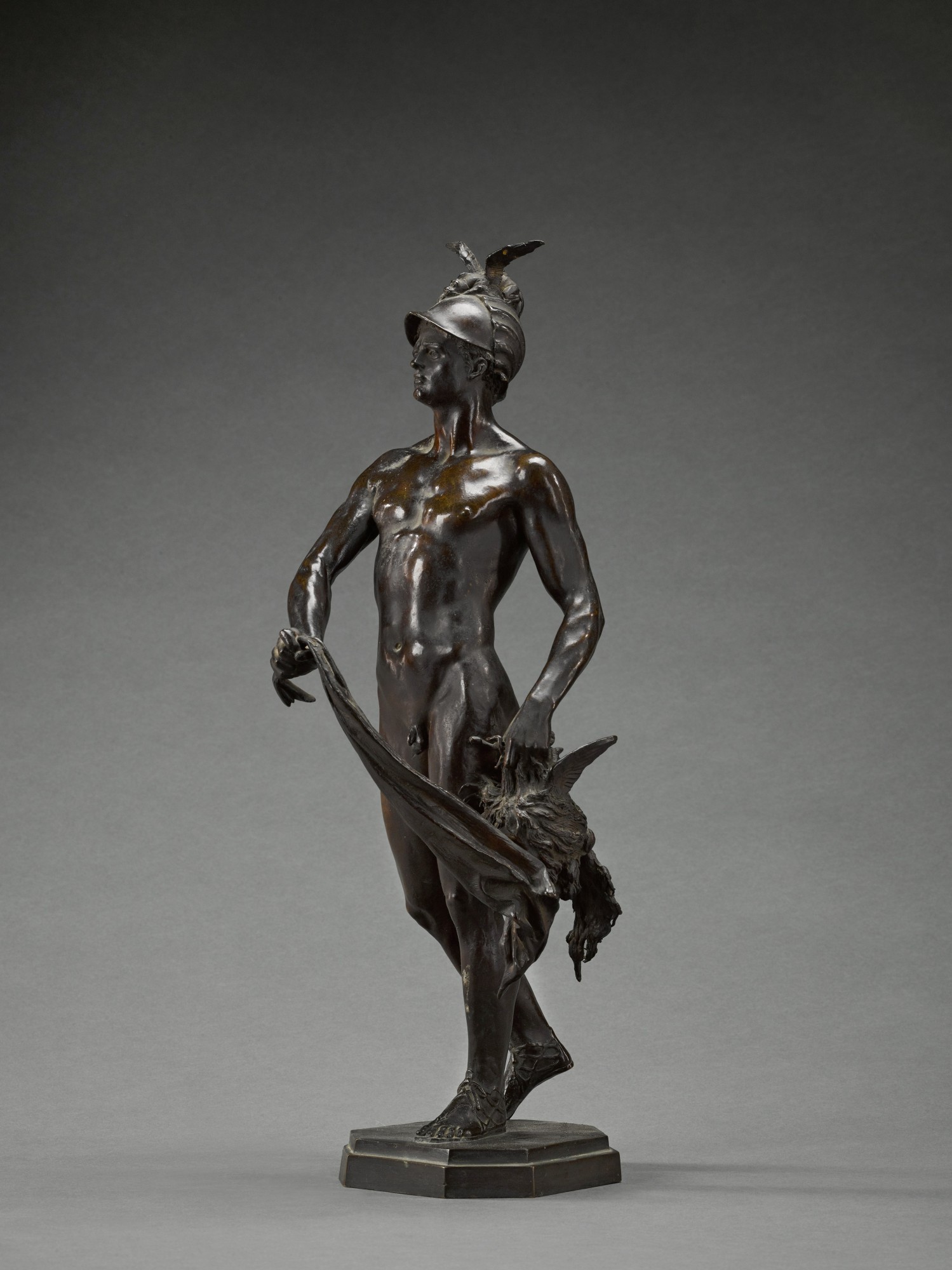
George Simonds
Perseus
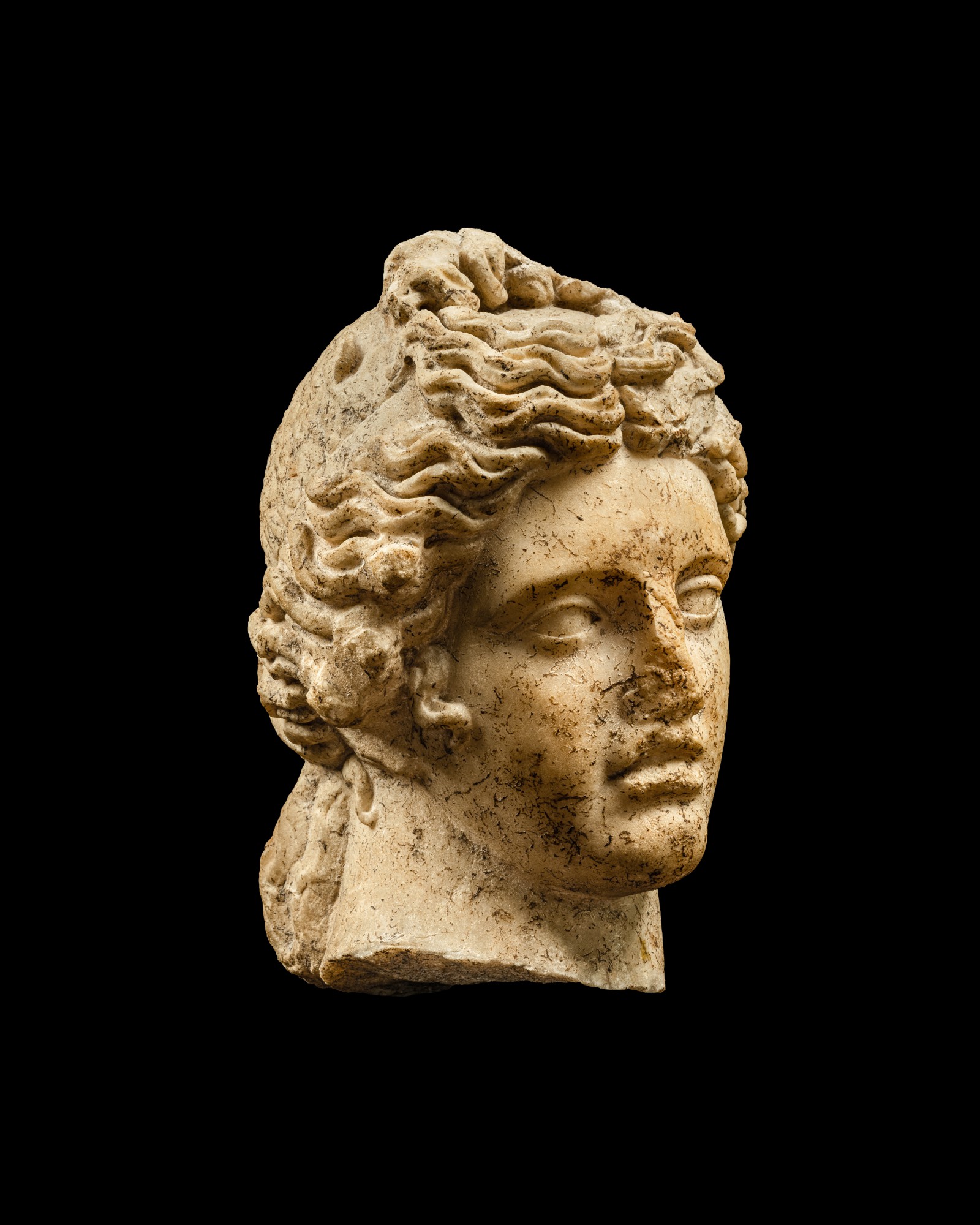
A Roman Marble Head of Apollo
A Roman Marble Head of Apollo, 1st Century A.D.
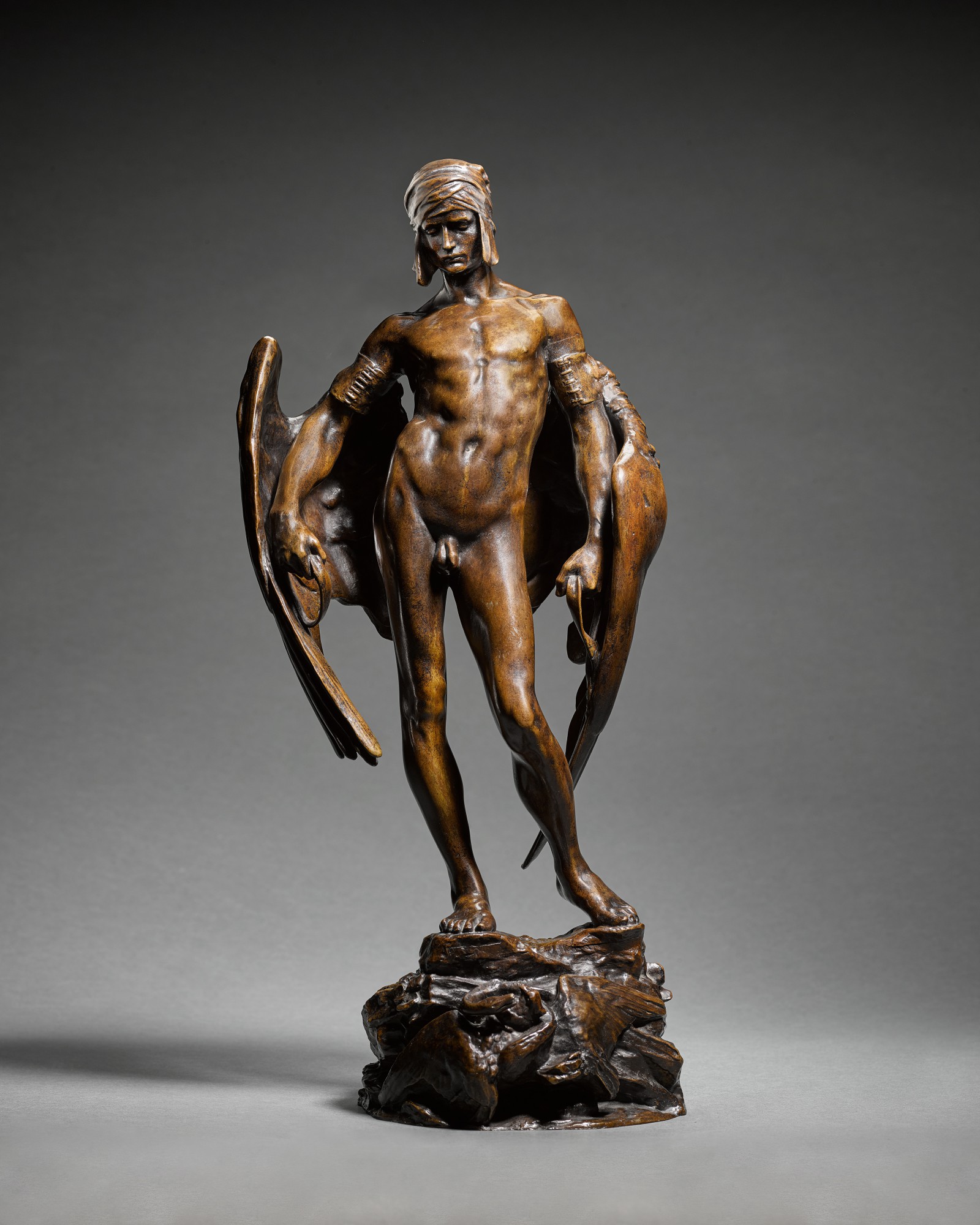
Alfred Gilbert
Icarus
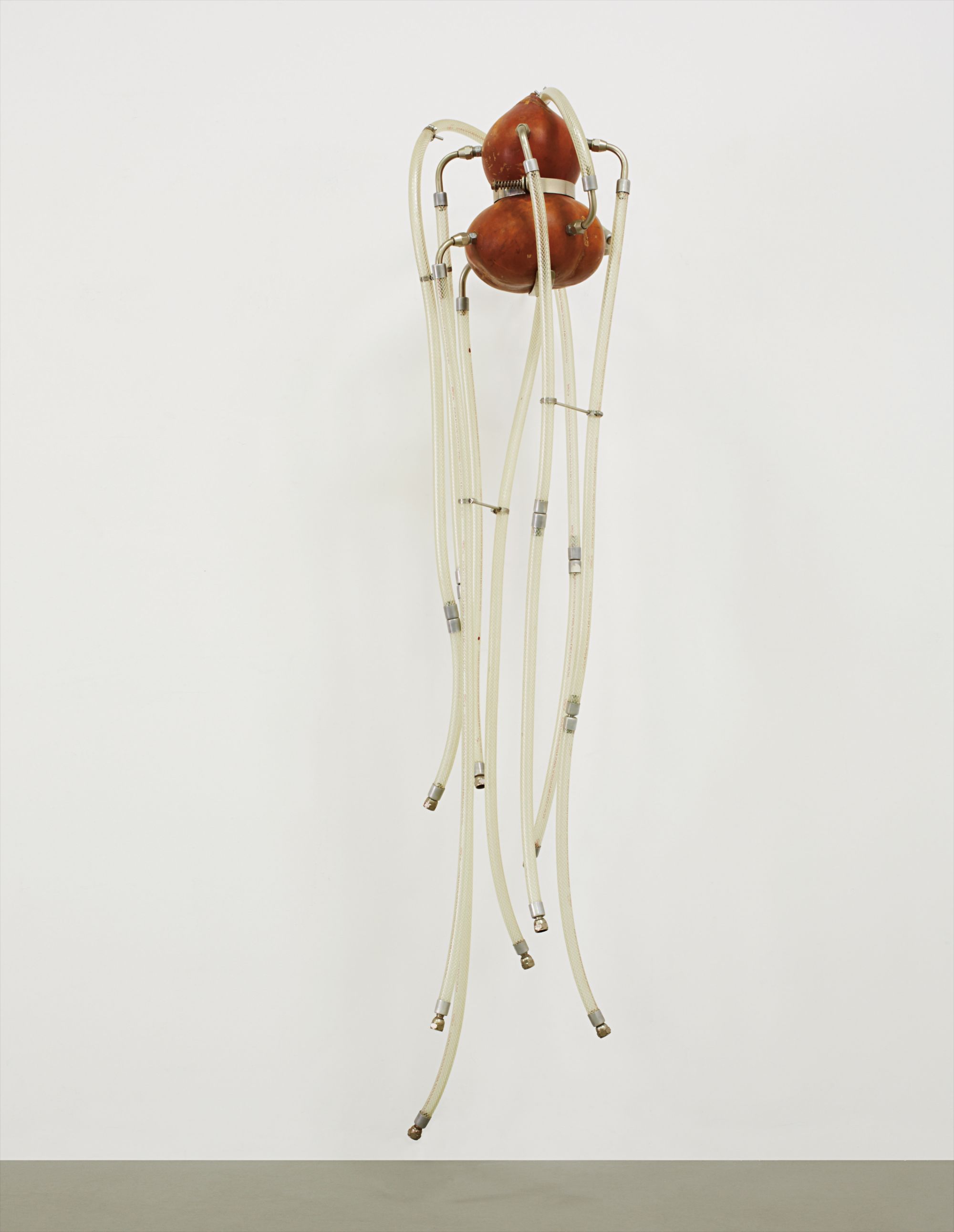
Thomas Glassford
Medusa
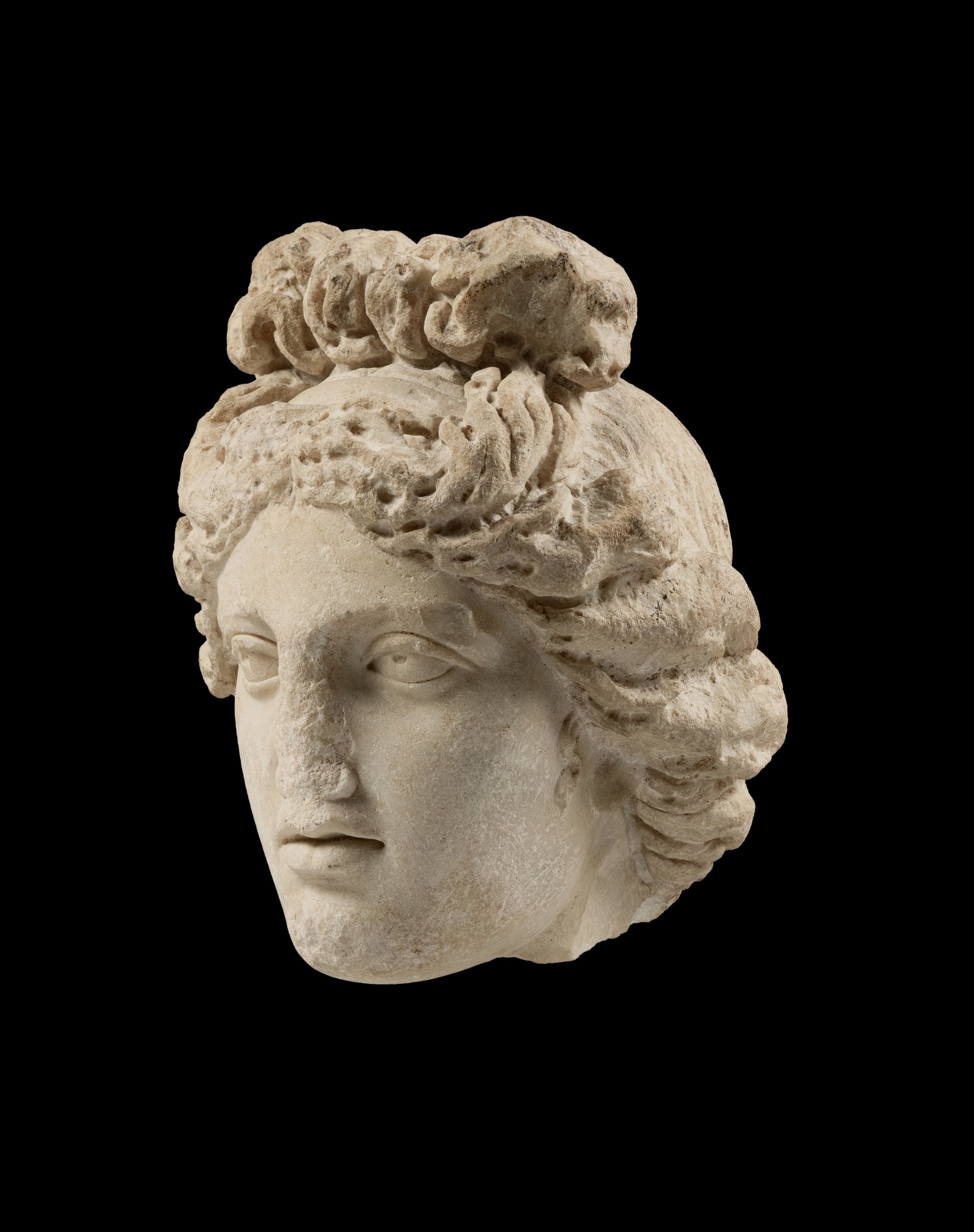
A Roman Marble Head of Aphrodite, Eastern Mediterranean
A Roman Marble Head of Aphrodite, Eastern Mediterranean, circa 2nd Century A.D.