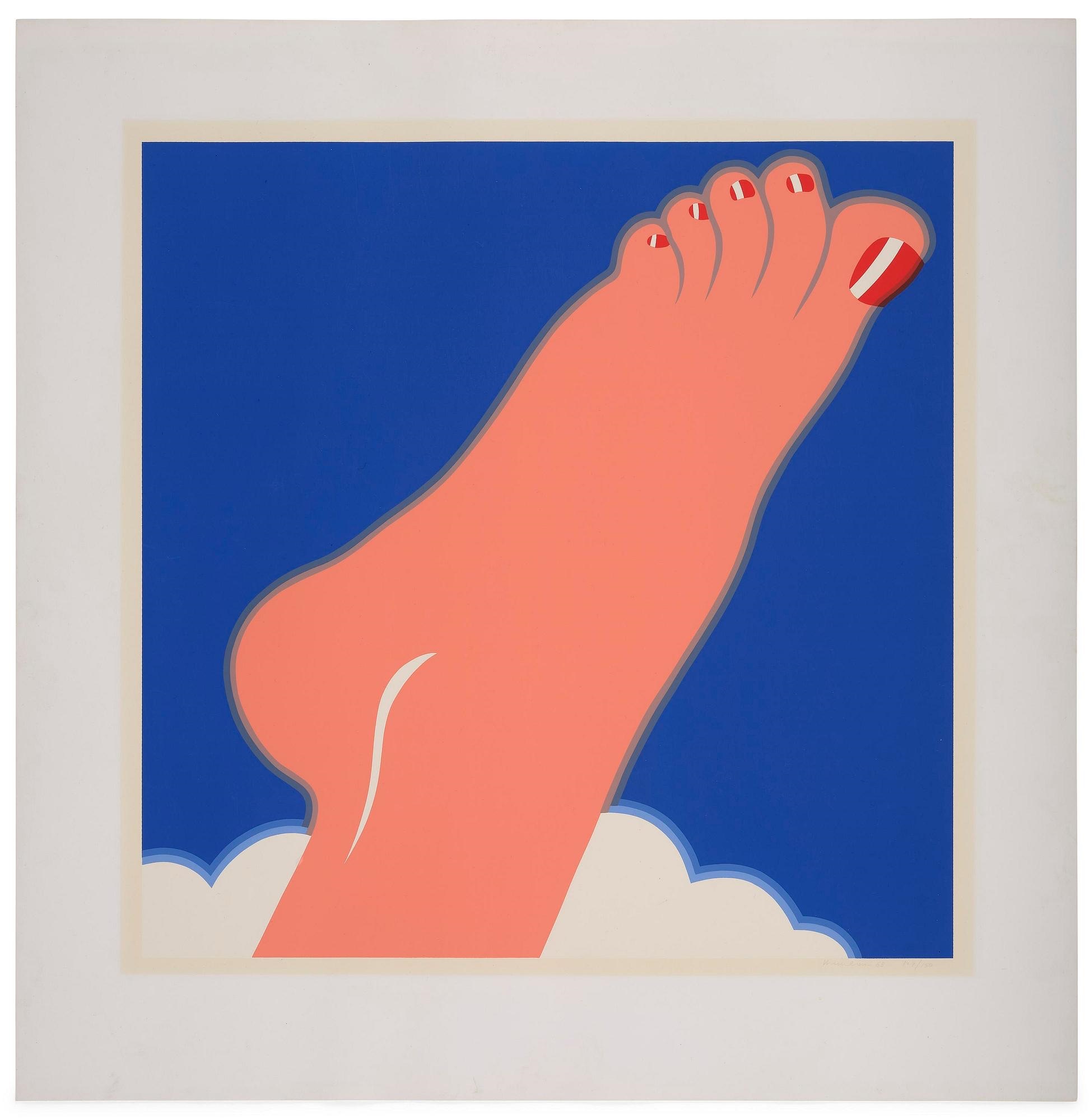
Glossy Aesthetic
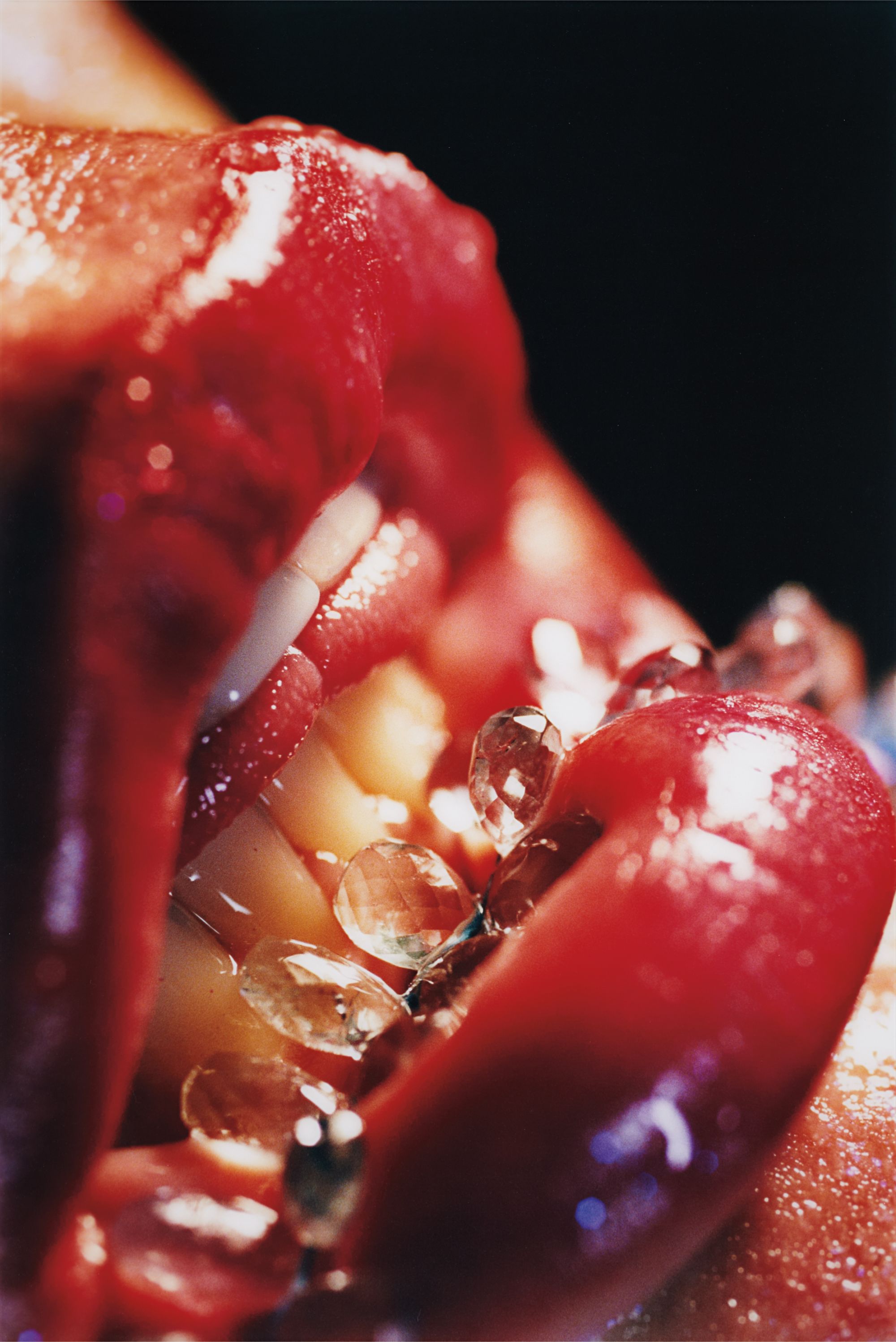
Marilyn Minter
Bridle


Surface Tension: The Allure of the Glossy
There is something almost embarrassingly seductive about a great glossy work. The sheen catches you before you can think, before you can rationalize, before your art education kicks in and tells you to slow down. Collectors who gravitate toward the Glossy Aesthetic tend to describe the same experience: they walked into a room, something stopped them, and only afterward did they start asking questions. That immediate, almost involuntary response is not a weakness in the collector.
It is the whole point. These works are engineered for desire, and living with them means accepting that you will never quite become immune to their pull. What makes the Glossy Aesthetic so compelling as a collecting category is how it sits at the intersection of fine art and image culture. These works understand photography, advertising, fashion, and cinema without being enslaved to any of them.
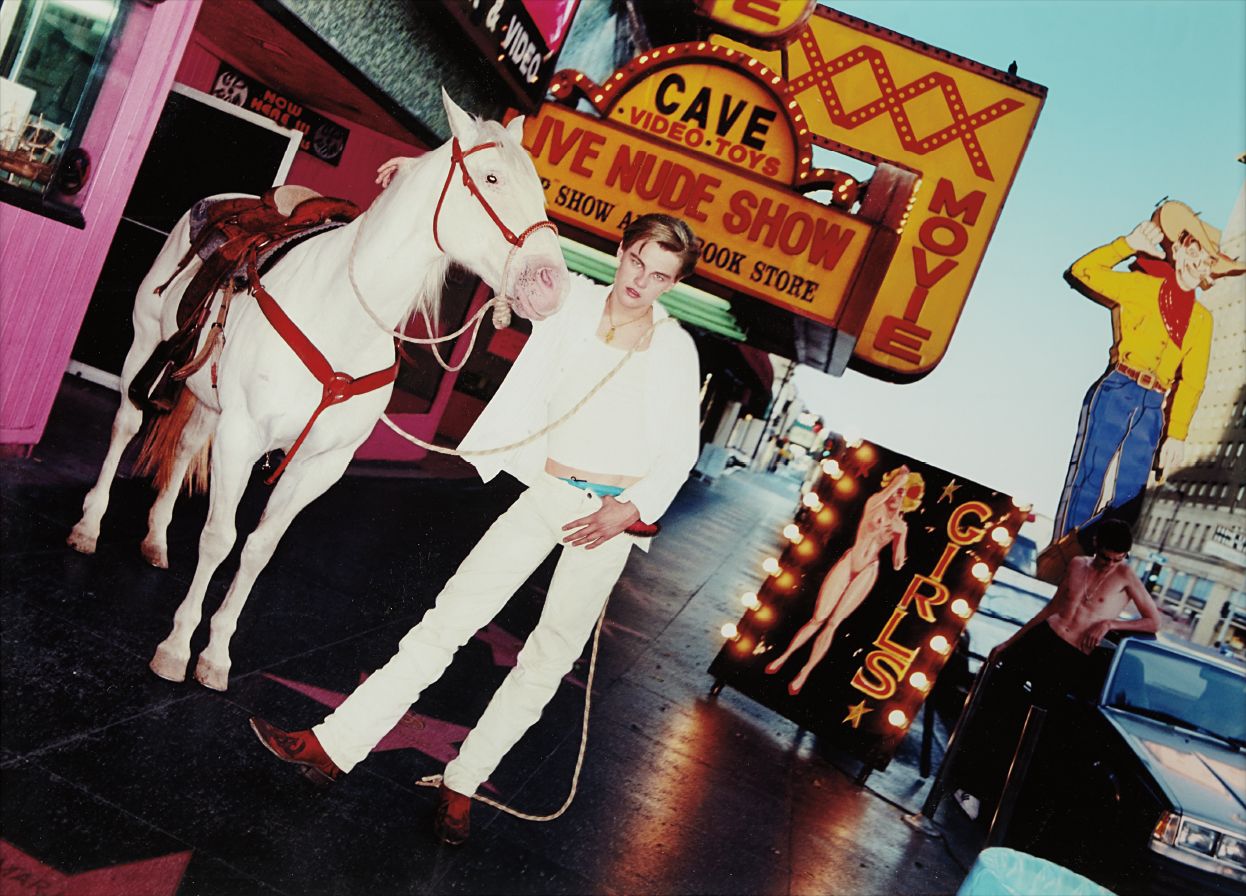
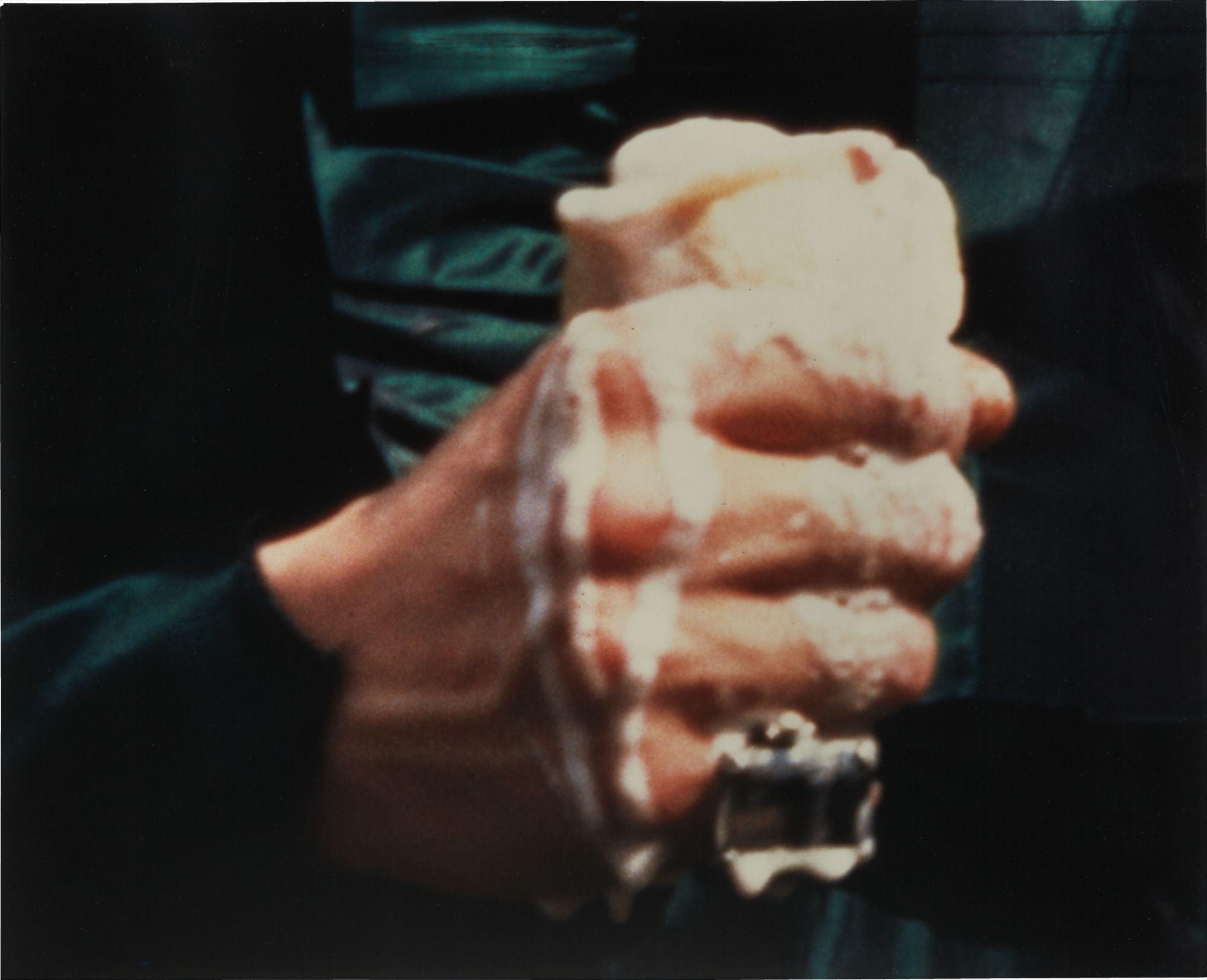
David LaChapelle
Leonardo DiCaprio: Coming of Age
They take the visual language of luxury and appetite and push it somewhere stranger, more critical, or more ecstatic, depending on the artist. For a collector, that tension is endlessly rewarding. A work that looks like a perfume advertisement at first glance but reveals something deeply unsettling on extended viewing is a work that keeps earning its wall space. Separating a good glossy work from a great one comes down to intention and resolution.
Many artists can produce a shiny surface or a hyper saturated image, but the strongest works use those qualities to say something that could not be said any other way. Look for works where the visual seduction and the conceptual content are inseparable rather than decorative additions to each other. Scale matters enormously in this category. A work that commands a wall, that makes you aware of your own body standing before it, operates differently from something that merely looks impressive in a photograph.
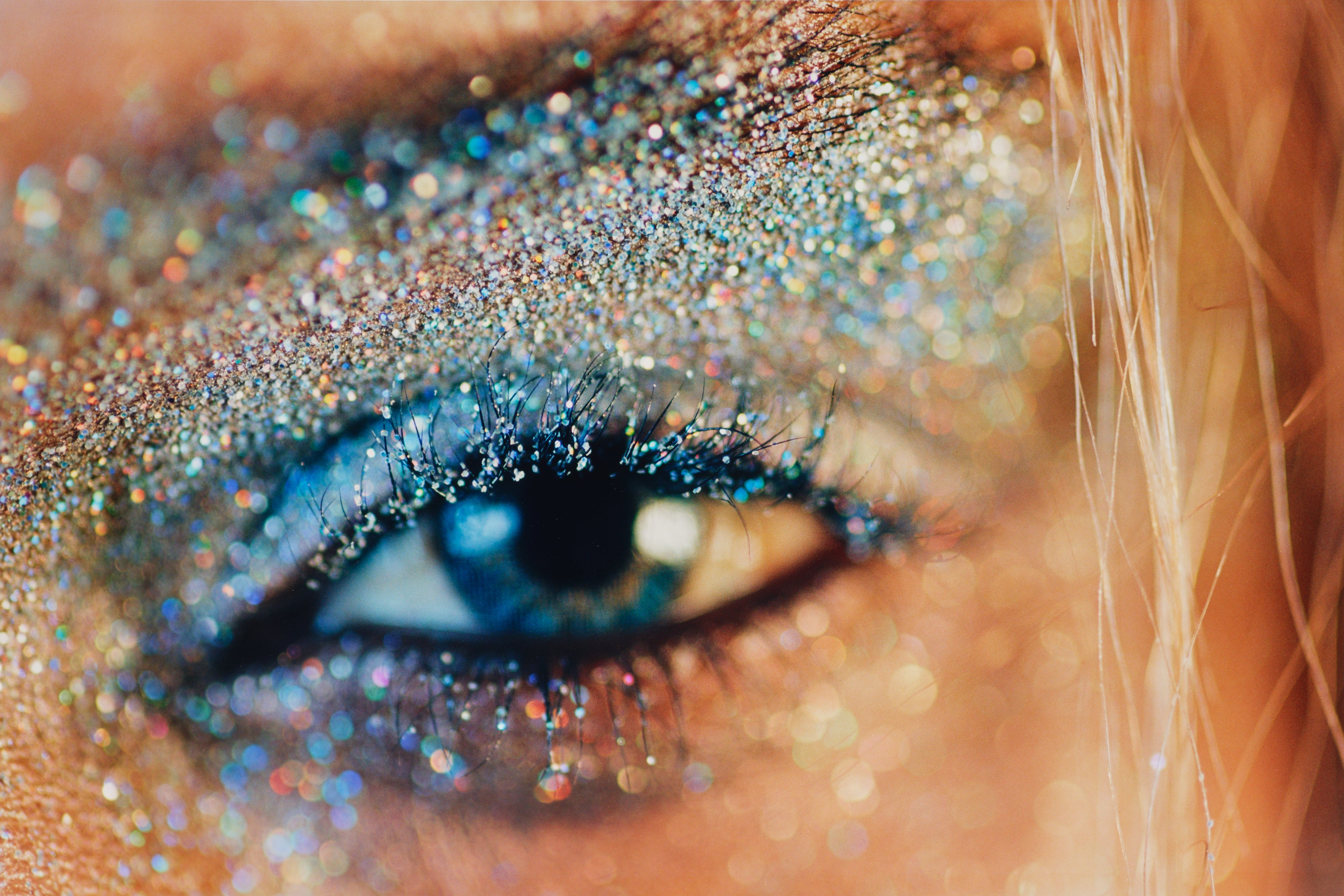
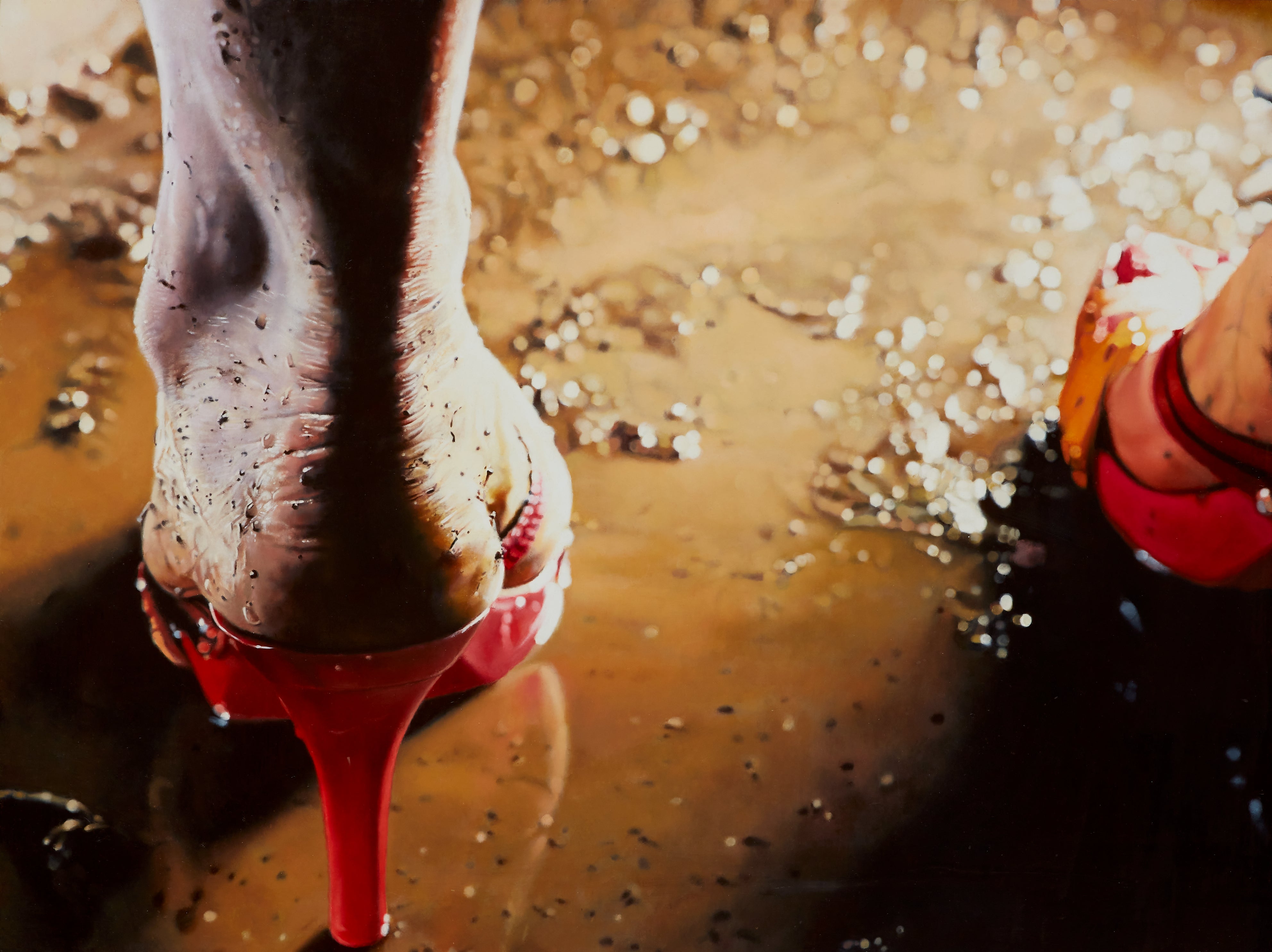
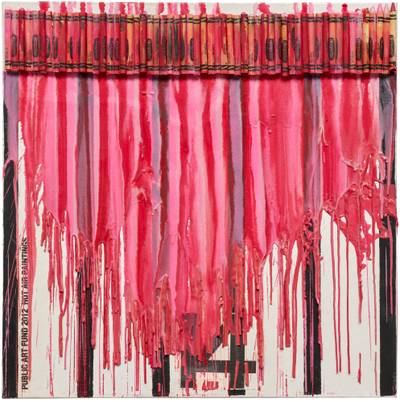
Marilyn Minter
Bridle
Condition is equally critical. These works live and die by their surfaces, and any scratching, fading, or foxing on print works reads as a catastrophic failure rather than a minor flaw. Marilyn Minter is the standard against which most glossy aesthetic work gets measured, and for good reason. Since her landmark exhibition at the San Francisco Museum of Modern Art in 2005, she has occupied a position that almost no other artist shares: simultaneously embraced by the fashion world and taken seriously by museum curators.
Her enamel paintings and large format photographs of skin, glitter, and wet surfaces carry a tactile intensity that photographs of them cannot convey. Owning a Minter means living with something that feels alive, that seems to perspire and shimmer differently depending on the light and the time of day. Her market has been remarkably consistent, and her institutional profile continues to grow, which bodes well for long term value. Miles Aldridge brings a cinematic cool that comes directly from his background in music video direction.
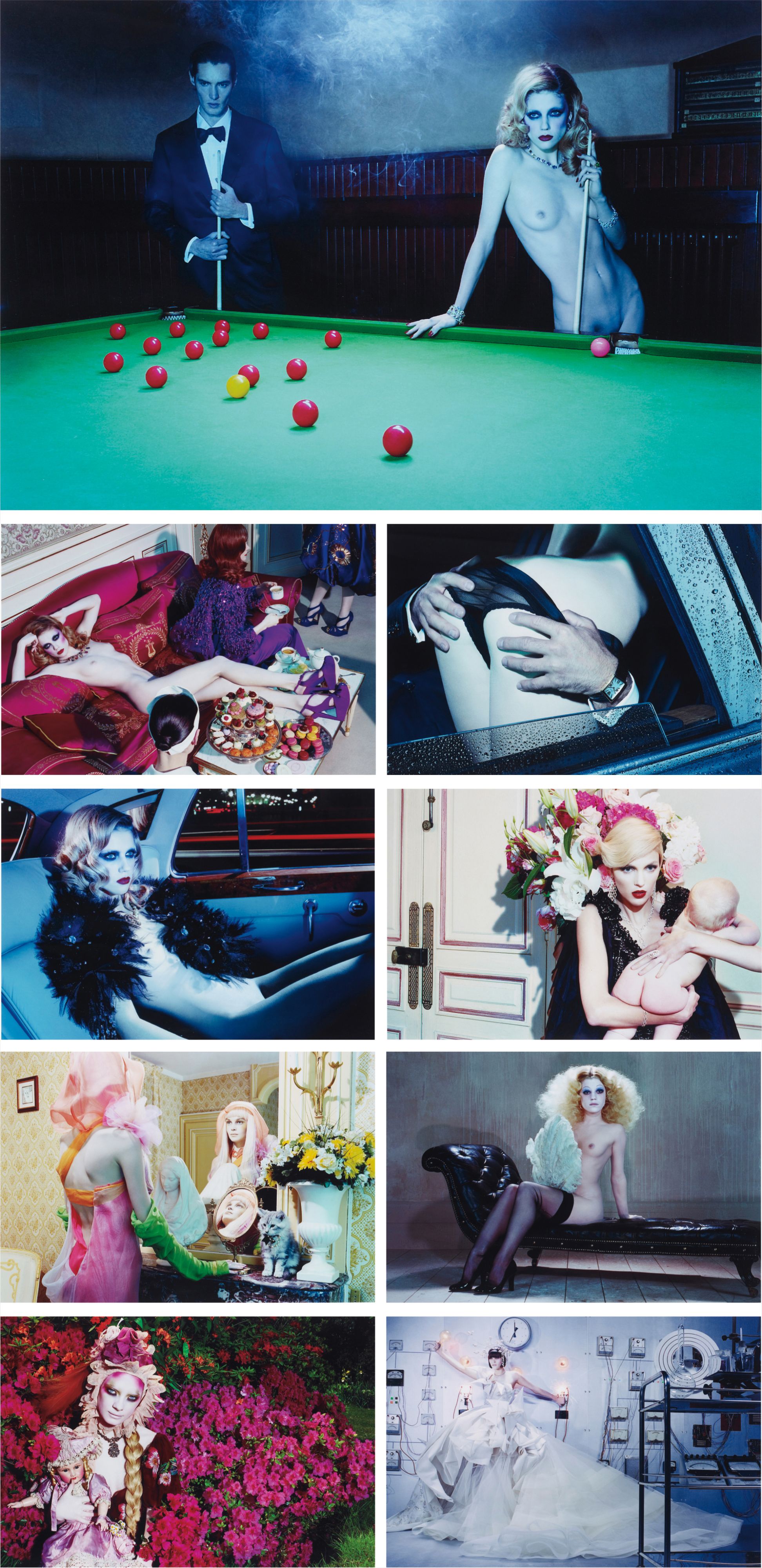
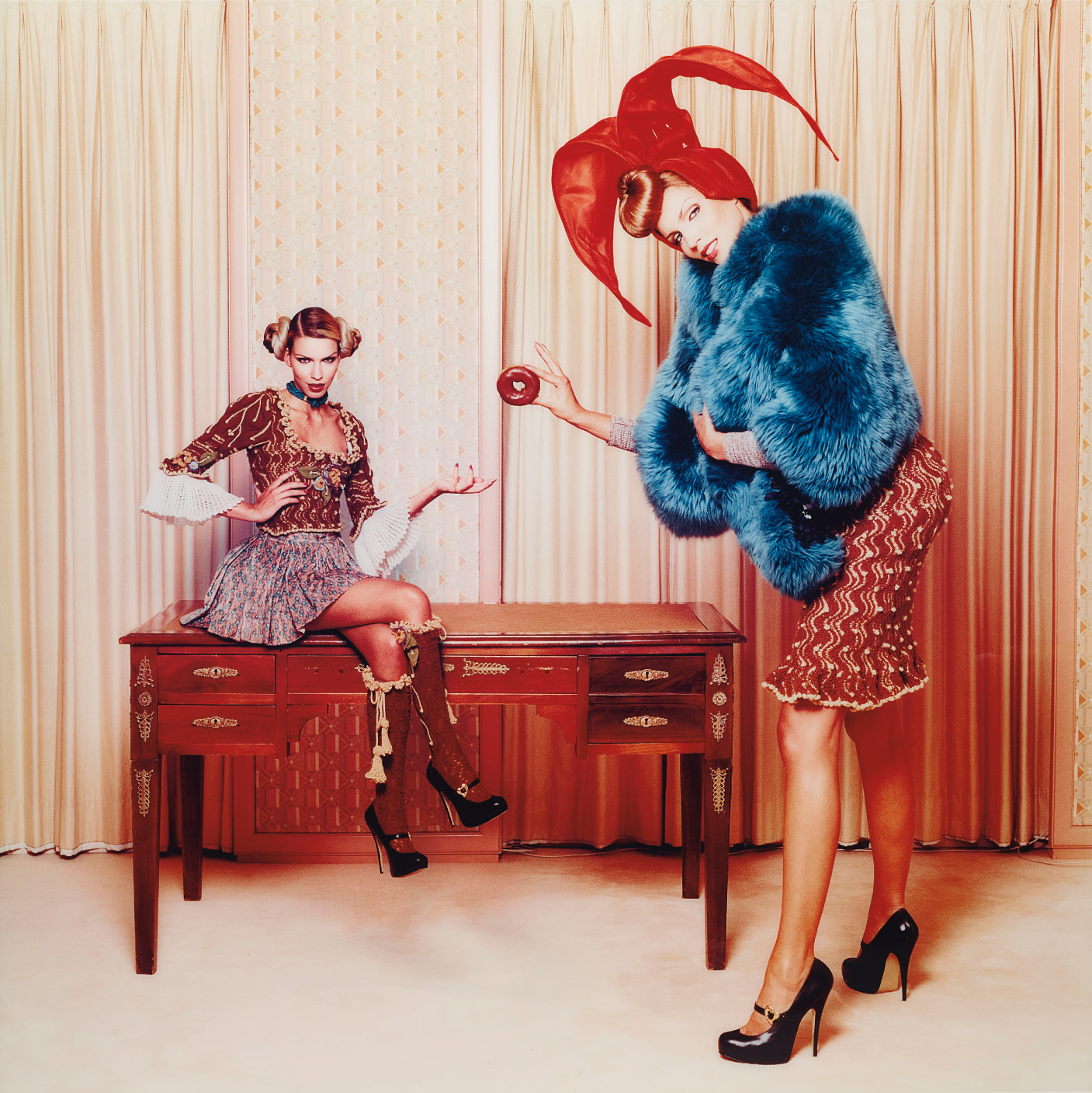
Miles Aldridge
Colour Pictures
His tableaux of immaculate women in saturated Technicolor interiors read like film stills from a movie that does not exist, and the emotional ambiguity he builds into each image rewards collectors who want something that continues to unfold over time. David LaChapelle and Inez van Lamsweerde working with Vinoodh Matadin represent the more explicitly fashion adjacent end of this collecting territory, and that association cuts both ways. Their work benefits from enormous name recognition and a built in audience, but some institutional collectors have historically been cautious about works that originated in commercial contexts. That caution is increasingly outdated.
LaChapelle's large format works have demonstrated strong secondary market performance, particularly his more overtly religious or surrealist compositions from the late 1990s and early 2000s. Van Lamsweerde and Matadin have become more important over time as the critical conversation around beauty, gender, and digital manipulation has deepened around their practice. Alex Israel and Rob Pruitt bring a more conceptually playful energy to this category. Israel's airbrushed self portraits and his attention to California lifestyle mythology feel genuinely of this moment.

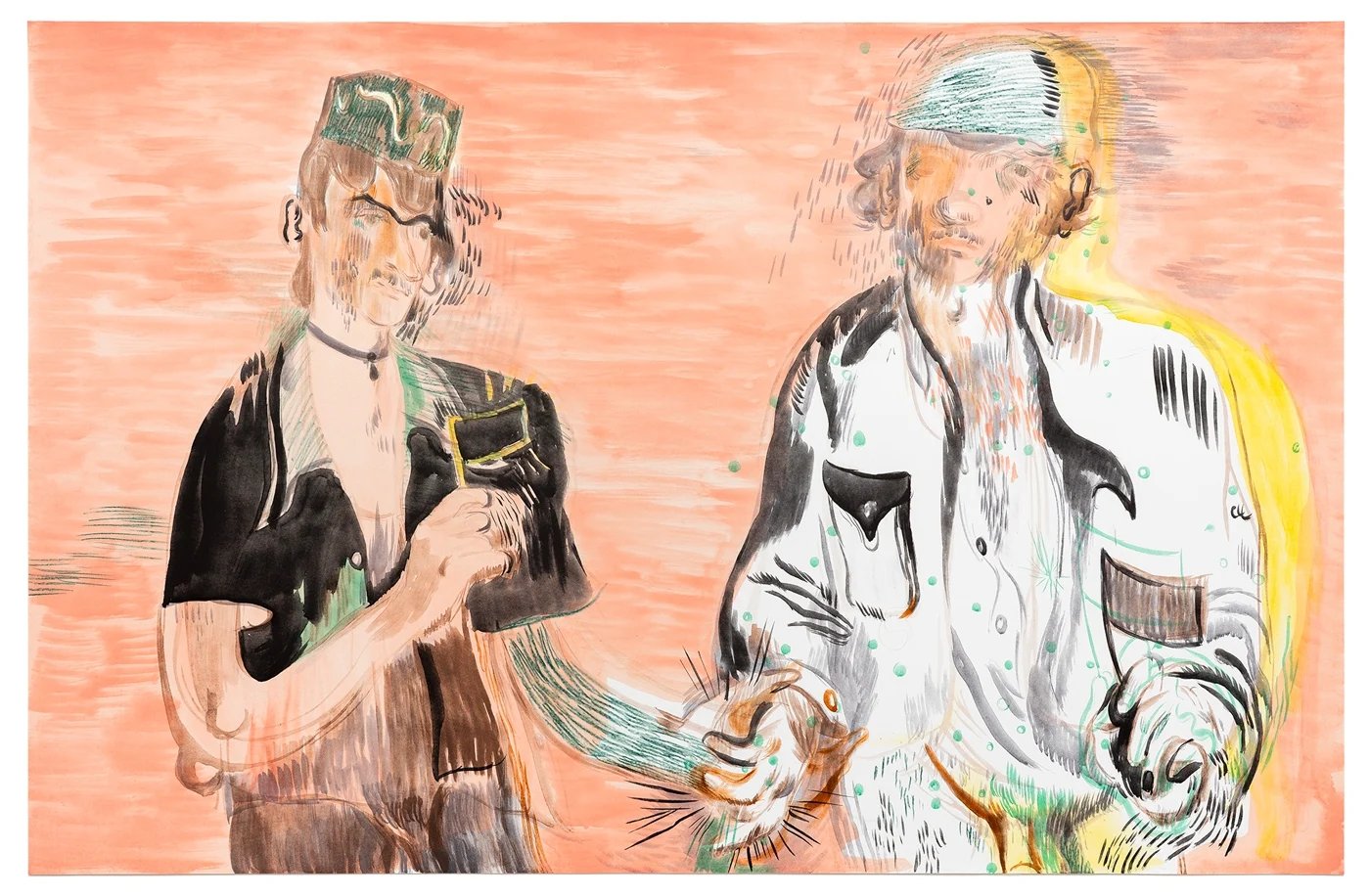
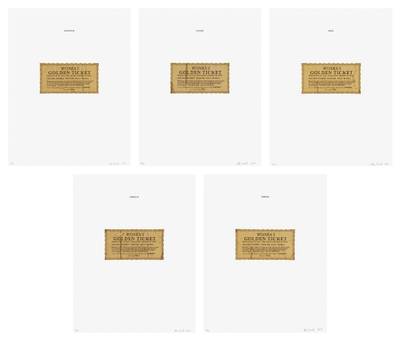
Leo Gabin
Bandanna Dreams, 2013
Pruitt's work, with its Pop sensibility and knowing humor, has developed a loyal following among collectors who want glossy glamour cut with self awareness. For collectors interested in emerging territory, the most interesting work is happening among artists who are engaging with the glossy aesthetic through the lens of digital culture rather than photography or painting. Leo Gabin, the Belgian collective, occupies a fascinating middle space, collaging found imagery and internet vernacular into works that carry the Glossy Aesthetic's visual intensity while commenting on how that aesthetic circulates and mutates online. Artists working in similar territory, absorbing the visual logic of social media and filtering it through painterly or photographic processes, are worth watching carefully.
The market for this work is still forming, which means both risk and opportunity. At auction, glossy aesthetic works have proven resilient in ways that have surprised some observers. Minter's secondary market in particular has shown steady appreciation, with print editions holding value well when they are in excellent condition and from small or well documented editions. The lesson for collectors is to pay close attention to edition size and provenance when buying.
A unique painting will almost always outperform an open edition print from the same artist, and the gap between a small edition and a large one can be significant over time. Photographs and prints in this category are especially vulnerable to display damage from ultraviolet light, so ask your framer about museum quality UV glass and be thoughtful about placement near windows. When approaching a gallery about a glossy aesthetic work, come prepared with specific questions. Ask about the edition structure and how many have sold.
Ask about the paper or substrate, the printing process, and the expected longevity of the inks. Ask whether the work has been shown, and whether it comes with any exhibition history documentation. For paintings, ask about the medium in detail, particularly with enamel works where the curing process affects the final surface. Condition reports should be requested as a matter of course.
And finally, trust the initial pull you felt. The Glossy Aesthetic rewards collectors who stay connected to that first, honest, physical response to a work. It was not naive. It was the work doing exactly what it was made to do.