Expressive Mood
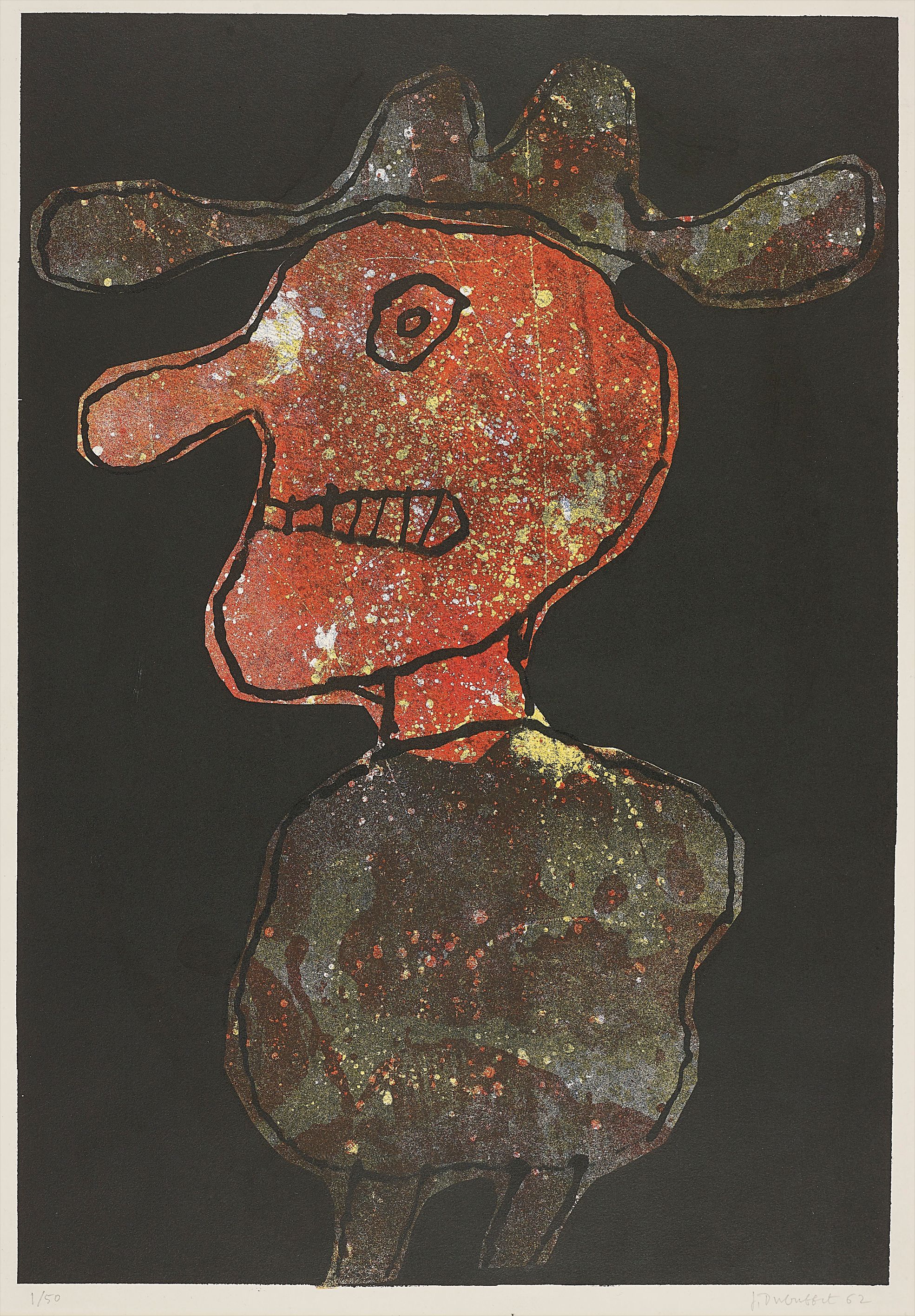
Jean Dubuffet
Personnage au Chapeau (Person in Hat)




Feel Everything: The Case for Expressive Mood
There is a particular kind of collector who walks into a room and needs to feel something before they can think. Not the collector driven primarily by provenance or investment thesis, though those considerations arrive eventually, but the one who stands in front of a canvas and waits for it to do something to them. Expressive mood is the category that rewards this person most generously. These works do not ask you to decode them.
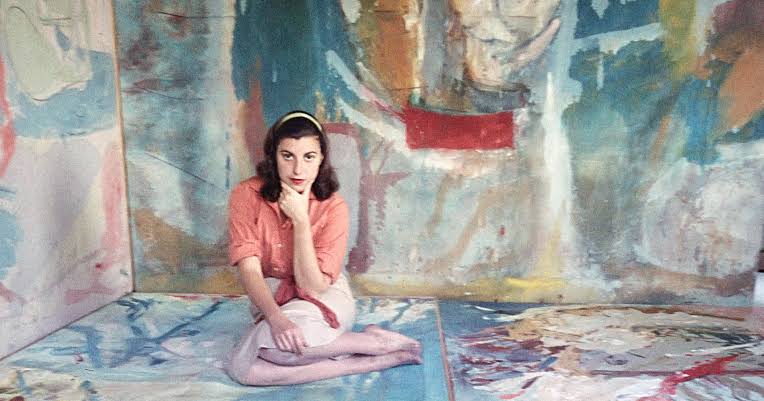
They ask you to inhabit them, and living with that quality day after day, in the shifting light of a real home or a considered gallery space, is one of the more singular pleasures collecting can offer. What makes this area so compelling to live with is precisely what makes it difficult to explain to the uninitiated. Expressive painting operates through accumulation and release, through the weight of a gesture or the velocity of a mark, and it tends to change on you. A Joan Mitchell canvas that reads as furious energy on a grey November morning can feel like something closer to joy by afternoon.
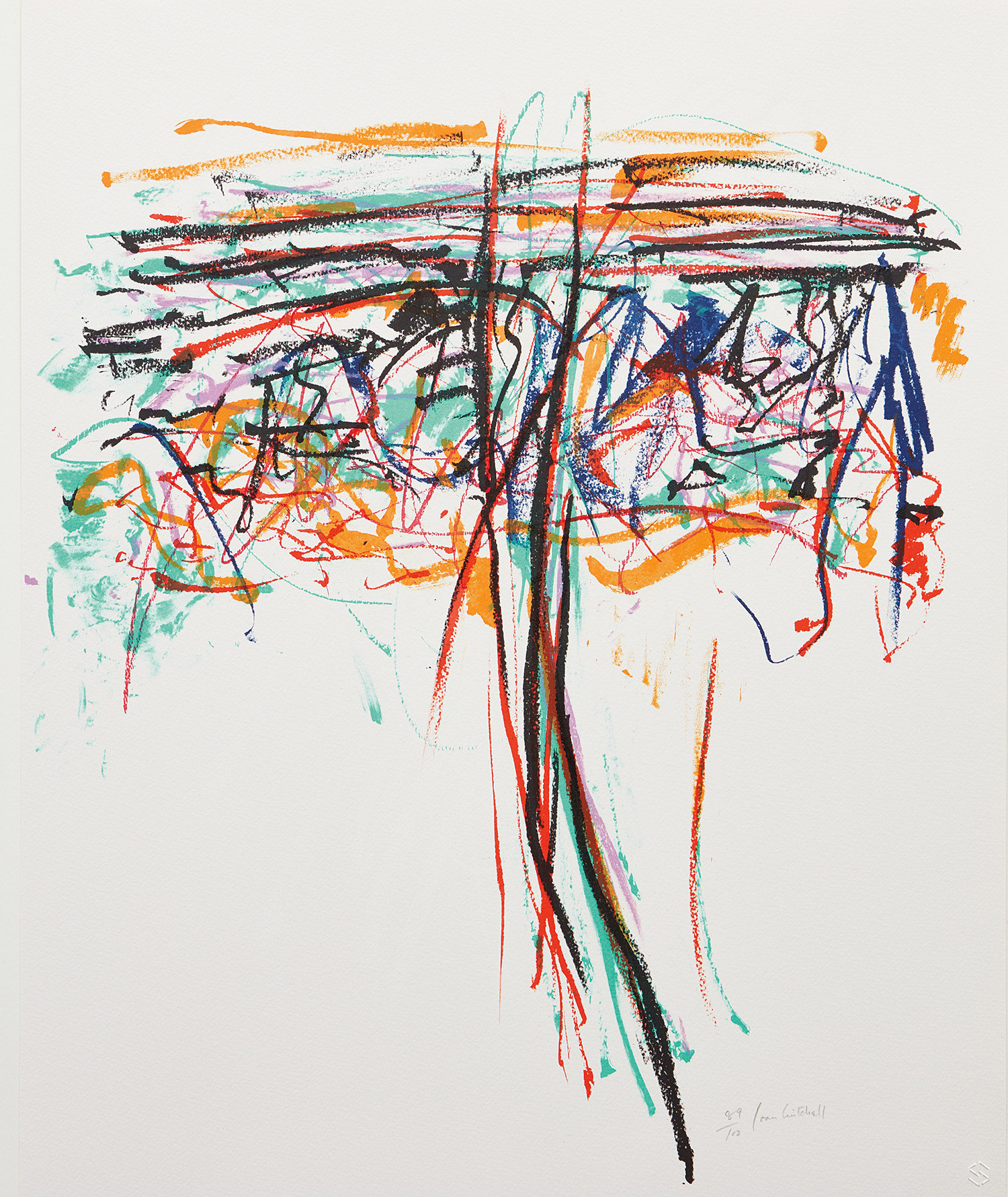
Joan Mitchell
Tree II
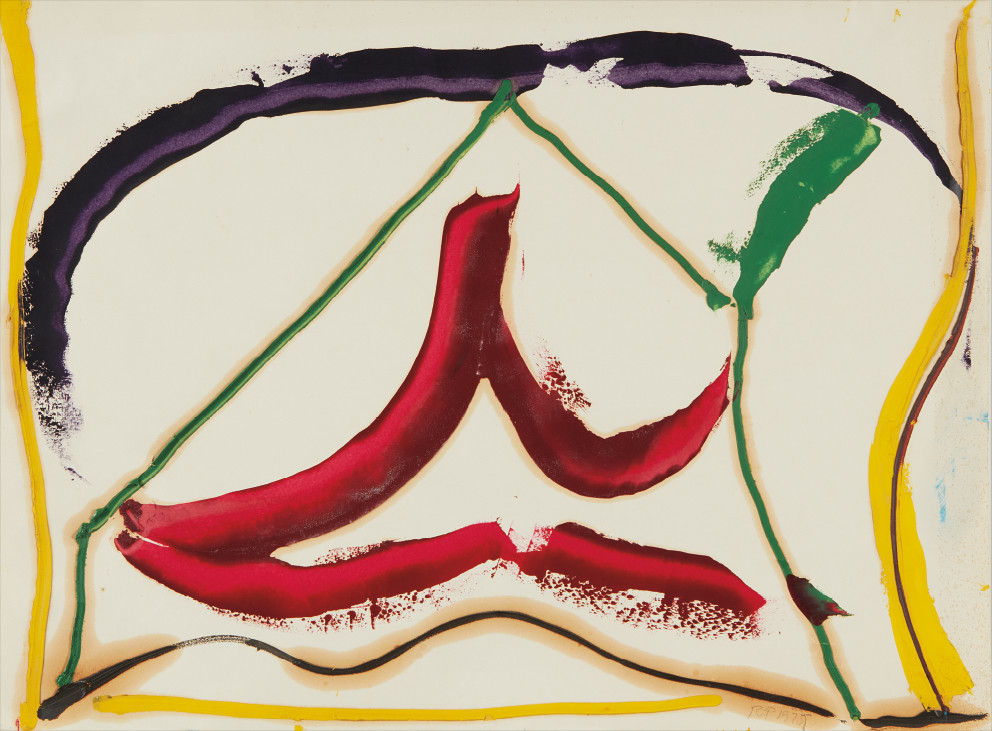
Howard Hodgkin spent decades insisting his work was about memory and emotion rather than abstraction, and that insistence points toward something important: the best works in this space carry a specific human pressure inside them, not just formal bravura. Separating a good work from a great one in this category requires a certain calibrated attention. The first thing to understand is that expressive does not mean undisciplined. The most valuable works in this vein have an internal structure beneath the apparent freedom, a set of decisions that hold the thing together even when it looks like it might fly apart.
Look at how color functions across the whole surface, not just in isolated passages. Ask whether the edges of the canvas feel resolved or abandoned. A work that simply trails off, that loses confidence at the periphery, rarely holds up over time the way a work with genuine compositional command does. The difference between a sketch made in passion and a painting that transforms passion into something permanent is often located right there, at the edges.
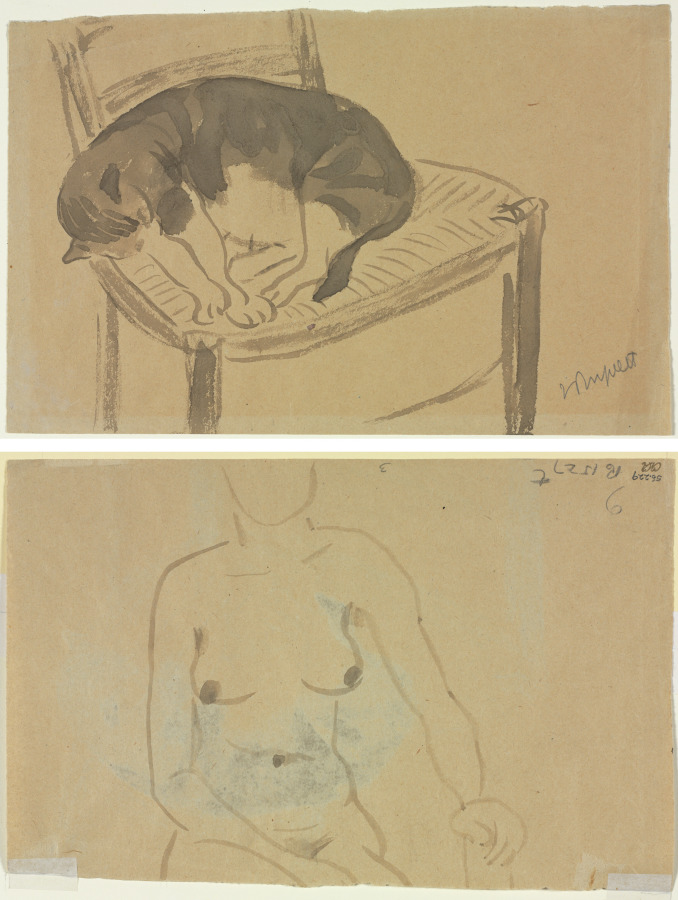
Jean Dubuffet
Personnage au Chapeau (Person in Hat)
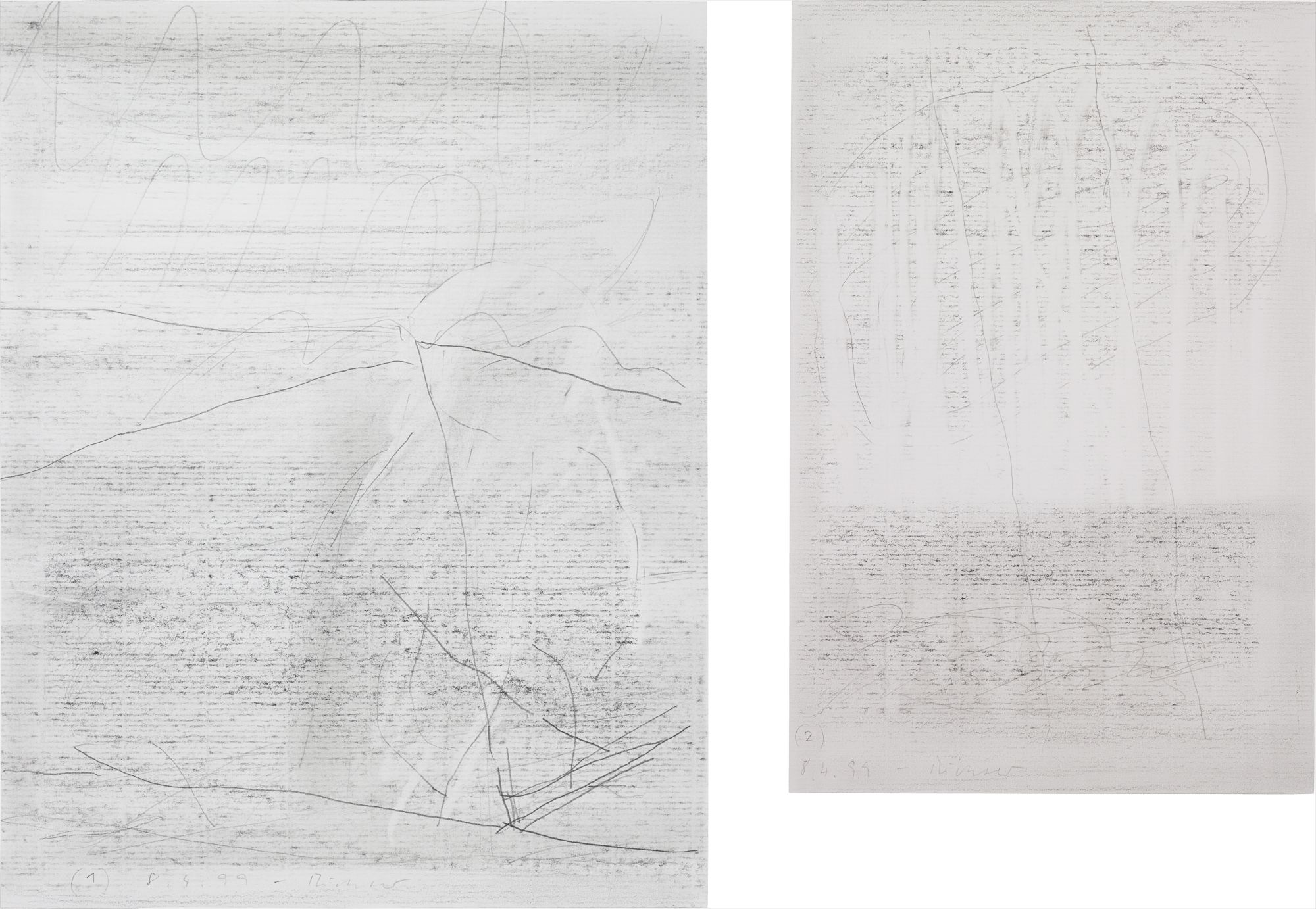
Among the artists well represented on The Collection, certain names carry exceptional weight in this conversation. Jean Dubuffet remains one of the great originals of postwar expressive painting, and his market has shown remarkable stability precisely because institutional support, from MoMA to the Foundation Dubuffet in Paris, keeps the scholarly apparatus intact around him. Gerhard Richter occupies a different kind of authority: his abstract works command among the highest prices at auction of any living artist, and his squeegeed canvases from the 1980s and 1990s continue to set records. Robert Motherwell, whose Elegy to the Spanish Republic series extended across decades of his career, is another figure whose market rewards patience.
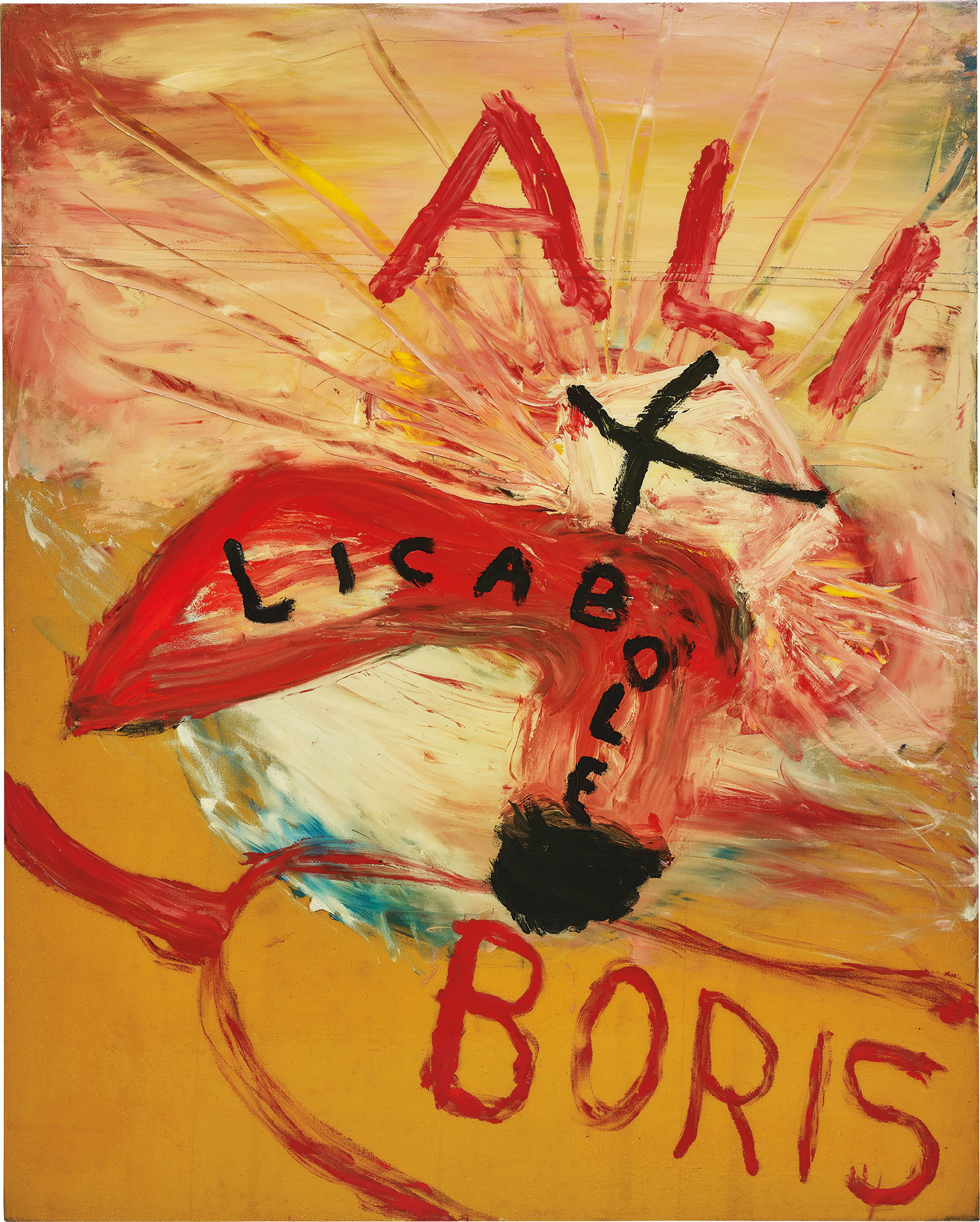
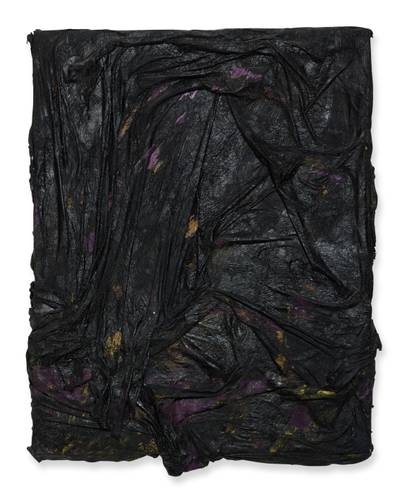
Works that can be traced to significant exhibitions or that carry strong provenance within major collections tend to outperform at auction by a considerable margin. Stirling Ruby and Angel Otero represent a compelling middle generation, artists established enough to have serious institutional backing but still in active dialogue with the market rather than simply presiding over a settled legacy. Ruby's paintings carry the energy of someone processing material culture at high speed, and his market has matured steadily since his early shows at Foxy Production and Sadie Coles. Otero's process of pouring and peeling oil paint gives his work a physical history you can read like a sediment record, which appeals to collectors who want something both visually immediate and conceptually grounded.
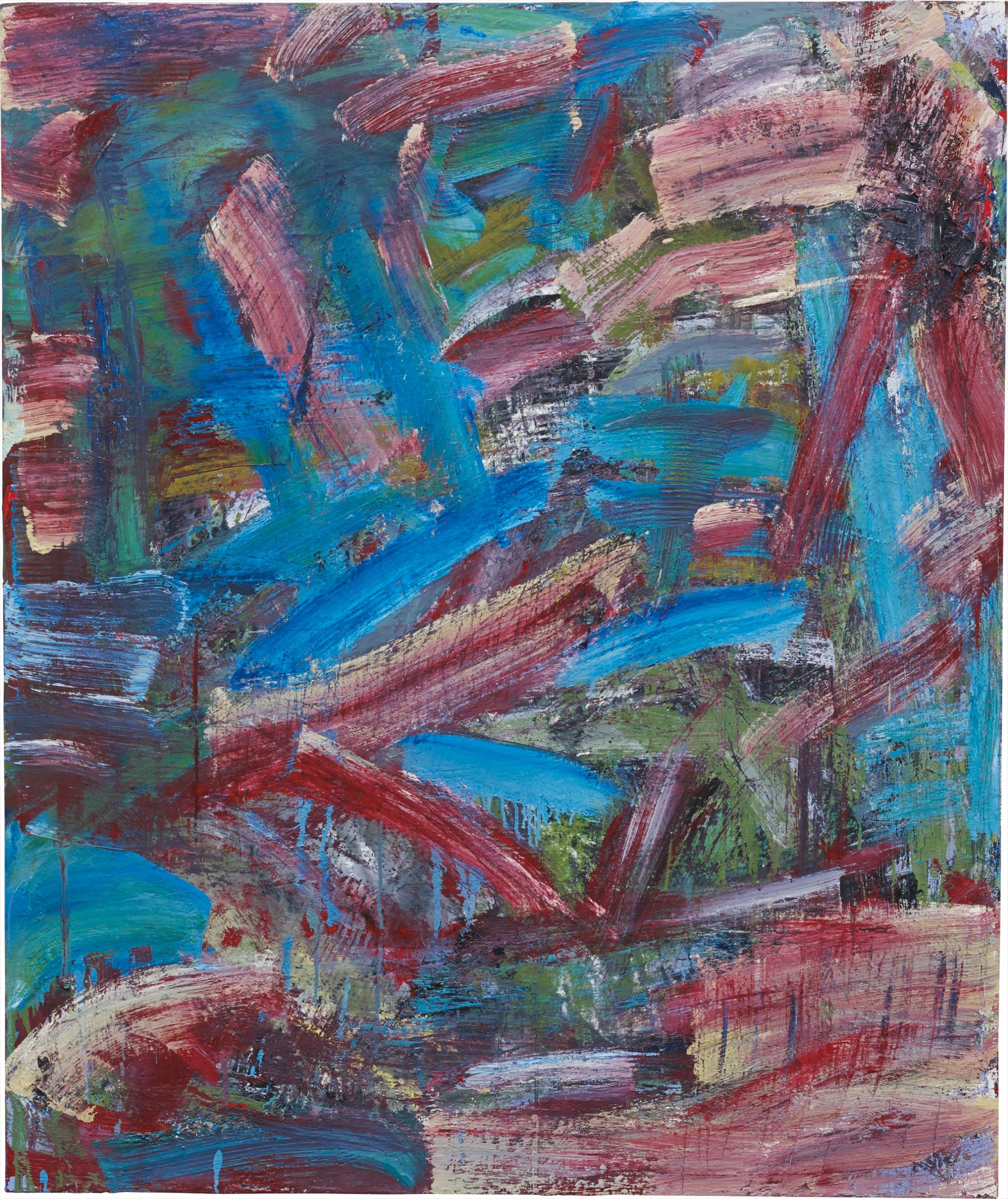
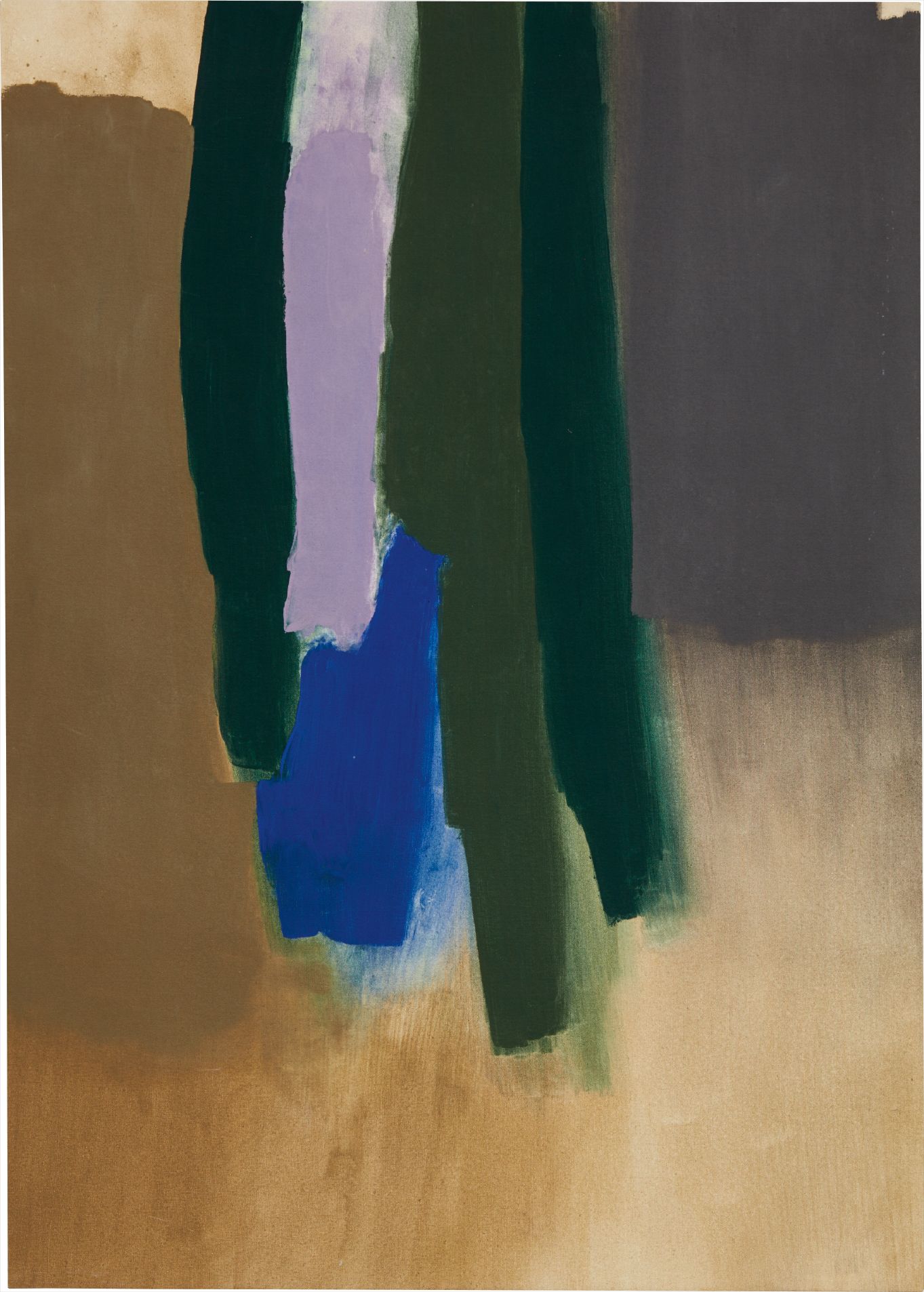
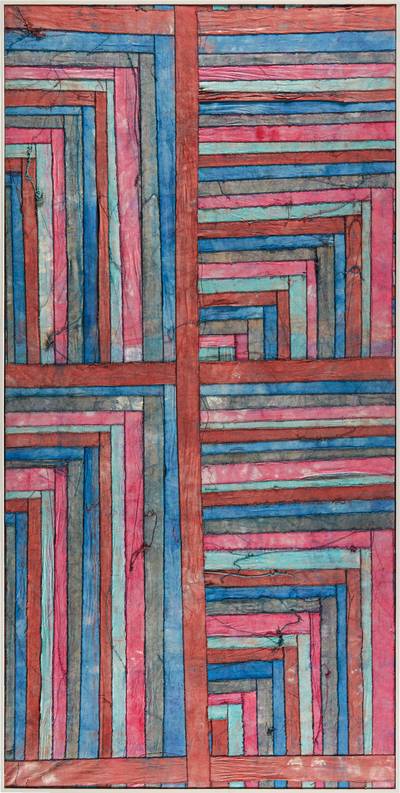
Louise Fishman
Swarm of Thoughts
These are artists whose works are increasingly sought for major private collections and whose auction appearances, when they come, tend to draw competitive bidding. For collectors paying attention to where the energy is moving, there are younger and less recognized figures worth serious consideration. Ida Ekblad brings a chaotic intelligence to her work that places her in genuine conversation with Arte Povera while remaining entirely her own proposition. Louise Fishman, who passed away in 2021, spent decades working in a mode that drew on both Abstract Expressionist gesture and a deeply personal feminist politics, and her market is only beginning to reflect the weight of her contribution.
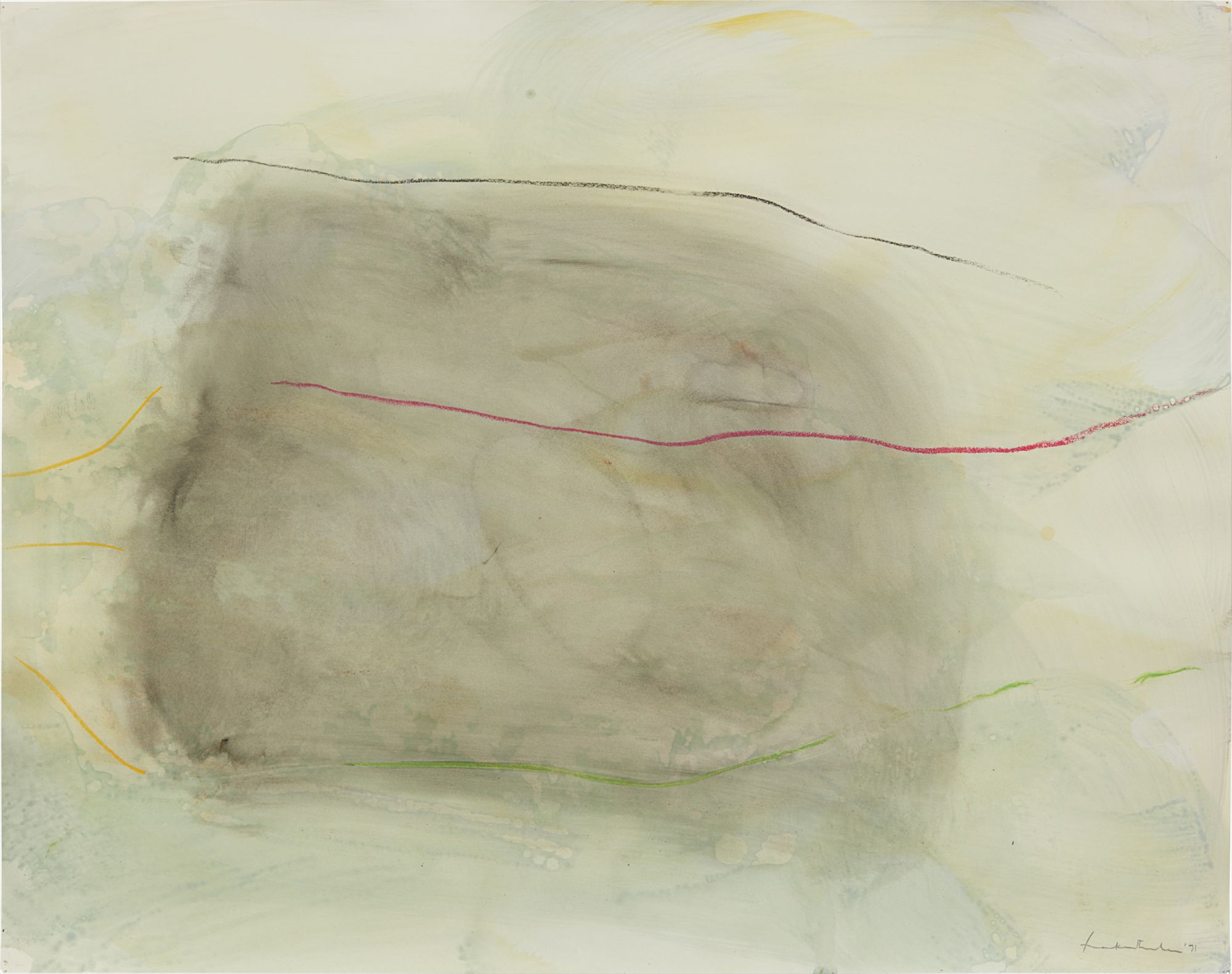
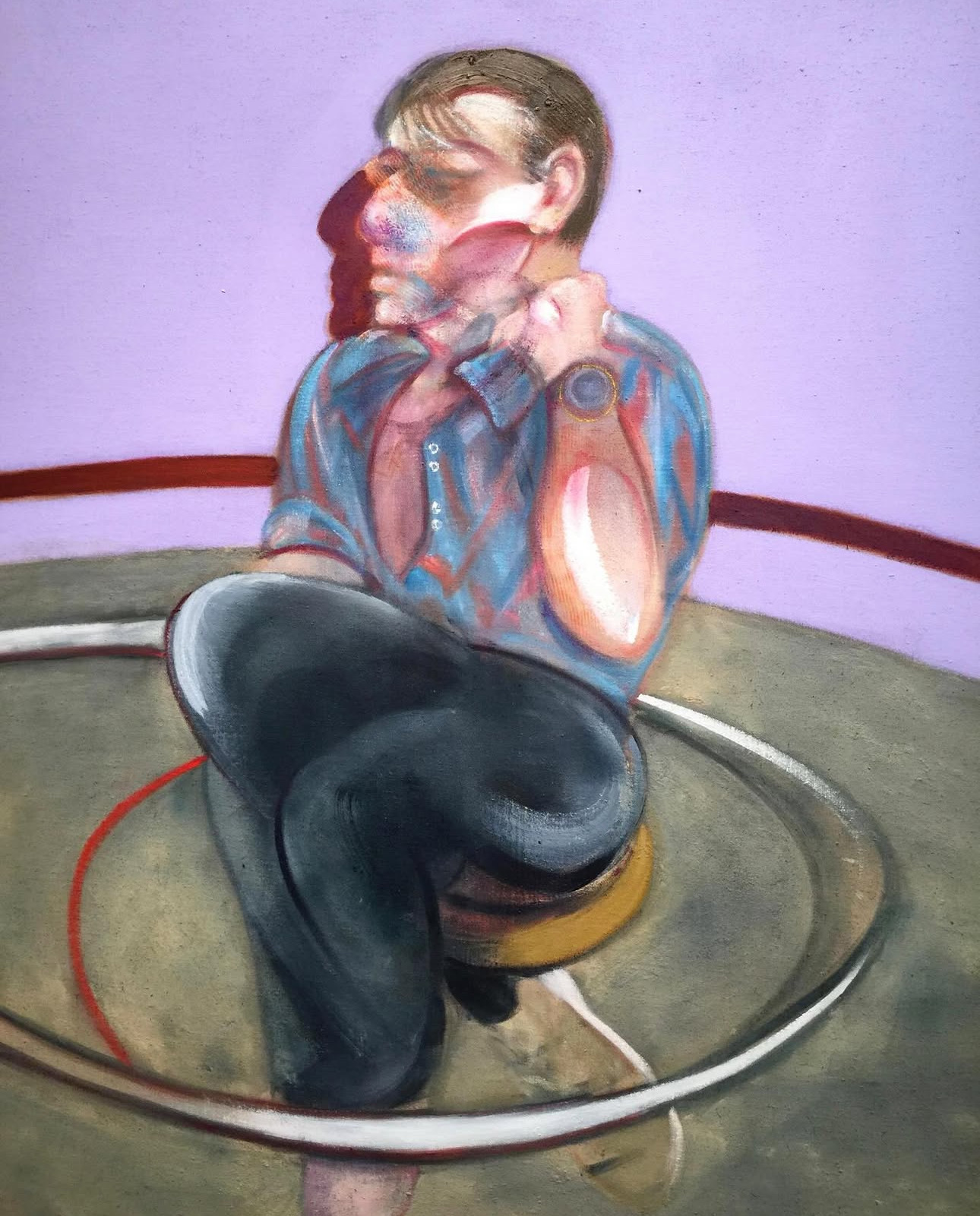
Lucien Smith made an early splash with his rain paintings but has been developing a more sustained and complex practice that deserves more attention than the initial hype followed by skepticism cycle typically allows. Benjamin Degen and Gabriel Hartley are both artists whose work repays close looking and whose prices remain accessible relative to where they are likely to go. At auction, expressive mood works have proven durable across cycles, though the market rewards quality with unusual severity. Top tier works by Mitchell, de Kooning, or Frankenthaler can achieve multiple times their estimates when condition is strong and provenance is compelling, while lesser examples from the same hands often struggle to find their reserve.
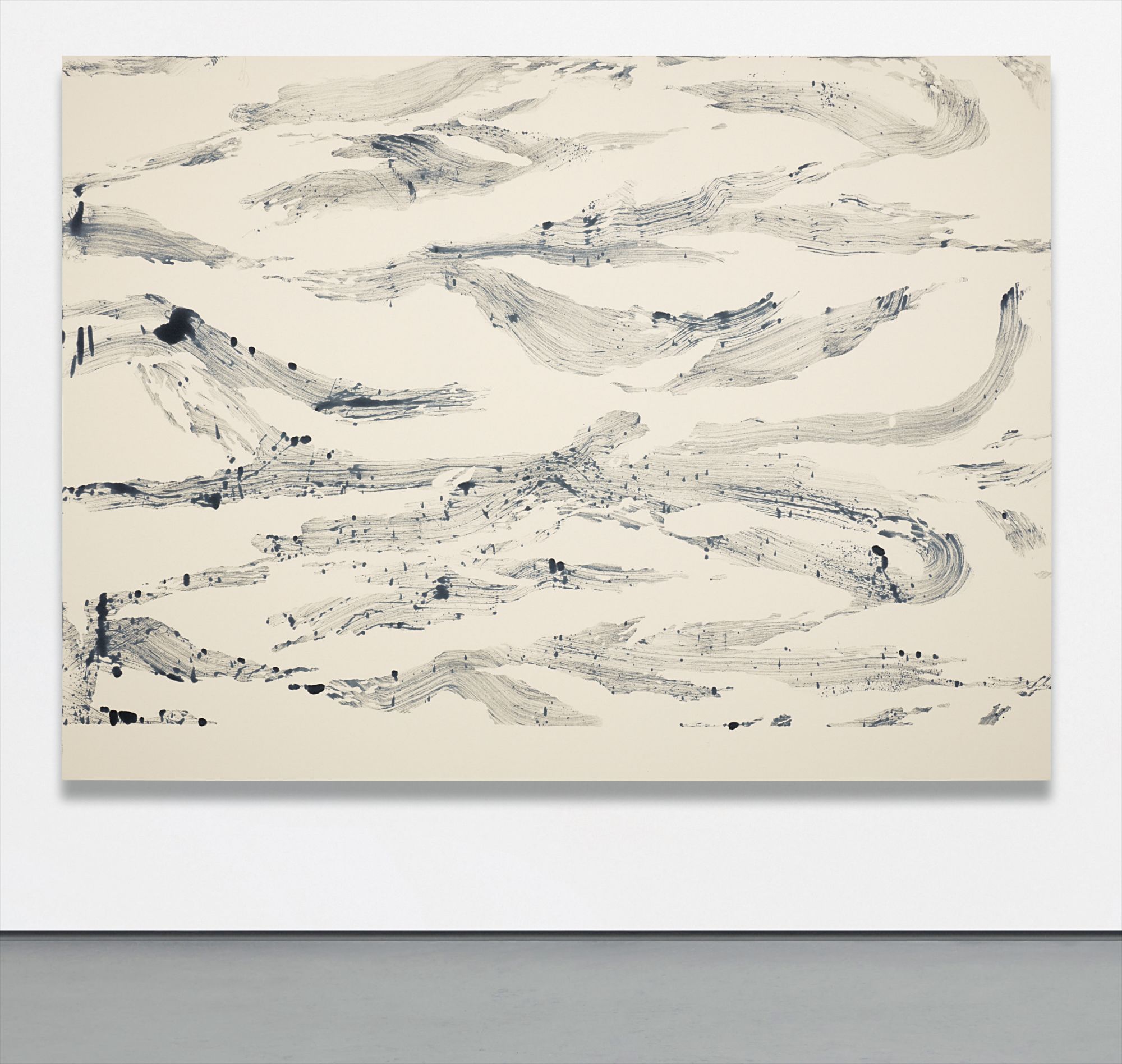
Lucien Smith
A River Runs Through It
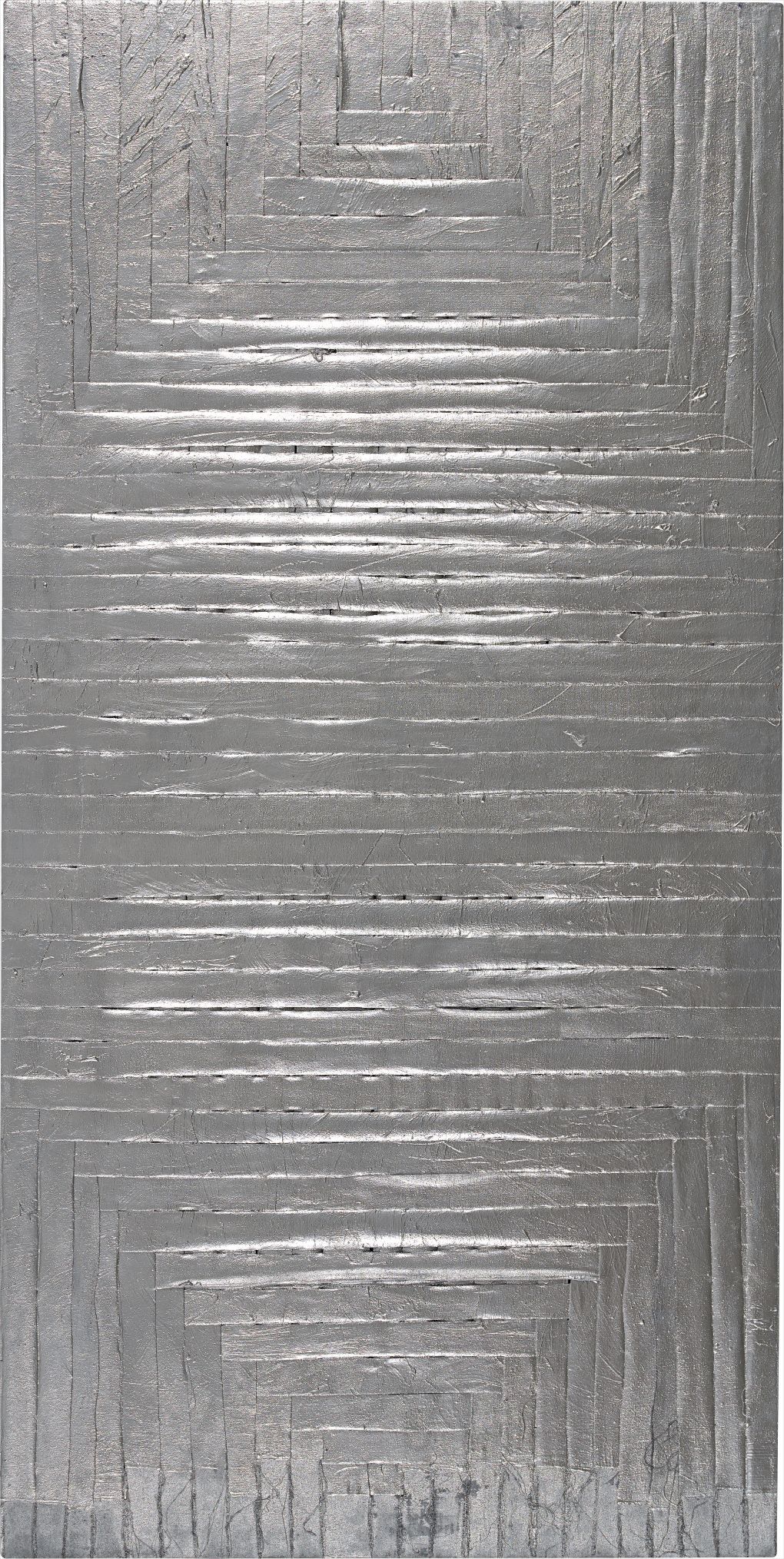
The lesson here is consistent with what experienced advisors repeat: in this category, the finest available work at a given price point almost always outperforms the merely good work at a lower one. Christie's, Sotheby's, and Phillips have all dedicated specific evening and day sale slots to expressive and gestural painting, which reflects genuine collector demand rather than curatorial fashion. Practically speaking, condition is more consequential in expressive painting than in almost any other category. Heavy impasto, which gives works by Schnabel or Dubuffet their extraordinary physical presence, is also vulnerable to cracking and flaking if the work has been stored in unstable environments.
Always ask for a full condition report and, for significant acquisitions, commission your own independent examination from a conservator with specific experience in postwar and contemporary painting. Ask the gallery about exhibition history and whether the work has been shown under high intensity lighting for extended periods, which can affect certain pigments. For unique works versus editions, the calculus in expressive painting almost always favors the unique: multiples in this space rarely carry the charge of a singular object made in a singular moment, which is ultimately what you are paying for and what you will want to wake up to.