Double Portrait
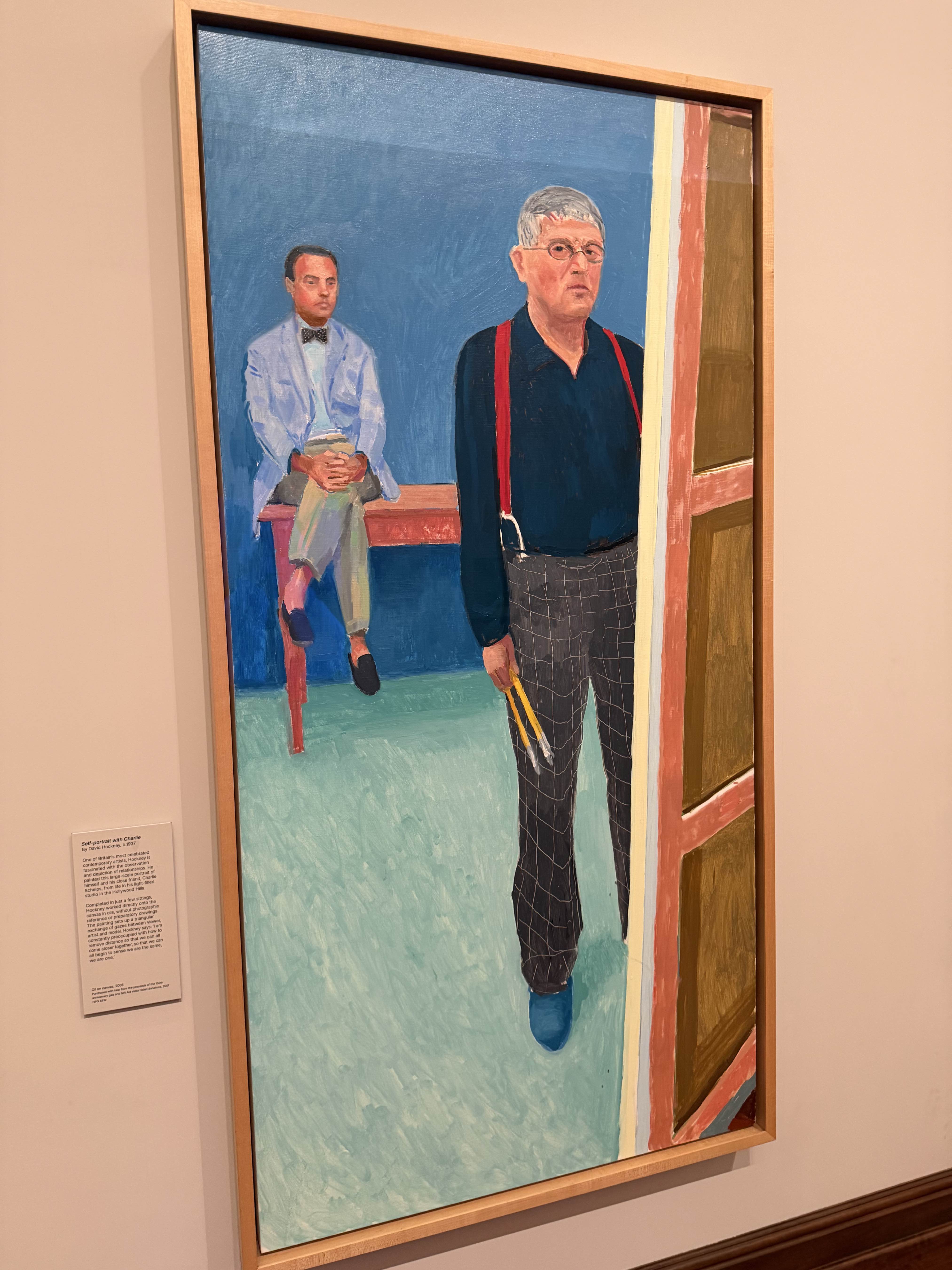
David Hockney
Self-portrait with Charlie, 2005
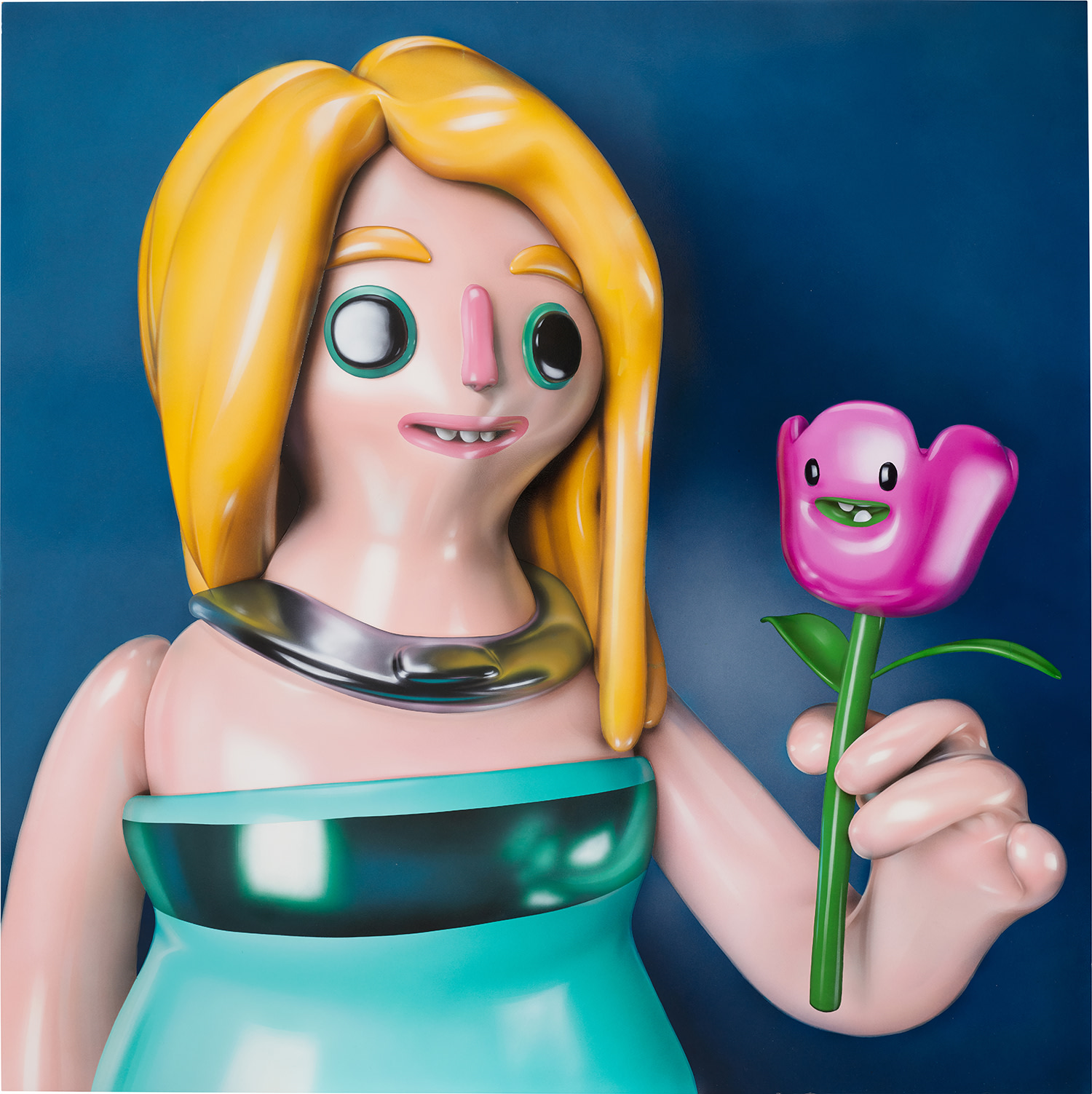
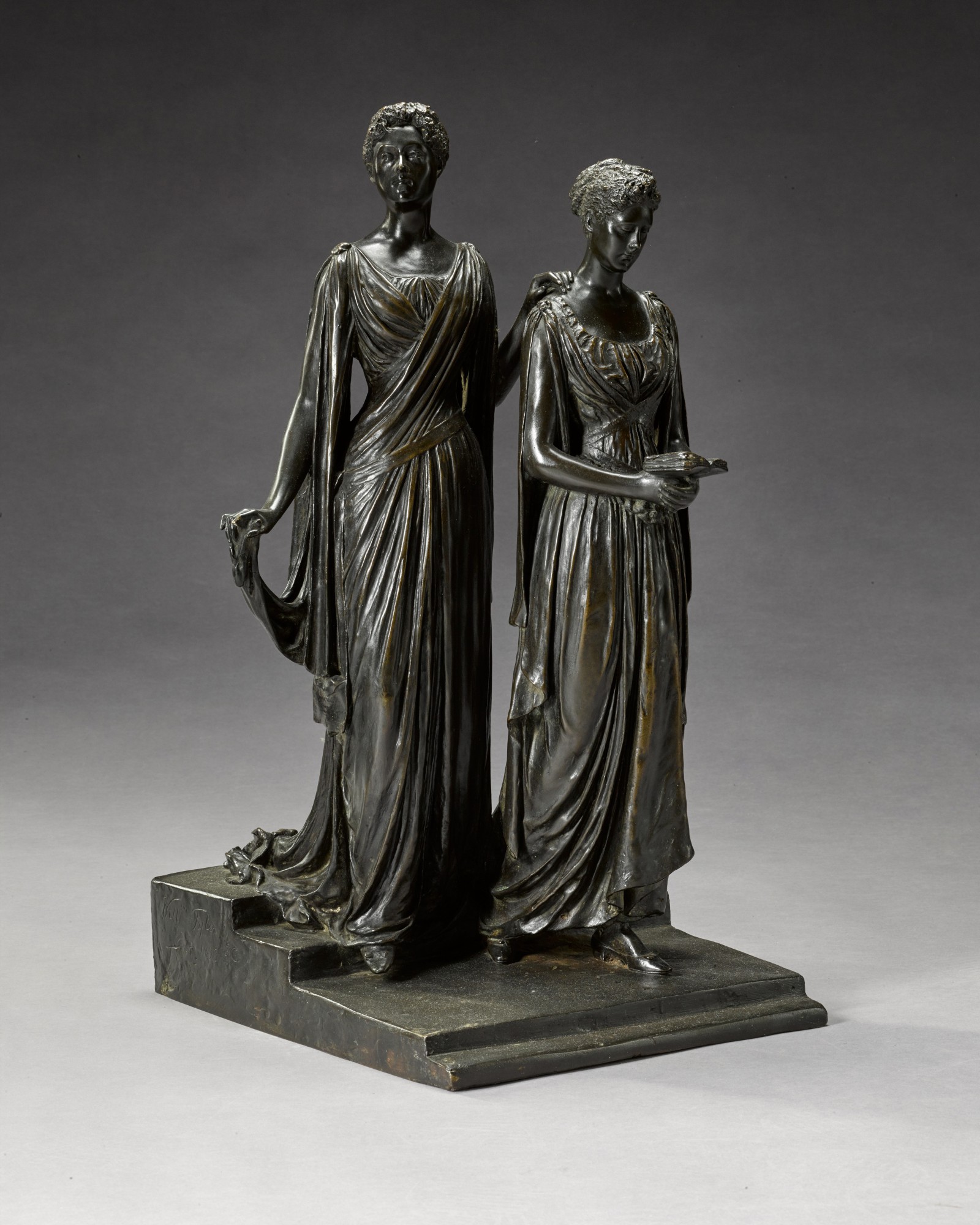
Two Faces, One Truth: The Double Portrait
There is something almost conspiratorial about two figures sharing a single canvas. They lean toward one another or hold themselves apart, they echo each other's posture or deliberately contradict it, and in that charged space between them a whole world of feeling gets compressed into paint and gesture. The double portrait is one of the oldest and most psychologically complex formats in Western art, and it has never really gone out of fashion, because the questions it raises about identity, power, and human connection are simply inexhaustible. The tradition reaches back at least to the early Renaissance, when artists began understanding portraiture not merely as record keeping but as a form of storytelling.
Jan van Eyck's Arnolfini Portrait of 1434 is often cited as the founding document of the form, a painting in which two figures occupy a domestic interior so loaded with symbolic detail that scholars are still arguing about what it all means. What van Eyck grasped, and what every great double portrait painter after him has understood, is that placing two people together immediately creates a narrative. You cannot look at two faces side by side without wondering about the relationship between them. By the seventeenth century, the double portrait had become a sophisticated instrument of social communication.
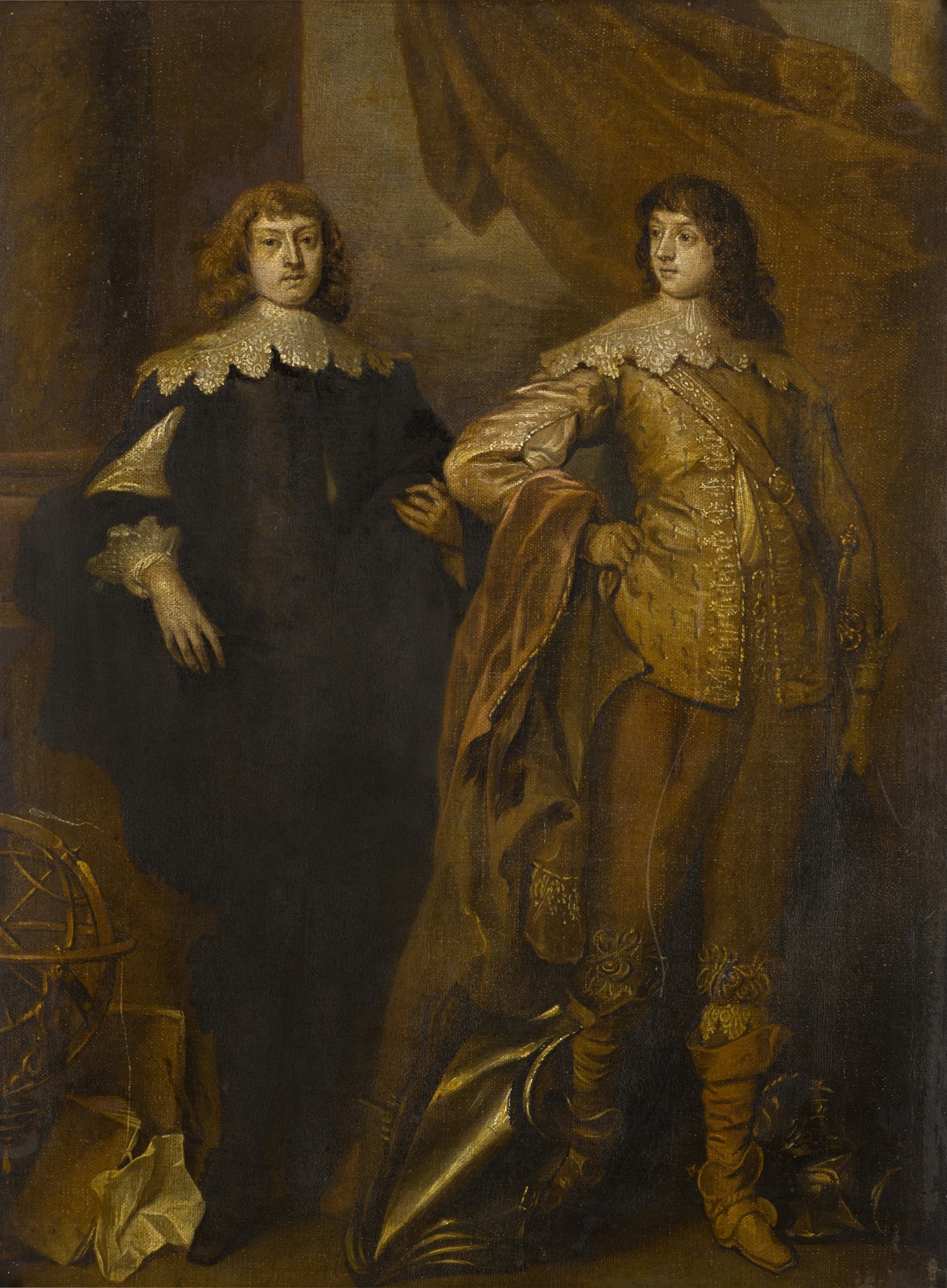
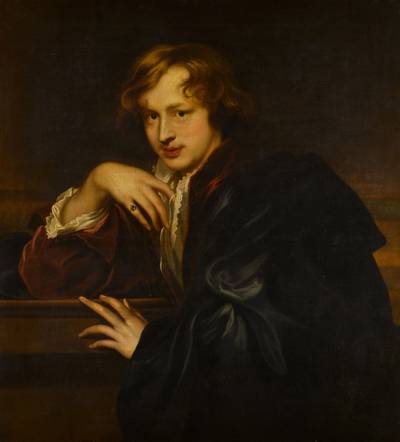
After Sir Anthony van Dyck
A double portrait of George, Lord Digby, later 2nd Earl of Bristol (1612–1677) and William, Lord Russell, later 1st Duke of Bedford (1616–1700)
Anthony van Dyck, working at the court of Charles I during the 1630s, turned the format into something almost cinematic. His paired compositions conveyed hierarchy and intimacy simultaneously, and his influence stretched far beyond his own lifetime. Works attributed to his circle and followers continued circulating through European collections for generations, which is why the tradition he established feels so alive even in works produced after his death. The Collection includes a work after Sir Anthony van Dyck that speaks directly to this enduring visual language, the careful arrangement of figures that signals both status and relationship with remarkable economy.
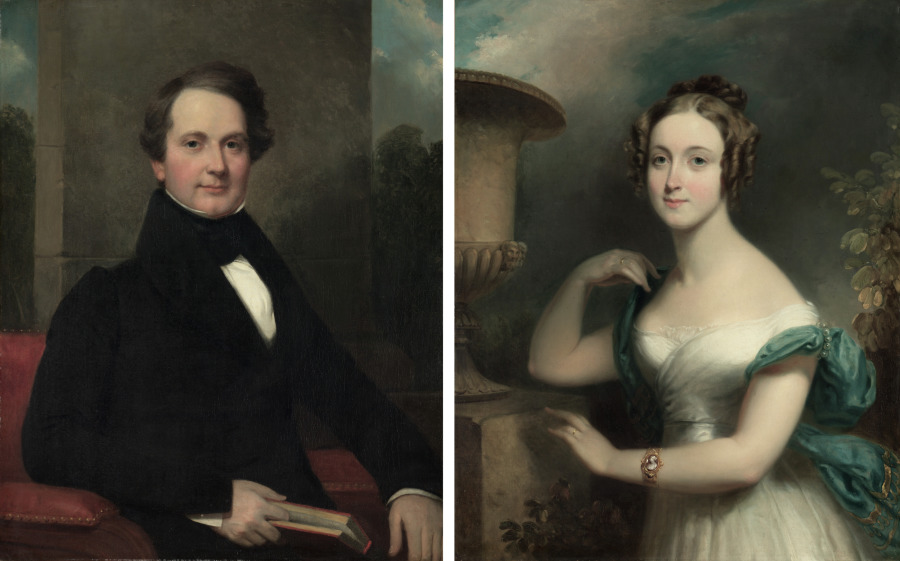
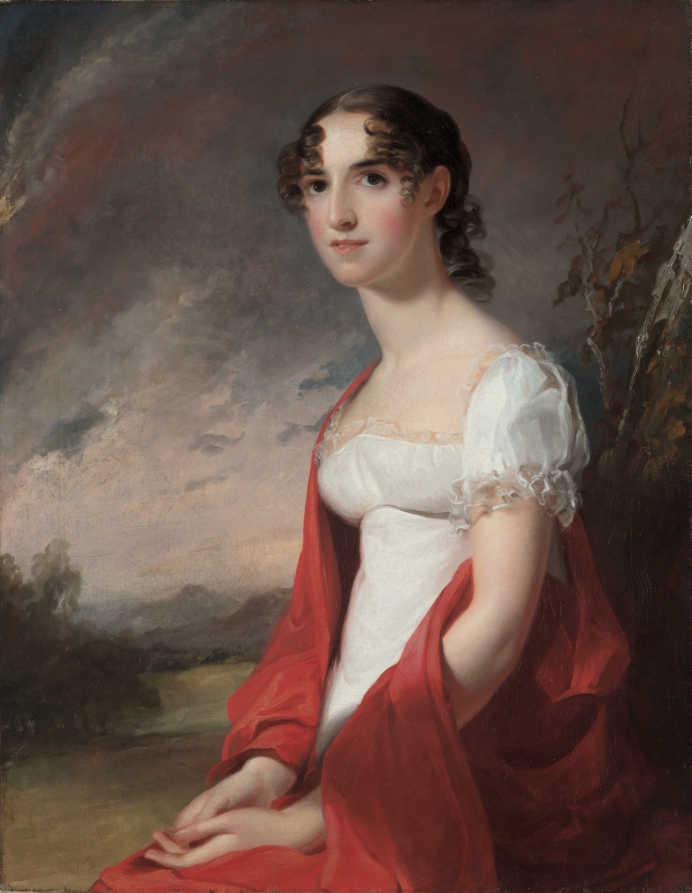
American painters of the nineteenth century brought their own sensibility to the form. Thomas Sully, working in Philadelphia and deeply influenced by the English portrait tradition he absorbed during his time in London, understood how to use the double format to balance tenderness against dignity. Henry Inman, another leading American portraitist of the same era, brought a directness to his sitters that reflected the democratic ideals of a young republic still working out what it meant to be seen and remembered. Both painters are represented on The Collection, and looking at their work alongside the European tradition it absorbed is a genuinely instructive experience.
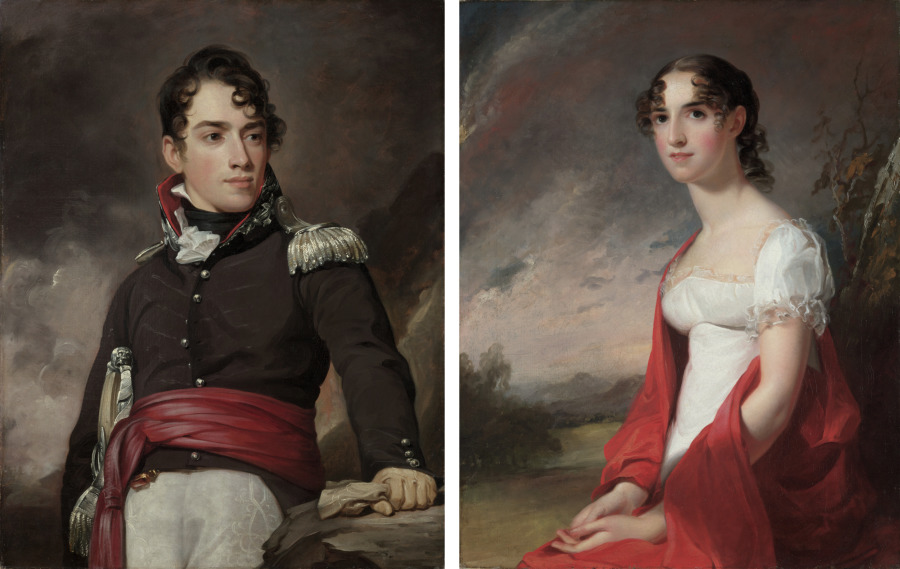
Thomas Sully
Portraits of Jean Terford David and Mary Sicard David, 1813
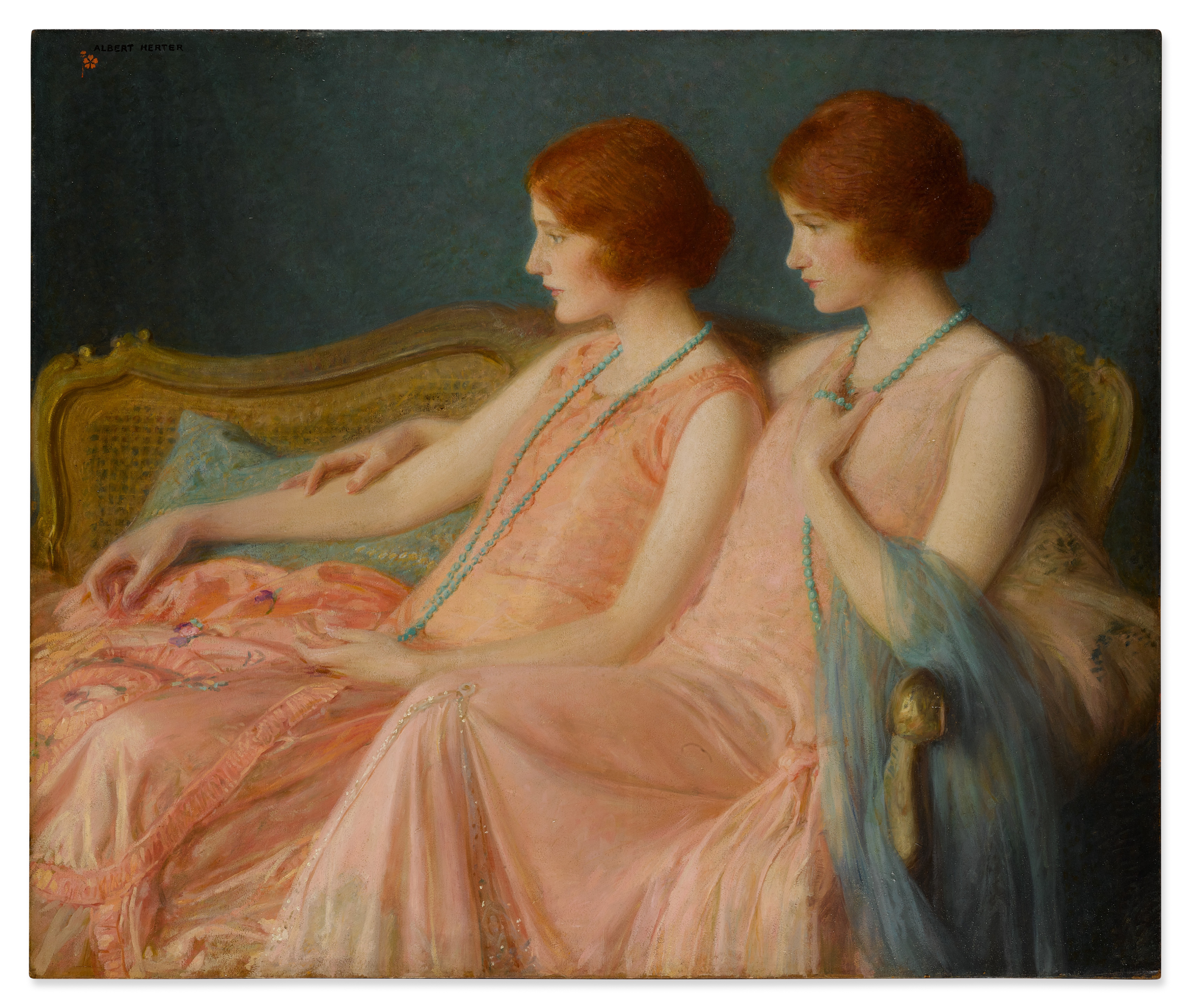
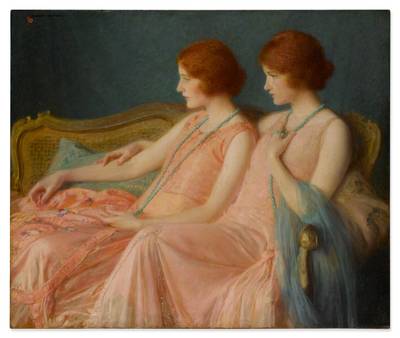
The double portrait also became a vehicle for more intimate and personal expression as the nineteenth century progressed. Václav Brožík, the Czech painter who made his career largely in Paris during the Third Republic, worked in the grand tradition of academic portraiture but brought a Romantic warmth to his paired compositions. Albert Herter, the American painter and decorative artist working at the turn of the twentieth century, approached the format with an interest in surface and atmosphere that reflected the influence of both Aestheticism and the emerging taste for less formal arrangements. These painters remind us that the double portrait was never just a prestigious commission.
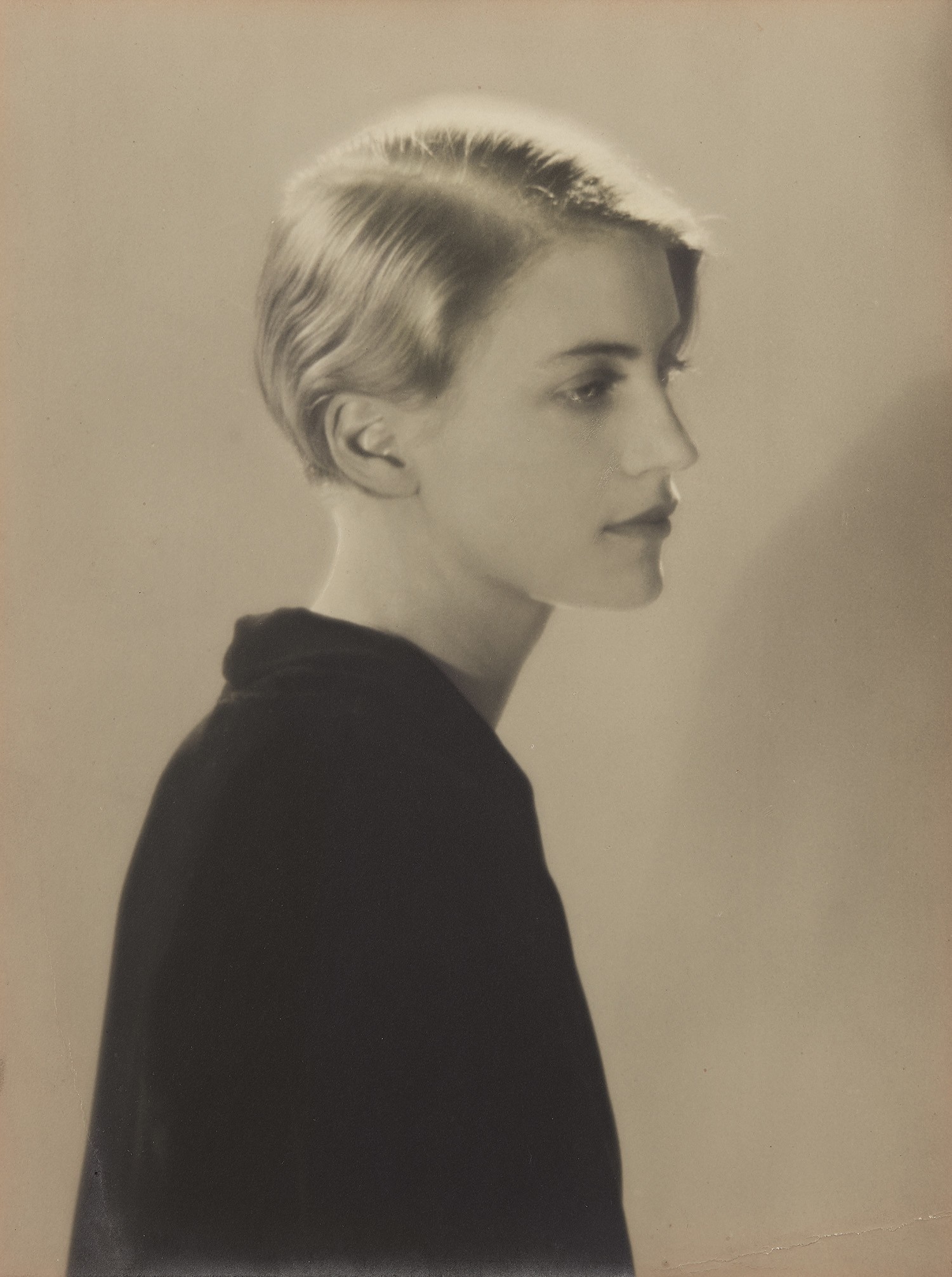
It was also a way of thinking about love, family, and the bonds that make private life meaningful. The twentieth century did not abandon the double portrait so much as detonate it and reassemble the pieces. Man Ray, working in Paris between the wars and deeply embedded in the Surrealist movement, understood photography and portraiture as conceptual tools rather than simply documentary ones. His images of pairs and couples often carry an undertow of strangeness that transforms the familiar gesture of posing together into something far more ambiguous.
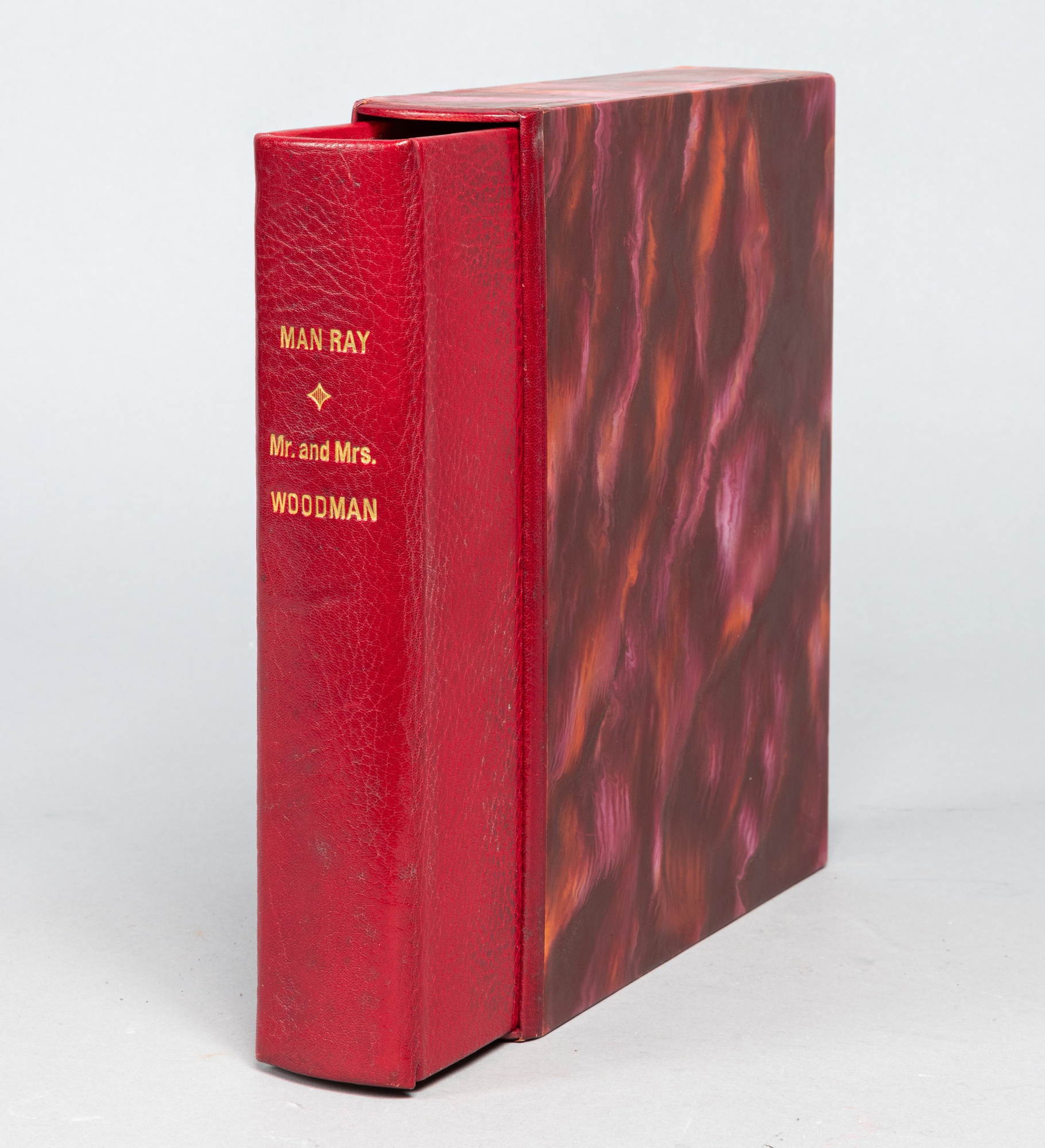
Man Ray
Mr. and Mrs. Woodman
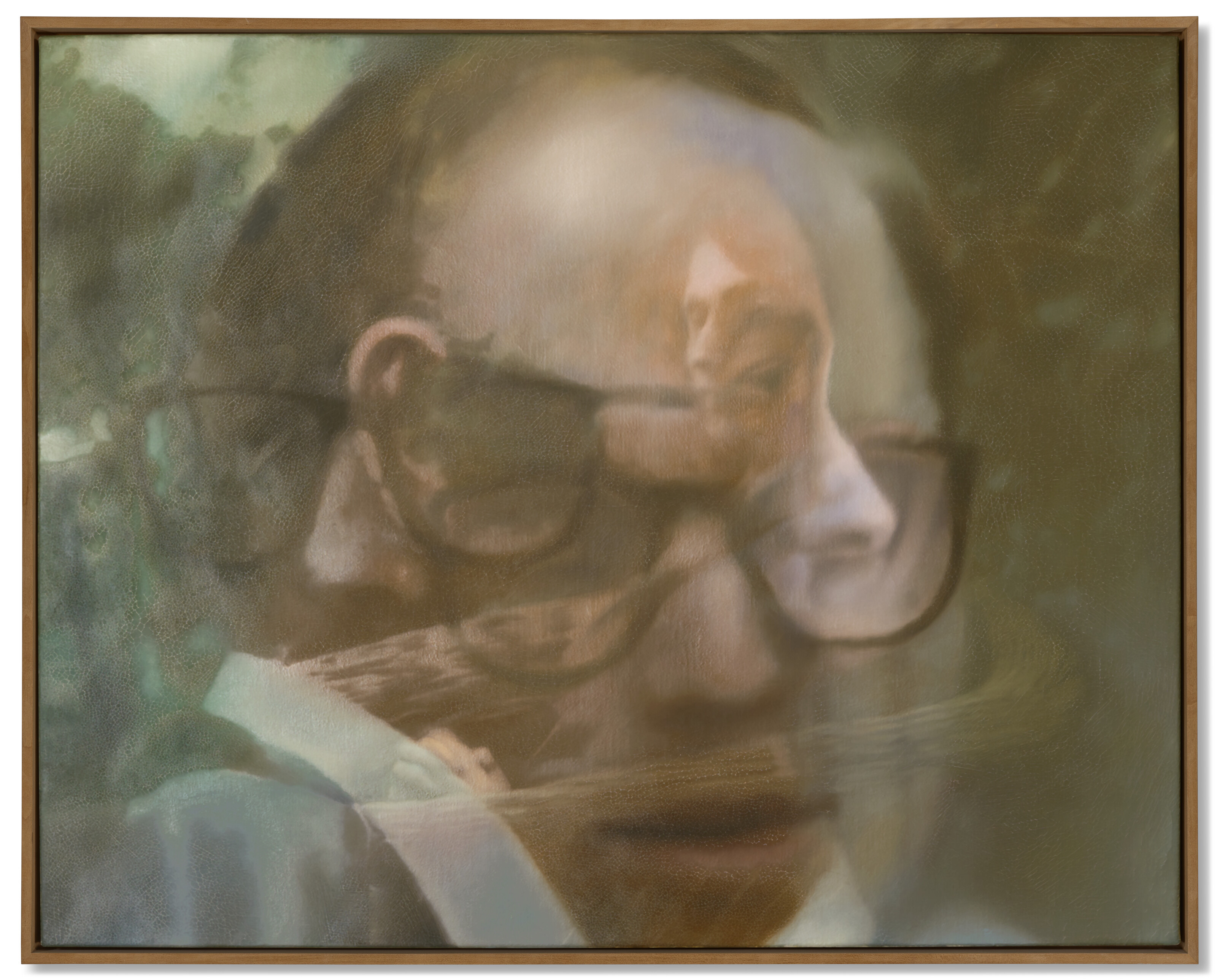
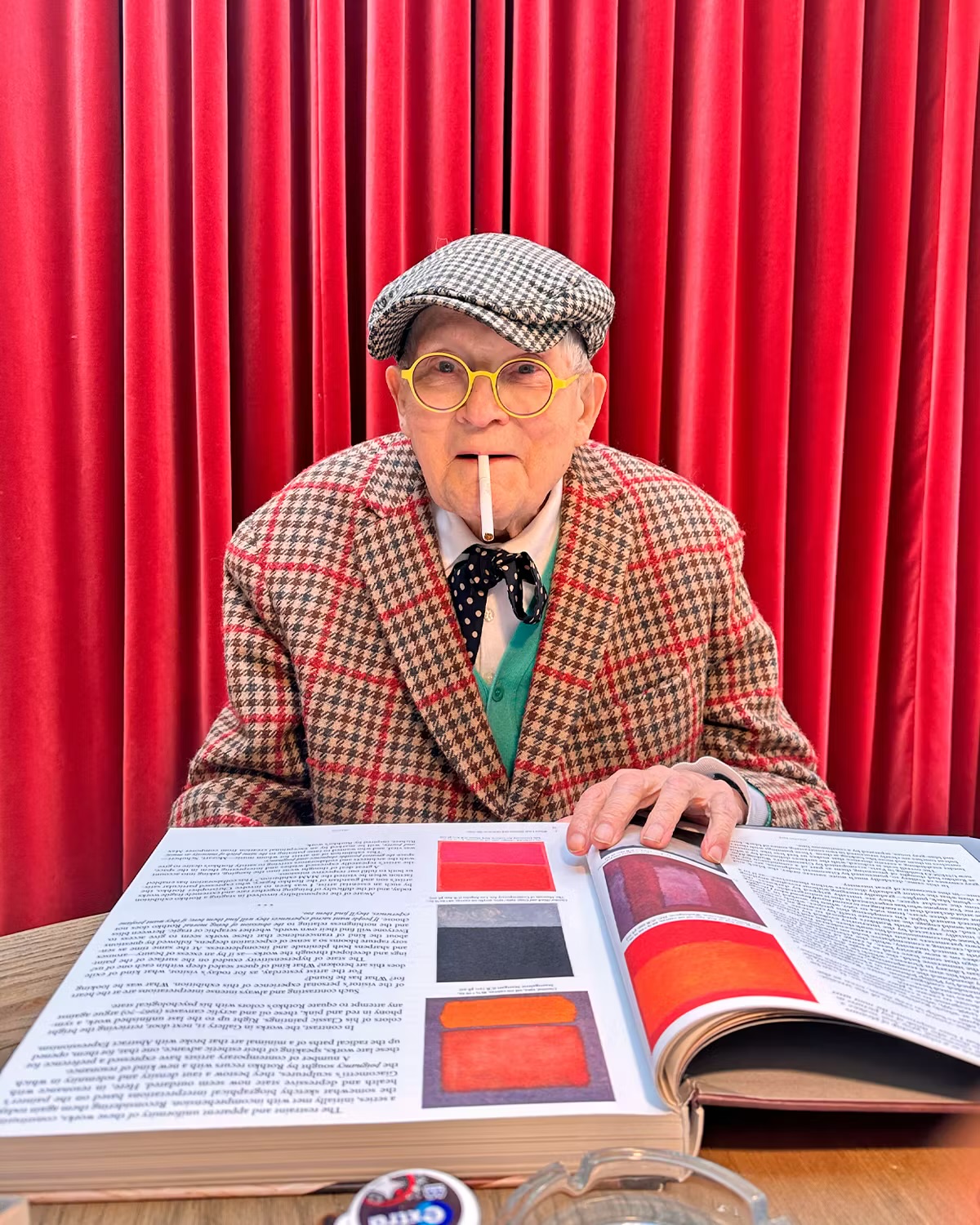
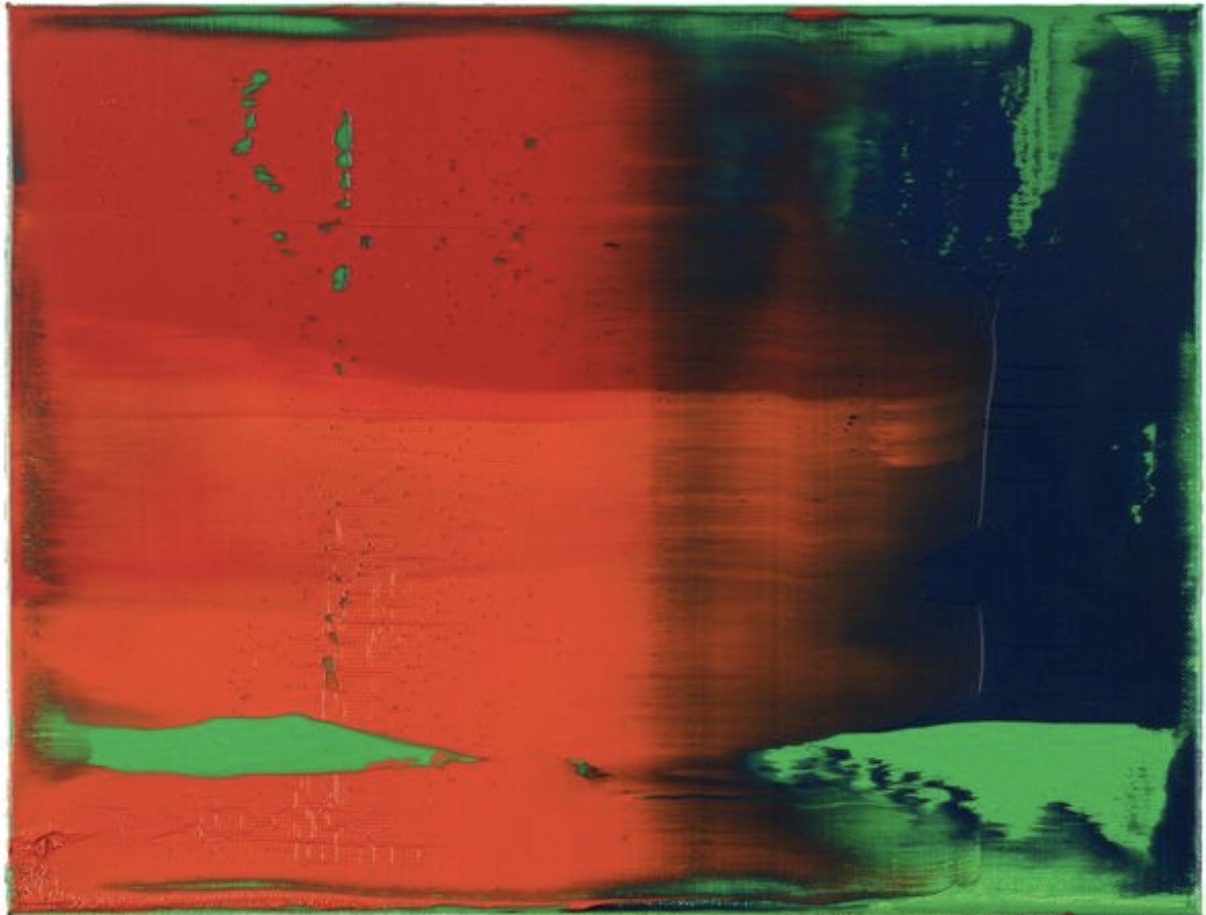
Later, Gerhard Richter's photographic paintings of the 1960s and 1970s raised entirely new questions about what it means to render two faces in paint when photography already does the job of likeness so efficiently. Richter, by blurring and flattening his painted images, pointed to the gap between a person and their representation, a gap that the double portrait had always quietly contained. David Hockney approached the double portrait with an almost anthropological curiosity. His famous double portraits of the late 1960s and 1970s, including the large canvases depicting friends and couples in the spare interiors of California, are among the most discussed paintings of the postwar period.
Hockney once described spending considerable time simply watching his subjects in their domestic environments before committing to a composition, and that slow attentiveness shows. The figures in his double portraits occupy the same space but often seem to inhabit entirely separate inner worlds, which may be his most honest observation about human closeness. The techniques and materials involved in double portrait painting have always been shaped by what the artist wants the relationship between figures to convey. The physical distance between sitters is never accidental.
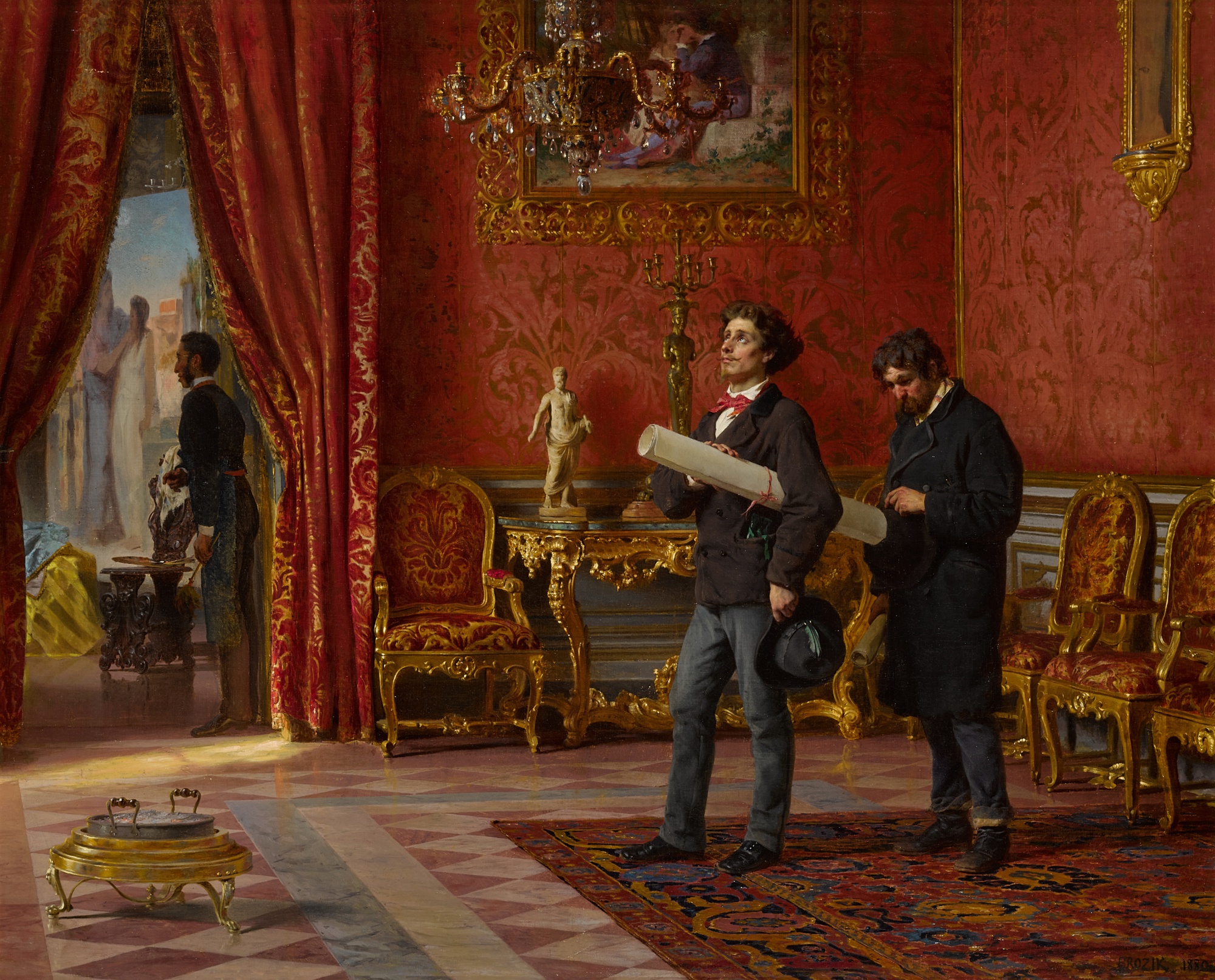
Václav Brožík
Two Artists (Voytech Hynais and Brozik)
Neither is the handling of light, which can be used to unite two figures under a single warm source or to isolate each one in their own pocket of illumination. Hands are particularly telling. When two figures touch, or almost touch, or very deliberately do not touch, the painter is making an argument about the nature of their connection. It is a form of visual rhetoric that rewards slow and careful looking.
What keeps the double portrait vital today is precisely what made it compelling in van Eyck's time: the irreducible complexity of human relationships. We live in an era saturated with paired images, the profile photograph, the couple selfie, the collaborative portrait session, and yet the formal double portrait still carries a weight that more casual images cannot match. It asks both painter and viewer to sit with two people long enough to understand something true about them, which is a rarer and more demanding experience than it sounds. The works gathered on The Collection across this tradition, from the Baroque formalism of the van Dyck circle to the cool modernity of Richter and Hockney, make that demand beautifully and without apology.