Digital Style
Julian Opie
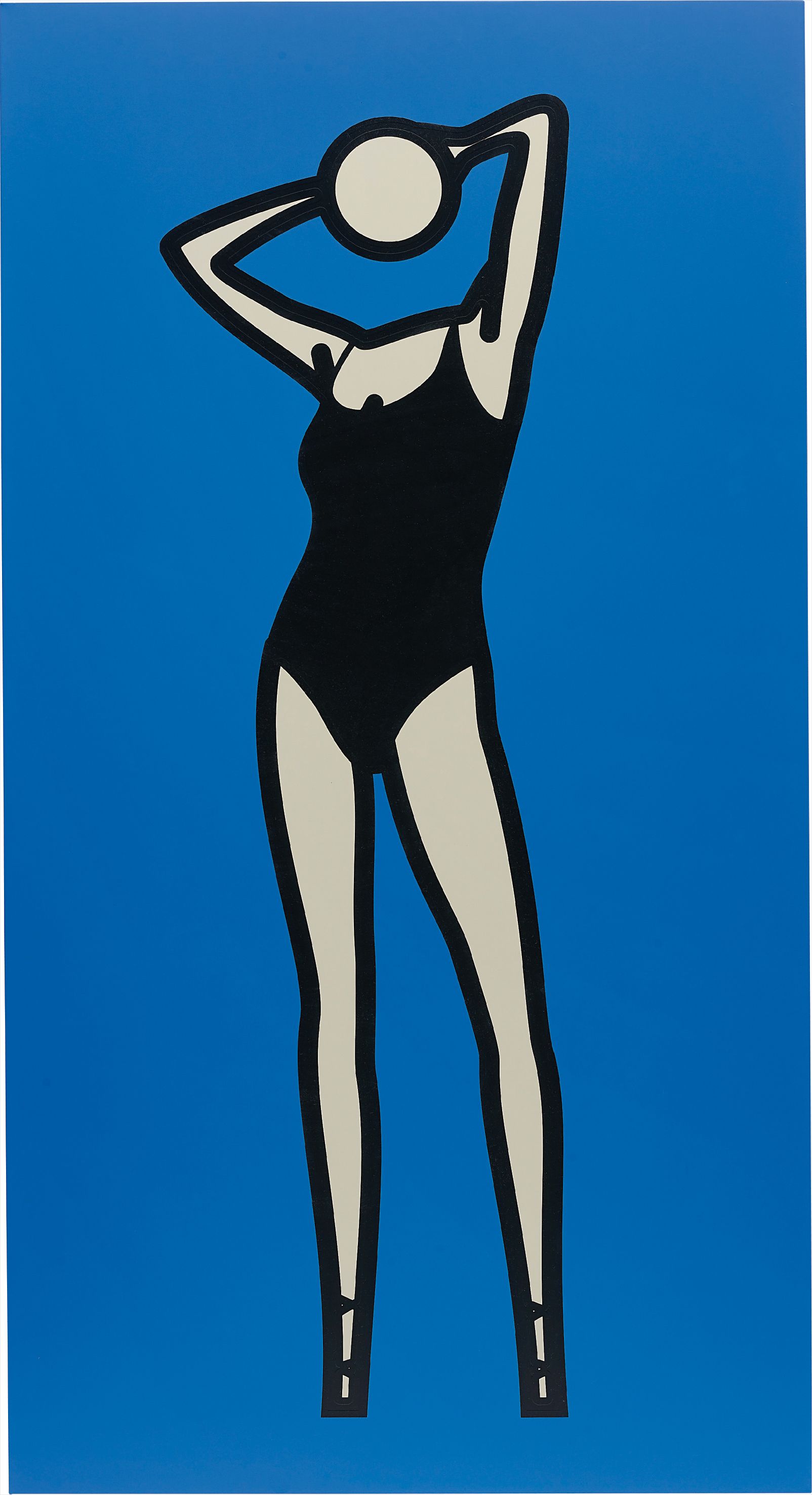
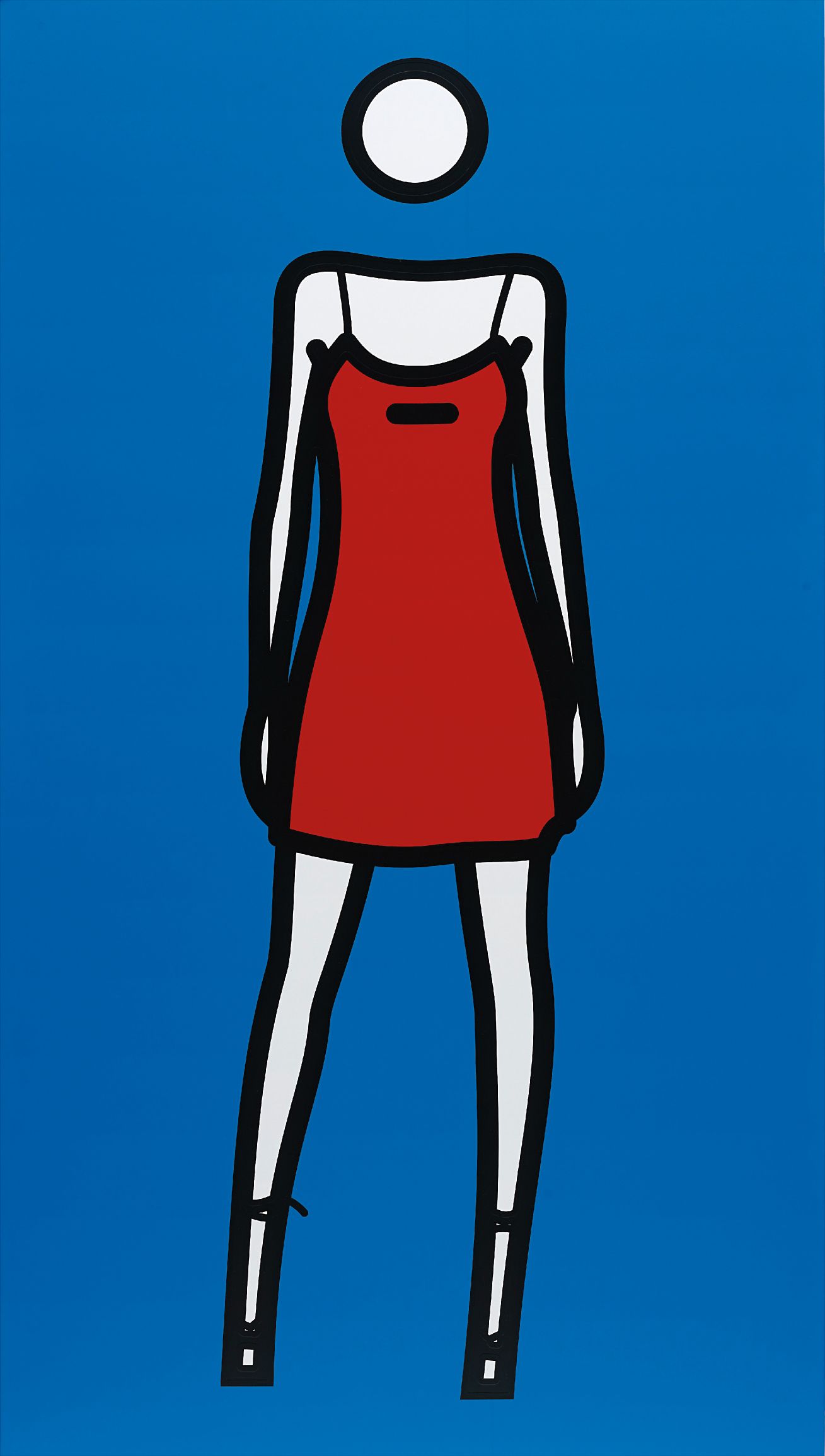
Woman posing in summer dress. 1.
Artists
```json
{ "headline": "When the Pixel Became the Brushstroke", "body": "There is a moment, familiar to anyone who has stood in front of a Julian Opie portrait, when the brain performs a small and pleasurable act of reconciliation. The image is unmistakably a face, unmistakably a person, and yet it is assembled from the most reduced vocabulary imaginable: flat fills, bold outlines, the barest suggestion of feature. It looks, in other words, like something a screen would make. And in that recognition lies the central tension and the central delight of digital style as an artistic language, a mode that has quietly reshaped how we think about likeness, representation, and what pictures are actually for.
", "There is a temptation to treat digital style as a recent phenomenon, a product of the laptop and the graphics tablet. But its conceptual roots run considerably deeper. The aesthetic that we now associate with clean vectors and flat color owes a genuine debt to earlier movements that prized reduction over embellishment. The Pop artists of the 1960s, Warhol and Lichtenstein in particular, were already borrowing the visual grammar of commercial reproduction and asking serious questions about what happened to an image when it was mechanically flattened and repeated.
Julian Opie
Woman posing in summer dress. 1.
The language was different, silkscreen and Ben Day dots rather than pixels, but the interrogation was the same. What does a picture lose when you strip it of texture and depth, and what, unexpectedly, does it gain?", "The more direct lineage of digital style as a recognized category begins in the 1980s, when artists and designers first gained meaningful access to software tools that could generate images outside the traditions of hand craft. Early computer graphics had a utilitarian reputation, associated with scientific visualization and corporate presentations rather than fine art.
That began to shift as a generation of artists approached the computer not as a tool for efficiency but as a medium with its own aesthetic properties and its own limitations worth exploring. Exhibitions like Computers and Art, mounted at the Everson Museum in Syracuse in 1987, began the work of legitimizing this conversation within institutional contexts, even if the broader art world remained skeptical for years afterward.", "By the 1990s, the question of what a digitally inflected visual language could look like was being answered from several directions at once. Graphic culture, video game aesthetics, and the emerging visual language of the internet all fed into a sensibility that prized flatness, boldness, and legibility.
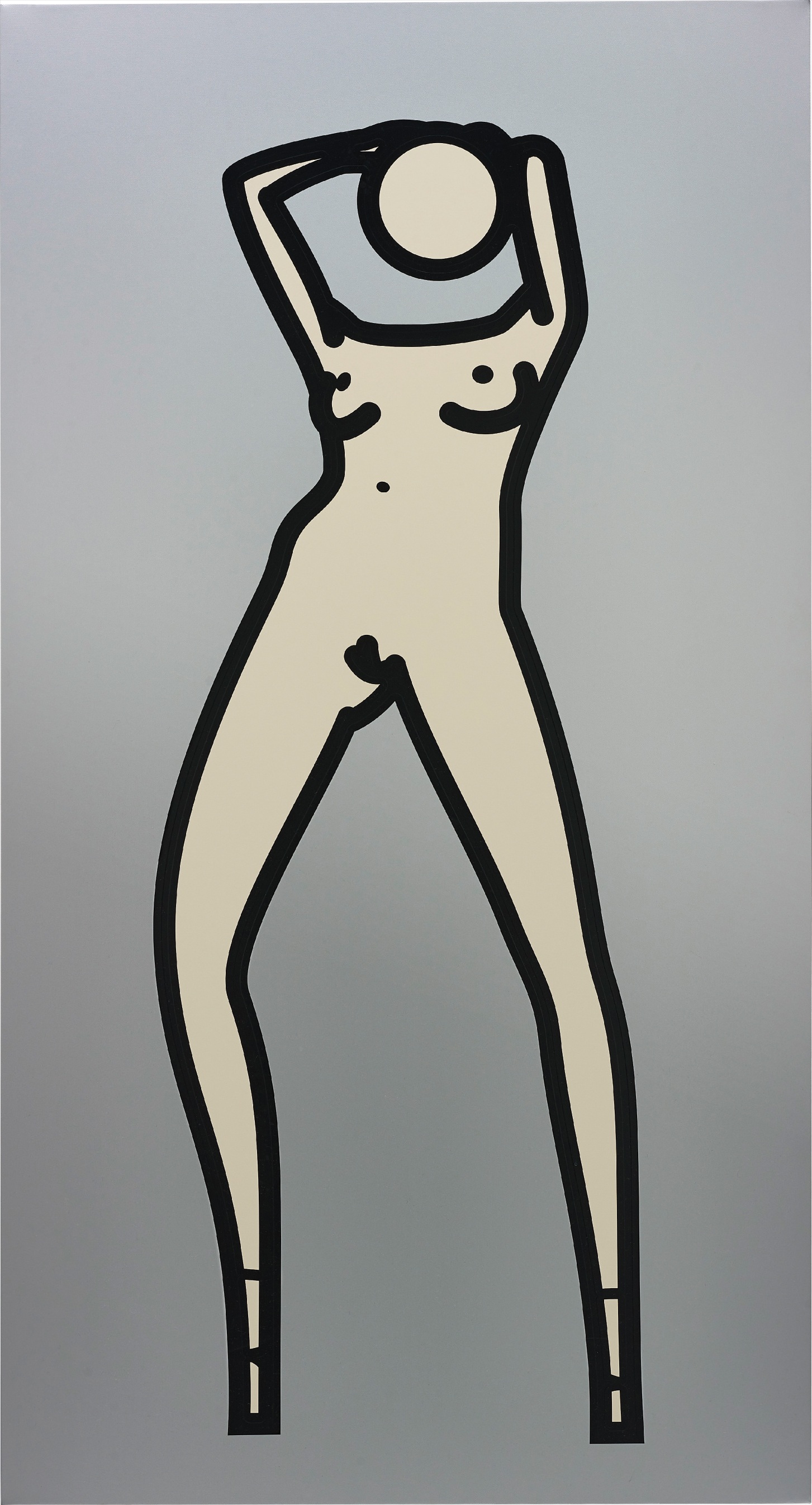
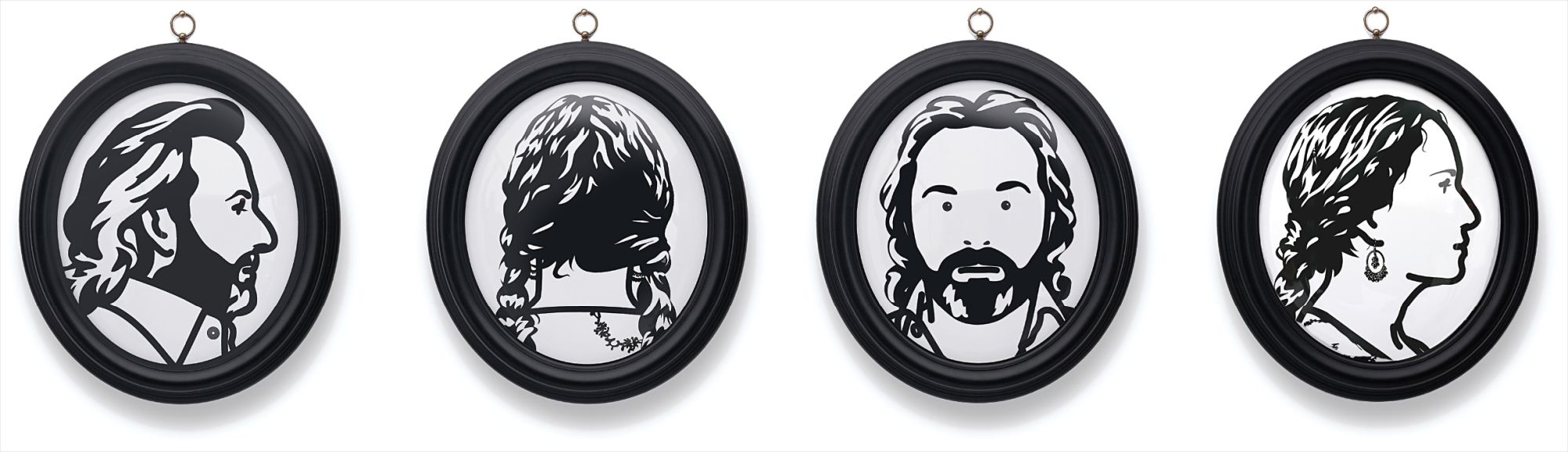
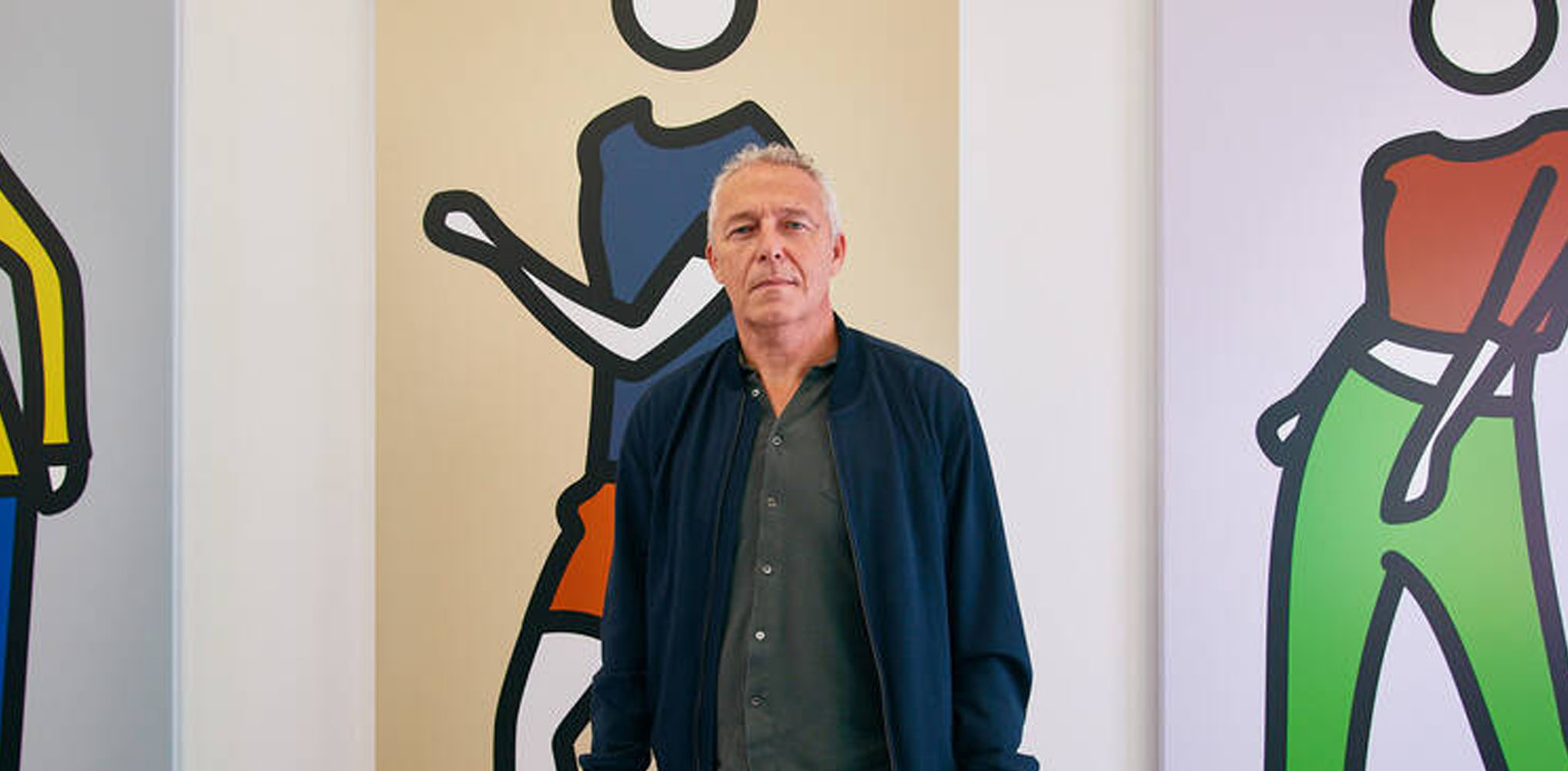
Julian Opie arrived at his signature style through a slightly different route, moving from the painted objects of his early career toward an increasingly stripped back form of portraiture that felt entirely at home in an age of screens. His walking figures and deadpan faces, rendered in vinyl and light box as often as on canvas, read as both ancient and completely contemporary. They carry an echo of Egyptian hieroglyph and Roman mosaic while looking, unmistakably, like icons in the modern software sense of the word. His works on The Collection demonstrate this quality with particular clarity, each piece operating as a kind of visual argument about how much you can remove before recognition collapses.
", "What defines digital style as a category is not simply the use of software, though software is often involved. It is a set of formal commitments that mirror the logic of digital image making even when the tools are entirely analog. Flatness is paramount. Color tends to be unmodulated, arriving in solid zones rather than gradients, unless the gradient itself is deployed as a deliberate stylistic choice.
Line work is clean and often dominant, serving as structure rather than mere contour. These are the visual conventions that screens have trained us to read fluently, and artists working in this mode understand that fluency as both a resource and a subject. The style does not simply use digital conventions. It thinks about them.
", "The cultural significance of digital style extends well beyond the art world. We live inside this aesthetic in ways that most people never consciously register. The icons on every smartphone, the flat design revolution that swept through corporate branding in the early 2010s, the visual language of social media platforms and streaming services: all of it shares DNA with what artists like Opie had been exploring for decades. When Apple shifted its operating system toward flat design in 2013, design critics debated the change as though it were new.
Artists had been having the same conversation in galleries and on walls for years before that. This is one of the more satisfying reversals in the history of style: fine art arriving at a visual language before commerce does, and then watching commerce catch up.", "Today, digital style sits at an interesting inflection point. The rise of NFTs and blockchain based art marketplaces between 2020 and 2022 brought an enormous wave of attention to digitally native image making, some of it artistically serious and much of it emphatically not.
The noise of that moment has settled somewhat, and what remains is a clearer view of the artists who were doing genuinely considered work in this register all along. The conversation has also expanded to include questions about artificial intelligence and image generation, which introduces new pressures and new possibilities for artists thinking about flatness, repetition, and the nature of pictorial authorship. These are not comfortable questions, but they are the right ones for a style that has always been interested in what machines do to pictures.", "For collectors, digital style rewards a particular kind of looking, patient, curious, willing to sit with an image that initially offers little in the way of painterly incident or surface drama.
The pleasure is conceptual as much as retinal. A work by Julian Opie does not ask you to admire the evidence of a hand at work in the way a gestural painting does. It asks you instead to think about recognition, about identity, about the strange efficiency of the reduced sign. That is a different kind of conversation between artwork and viewer, and for collectors who have made room for it, it tends to be a lasting one.