Designer Toy
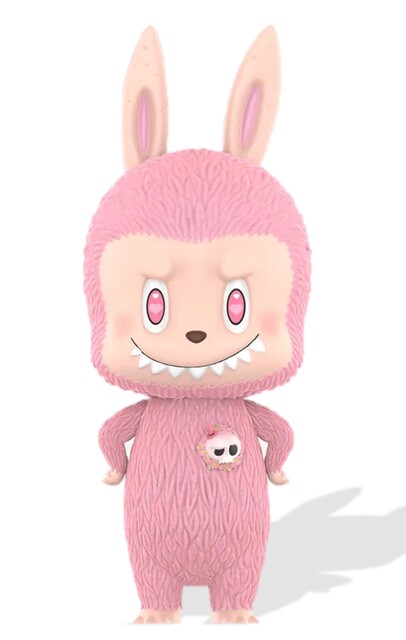
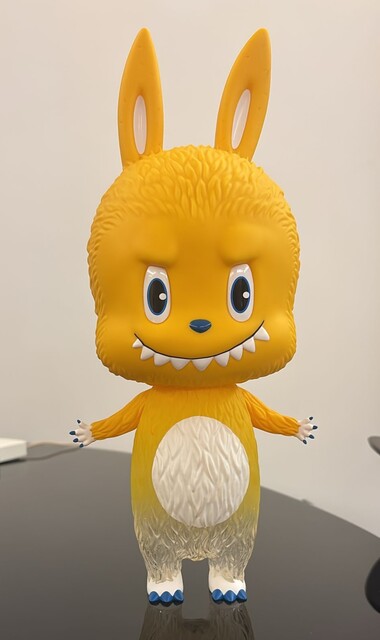
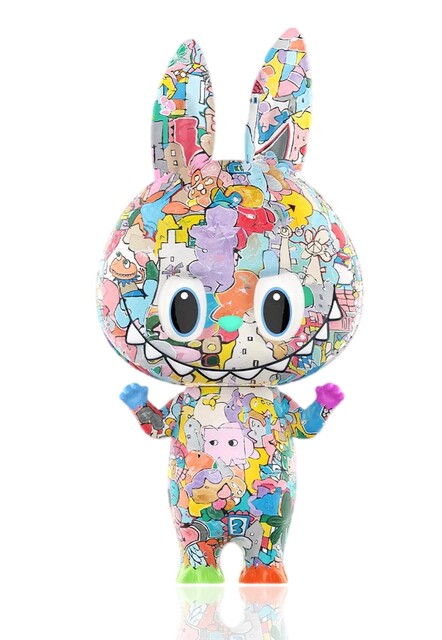
Kasing Lung, LABUBU
Mega Labubu Tec 1000% (Pink Zimomo), 2024

The Toy That Refused to Stay Small
There is a moment, familiar to anyone who has stood in front of a KAWS figure or held a Labubu in their hands, when the object refuses to be categorized. It is too considered to be a toy, too playful to be sculpture in the conventional sense, and too culturally loaded to be dismissed as merchandise. Designer toys occupy this productive tension deliberately, and that is precisely what makes them one of the most compelling developments in contemporary art over the past three decades. They have moved from the shelves of niche skateboard shops to the auction rooms of Sotheby's, carrying with them a set of questions about authorship, access, and the nature of the collectible object that the art world is still working through.
The origins of the movement are rooted in the street cultures of Hong Kong and New York in the late 1990s. The foundational moment is generally traced to 1997, when Hong Kong artist Michael Lau began producing his Gardener figures, small vinyl characters drawn from the skateboarding and hip hop communities he was documenting as a comic artist. Lau's figures were not mass produced toys in the conventional sense. They were limited edition objects conceived by an artist, produced in deliberate scarcity, and sold through channels that blurred the line between retail and gallery.
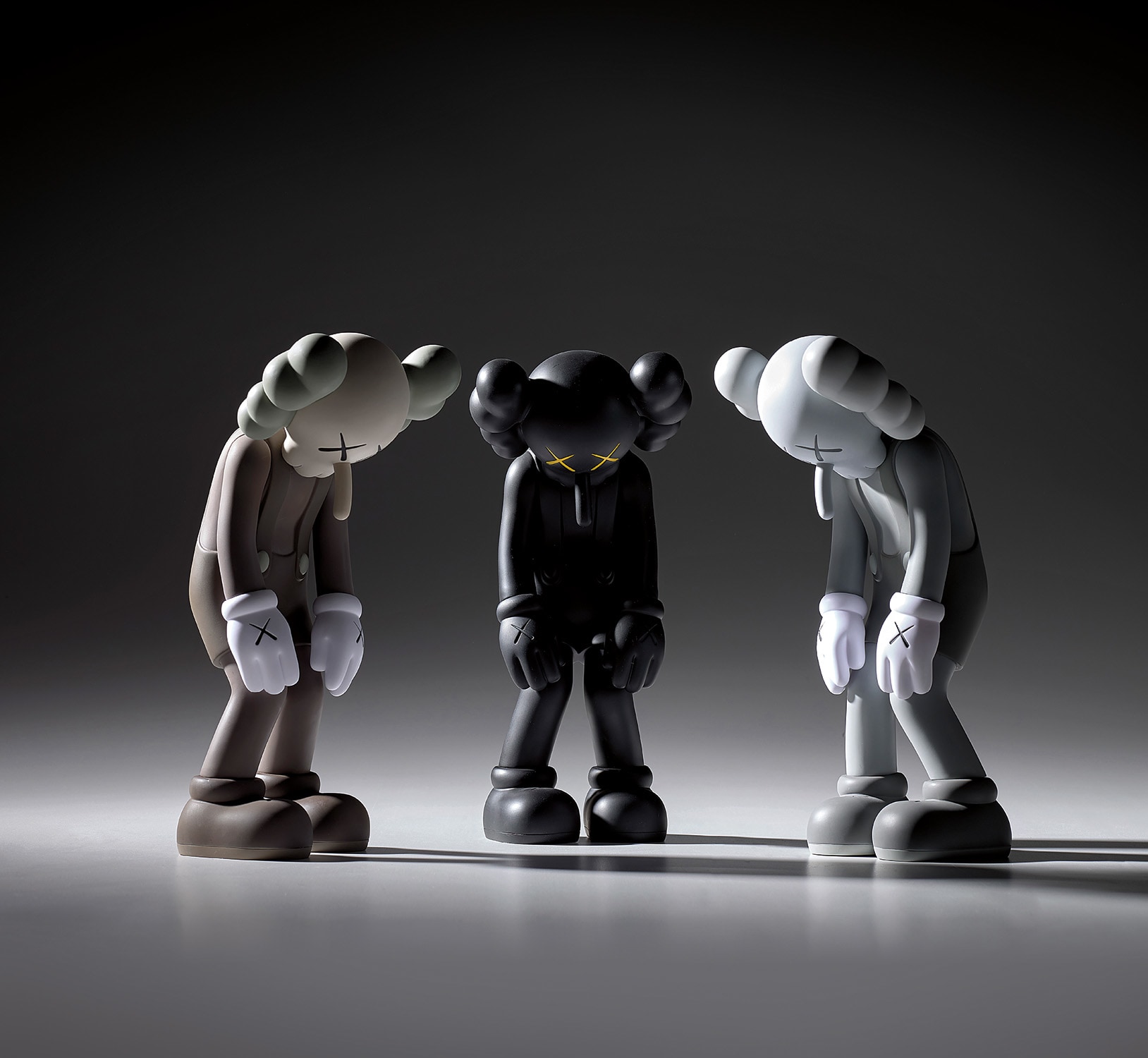
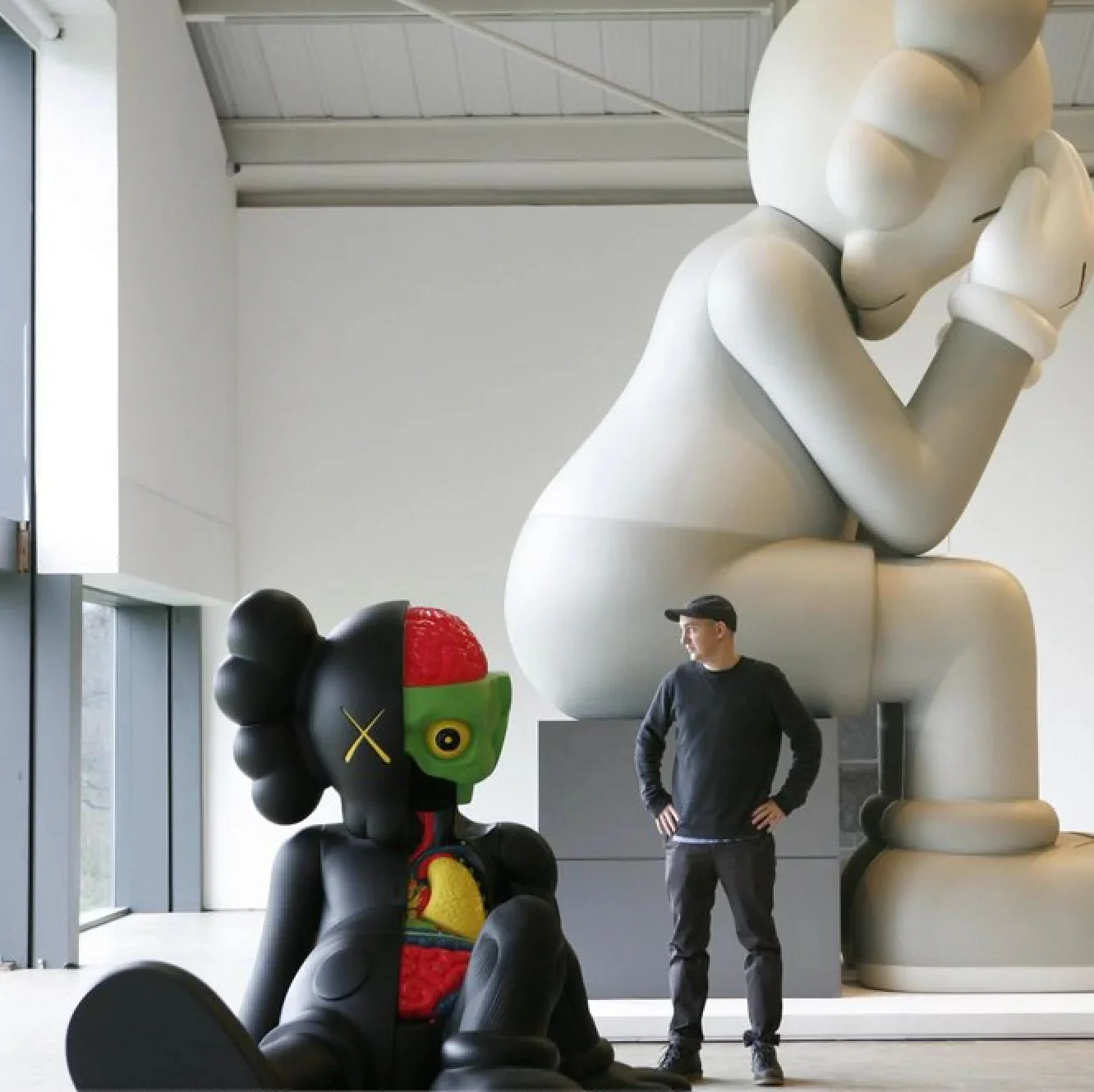
KAWS
Three works: (i), 2017
Around the same time in New York, the artist KAWS began defacing Calvin Klein and Chanel advertising billboards, inserting his crossbone motifs and bulging eyes into the visual language of consumer culture. That same irreverent energy migrated naturally into vinyl figures when KAWS began collaborating with the Japanese toy company Medicom in the early 2000s, producing the Companion figure that would become one of the most recognized sculptural forms of the century so far. Japan was central to the movement's maturation. Toy makers like Medicom Toy and manufacturers in Osaka and Tokyo brought a level of craft and material precision to vinyl production that elevated the objects considerably.
The country already had a rich tradition of collectible character culture, from the keshi rubber figures of the postwar era to the sophisticated model kits produced for adult collectors throughout the 1980s. When Western street artists and illustrators encountered this infrastructure, the results were galvanizing. The annual DesignerCon, which began in California in 2008, became a key gathering point for artists and collectors, while gallery shows in Hong Kong, Los Angeles, and Tokyo gave the objects a more explicitly fine art context. These were not toys being elevated by proximity to art.
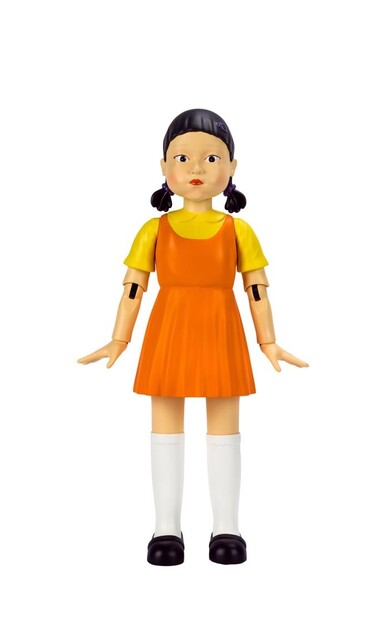
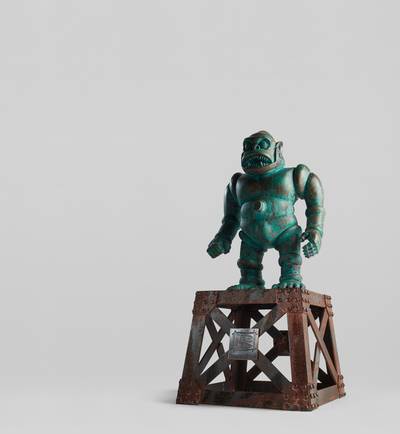
FWENCLUB X SQUID, FWENCLUB
Squid Game Young-Hee, 2022
They were art objects that had chosen the toy as their native form. The artists working in this space share certain formal concerns even as their visual languages diverge dramatically. Kasing Lung, the Belgian born Hong Kong based artist whose Labubu character has become a genuine global phenomenon, works from a visual world steeped in Scandinavian folklore, dark illustration traditions, and the particular kind of melancholy that runs through the best children's literature. His creatures are not cute in any comfortable sense.
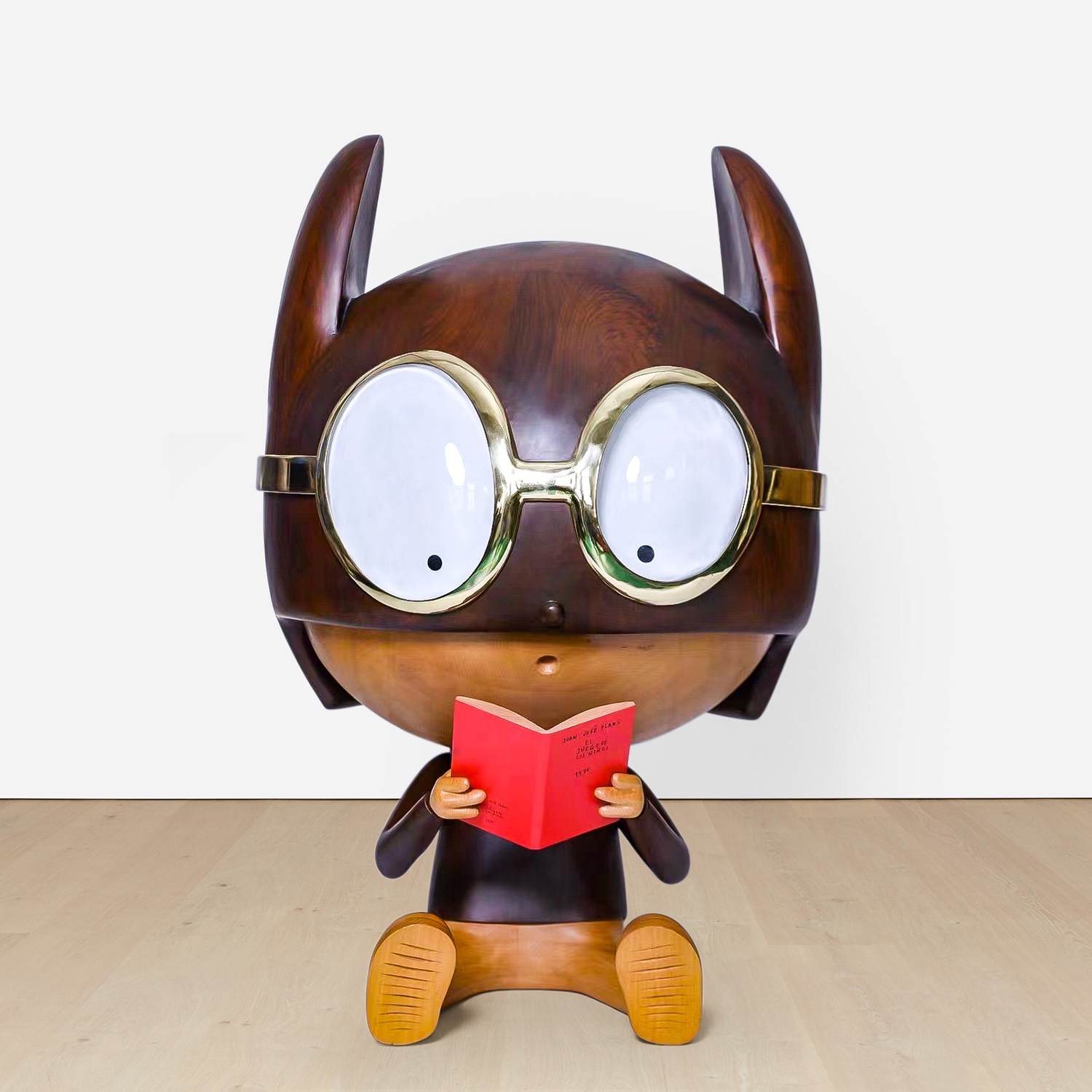
They are sharp toothed, wide eyed, and slightly feral, belonging to a lineage that includes Edward Gorey and Brian Froud as much as it does any toy designer. The Labubu figures available through The Collection carry this complexity beautifully, objects that reward extended looking in a way that mass produced toys simply do not. Edgar Plans brings a different sensibility, his hooded bear characters drawn from urban painting traditions and carrying a warmth that sits alongside genuine emotional weight. Plans trained as a painter and it shows in the way color and surface are treated in his three dimensional work.
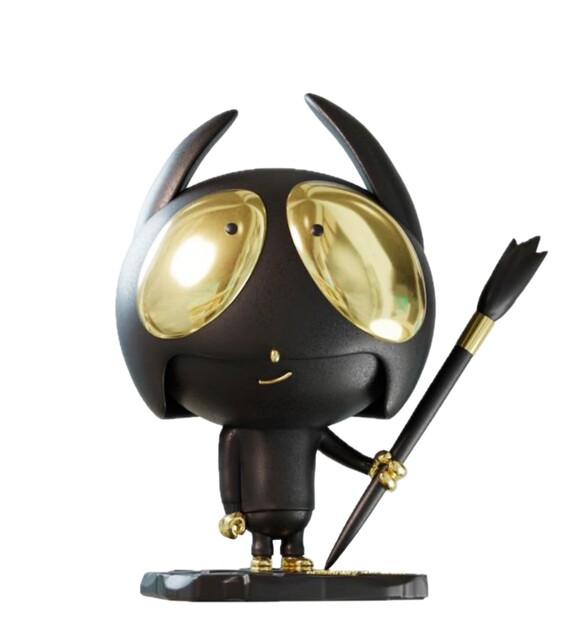
Edgar Plans
Legendary Gold Art Toy (Lil Heroes), 2023
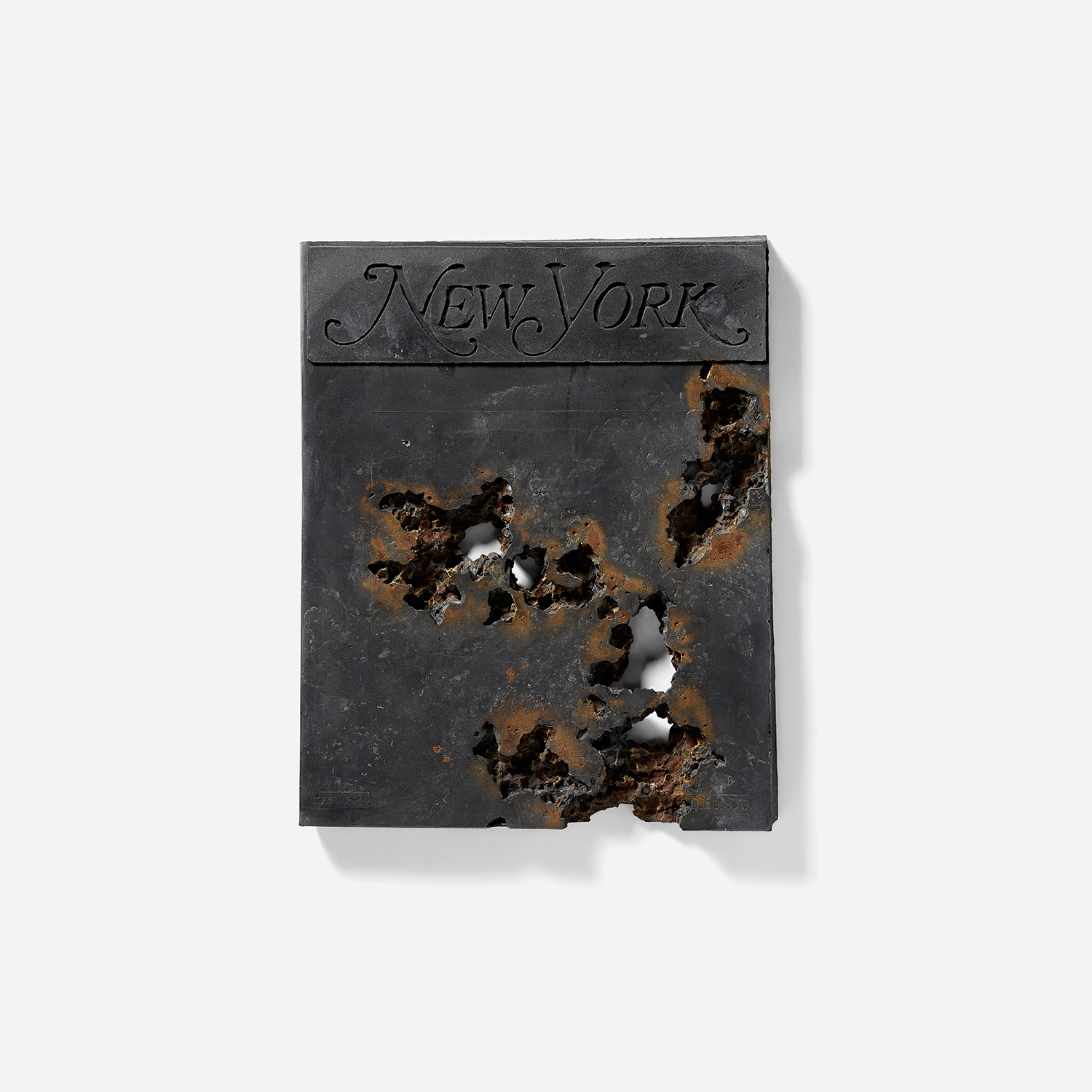
Daniel Arsham represents perhaps the most formally rigorous end of the spectrum. His engagement with designer toys is inseparable from his broader practice around fictional archaeology and the erosion of cultural objects. Arsham has produced figures that appear to be ancient relics of contemporary icons, Pokémon characters rendered in cast stone and crystal, his own Eroded figures covered in geological formations. These works ask the same questions as his gallery installations, about time, nostalgia, and the strange futures that await the objects we cherish now.
The fact that they are distributed through toy channels and collected by people who have never set foot in a contemporary art gallery is not incidental to their meaning. It is the point. Collaborations like those seen from FWENCLUB, including the FWENCLUB x Squid project represented on The Collection, push the form into more community oriented territory, where the collectible object becomes a vehicle for shared identity and belonging. The cultural significance of designer toys is inseparable from the democratization of collecting that they enabled.
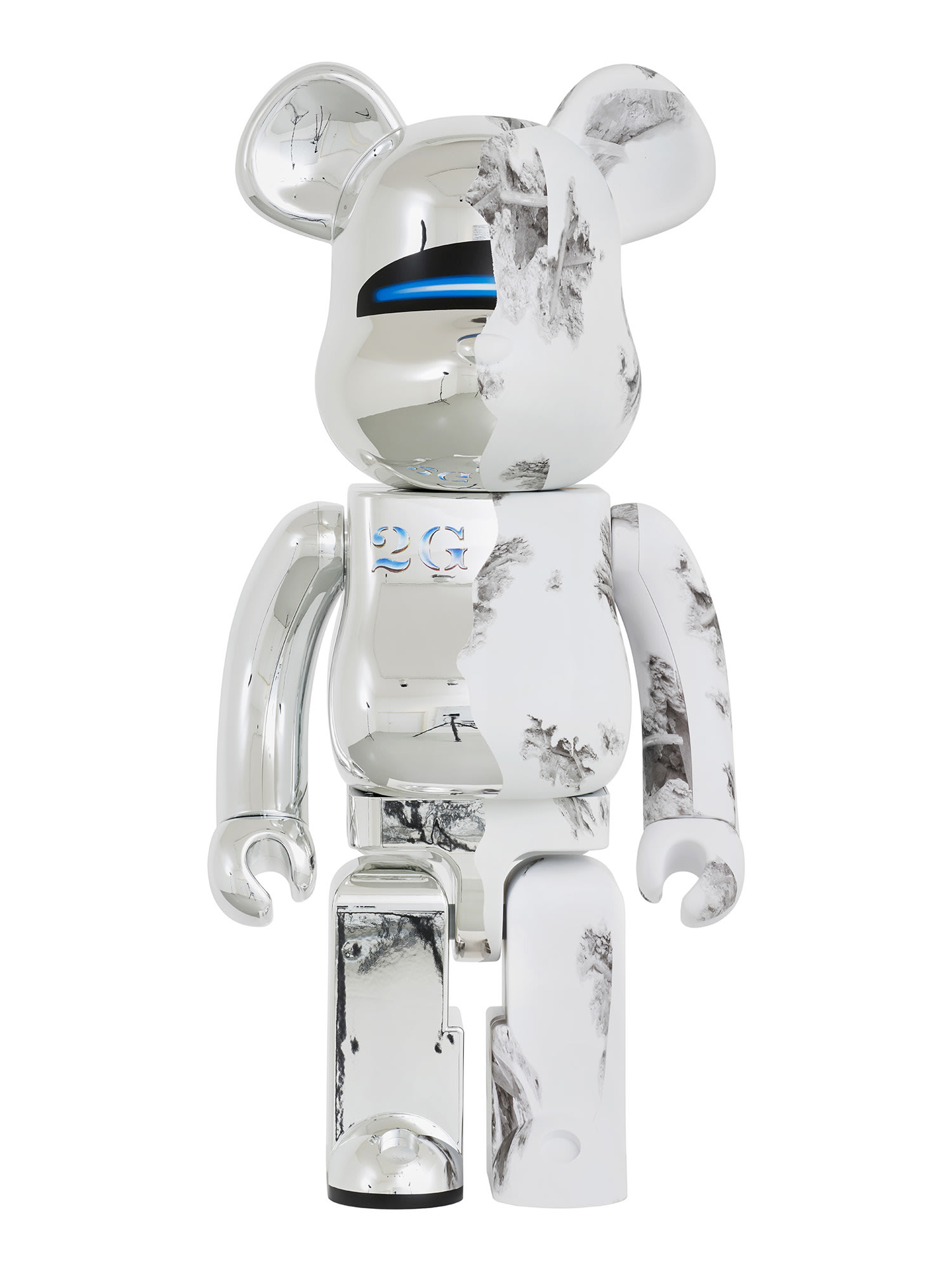
Daniel Arsham
Be@rbrick 1000%, 2019
A collector who could not afford a KAWS painting could own a KAWS figure. Someone drawn to the visual world of a particular artist could bring a piece of that world home for a fraction of the cost of a canvas. This was not a dilution of the art experience but an expansion of who gets to have it. The secondary market has since complicated this somewhat, with rare figures trading at multiples of their original retail price and speculators treating certain releases the way they treat limited edition sneakers.
But the core impulse remains generous, and the best designers in the space are aware of it. Artists like sad salesman, whose work on The Collection reflects a knowing engagement with internet culture and the aesthetics of millennial melancholy, continue to find in the toy form a directness of emotional communication that other media struggle to match. What designer toys have ultimately contributed to the broader art conversation is a rethinking of what seriousness looks like. The assumption that scale confers gravitas, that a monumental sculpture matters more than a pocket sized one, or that materials associated with childhood are inherently less worthy than bronze or marble, has been quietly dismantled over three decades of rigorous, playful, formally inventive work.
The toy has been a Trojan horse, carrying ideas about consumer culture, nostalgia, identity, and belonging into spaces that might otherwise have resisted them. For collectors paying attention, it remains one of the most vital and least exhausted territories in contemporary art.