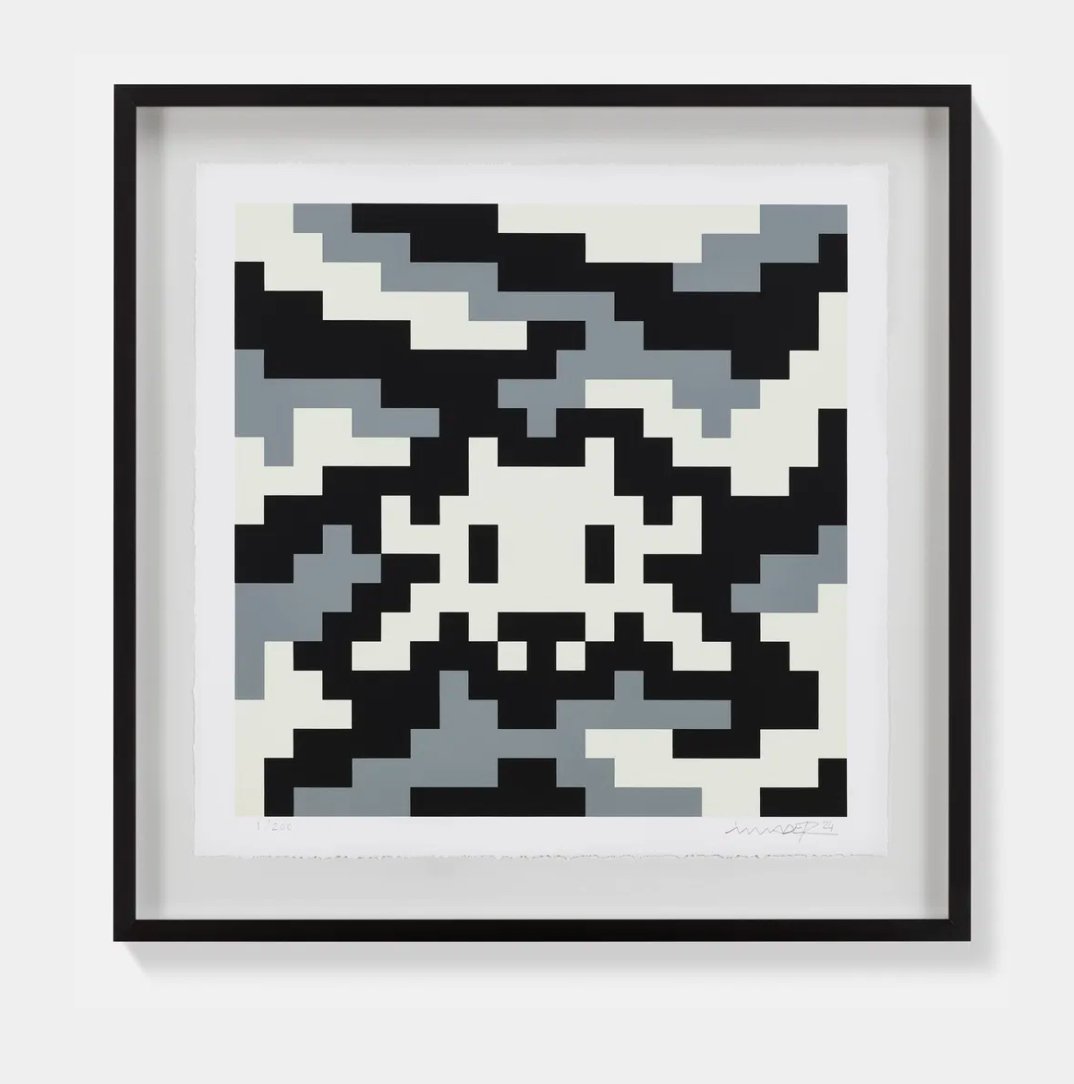
Deconstruction
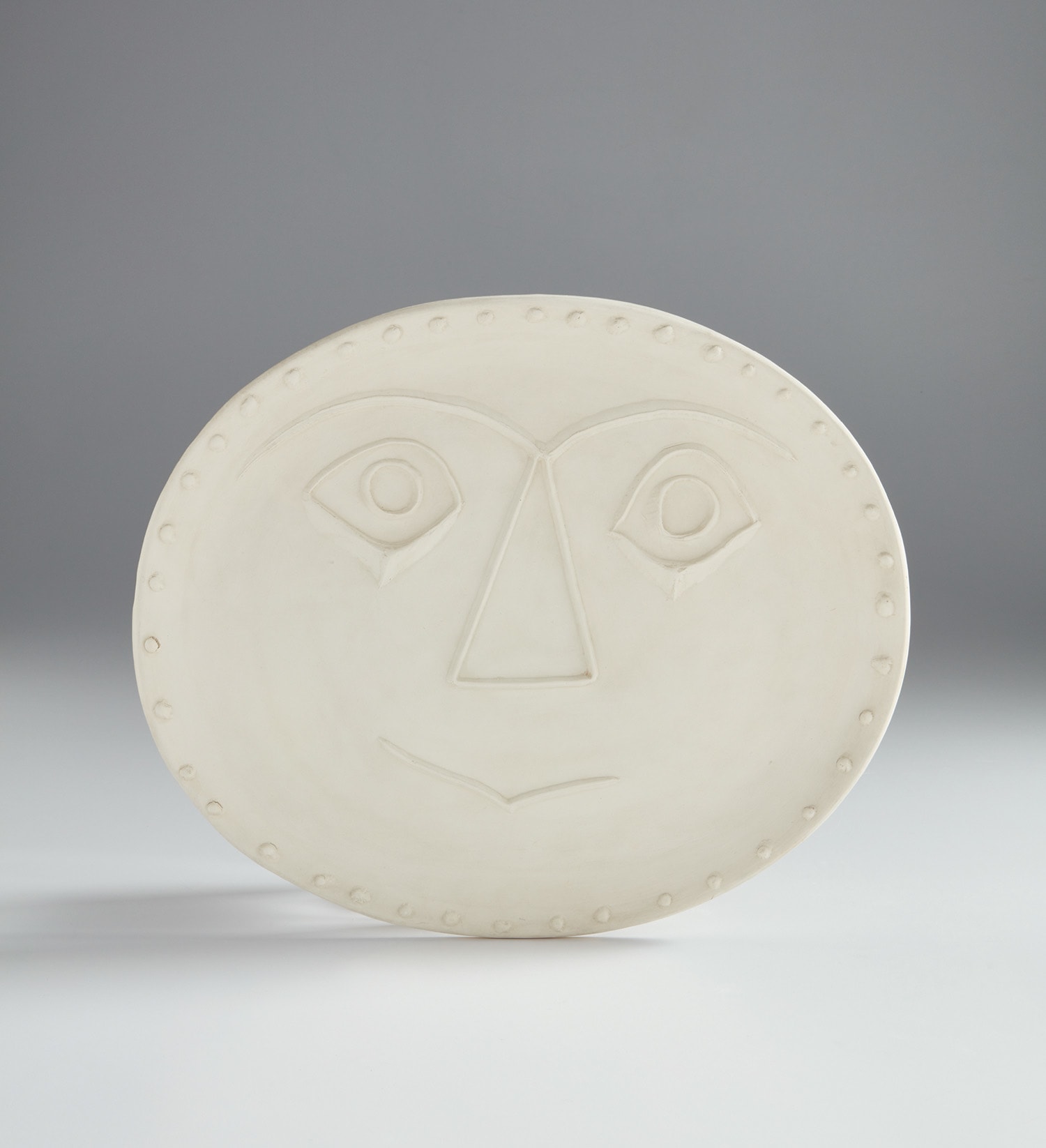
Pablo Picasso
Geometric face (Visage géométrique)


Breaking Things Open: The Art of Deconstruction
When a Gordon Matta Clark work on paper appeared at Christie's a few years ago and sailed past its high estimate, it felt like more than a market correction. It felt like a verdict. Collectors were not simply buying a drawing. They were buying into a philosophy, a conviction that the act of taking something apart is itself a form of making.
Deconstruction as an artistic mode has been building toward this kind of cultural authority for decades, and right now it is arriving fully formed. The term carries philosophical baggage, of course, trailing Jacques Derrida and the theoretical upheavals of the 1970s and 1980s wherever it goes. But in the visual arts, deconstruction has always been more physical than academic. It is about cutting, tearing, splitting, and destabilizing the very structures that hold an image or an object together.
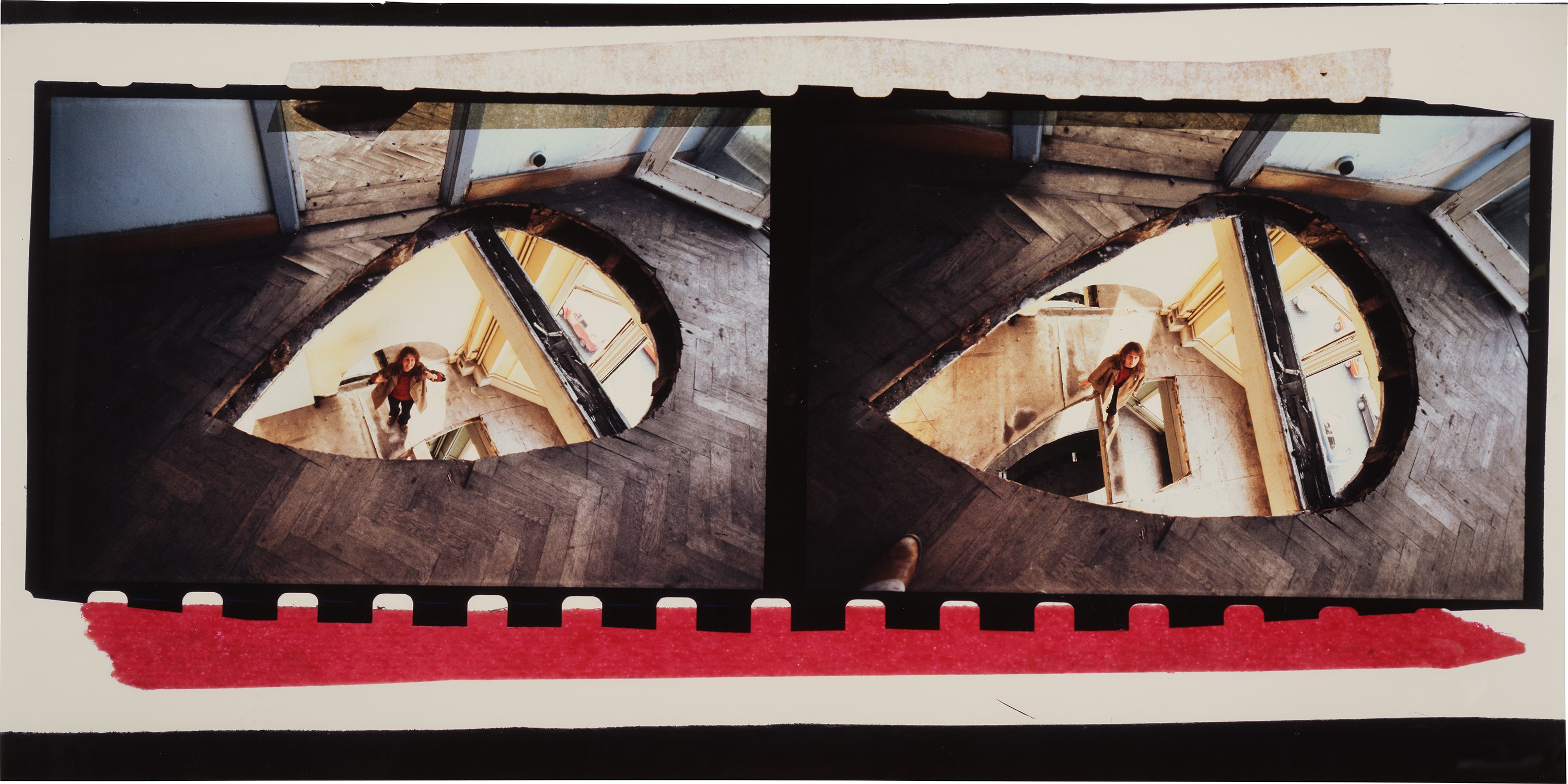
Gordon Matta-Clark
Office Baroque
Matta Clark understood this with visceral clarity. His building cuts, in which he literally sawed through abandoned urban structures to reveal their hidden geometries, remain among the most radical gestures in postwar art history. The fact that almost none of those works survive in their original form only intensifies their power. What remains are the photographs, the films, and a body of related works on paper that the market has increasingly come to cherish.
Museum programming over the past decade has done significant work to contextualize and expand the conversation around deconstruction as a visual practice. The Museum of Modern Art's 2018 retrospective devoted to Matta Clark brought a new generation face to face with the original provocation of the gesture. But the more interesting institutional moves have happened at smaller scales, in exhibitions that bring his legacy into dialogue with artists working today. Samuel Levi Jones, whose practice involves dismantling legal volumes, encyclopedias, and other repositories of institutional authority, has been shown in this lineage with increasing frequency.
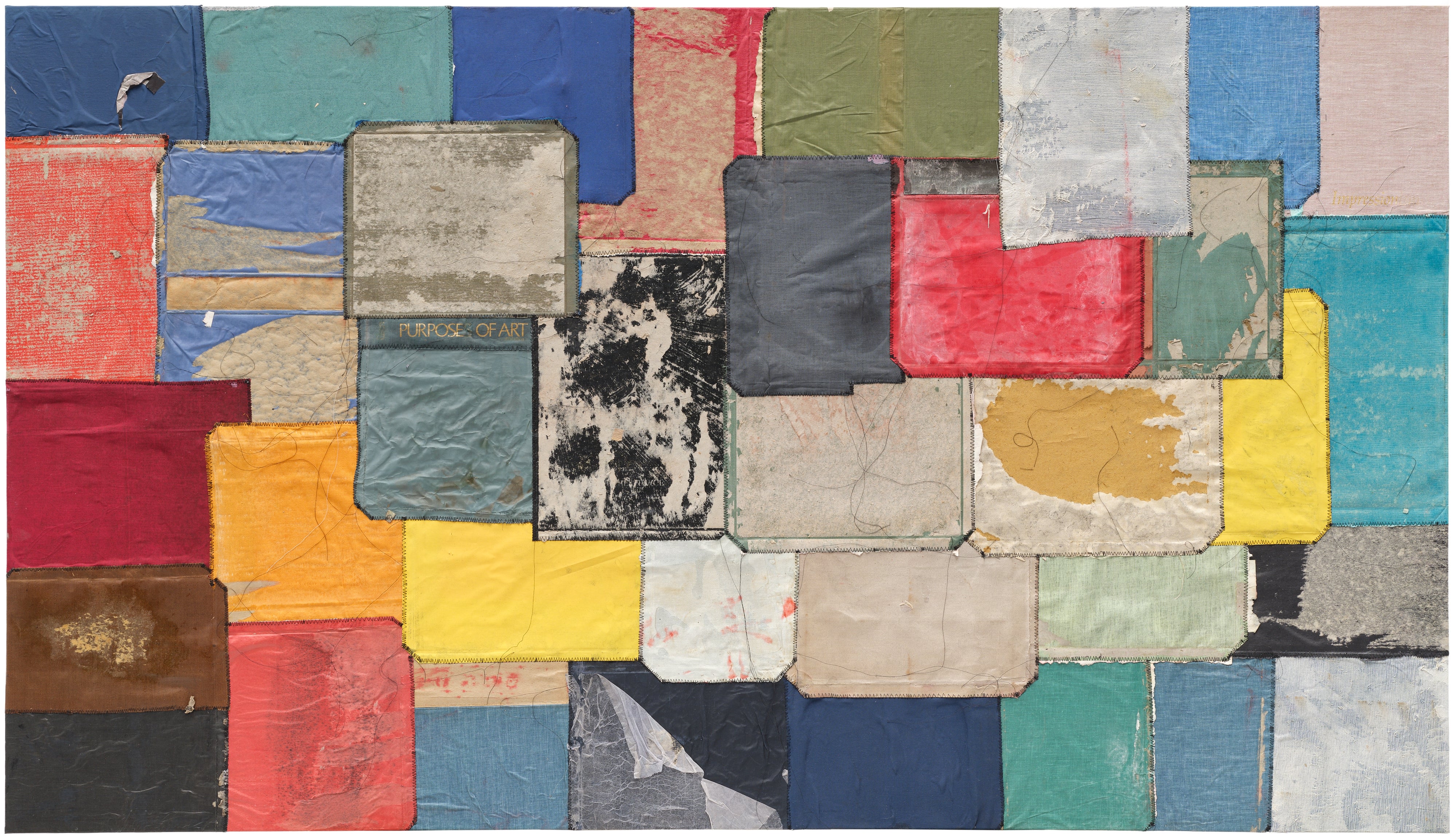
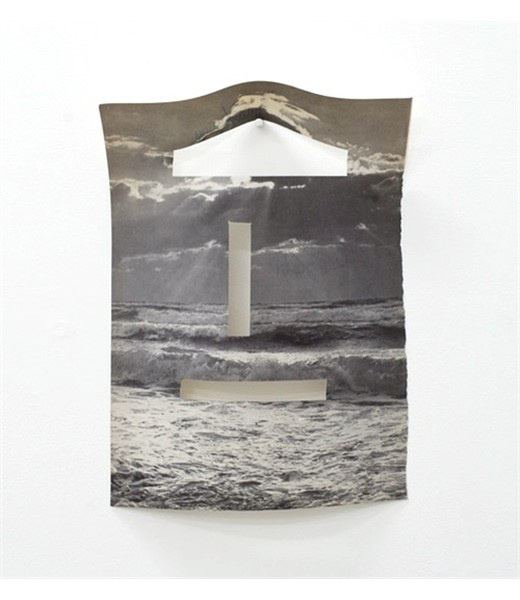
Samuel Levi Jones
Purpose, 2019
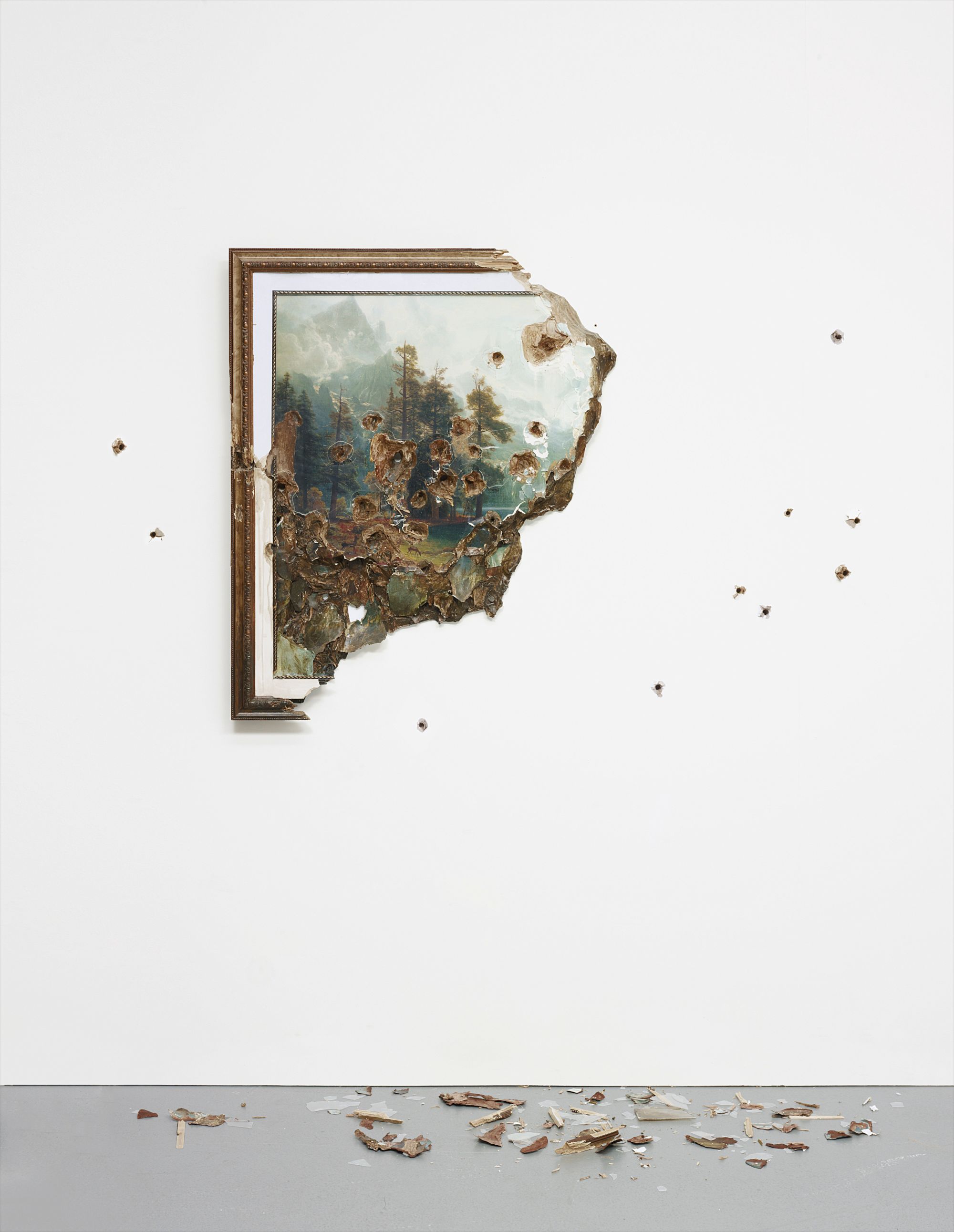
His work literalizes what Matta Clark did to architecture, applying it to the structures of knowledge and power themselves. When institutions like the Indianapolis Museum of Art and the Museum of Contemporary Art Chicago have given Jones significant exhibition space, they are signaling something about how seriously the field takes this mode of inquiry. Valerie Hegarty occupies a related but distinct territory, one where deconstruction meets the uncanny. Her works, which appear to show canonical paintings in states of decay or violent disruption, introduce a temporal dimension that purely structural approaches can miss.
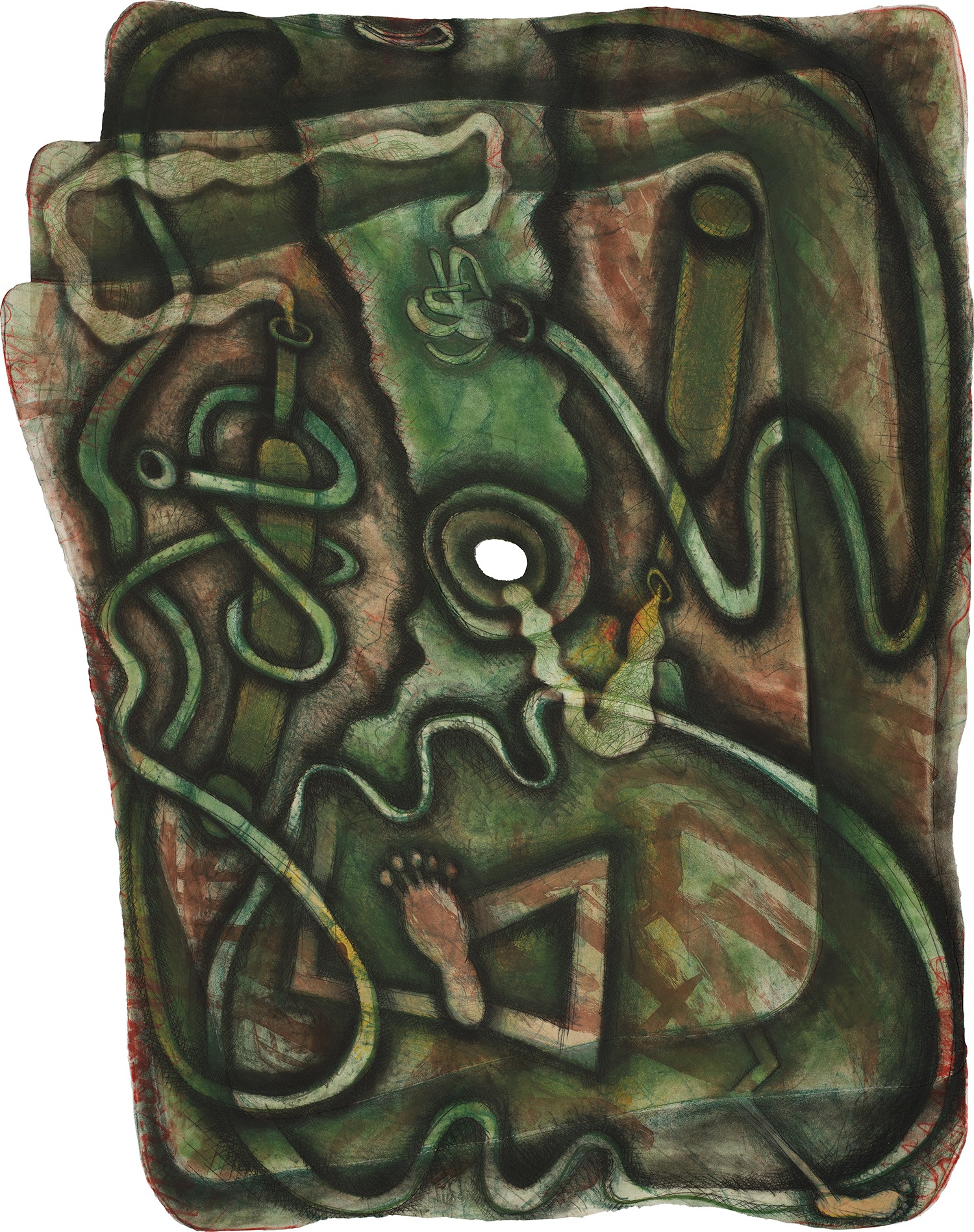
A Hegarty piece looks like it has already survived something, like it carries the evidence of forces the viewer did not witness. Elizabeth Murray pushed painted surfaces in a different direction, fragmenting the canvas itself into biomorphic, jigsaw like shapes that refused the rectangle's authority while remaining undeniably, joyfully paintings. Murray's work has held extremely well at auction, with major canvases from the 1980s regularly attracting serious competition. Her presence in the collection of the Museum of Modern Art and the Whitney has given the market a confidence that tends to sustain prices over time.
Pablo Picasso
Geometric face (Visage géométrique)
Pablo Picasso shadows all of this, naturally. The cubist fracturing of the picture plane is the ground zero of visual deconstruction in modernism, the gesture from which almost everything else in this lineage descends. Picasso works that foreground that analytical dismantling of form continue to set the terms by which the broader category is valued. When a Cubist period canvas comes to market, the bidding reflects not just demand for Picasso specifically but a deep collector appetite for the foundational logic of the entire mode.
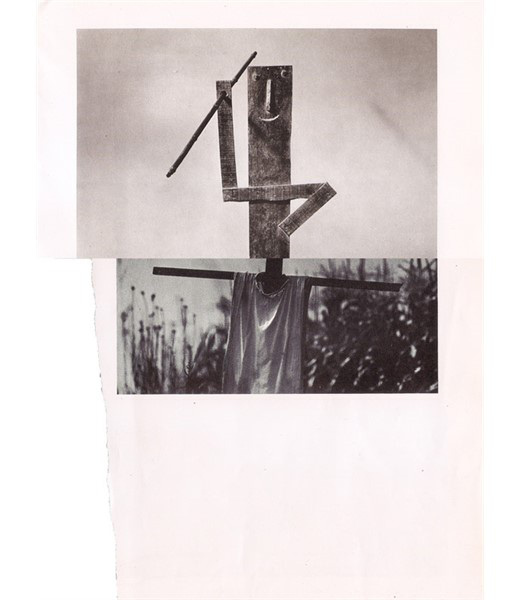
That logic, the idea that understanding something requires breaking it apart, has proven remarkably durable across more than a century of art making. Milo Matthieu brings the conversation into a contemporary register that feels genuinely alive. His work engages with deconstruction in ways that are culturally specific, drawing on the aesthetics of collage and assemblage to dismantle and reassemble imagery around questions of identity and representation. There is an urgency to this kind of practice that distinguishes it from purely formalist exercises in fragmentation.
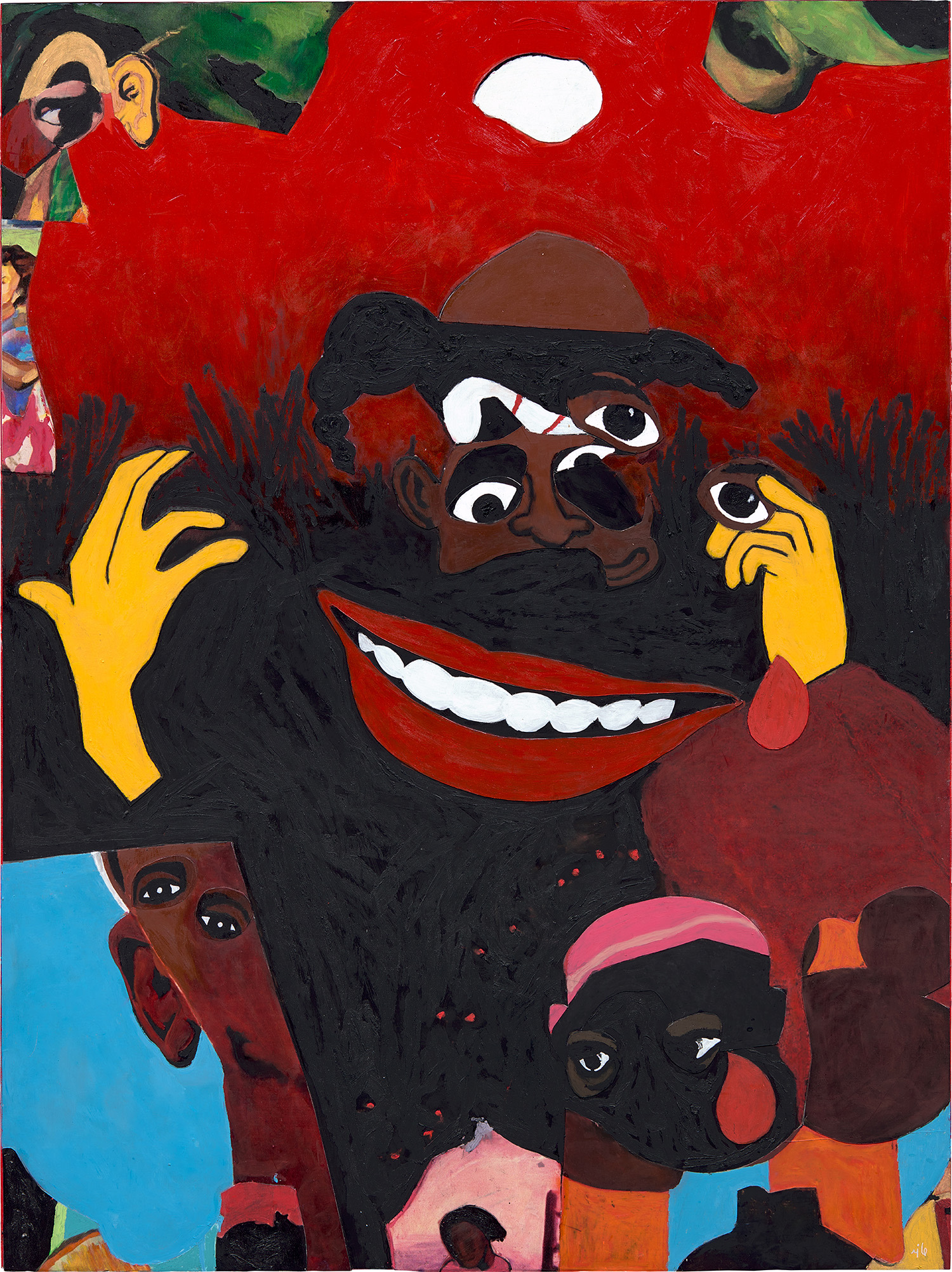
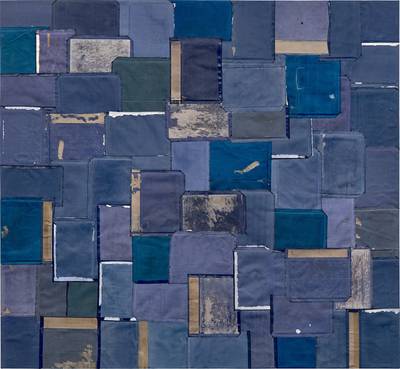
Milo Matthieu
Deconstruction, 2018
Collectors who have been paying attention to the critical writing around Matthieu, particularly in publications like Artforum and Frieze, will have noticed that the language being used to describe his work is serious and sustained. That kind of critical scaffolding matters enormously for long term market positioning. The institutions doing the most interesting collecting in this space right now tend to be those with strong conceptual and postminimalist holdings already in place. The Hammer Museum in Los Angeles, the Walker Art Center in Minneapolis, and the Tate Modern in London have all made acquisitions in recent years that suggest a sustained commitment to deconstruction not as a historical category but as a living practice.
When curators like Hamza Walker, who has written extensively about structural and material disruption in contemporary art, shape acquisition strategies, the result is collections that feel coherent across generations rather than merely comprehensive. The critical conversation itself has shifted in a productive direction. For a long time, deconstruction in art was discussed primarily through a formal lens, with emphasis on the physical act of undoing. More recently, writers have been asking what gets deconstructed and to what end.
The distinction between formal play and political urgency matters enormously, and the most compelling work in this space tends to hold both in tension. Samuel Levi Jones destroying law books is not the same gesture as Matta Clark cutting through a building, even if both involve literal destruction. The specific choice of material carries meaning that formalism alone cannot account for. Where does the energy go from here?
The artists who will command the most attention in the coming years are likely those who bring deconstruction to bear on materials and systems that feel newly urgent. Digital interfaces, surveillance infrastructure, the architectures of social media, all of these represent structures waiting to be cut open. The artists working at that intersection, who understand both the physical grammar of destruction and the conceptual stakes of choosing a particular target, are the ones to watch. The works on The Collection reflect a tradition that is far from exhausted.
If anything, it is just finding its footing for what comes next.