Cool Palette
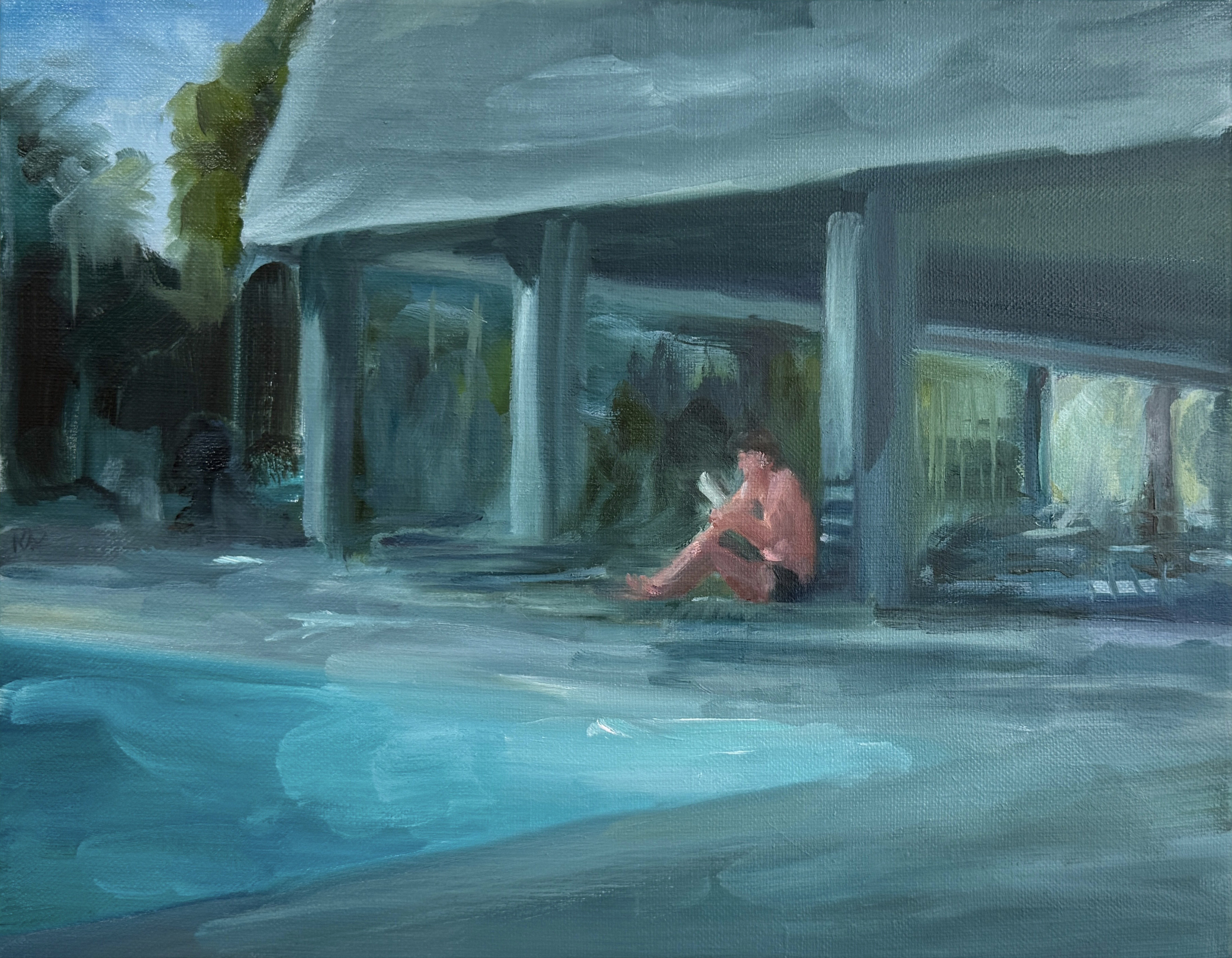
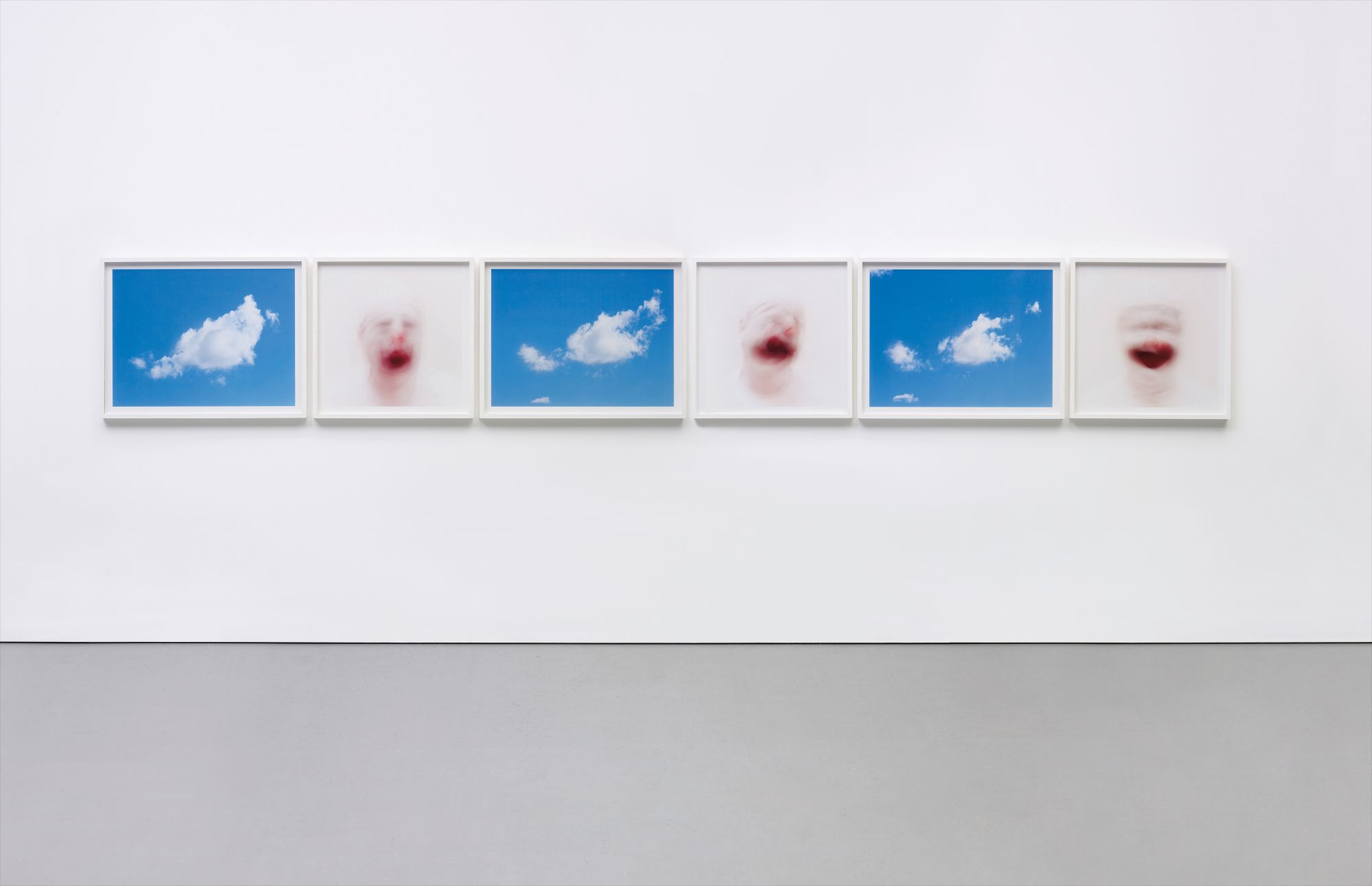
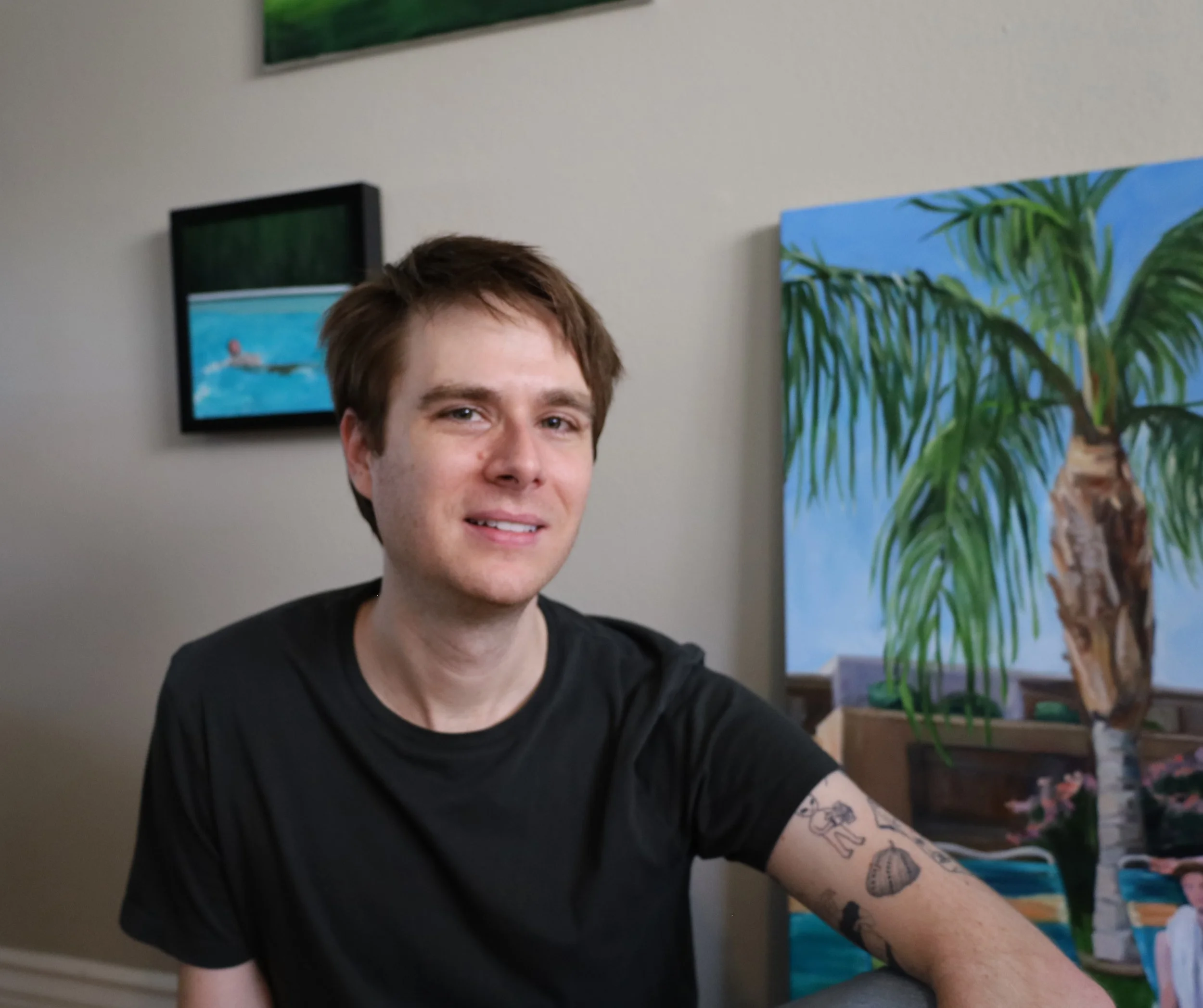
Kory Alexander
Enjoying the Sun, 2026



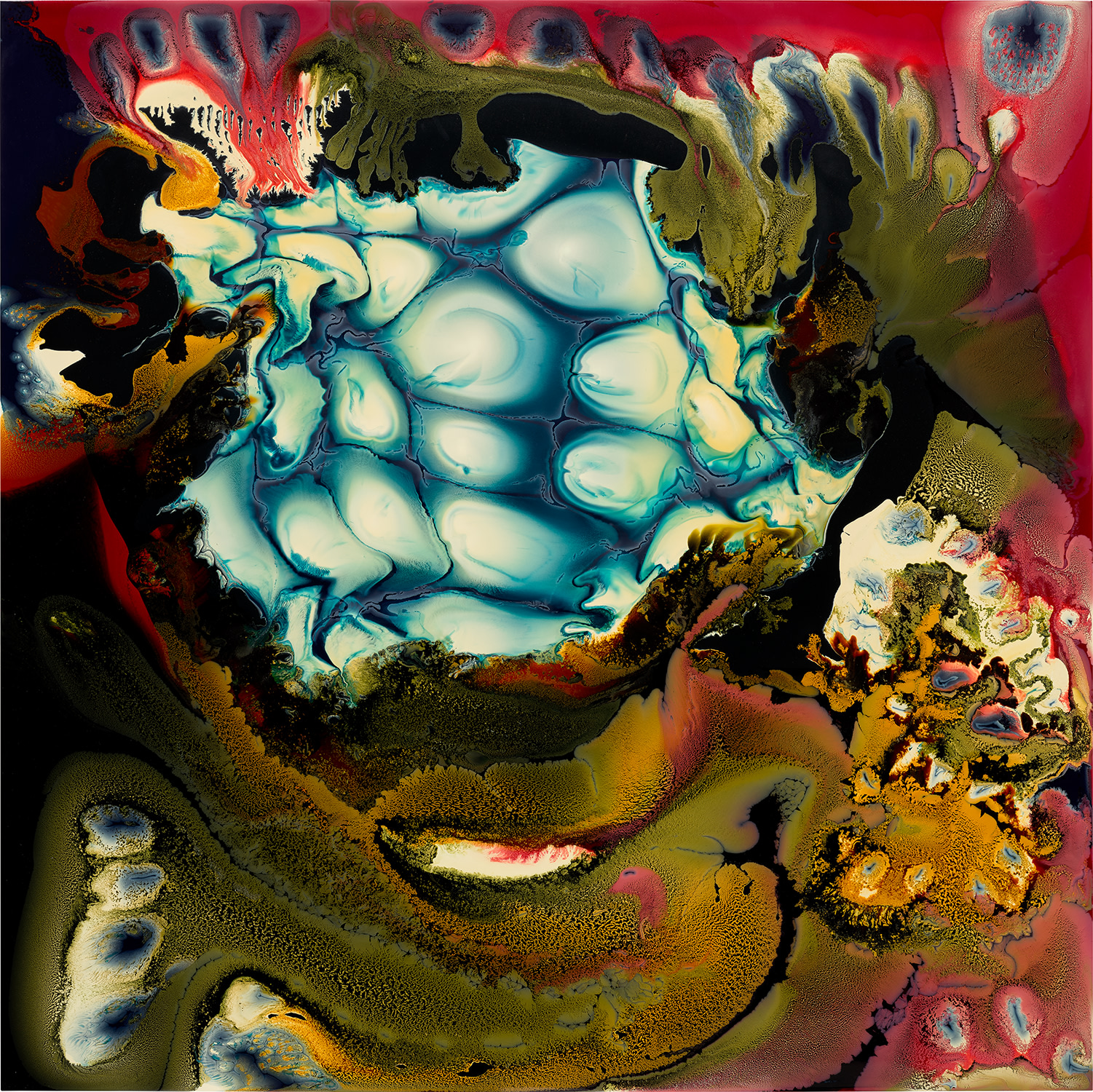
The Cool Ones: Why Collectors Keep Coming Back
There is a particular kind of calm that settles over a room when a work with a cool palette is the first thing you see in the morning. Collectors who gravitate toward blues, silvers, blue greens, and the whole range of restrained, cerebral color often describe the experience less as aesthetic preference and more as necessity. These are works that do not shout. They create conditions for thought, for stillness, for the kind of sustained looking that most of contemporary life actively discourages.
That quality, the ability to hold a viewer in sustained attention without demanding it, is precisely what makes cool palette work so quietly powerful to live with over years and even decades. The appeal goes beyond atmosphere, though atmosphere matters enormously. Cool palette works tend to reward intellectual engagement as much as sensory pleasure, and for collectors who want both, that combination is rare. There is also a longstanding relationship between restraint in color and rigor in form.
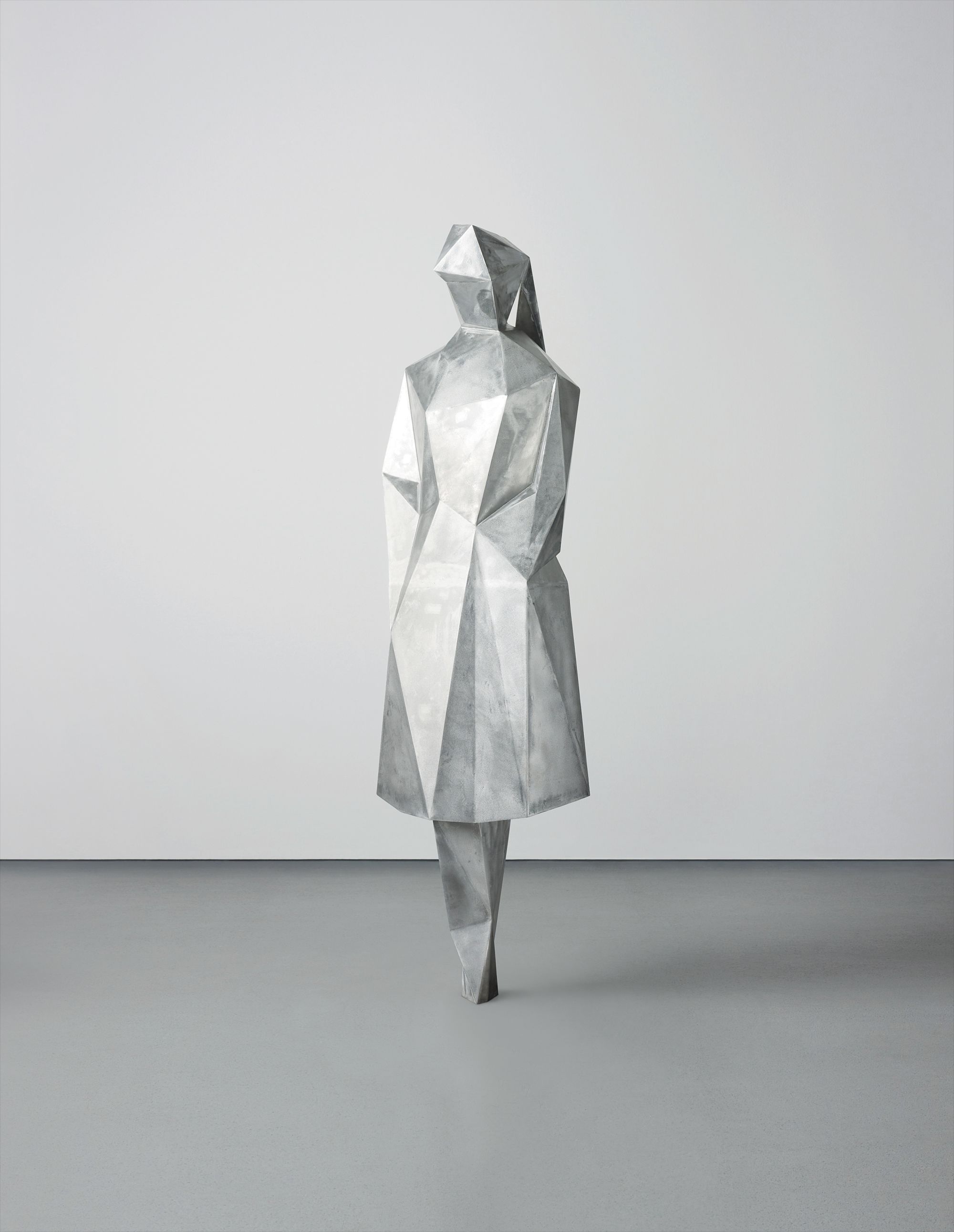
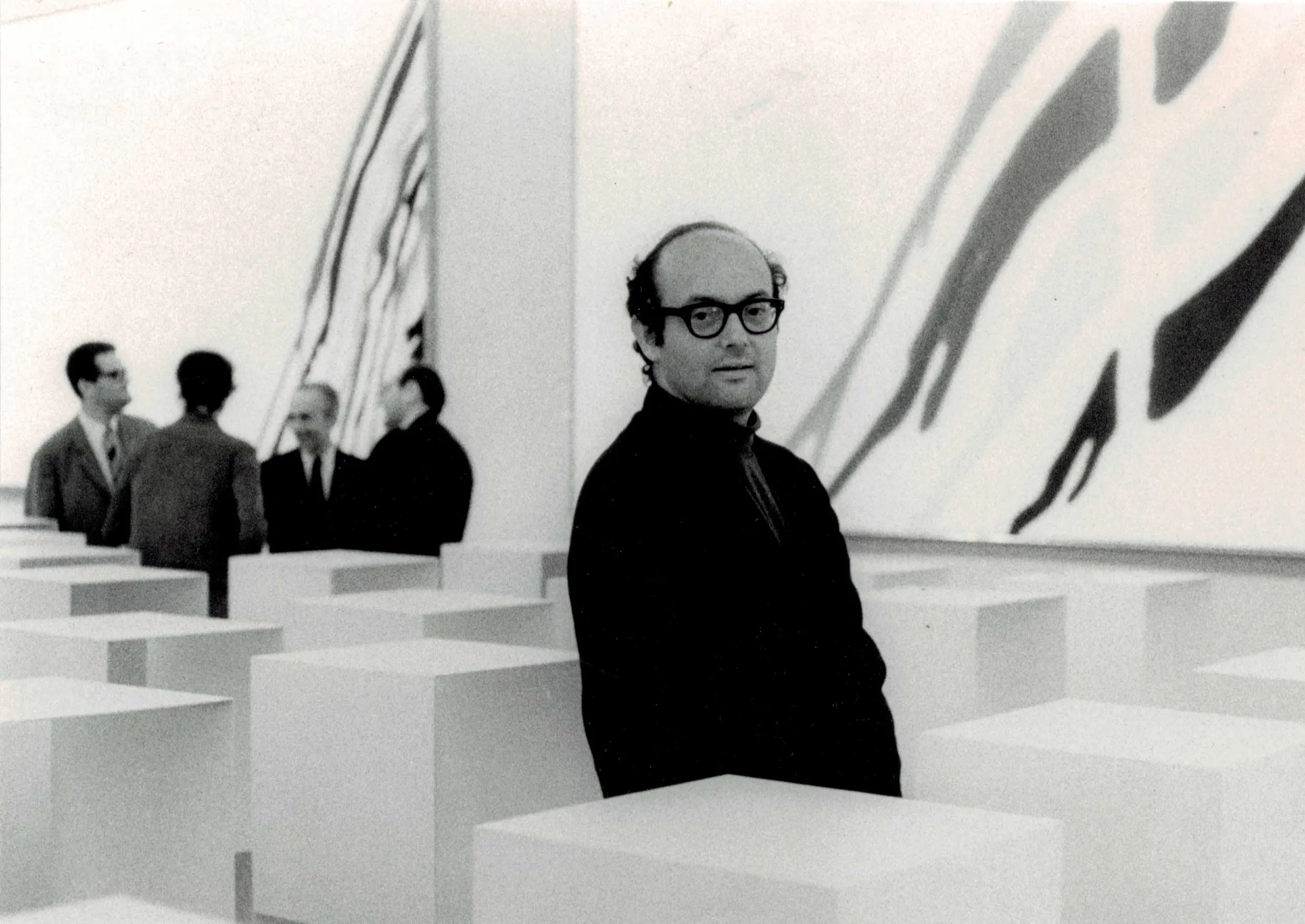
Xavier Veilhan
Sophie no. 1
Many of the most significant artists working in reduced, cooler registers share a commitment to conceptual clarity and structural precision. This is not coincidence. When an artist limits their chromatic range, every other decision becomes load bearing. Composition, surface, scale, and material all have to carry more weight, and the results when they succeed are extraordinarily concentrated.
What separates a good work from a great one in this space comes down to intentionality and internal coherence. A cool palette that reads as merely tasteful, as decoration in a minor key, is a very different thing from one where the color temperature is doing genuine conceptual or emotional work. The best works make you feel the logic of their choices even before you can articulate it. Sol LeWitt, whose wall drawings and structures are well represented on The Collection, understood this completely.
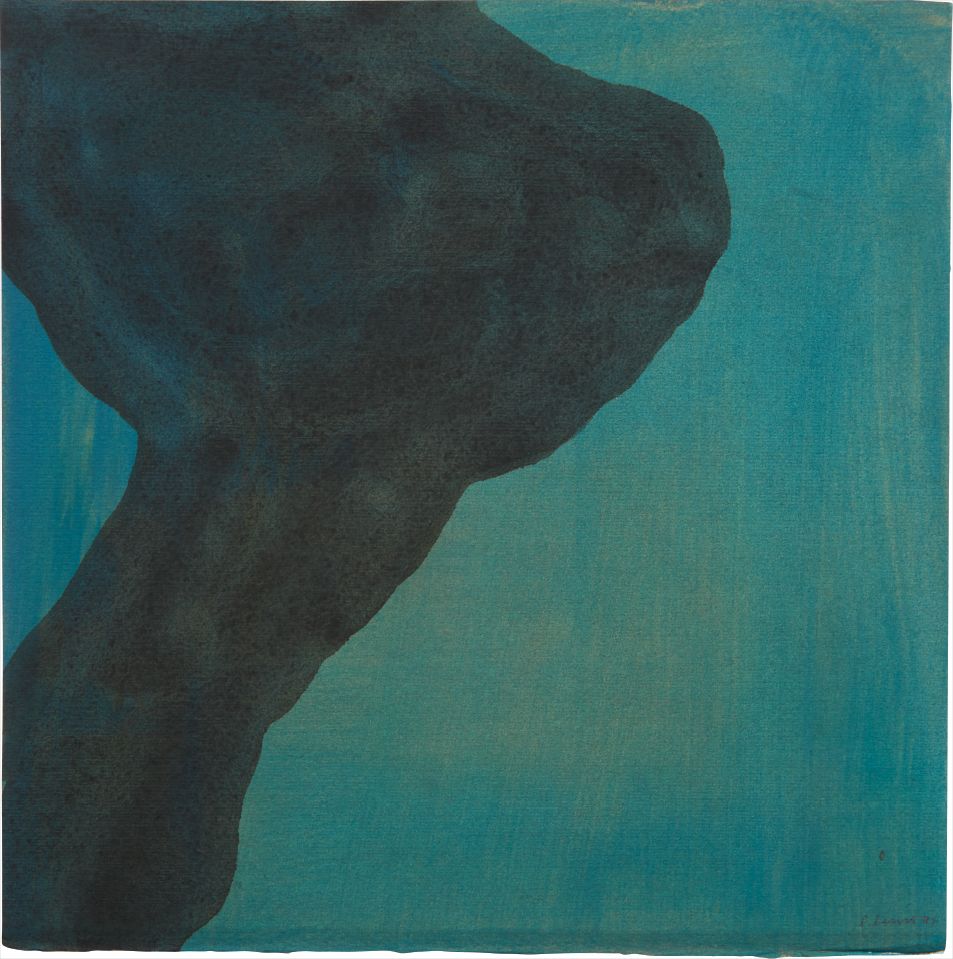
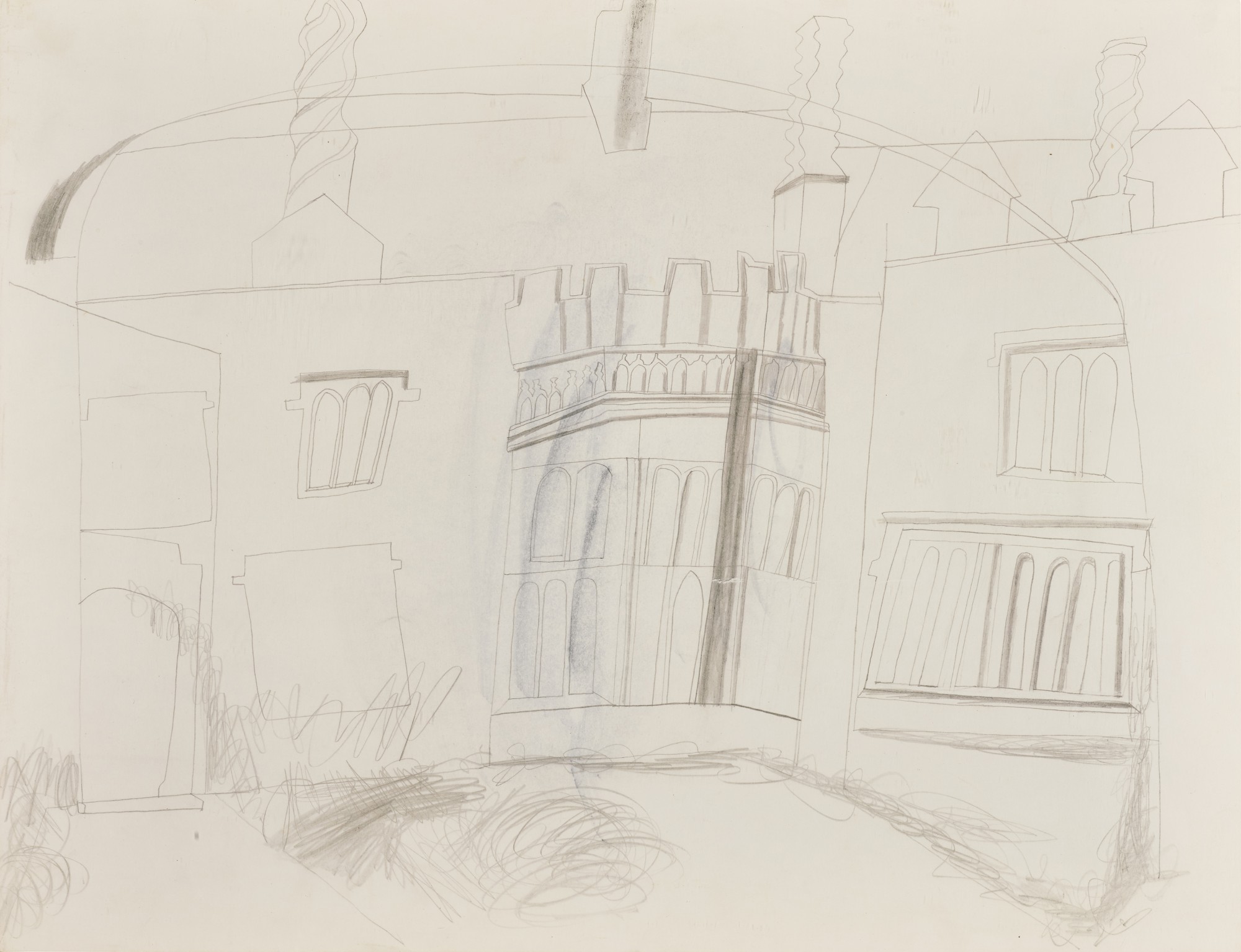
Sol LeWitt
Irregular Form (blue and teal), 1999
His blues and grays were never incidental. They were structural arguments about the relationship between instruction, execution, and meaning. Similarly, Jo Baer spent years pushing the limits of what minimal color could activate at the edges of a canvas, and her work rewards the kind of close looking that reveals just how much tension lives in apparent simplicity. When you are considering a work, ask yourself whether the coolness of the palette feels chosen or inherited.
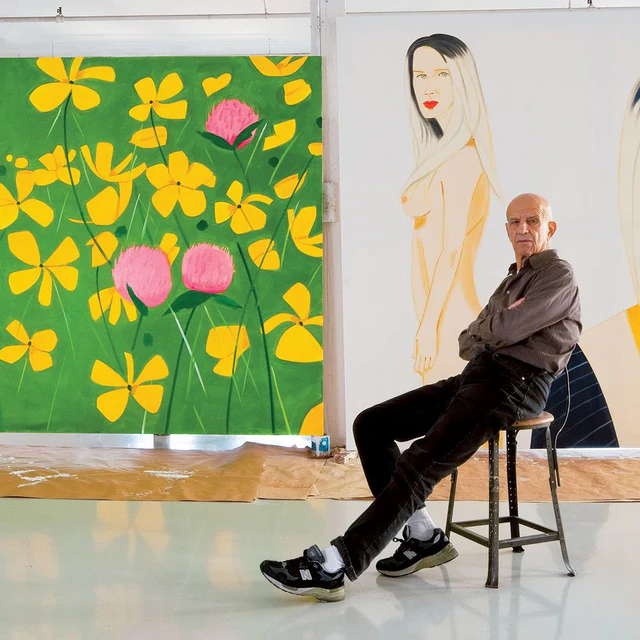
The answer will tell you almost everything. For collectors building or refining a collection, certain artists on The Collection represent particularly strong positions. Alex Katz has maintained extraordinary market consistency for decades, and his flat, clear color fields in blues and pale grounds have become genuinely iconic. His work is liquid in the secondary market and continues to attract serious institutional attention.
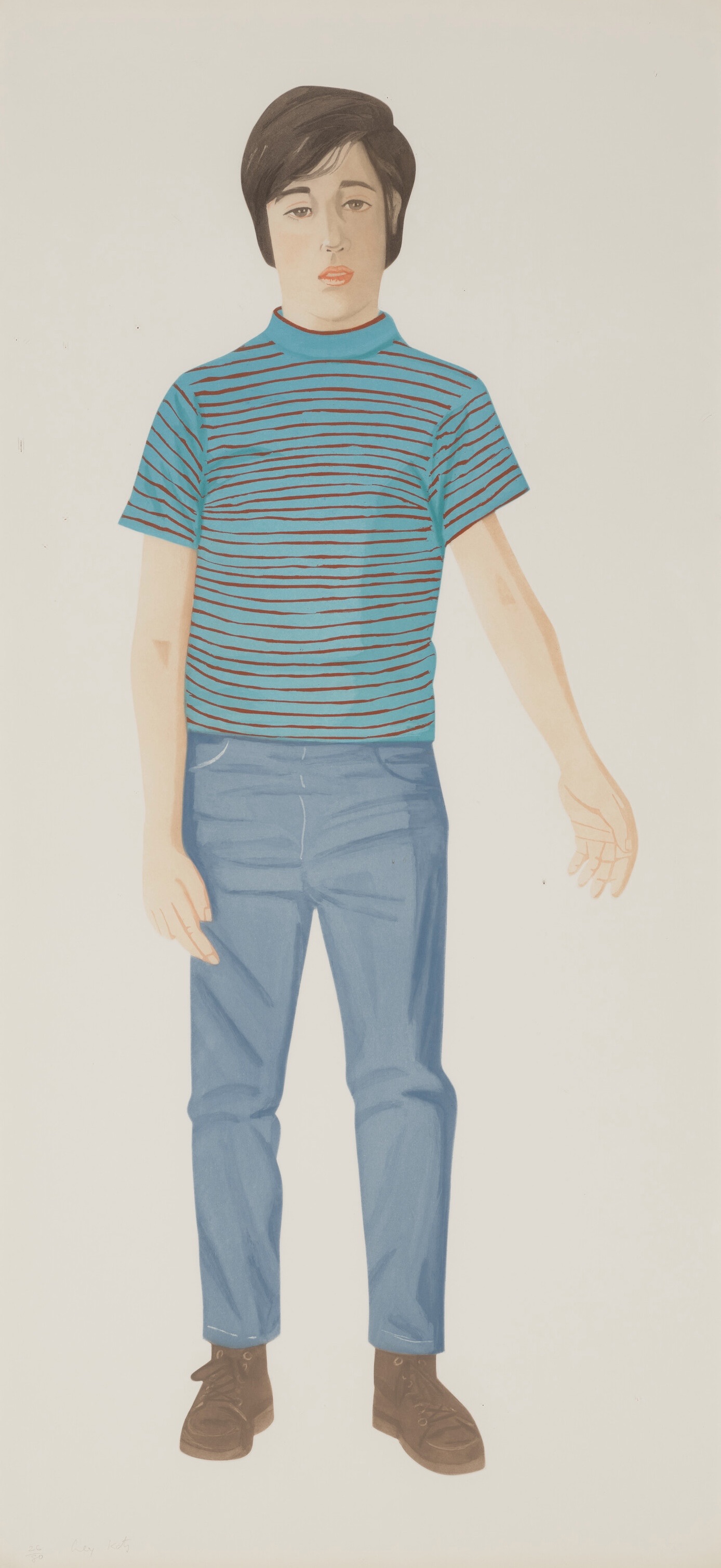
Alex Katz
The Striped Shirt, 1980
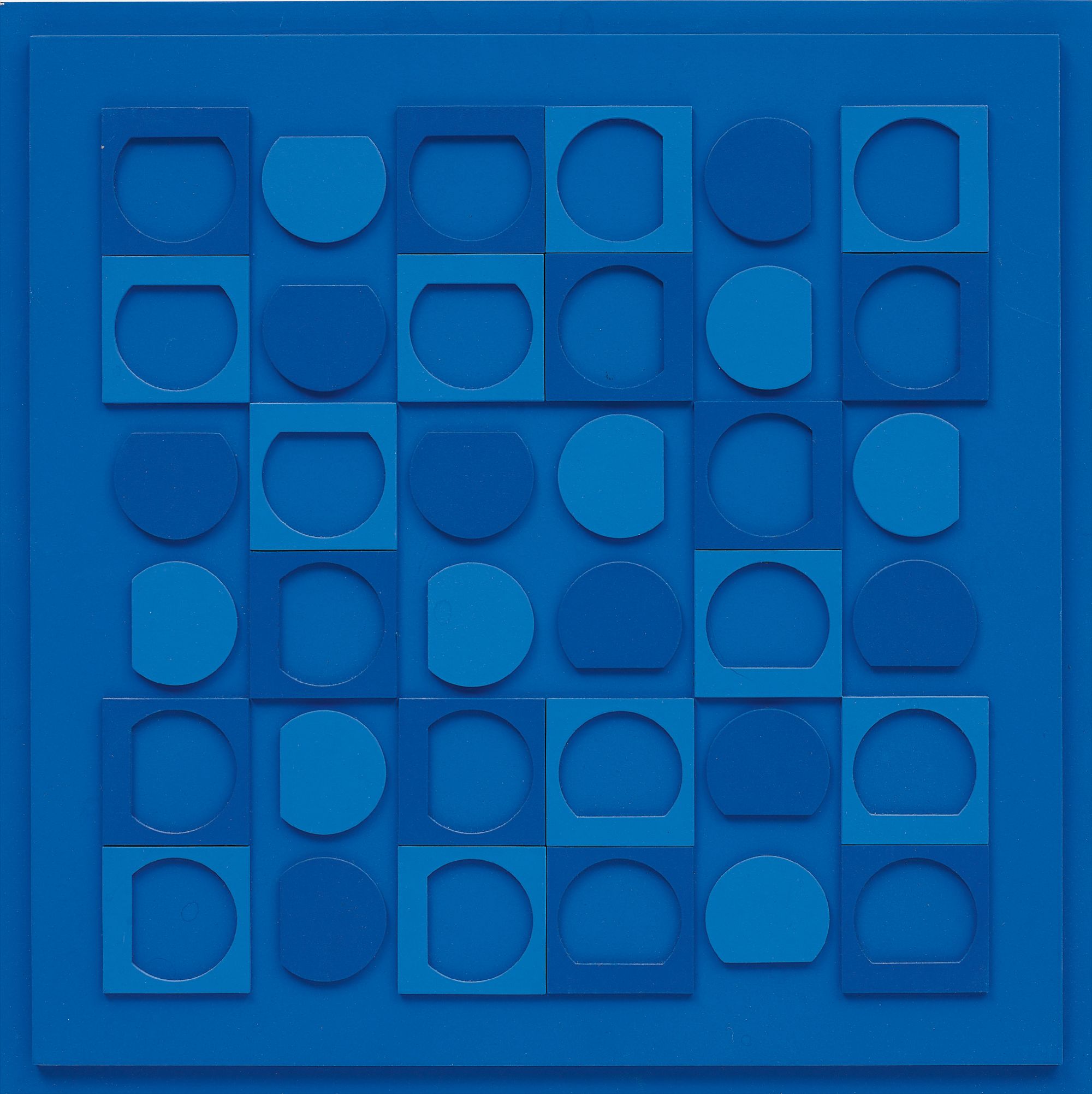
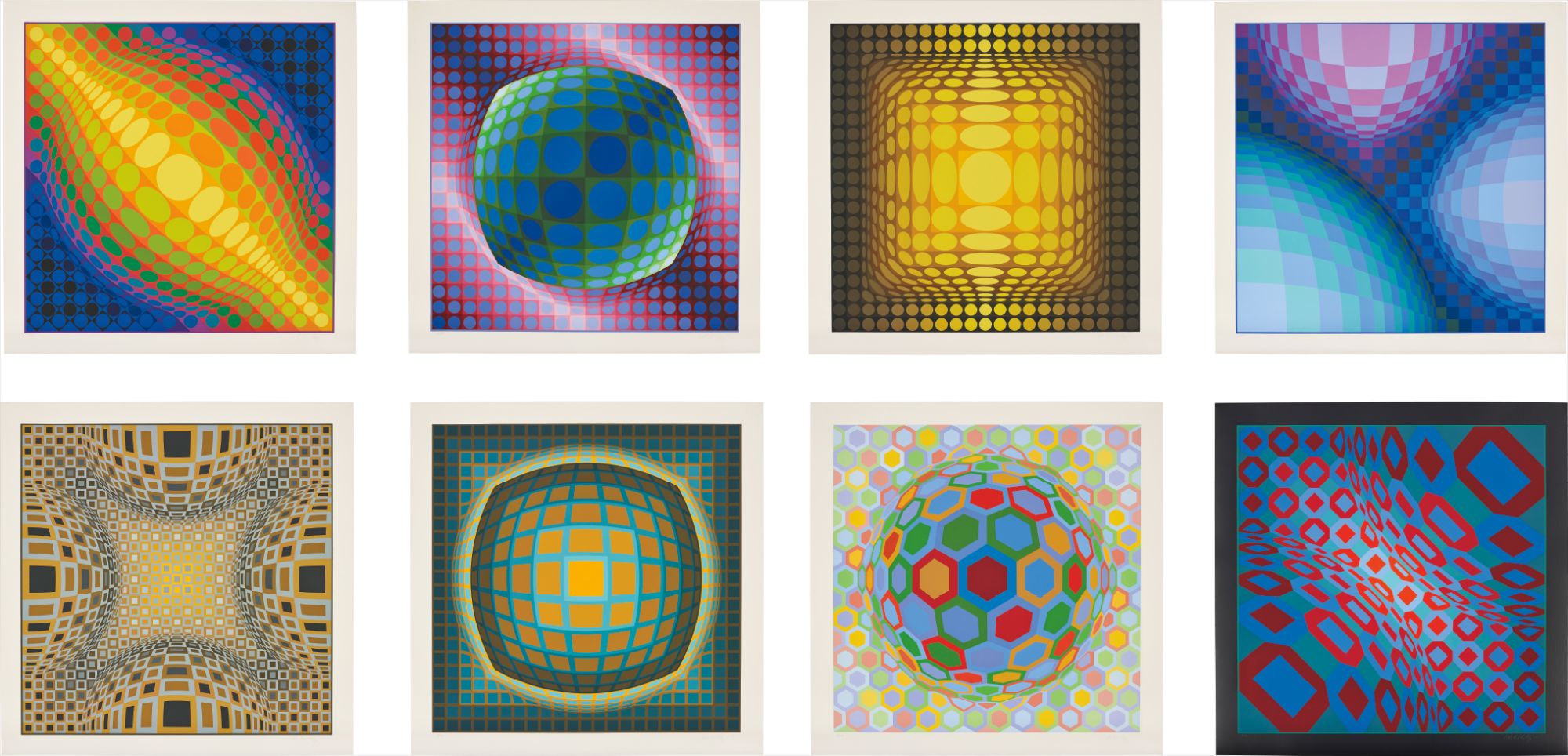
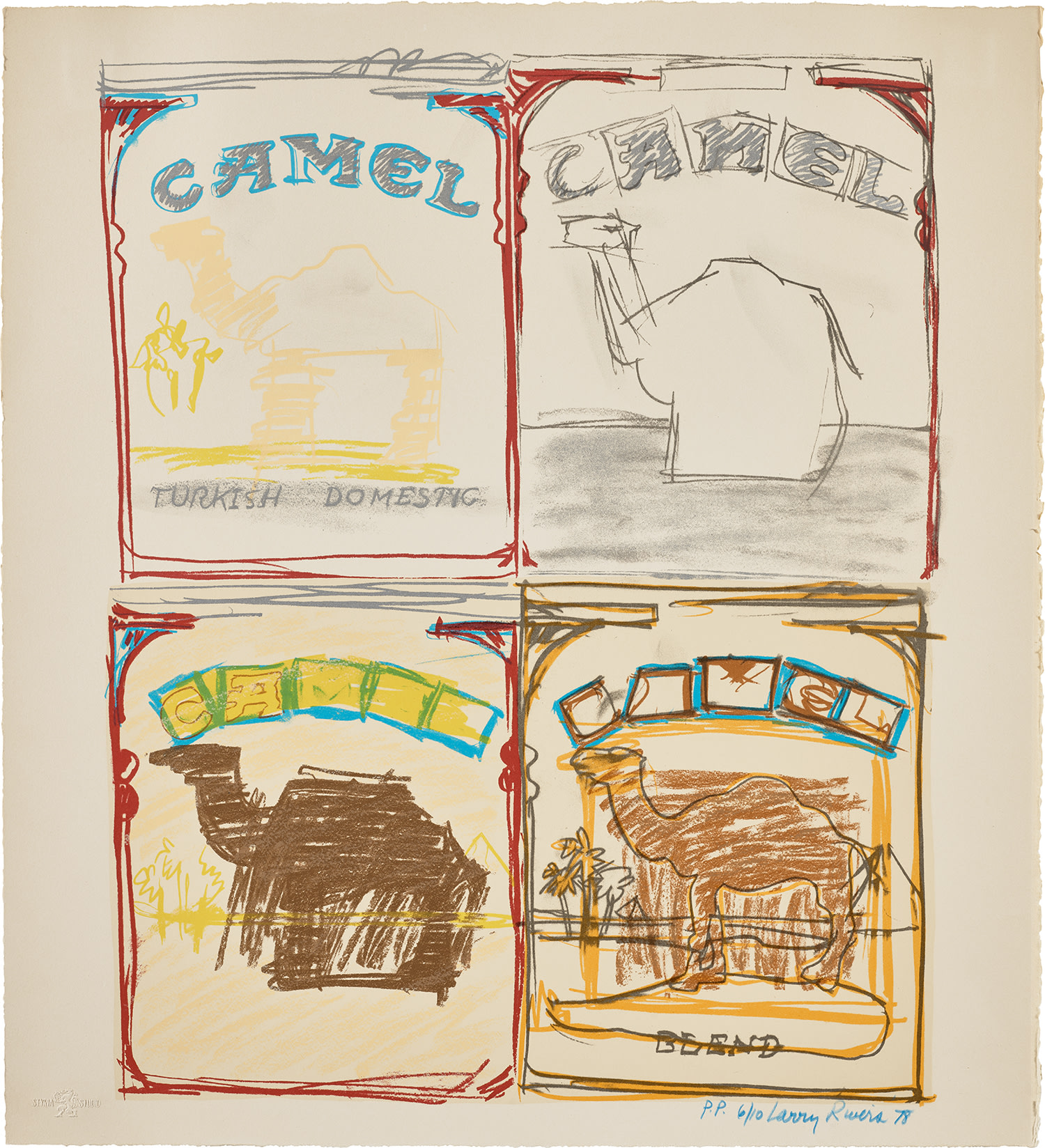
Richard Hamilton, one of the central figures of British Pop, brought a cool, almost clinical intelligence to image making that feels increasingly prescient, and his works carry the kind of art historical weight that supports long term value. Victor Vasarely's optical compositions in silver, white, and blue sit at the intersection of geometric abstraction and perceptual research, and the market for his work has strengthened considerably as interest in Op Art has been reassessed by a new generation of curators and collectors. Ben Nicholson, whose reliefs occupy a quiet but firm place in the canon of twentieth century abstraction, remains somewhat undervalued relative to his historical importance, which makes his work an intelligent acquisition right now. The emerging opportunities in this space are genuinely exciting.
Bianca Nemelc brings a painterly sensitivity to cool registers that feels entirely her own, connecting emotional interiority with a formal restraint that distinguishes her work from more decorative contemporaries. Kory Alexander is another name worth following closely. Younger artists working with cool palettes today are often in conversation with both the minimalist tradition and with digital visual culture, where blue light and screen aesthetics have saturated the collective imagination in ways that fine art is only beginning to fully process. Works that engage that conversation thoughtfully, rather than simply reflecting it, will age well.

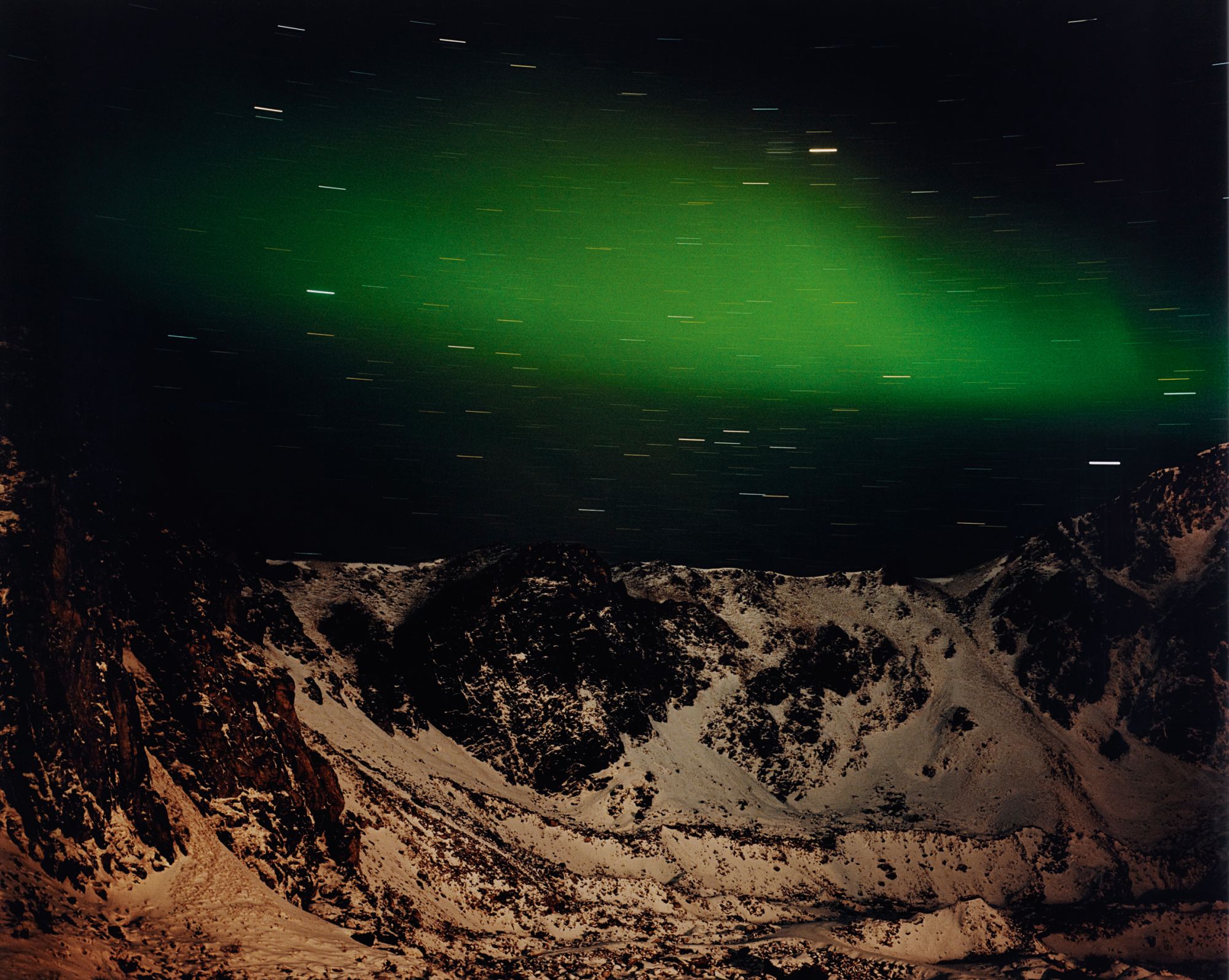
Bianca Nemelc
Ice Portal, 2022
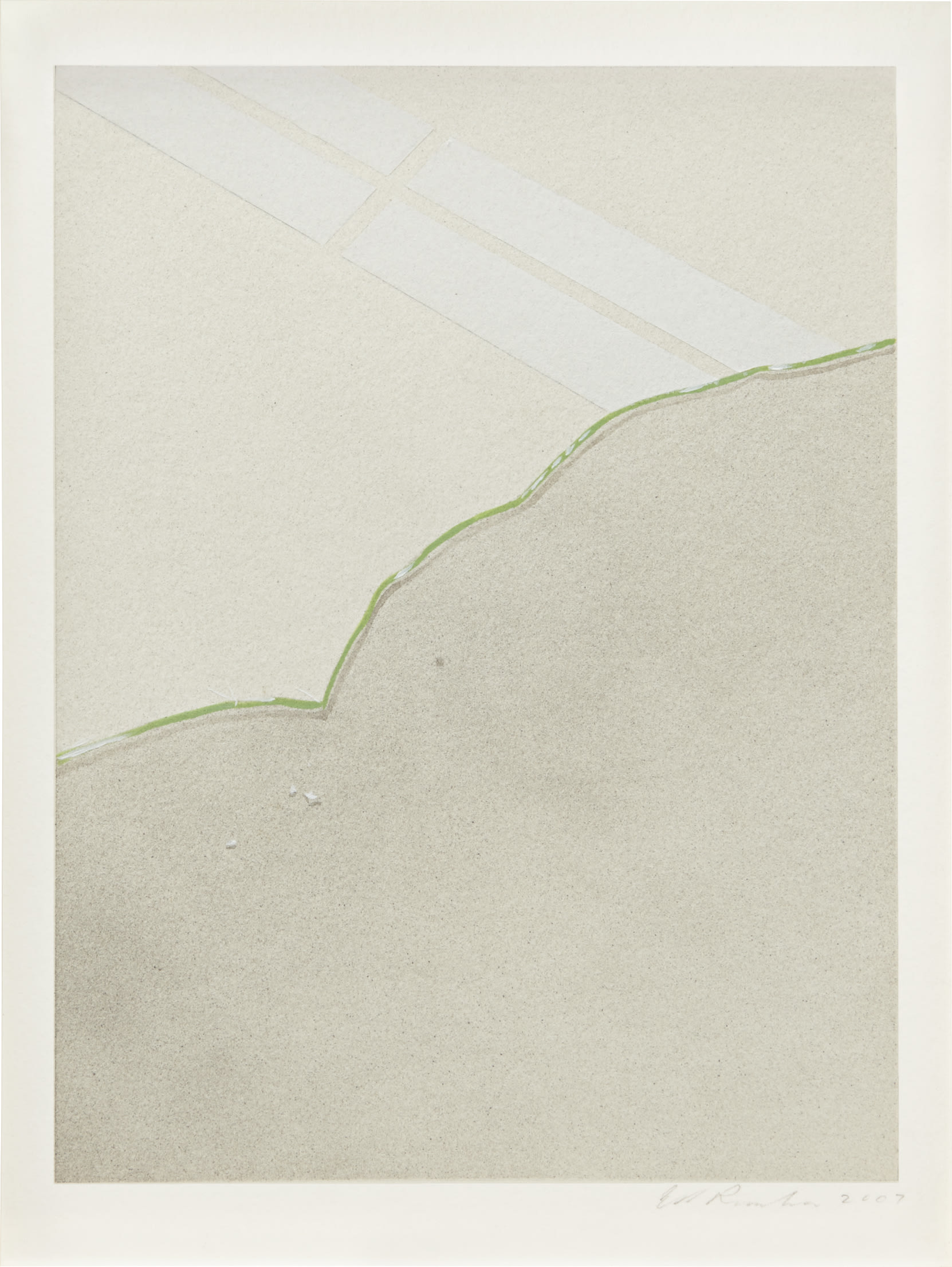
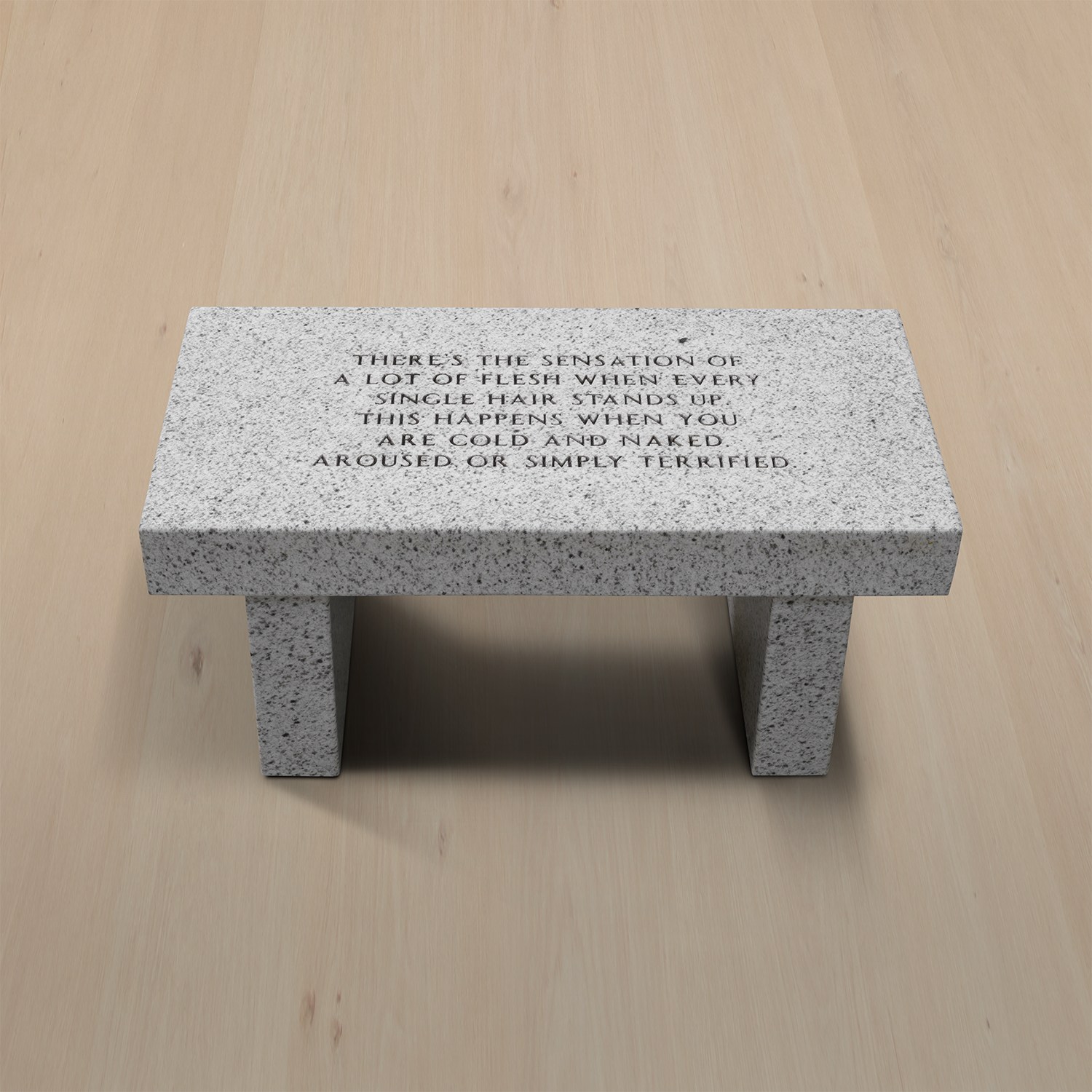
Dan Holdsworth's photographic work, which locates something vast and geological in near monochromatic landscapes, sits in this territory in a compelling way. At auction, cool palette works from the postwar and contemporary periods have performed with notable resilience, particularly those with clear provenance and strong exhibition histories. Thomas Demand, whose photographs reconstruct and then destroy their own subjects in cool, depthless color, has seen sustained institutional support that consistently underpins secondary market results. Ed Ruscha commands serious prices across his output, and works where his signature coolness of tone and wit operate together represent some of the most collectible positions in American art of the last sixty years.
The key market insight for this category is that critical underrecognition in the short term rarely survives long term institutional attention. Artists like Roni Horn, whose work with water, glass, and language operates in a palette of near colorlessness, have seen their reputations consolidate in ways that translate directly into market stability. Practically speaking, works in cooler palettes present specific display considerations worth thinking through carefully. Natural north facing light tends to suit them best, since warm afternoon sun can shift their temperature and undermine the very qualities that make them compelling.
For works on paper or photographic works, UV protective glazing is non negotiable, as cool pigments and photographic dyes can be among the first to shift with light exposure. When acquiring works in editions, as you might with Sol LeWitt certificate based works or Demand photographs, always ask the gallery for the full edition size, the number of artist proofs, and whether the edition is complete or ongoing. For unique works, ask specifically about any restoration history, particularly for works on canvas where ground preparation affects how cool pigments behave over time. The difference between a work that will hold its presence for a century and one that will slowly lose its intelligence is often in details that only become visible when you know to look for them.