Confessional Photography
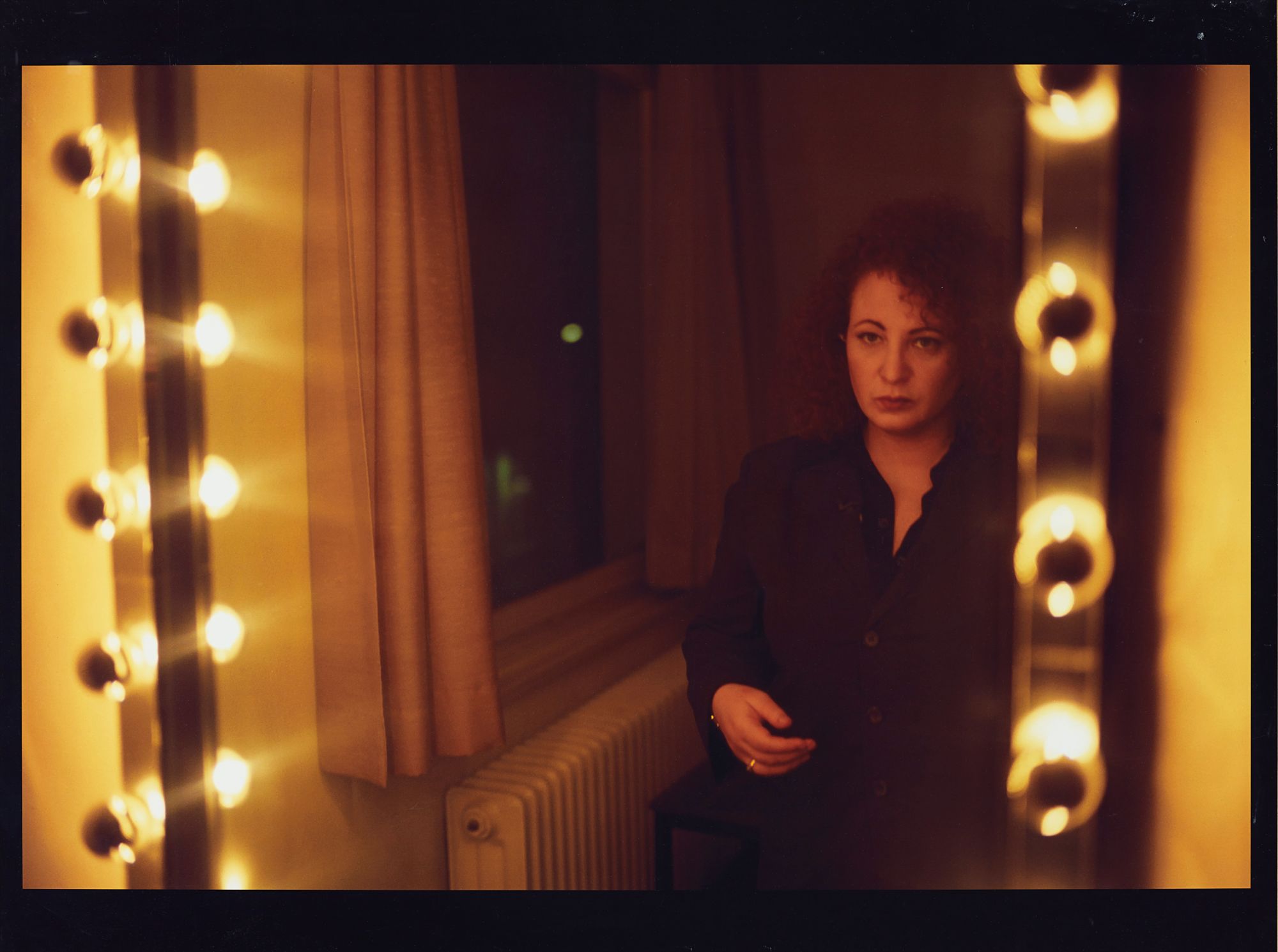
Nan Goldin
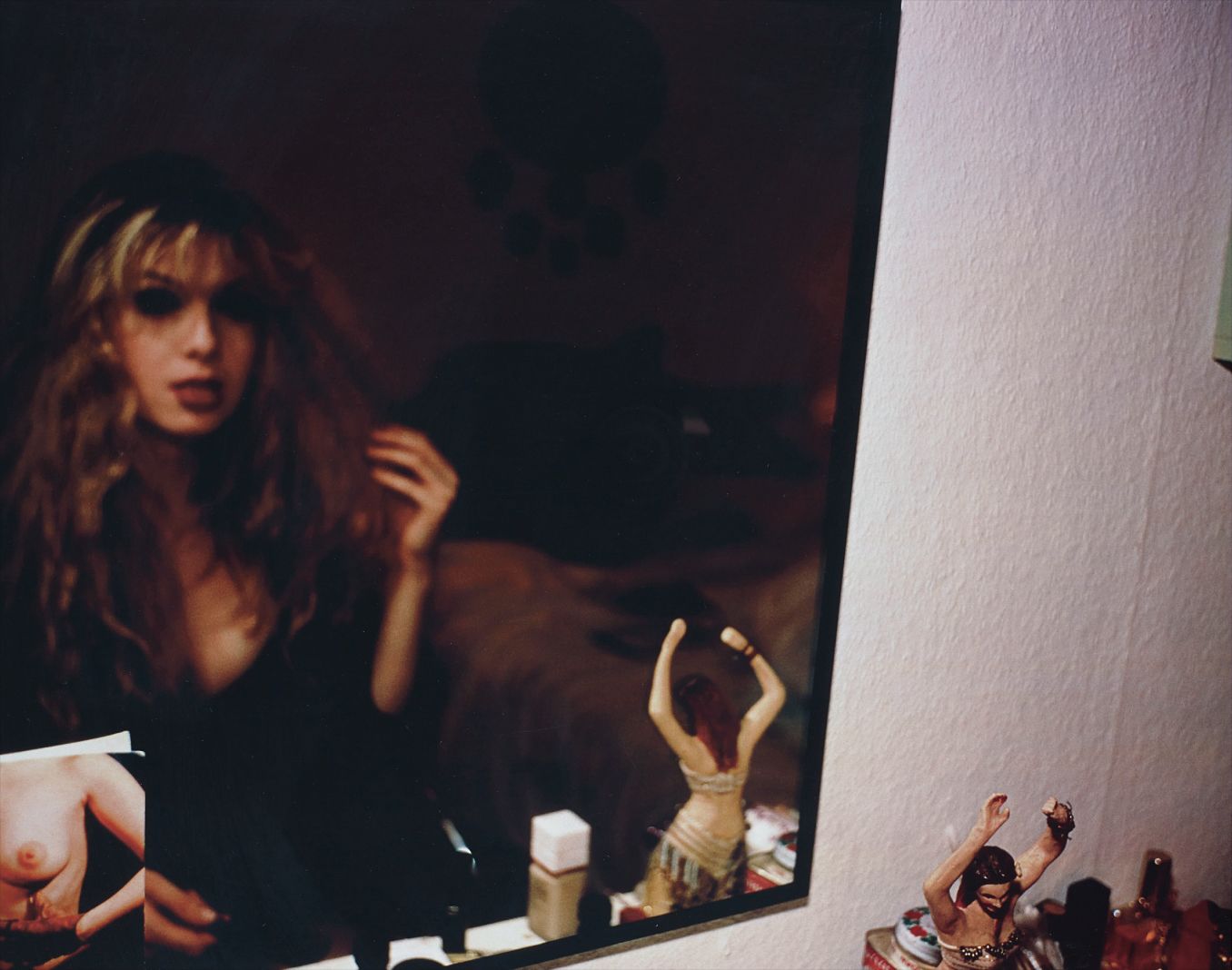
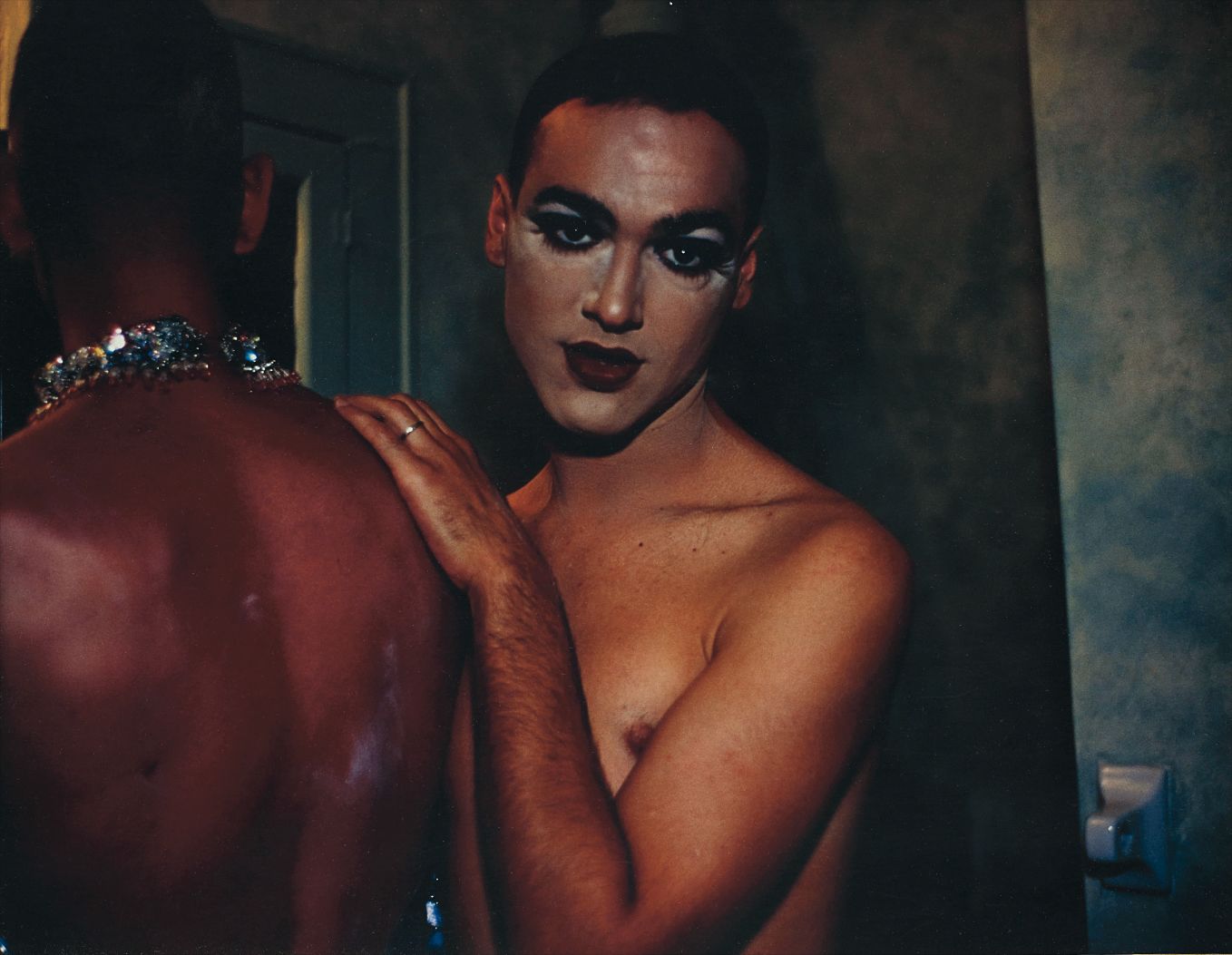
Self-portrait in the mirror, Hotel Baur au Lac, Zürich

The Camera as Confessional, Not Witness
There is a particular kind of photograph that refuses to let you look away. Not because it is shocking, though sometimes it is, but because it feels like something private handed directly to you, something that carries the weight of a real life and asks you to hold it for a moment. This is the territory of confessional photography, a mode of image making that collapsed the distance between the artist and the subject, between art and autobiography, between what we make public and what we keep close. It is one of the most significant shifts in the history of the medium, and its reverberations are still being felt today.
The roots of this tendency reach back through the postwar period, when photographers began questioning whether documentary neutrality was either possible or desirable. The Family of Man exhibition at MoMA in 1955 had presented photography as a universal humanist project, clean and optimistic. The reaction, when it came, was slow and then sudden. Photographers like Larry Clark began working in the late 1960s on projects that would eventually become Tulsa, published in 1971, a raw and unflinching look at drug use and violence among his own peer group in Oklahoma.
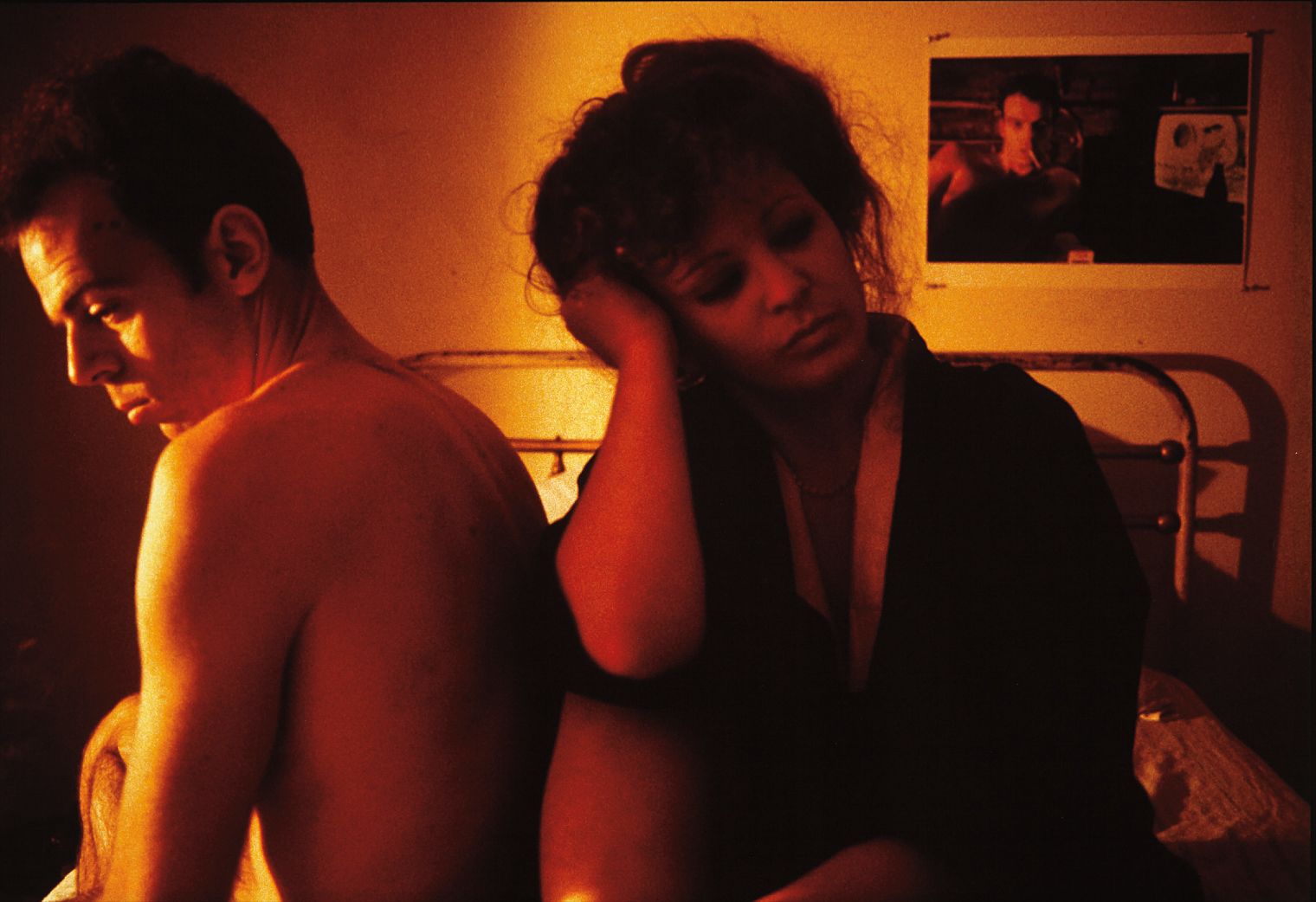
Nan Goldin
Self-portrait in the mirror, Hotel Baur au Lac, Zürich
Clark was not an observer standing outside the frame. He was inside it, implicated, and that changed everything about how the pictures felt. The movement crystallized with particular intensity in the 1980s and 1990s, when a generation of photographers began making work that was explicitly personal in a way that had no precedent in fine art photography. Nan Goldin is the central figure of this shift.
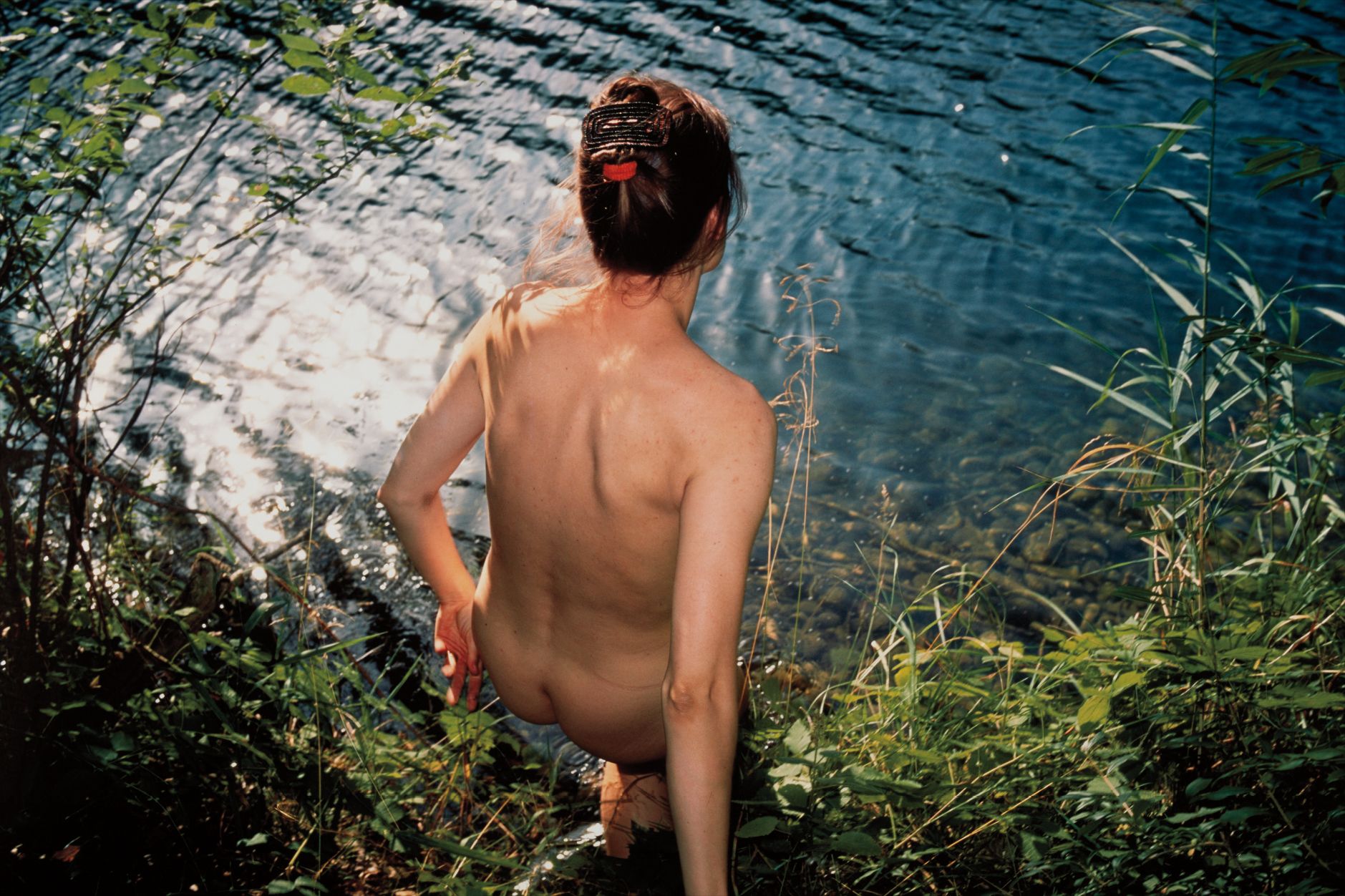
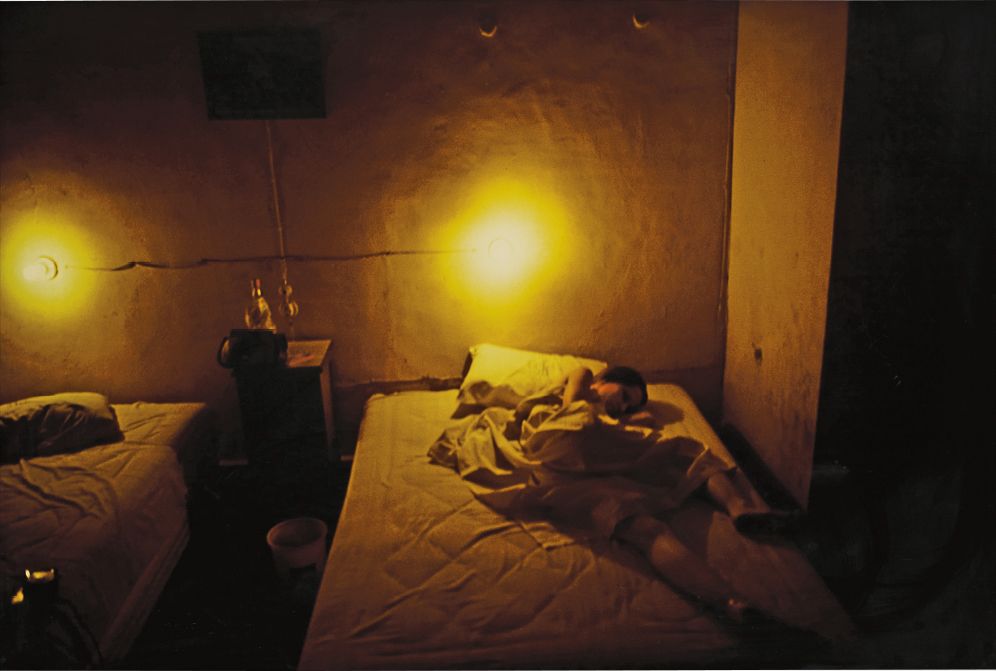
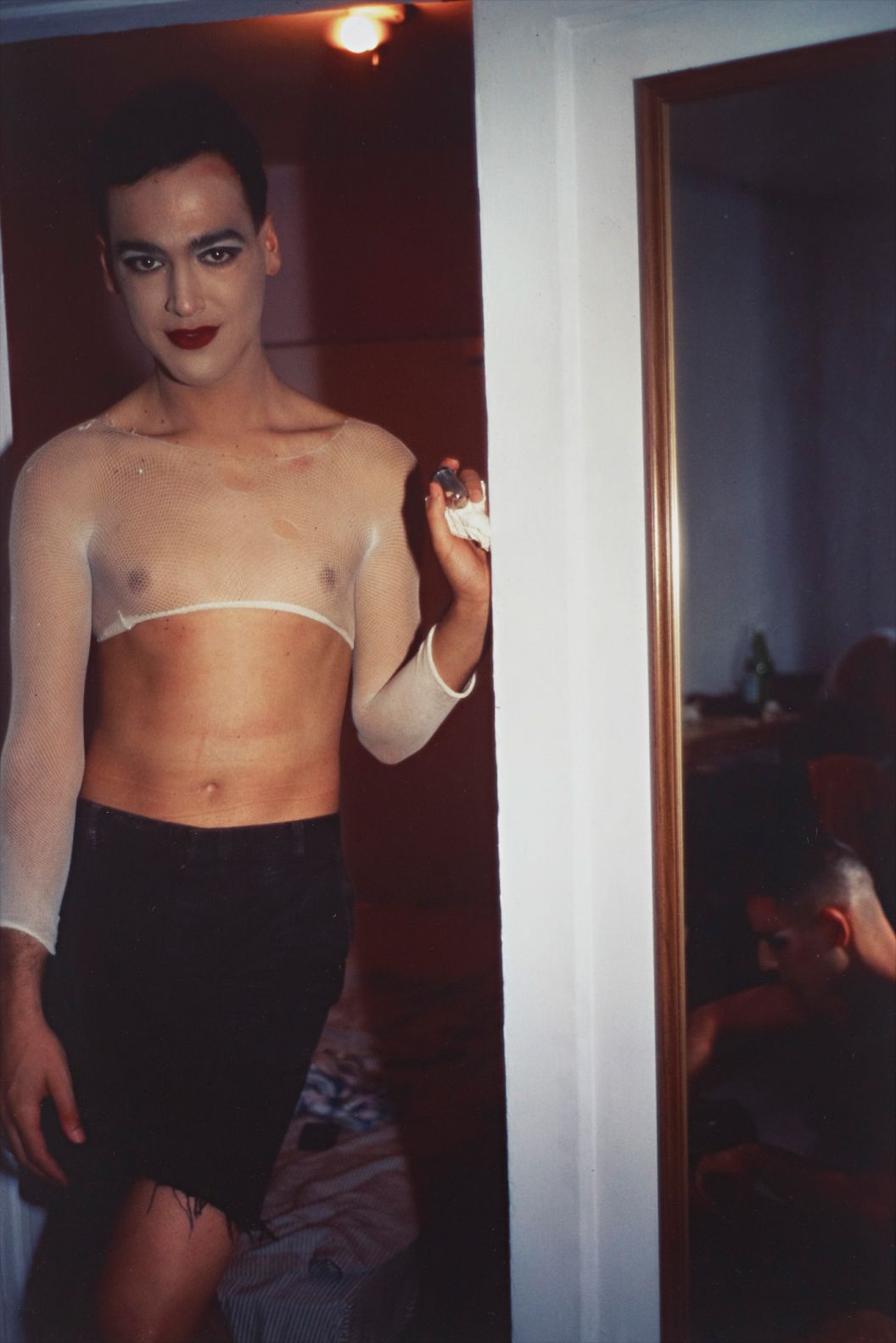
Her project The Ballad of Sexual Dependency, first shown as a slideshow in New York clubs in the early 1980s and later published as a book in 1986, presented an entire world of intimacy, desire, addiction, and grief through photographs of her friends and lovers. The Ballad was not journalism. It was closer to a diary made visible, a record of a community that Goldin was simultaneously documenting and living inside. The photographs were often taken in low light, with the grain and blur that comes from existing in the actual conditions of a life rather than staging one.
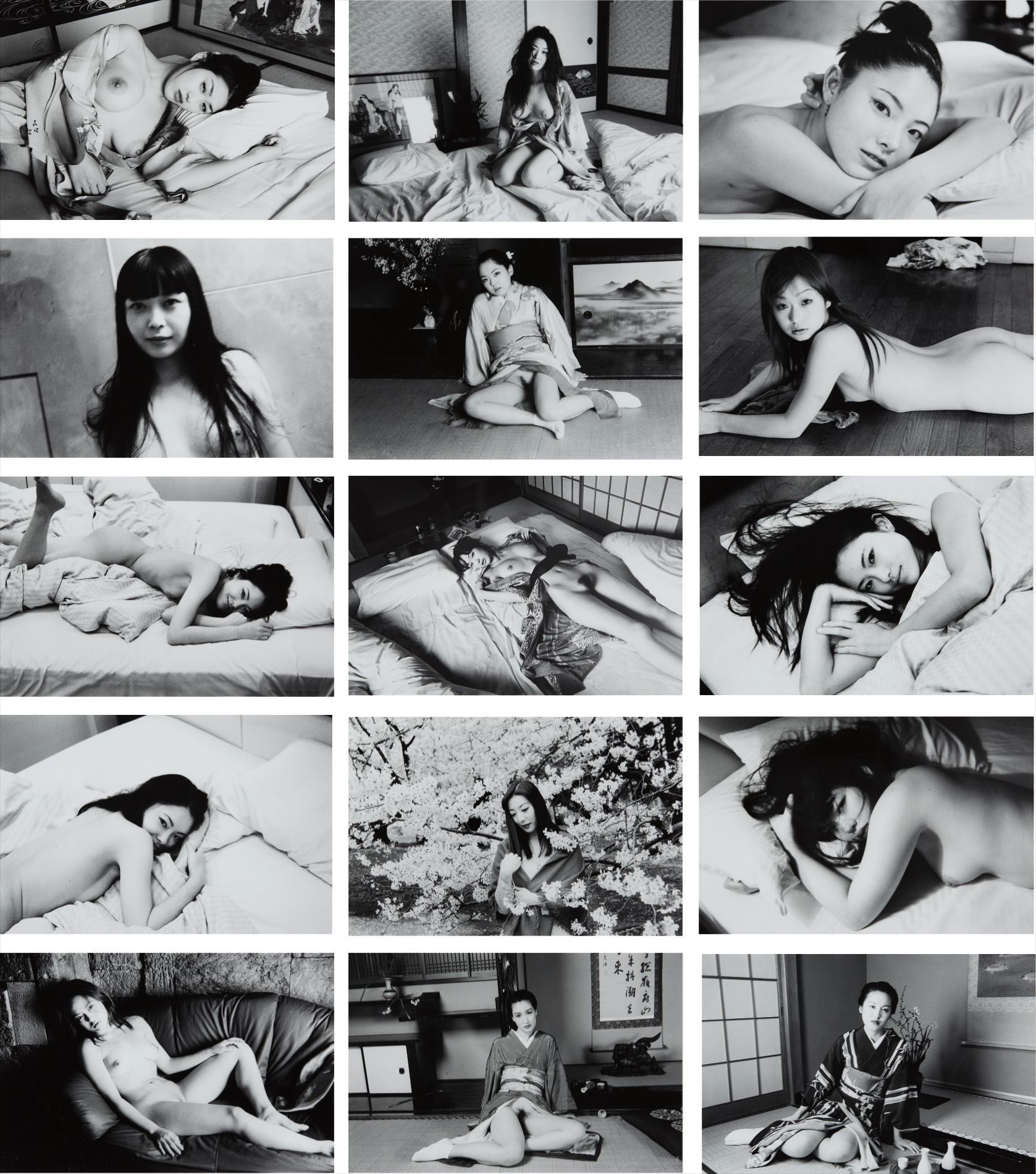
荒木経惟 Nobuyoshi Araki
Love by Leica
That aesthetic was not a limitation. It was the point. Goldin's work, well represented on The Collection, carries a quality that is rare in any medium: the sense that what you are looking at could not have been made by anyone standing at a greater distance from the subject. The closeness is not just physical but emotional and ethical.
When you look at her portraits of friends in moments of vulnerability, of tenderness, of aftermath, you understand that the camera was permitted in these spaces because it was held by someone who belonged there. The Japanese photographer Nobuyoshi Araki, also present on The Collection, arrived at a similar territory through a different cultural tradition. His work, shaped by the particular intensities of postwar Tokyo and inflected by the Japanese concept of shashin as truth image, moves between the erotic and the elegiac with a restlessness that feels genuinely autobiographical. His book Sentimental Journey from 1971 documented his honeymoon with his wife Yoko in images that are both tender and nakedly personal, and it established the confessional register that would define much of his subsequent practice.
What defines the confessional mode technically and conceptually is an embrace of the contingent, the imperfect, and the intimate. These photographers tended to work with available light or flash, with 35mm cameras that allowed proximity and speed. The formal qualities that might be considered flaws in other contexts, red eye, motion blur, the slightly too close crop, became markers of authenticity. The conceptual framework was equally distinctive.
Where earlier documentary photography maintained a fiction of objectivity, confessional photography foregrounded subjectivity as its very subject. The photographer was not a neutral conduit but a participant, often the most important participant, in the drama being recorded. This was not solipsism. It was an argument that honesty required the photographer to account for their own presence in the story.
Culturally, this mode of practice arrived at a moment when the personal was being radically reassessed as a political category. The feminist movement had insisted that private life was not separate from public power, and confessional photography gave that argument a visual language. The AIDS crisis, which devastated many of the communities that Goldin and her contemporaries moved through, made the impulse to document even more urgent. These photographs became a form of testimony, a way of insisting on the reality and value of lives that mainstream culture preferred not to see.
The work was not only aesthetically radical but morally serious, and the combination gave it a lasting authority that more formally ambitious work from the same period has sometimes failed to retain. The influence of confessional photography on contemporary practice is so pervasive it can be hard to see clearly. The entire visual language of social media, the selfie as self revelation, the story as raw dispatch, the carefully imperfect image presented as genuine, is downstream of the aesthetic that Goldin and her generation developed. But the best work in this tradition understands something that the culture of constant self documentation has largely forgotten, which is that confession requires stakes.
To confess is to risk something. It is to make yourself accountable to a truth that might be uncomfortable or incomplete. The photographers who made this movement matter were not simply sharing their lives. They were examining them, and asking their audience to do the same.
That distinction is worth holding onto whenever you look at work in this mode. The question is always whether the vulnerability on display is genuine, whether something real is being risked, and whether the image is strong enough to justify the exposure. When it is, there is almost nothing more powerful that photography can do.