Children
Archived article
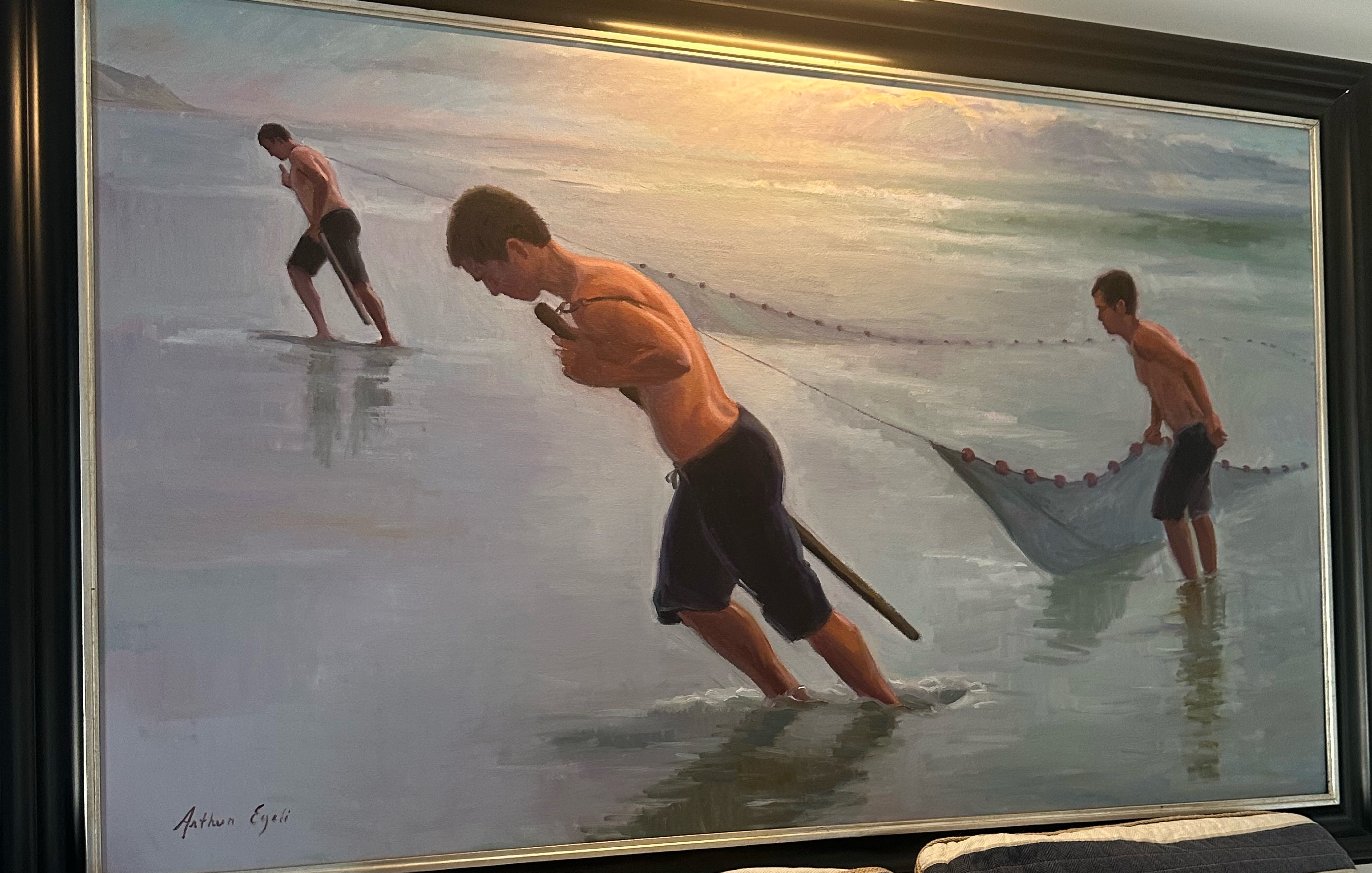
Arthur Egeli
The Big Catch
You are reading a previous version of this article.
Read the latest version```json { "headline": "Small Figures, Enormous Stakes: Collecting Childhood", "body": "There is something disarming about a work of art centered on a child. It lowers your guard before it raises the stakes. Collectors who gravitate toward this subject often describe the same experience: they walked into a gallery intending to look, and left having felt something they hadn't anticipated. That emotional accessibility is sometimes mistaken for sentimentality, which is perhaps why the category of childhood in art has been underestimated by certain corners of the market.
But the most serious collectors know better. Works that engage with children as subjects sit at a remarkable intersection of the intimate and the monumental, and living with them daily rewards attention in ways that more overtly ambitious subject matter rarely does.\n\nThe first question any serious collector should ask when approaching this category is what separates genuine psychological depth from mere charm. The art market is not short of images of children that are sweet and well executed and entirely forgettable.
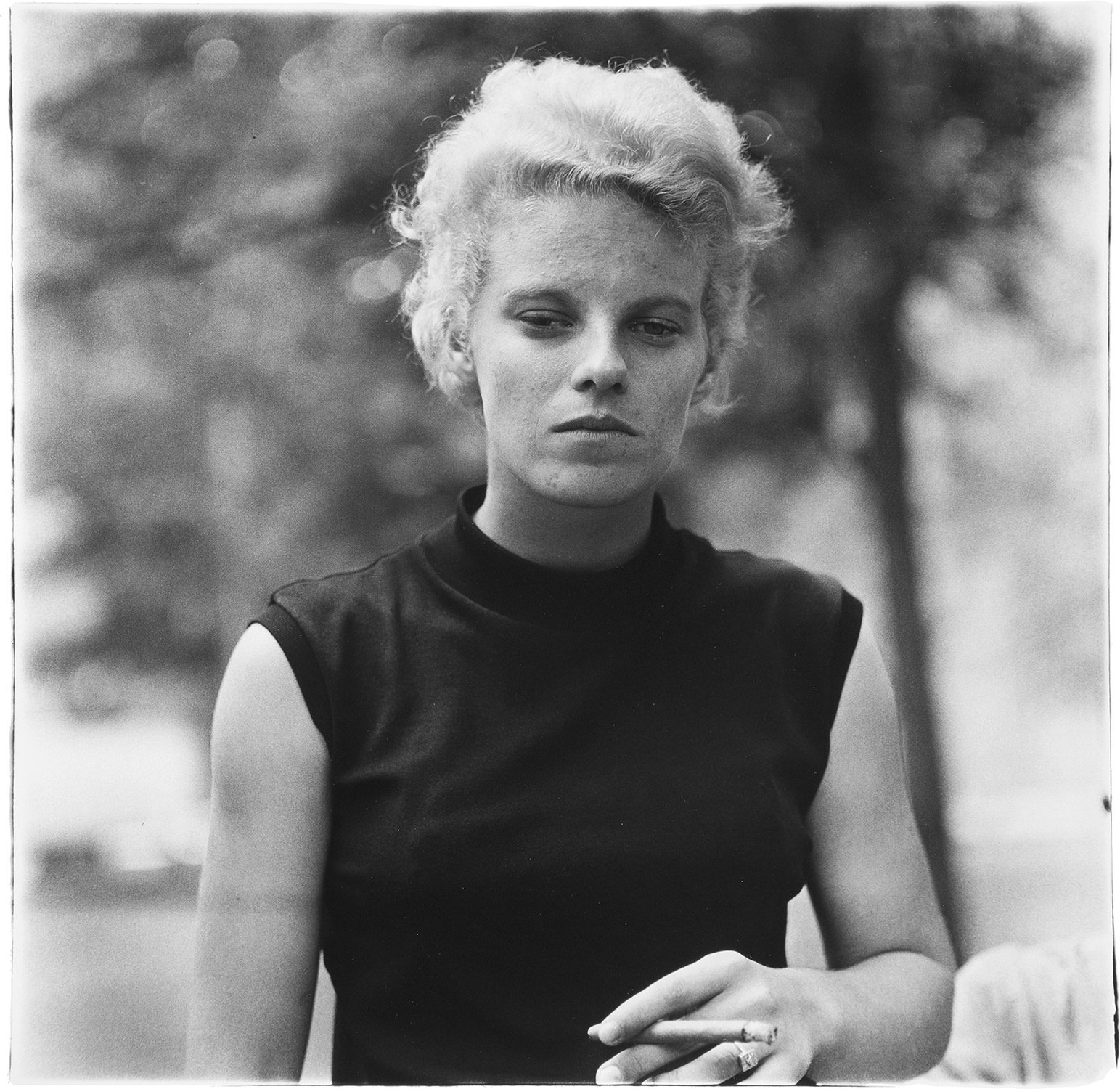
Diane Arbus
Girl with a cigar in Washington Square Park, N.Y.C.
What distinguishes a great work is the artist's refusal to simplify the subject. Children in the hands of the best artists are not symbols of innocence or nostalgia. They are specific, sometimes strange, occasionally unsettling presences. Diane Arbus understood this completely.
Her photographs of children carry a weight of interiority that her contemporaries rarely matched, and works from her estate or from major collections carry auction premiums that reflect decades of critical consensus. When evaluating a work in this category, ask whether the child depicted has been observed or merely imagined. The difference is almost always visible.\n\nWithin photography, the collecting opportunities are exceptionally rich.
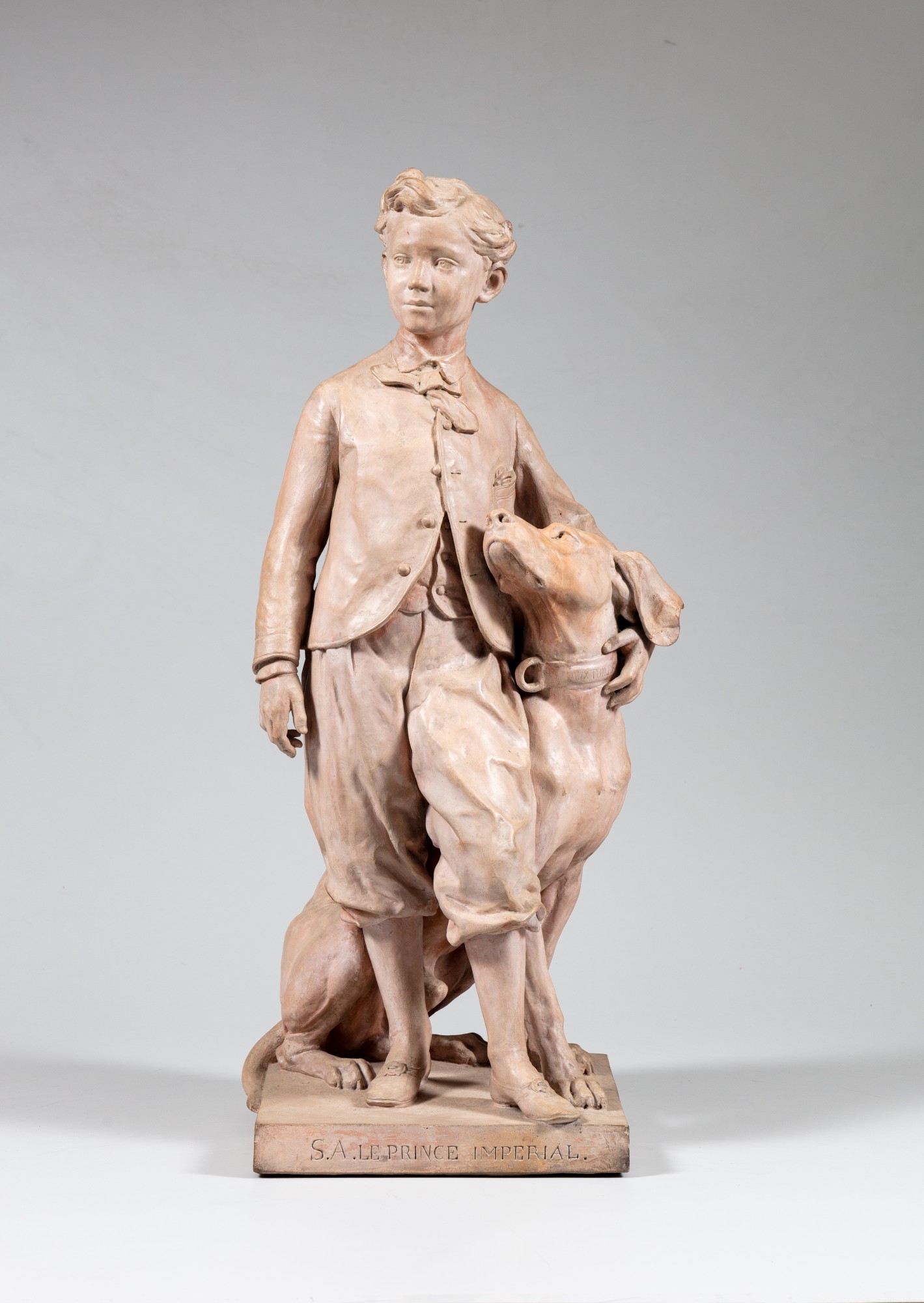
Jean-Baptiste Carpeaux
Le Prince Impérial et son chien Néro n° 2 (The Imperial Prince and his Dog, Nero)
Helen Levitt spent decades on the streets of New York beginning in the late 1930s, photographing children at play with a precision and warmth that remains unmatched. Her work is well represented on The Collection, and for good reason: she is one of the great photographers of American life, and her prices, while rising steadily, have not yet reached the levels her reputation might suggest they deserve. Similarly, Lewis Wickes Hine occupies a peculiar position in the market. His labor documentation photographs from the early twentieth century, many of them depicting child workers, carry extraordinary historical weight and genuine moral force.
They are also genuinely beautiful objects. Hine is collected both by photography specialists and by those drawn to American social history, which creates a broad base of demand and relative stability in the secondary market.\n\nFor collectors interested in painting, the range of available work spans from the academically oriented realism of Alexei Harlamoff, whose technically stunning portraits of young subjects were celebrated in the Paris Salon during the 1870s and 1880s, to the raw expressionist energy of artists like Aboudia, the Ivorian painter whose depictions of children in Abidjan carry an urgency and chromatic power that have attracted serious institutional attention. Claire Tabouret is another name worth knowing.

Mai Trung Thứ
Huit enfants, garçons et filles (Eight children, boys and girls), 1972
Her large scale, theatrically lit paintings of children and adolescents have moved quickly through the market over the past decade, with auction results at Christie's and Sotheby's demonstrating that collector enthusiasm has translated into genuine secondary market strength. She is not an emerging artist in the conventional sense anymore, but there is still room in a thoughtful collection.\n\nFor those watching the horizon, the digital and AI space has introduced genuinely interesting questions about how childhood as a subject gets constructed and interrogated. Works that engage algorithmically with archival images of children, or that use generative processes to explore memory, vulnerability, and the aesthetics of innocence, represent a genuinely new frontier.
The best of this work asks something that the traditional canon of childhood imagery never quite had to confront: who authorized this image, and who does it serve? Loretta Lux, whose staged, digitally altered photographs of children achieved significant market recognition in the 2000s and whose work resides in major collections including the Museum of Modern Art, anticipated many of these questions. She remains an important reference point for understanding how mediated images of children function as cultural objects rather than simple representations.\n\nAt auction, works in this category perform with notable consistency when the artist's name carries weight and the condition is strong.
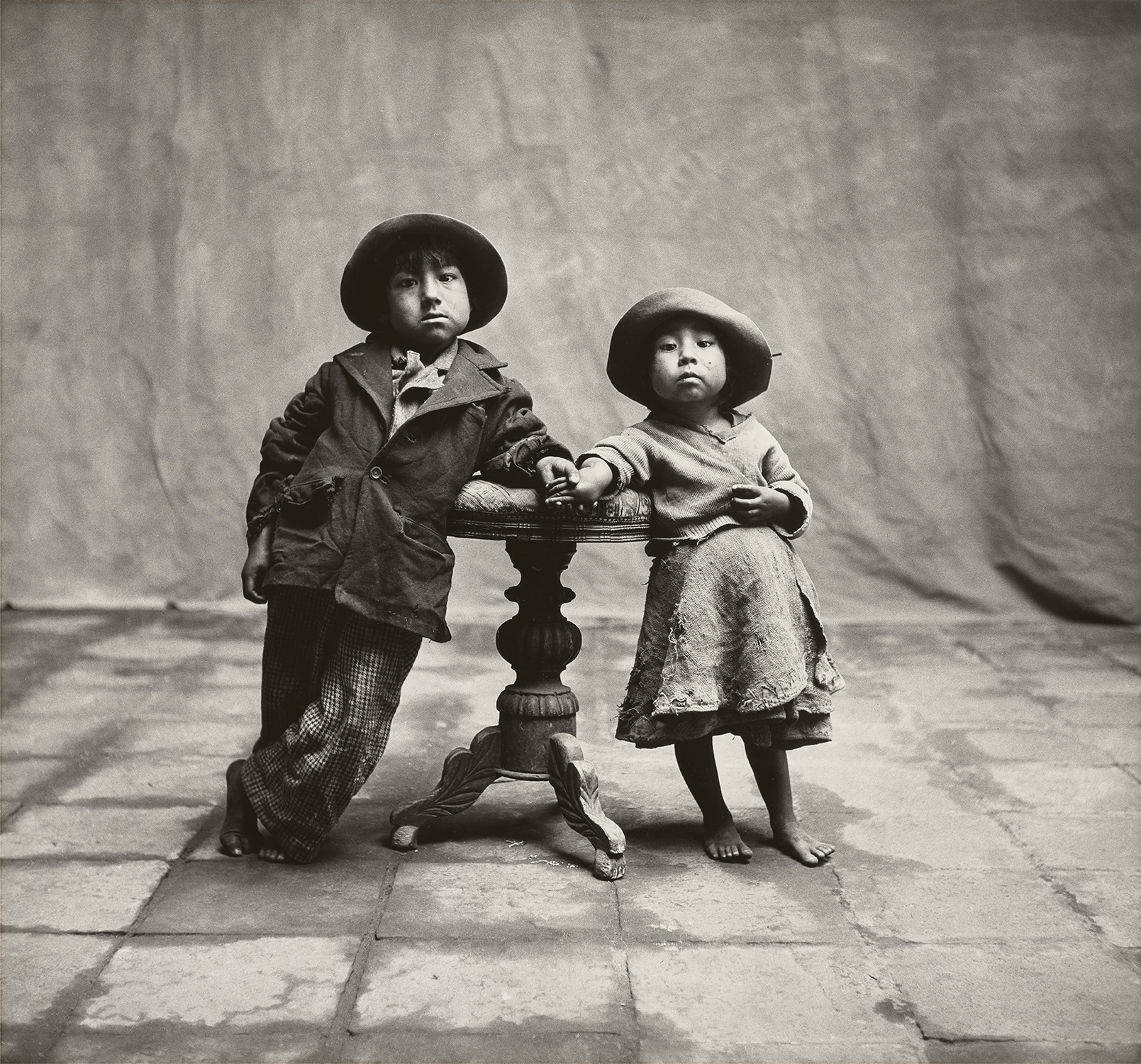
Irving Penn
Cuzco Children
Photography tends to see the most auction activity, with Levitt, Arbus, and Clarence H. White all appearing regularly at the major houses. White's pictorialist photographs from the early twentieth century, often featuring children in domestic or pastoral settings, are among the more quietly collectible objects in American photography, appreciated by a discerning audience that is not chasing obvious names. Print editions require careful attention to edition size and whether the print was made during the artist's lifetime.
For Hine in particular, posthumous prints vary considerably in quality and market reception, and a conversation with a specialist dealer before purchasing is genuinely worthwhile.\n\nPractically speaking, works on paper and photographs should be framed with archival materials and kept away from direct light, which is straightforward advice that is nonetheless violated constantly even in sophisticated homes. For paintings in this category, particularly those from the nineteenth century, provenance documentation matters more than it might in other areas, simply because the art market for academic and Salon painting has historically attracted misattributions. If a work is attributed to a known figure but lacks exhibition history or period documentation, price that uncertainty into your decision.
When speaking with a gallery, the most useful questions are not about the work itself but about the market for that specific artist: who else is buying, where the work has been exhibited, and what the gallery's long term relationship with the artist or estate looks like. Those answers tell you more about the work's future than anything on the wall card.
Works tagged Children
Jean-Baptiste Carpeaux
Le Prince Impérial et son chien Néro n° 2 (The Imperial Prince and his Dog, Nero)
Irving Penn
Cuzco Children
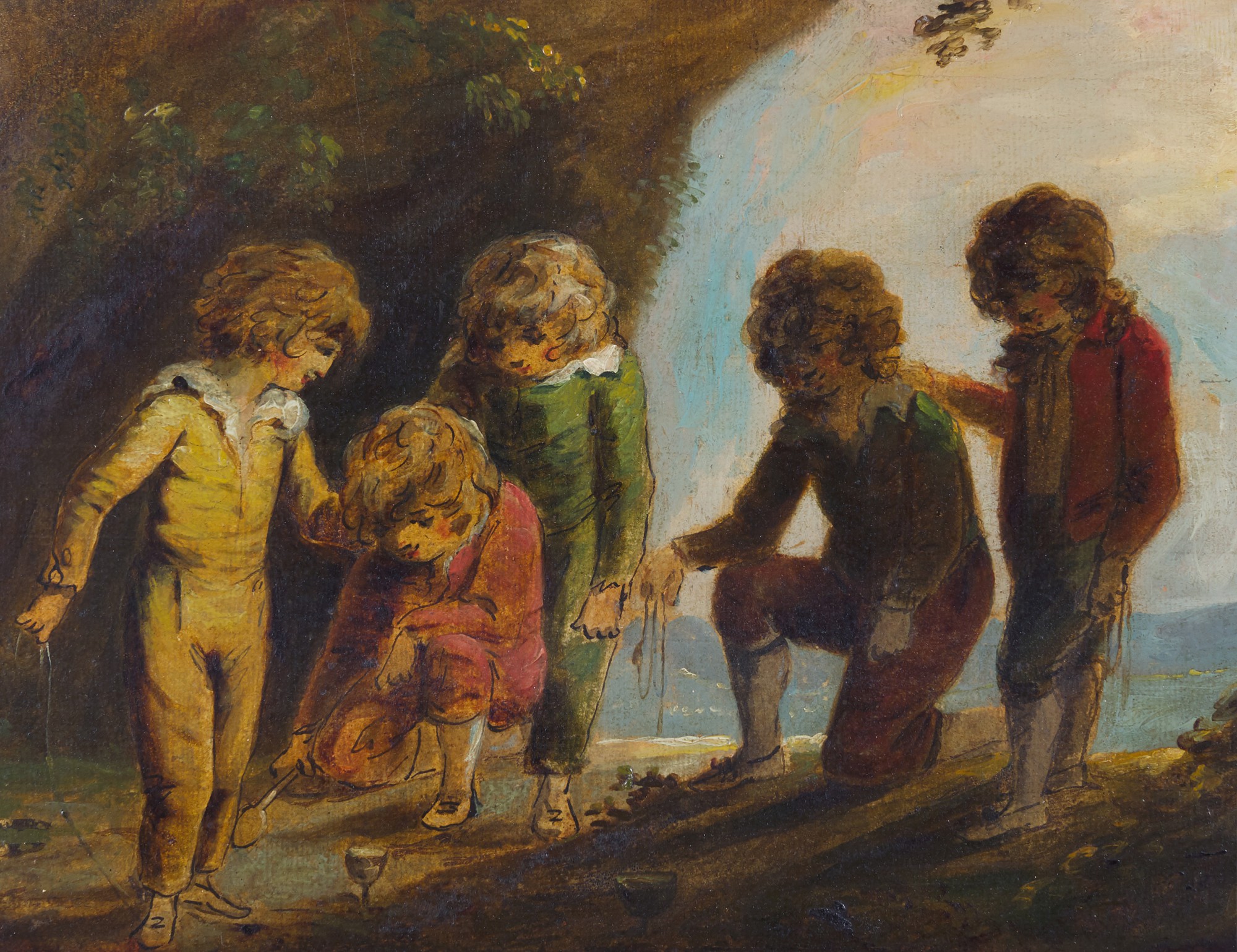
William Hamilton
Children at play in a shore-side cave
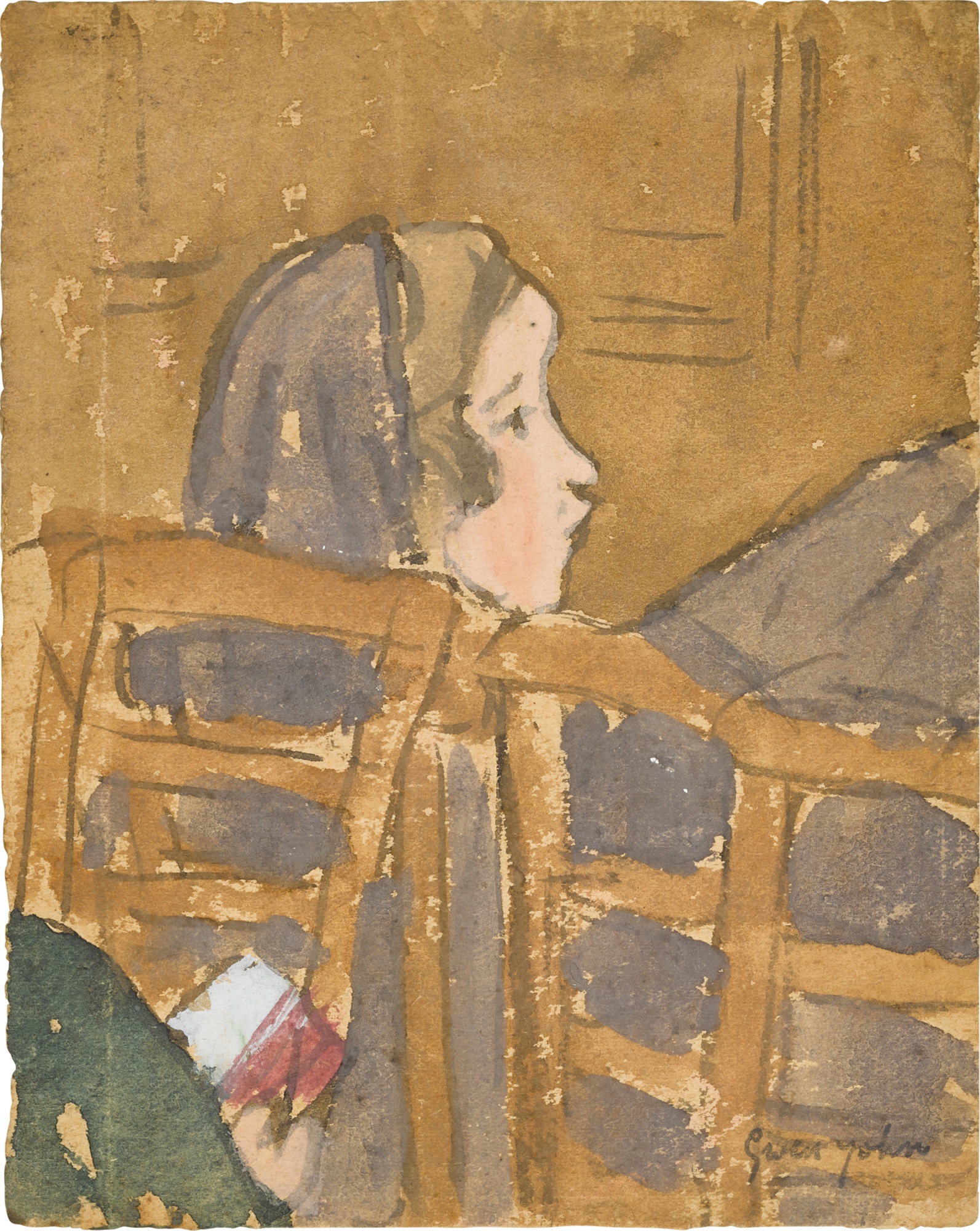
Gwen John
Little Girl Seated, Wearing a Cloak with a Hood
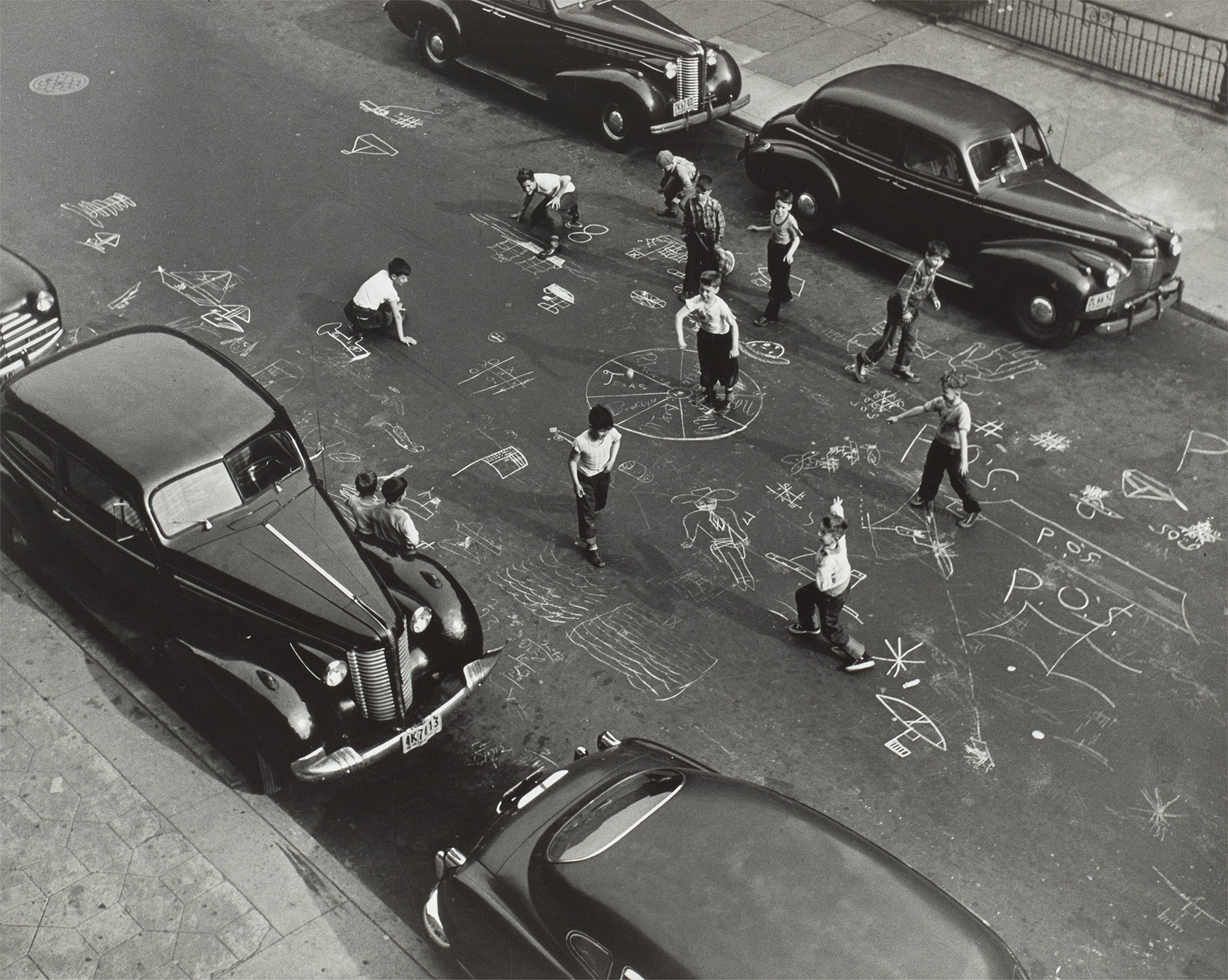
Arthur Leipzig
Chalk Games, New York
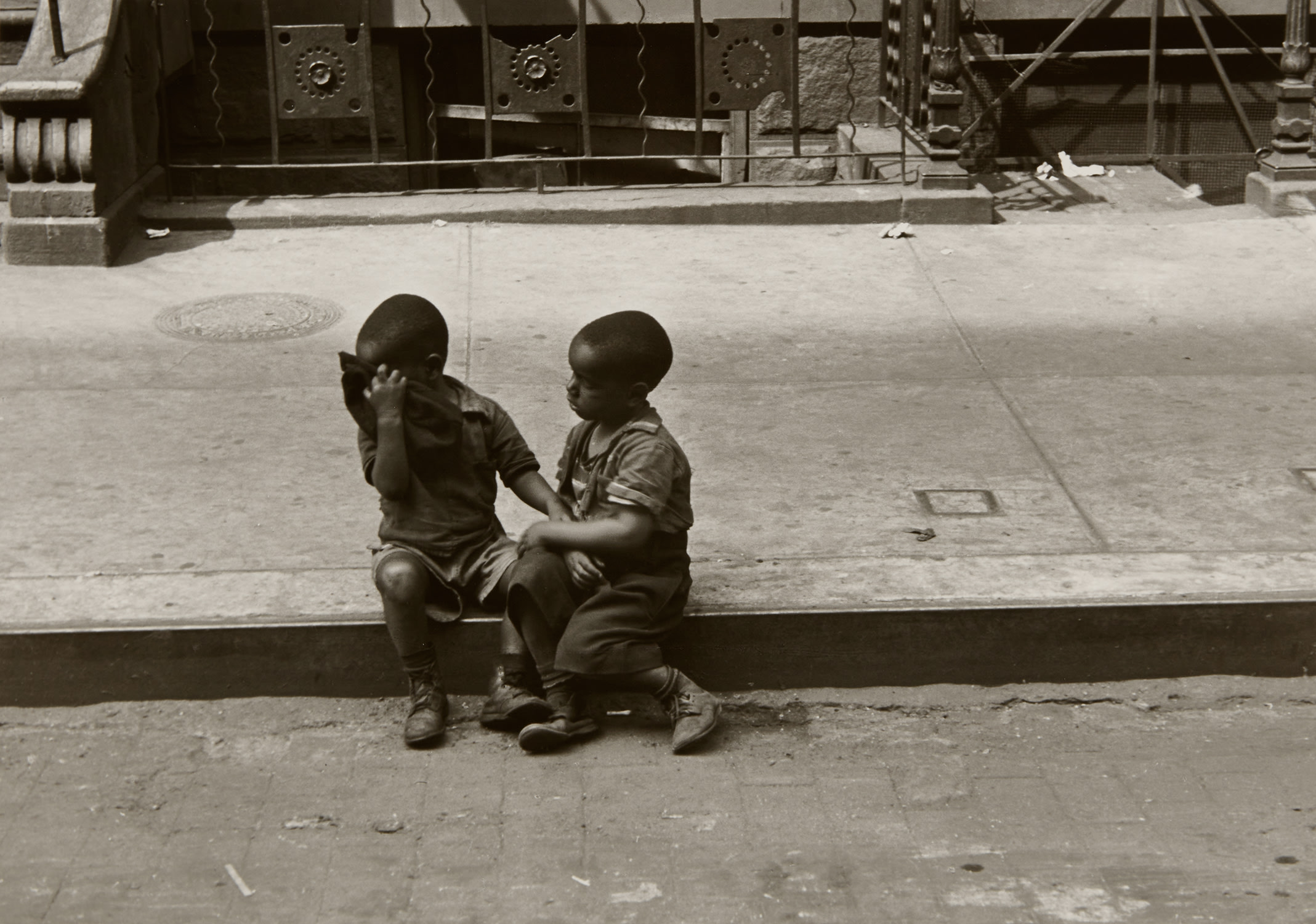
Helen Levitt
New York (two boys sitting)
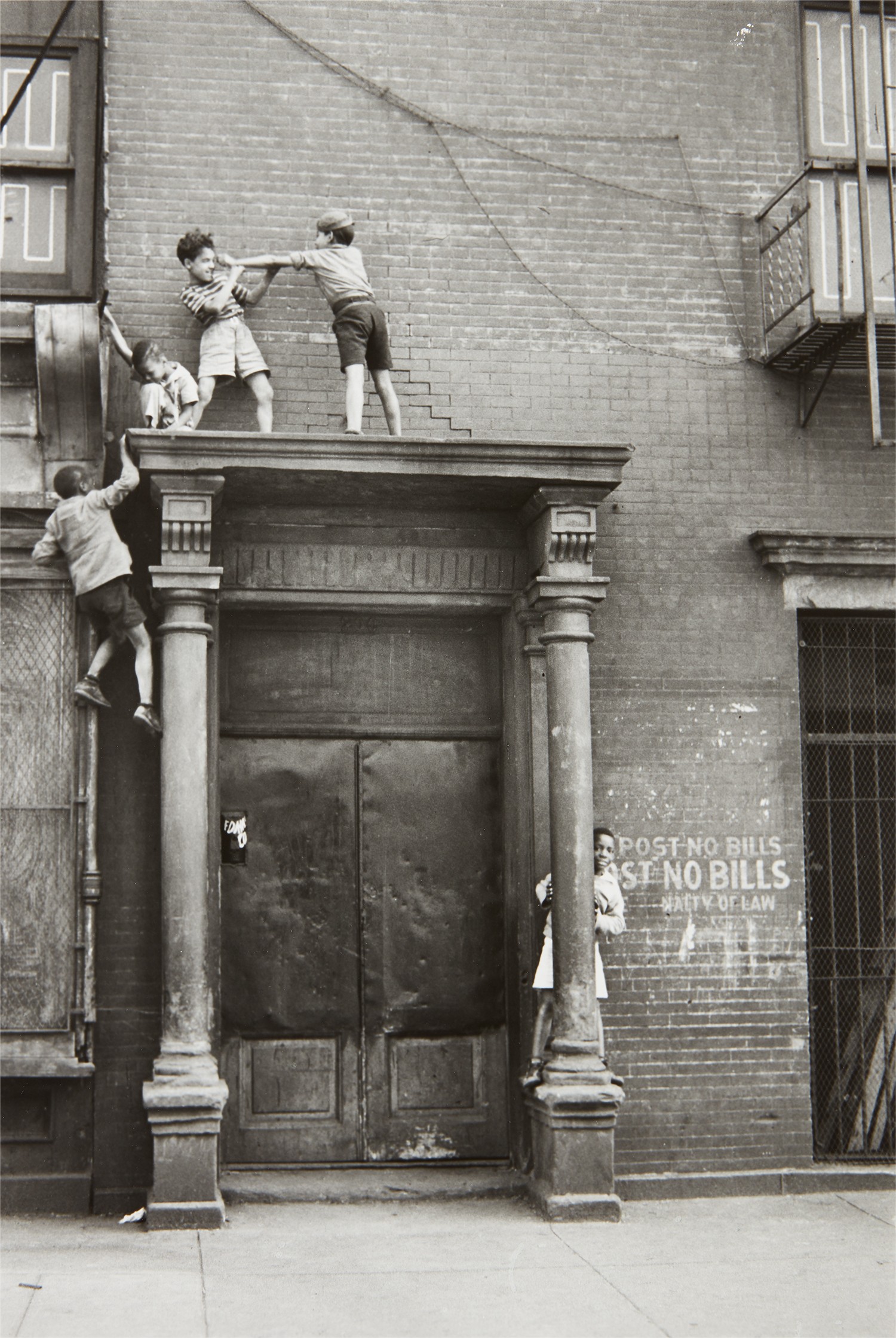
Helen Levitt
N.Y.C. (boys playing over doorway)
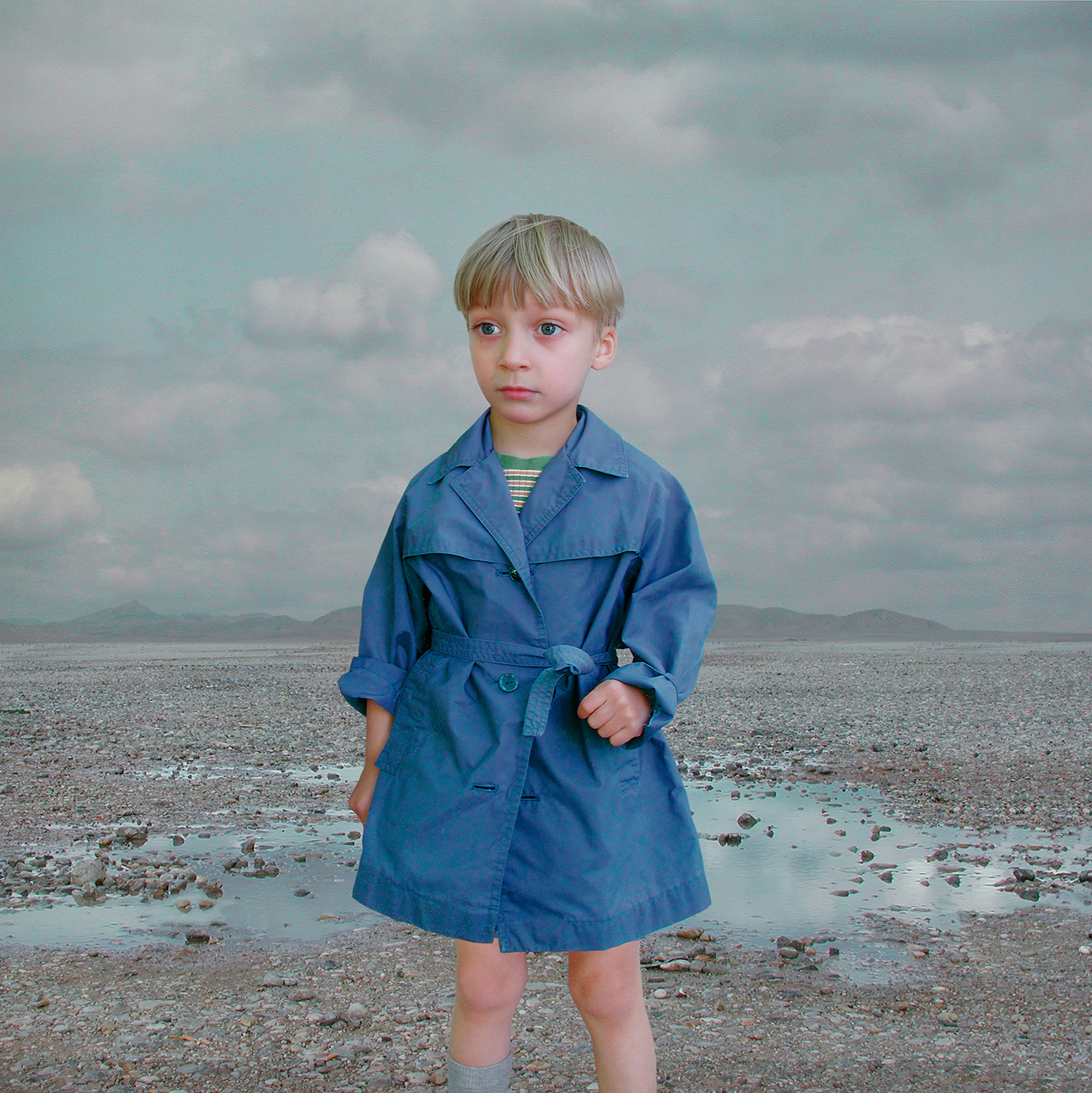
Loretta Lux
Boy in a Blue Raincoat 2
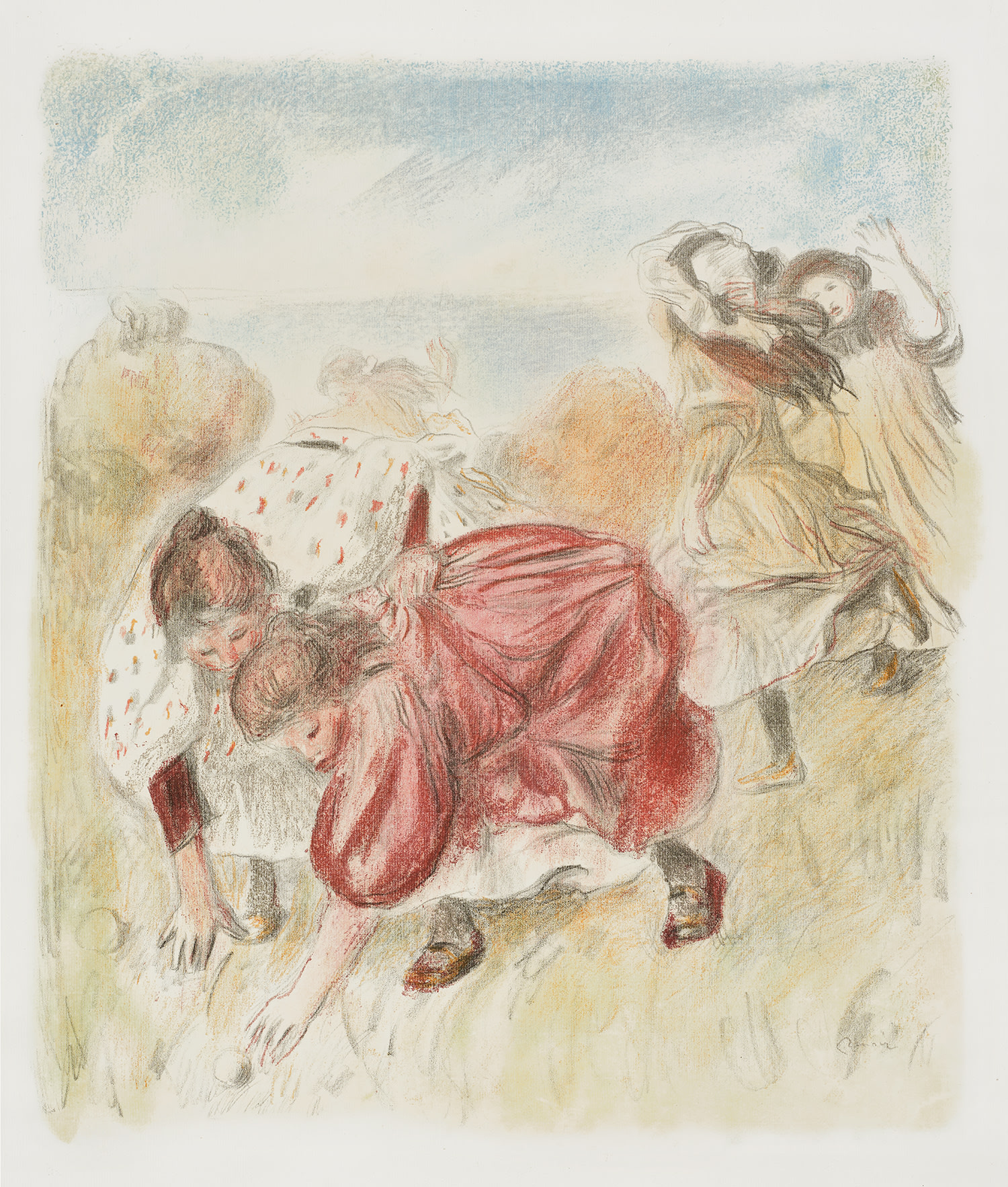
Pierre-Auguste Renoir
Enfants jouant à la balle (Children Playing Ball) (D. & S. 32, R.-M. 7)
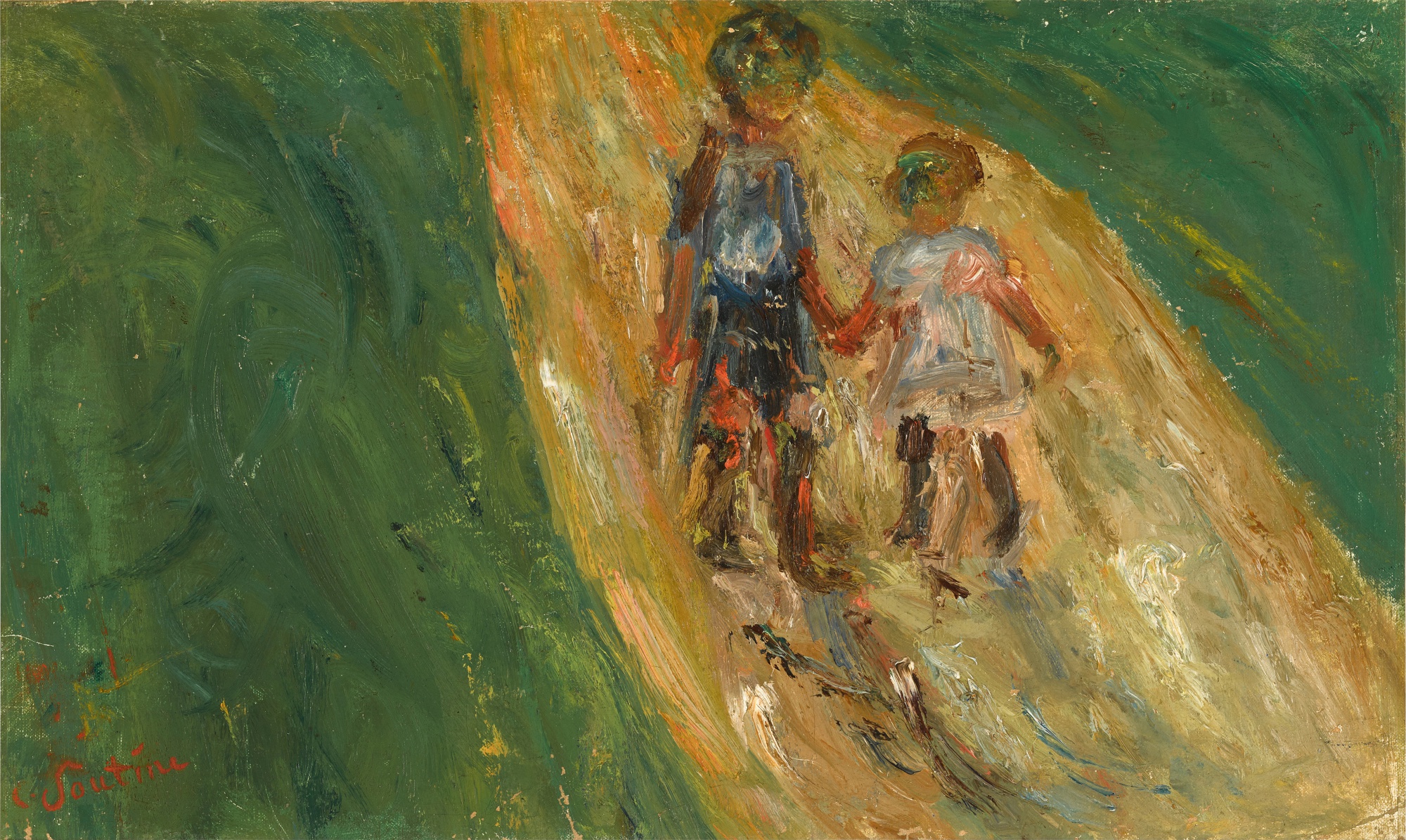
Chaïm Soutine
Deux enfants sur une route
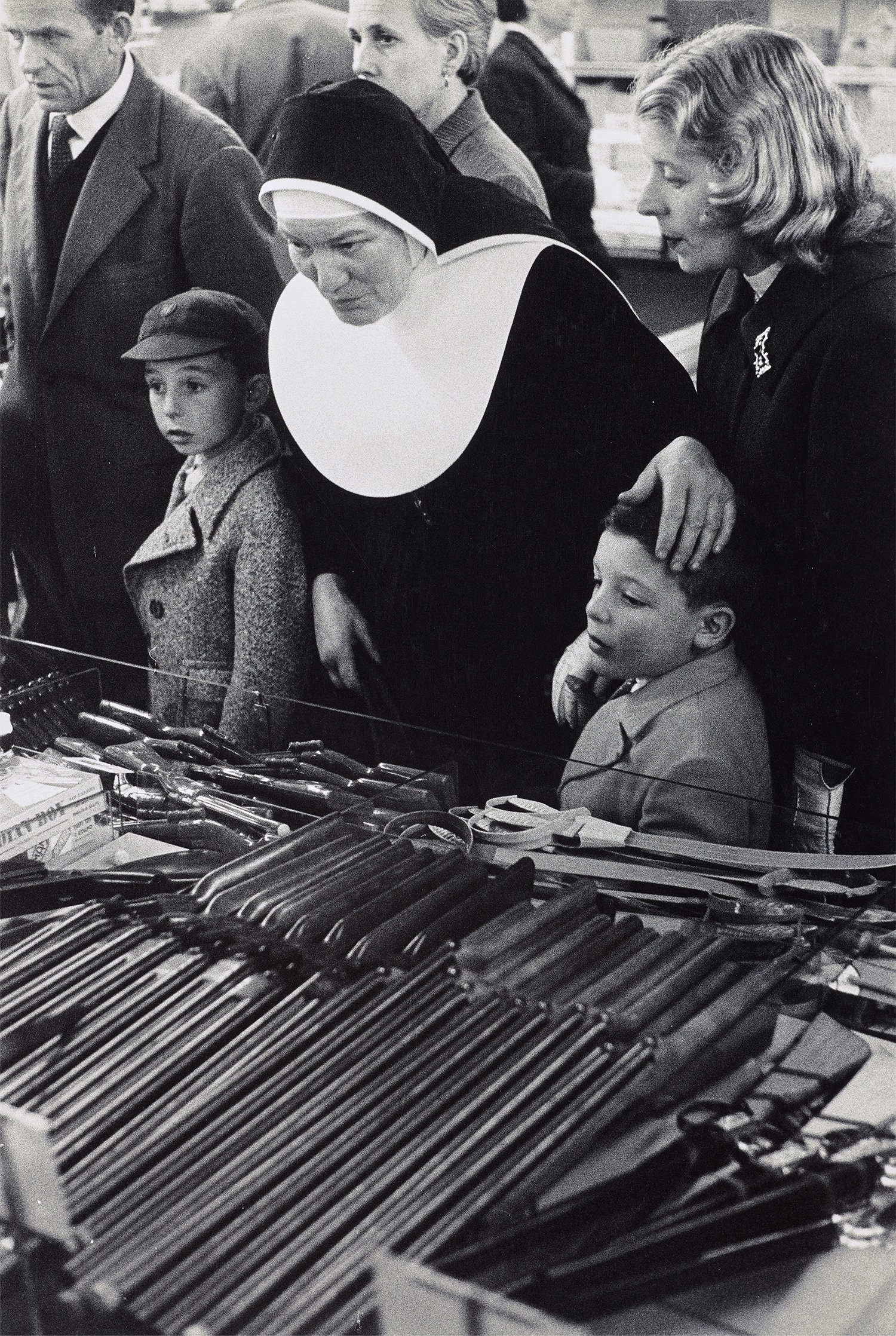
Will McBride
Nun with Boys Interested in Weapons, Florence
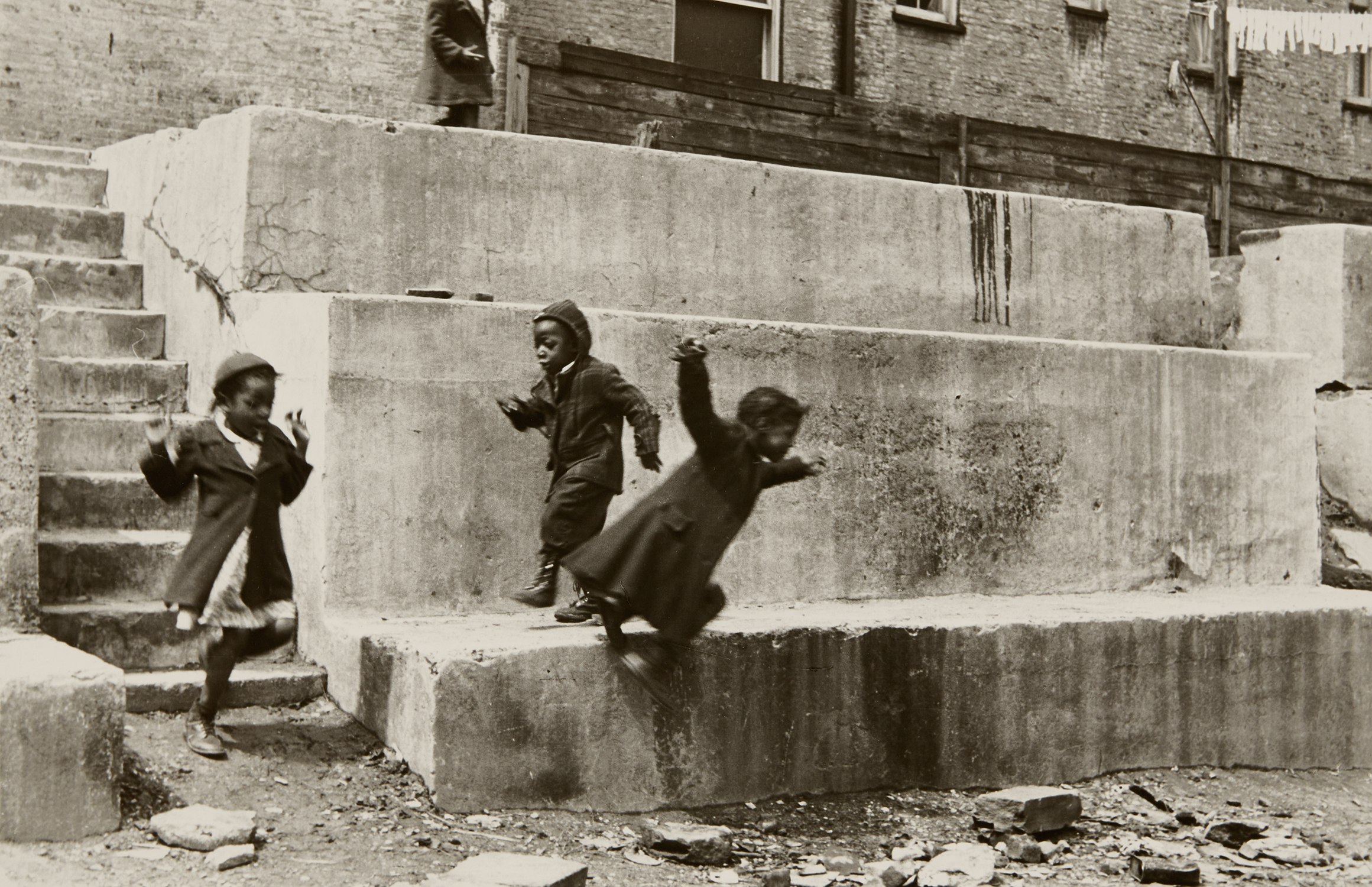
Helen Levitt
New York (children playing)
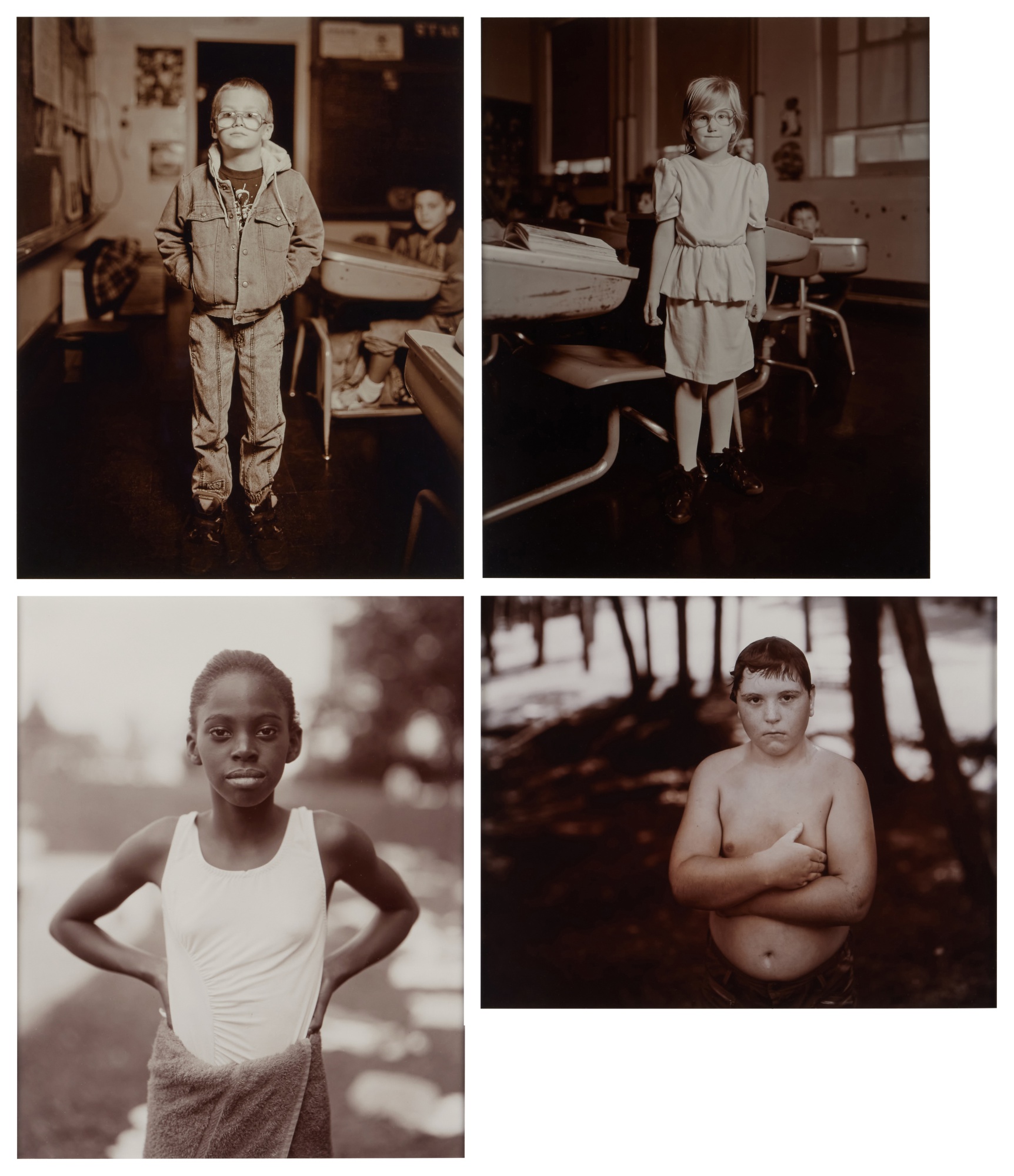
Art House: The Collection of Chara Schreyer
Selected Images of Children (4 Works)
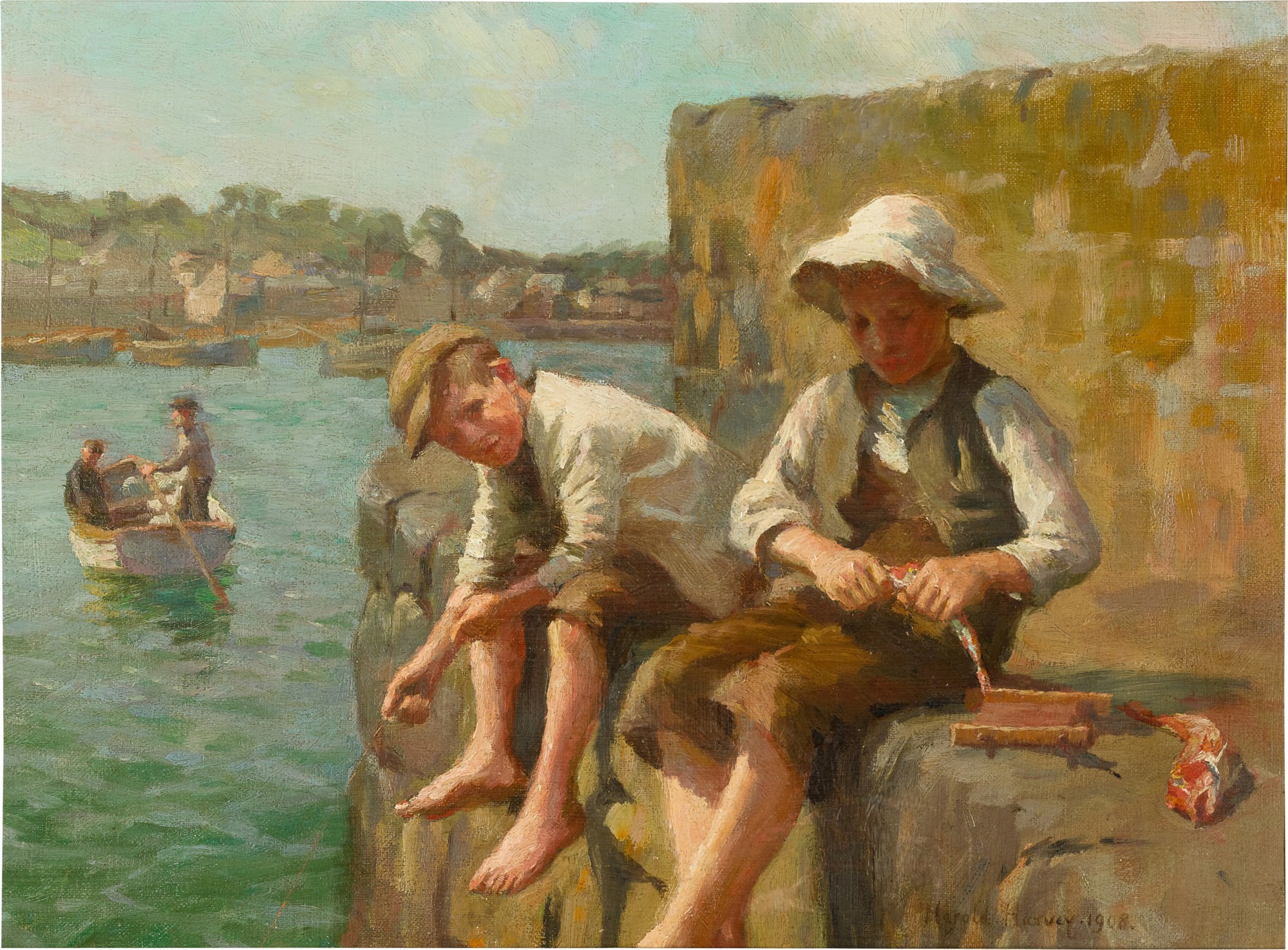
Harold Harvey
Boys Fishing on a Quay
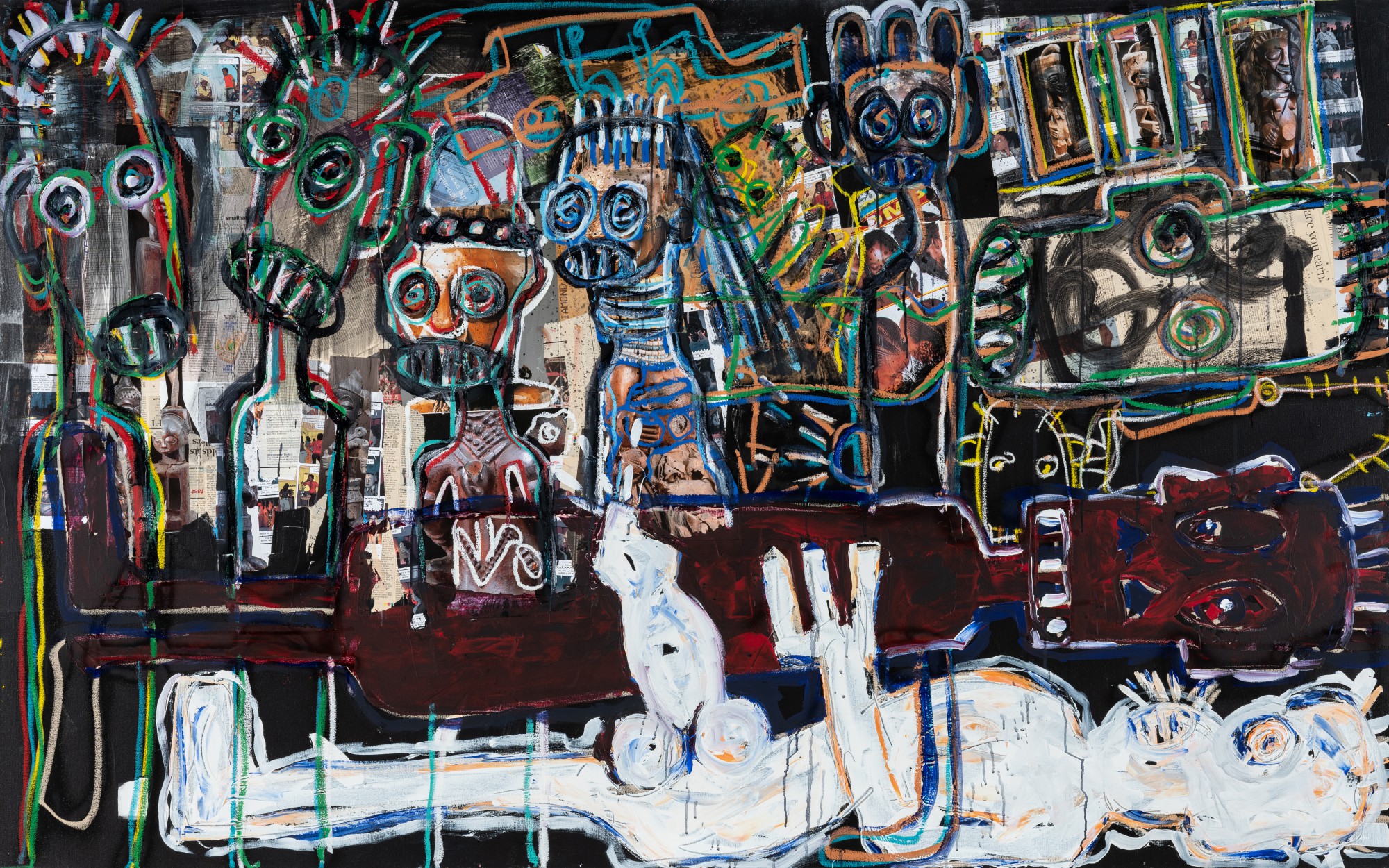
Aboudia
Enfants dans la Rue 1
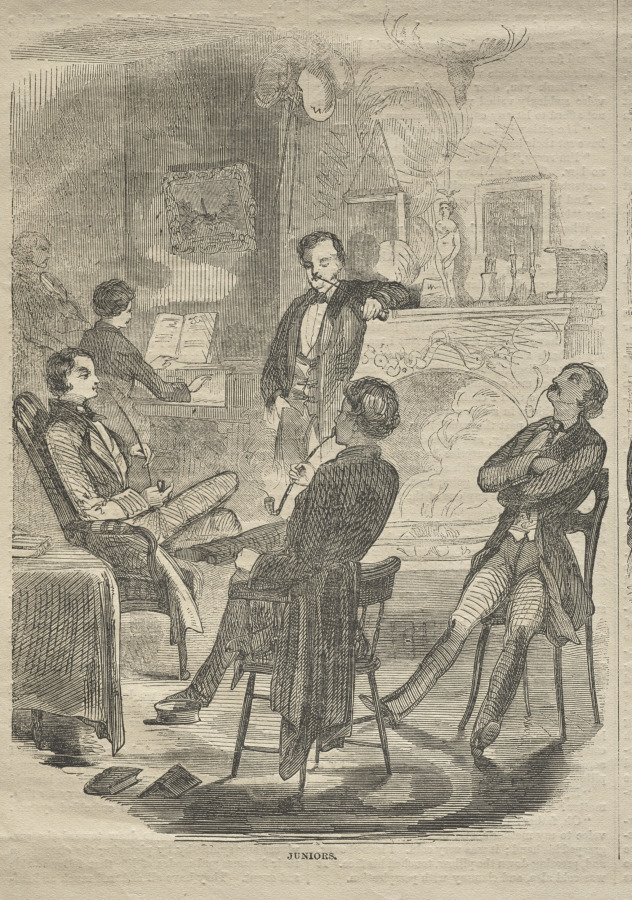
Winslow Homer
Juniors
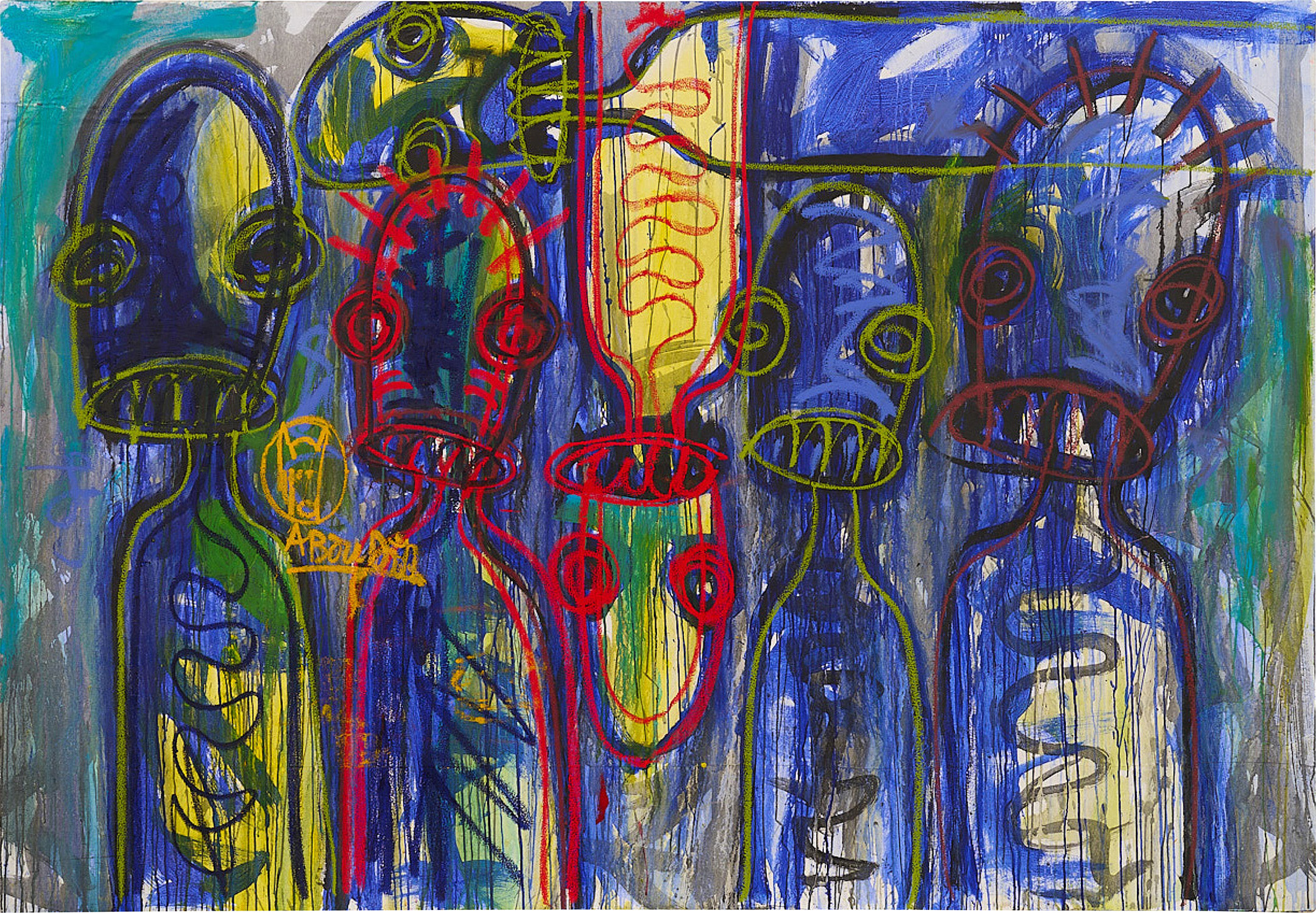
Aboudia
Les enfants dans la rue (Children in the Street)
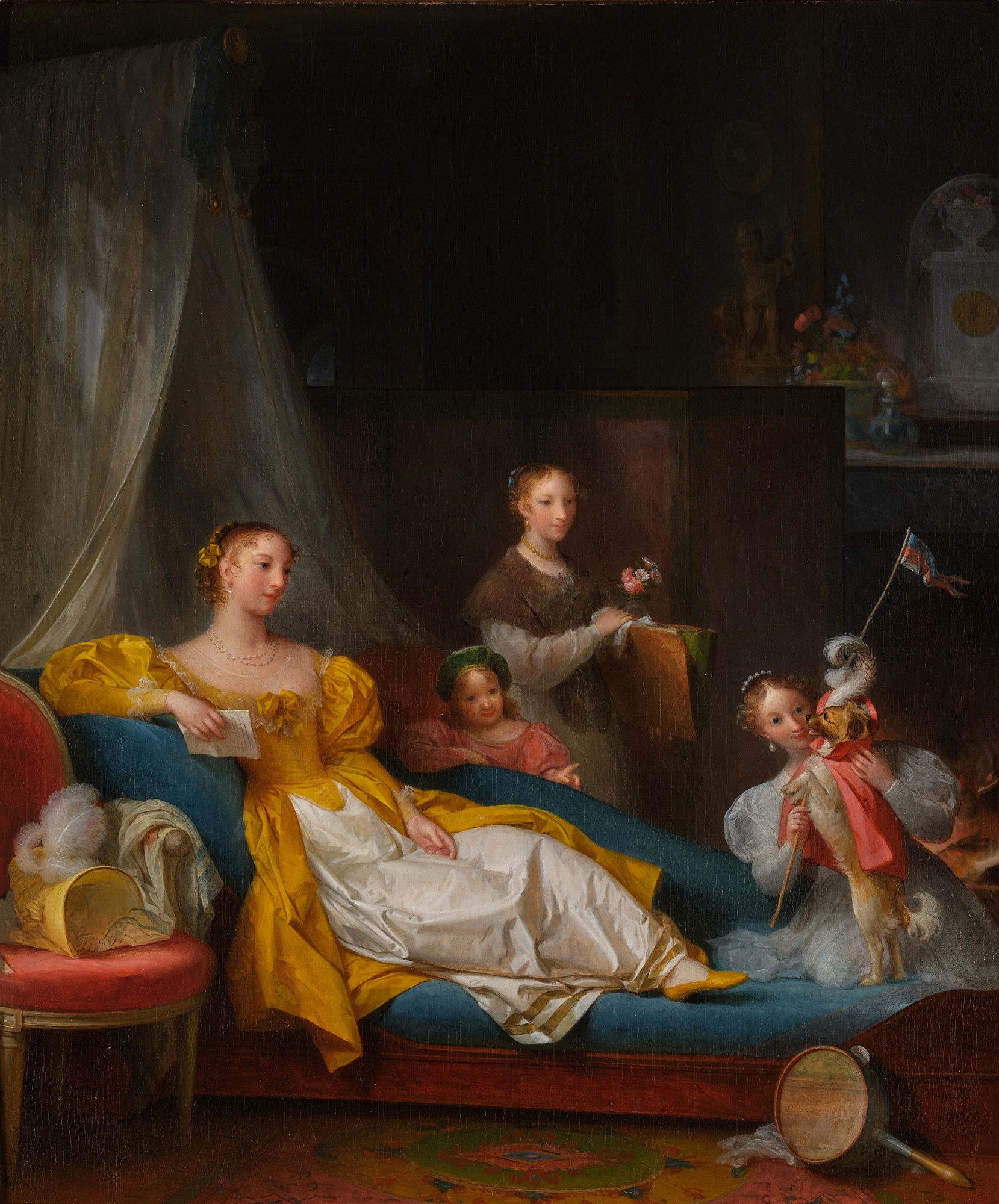
Marguerite Gérard
A woman on a chaise longue in an interior, holding a letter and surrounded by three children, one playing with a dog
Arthur Egeli
The Big Catch
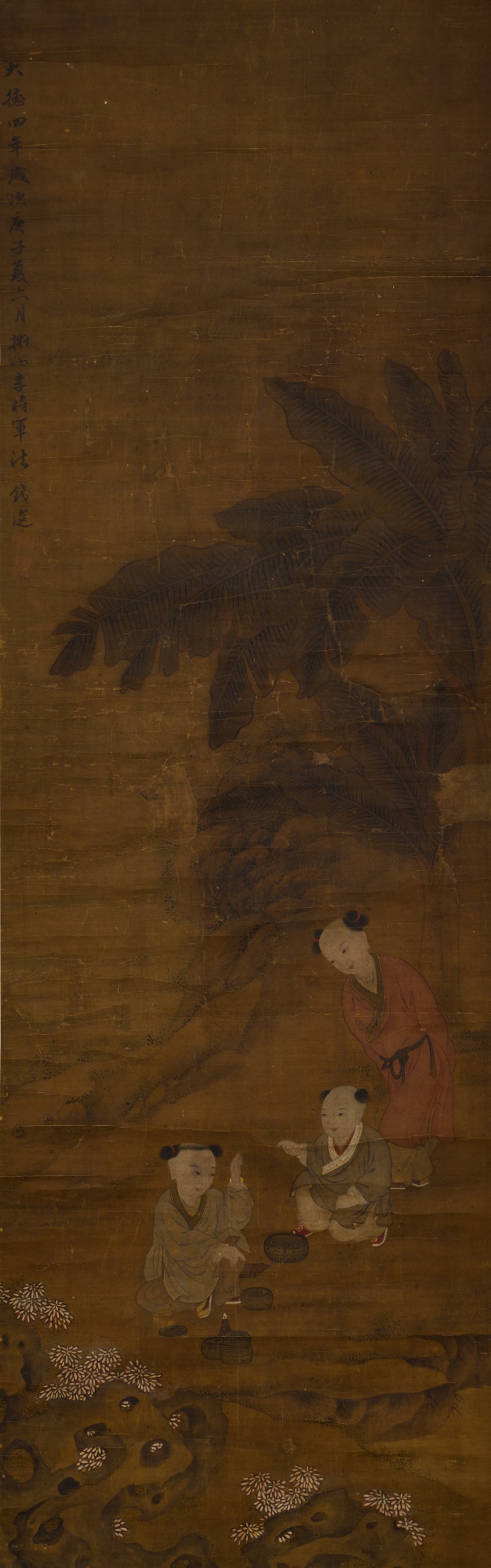
Attributed to Qian Xuan, Boys at play,
錢選(款)《庭院嬰戲圖》設色絹本 立軸
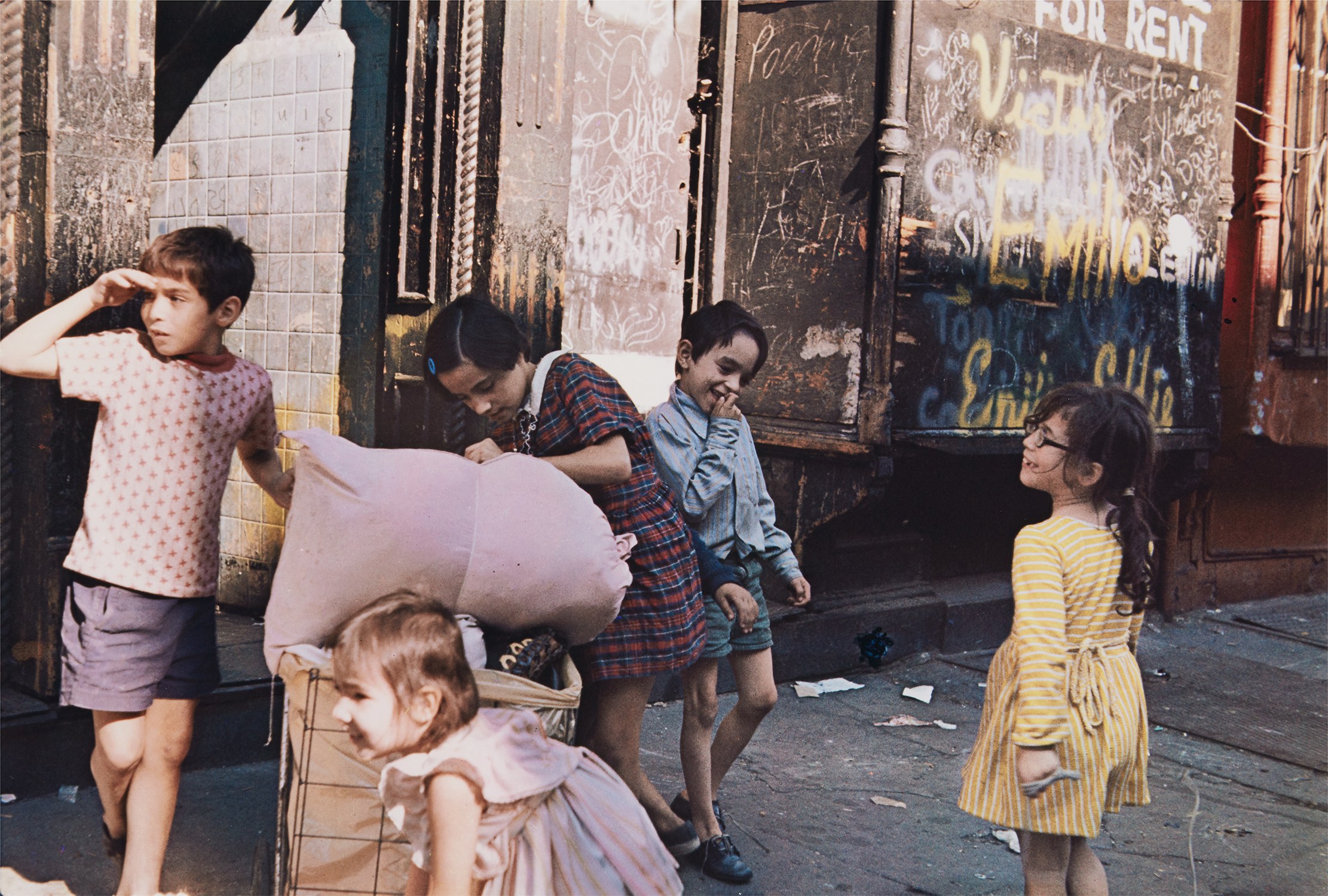
Helen Levitt
N.Y. (children with laundry)
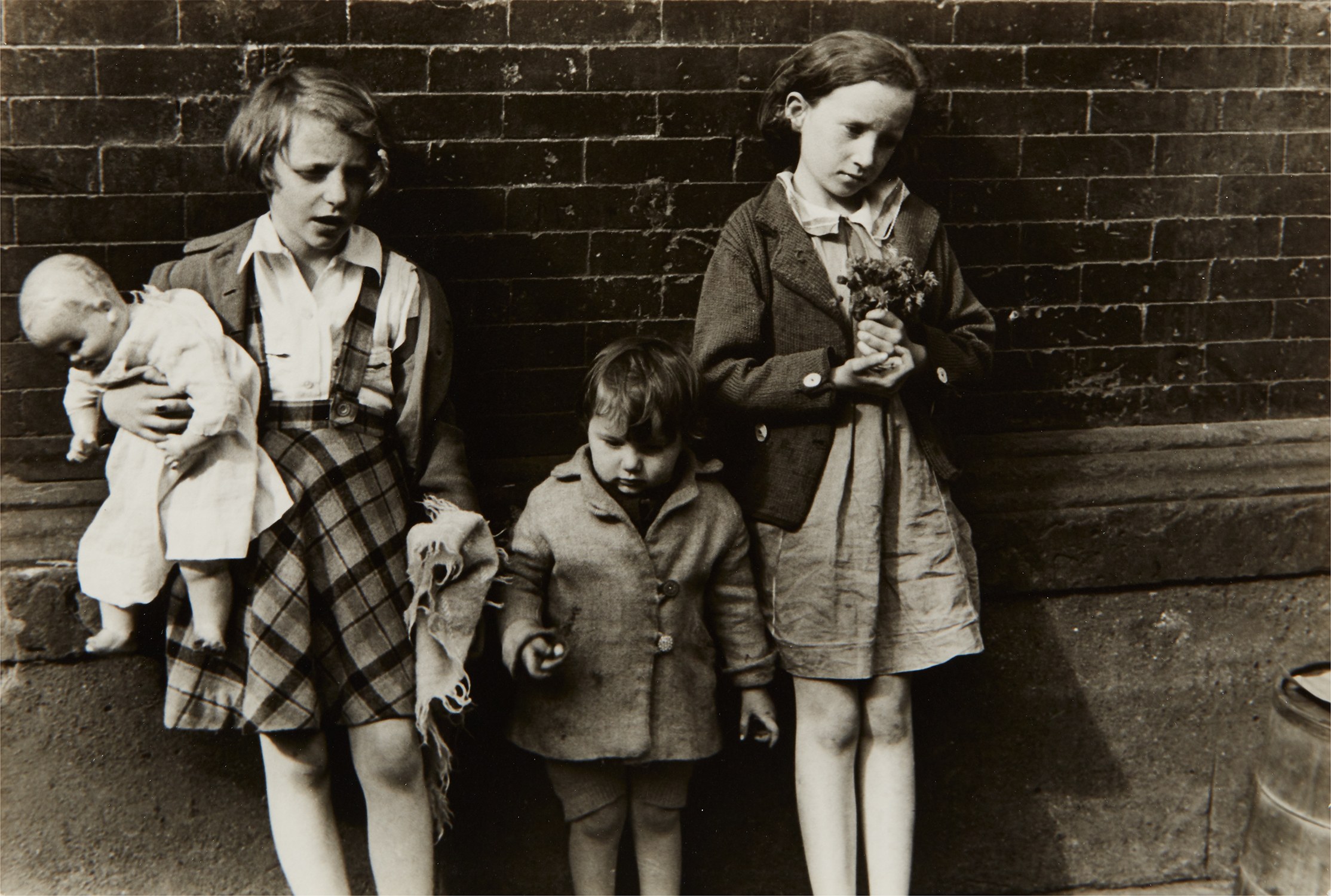
Helen Levitt
N.Y. (children with doll and flowers)
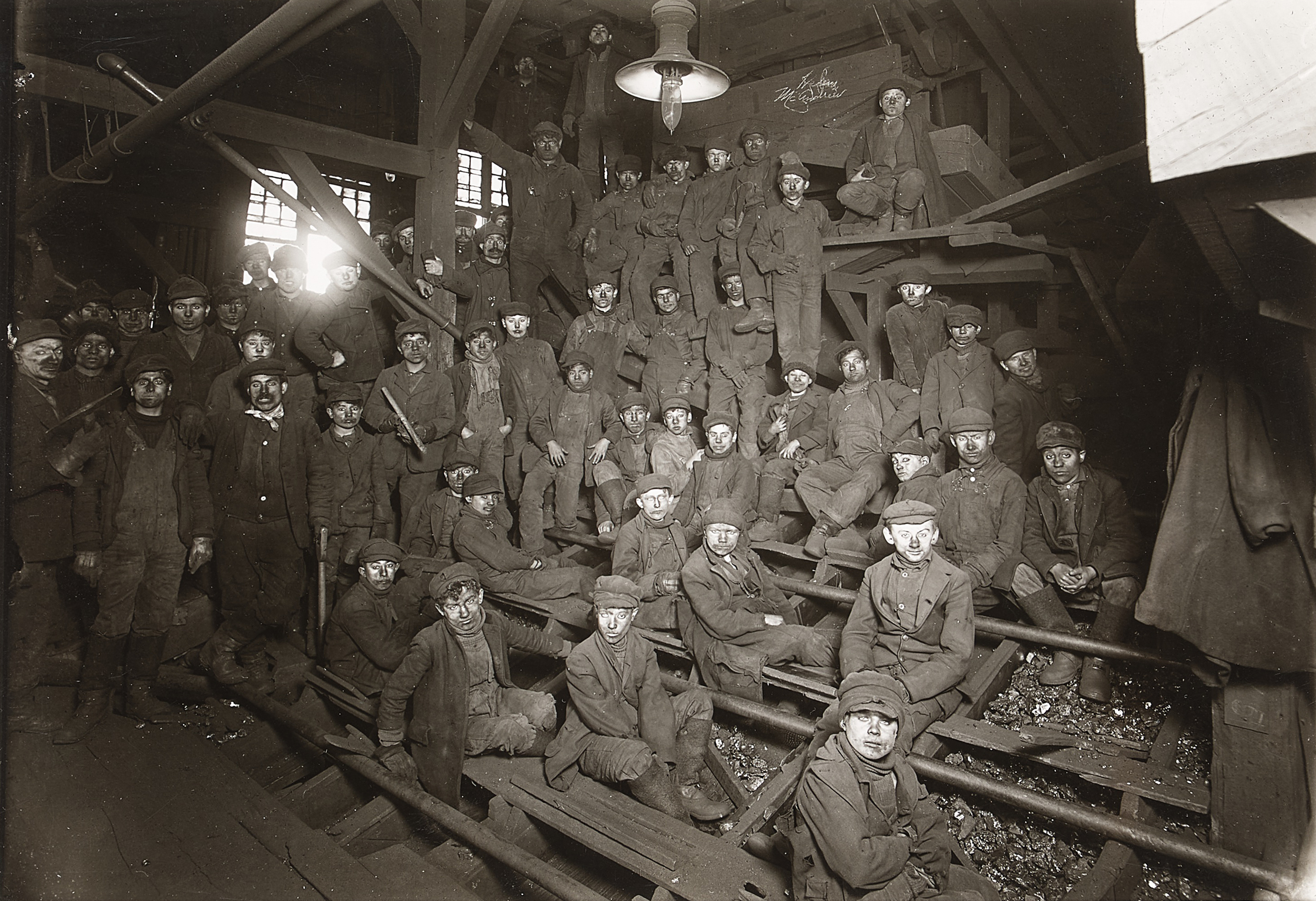
Lewis W. Hine
Selected Images of Children
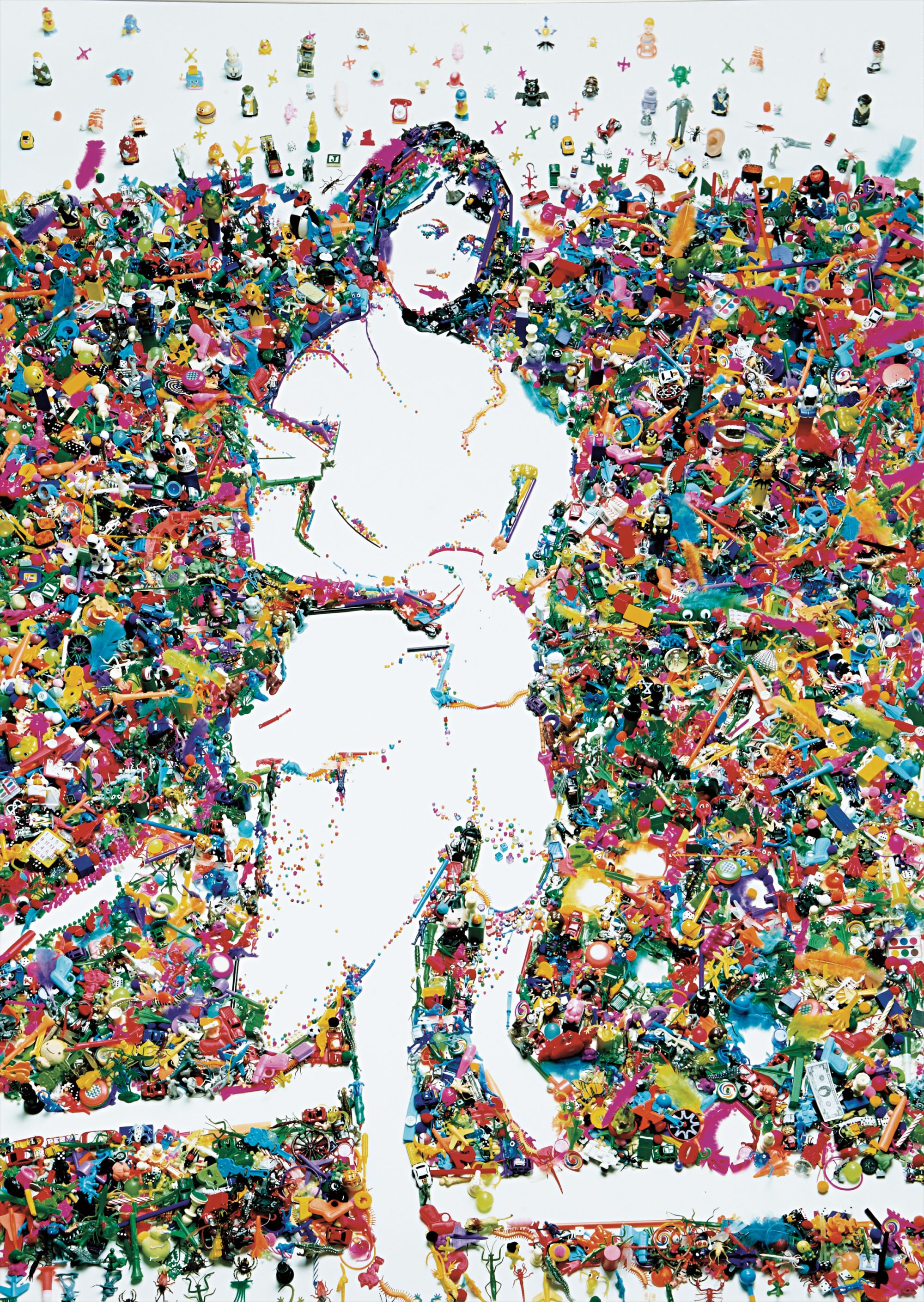
Vik Muniz
Portrait of Alice Liddell, after Lewis Carroll from Rebus