Autobiographical
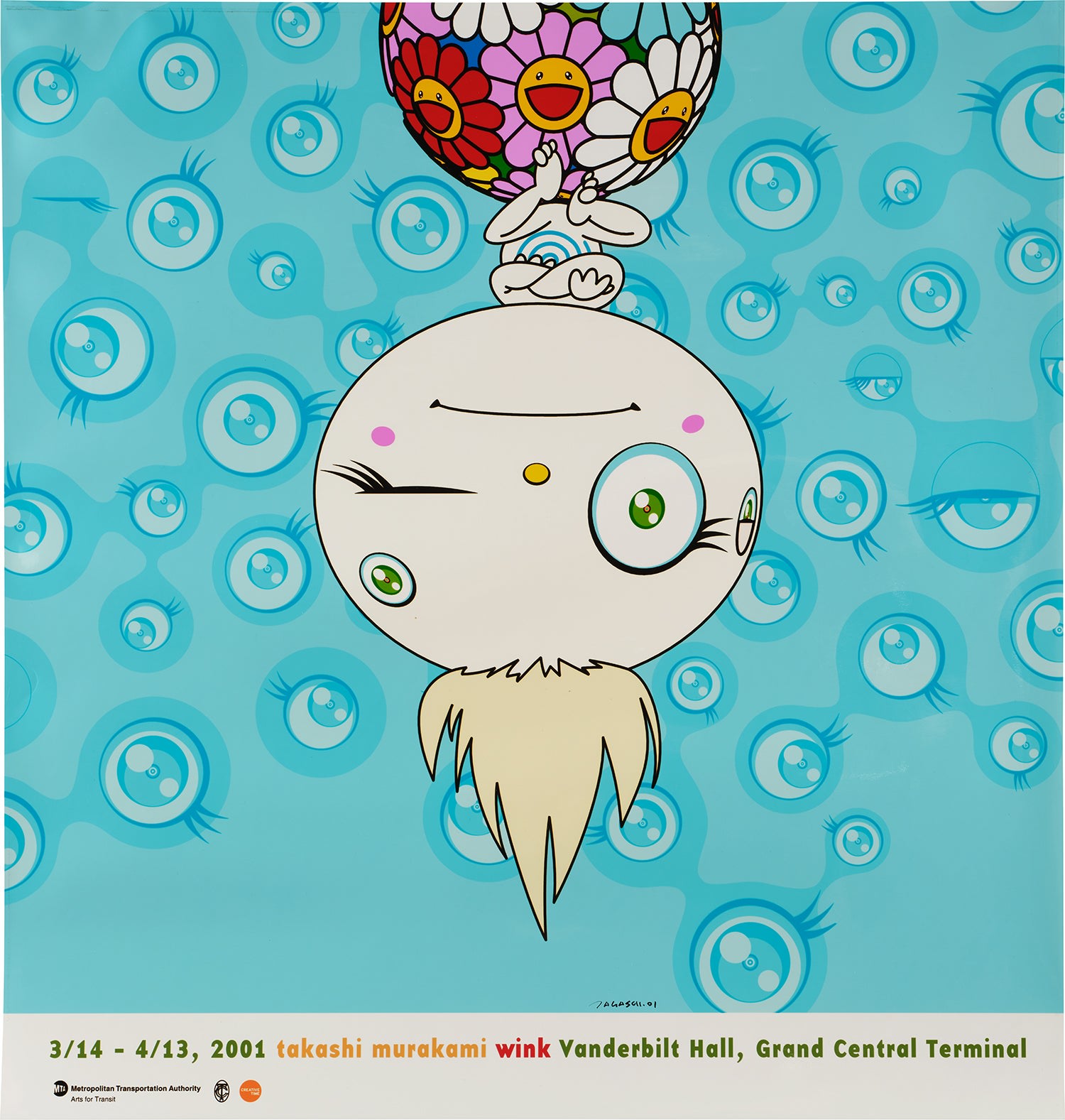
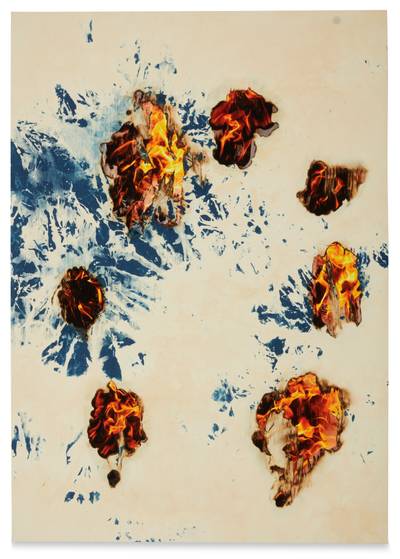
Takashi Murakami
Takashi Murakami




The Self as Subject: Collecting the Confessional
There is something unusually intimate about living with autobiographical art. Unlike landscape or abstraction, a work rooted in the artist's own experience watches you back. Collectors who are drawn to this area often describe a feeling that is hard to articulate at first: the sense that the work already knows something about them. That mutual recognition, the way a piece by Tracey Emin or Louise Bourgeois seems to locate your own half buried memories and hold them up to the light, is what makes autobiographical art among the most personally charged categories a collection can encompass.
It is not simply decoration. It is a sustained conversation. The appeal is also, frankly, historical. The late twentieth century saw a decisive turn toward the personal in contemporary art, and what emerged from that period has proven remarkably durable both critically and commercially.
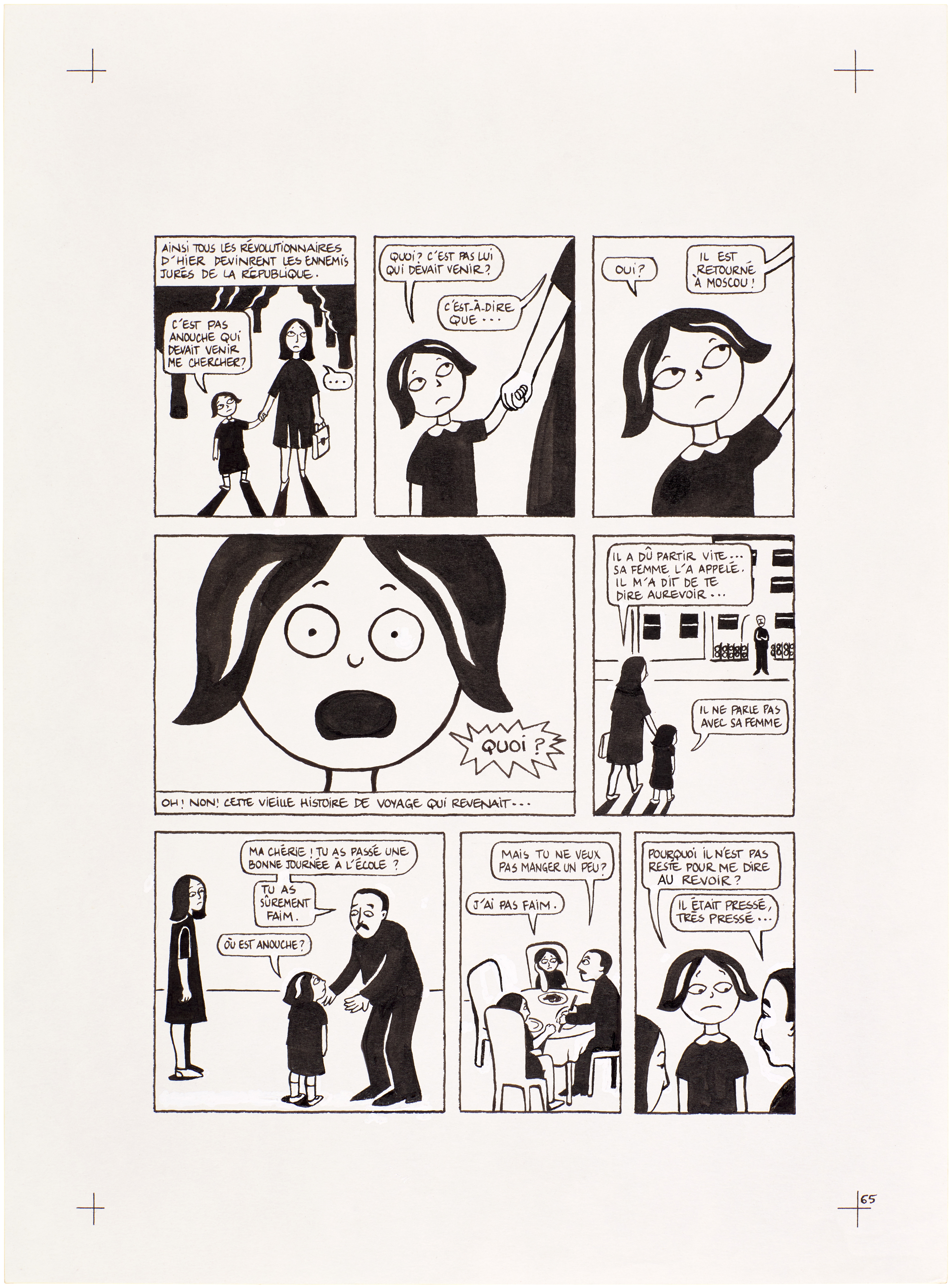
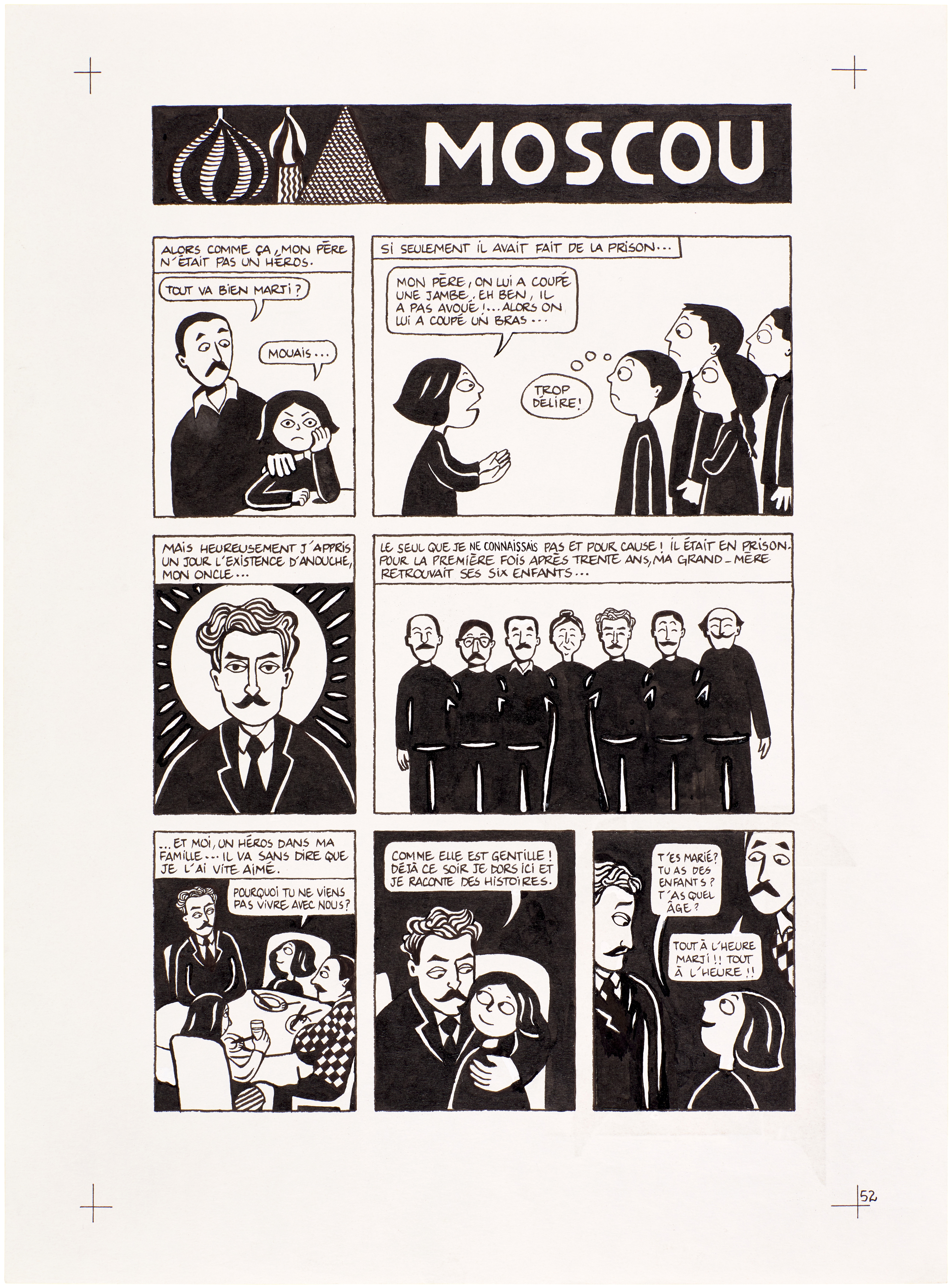
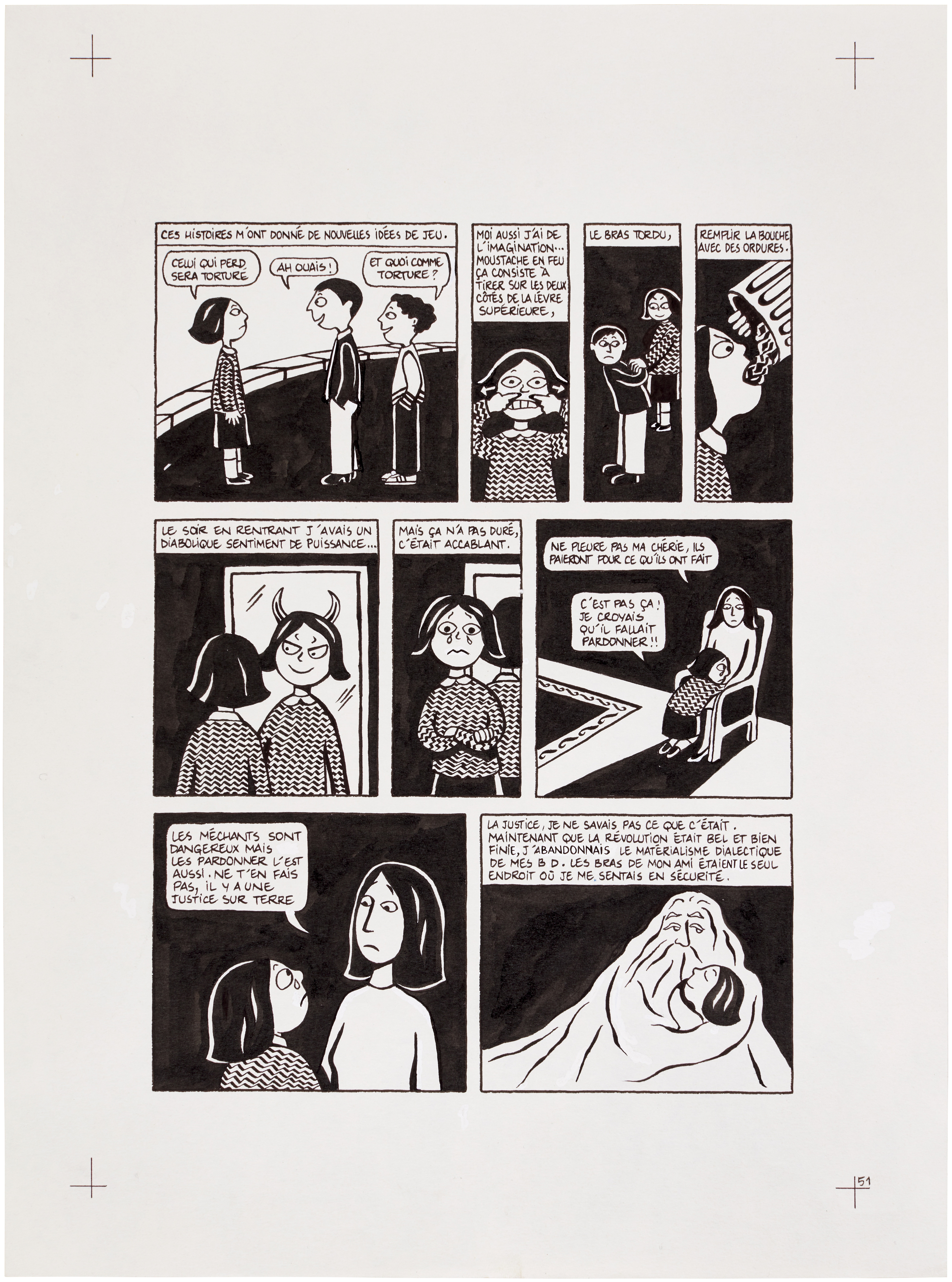
Marjane Satrapi
Persepolis (Original Book Art, page 65), 2000
Works made from lived experience carry a density that resists exhaustion. You can return to them for years and find new entry points, because the artist's inner life is not a finite subject. For a collector who intends to live with work rather than rotate it through storage, that quality of inexhaustibility is worth paying for. So what separates the merely confessional from the genuinely great?
The best autobiographical works achieve something beyond self documentation. They transform private material into a structure that other people can inhabit. Bourgeois understood this at a level very few artists have matched: her Cells series and her spider sculptures are soaked in her own childhood and her complicated feelings about her parents, yet they function as universal architectures of grief, desire, and protection. The test a collector should apply is simple but demanding.
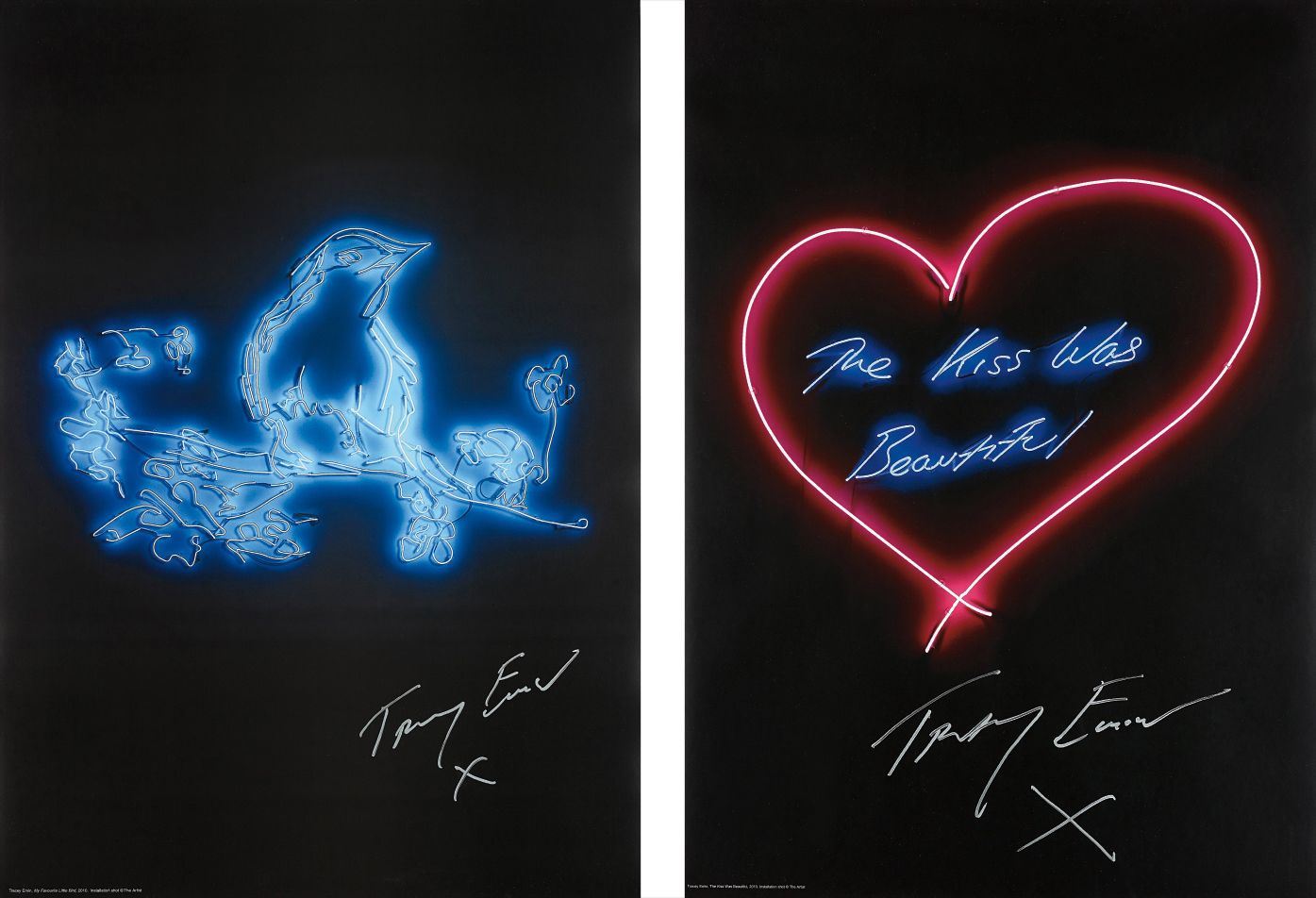
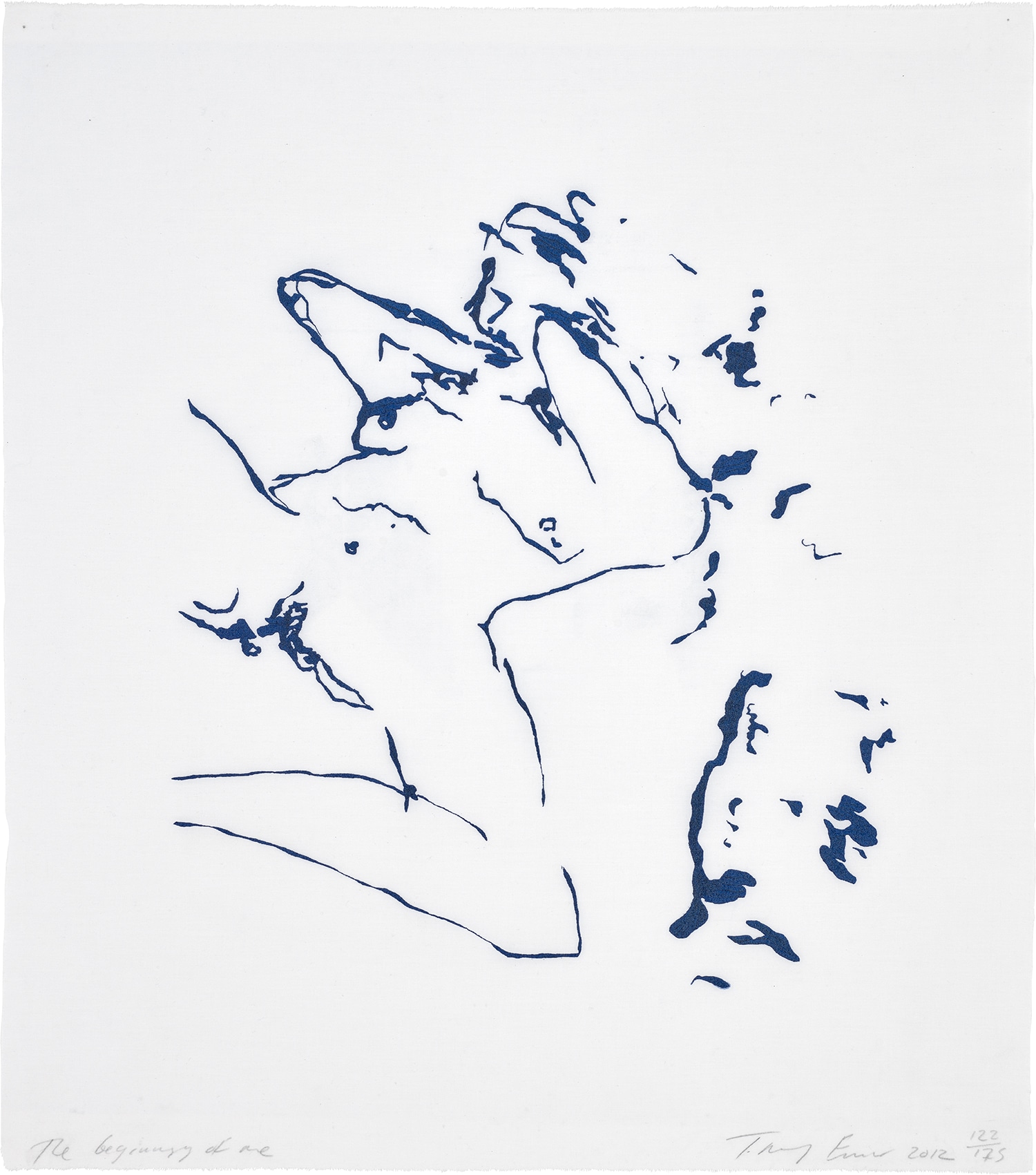
Tracey Emin
My Favourite Little Bird; and The Kiss was Beautiful
Remove the biographical context entirely, and ask whether the work still holds. If it collapses without the artist's story propping it up, it is memoir rather than art. If it stands and even gains resonance from the removal, you are looking at something worth acquiring seriously. Attention to formal intelligence matters just as much as emotional content.
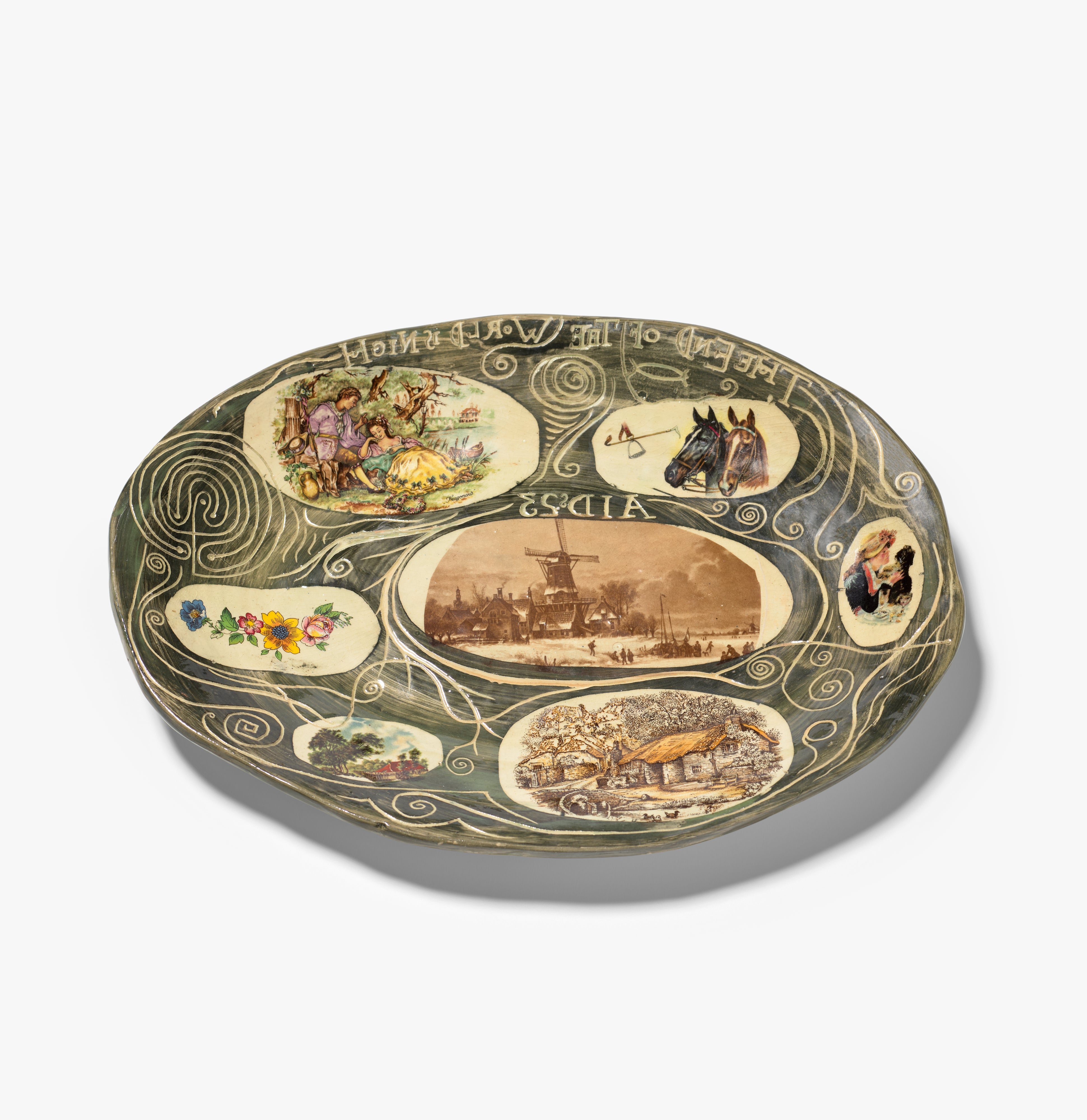
Marjane Satrapi, whose work is particularly well represented on The Collection, constructs her visual language from a tradition of Persian miniature and the stark graphic economy of the graphic novel. That combination produces images that are at once personal and iconographic. A collector looking at her work should consider how the formal choices amplify or complicate the autobiographical content. The same question applies to Grayson Perry, whose ceramic surfaces are dense with self portraiture embedded in social observation.
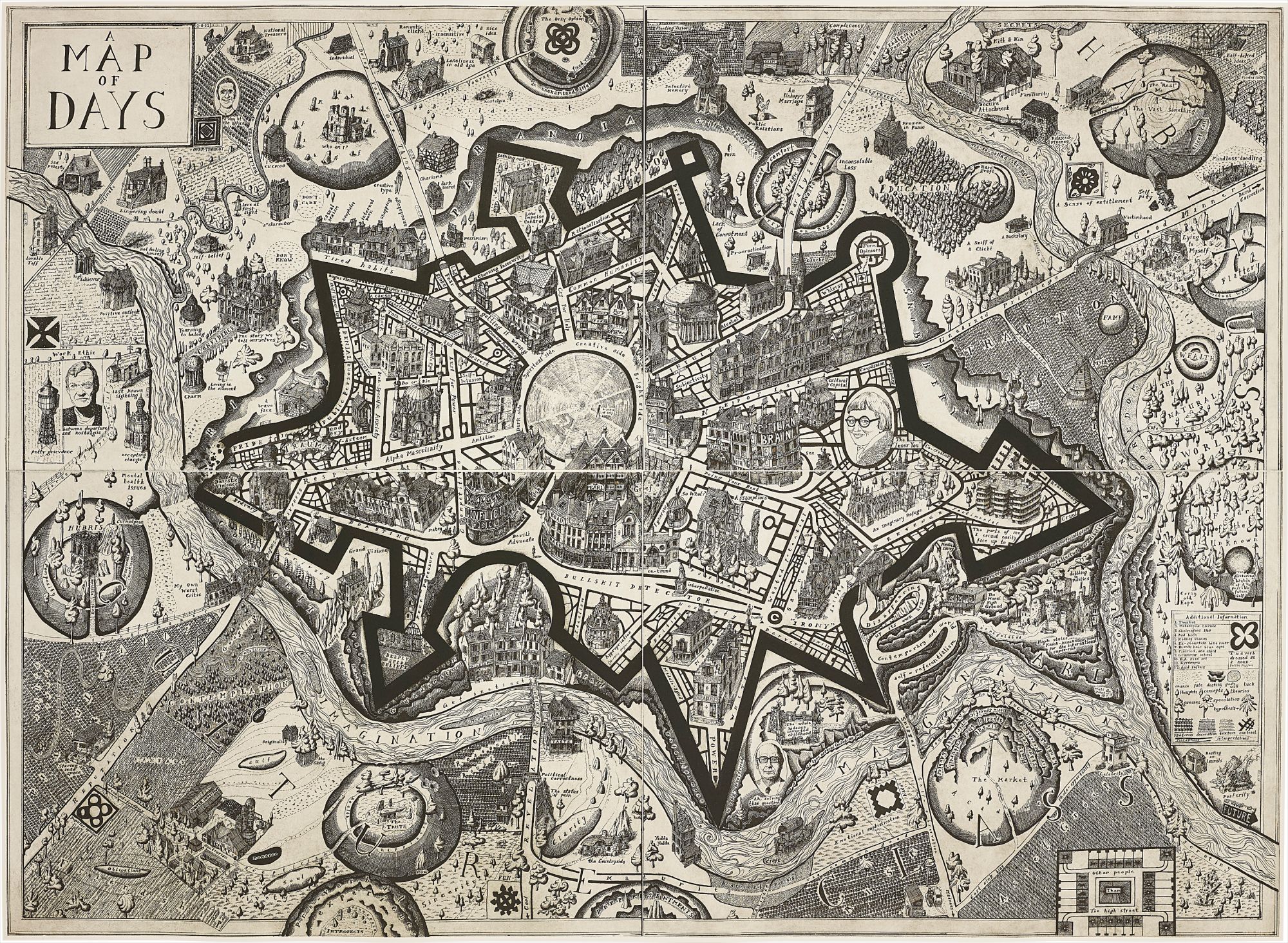
Grayson Perry
Map of Days
The autobiography is inseparable from the craft, and the craft is where the long term value lives. For collectors thinking about where the strongest positions are right now, the names that reward close attention are those who have built coherent bodies of work over time rather than producing isolated confessional gestures. Tracey Emin is the obvious example: her neons, her monoprints, and her embroideries form a sustained self portrait that spans decades, and the market has reflected that coherence with consistent performance at auction. Works on paper and monoprints have historically offered more accessible entry points into her practice than her major textile pieces, and they tend to hold value well because the demand from institutional collectors keeps the floor high.
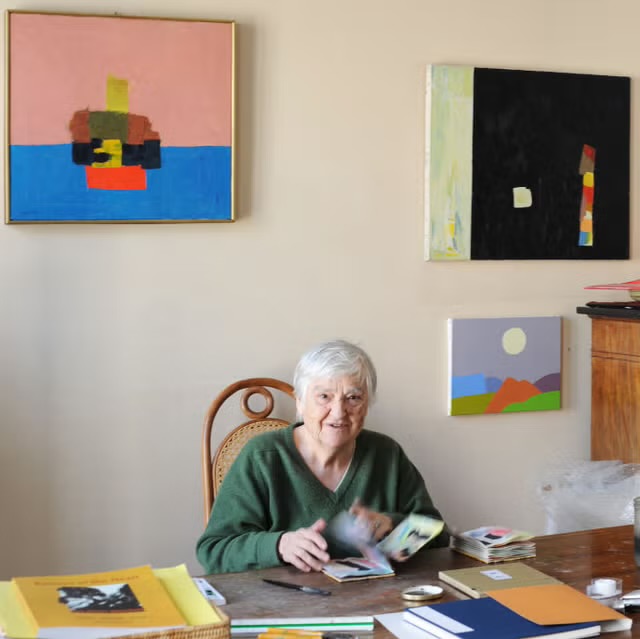
Emin's inclusion in major survey exhibitions and her appointment as a Royal Academician have only consolidated her position. Etel Adnan represents a different kind of opportunity. Her accordion books and small oil paintings were modestly priced for much of her career, undervalued in part because she was known primarily as a poet and her visual practice was treated as secondary. That perception has shifted dramatically since her retrospective at the Serpentine in 2020 and her participation in documenta 13.
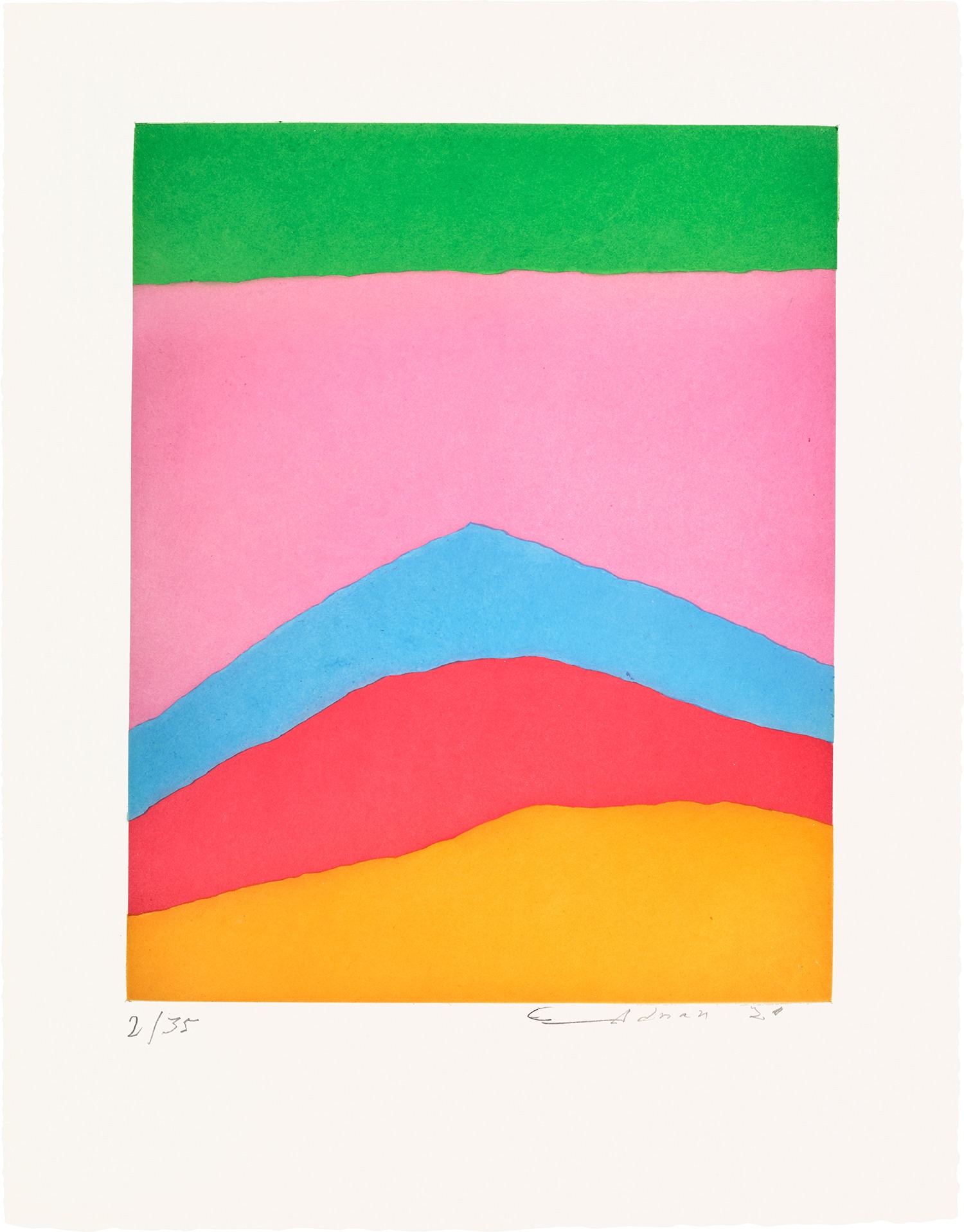
Etel Adnan
Memories
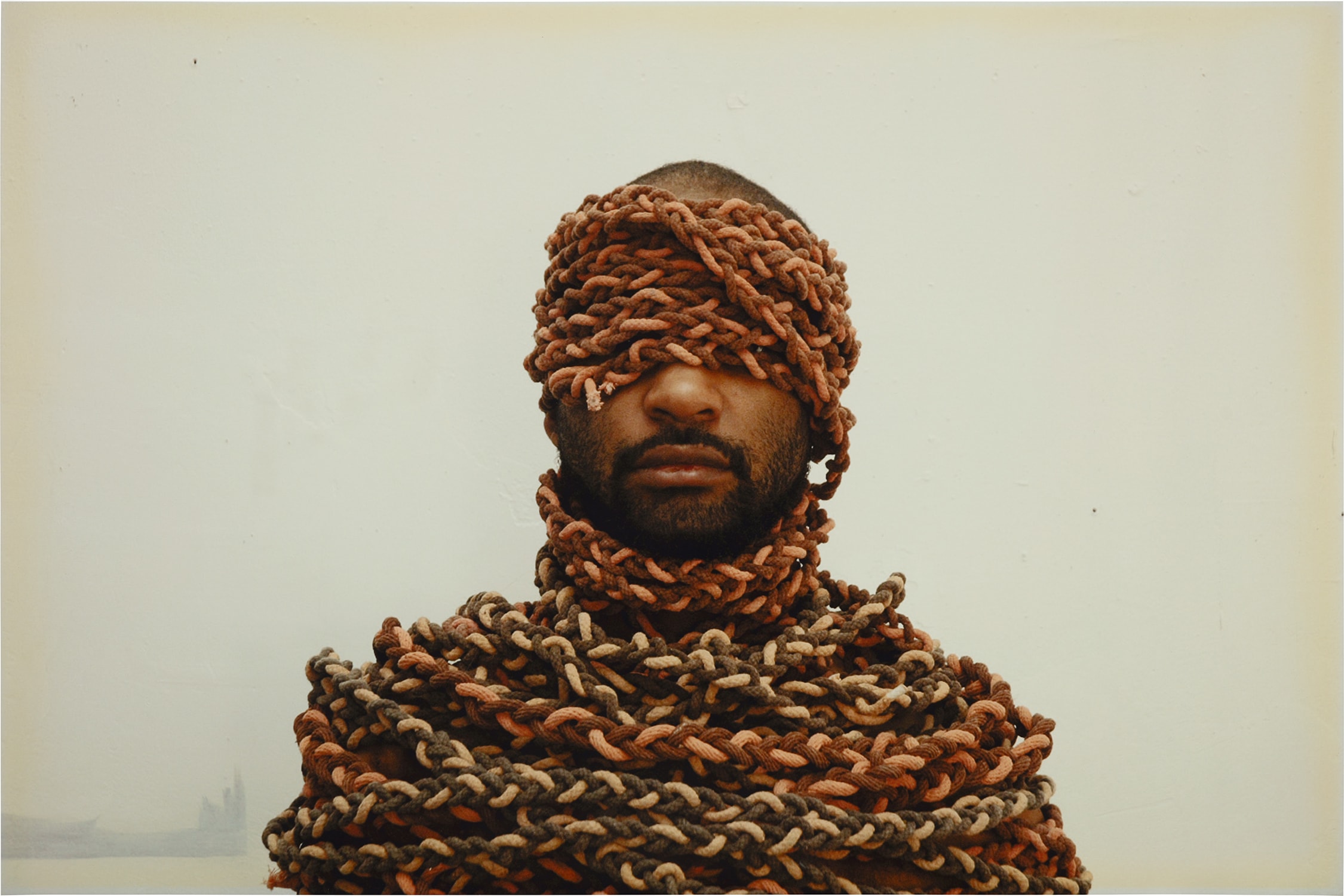
Collectors who moved early are sitting on works that have appreciated significantly, and those still looking to enter should understand that the secondary market for her pieces has become genuinely competitive. The autobiographical dimension in her work is filtered through geography, displacement, and language, which gives it a conceptual richness that sustains scholarly and institutional interest over time. Jacolby Satterwhite is worth watching for collectors with a longer horizon. His video and installation practice draws extensively on personal family history, particularly the drawings and recordings made by his late mother, and he weaves that material into digital environments that feel unlike anything else being made right now.
The market for video and digital work remains more complex to navigate than painting or works on paper, partly because of edition structures and display requirements, but Satterwhite's institutional trajectory has been steep, and early collectors in this area tend to benefit when an artist moves from gallery surveys to major museum retrospectives. On the question of editions versus unique works, autobiographical art sharpens the stakes considerably. A unique work carries the trace of the artist's hand in a way that an edition cannot replicate, and for work that is fundamentally about selfhood and lived experience, that trace matters to collectors and to the market. This does not mean editions are without merit.
Nan Goldin's photographs exist in editions and their value is well established, because the photograph is native to her practice. But if you are considering an editioned print by an artist whose primary work is painting or sculpture, ask the gallery directly how the edition size was determined and how many have sold into institutional collections. Provenance and institutional ownership within an edition significantly support secondary market performance. Display is another practical consideration that collectors sometimes underestimate.
Works of intense personal content can overwhelm a room if they are grouped without care. A Bourgeois drawing placed in dialogue with something more formally restrained can allow both works to breathe and give the viewer a way into the emotional intensity rather than being submerged by it. Ask yourself where the work will live in your home and what it will be asked to carry day to day. The best autobiographical art rewards proximity and repetition, but it needs space to speak.
Get that right, and what you will have is not just a collection but something closer to a continuous inner dialogue with artists who chose, at considerable cost to themselves, to tell the truth.