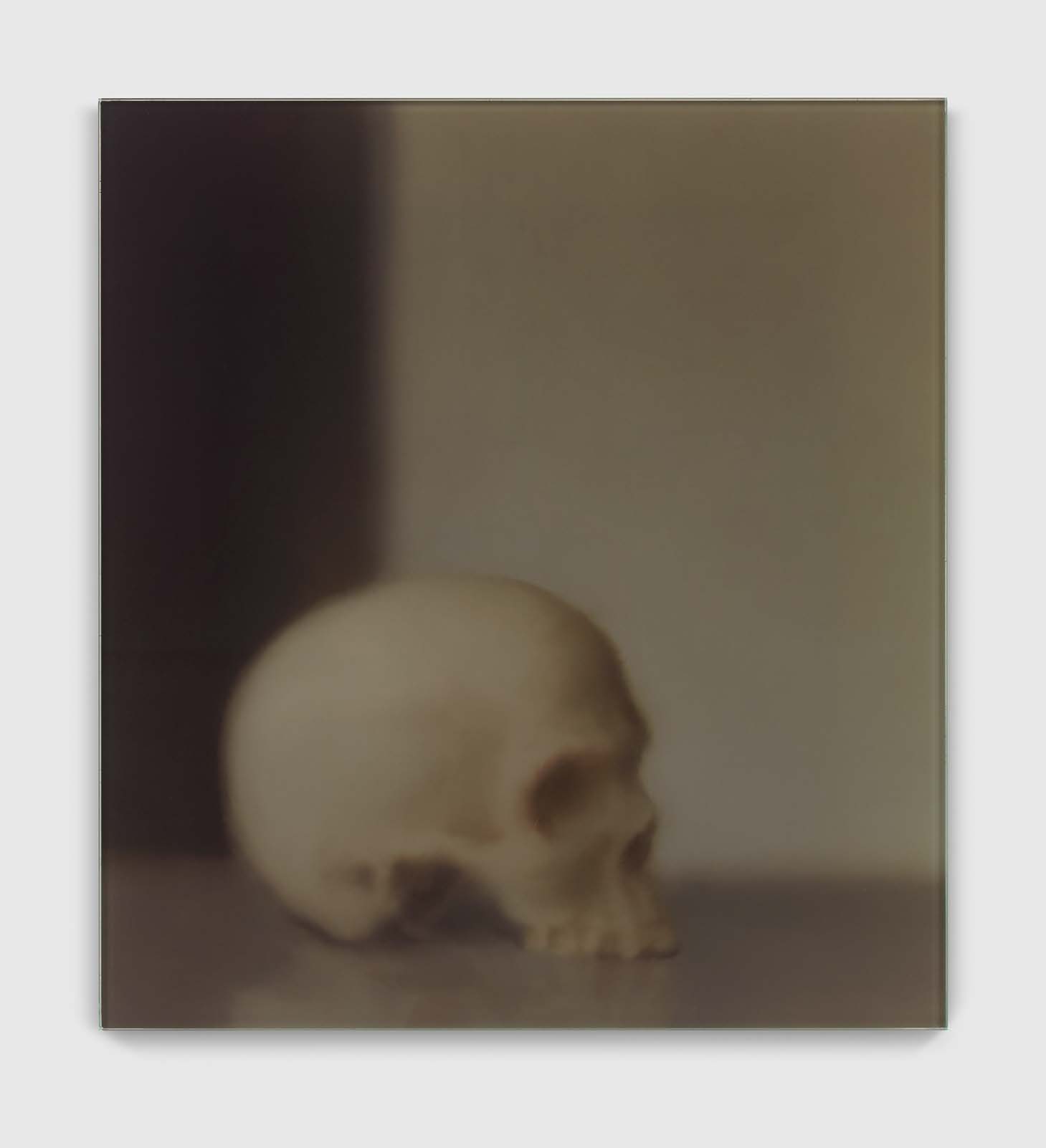
Schädel (Skull)
2017
Schädel (Skull) is a color photograph by Gerhard Richter mounted between Antelio and Plexiglas, a presentation method the artist employs to create depth, luminosity, and a glass-like painterly surface. The work continues Richter's longstanding engagement with the vanitas tradition, echoing the memento mori symbolism found throughout art history while filtering it through a photographic and conceptual lens. Created in 2017, the skull subject connects to Richter's broader meditations on mortality, time, and the tension between representation and reality. The Antelio-Plexiglas mounting technique is characteristic of Richter's photo-based works, unifying the photographic image with a sculptural, reflective quality that blurs the boundary between painting and photography. Produced in a limited edition of 28 plus 7 artist's proofs, the work reflects Richter's controlled approach to editioned multiples as a means of disseminating his ideas.
- Medium
- Color photograph (Fuji photo paper) mounted between highly reflective Antelio and Plexiglas
- Dimensions
Notes
Edition of 28 + 7 AP
For Sale
More by Gerhard Richter


Artists in conversation
Damien Hirst
British · b. 1965
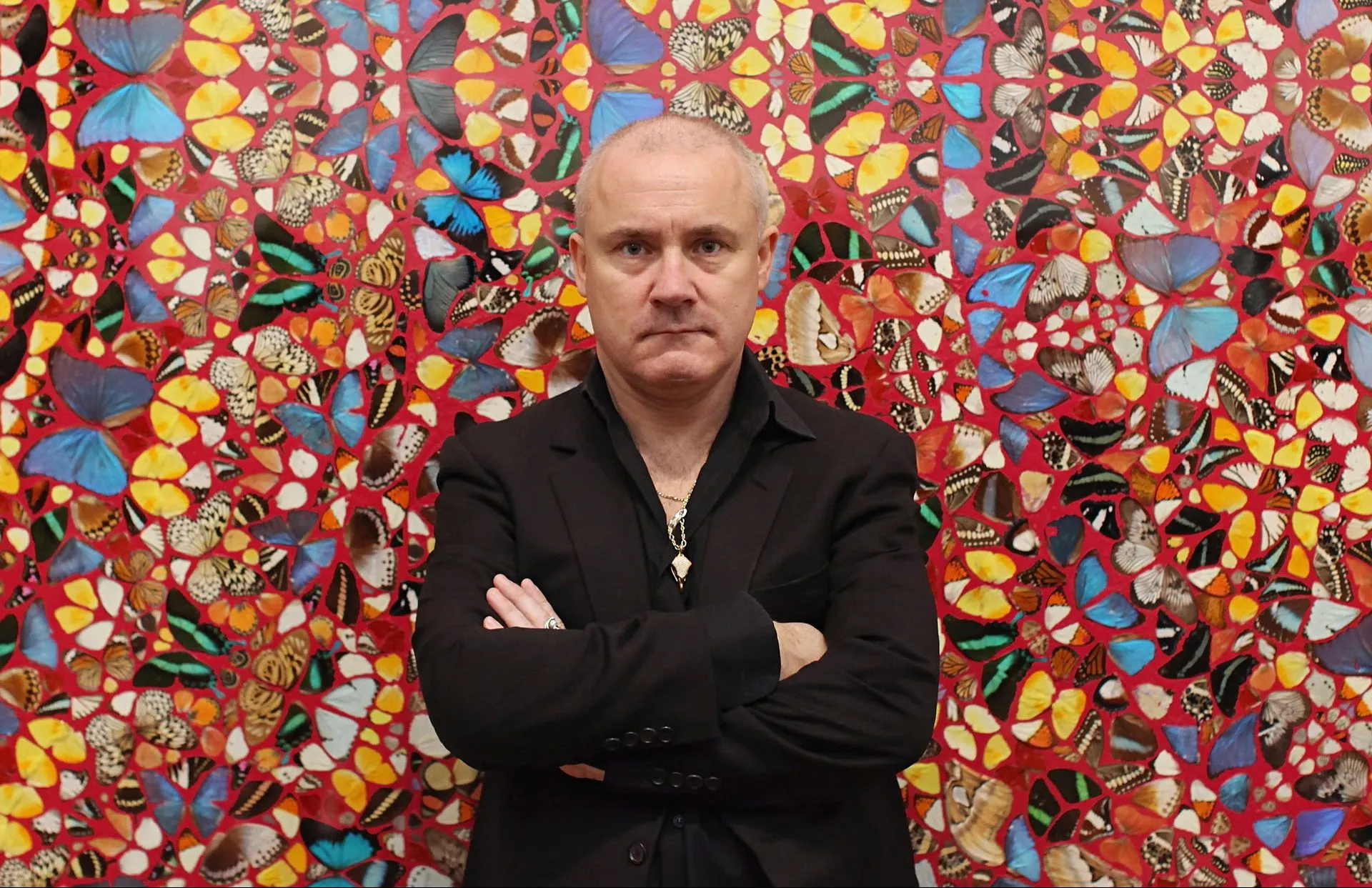
Hirst has built a career around skull imagery and vanitas symbolism, most famously with his diamond encrusted skull 'For the Love of God,' sharing Richter's meditation on mortality and the transformation of a memento mori object through high material refinement and conceptual framing.
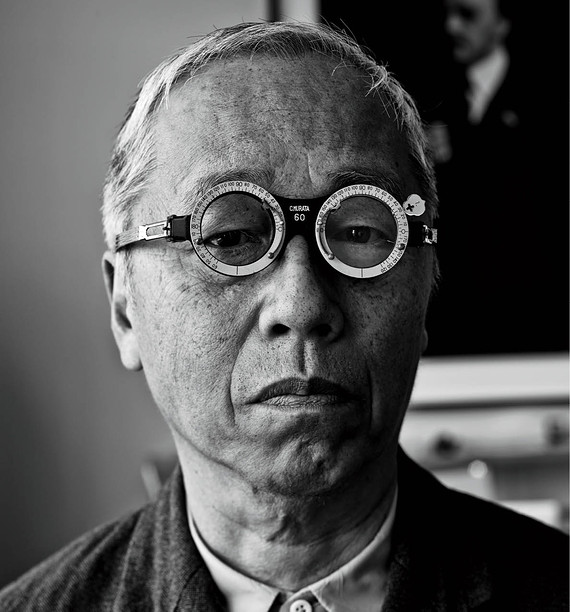
Hiroshi Sugimoto
Japanese · b. 1948
Sugimoto creates large format photographs mounted behind glass and plexiglas that explore time, mortality, and impermanence, using the photographic medium and its physical presentation to achieve the same luminous, layered depth and conceptual weight found in Richter's skull photograph.

Thomas Ruff
German · b. 1958
A student of the Becher school working in German contemporary photography, Ruff similarly presents large scale color photographs with highly considered mounting techniques and interrogates the photographic surface itself as a conceptual object, paralleling Richter's use of Antelio and Plexiglas to question the materiality of the photographic image.
Start the Discussion
Request access to join the discussion