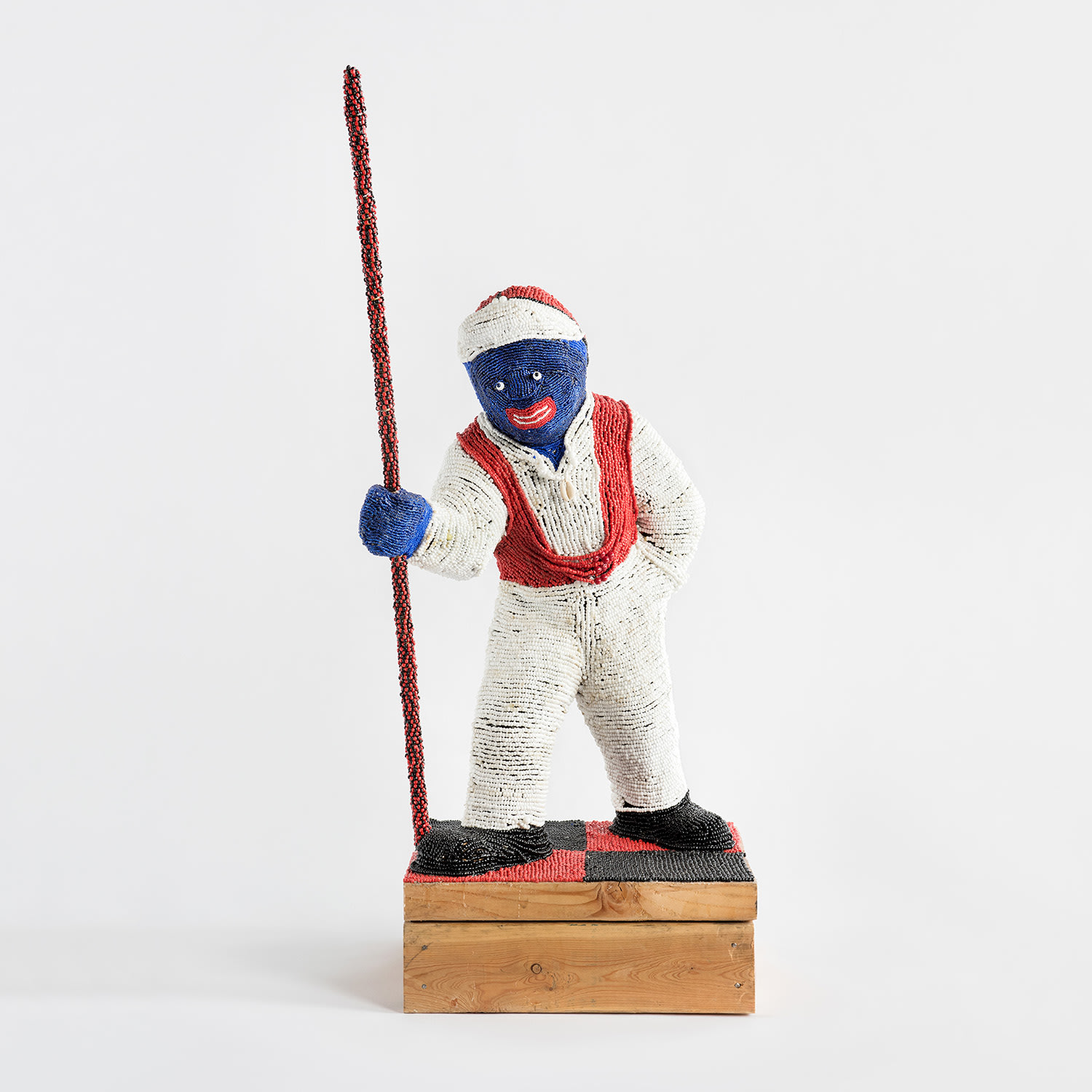
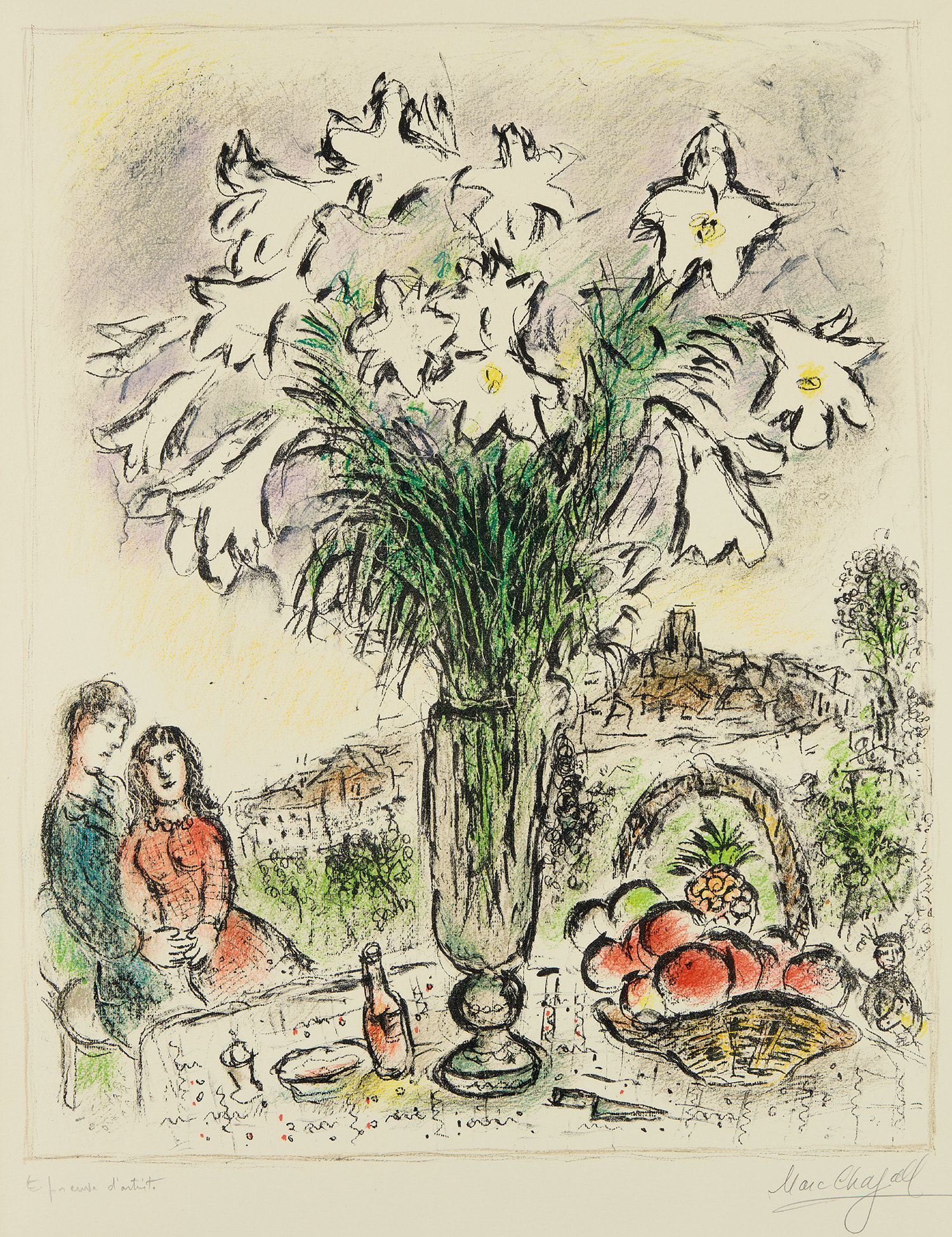
There is a particular electricity in the air whenever a Willie Cole exhibition opens. In recent years, major institutions across the United States have continued to affirm what devoted collectors have long understood: that Cole's work operates on a frequency entirely its own, simultaneously rooted in the material history of Black America and reaching toward something universal and even sacred. His inclusion in significant group exhibitions examining the African diaspora and American domestic labor has kept his practice firmly in the cultural conversation, while museum collections from the Museum of Modern Art in New York to the Smithsonian American Art Museum have ensured that his legacy is institutionally secure and growing. Willie Cole was born in 1955 in Somerville, New Jersey, and grew up in Newark, a city whose creative and political energy would leave a permanent mark on his sensibility. He studied at the School of Visual Arts in New York and later at the Arts Student League, absorbing the technical rigor of printmaking and drawing while quietly developing the conceptual framework that would define his mature practice. Newark in the 1960s and 1970s was a place of profound social transformation, and Cole came of age surrounded by questions of identity, community, and resistance that he would spend decades translating into visual form. What distinguishes Cole's development as an artist is the patience and intelligence with which he arrived at his signature vocabulary. Rather than chasing the prevailing movements of the New York art world, he turned his attention toward the objects closest at hand, the steam iron, the ironing board, the shoe, the bicycle. This was not a retreat into the domestic but an excavation of it. Cole recognized that these objects carried enormous historical and emotional weight, particularly for African American communities in which domestic service had for generations been both a means of survival and a site of exploitation. By the late 1980s and into the 1990s, he had begun creating the scorched iron works that would bring him widespread recognition, pressing heated irons onto paper and wood to create marks that read simultaneously as abstract composition, tribal mask, and historical scar. The conceptual richness of Cole's practice lies in its layering. A single scorched print might invoke the brand marks of American slavery, the ceremonial face painting traditions of West Africa, and the mundane rhythm of a household chore, all at once, without resolving into any single reading. His series of iron works grew into sculptures and assemblages in which the irons themselves, often sourced secondhand, became figures, masks, and totems. The ironing board, that most loaded of domestic furnishings, was transformed in his hands into an object of ceremony and ancestral memory. His deep engagement with Yoruba culture and the iconography of deities such as Elegba, the trickster figure who stands at crossroads, gave his work a spiritual dimension that elevates it beyond critique into the realm of invocation. Among his most celebrated works is Elegba (North America), a piece that exemplifies his ability to locate the sacred within the secular. Elegba, known across the African diaspora under many names including Exu in Brazil and Legba in Haiti, is the orisha of crossroads, communication, and possibility. By invoking this figure through the transformed materials of American domestic life, Cole creates a bridge across the Atlantic, connecting the African spiritual world to the Black American experience with extraordinary economy and power. His print and assemblage work American Domestic similarly operates at this intersection of the personal and the historical, using the visual language of printmaking, in this case a digital pigment print and screenprint, to address the way labor, particularly the labor of Black women, has been rendered invisible within American domestic mythology. For collectors, Cole's work presents a compelling proposition on multiple levels. His prints, which range from intimate works on paper to large format compositions of considerable presence, offer access to his ideas at various price points, while his sculptures and assemblages represent some of the most original three dimensional thinking in contemporary American art. The printmaking tradition is central to his practice rather than peripheral, and works like American Domestic demonstrate a genuine mastery of the medium, combining technical sophistication with conceptual urgency. Collectors who have followed his career since the 1990s have seen consistent institutional validation of their early confidence, and the artist's work continues to resonate with new generations of collectors drawn to work that addresses history and identity with intelligence rather than didacticism. Within art history, Cole occupies a distinctive position. His use of found and transformed objects connects him to the legacy of Arte Povera and to the assemblage traditions pioneered by artists such as Betye Saar and David Hammons, two figures whose work similarly locates political and spiritual meaning in discarded or overlooked materials. Like Kara Walker, he engages unflinchingly with the history of American slavery, though his formal strategies are entirely his own. His engagement with African spiritual traditions places him in conversation with artists across the diaspora, including Wifredo Lam and Ana Mendieta, who have drawn on Afro Caribbean religious iconography to create works of enduring power. Cole synthesizes these various currents into a practice that is unmistakably singular. Willie Cole's work matters today because it does what only the most essential art can do: it makes the invisible visible. The labor of millions of Black domestic workers, the spiritual traditions carried across the Middle Passage, the encoded histories embedded in the most ordinary objects, these are the subjects Cole has devoted his career to honoring and examining. At a moment when questions of historical memory and cultural identity are at the center of public life, his practice feels not only relevant but necessary. To encounter a Cole work is to stand at a crossroads, to feel the weight of history in an iron, and to recognize that beauty and truth can emerge from the most unexpected places.