
Jacob Jordaens
2
Works
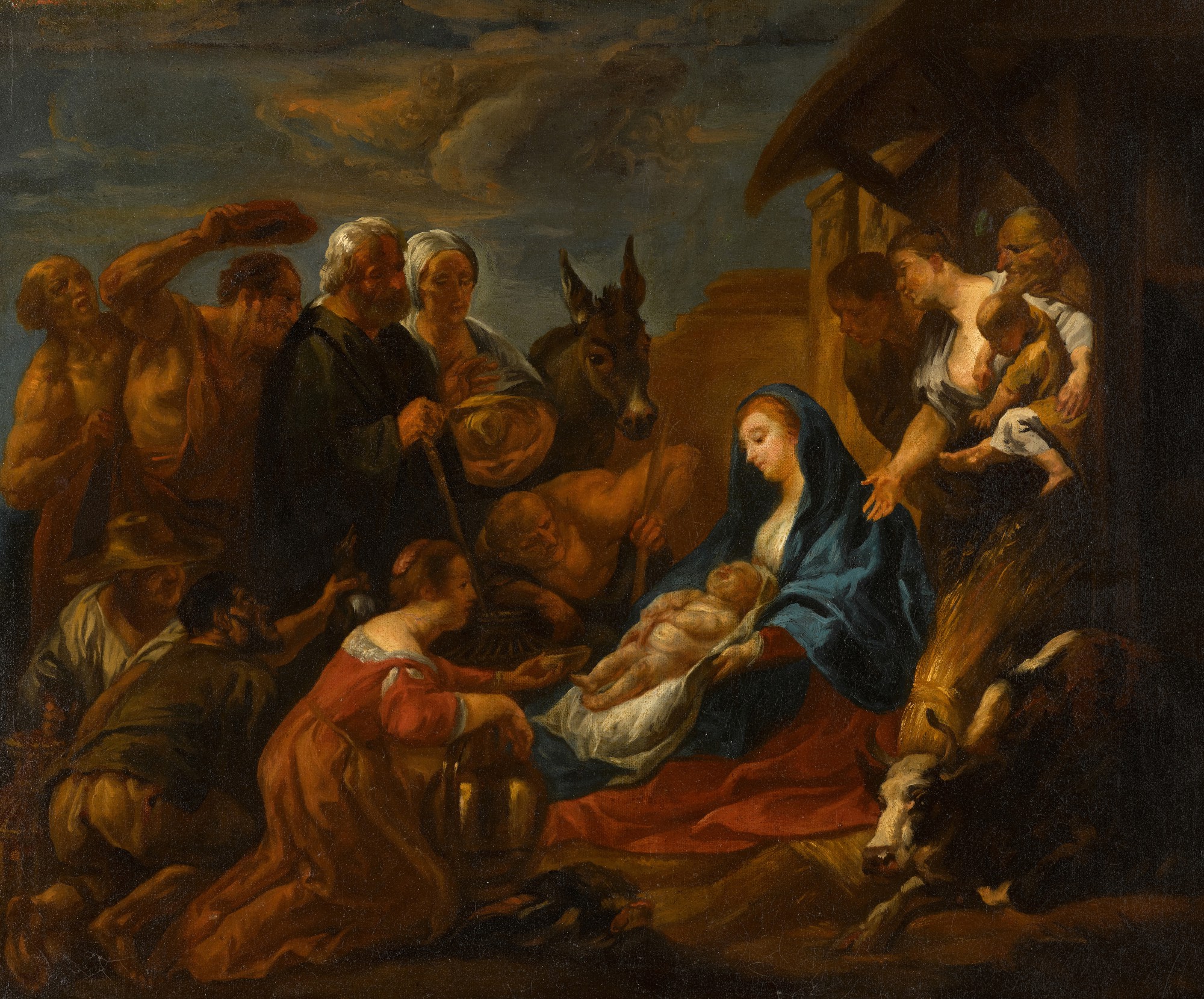
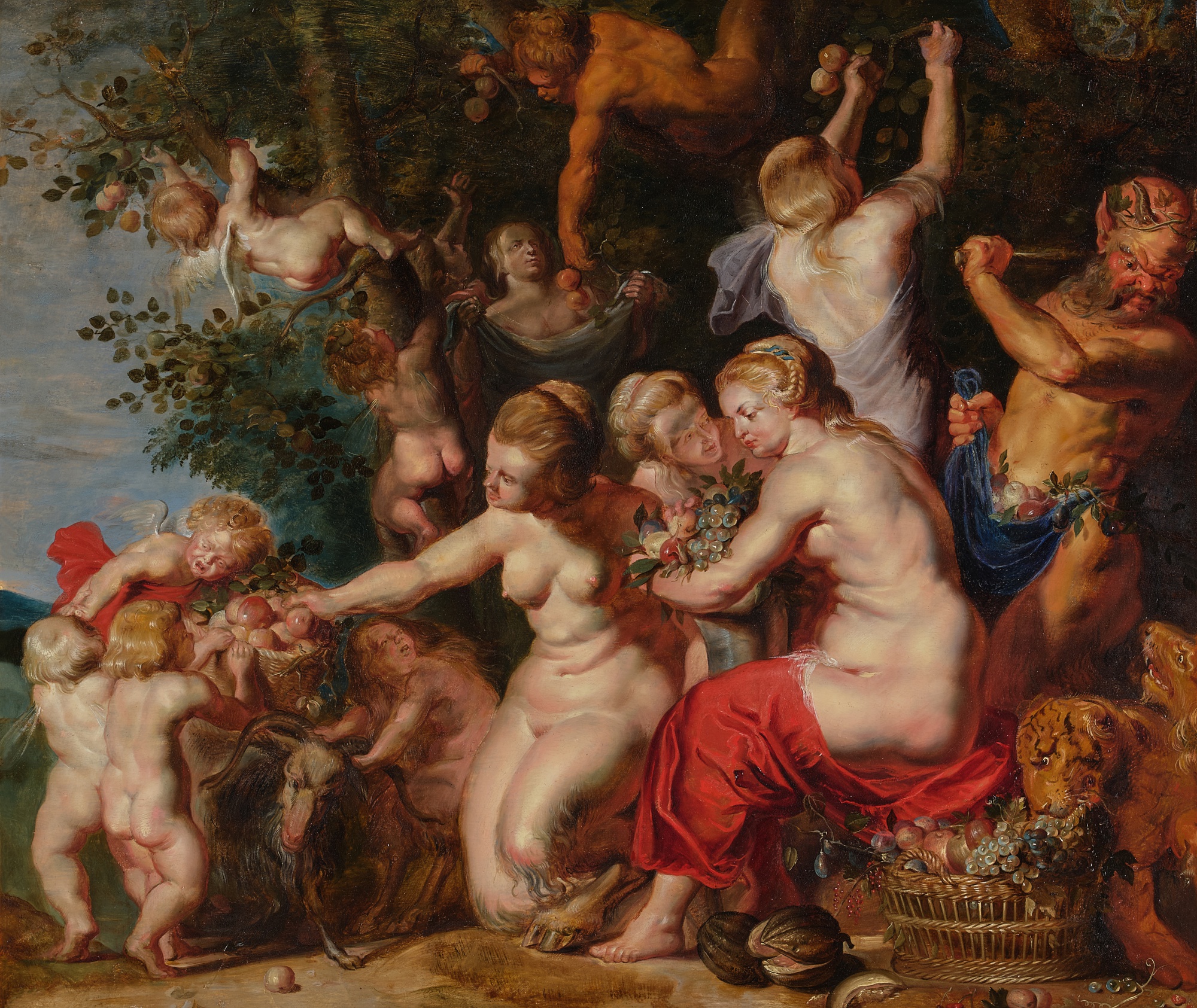
Jacob Jordaens was one of the three most prominent Flemish Baroque painters of the 17th century, alongside Peter Paul Rubens and Anthony van Dyck. Born in Antwerp, he trained under Adam van Noort and became a master in the Antwerp Guild of Saint Luke in 1615. Unlike his contemporaries Rubens and van Dyck, Jordaens never traveled to Italy, yet he developed a robust and distinctive style characterized by exuberant compositions, warm color palettes, and vigorous naturalism. His work celebrated the pleasures of everyday life while also addressing religious and mythological subjects with a distinctly earthly vitality. He remained in Antwerp throughout his career, eventually becoming the city's leading painter after Rubens's death in 1640. Jordaens is best known for his large-scale genre scenes and allegories that pulse with Flemish vitality and humor. His masterpiece "The King Drinks" (created in multiple versions) depicts the raucous celebration of Epiphany with remarkable psychological insight and dynamic composition. Other significant works include "The Satyr and the Peasant," illustrating Aesop's fable, and monumental religious compositions such as "The Holy Family with Various Persons" and his contributions to the decoration of the Oranjezaal in Huis ten Bosch. His style evolved from the influence of Rubens's Baroque dynamism toward a more personal approach featuring bold contrasts, earthy realism, and crowded compositions filled with robust, life-sized figures. Throughout his long career, Jordaens maintained a successful workshop that produced tapestry designs, altarpieces, and decorative cycles for European courts and churches. He converted to Protestantism around 1655, which influenced his later religious commissions. His work represents the fullest expression of Flemish Baroque painting's celebration of material abundance and human vitality, bridging high art traditions with popular culture. Today, his paintings are held in major museums worldwide, including the Louvre, the Prado, and the Kunsthistorisches Museum Vienna, where they continue to be celebrated for their unrestrained energy and masterful technique.
Artists in conversation