Stark Mood
Archived article
You are reading a previous version of this article.
Read the latest version```json { "headline": "The Beautiful Severity of Stark Mood", "body": "There is a particular kind of image that stops you cold. Not because it is violent or provocative, but because it strips away everything that is not essential and leaves you standing in front of something so direct, so uncomfortably clear, that you almost have to look away. This is the territory of stark mood in art: a sensibility organized around reduction, austerity, and the expressive power of what is withheld. It is one of the most durable and intellectually demanding threads running through modern and contemporary art, and it rewards collectors who are willing to meet it on its own unsparing terms.
", "Stark mood as a conscious aesthetic position has roots in multiple traditions simultaneously. The stripped geometries of early twentieth century abstraction, the social documentary photography of the 1930s, and the bleak European figurative painting that emerged after the Second World War all contributed to a visual grammar in which severity became a form of honesty. These movements did not share a manifesto or a movement name, but they shared a conviction that ornament was evasion and that truth, visual or moral, required a certain harshness to be credible. By mid century this sensibility had become one of the defining tensions in Western art, pulling against the warmth of Abstract Expressionism and the irony of Pop.
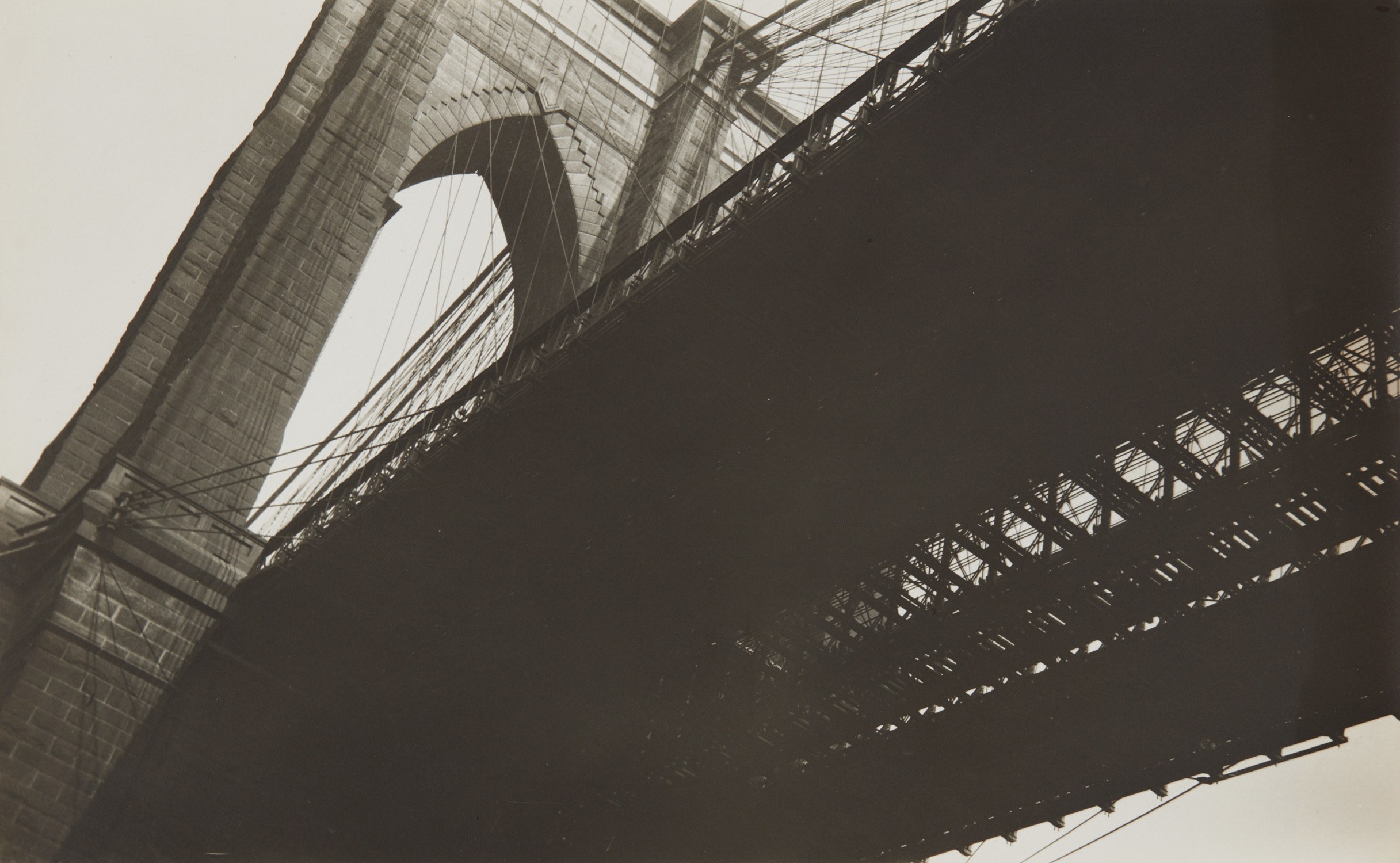
Walker Evans
Brooklyn Bridge
", "Walker Evans understood this before almost anyone working in photography. His work for the Farm Security Administration in the 1930s, and the landmark book and exhibition American Photographs at the Museum of Modern Art in 1938, established a template for documentary starkness that still influences photographers today. Evans was not sentimental about poverty or struggle. He made images of sharecropper homes and small town storefronts with a frontal, almost architectural stillness that refused to aestheticize suffering while simultaneously insisting that these subjects were worthy of the same formal attention as any painting.
Paul Strand had been working in a related register even earlier, bringing a rigorous geometric consciousness to both portraiture and landscape that anticipated the austerity of much later work.", "In postwar Europe, the stark mood took on an explicitly existential dimension. Bernard Buffet emerged in France in the late 1940s as a painter whose jagged, scratchy lines and colorless palettes seemed to describe a world still living in the shadow of occupation and devastation. He won the Prix de la Critique in 1948 alongside Nicolas de Staël, and for a time he was among the most celebrated painters in France.
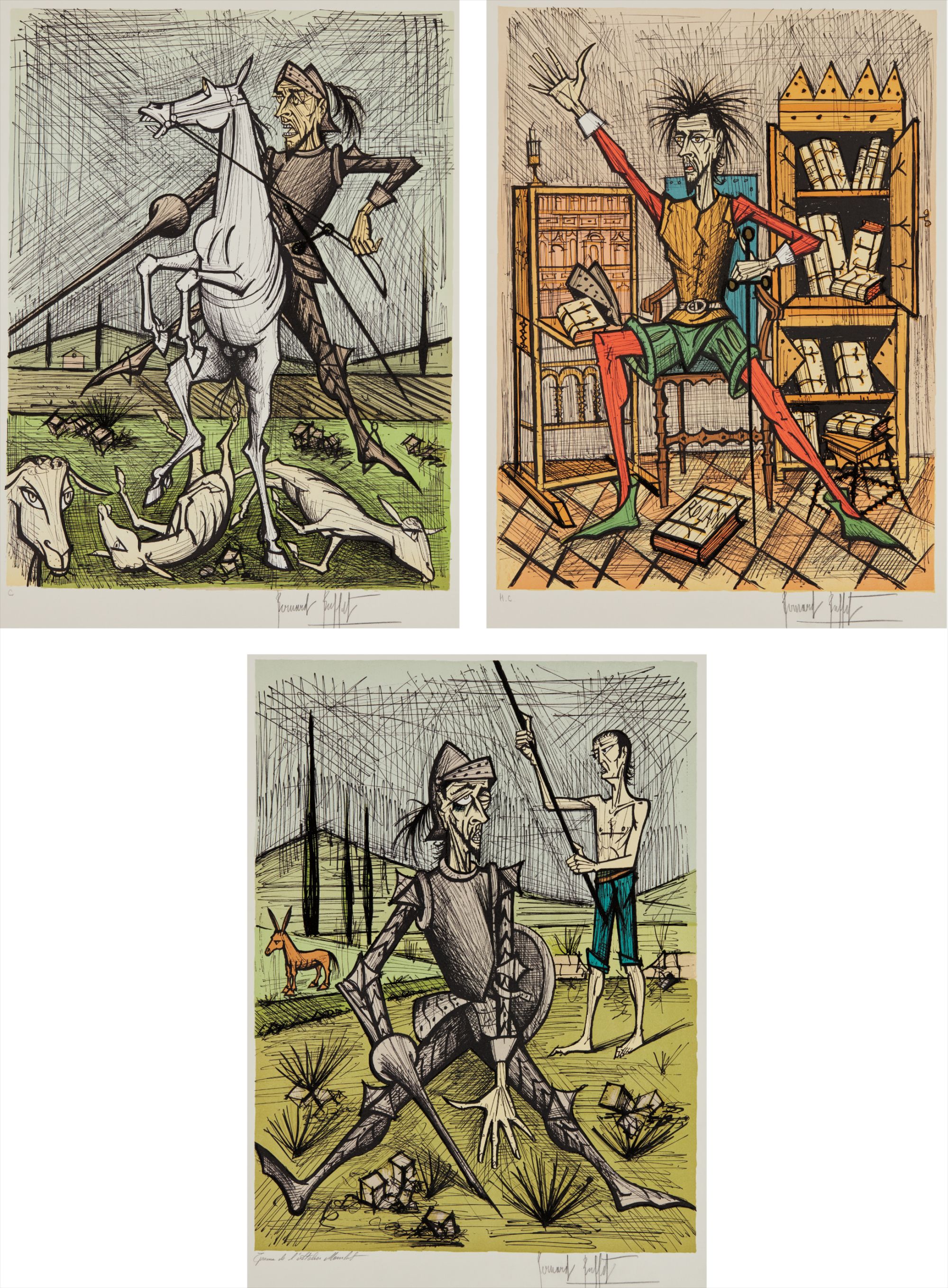
Bernard Buffet
Don Quixote recontre avec les muletiers (Don Quixote with the Mule Drivers); Don Quixote dans la bibliotheque II (Don Quixote in Library II); and Don Quixote et les moutons (Don Quixote and the Sheep)
His figures are gaunt, his spaces are bare, his entire pictorial world feels as though warmth has been deliberately drained from it. Buffet is well represented on The Collection, and his work rewards sustained attention precisely because the bleakness is not accidental or adolescent but deeply considered.", "American art of the 1960s and 1970s brought a different kind of stark mood, one rooted in materialist philosophy rather than emotional biography. Donald Judd and the Minimalists argued that feeling should not be manufactured through illusion or metaphor but should arise, if at all, from the direct encounter between a viewer and an object in space.
Judd's stacks and progressions are stark in the most literal sense: they refuse to mean anything beyond what they are. Yet collectors who spend time with this work consistently report something like emotion, a kind of clarifying pressure that is peculiar to objects that make no concessions. This tension, between declared blankness and felt intensity, is central to what makes stark mood so persistent as a category.", "Photography has been an especially fertile medium for stark mood, and this is not coincidental.
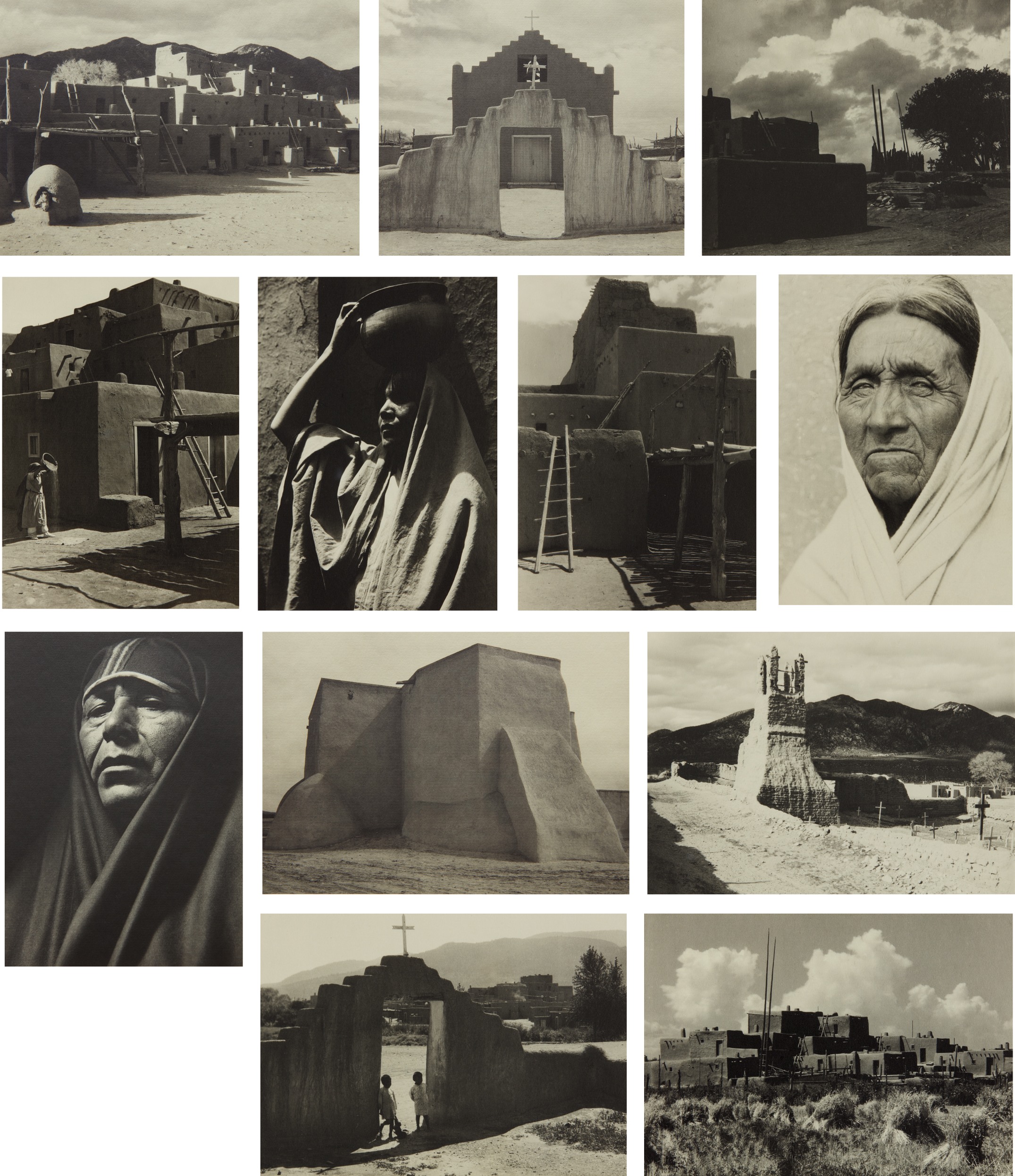
Ansel Adams
Taos Pueblo
The camera has always had a complicated relationship with drama and embellishment. The photographers who interest us most in this context are those who understood that restraint is itself a form of power. Ansel Adams, working in Yosemite and the American West, used extreme tonal contrast and monumental scale to create landscapes that feel less like invitations than like confrontations. Bill Brandt's photographs of the English landscape and working class life have a similar quality: they are beautiful but they are not comfortable.
Richard Avedon's late portraits, particularly the large format work he made across the American West in the early 1980s, strip away context and background until the subject is nowhere to hide.", "The tradition continues with full force in contemporary practice. Lewis Baltz, working in the 1970s and after, photographed industrial parks and tract housing developments with a documentary rigor that made the mundane feel genuinely alarming. Dan Holdsworth makes large scale photographs of landscapes at the extreme edges of human habitation, places where darkness and geological scale reduce human presence to near nothing.
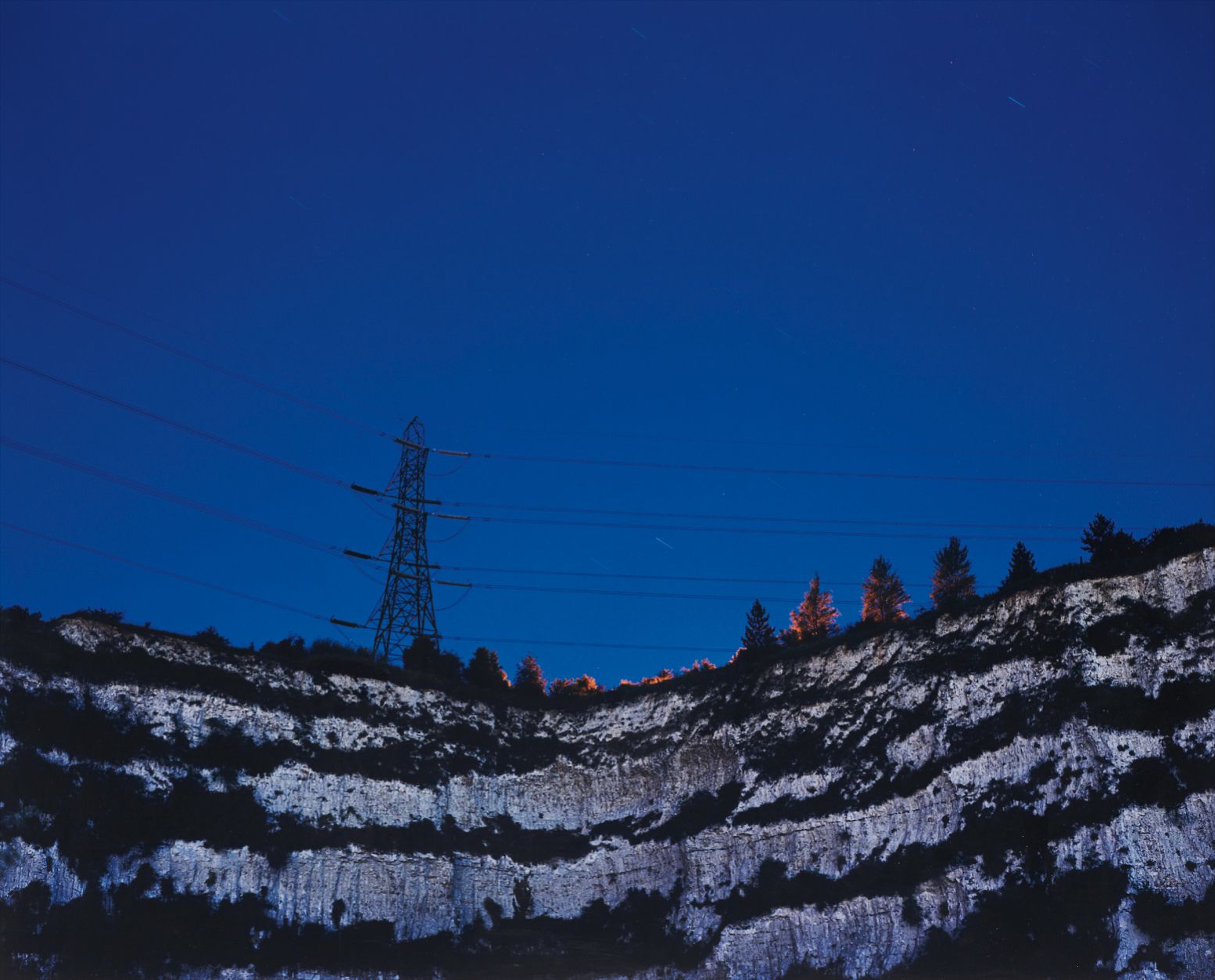
Dan Holdsworth
A Machine for Living 02
Robert Adams, not to be confused with the photographer Ansel Adams, has spent decades photographing the American West with a patient, unflinching gaze that refuses both nostalgia and despair. These artists are in conversation with each other across decades, and seeing them together on a platform like The Collection clarifies how consistent the underlying impulse has been.", "What unites these practices across medium and generation is a shared belief that the world does not need to be made prettier in order to be made meaningful. Alfred Leslie's unsparing figurative paintings, Matias Faldbakken's confrontational text and object works, Paul Shambroom's documentary photographs of municipal meeting rooms and nuclear weapons storage facilities: all of them share a willingness to face their subjects without flinching and without the consolation of beauty as traditionally understood.
Robert Mapplethorpe, whose formal precision gave his most controversial work an almost neoclassical quality, understood that starkness and elegance are not opposites but can reinforce each other in ways that are genuinely unsettling.", "For collectors, stark mood presents a particular kind of challenge and a particular kind of reward. These works do not flatter their owners or their rooms. They do not fill spaces with warmth or optimism.
What they offer instead is something rarer: a sustained encounter with clarity. In an art market that is often organized around spectacle and legibility, works in this tradition ask for something more patient and more demanding. They tend to reveal themselves slowly, accumulating meaning over years of living with them. The collectors who are drawn to this sensibility often describe it as a kind of anchor, a reminder that art at its most serious is not decoration but a way of seeing the world without looking away.
Works tagged Stark Mood
Walker Evans
Brooklyn Bridge
Dan Holdsworth
A Machine for Living 02
Ansel Adams
Taos Pueblo
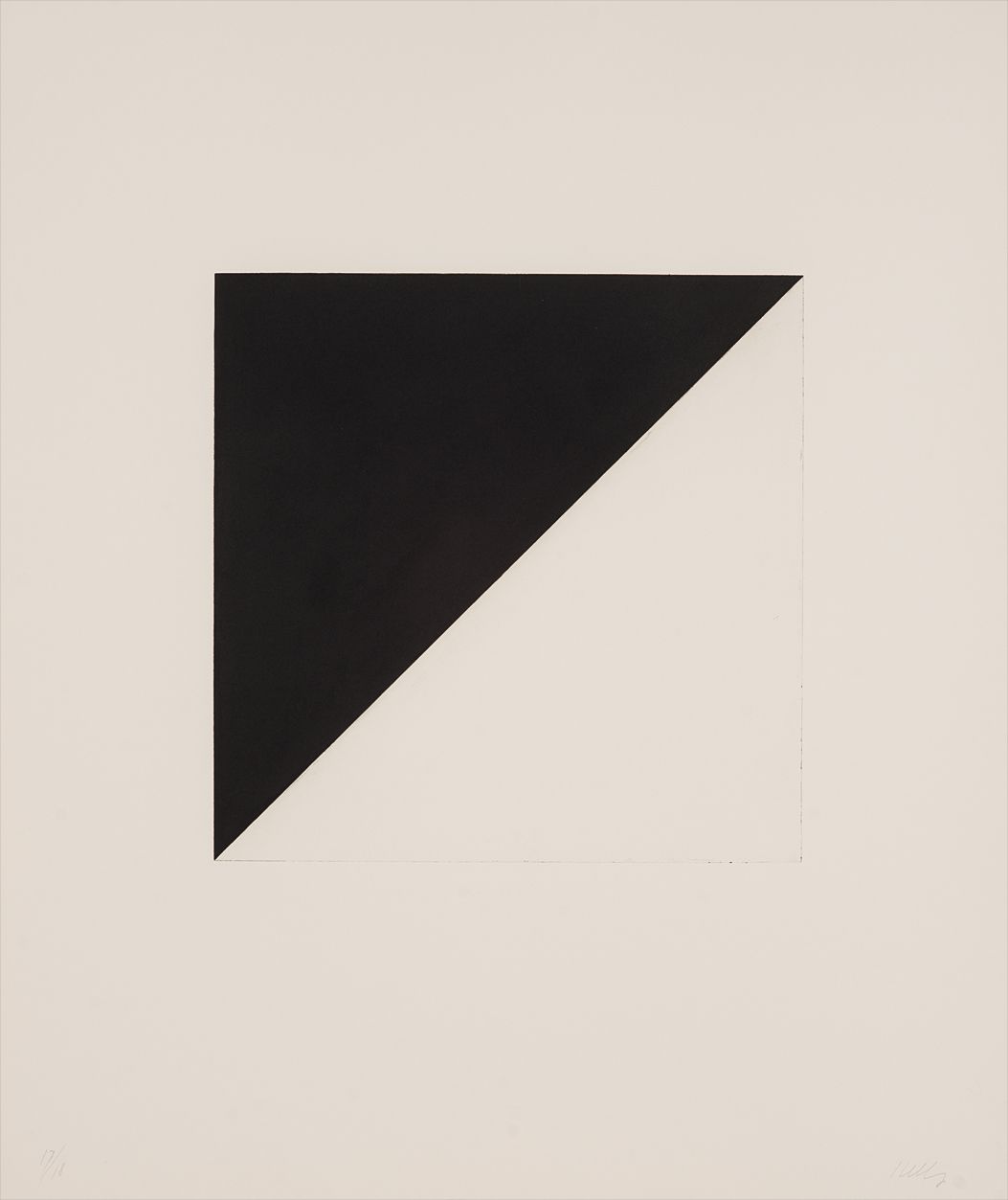
Ellsworth Kelly
Diagonal with Black
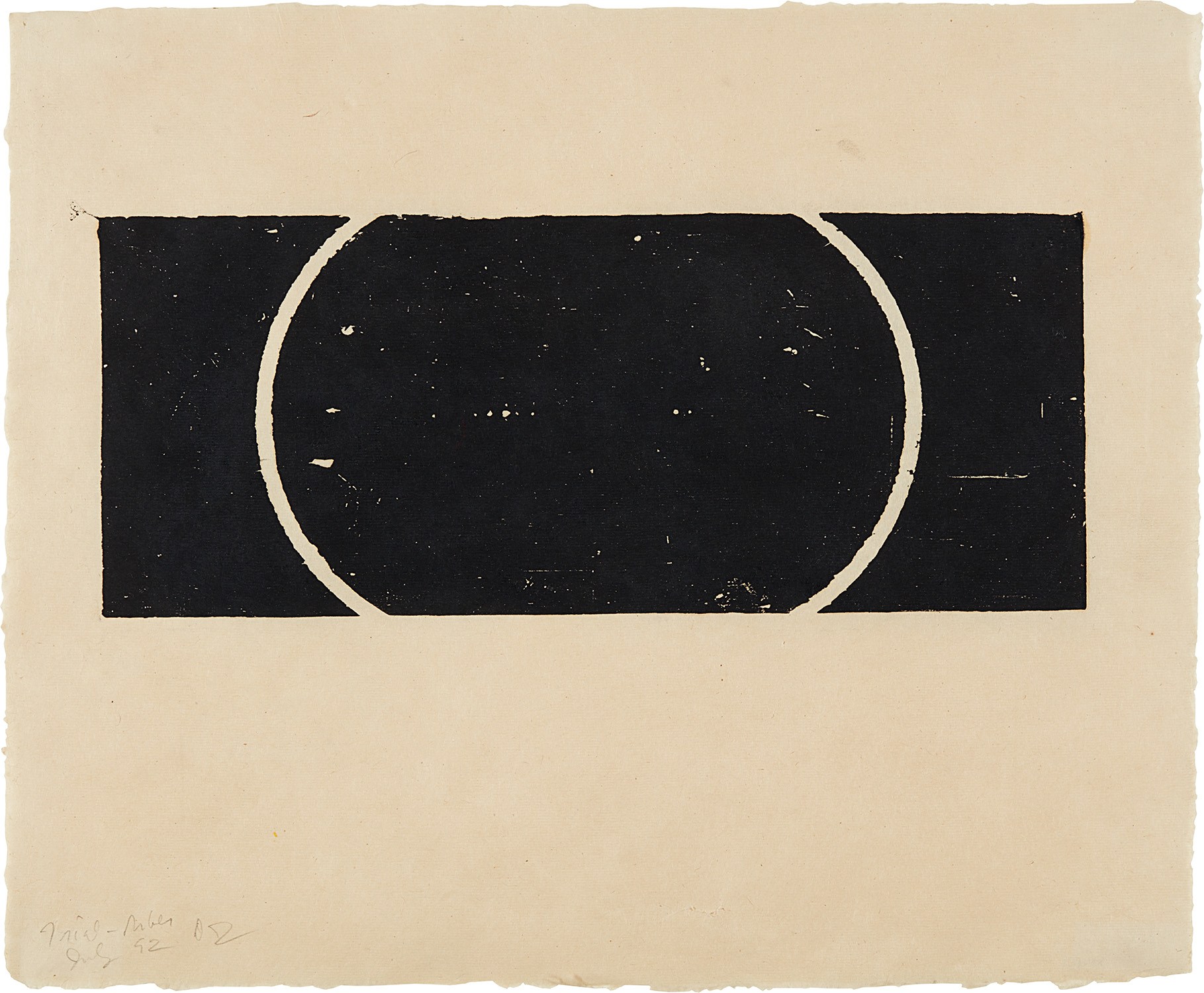
Donald Judd
1961/1993-94
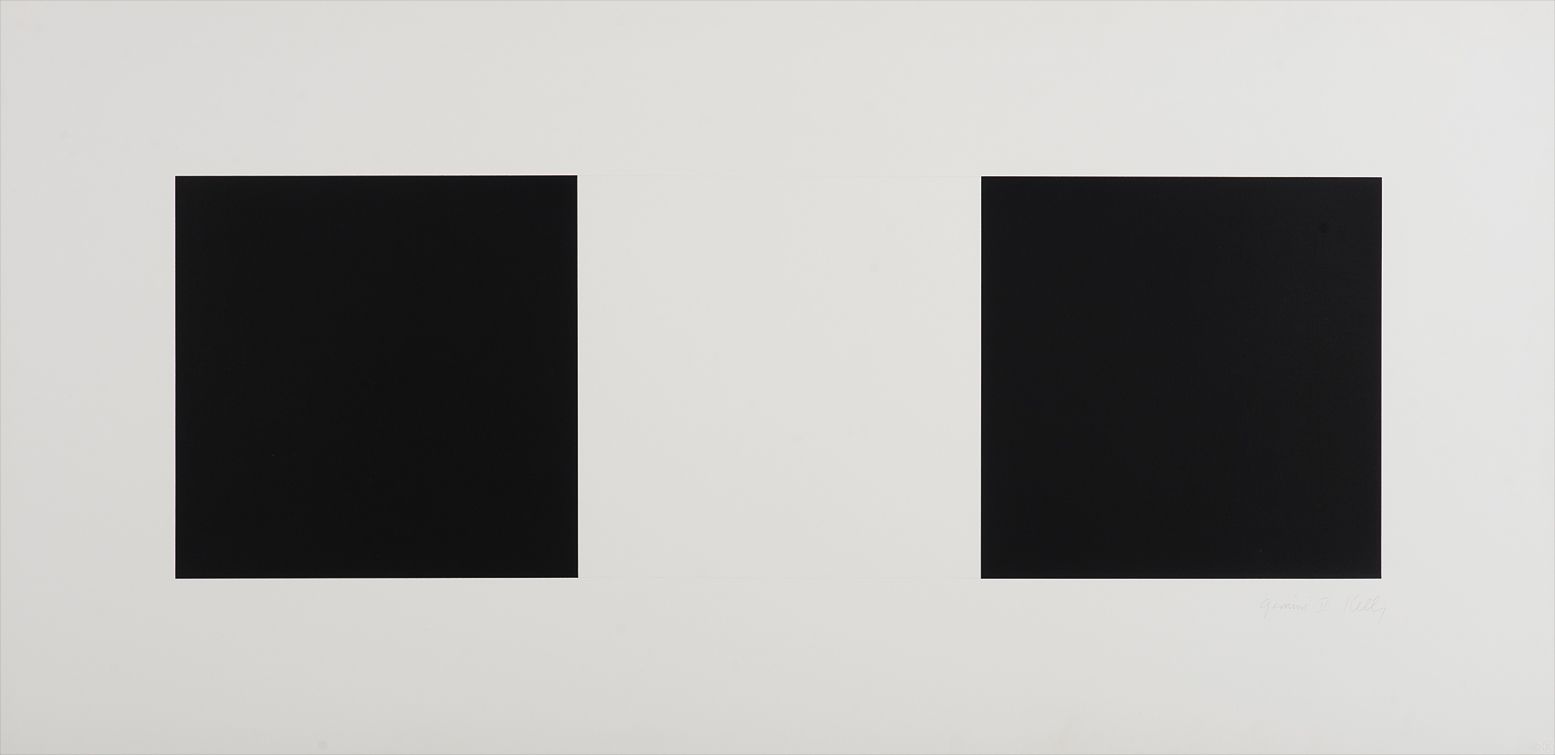
Ellsworth Kelly
Two Blacks and White
Bernard Buffet
Don Quixote recontre avec les muletiers (Don Quixote with the Mule Drivers); Don Quixote dans la bibliotheque II (Don Quixote in Library II); and Don Quixote et les moutons (Don Quixote and the Sheep)
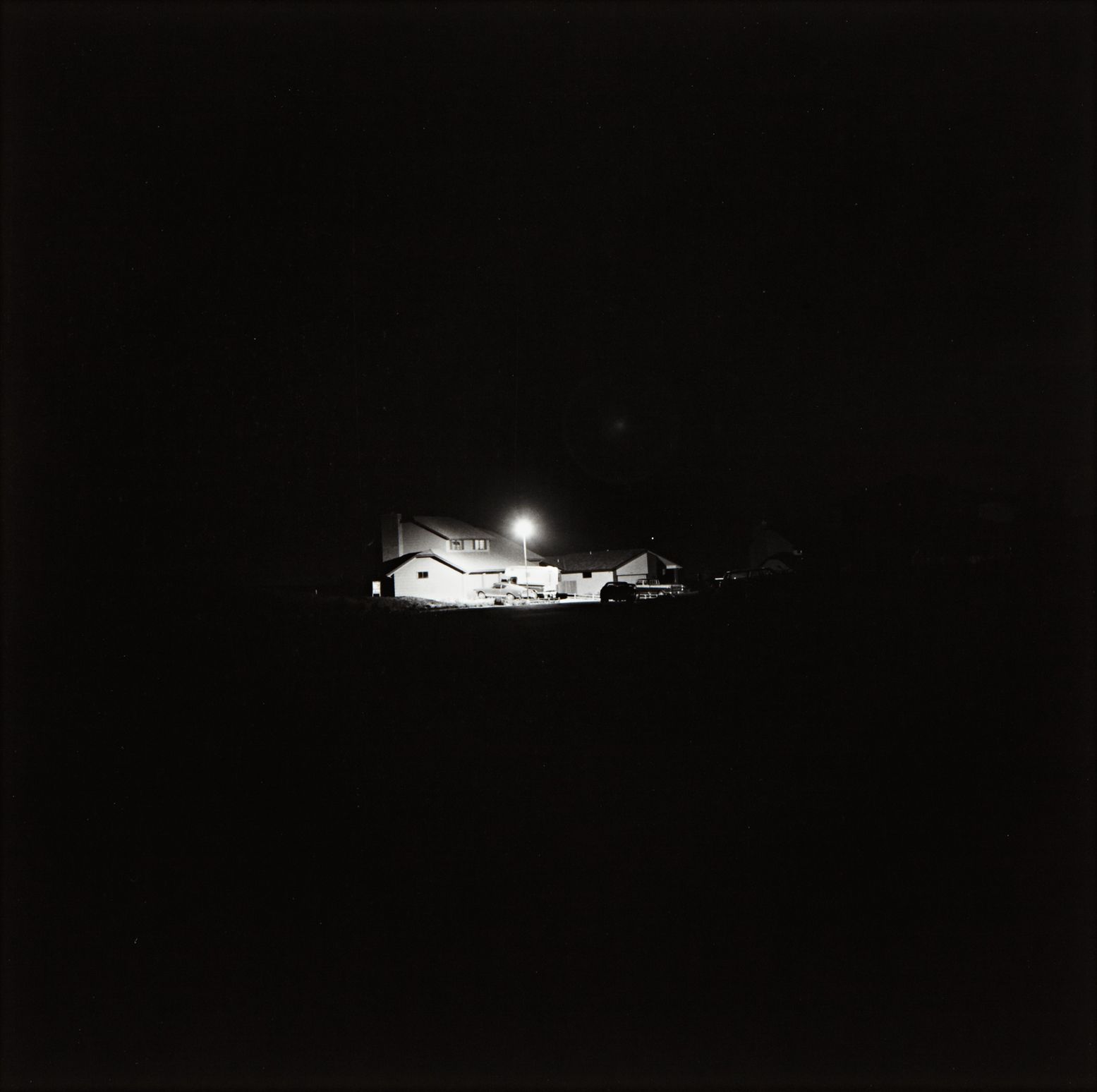
Robert Adams
New housing, Boulder County, Colorado
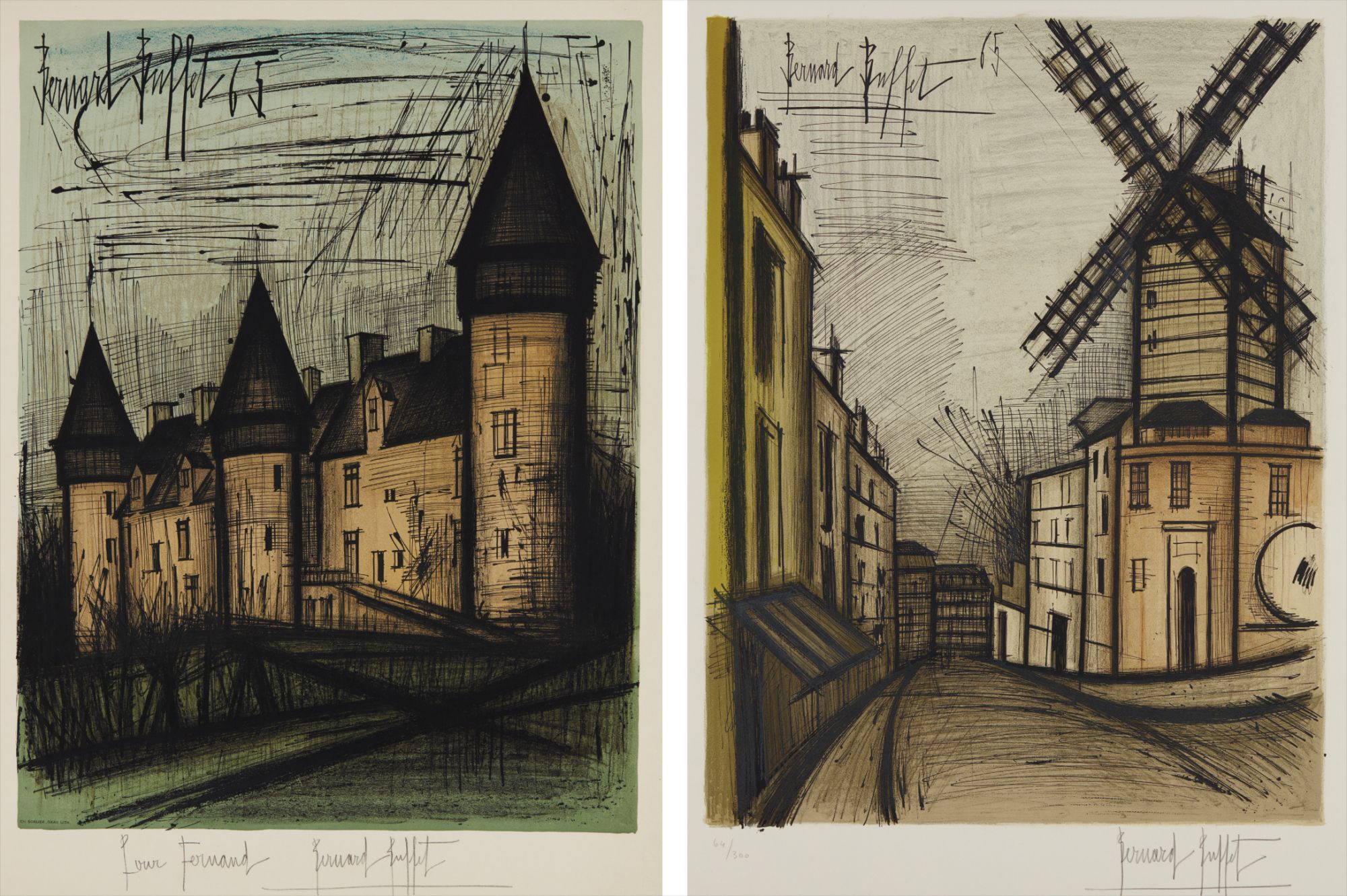
Bernard Buffet
Le château de Culan (Culan Castle); and Le Moulin de la Galette, by Charles Sorlier
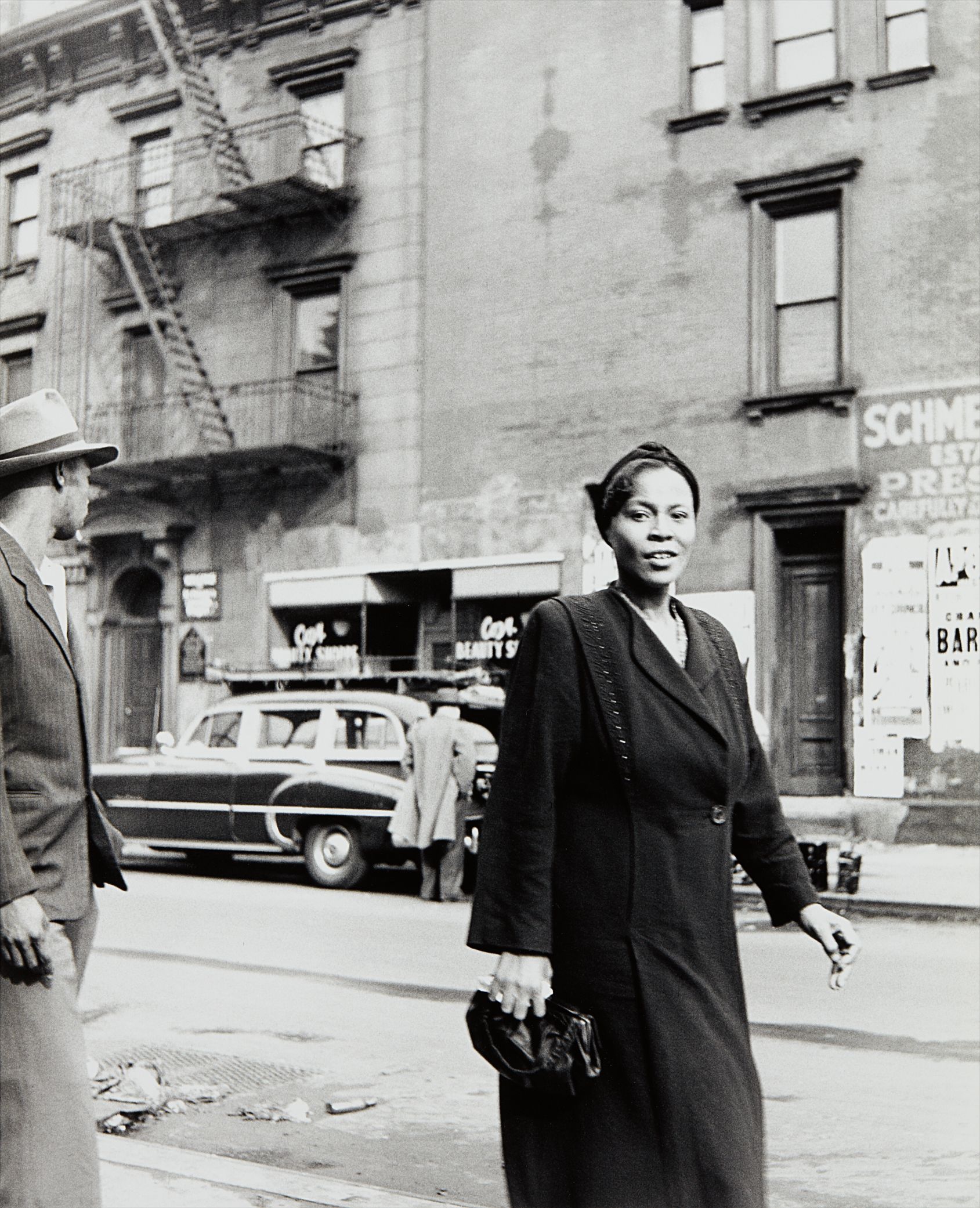
Richard Avedon
Harlem, New York City, September 6
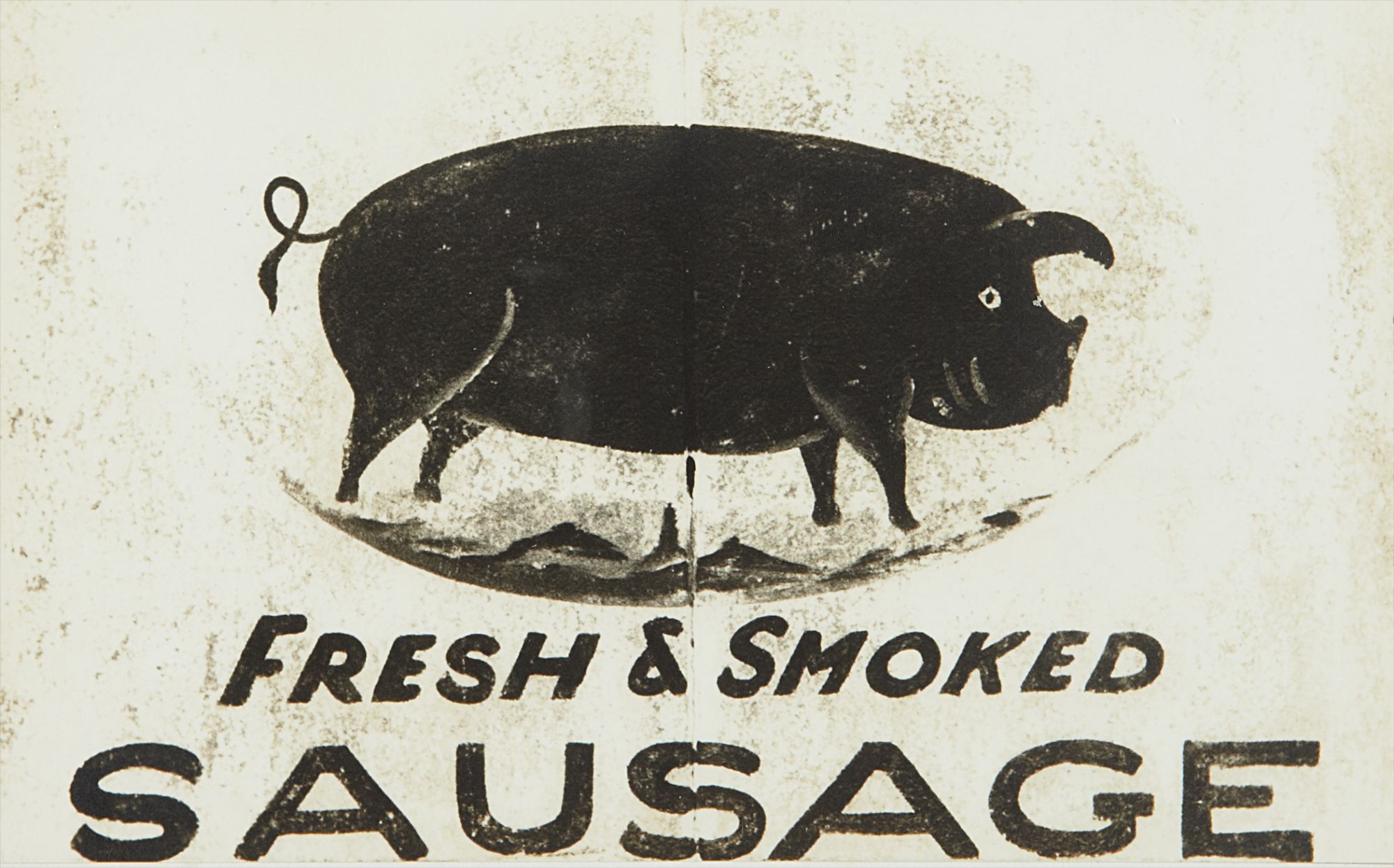
Walker Evans
'Fresh and Smoked' Butcher's Sign
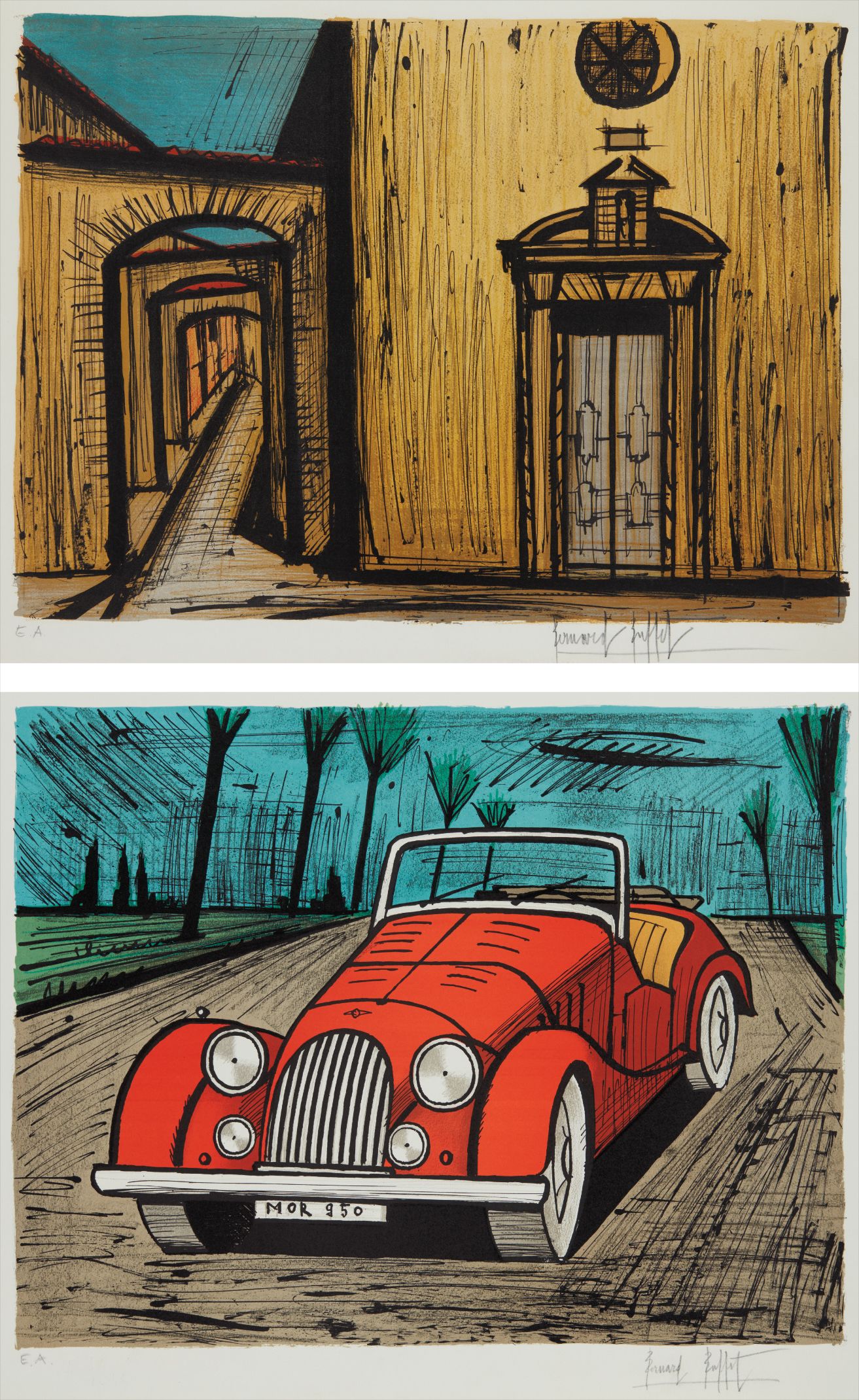
Bernard Buffet
La rue et l'eglise de la Miséricorde (The Street and the Church of Mercy), from St. Tropez; and Morgan
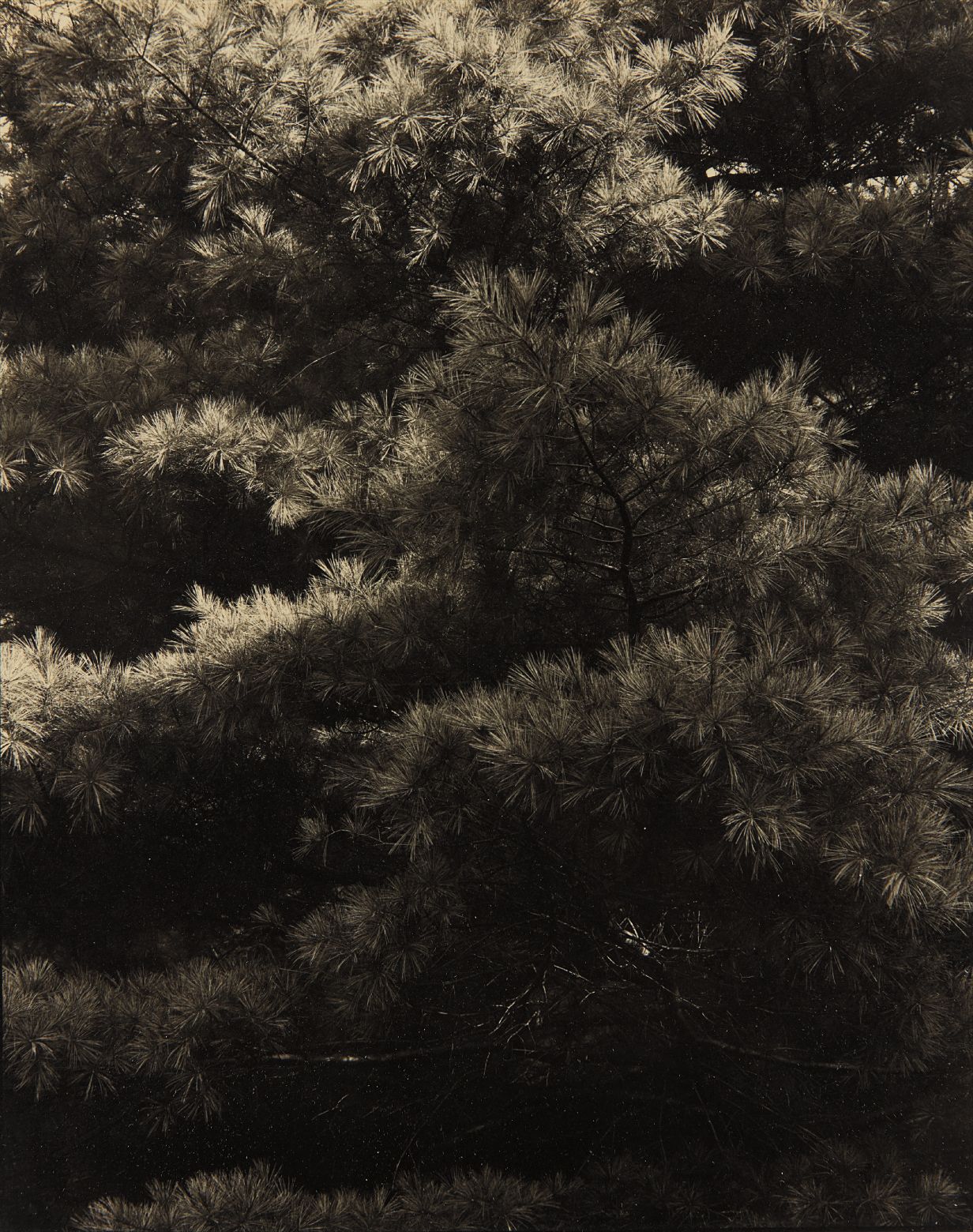
Paul Strand
Connecticut Pines, Twin Lakes, CT
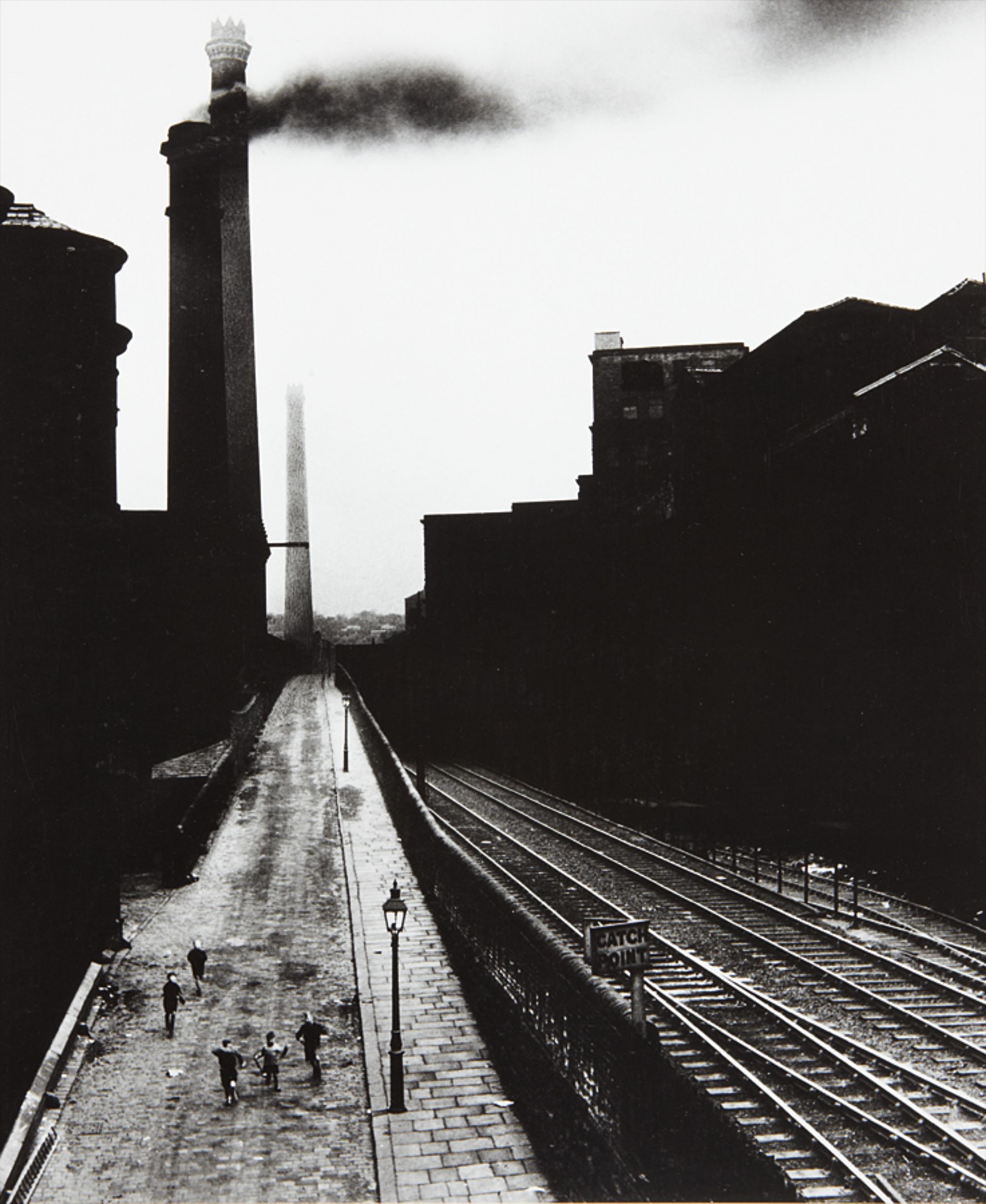
Bill Brandt
Catch point, 'Hail, Hell and Halifax'
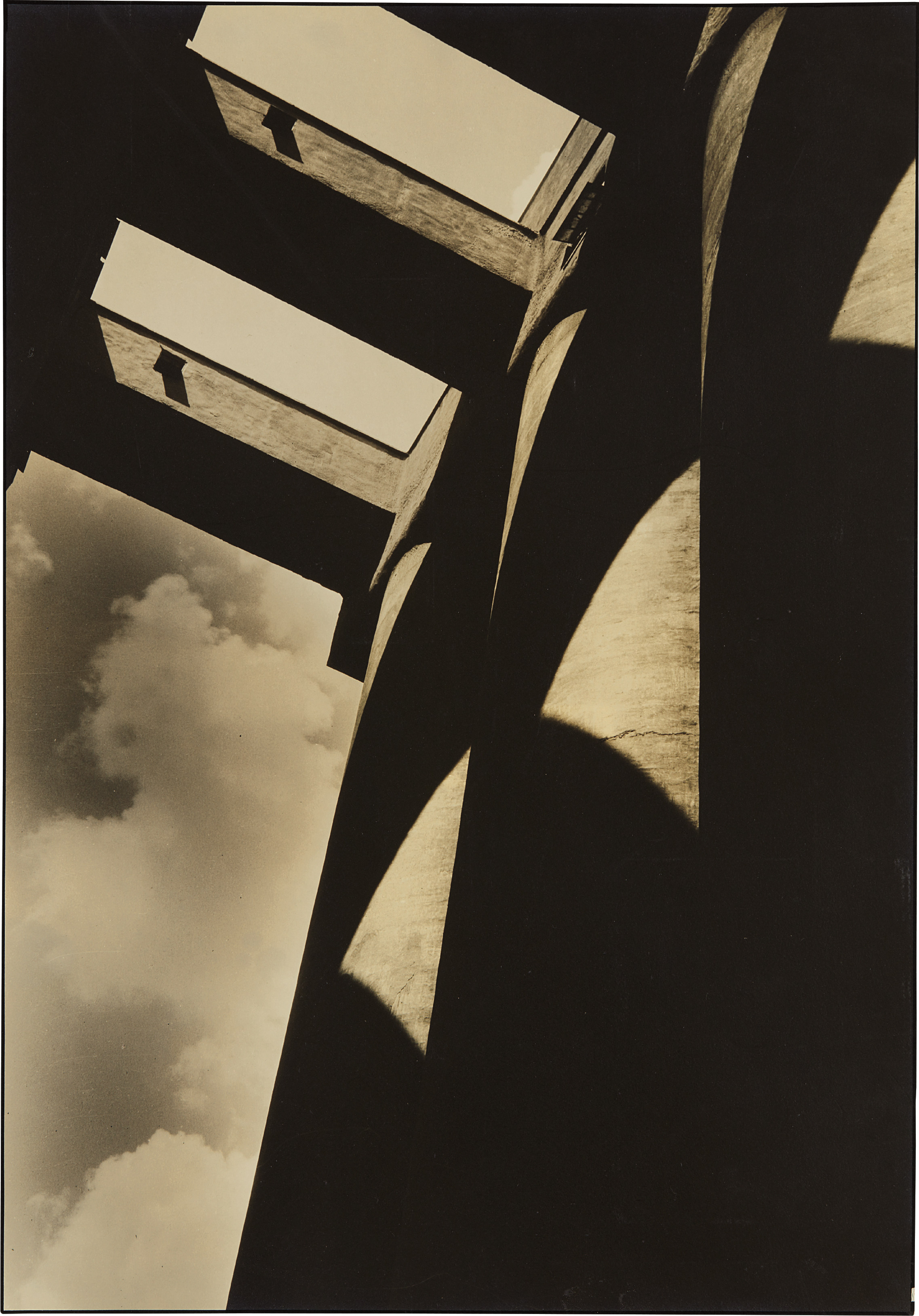
Margaret Bourke-White
Concrete Trestle
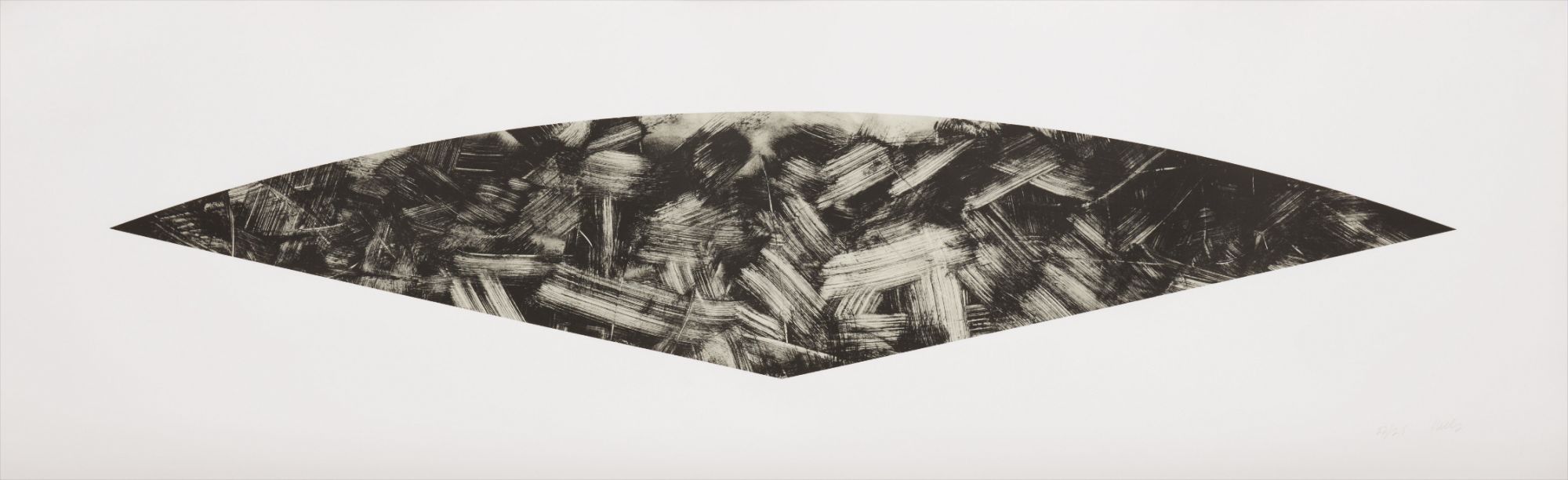
Ellsworth Kelly
Dark Gray Curve (State I)
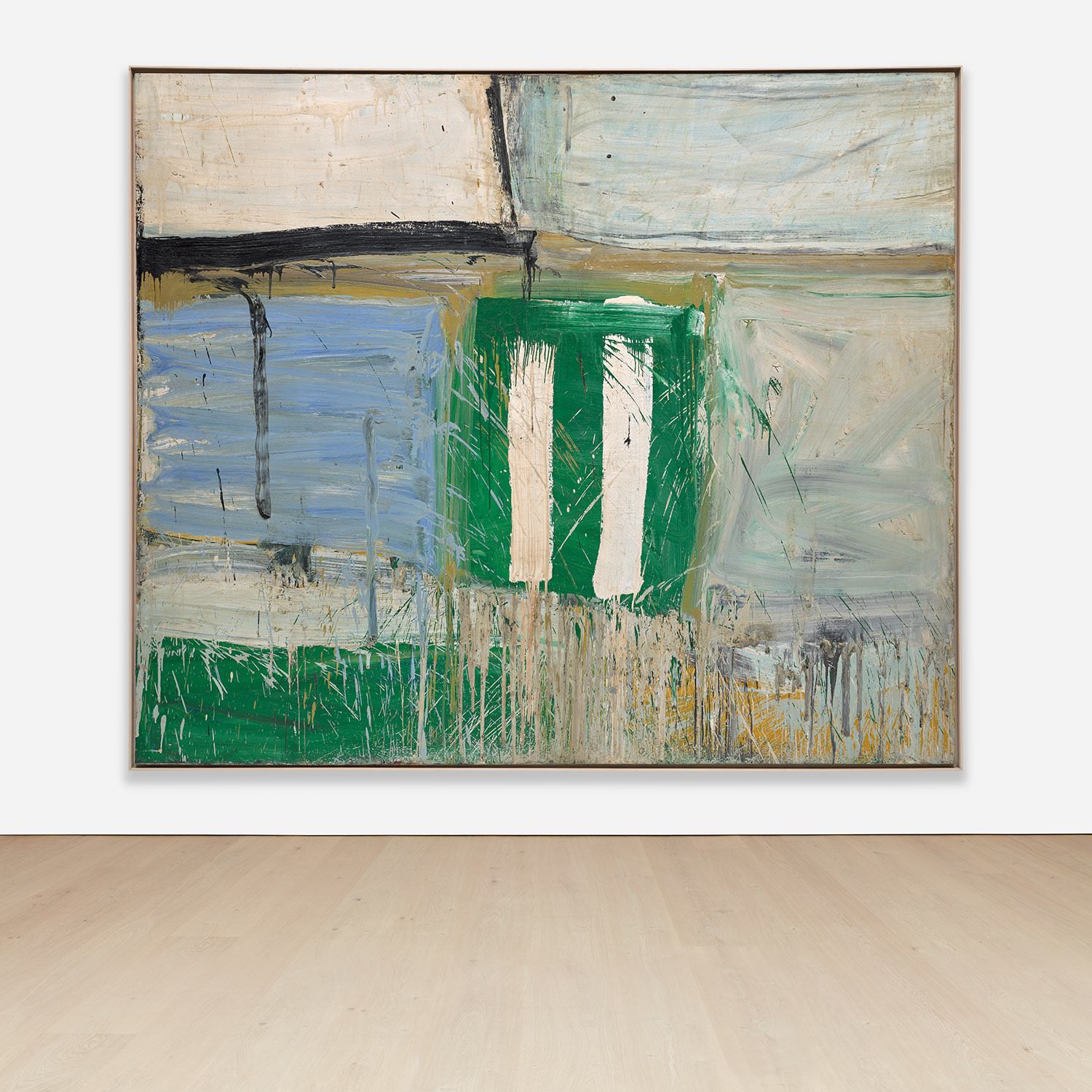
Alfred Leslie
Hipped
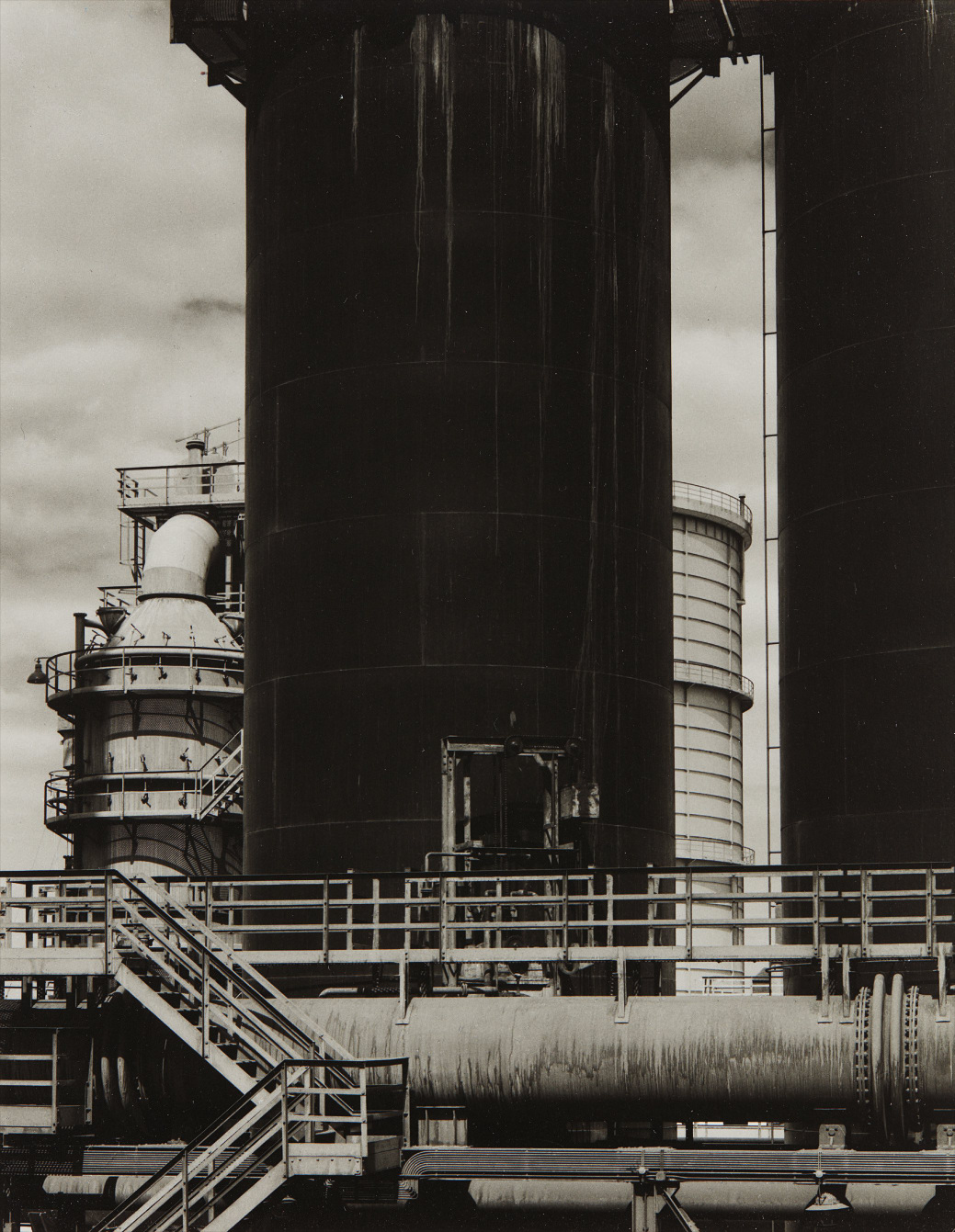
Paul Strand
Steel Mill, Helwan, Egypt
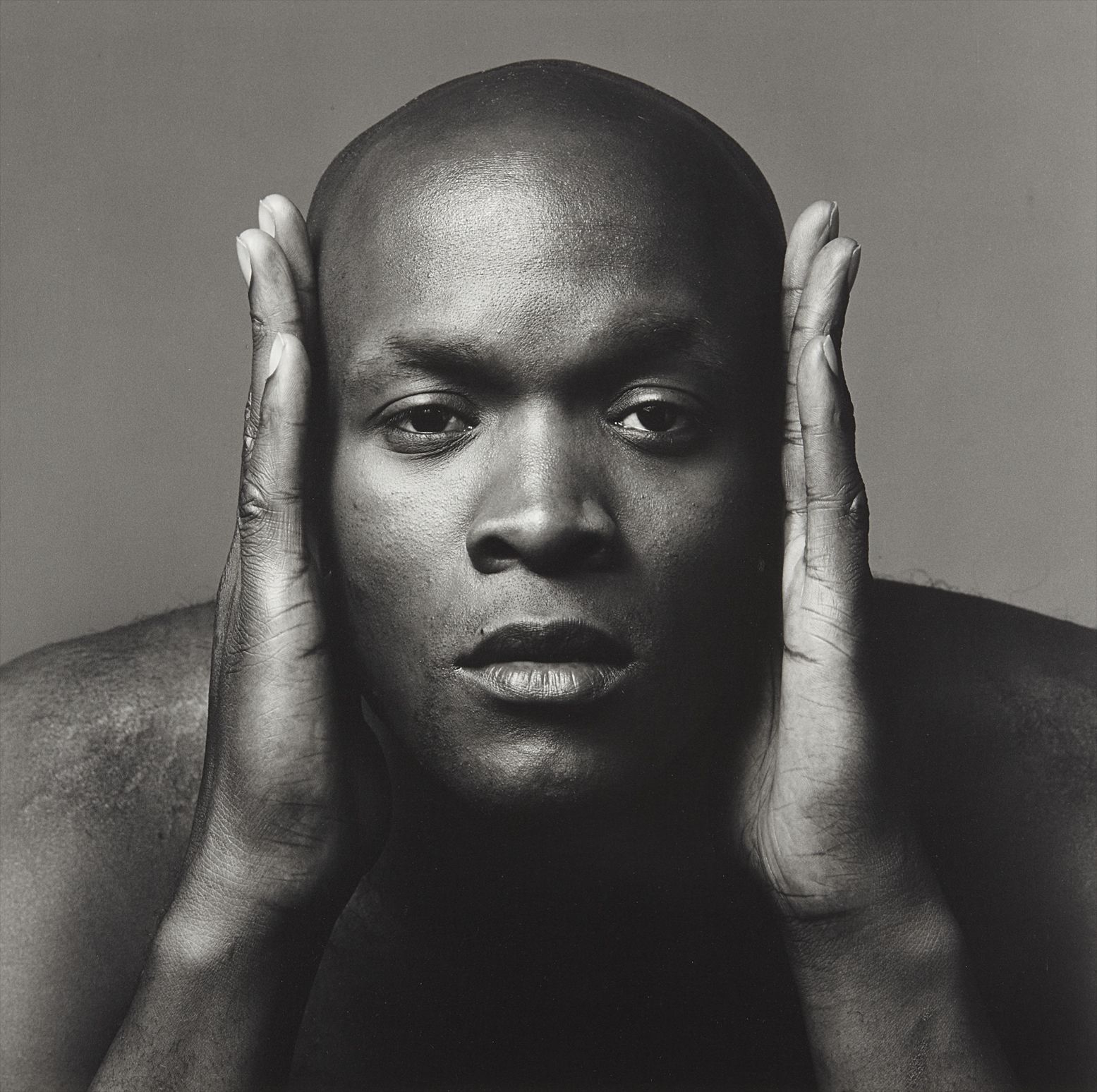
Robert Mapplethorpe
Donald Cann
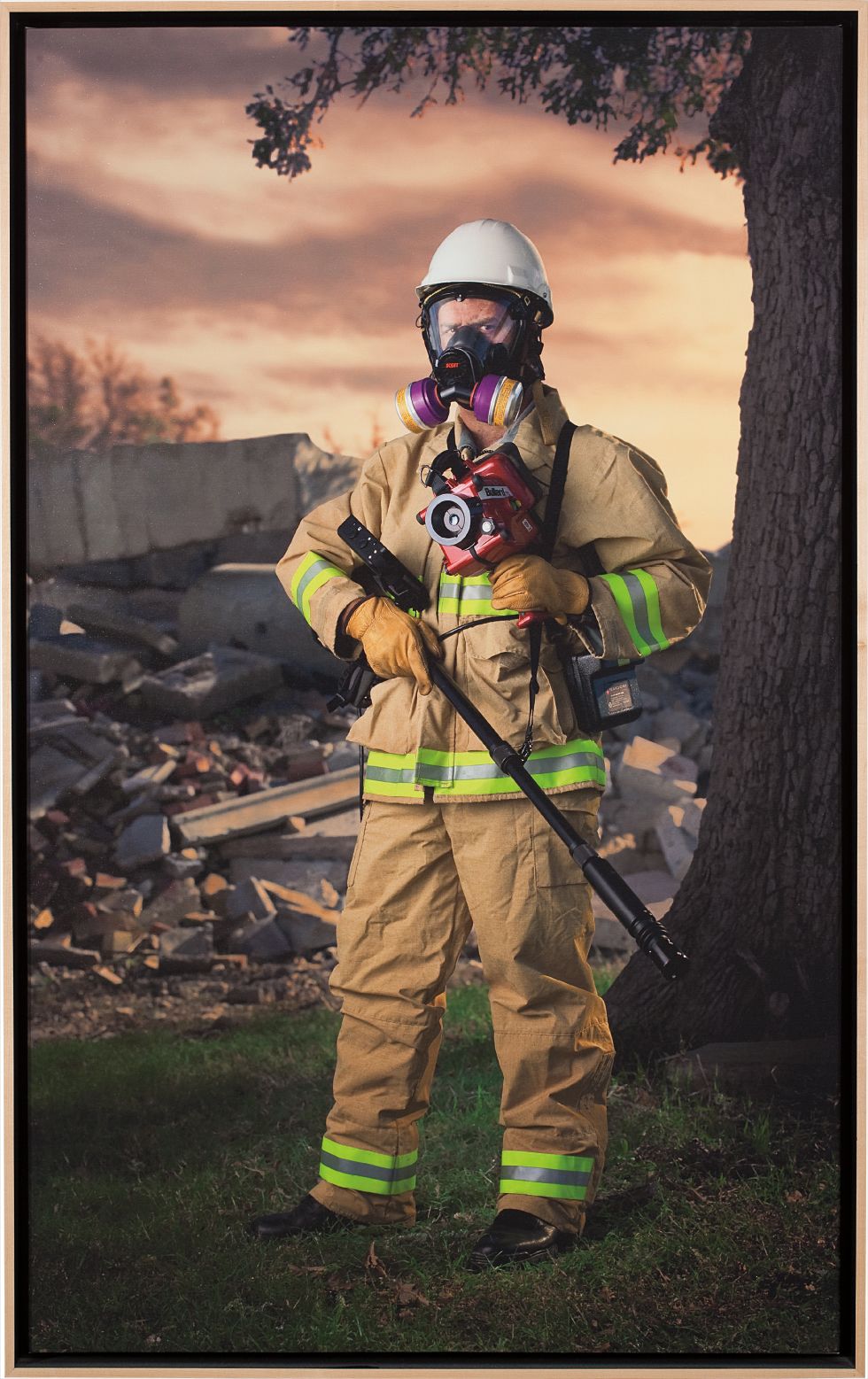
Paul Shambroom
Police SWAT, Camouflage (Terror Town, Playas Training Center, NM)
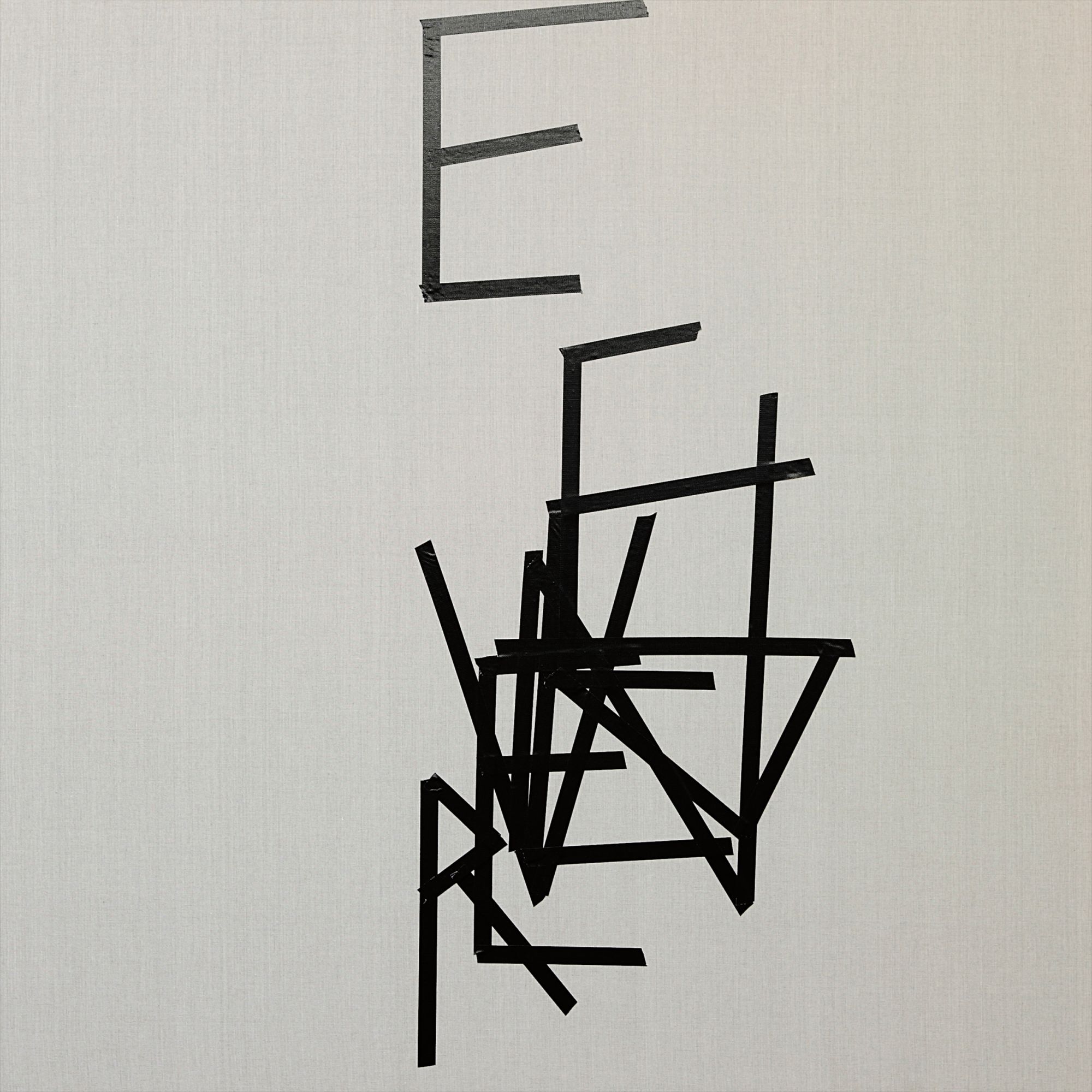
Matias Faldbakken
insulation tape on canvas
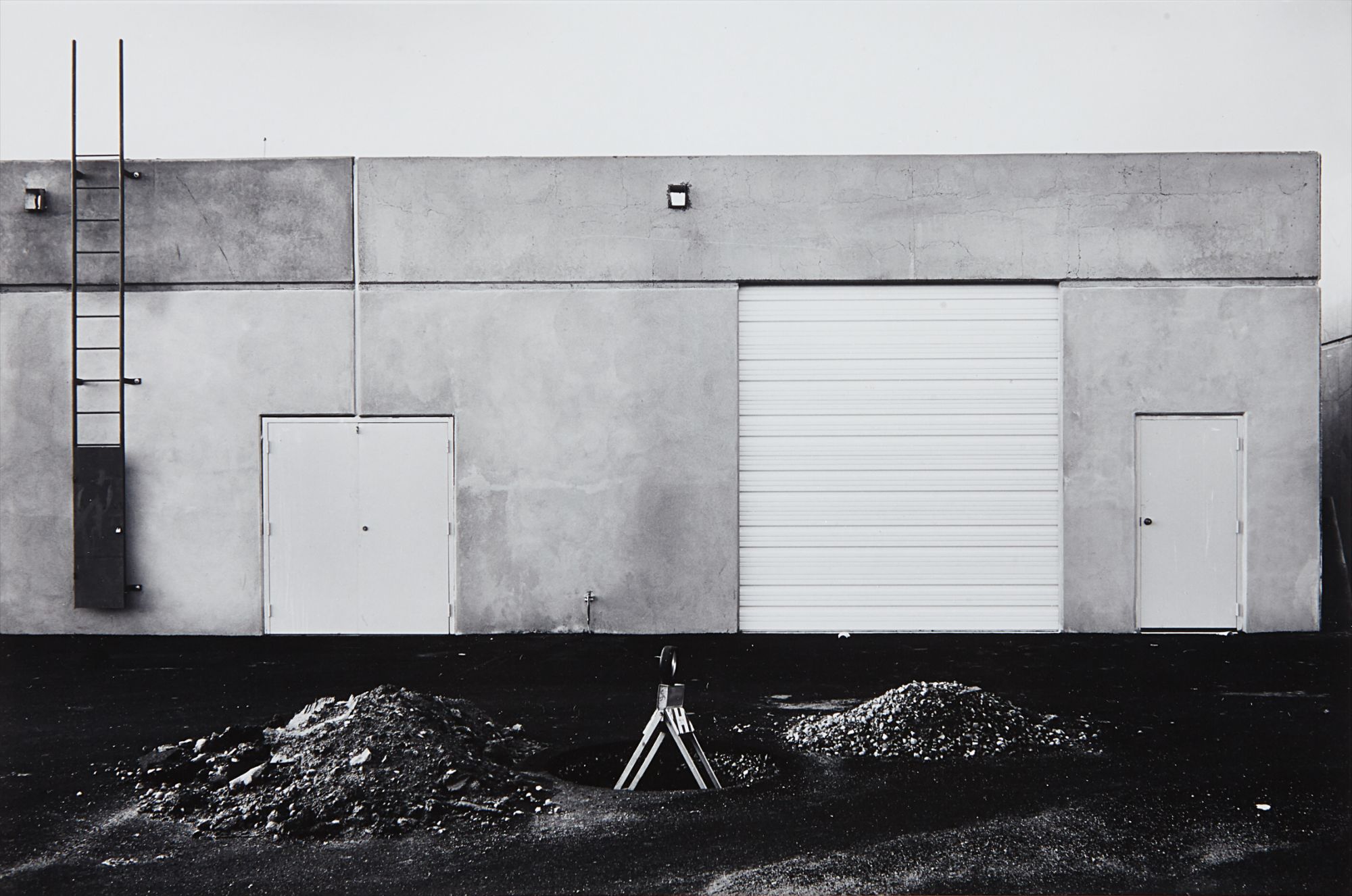
Lewis Baltz
New Industrial Parks #20 from New Industrial Parks near Irvine, California