Russian-French Artist
Archived article
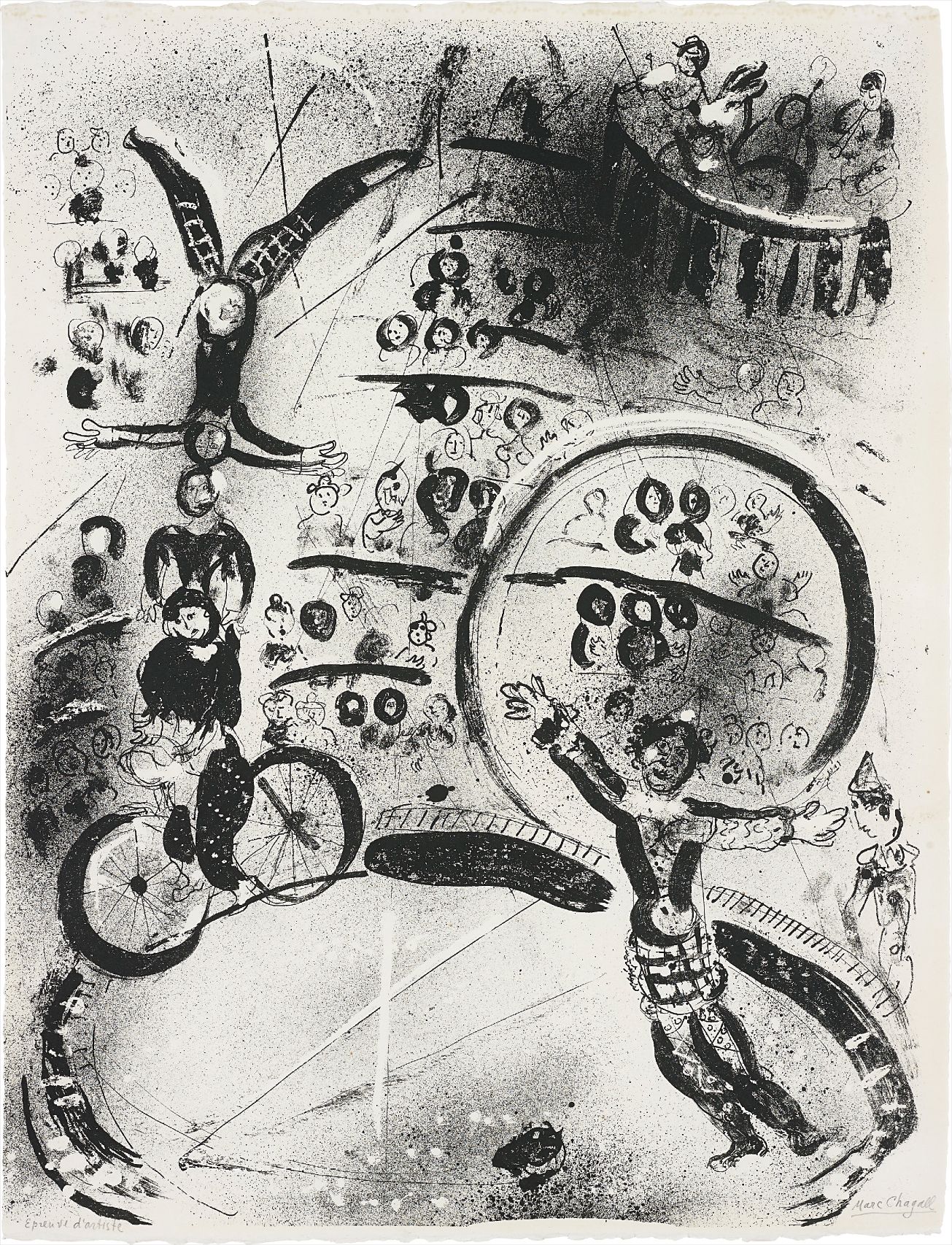
Marc Chagall
Les Cyclistes (The Cyclists)
You are reading a previous version of this article.
Read the latest version```json { "headline": "Between Two Worlds, One Luminous Vision", "body": "There is a particular quality of light in works made by artists who lived between cultures, and nowhere is this more apparent than in the tradition of Russian painters and sculptors who made France their adoptive home during the twentieth century. These were artists shaped by the Orthodox icon, the folk traditions of the Pale of Settlement, the revolutionary ferments of Moscow and St. Petersburg, and then remade by Montparnasse, by Cubism, by the Fauves, by the intellectual freedoms of Paris between the wars. The result is a body of work that feels both ancient and urgently modern, rooted in memory and yet formally adventurous in ways that still surprise.
Collectors who live with these works consistently speak of the same thing: a sense that the image holds more than it first reveals, that it deepens with time rather than exhausting itself.", "What draws people to this area is partly biographical romance and partly something more formal and harder to name. These artists brought with them a visual vocabulary formed outside the Western academic tradition, and when that vocabulary encountered Parisian modernism, the collision produced something that belonged fully to neither world and was richer for it. The flattened picture plane of Chagall, the chromatic intensity of Lanskoy, the sculptural rawness of Zadkine all carry this dual inheritance.
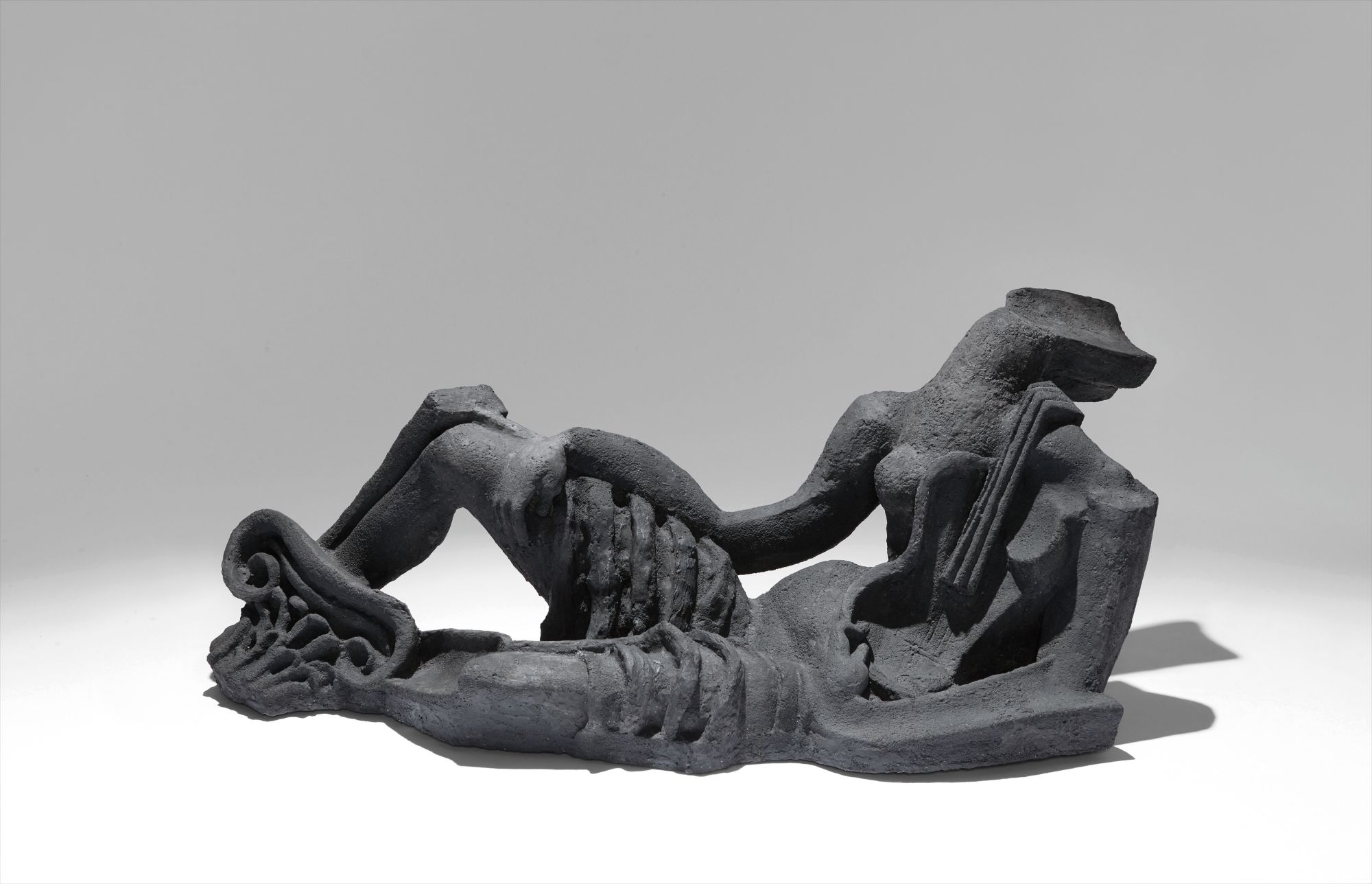
Ossip Zadkine
Statue pour jardin, 1943
For a collector, that layering means the works reward sustained attention in a way that more purely decorative or more purely theoretical art sometimes does not.", "When it comes to separating a good work from a great one in this category, the question is almost always about the degree to which the artist has fully inhabited their own synthesis rather than simply applied their influences. A lesser Chagall can feel like a checklist of his own iconography: floating figures, village rooftops, a blue goat. A great Chagall feels as though the imagery arrived with genuine emotional necessity, as though the dreamlike space is structurally inevitable rather than decorative.
The same principle applies to artists like André Lanskoy, whose best canvases from the 1950s and 1960s achieve an almost musical density of color relations that lesser works from the same period only approximate. Look for works in which the formal decisions and the expressive content feel inseparable, where you cannot imagine the painting being any other color or any other scale.", "Marc Chagall remains the central figure in any serious consideration of this tradition, and his presence on The Collection reflects that centrality. His market is deep and global, with strong institutional support and a collector base that spans Europe, North America, and Asia.
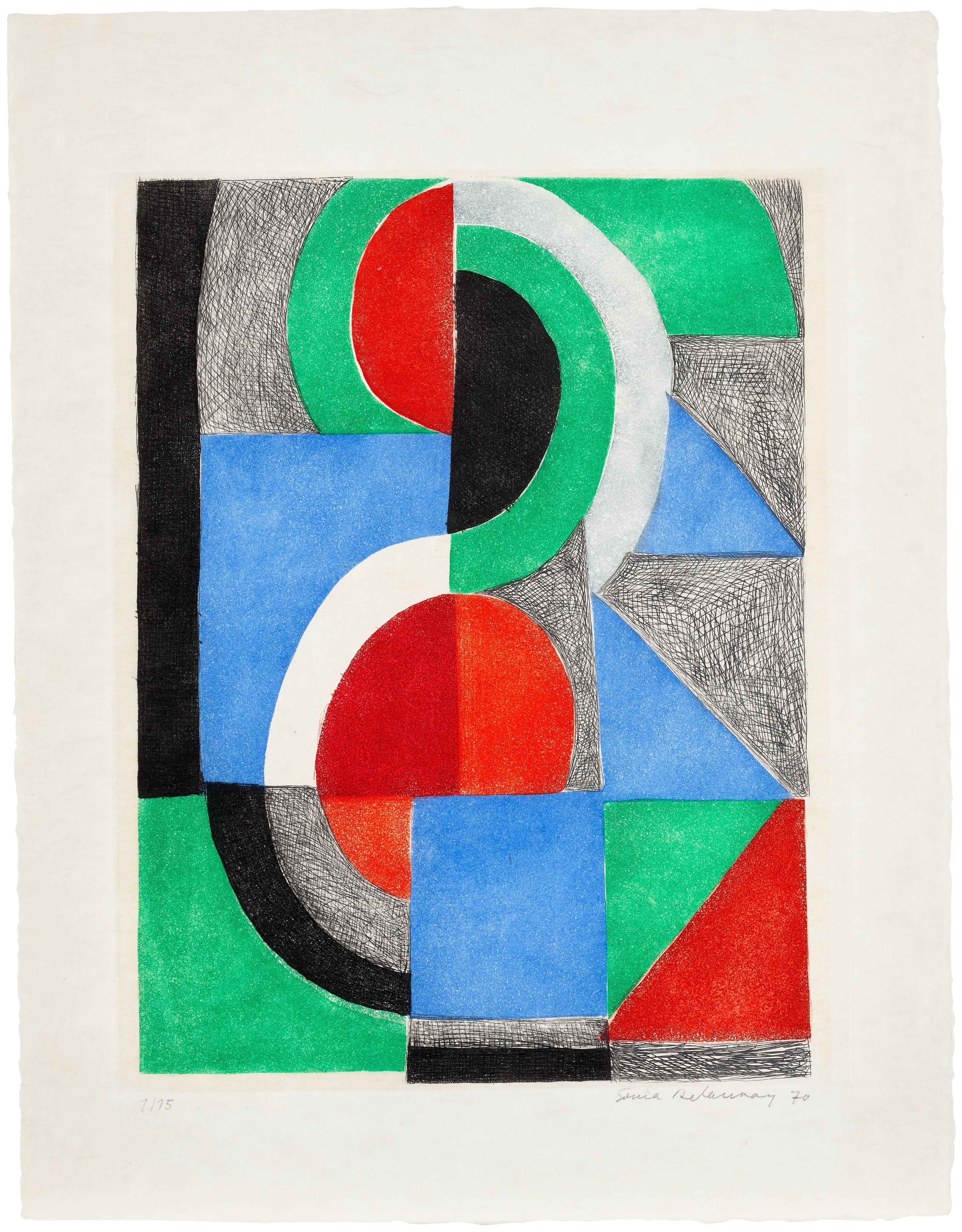
Sonia Delaunay
Avec moi-même (With Myself): one print
But depth of market can sometimes obscure the importance of selectivity. Chagall's output was immense and uneven, and the difference in both emotional resonance and market performance between a major gouache from the 1940s and a late lithograph from a large edition is significant. Sonia Delaunay represents a different kind of opportunity: her contribution to abstraction and to the integration of art with design has been substantially reassessed over the past two decades, and works that once seemed to live in the shadow of her husband Robert's reputation are now understood as independently groundbreaking. Her engagement with simultaneism and her development of what she called simultaneous contrasts place her at the origin of a tradition that runs through the rest of the century.
", "Ossip Zadkine offers perhaps the most interesting value proposition in sculpture from this milieu. His reputation among specialists has always been high, but he has not always received the same popular attention as his contemporaries, which means that significant works occasionally appear at prices that would be unimaginable for equivalent pieces by better known names. His wood carvings in particular carry an almost totemic power, drawing on African art and Cubist fragmentation simultaneously, and they hold space in a room in ways that purely decorative objects cannot. For collectors with an interest in sculpture and a tolerance for doing some independent research, Zadkine rewards careful attention.
", "In terms of emerging or underrecognized figures working within or adjacent to this tradition, the field is richer than it might first appear. There is growing curatorial interest in the broader circle of artists who passed through Paris during the interwar years and whose work has not yet been fully absorbed into the canonical narrative. Artists from the School of Paris who emigrated from Eastern Europe and whose work has been largely held in private collections or regional museums are beginning to attract the attention of younger curators and scholars. The market for these artists is still forming, which creates genuine opportunity for collectors willing to look beyond the established names.
", "At auction, works from the Russian French tradition have performed with notable consistency over the long term, though the market is not without its volatility. Chagall at the major houses commands serious attention and competitive bidding, particularly for works with strong provenance and exhibition histories. Works that appeared in the significant retrospectives of the 1960s and 1970s carry a premium that is unlikely to erode. The secondary market for Lanskoy is more modest in scale but has shown steady appreciation as his critical reputation has consolidated, and a strong example at a regional auction house can still represent real value relative to comparable work by more celebrated names.
", "On practical matters, condition is everything in works on paper, which form a substantial part of this category. The gouaches and watercolors that Chagall produced throughout his career are extraordinarily sensitive to light, and fading in the blues and greens is not uncommon in works that have been displayed without proper UV protection over decades. Before acquiring any work on paper from this tradition, ask for a condition report from an independent conservator and inquire specifically about any history of exposure or restoration. For unique works versus editions, the calculus is straightforward: a unique work by a significant artist will almost always outperform a large edition over time, even when the edition is by a more celebrated name.
Ask any gallery for the edition size, the number of existing proofs, and whether the edition has been published in its entirety. These details matter more than they are sometimes given credit for.
Works tagged Russian-French Artist
Marc Chagall
Les Cyclistes (The Cyclists)
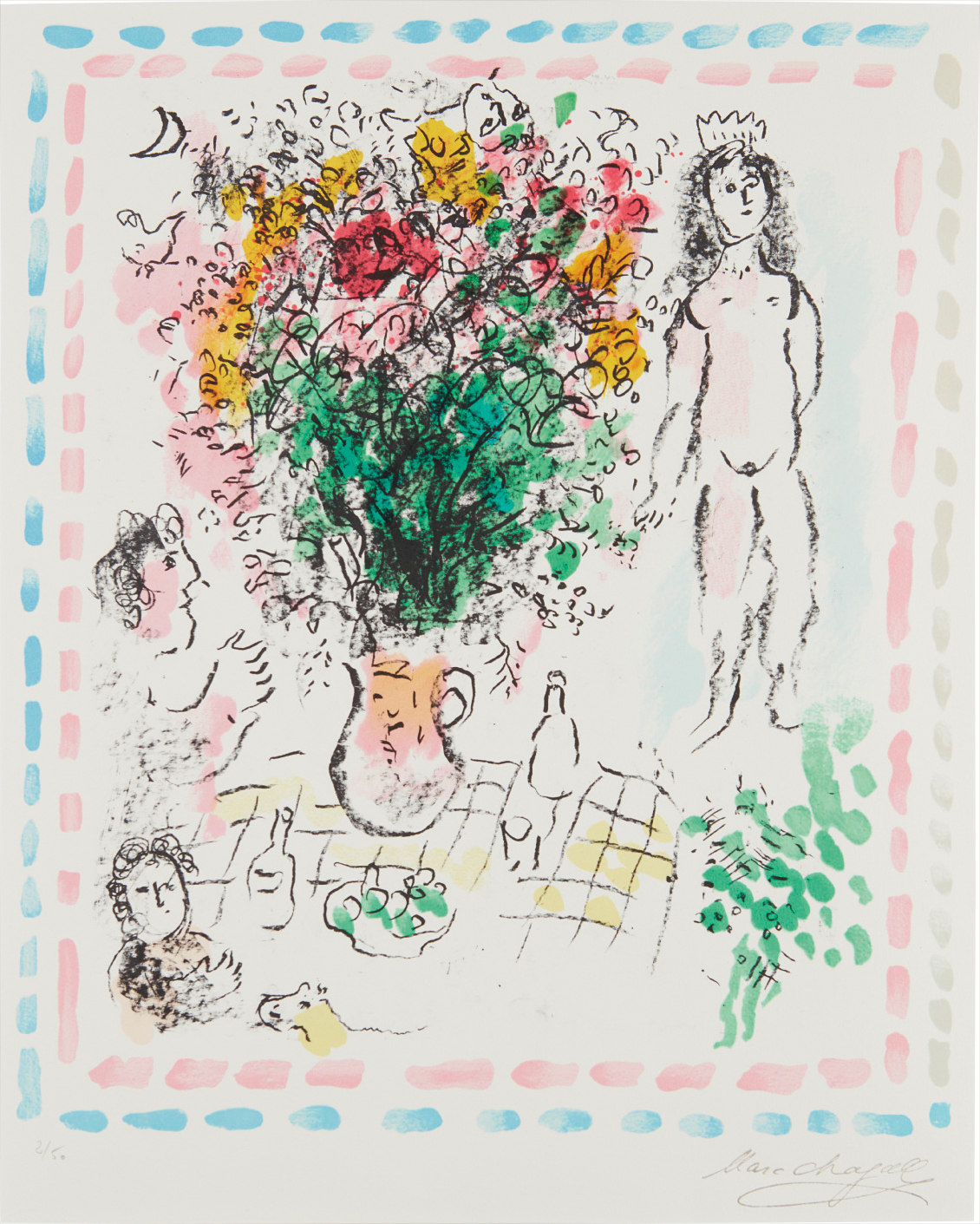
Marc Chagall
Le bouquet de la Reine
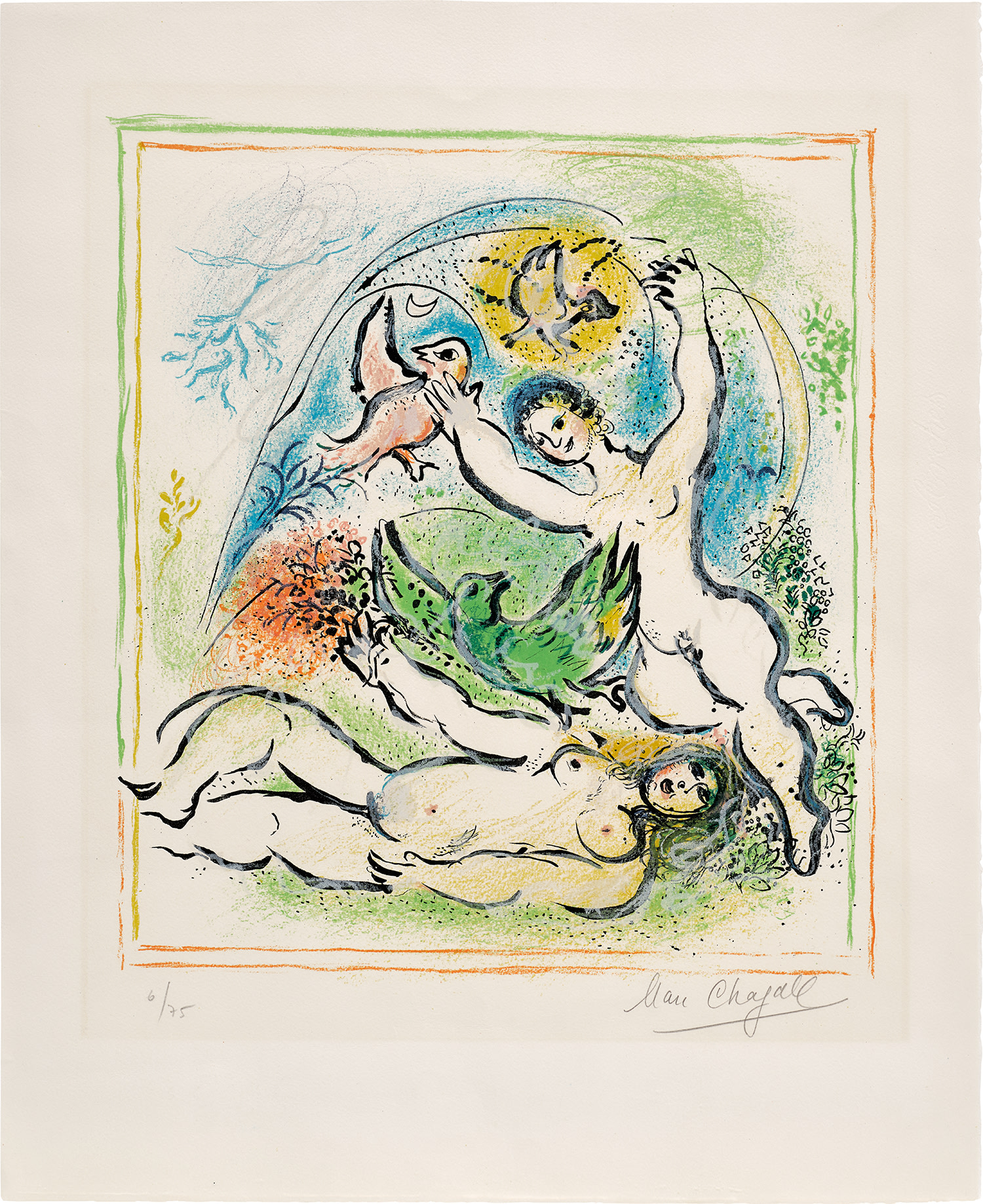
Marc Chagall
Ma belle aura de moi demain une colombe..., from Sur la terre des dieux (My Beautiful Will Have From Me Tomorrow a Dove..., from The Land of the Gods) (M. 538, see C. Bks. 72)
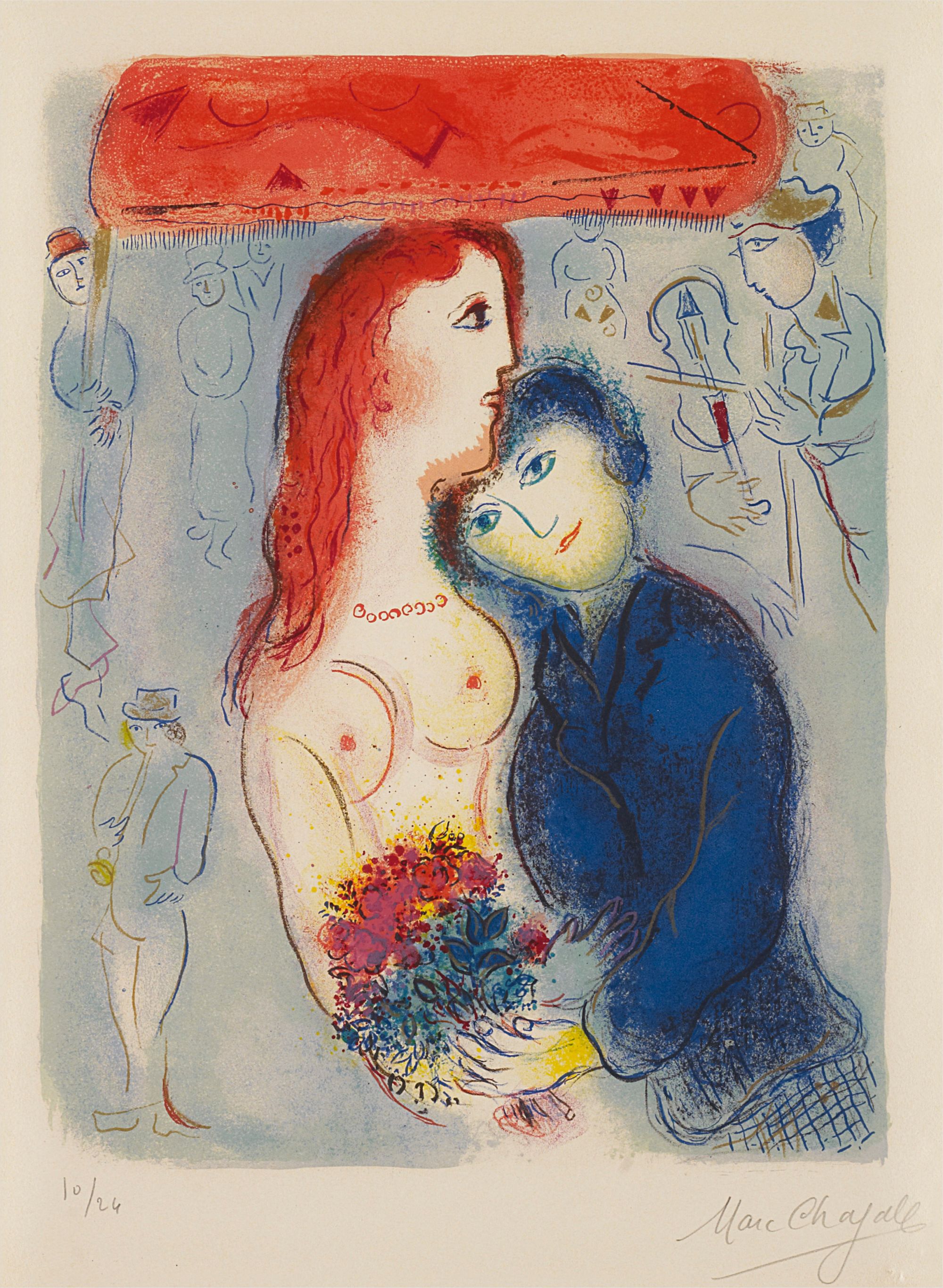
Marc Chagall
Le Mariage, from Cirque
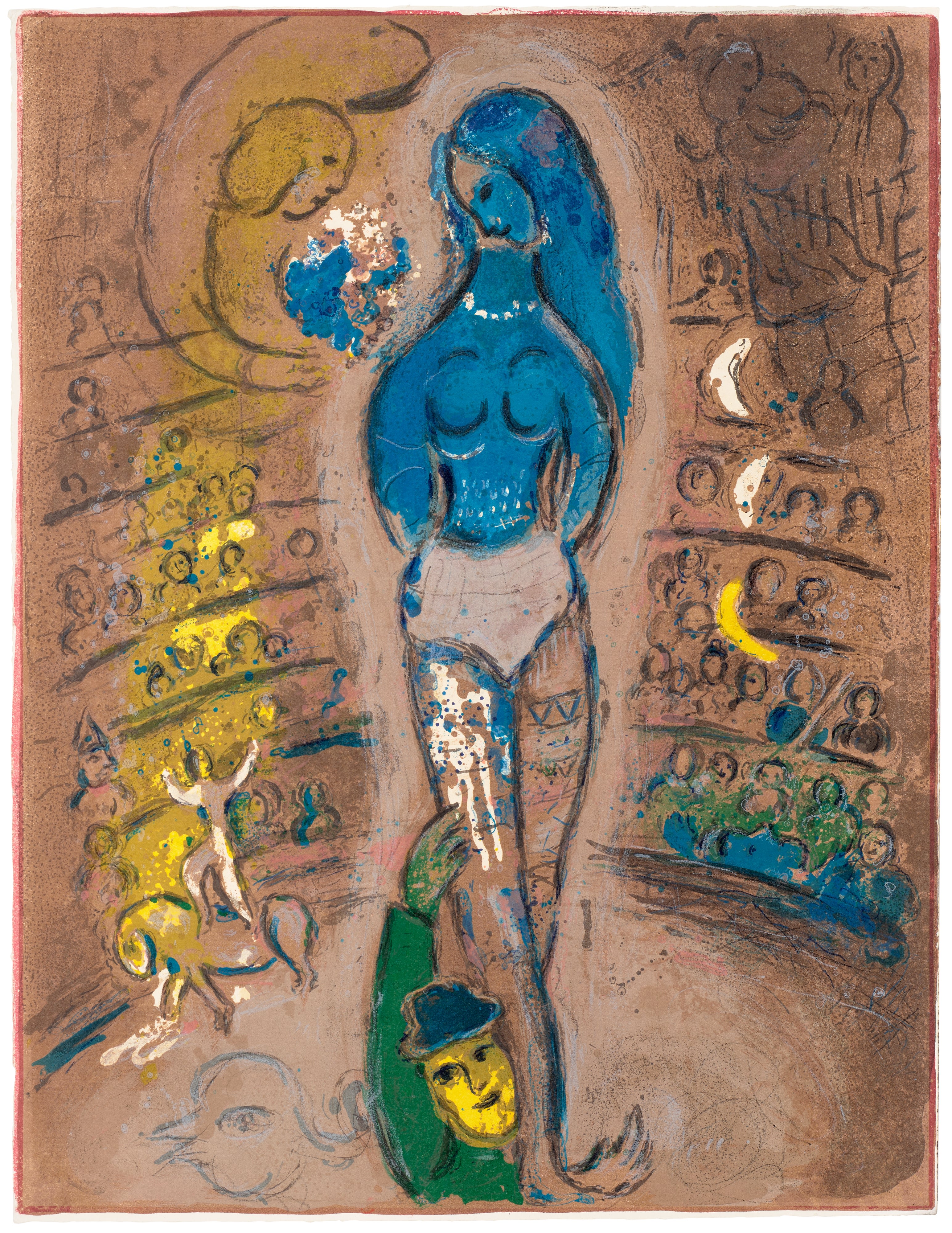
Marc Chagall
Le cirque (The Circus): plate 34 (M. 523, see C. Bks. 68)
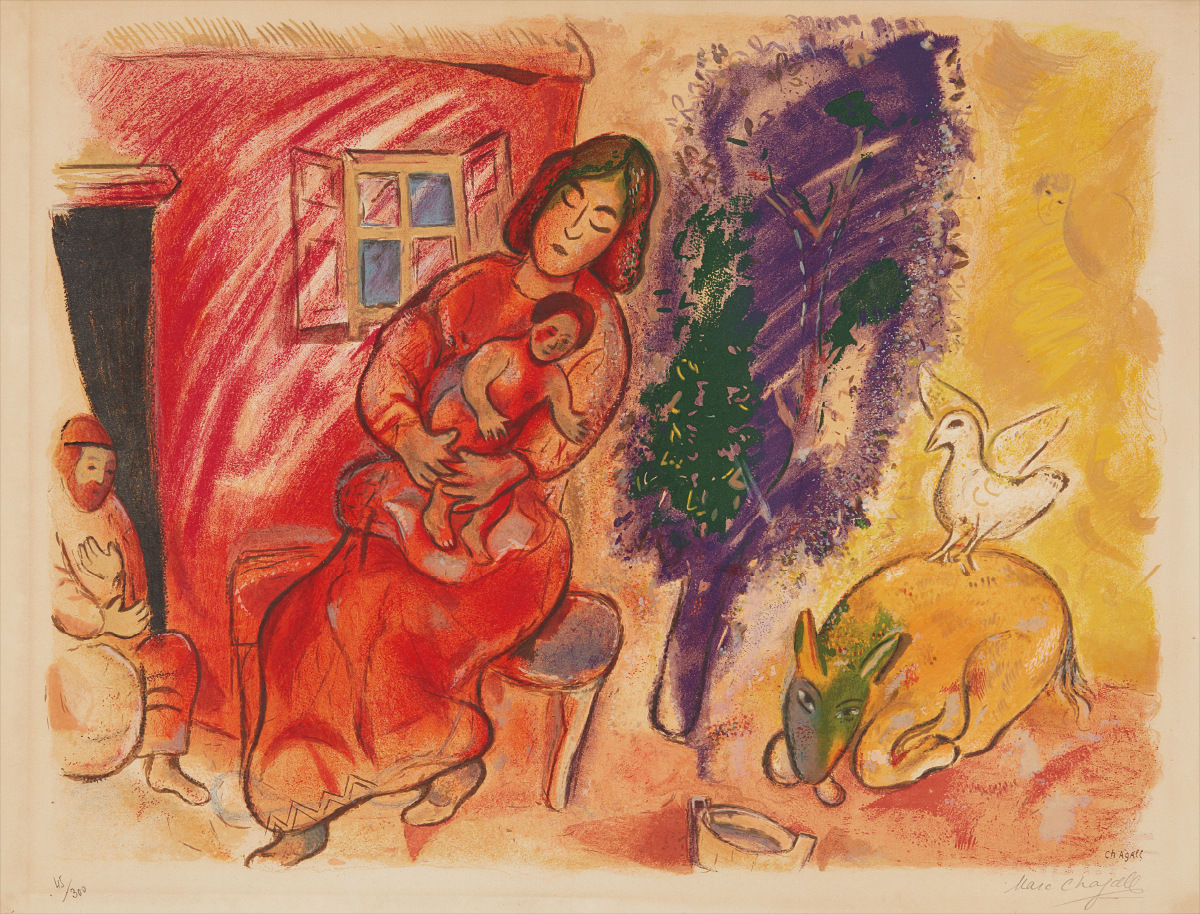
Marc Chagall
Maternité (Maternity)
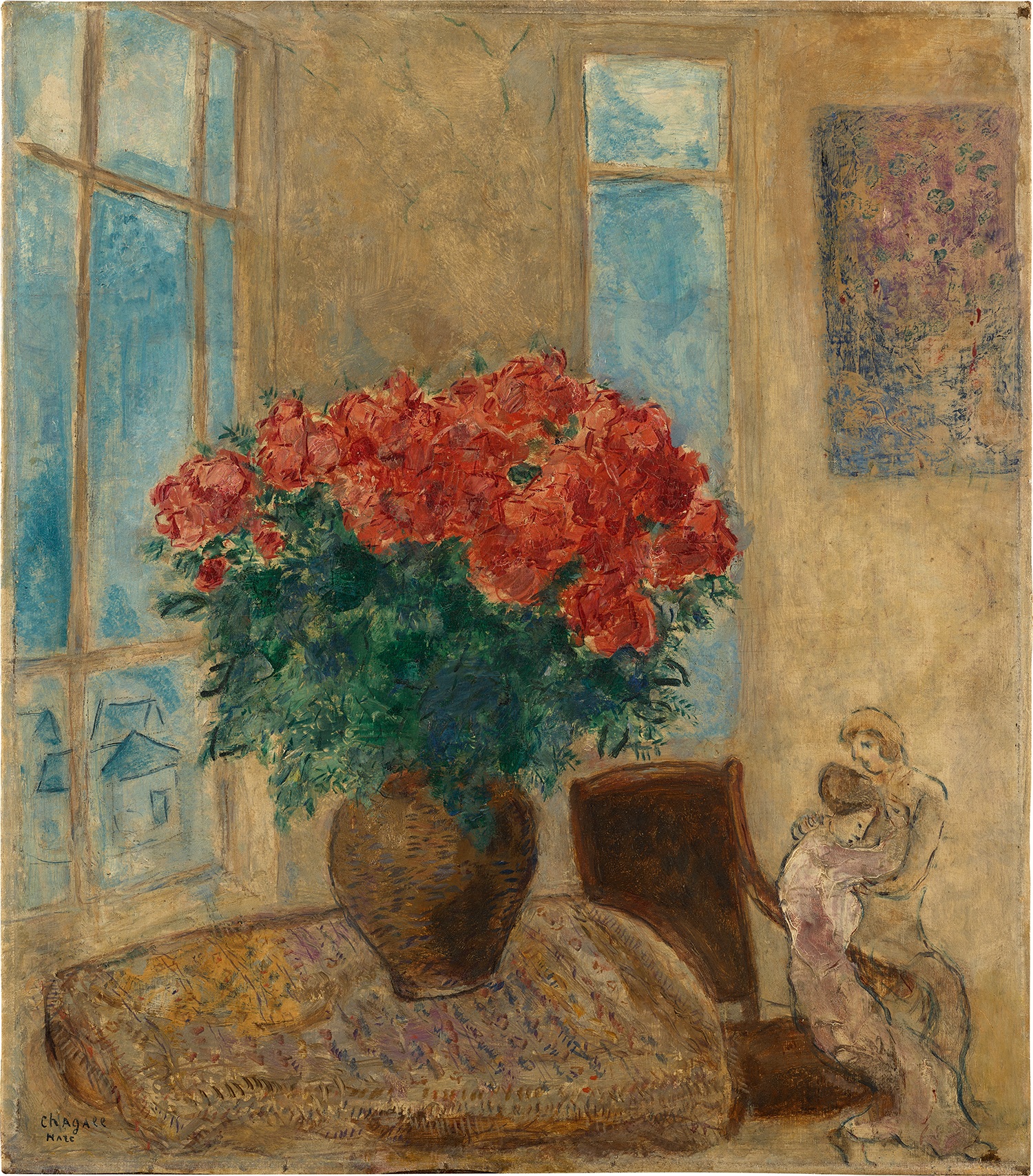
Marc Chagall
Fleurs chez Bella
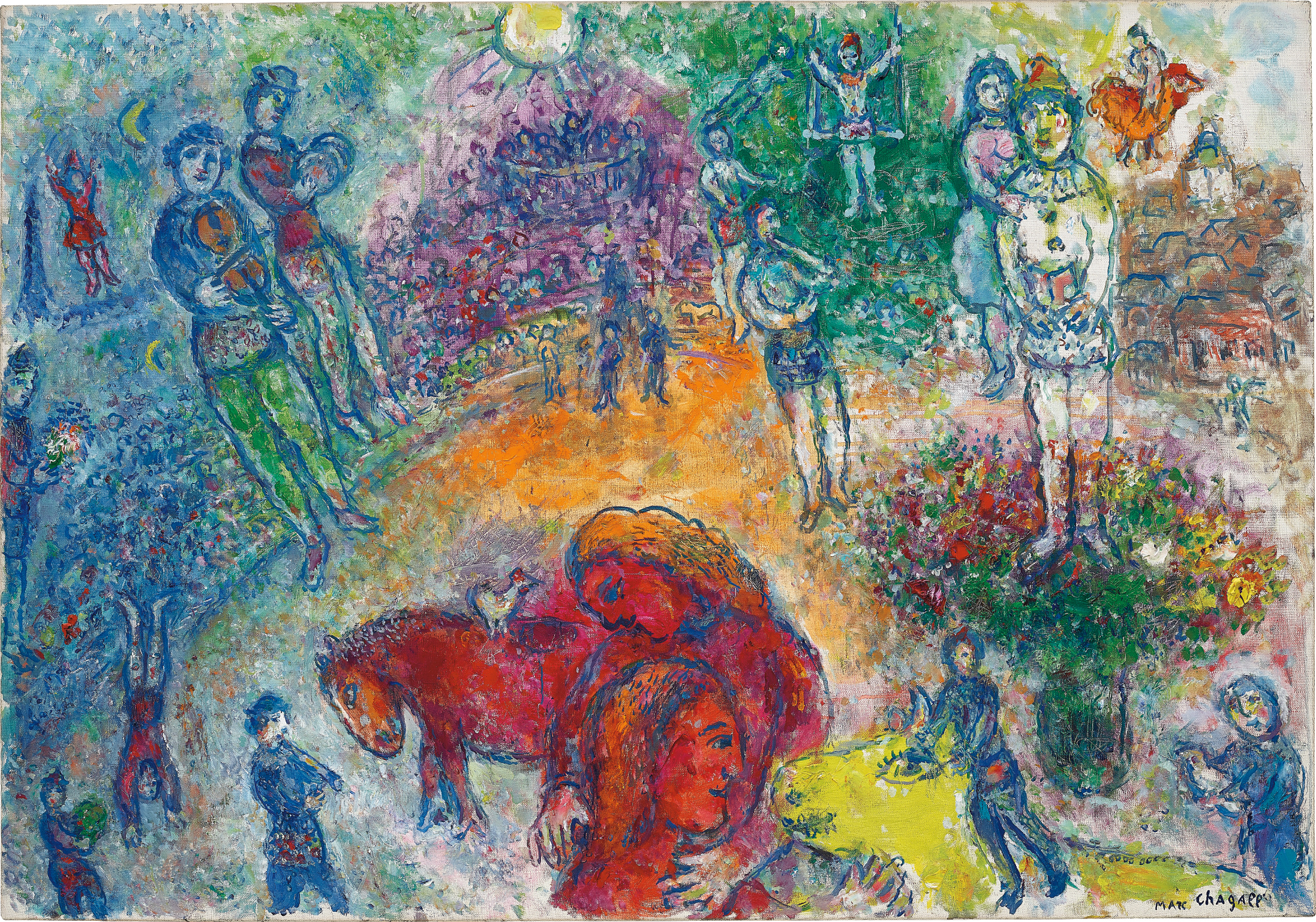
Marc Chagall
La joie au cirque
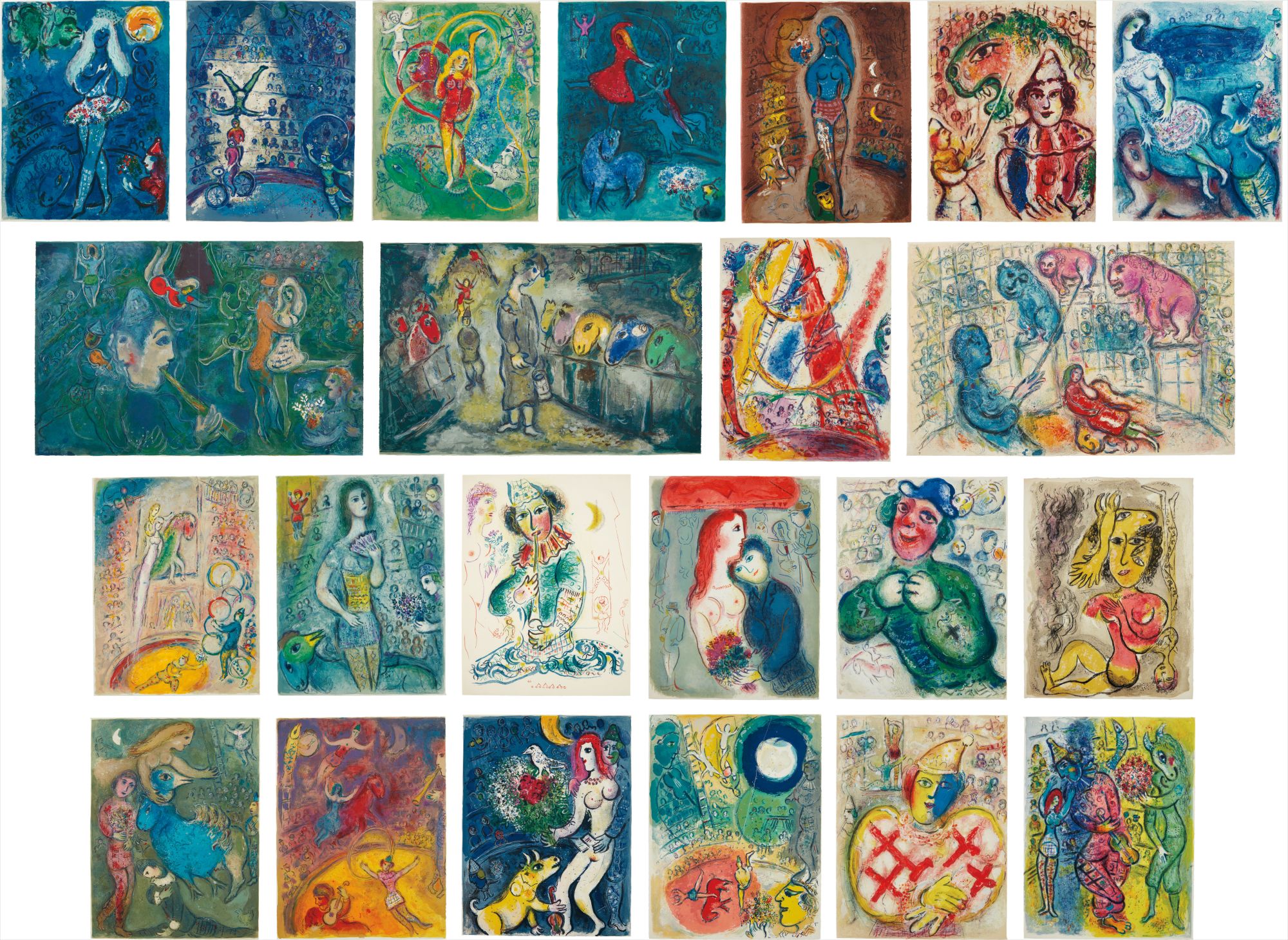
Marc Chagall
Le Cirque (The Circus)
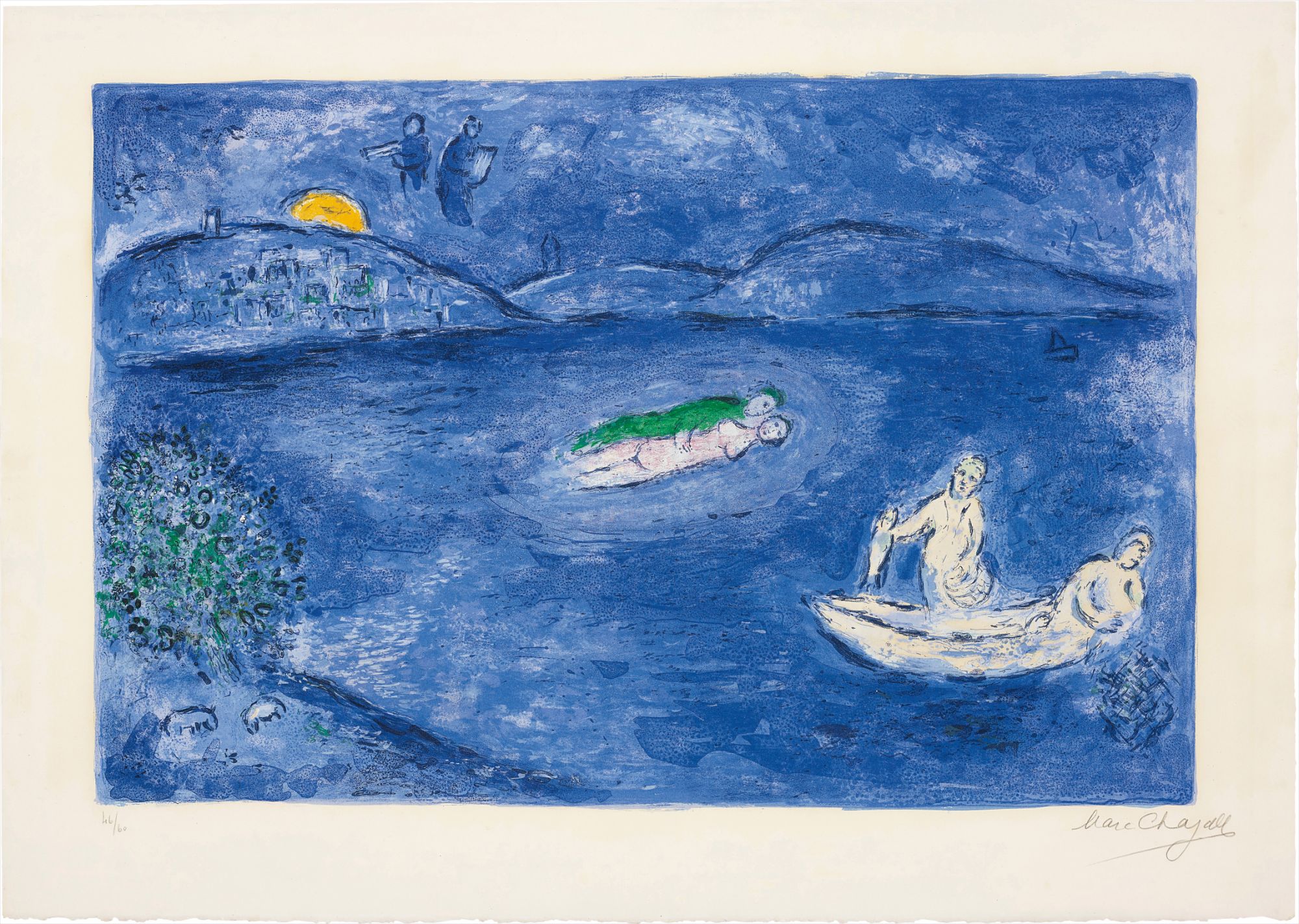
Marc Chagall
L'Echo (Echo), pl. 33 from Daphnis et Chloé
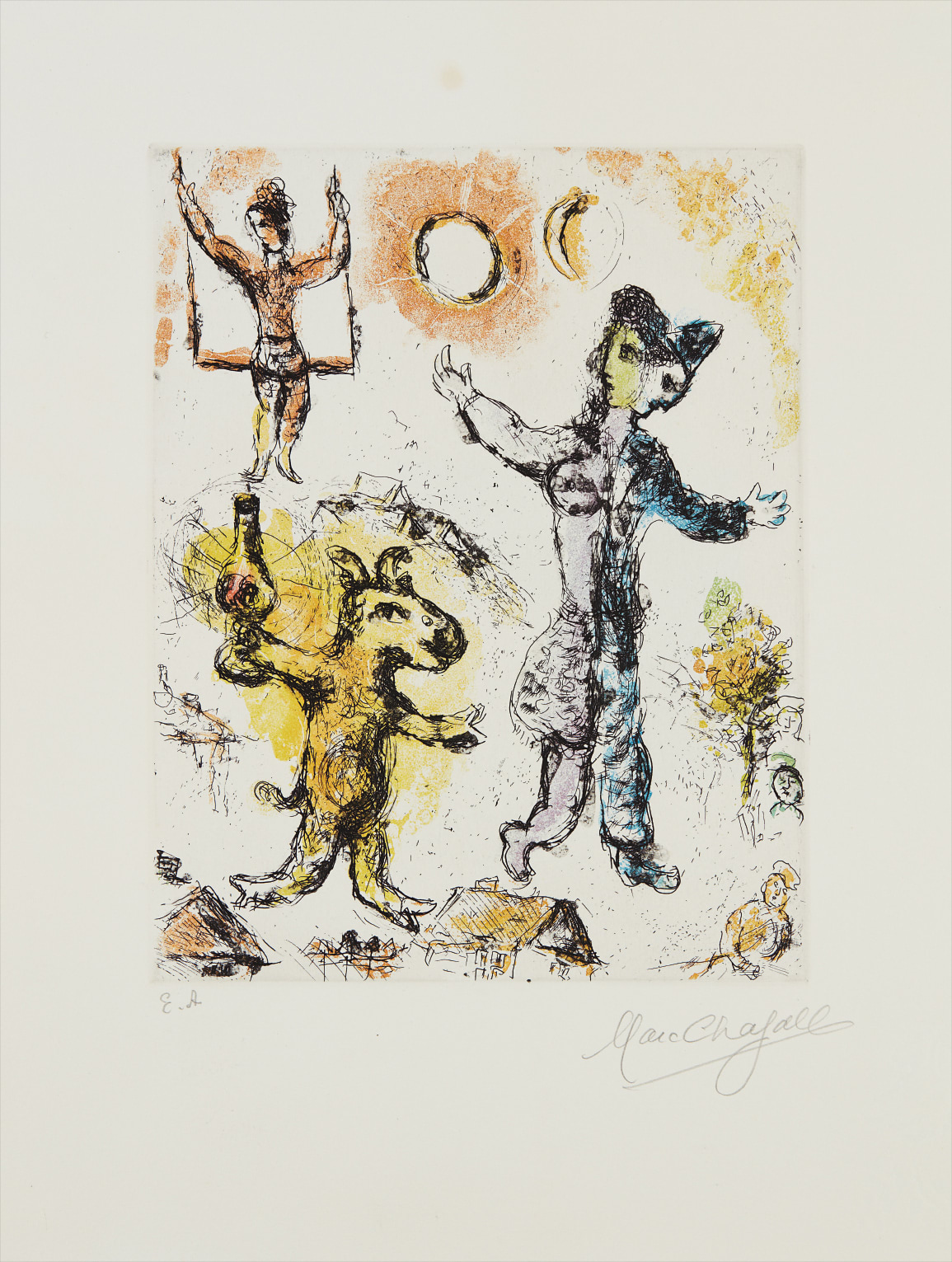
Marc Chagall
Le Rêve de l’âne (The Donkey's Dream)
Ossip Zadkine
Statue pour jardin
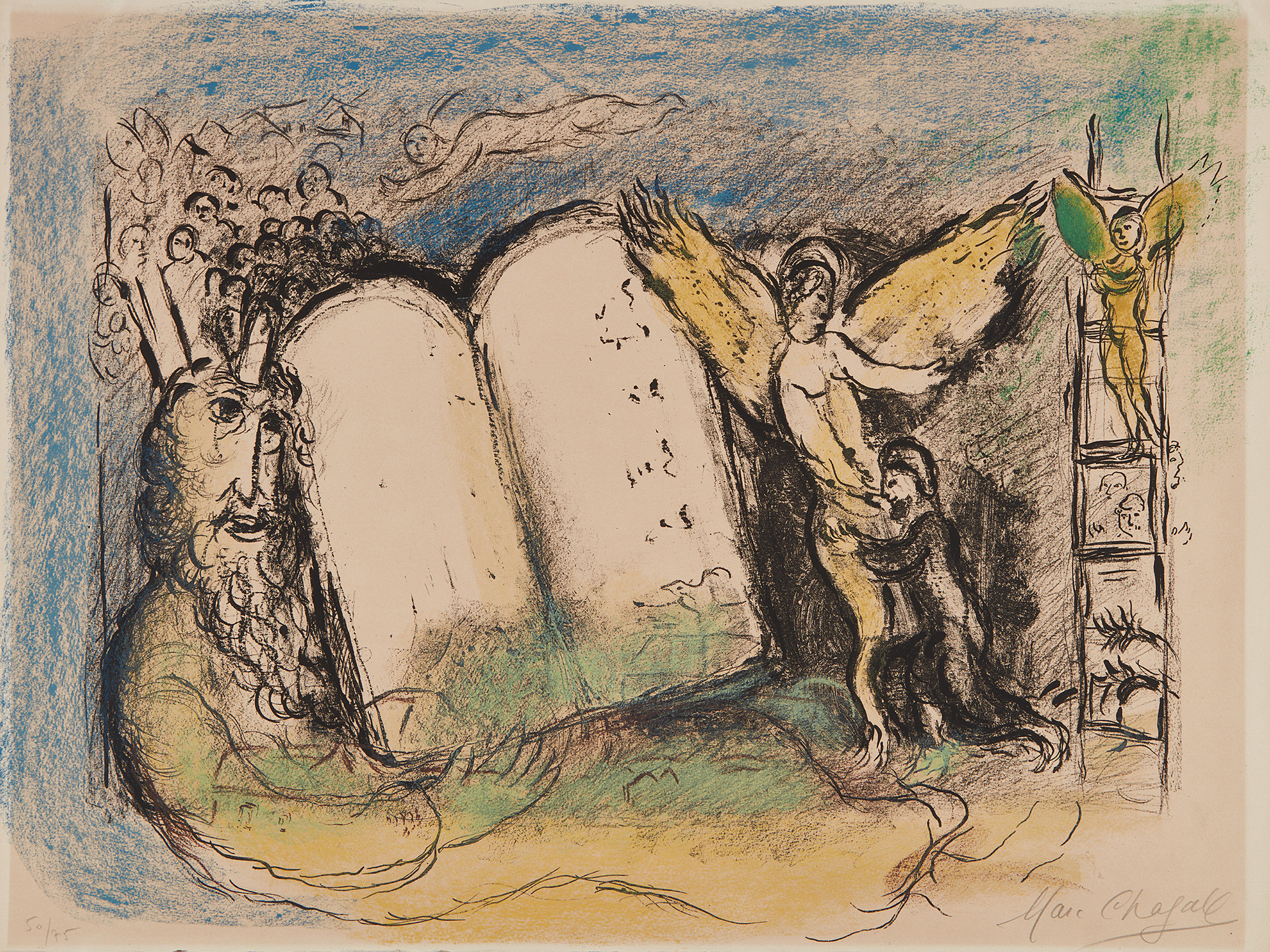
Marc Chagall
Vision of Moses, second state
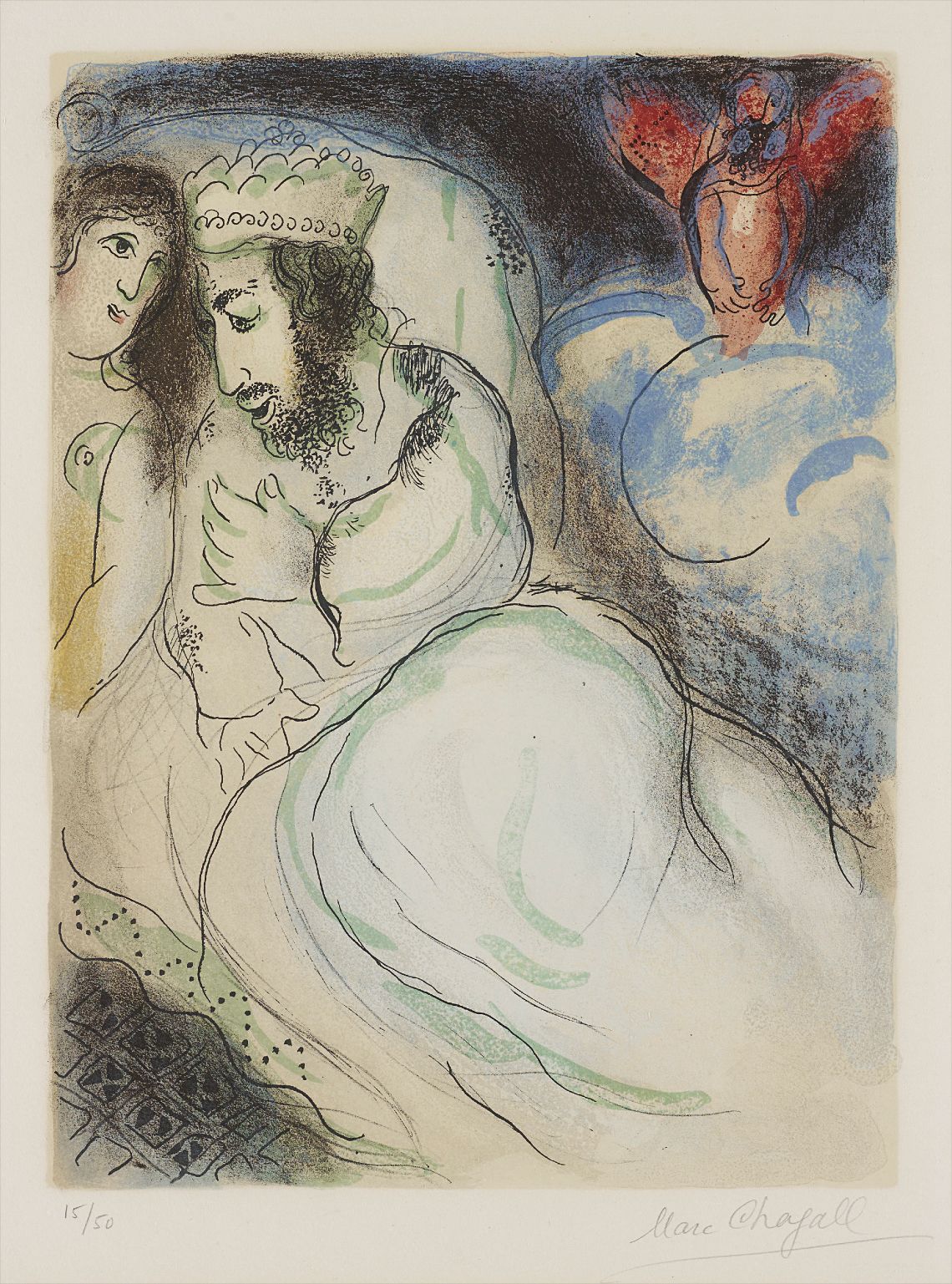
Marc Chagall
Sara et Abimélech, from Dessins pour La Bible
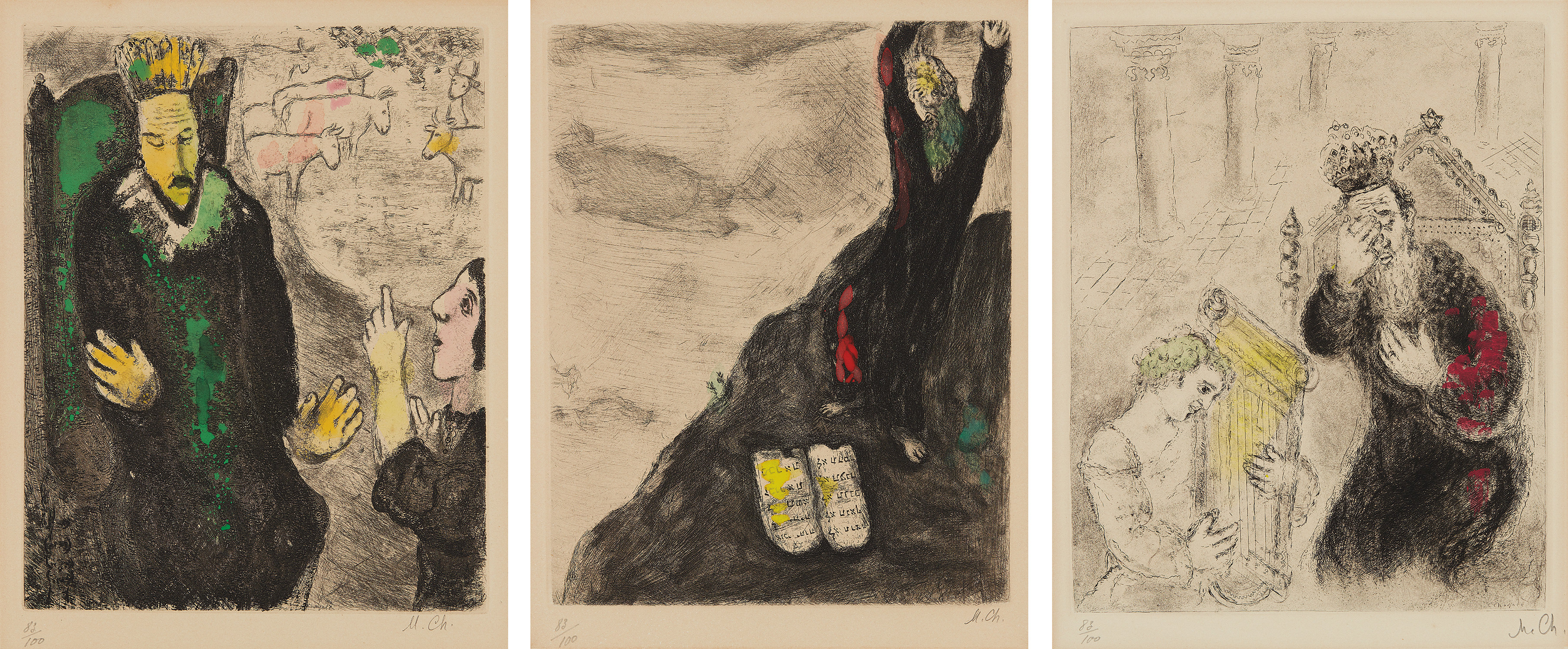
Marc Chagall
The Bible series: three plates
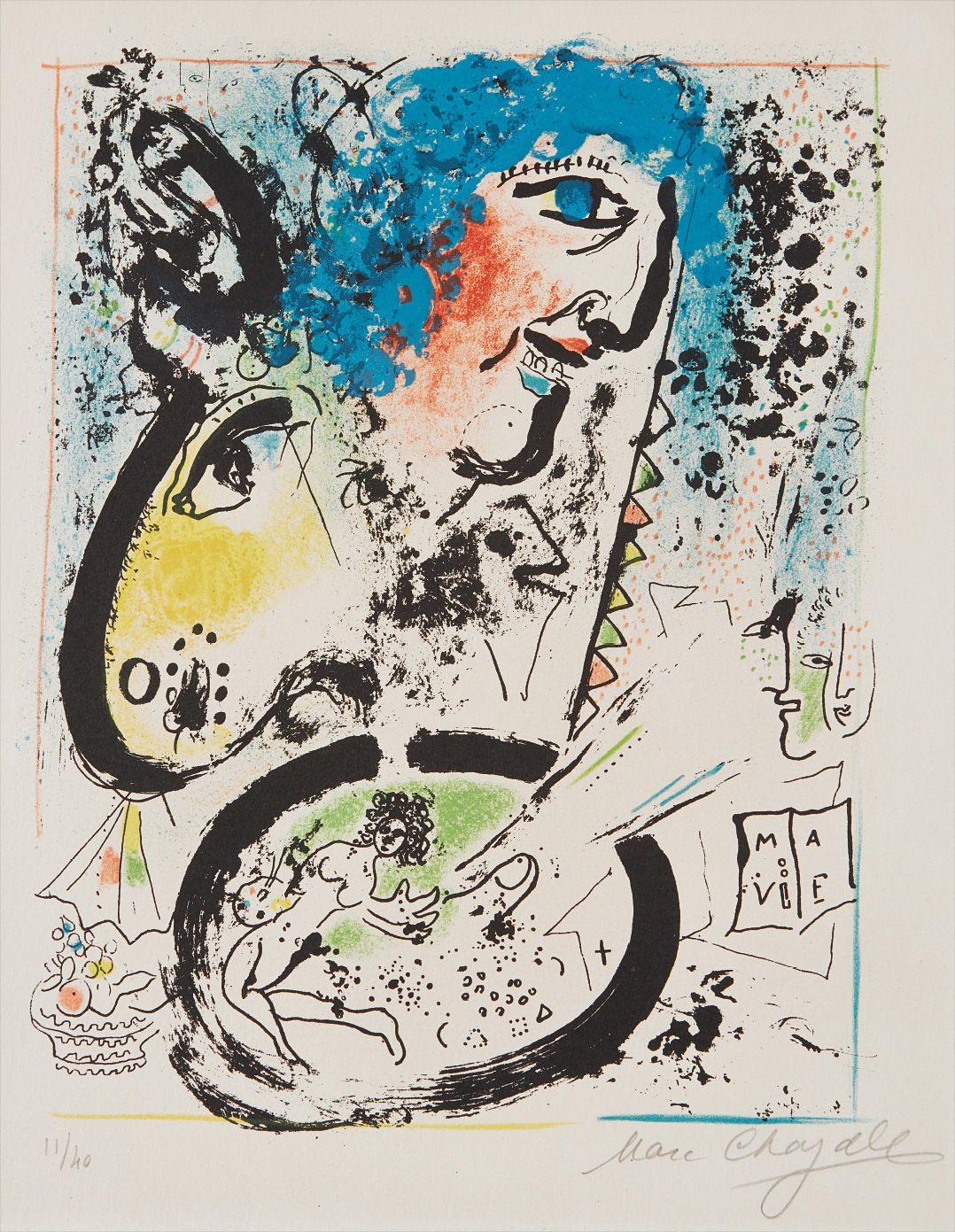
Marc Chagall
Self Portrait
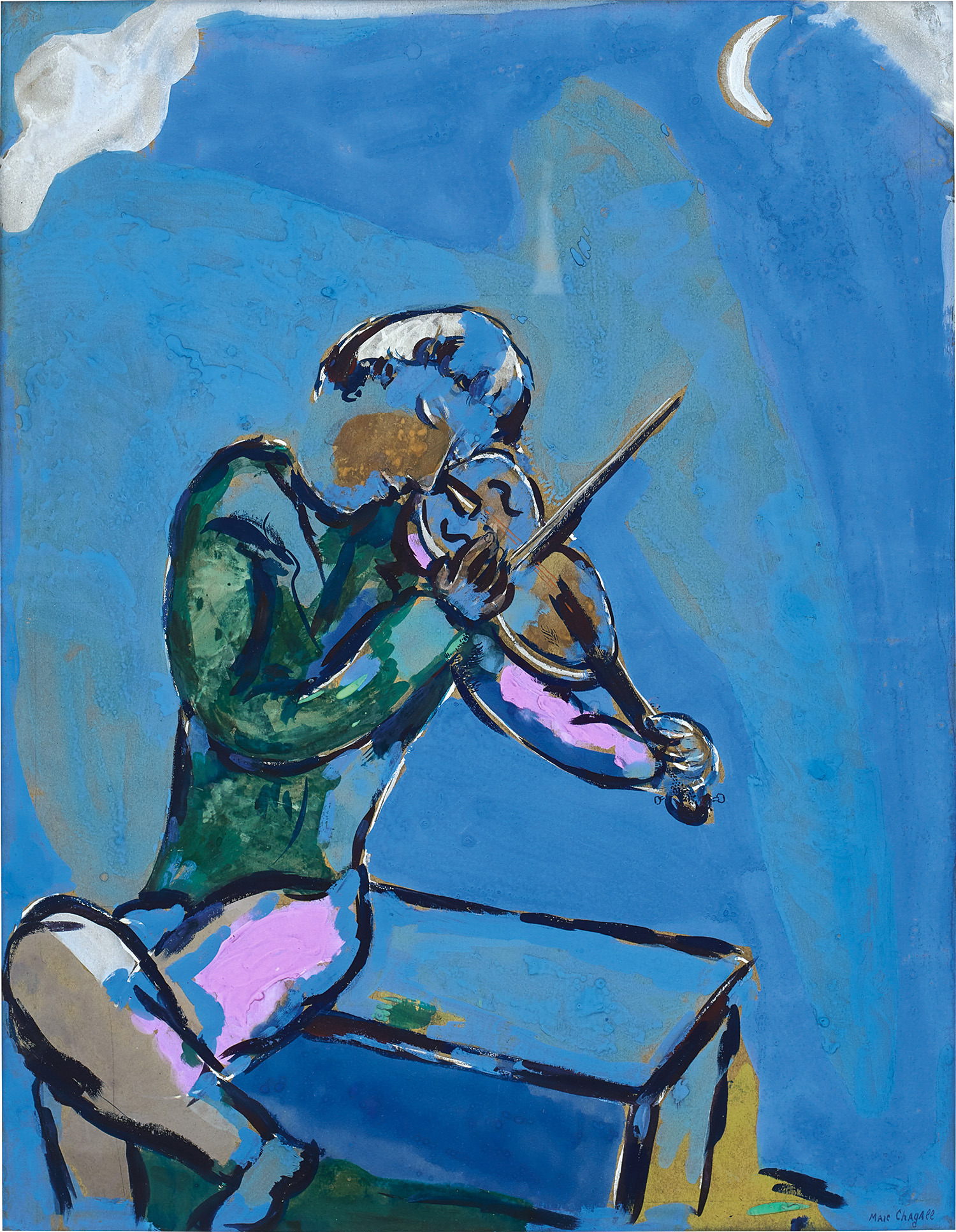
Marc Chagall
Le violoniste bleu
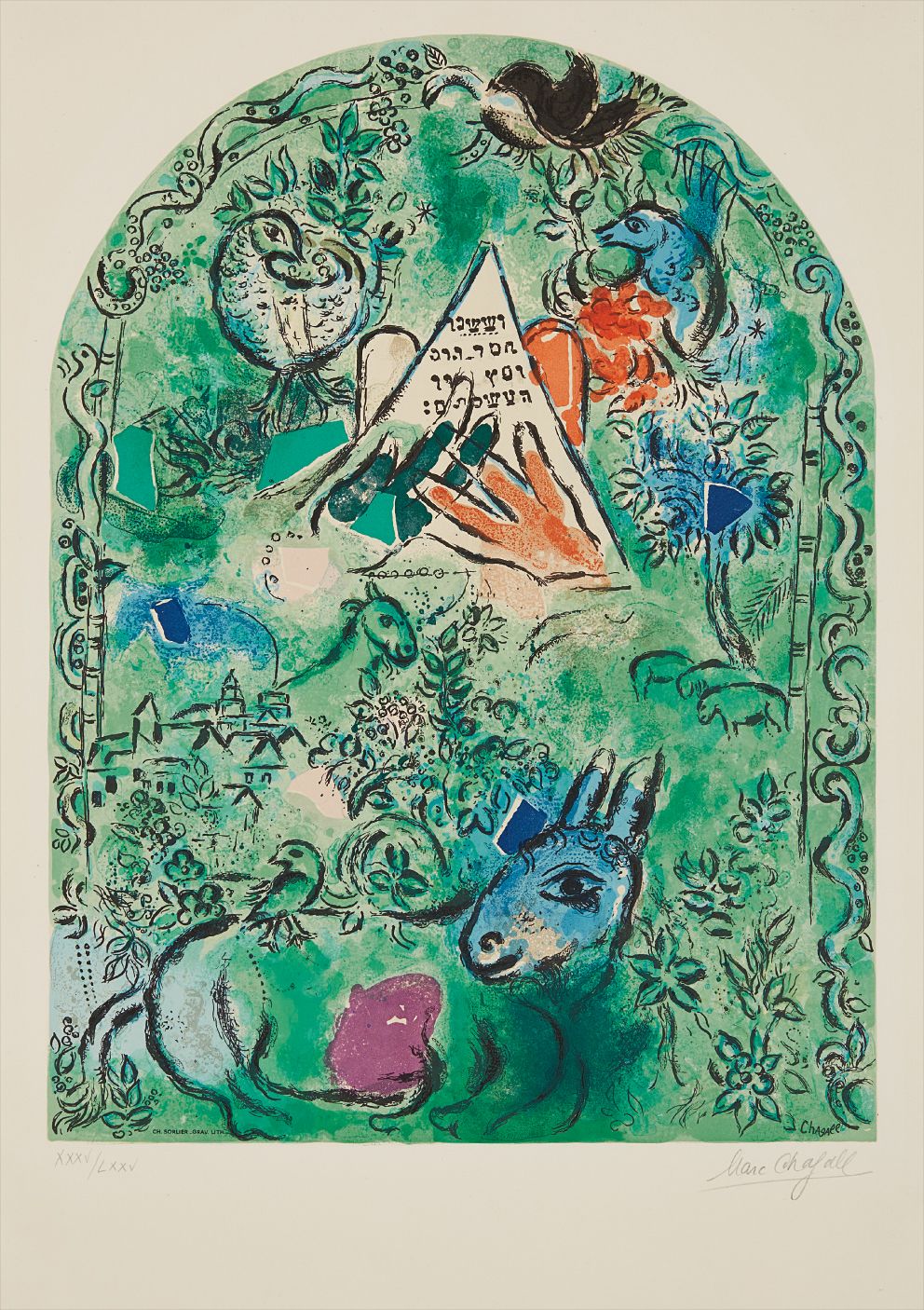
Marc Chagall
The Tribe of Issachar, from Twelve Maquettes of Stained Glass Windows for Jerusalem by Charles Sorlier
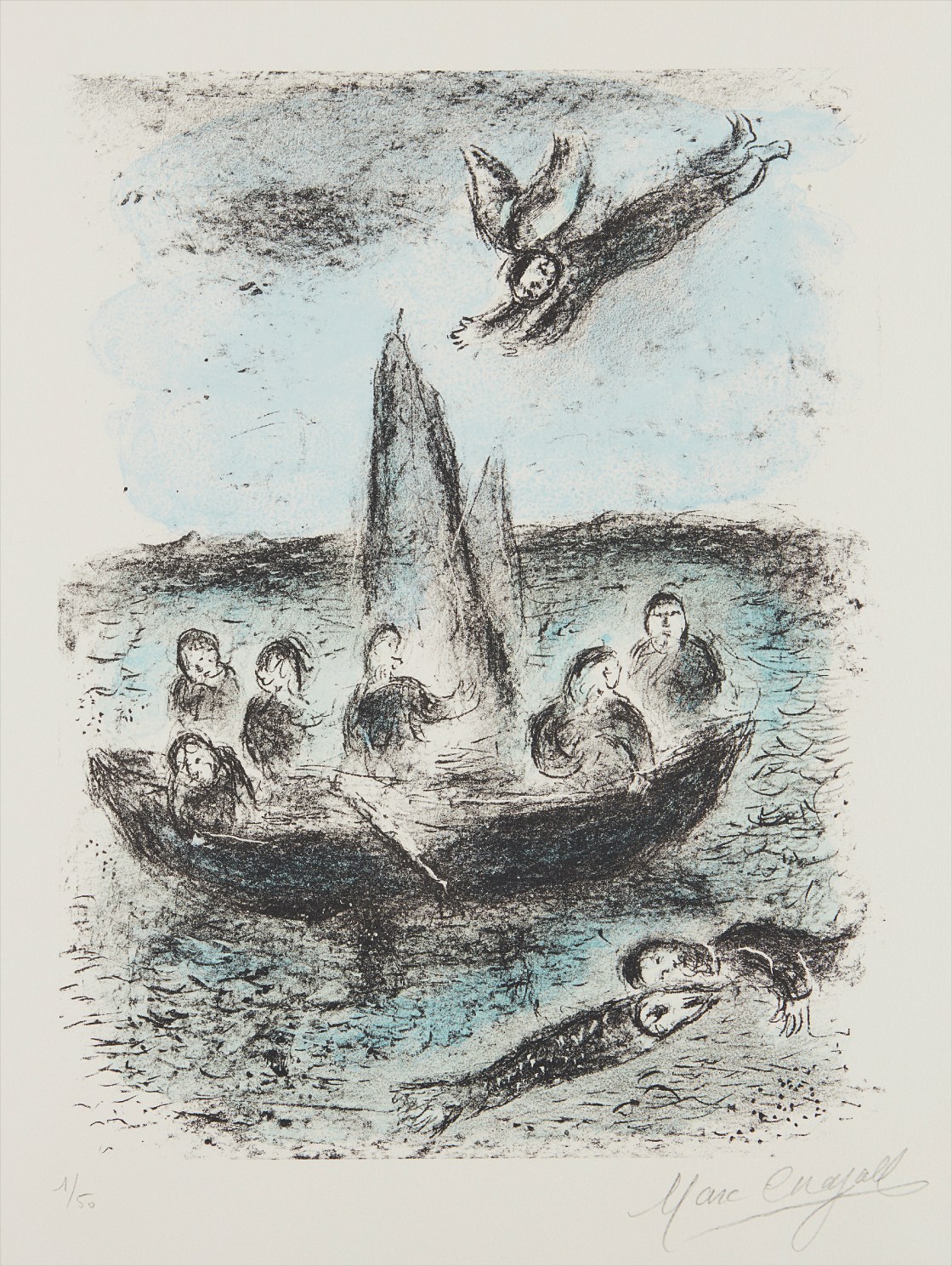
Marc Chagall
La barque de Jonas
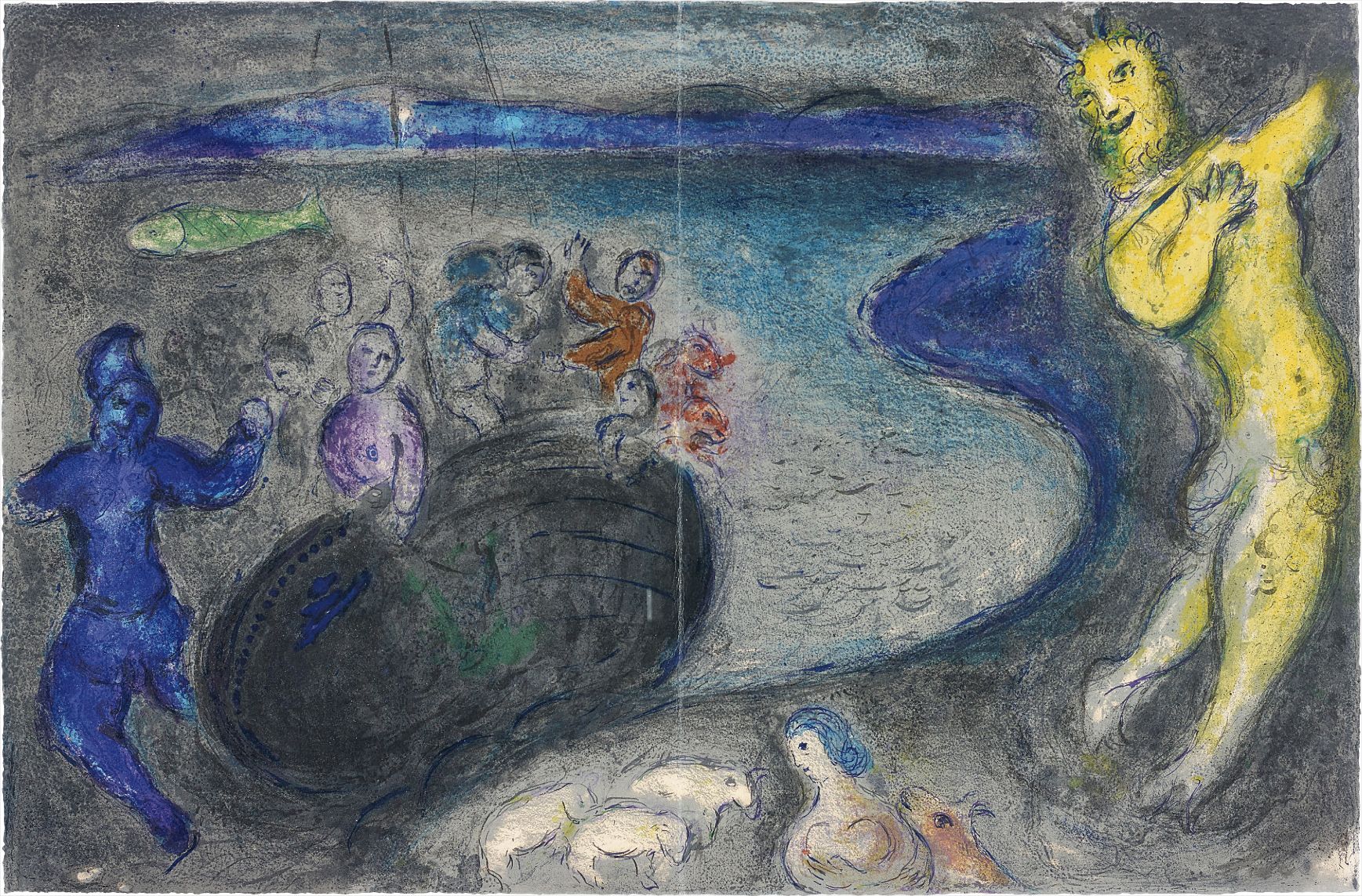
Marc Chagall
Le Songe du Capitaine Bryaxis (Captain Bryaxis' Dream), pl. 21 from Daphnis et Chloé
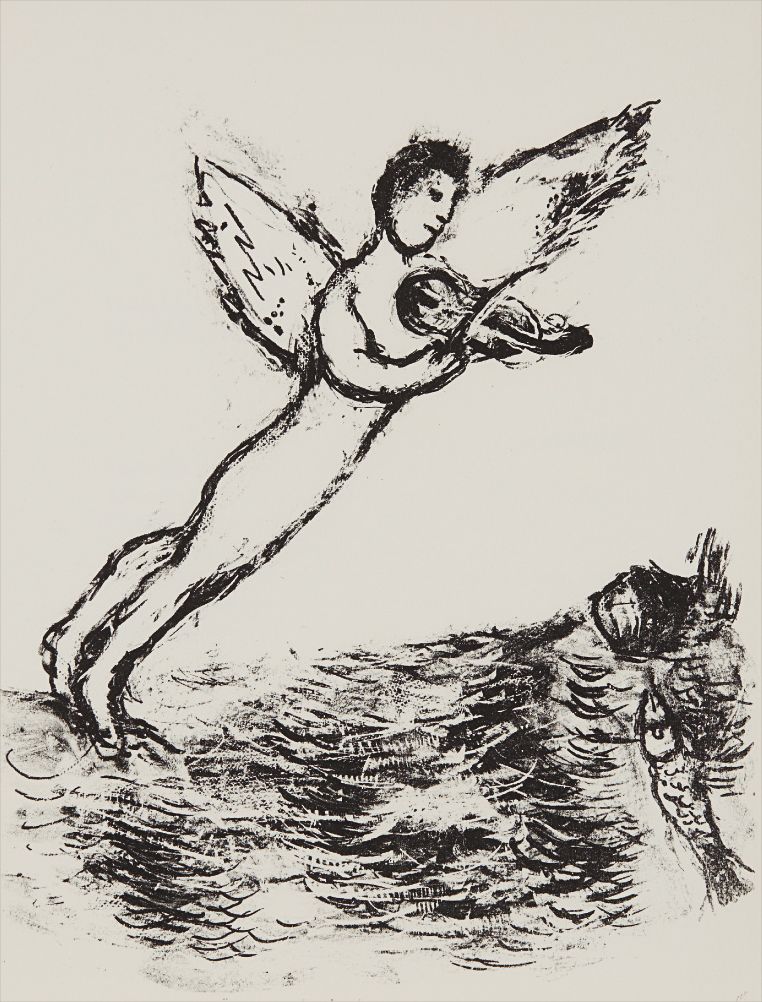
Marc Chagall
The Tempest
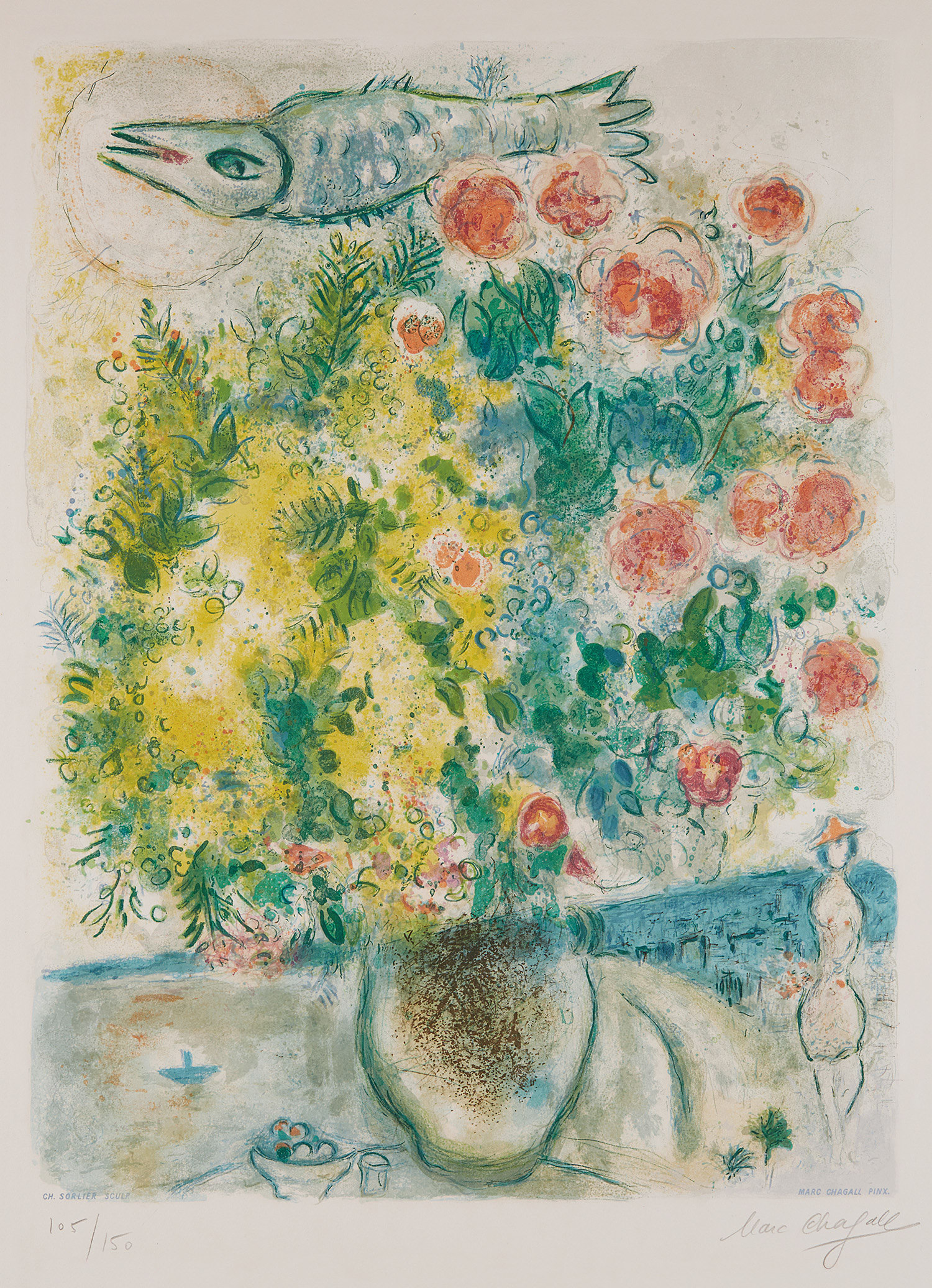
Marc Chagall
Roses et mimosas, from Nice et la Côte d'Azur (Roses and Mimosas, from Nice and the French Riviera), by Charles Sorlier
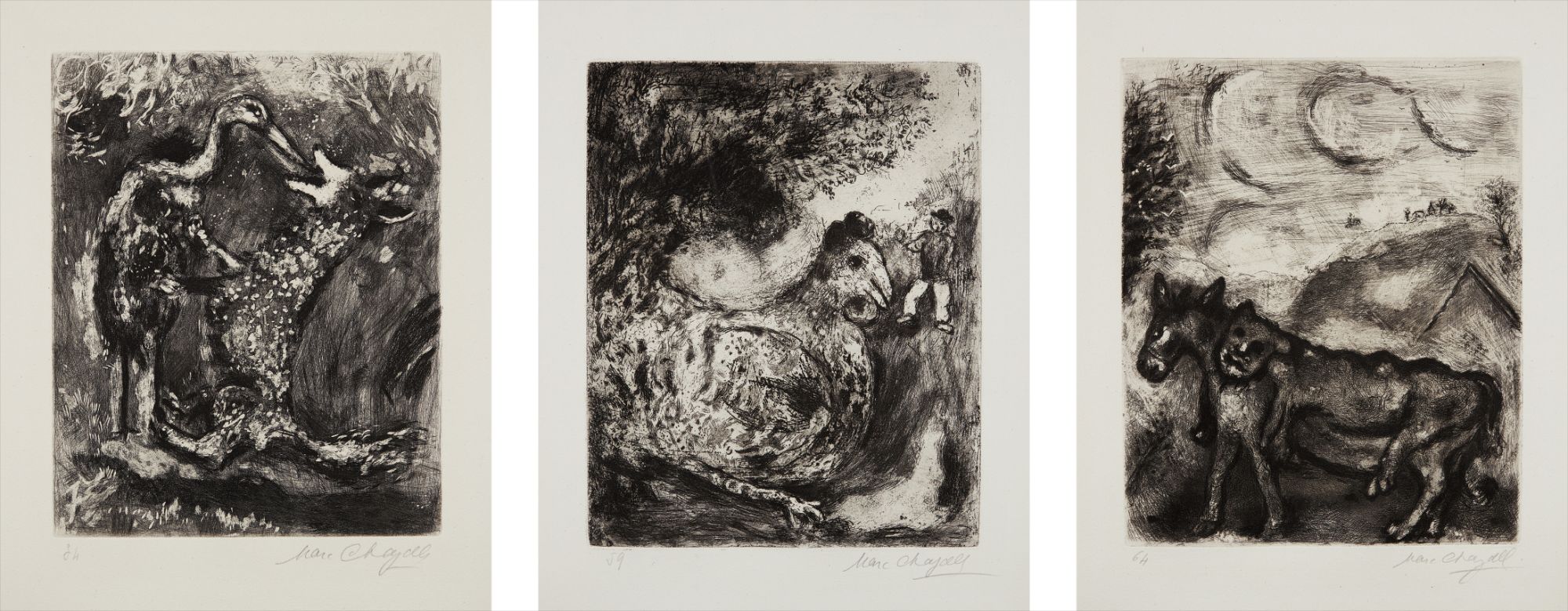
Marc Chagall
The Wolf and the Stork, plate 34; The Hen that Laid Golden Eggs, plate 59; and The Ass in the Lion’s Skin, plate 64, from Fables de la Fontaine
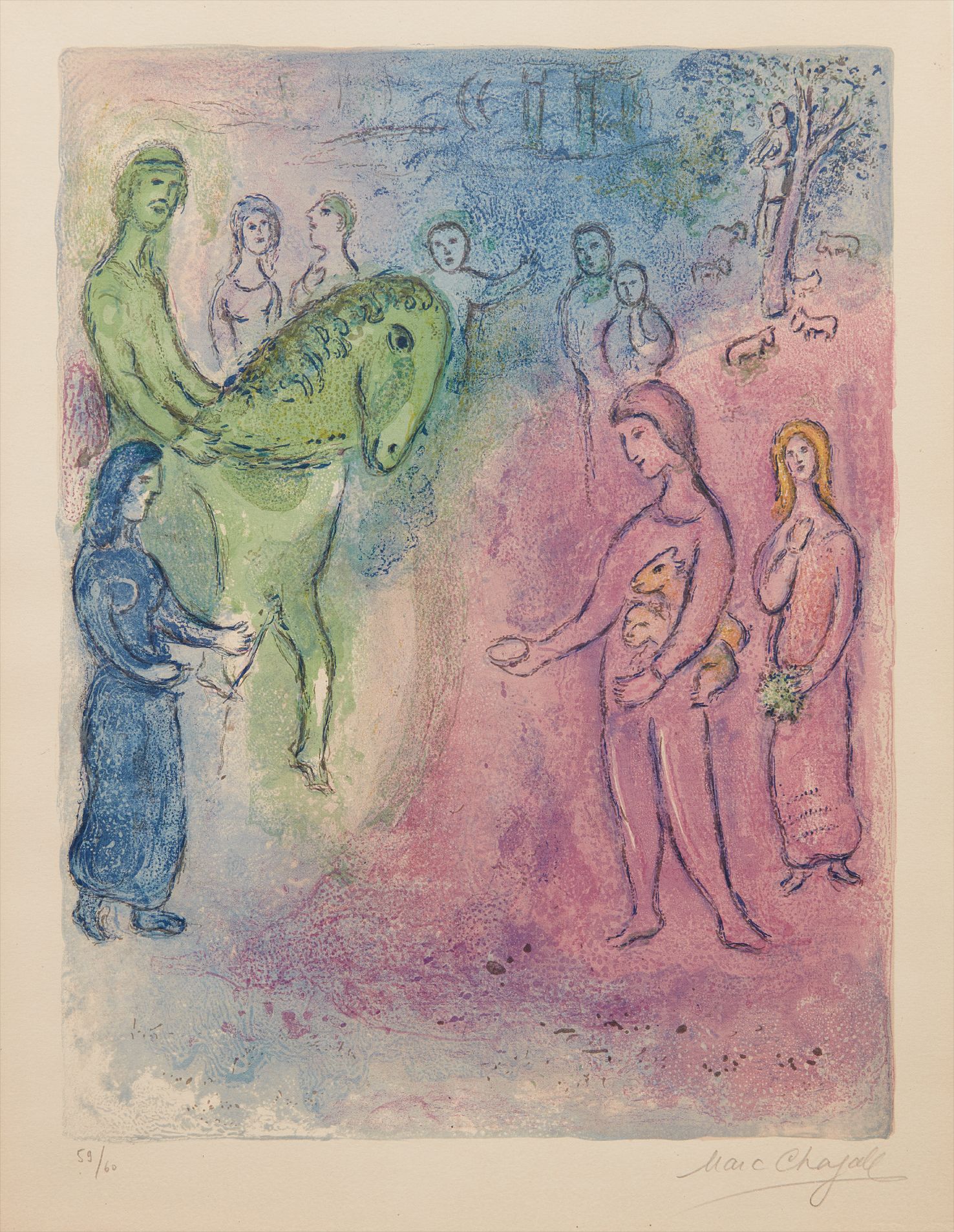
Marc Chagall
Arrivée de Dionysophane (The Arrival of Dionysophanes), from Daphnis and Chloé