Realist Painting

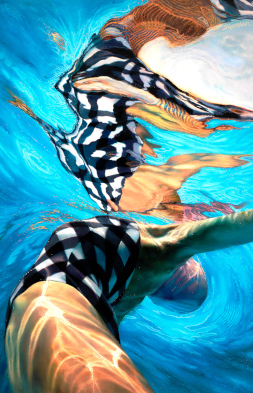
Lorraine Shemesh
Bathing Suits, 1986

The Real Thing: Painting Looks Back
When Sotheby's New York offered a major contemporary realist canvas in its evening sales a few seasons back, the room went quiet in a particular way. Not the hushed reverence of something irreversibly canonical, but something more charged, more uncertain, as though the bidders themselves were working out what they believed. The lot sold well above estimate. That moment, repeated across auction houses and art fairs with increasing frequency, tells you something essential about where realist painting sits right now: at the center of a serious conversation that the art world spent decades pretending it didn't need to have.
Realism never went away, of course. It survived the theoretical onslaught of the postwar decades by being genuinely useful to painters who found abstraction insufficient for what they wanted to say. But the critical rehabilitation of realism as a sophisticated, intellectually defensible mode has accelerated dramatically over the past decade, and the market has followed. What feels different now is not that realism is being defended, but that it no longer requires a defense.
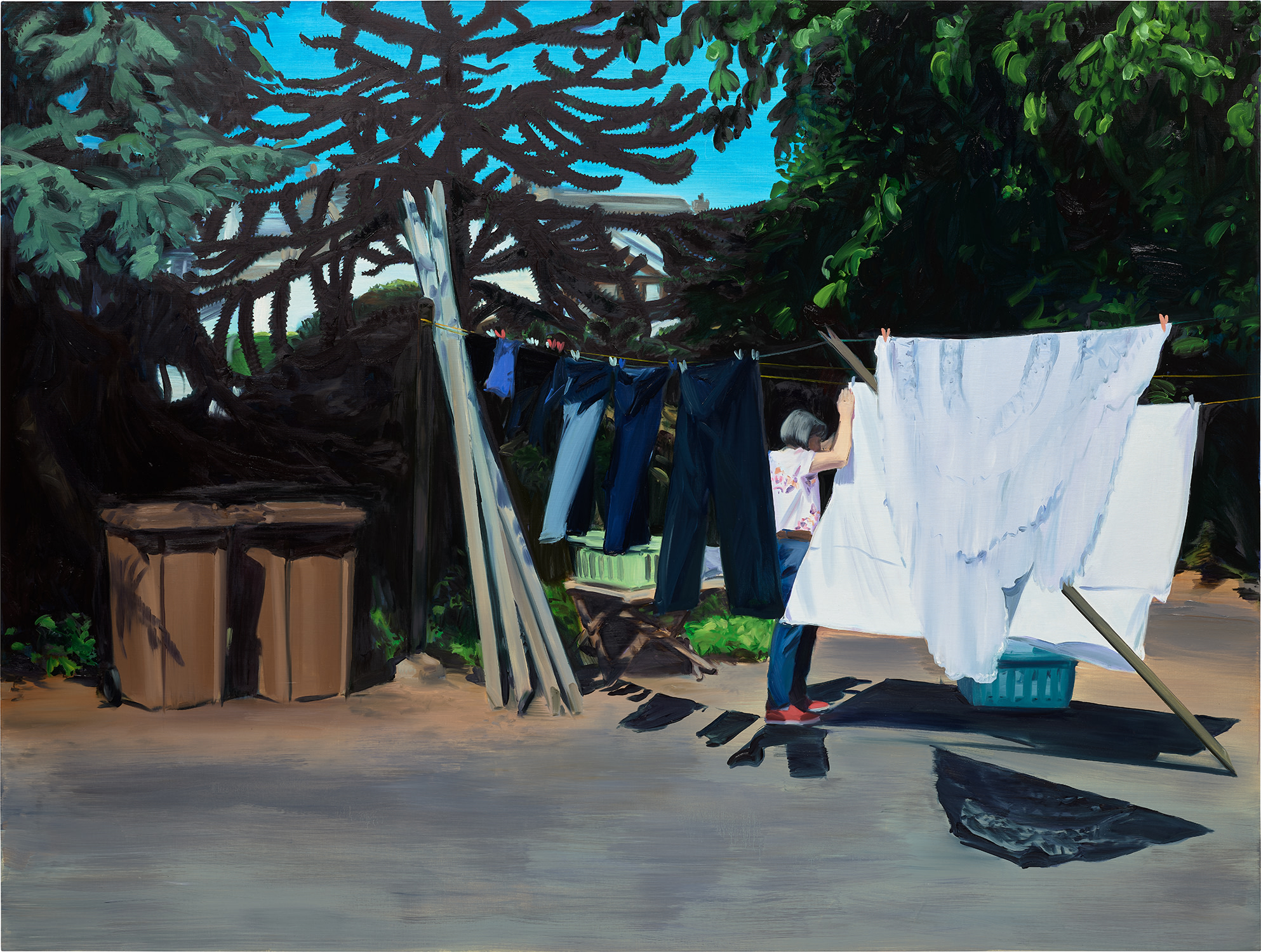
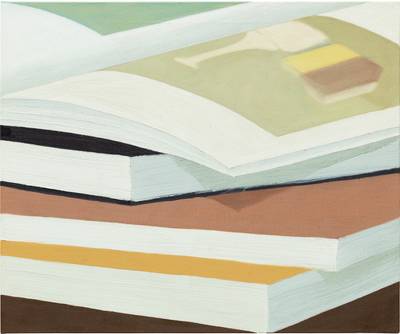
Henni Alftan
Still Water, 2017
The question has shifted from whether figurative and realist painting can be serious to which practitioners are doing the most interesting work and why. The exhibitions making that argument most persuasively have come from unexpected directions. The Museum of Fine Arts Boston's ongoing commitment to contemporary realist practice has been quietly influential, as has the Drawing Center in New York, which has staged shows examining the observational tradition with genuine critical rigor. In Europe, institutions like the Kunsthalle Hamburg and various Scandinavian venues have presented realist painters in contexts that frame their work through phenomenology and perception theory rather than simple genre nostalgia.
These curatorial decisions matter because they shape how collectors and critics encounter the work, and the framing has become considerably more ambitious. At auction, the results for painters working in realist and hyperrealist modes have been striking. Artists like Lorraine Shemesh, whose large scale paintings of figures in water combine precise observation with something vertiginous and slightly uncanny, have found strong institutional and private support. Her canvases reward the kind of sustained looking that auction previews rarely allow, which makes their performance at sale all the more telling.
Lorraine Shemesh
Bathing Suits, 1986
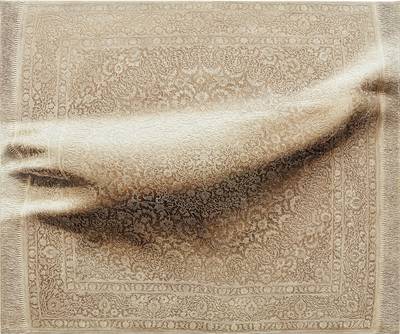
Henni Alftan, the Finnish born Paris based painter whose compressed, cropped interiors feel simultaneously intimate and withheld, has been among the most closely watched names in recent years. Her prices have climbed steadily, reflecting genuine collector conviction rather than speculative momentum. Slawomir Elsner works in a different register entirely, his meticulous pencil based practice blurring the line between drawing and painting while engaging with photographic source material in ways that feel philosophically loaded rather than merely technical. The critical attention his work has received in Germany and internationally points to an appetite for realism that operates conceptually, that uses precise representation as a tool for thinking about vision, mediation, and the nature of images themselves.
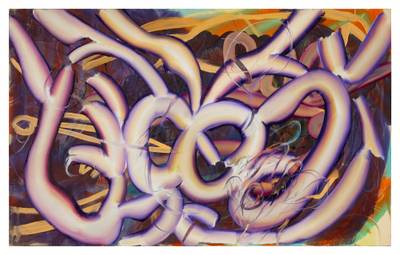
Antonio Santin, based in Italy, brings a Mediterranean gravity to figurative work that locates itself in a long tradition while remaining unmistakably contemporary. Lauren Quin represents the American strain of this renewal, her paintings attentive to light and surface in ways that recall the best of the New York realist tradition without feeling derivative of it. The institutions doing the most significant collecting in this space include the Colby College Museum of Art in Maine, which has built one of the strongest collections of American realist and figurative work anywhere, and the Palmer Museum at Penn State, which has maintained a serious commitment to observational painting across multiple generations. In the private sphere, certain foundations with roots in American realism have expanded their mandates to include European and international practitioners, recognizing that the conversation has become genuinely global.
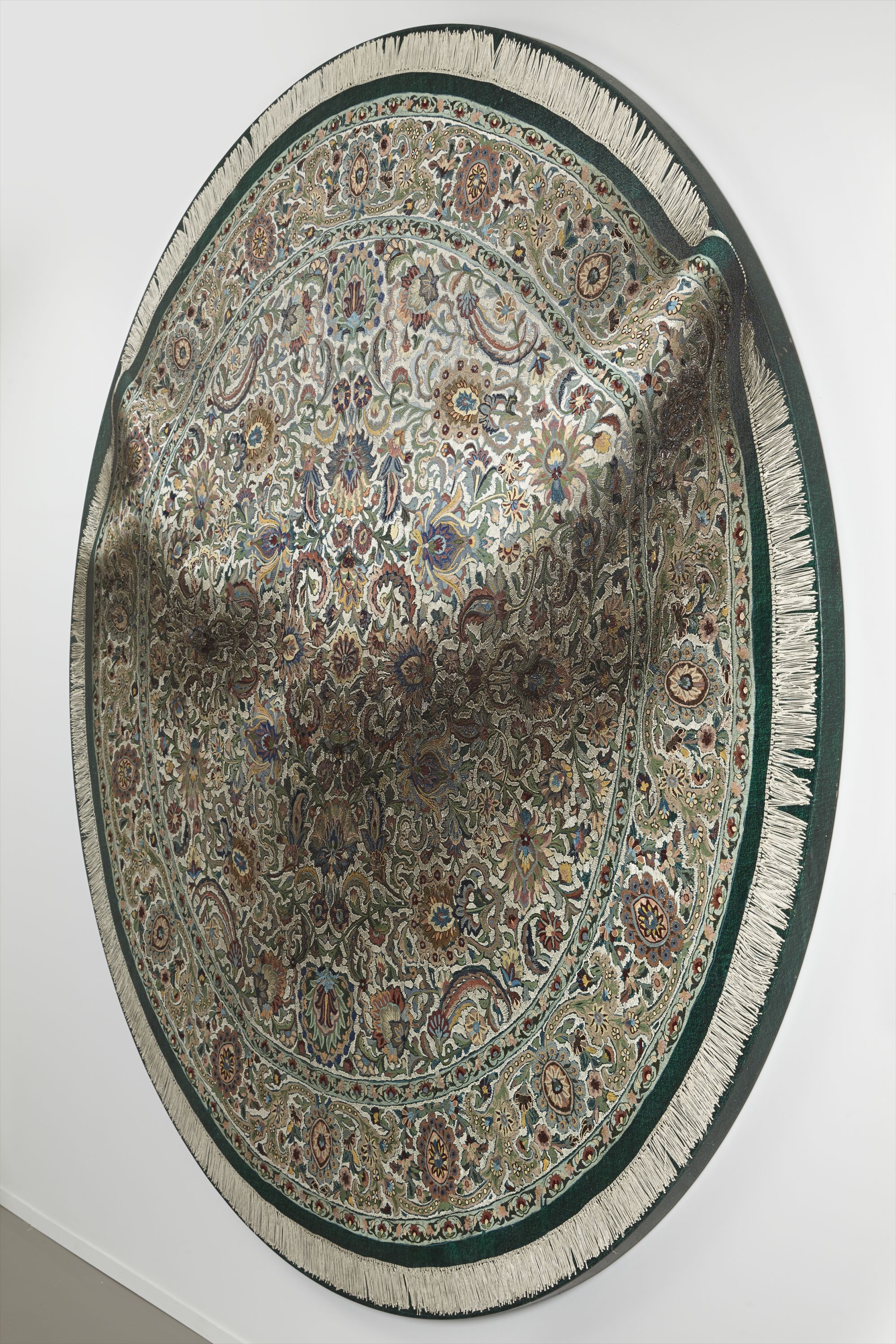
Antonio Santin
Claire
When a museum of real standing acquires a living realist painter, it signals not just individual merit but a broader institutional confidence that this work will remain significant. The critical writing shaping this conversation has come from several directions at once. Painters and critics associated with the journal The Figurative Artist's Network have argued for realism on craft grounds, but the more interesting intellectual work has happened in publications like Artforum and the Burlington Magazine, where writers have situated contemporary realist practice within debates about attention, slowness, and the politics of looking carefully in an era of image saturation. The curator and writer Barry Schwabsky has been particularly thoughtful on these questions, and his essays on contemporary painting regularly engage with the realist tradition without sentimentalizing it.
What emerges from the best of this writing is a sense that realism is interesting precisely because it is difficult, because getting a painted figure or a window ledge or a body in water to feel genuinely true requires decisions of extraordinary subtlety. Where is the energy heading? The most alive work right now sits at the intersection of realism and a kind of psychological ambiguity, paintings that are precise about surfaces while remaining opaque about meaning. The cropped, fragmented compositions favored by painters like Alftan suggest an interest in what representation withholds as much as what it reveals.

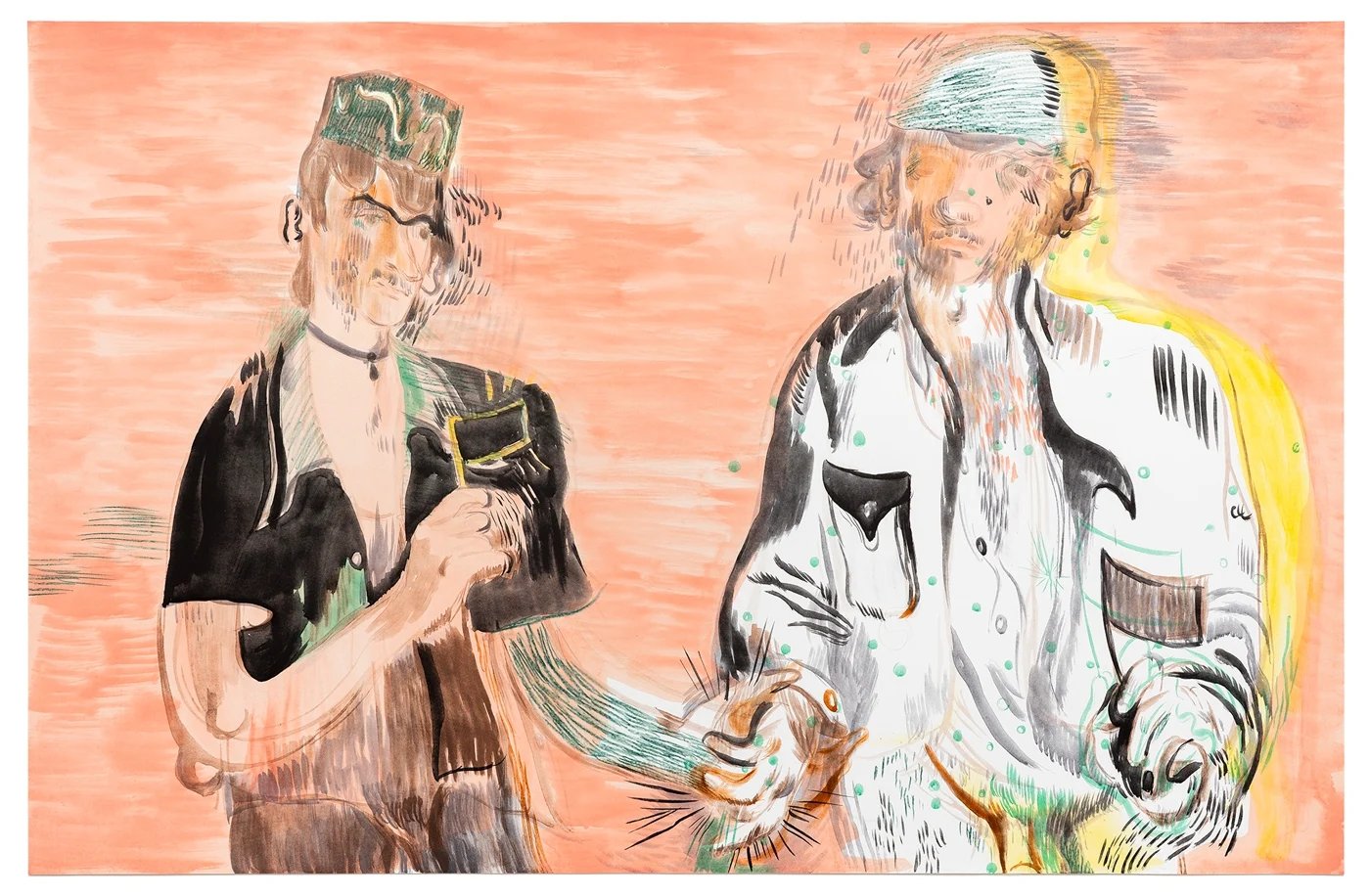
Slawomir Elsner
Odra Wodzislaw
There is also a renewed engagement with the painted body, not as classical ideal or political symbol but as something stranger and more vulnerable, which connects to broader cultural conversations about embodiment and presence. What feels settled is the tired argument about whether realism counts as contemporary art. That battle is over. What feels genuinely open is the question of where technical mastery and genuine pictorial intelligence combine to produce something that nobody has quite seen before.
The best realist painters working today are answering that question in ways that reward serious collecting attention, and the market, slowly and then all at once, is catching up.