Railroad
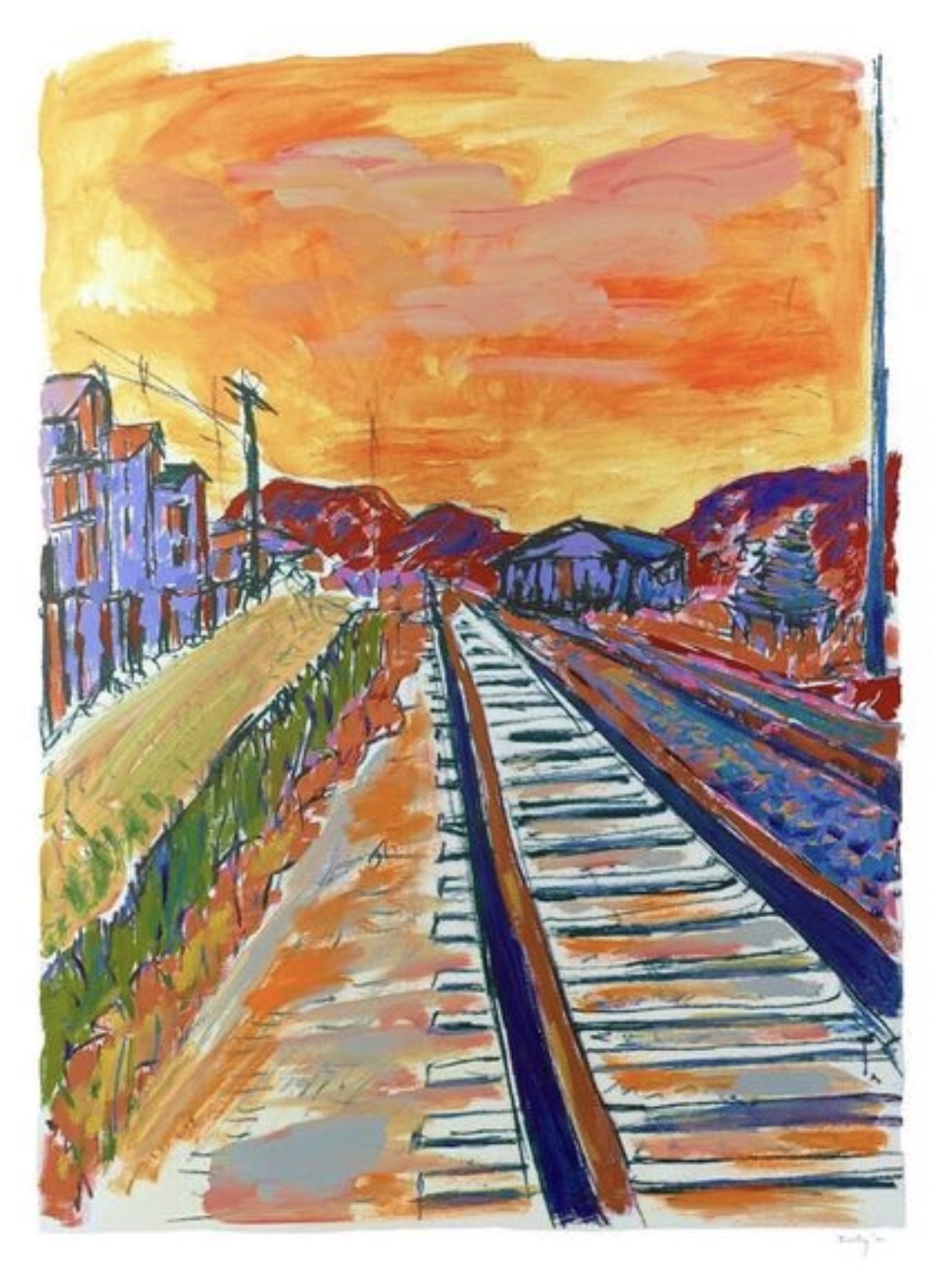
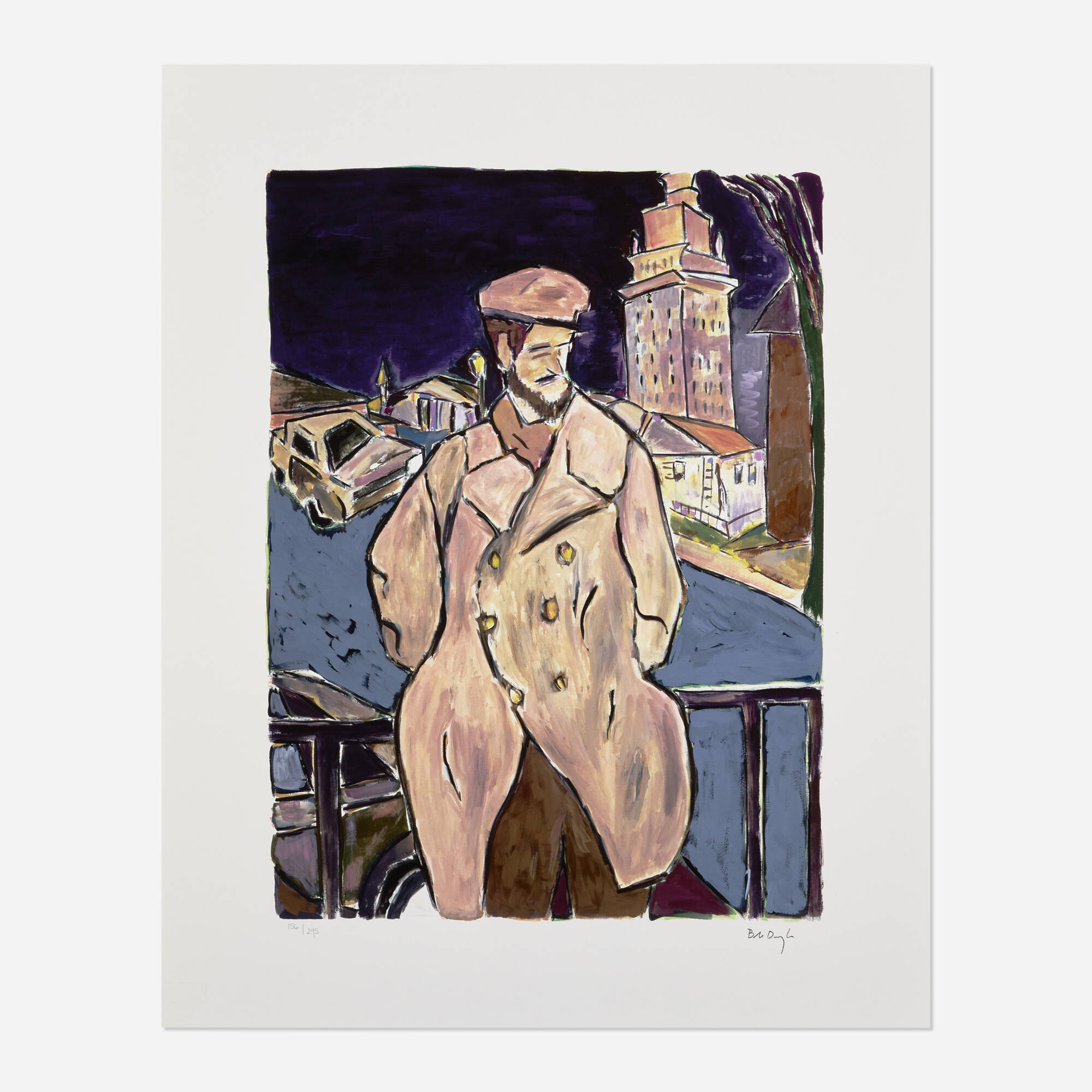
Bob Dylan
Side Tracks, 14 April 2007, Sheffield, 2015
Steel Rails, Digital Dreams, Who Owns This Territory
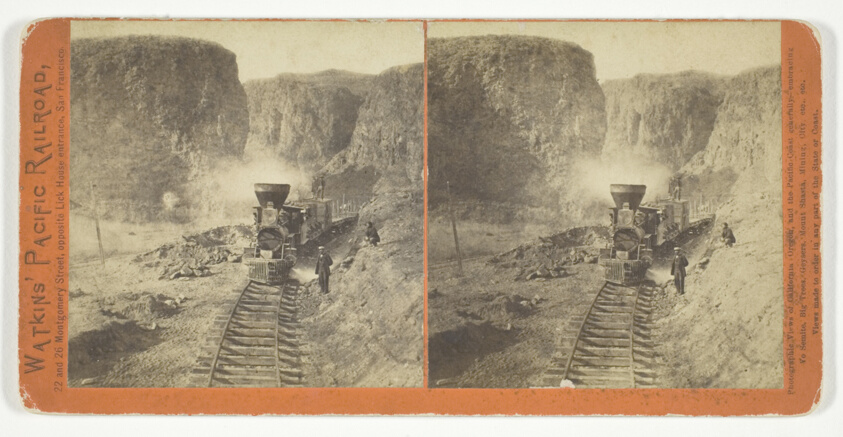
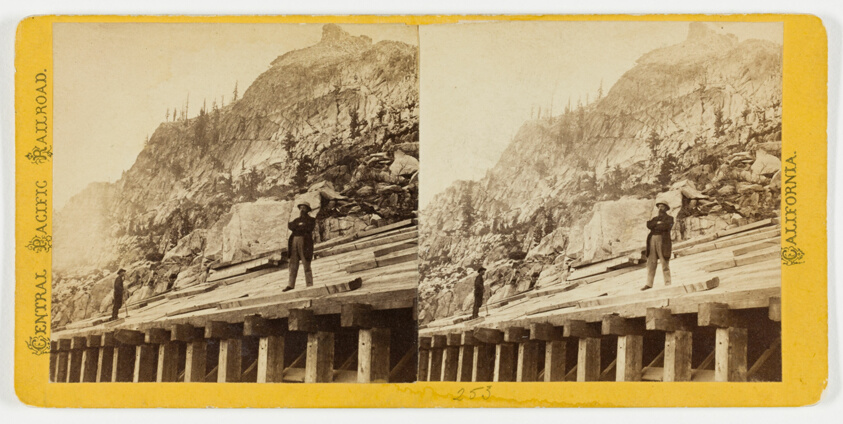
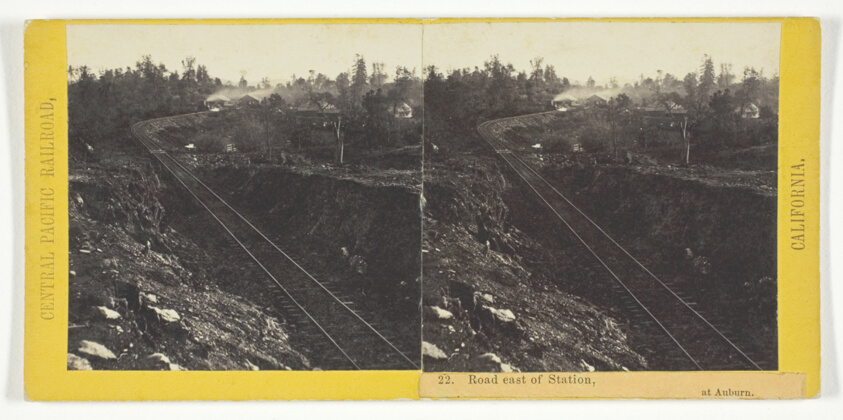
When Christie's brought a suite of Alfred A. Hart stereographs to auction in recent years, bidding moved faster than the auctioneers expected. Hart was the official photographer of the Central Pacific Railroad during the construction of the transcontinental line in the 1860s, and his images carry a weight that goes beyond documentary interest. They are pictures of a nation remaking itself at speed, and collectors in the room understood that they were not simply buying photographs.
They were buying a particular American hunger, the desire to cross distance, to overcome the physical fact of a continent. That hunger, it turns out, has never really gone away. The railroad as a subject in visual art sits at a crossroads that feels unusually alive right now. It touches photography, painting, labor history, environmental transformation, and the mythology of progress in ways that make it perpetually relevant to contemporary critical conversations.
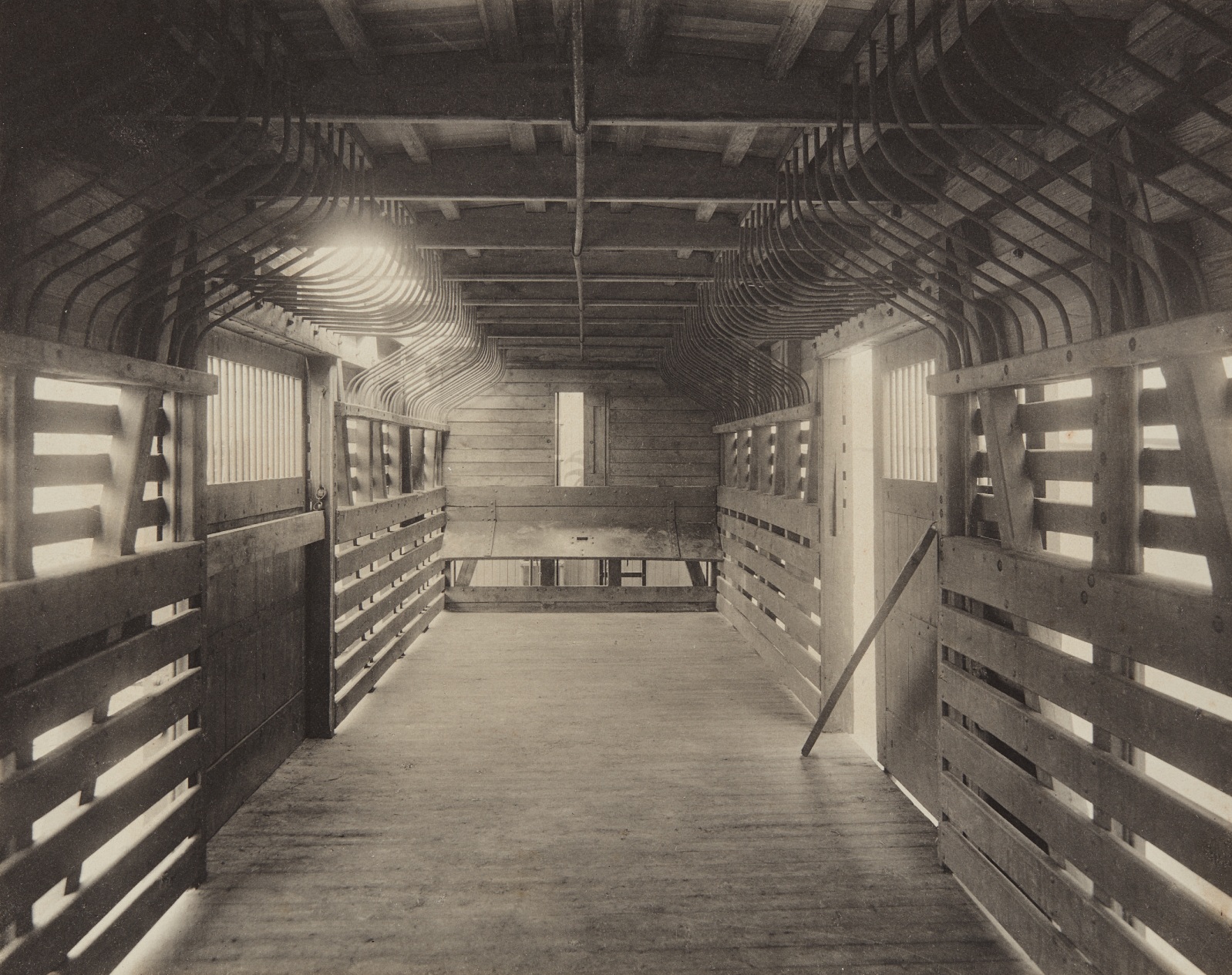
William H. Rau
Interior of a Railroad Car on the Pennsylvania Line
Museum shows have been quietly building this case for years. The Oakland Museum of California has long championed the photography of the transcontinental era, situating Hart and his contemporaries as essential witnesses to a moment of profound national consequence. The Getty Museum in Los Angeles has organized exhibitions that treat nineteenth century survey and railroad photography as a serious art historical genre, not simply as historical illustration, and that repositioning has had real effects on how the market reads these works. Among the artists well represented on The Collection, Hart commands consistent auction attention.
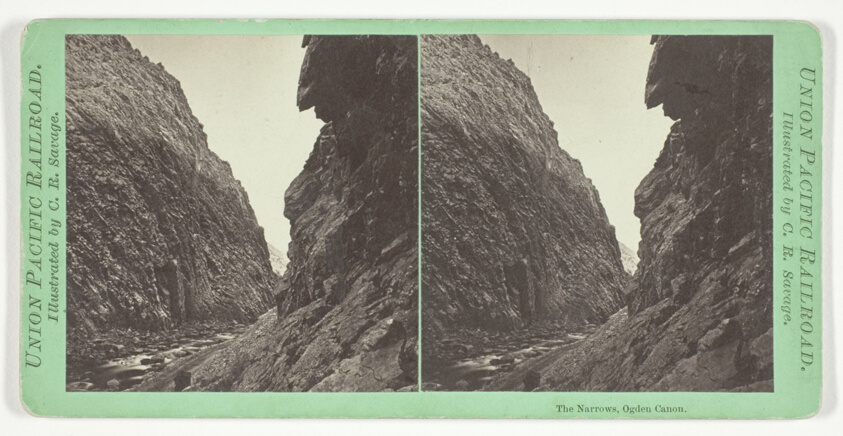
His stereographic views of the Sierra Nevada, the snowsheds, the Chinese laborers working through impossible terrain, these are pictures that reward close looking. Charles Roscoe Savage, who documented the driving of the golden spike at Promontory Summit in 1869, occupies a different but equally significant position. His photographs carry an almost ceremonial gravity. They were made at the hinge point of American history, the moment when two coasts became one continuous geography, and auction results for his work reflect that historical specificity.
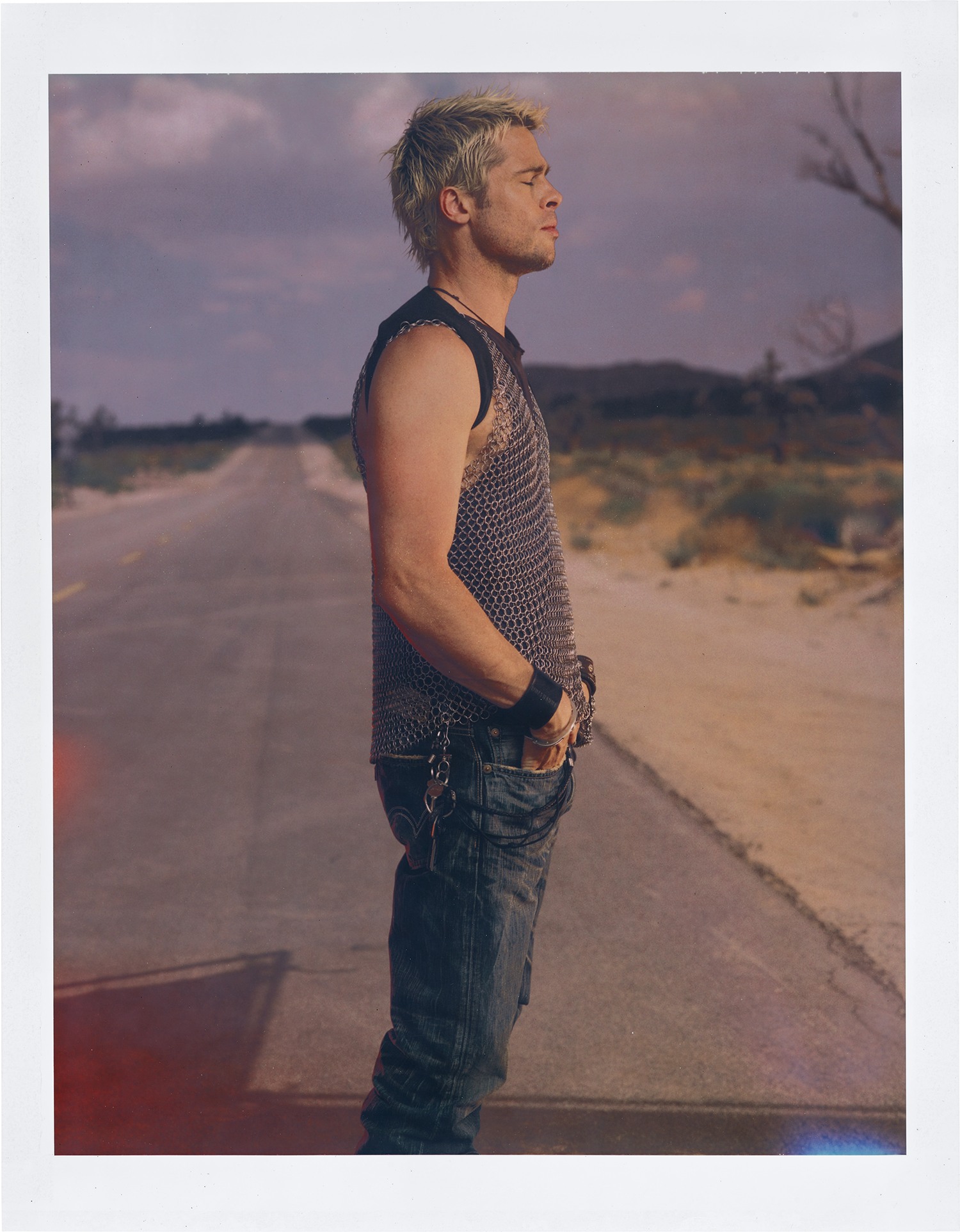
Sebastião Salgado
Church Gate Station, Western Railroad Line, Bombay India
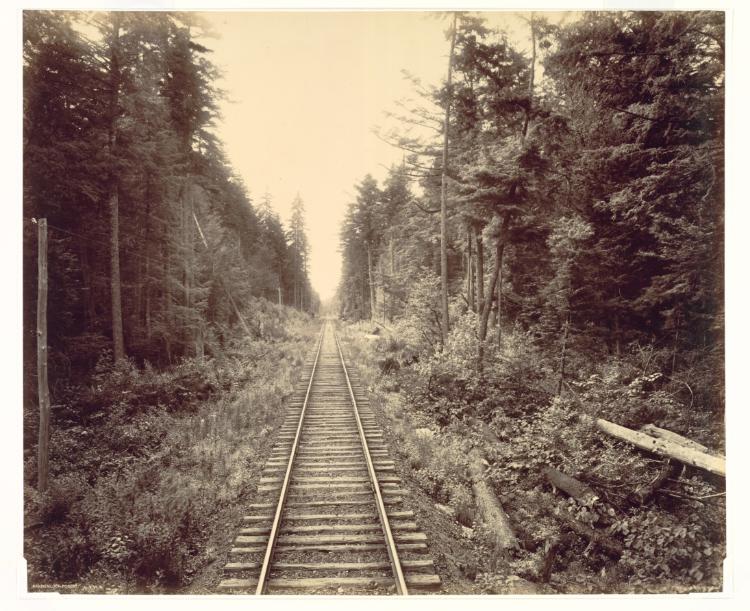
William H. Rau, who photographed the Pennsylvania and Lehigh Valley railroads in the 1890s, brings a more aesthetic sensibility to the genre. His large format prints have a grandeur that reads beautifully on a gallery wall, and they have attracted collectors who might otherwise focus on pictorialist or fine art photography. The presence of Sebastião Salgado in this conversation is instructive.
His series Workers, completed in the early 1990s and published in 1993, includes extraordinary images of labor and industrial infrastructure that carry the visual DNA of the great railroad photographers while operating in an entirely different moral register. Salgado is not celebrating progress. He is bearing witness to its costs, to the bodies that infrastructure requires. His work has been shown at major institutions worldwide and continues to set serious prices at auction.
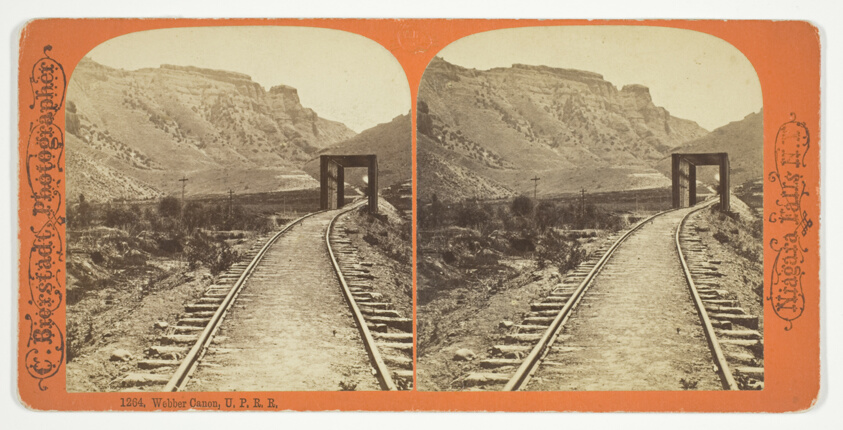
Charles Bierstadt
Webber Canon, U.P.R.R., 1863
That he appears alongside Hart and Savage in the same collecting category is not an accident. It reflects a genuine continuity of concern across more than a century of image making. The railroad was always about labor, even when the pictures made it look like landscape. Charles Bierstadt, brother of the more famous Albert, worked in the stereoview trade and brought a commercial sharpness to his views of American scenery and infrastructure.
His work sits comfortably in the broader market for nineteenth century American photography, where institutional interest has grown measurably. The Library of Congress, the Smithsonian American Art Museum, and the Museum of Fine Arts Houston have all deepened their holdings in this area over the past decade. When major public institutions collect with purpose, the ripple effect on the auction market is real and lasting. Prices stabilize, scholarship follows, and the field develops the kind of critical infrastructure that attracts a new generation of serious collectors.
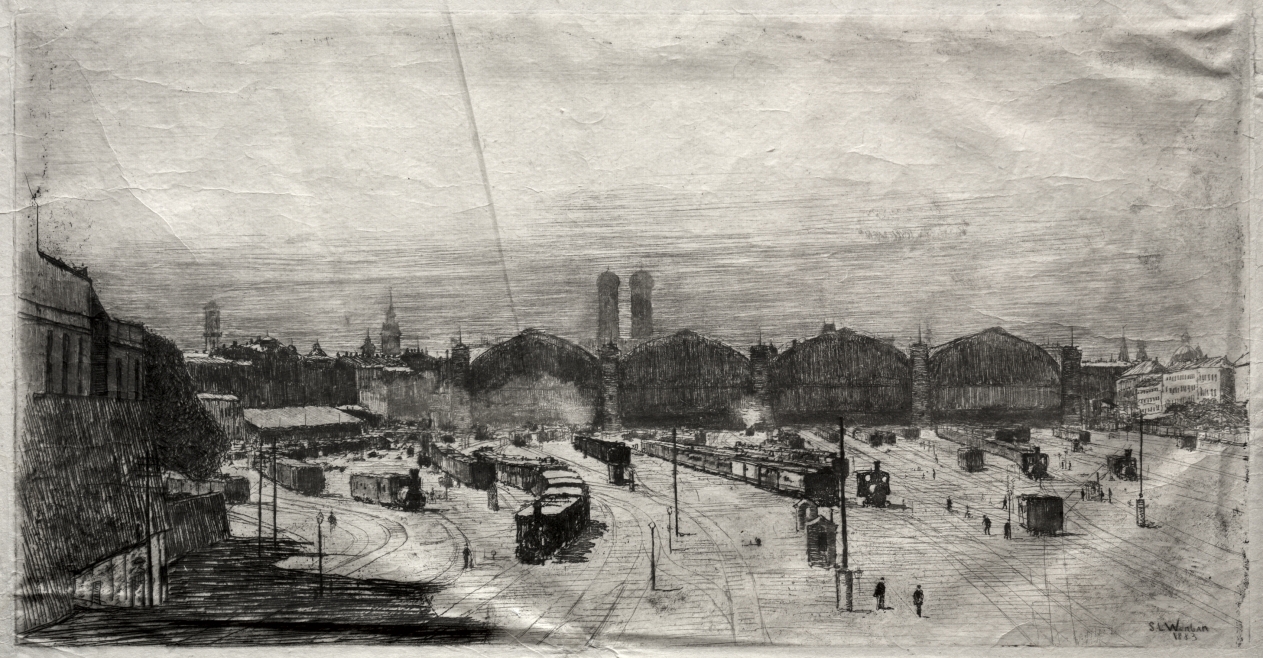
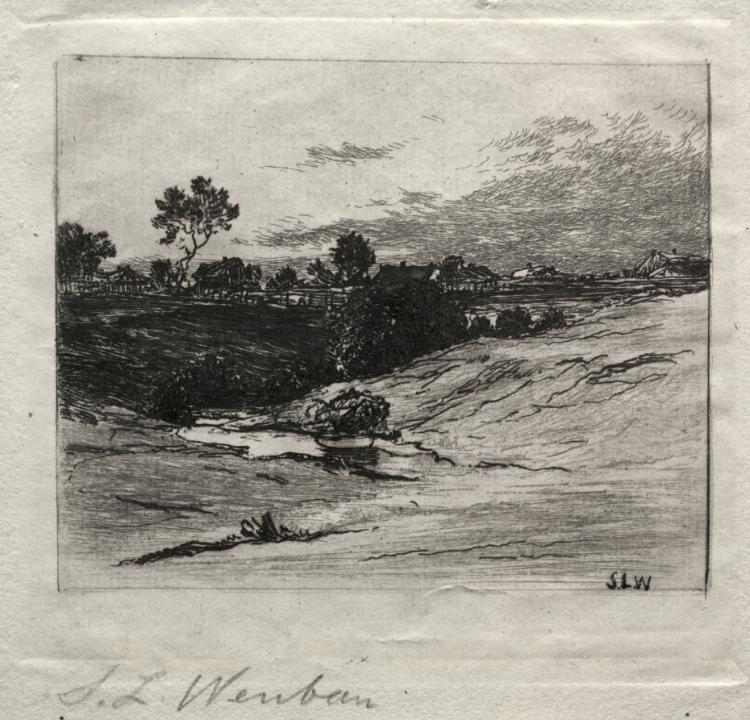
Sion Longley Wenban
Railroad Station, 1883
Sion Longley Wenban is a less immediately recognized name in this constellation, which is precisely what makes his presence interesting. His work represents the quieter European dimension of industrial landscape photography, a tradition that ran parallel to the American railroad boom and that has recently attracted renewed scholarly attention. The critical conversation around railroad photography has become genuinely international in scope, with curators in France, Germany, and Japan bringing fresh perspectives to material that American institutions sometimes treated as their exclusive territory. Publications like Aperture and academic journals focused on photography history have published important essays reassessing the full geography of this genre.
The appearance of Bob Dylan in this company might initially seem eccentric, but it speaks to something real about how the railroad functions in American cultural imagination. Dylan's visual art, his ironwork and his paintings, frequently returns to Americana and to the iconography of travel, motion, and the open road as a kind of spiritual condition. The railroad is embedded in the American folk and blues tradition that shaped his music, and when he turns to visual making, those associations do not disappear. Collectors who come to the railroad as a category through music, through Woody Guthrie or through Dylan's own early recordings, find their way to the photographs through a shared mythology.
That crossover appetite is not trivial. It represents a broadening of the collector base in ways that sustain long term market health. Where is the energy heading. The category feels genuinely generative right now, and the reason is partly institutional and partly generational.
Younger collectors who came of age thinking about infrastructure, climate, and the politics of land use bring a different set of questions to these pictures than their predecessors did. They are not simply admiring the sublime or celebrating American ambition. They are asking what was displaced, what was consumed, whose labor is visible and whose is obscured. Those questions make the best works in this category more complex and more interesting, not less.
The market for railroad photography and related visual material is not running out of meaning. It is accumulating more of it, and that is usually a reliable sign of enduring value.