Photographer
Archived article
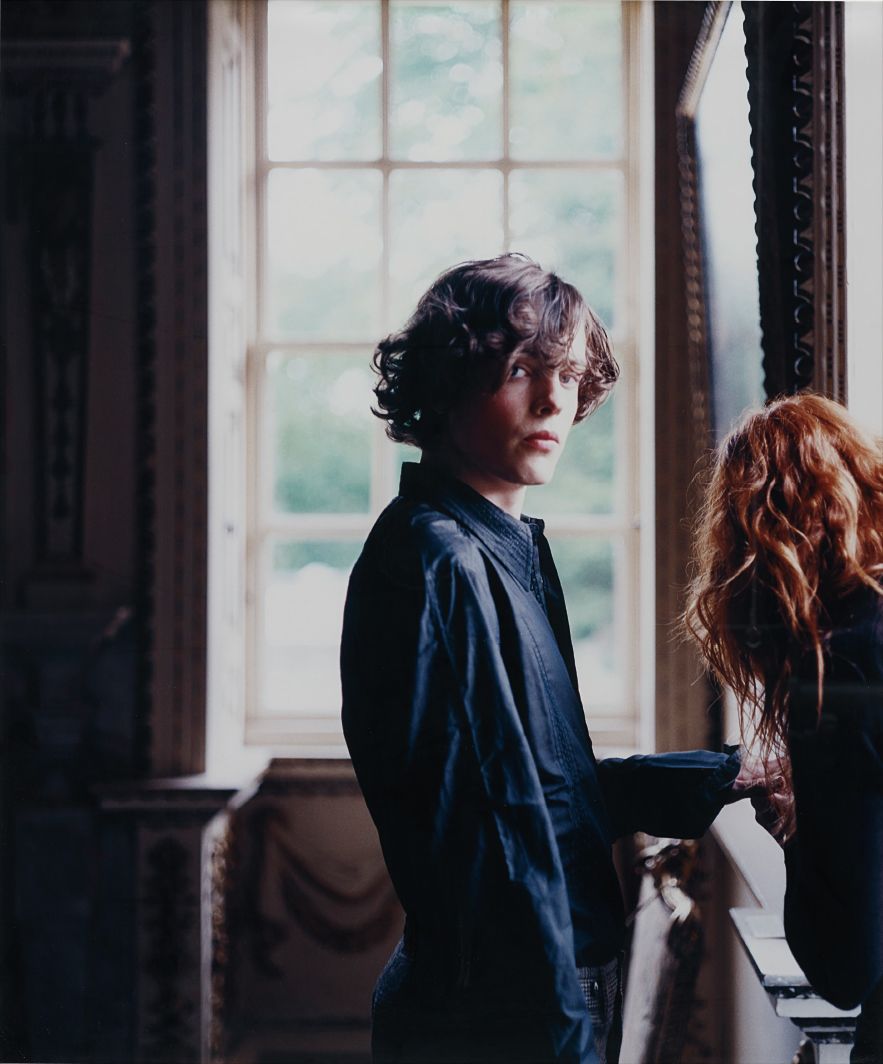
Sam Taylor-Johnson
c-print
You are reading a previous version of this article.
Read the latest version```json { "headline": "The Frame Within the Frame: Collecting Photography Now", "body": "There is something quietly radical about choosing to live with a photograph. Unlike painting, which announces its own artifice, photography arrives wearing the costume of the real world, and that tension between document and art object is precisely what makes it so compelling to collectors who pay close attention. The best photographic works do not simply record a moment. They reshape how you understand the room they hang in, the light that falls across them, the way your eye moves differently on Tuesday than it did on Saturday.
Collectors who come to photography seriously tend to stay, because the medium rewards sustained looking in ways that reveal new dimensions over years.", "The question of what separates a good photograph from a great one is worth sitting with before you spend a single dollar. Technical mastery matters, of course, but it is the least interesting part of the conversation. What elevates a work is the presence of an irreducible point of view, a quality that cannot be replicated by anyone else standing in the same place with the same equipment at the same hour.
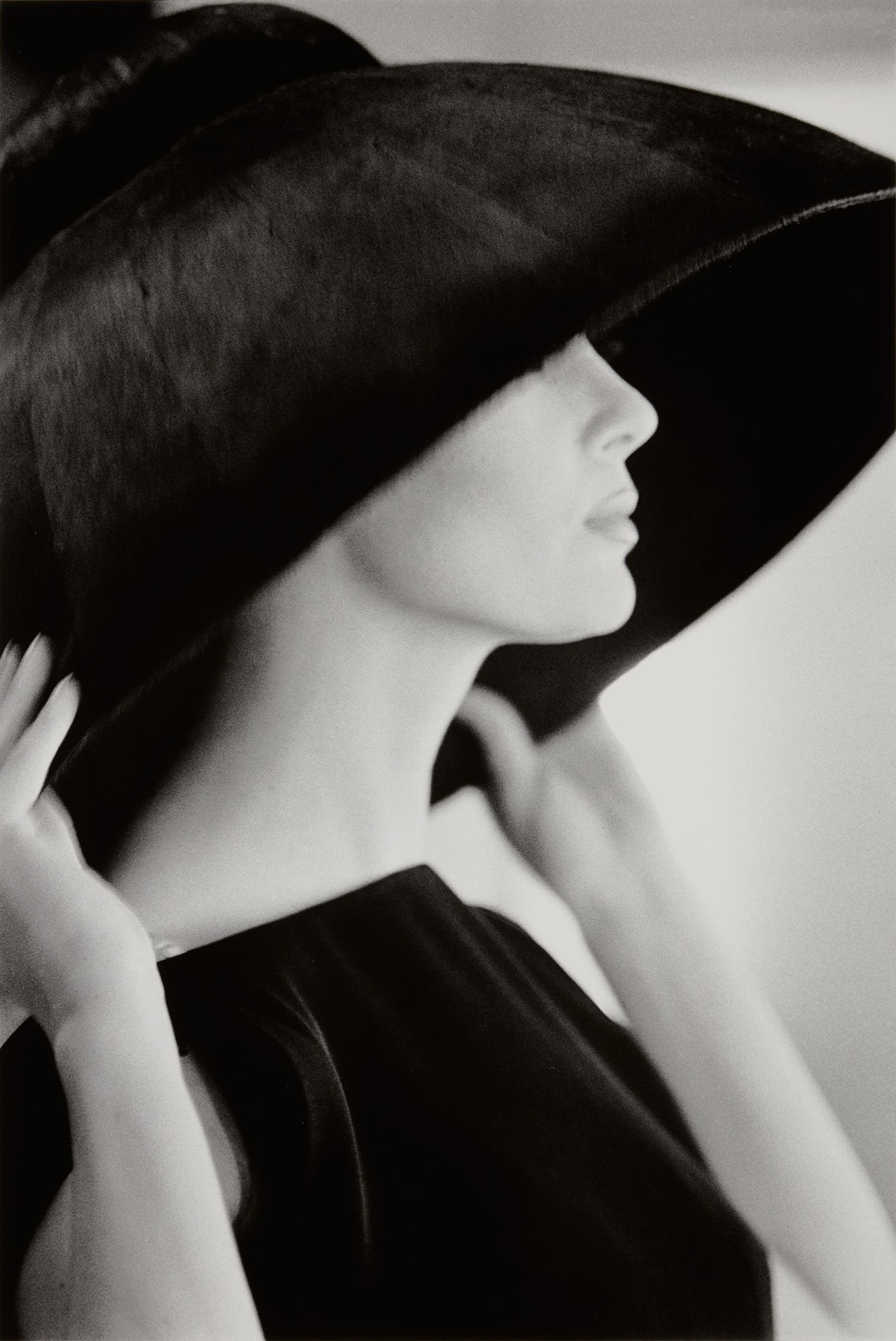
Jerry Schatzberg
Jerry Schatzberg
You want to feel that the photographer made a decision, not simply a record. Composition, tonal range, and the relationship between figure and ground are all worth studying, but ultimately you are looking for works where the photographer's consciousness is palpable in every square centimeter of the print.", "Among the artists represented on The Collection, the range of photographic practice on offer rewards serious consideration. Jerry Schatzberg built his reputation across two worlds simultaneously, first as a celebrated fashion and portrait photographer working in New York during the 1960s, and later as a filmmaker of genuine distinction.
His photographs carry a cinematic intelligence, a sense of narrative compression, that makes them unusually rich to live with. The portraits he made of musicians and cultural figures during that decade have an intimacy that feels earned rather than staged, and works from this period have attracted sustained institutional and collector attention.", "Tina Modotti represents a different but equally essential strand of photographic history. Working in Mexico during the 1920s and early 1930s, Modotti brought both political conviction and a rigorous formal sensibility to her practice.
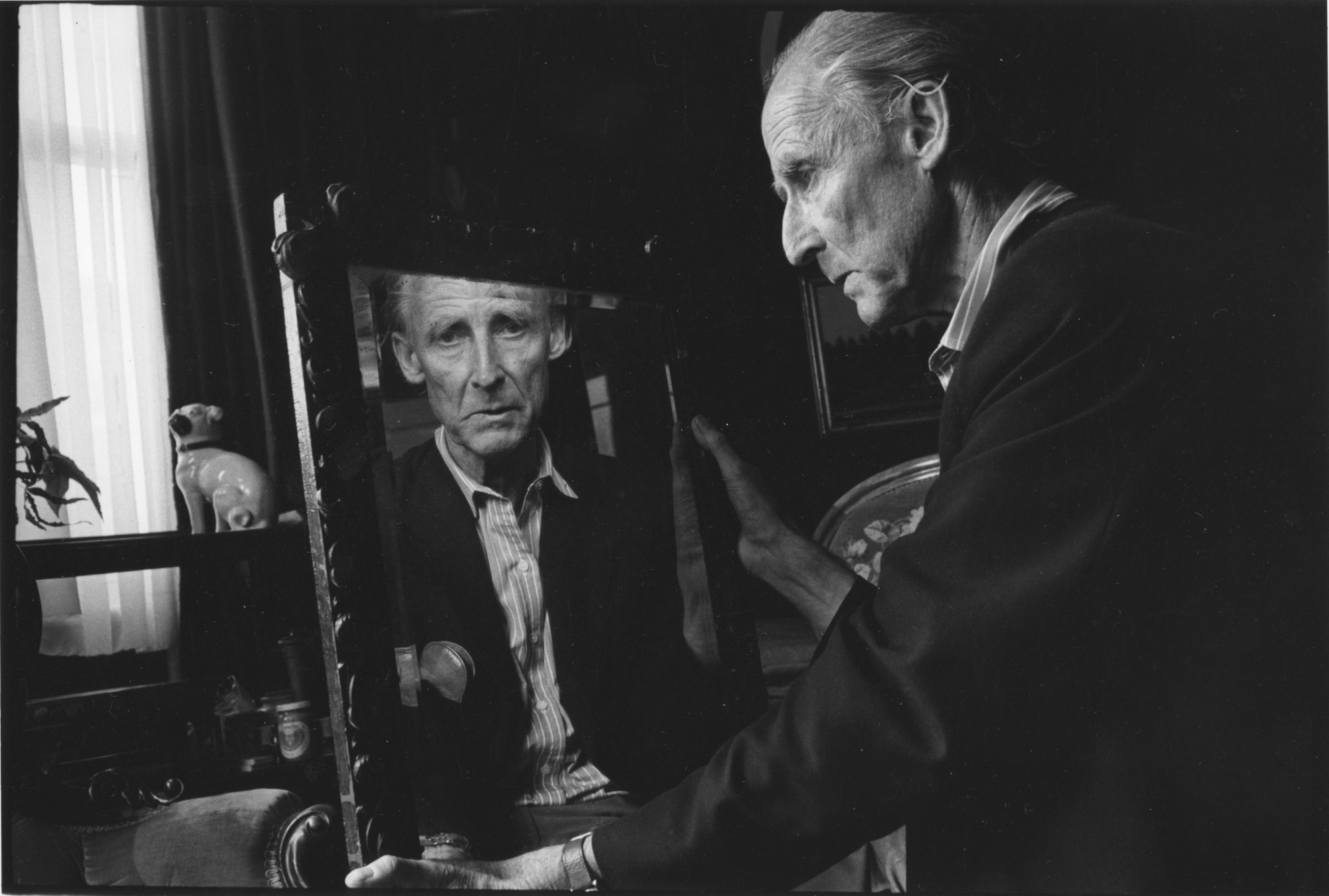
Unknown
'Bill Brandt', 1980
Her photographs of workers, ordinary objects, and architectural details have a geometric clarity that connects them to the broader modernist project, while remaining rooted in specific political and social realities. Modotti's market has strengthened considerably as institutions and collectors have revisited the contributions of women photographers who were historically sidelined despite producing work of the highest order. Acquiring work by Modotti now means participating in a genuine revaluation, not simply following a trend.", "Sam Taylor Johnson occupies a very different register, working at the intersection of photography, video, and performance in ways that have kept her practice vital and difficult to categorize.
Her large scale photographic works explore time, stillness, and decay with a theatrical boldness that places them comfortably within contemporary collecting conversations. Works by Taylor Johnson have appeared consistently at major auction houses and have been acquired by significant institutional collections, which provides useful market validation for private collectors assessing long term value. When an artist's work is held by both private collectors and museums, the secondary market tends to respond with stability and often appreciation over time.", "Michelangelo Pistoletto brings yet another dimension to the photographic works on The Collection, approaching the medium through the lens of Arte Povera and conceptual practice.
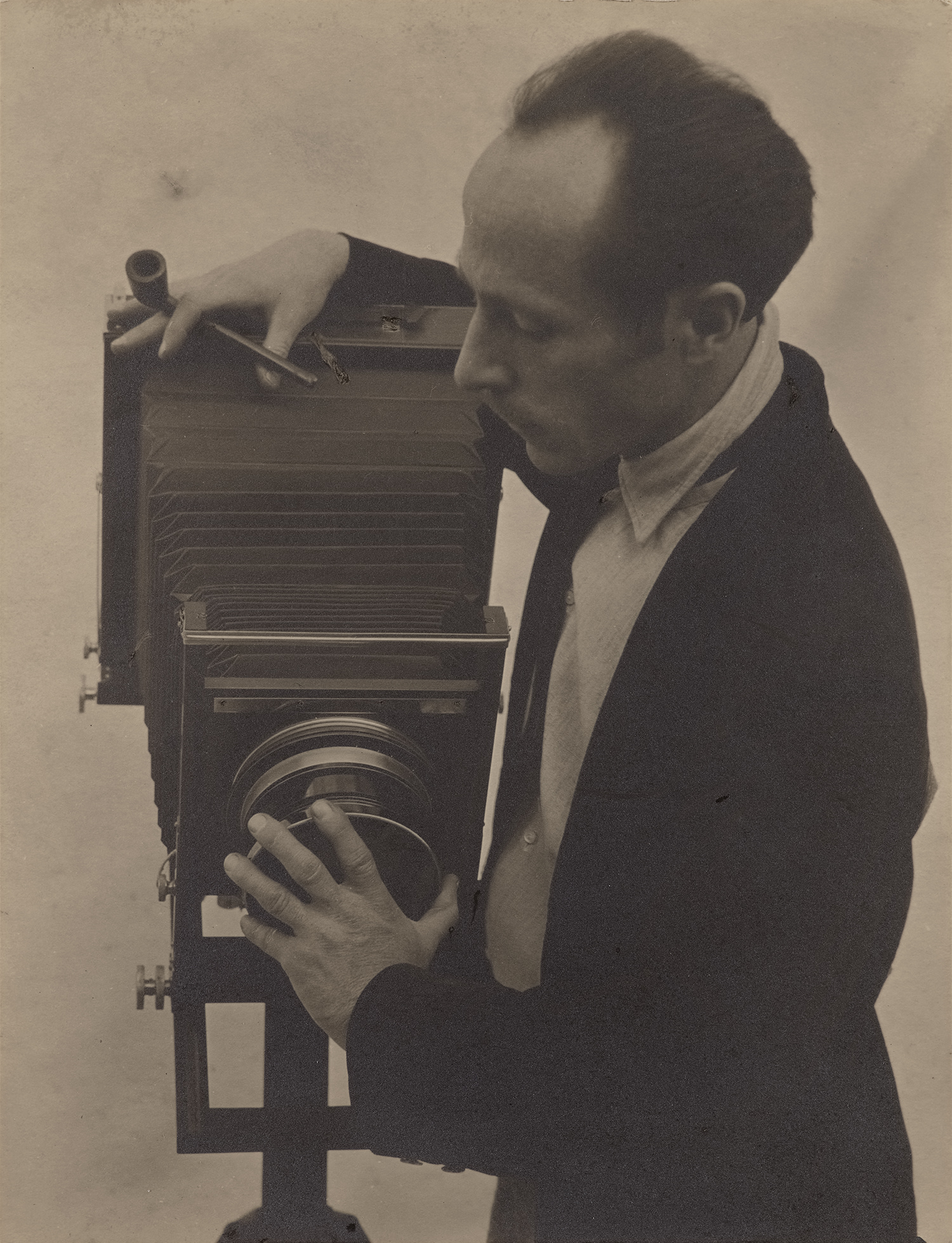
Tina Modotti
Edward Weston with a Camera
His mirror works incorporate photographic imagery in ways that fundamentally challenge the viewer's relationship to the picture plane. You are never simply looking at a Pistoletto. You are looking at yourself looking at it, and that phenomenological complexity is exactly what has made his work so enduring across institutions from the Tate to the Guggenheim. For collectors interested in work that sits at the junction of photography and conceptual art, Pistoletto represents a historically significant and intellectually serious proposition.
", "On the question of emerging and underrecognized photographers, the most interesting opportunities tend to cluster around artists working with archival material, vernacular photography, and found imagery. The field has expanded considerably in the past decade to accommodate practices that don't rely on a photographer making new pictures at all, and some of the most compelling work being made right now involves a rethinking of what a photographic work even is. Keep a close eye on artists being shown by smaller project spaces in cities like Lagos, Seoul, and Mexico City, where photography is being used to address questions of memory, displacement, and postcolonial identity with real urgency and formal sophistication.", "Auction performance for photography has matured significantly since the 1990s, when the medium was still treated with some skepticism by the market.
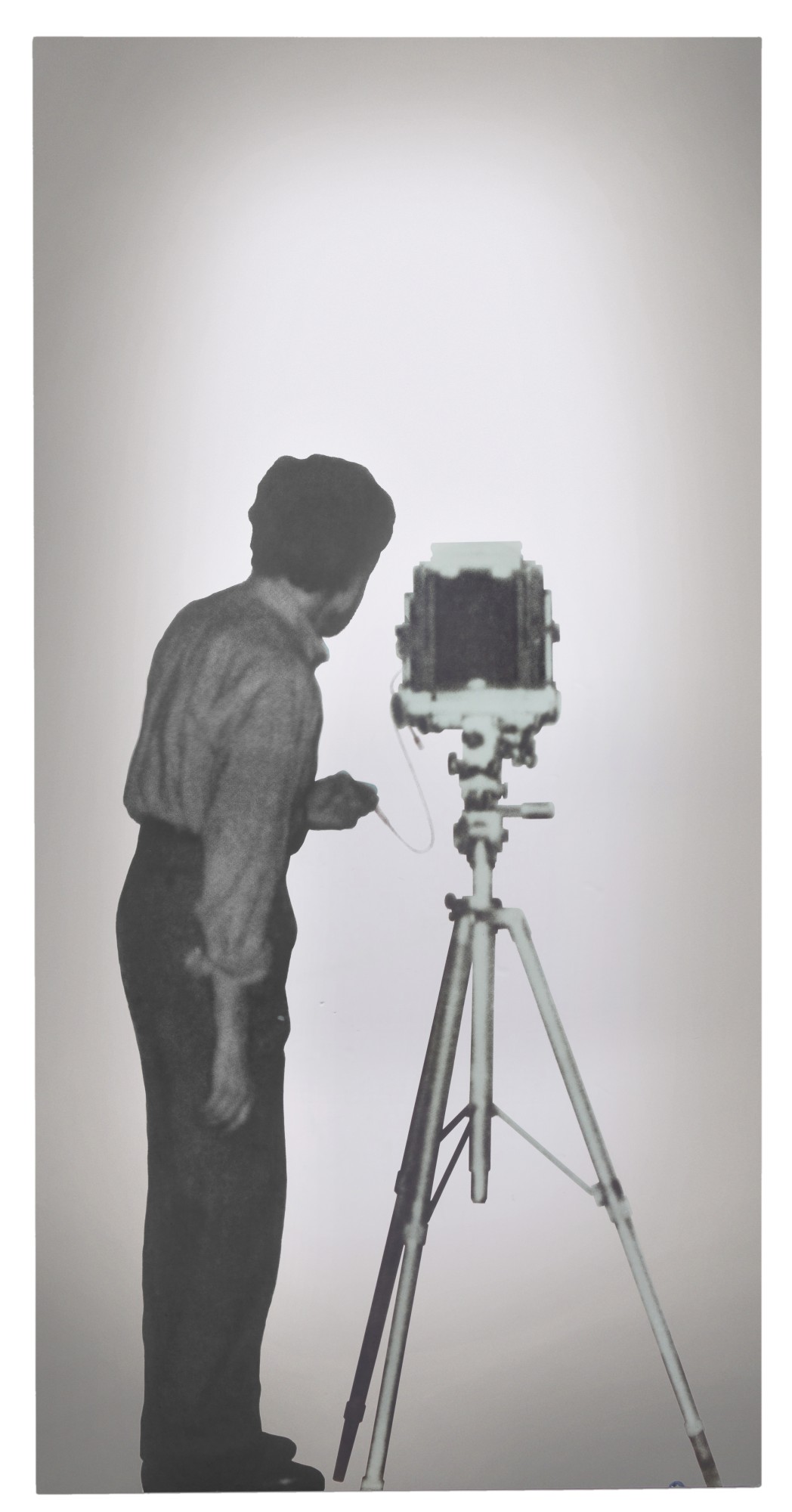
Michelangelo Pistoletto
《一個攝影師》, 1962
Vintage prints, meaning prints made close in time to when the negative was exposed, consistently command premiums over later printings, sometimes substantial ones. At Christie's, Sotheby's, and Phillips, category specialists have become more sophisticated in their assessments, and major works by established names routinely cross into six and seven figure territory. That said, photography still offers entry points that painting of comparable art historical significance rarely does, which is one of the reasons collectors who are thoughtful about value continue to gravitate toward it.", "Practically speaking, there are several questions every collector should ask before committing to a photographic work.
First, understand the edition. Is this a unique work, a vintage print, or part of a numbered edition, and if so, how large is that edition and where does this print fall within it? Smaller editions from earlier in the sequence are generally preferable. Ask about the printing process, whether silver gelatin, chromogenic, pigment inkjet, or another method, because this affects both the aesthetic character and the long term stability of the work.
Condition is paramount in photography in ways that can be unforgiving. Fading, foxing, and surface abrasion are all factors that affect value and livability. Finally, display matters enormously. Most photographic works benefit from UV protective glazing and should be kept away from direct sunlight and sources of humidity.
A work you love is a work worth protecting properly from the day it arrives.
Works tagged Photographer