Parisian Life
Archived article
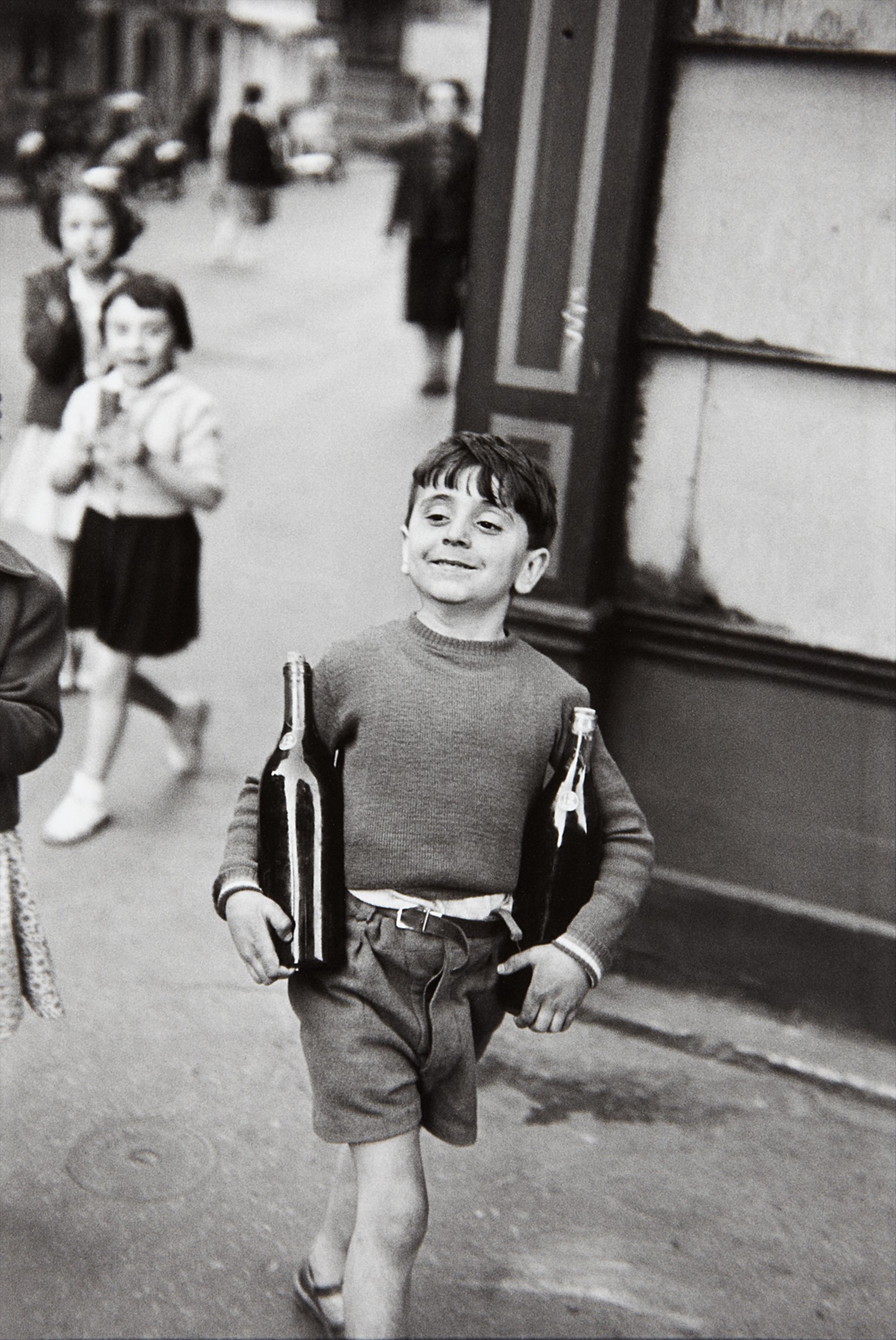
Henri Cartier-Bresson
Rue Mouffetard
You are reading a previous version of this article.
Read the latest version```json { "headline": "Paris Never Stops Asking to Be Collected", "body": "There is a particular kind of collector who, upon acquiring their first work depicting Parisian life, finds themselves unable to stop. It is not nostalgia exactly, though that is part of it. It is closer to the feeling of recognizing something true about how cities work, how people move through light and shadow, how a café table or a rain slicked boulevard can hold more emotional weight than almost any landscape or portrait. Works in this category have an unusual ability to live well in domestic spaces, to remain inexhaustible over years of looking.
The best of them reward daily attention in a way that more declarative art sometimes does not.", "Collecting around Parisian life means entering one of the most densely layered territories in Western art, which is both its great appeal and its primary challenge. The subject has attracted photographers, printmakers, painters, and illustrators across more than a century and a half, producing an enormous range of quality and intent. For a collector, this breadth is genuinely useful.
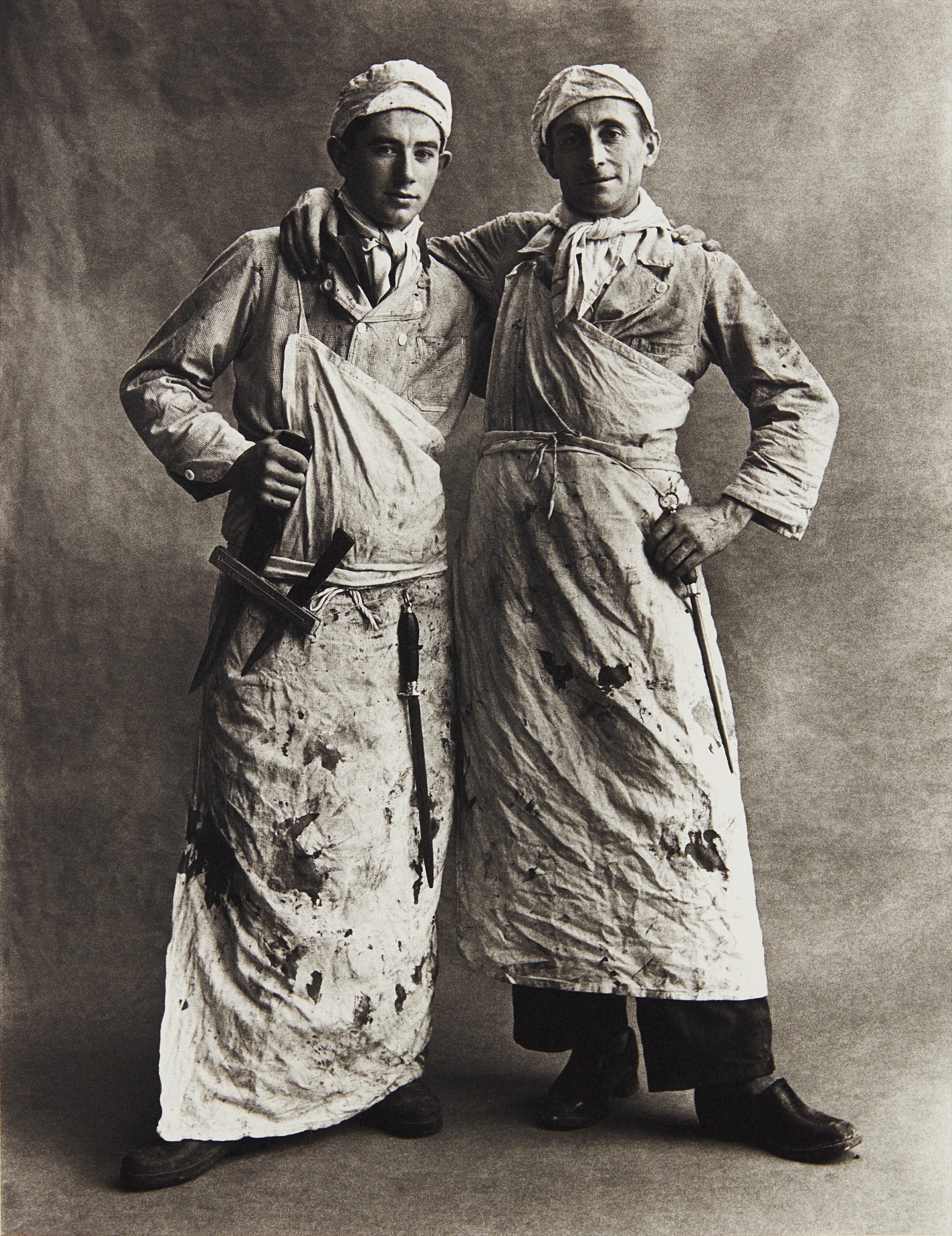
Irving Penn
Butchers, Paris, 1976
You can build a coherent collection without ever straying into prohibitively expensive territory, or you can pursue the very top of the market with confidence that serious scholarship and institutional attention will continue to support those investments. The category rewards patience and a genuine point of view.", "What separates a good work from a great one here is almost always a question of specificity versus generality. The works that endure are those that capture something irreducibly particular: a specific quality of afternoon light in the Marais, the posture of a certain kind of loneliness in a public space, the geometry of a courtyard that no longer exists.
Brassaï understood this instinctively. His nocturnal Paris, made largely in the 1930s, is not a romantic abstraction of the city but a forensic and deeply felt record of its actual textures, its prostitutes and lovers and gas lamps and graffiti. When you encounter a strong Brassaï print, you are not looking at Paris as idea. You are looking at Paris as fact, which is a far more valuable thing to own.
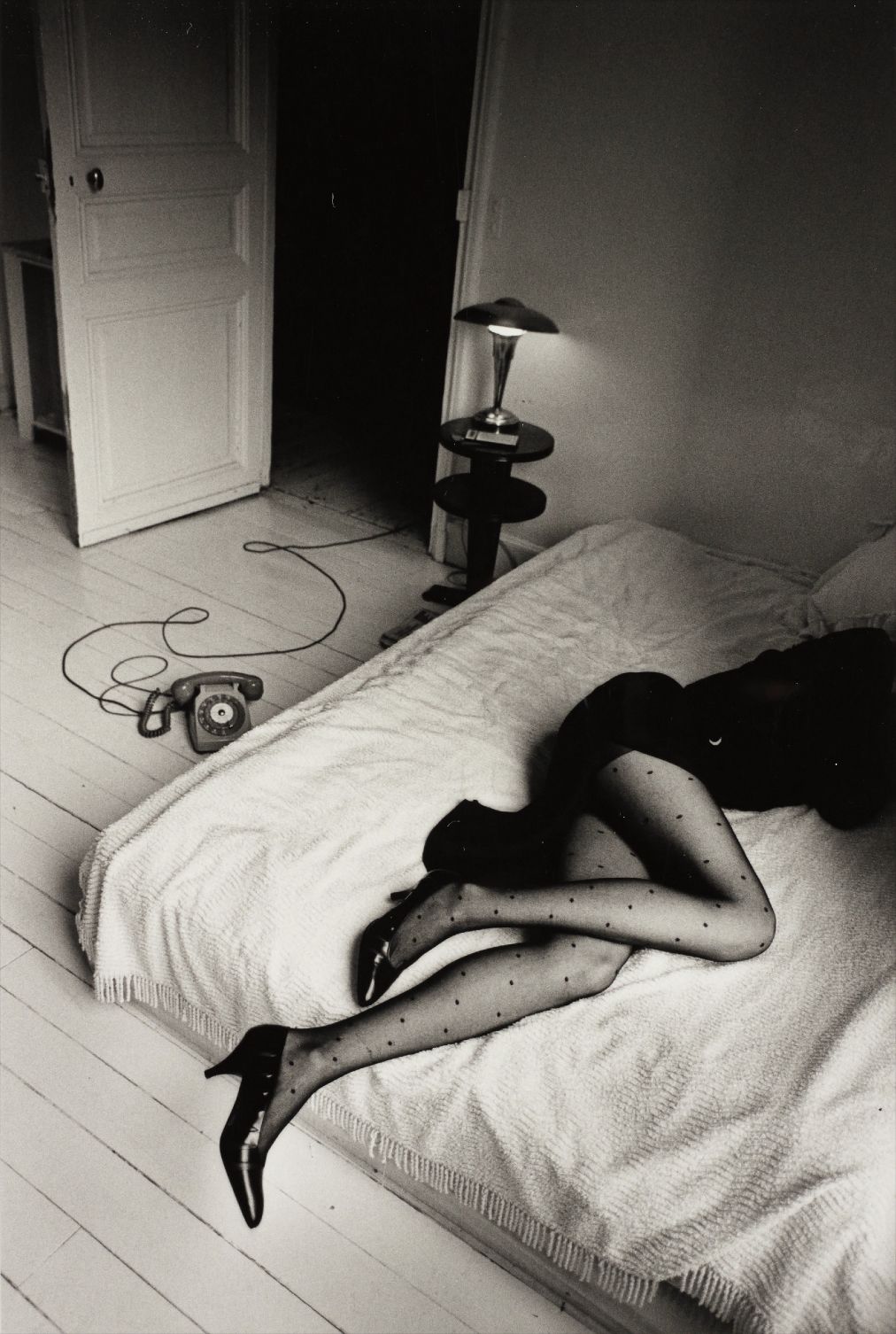
Jeanloup Sieff
Telephone, Paris
", "Henri Cartier Bresson remains the strongest single name in this category for the depth and consistency of his output, and his representation on The Collection reflects that. His works command serious prices at auction, and rightly so, but the market for his prints is also mature enough that a knowledgeable buyer can still find genuine value, particularly in later authorized prints that carry full estate documentation. André Kertész, who arrived in Paris in 1925 and spent a decade building one of the most poetic bodies of street photography ever made, is arguably undervalued relative to Cartier Bresson despite comparable historical significance. His images have a quality of accidental rightness that is extraordinarily difficult to achieve, and collectors who acquire strong Kertész works now are likely to see continued appreciation as institutional scholarship around his career deepens.
", "Henri de Toulouse Lautrec occupies a different register entirely but belongs to any serious conversation about this collecting category. His works on paper, including his extraordinary lithographic posters from the 1890s, are among the most coveted objects in the European print market. Original period impressions carry extraordinary premiums, but there is also a robust and legitimate market for later authorized editions and documented restrike impressions, and a careful collector working with a reputable specialist can build genuine Lautrec holdings without entering the most competitive auction rooms. Jean Béraud, whose meticulous oil paintings of Belle Époque Paris combine the precision of social documentation with genuine painterly skill, represents a quieter opportunity.
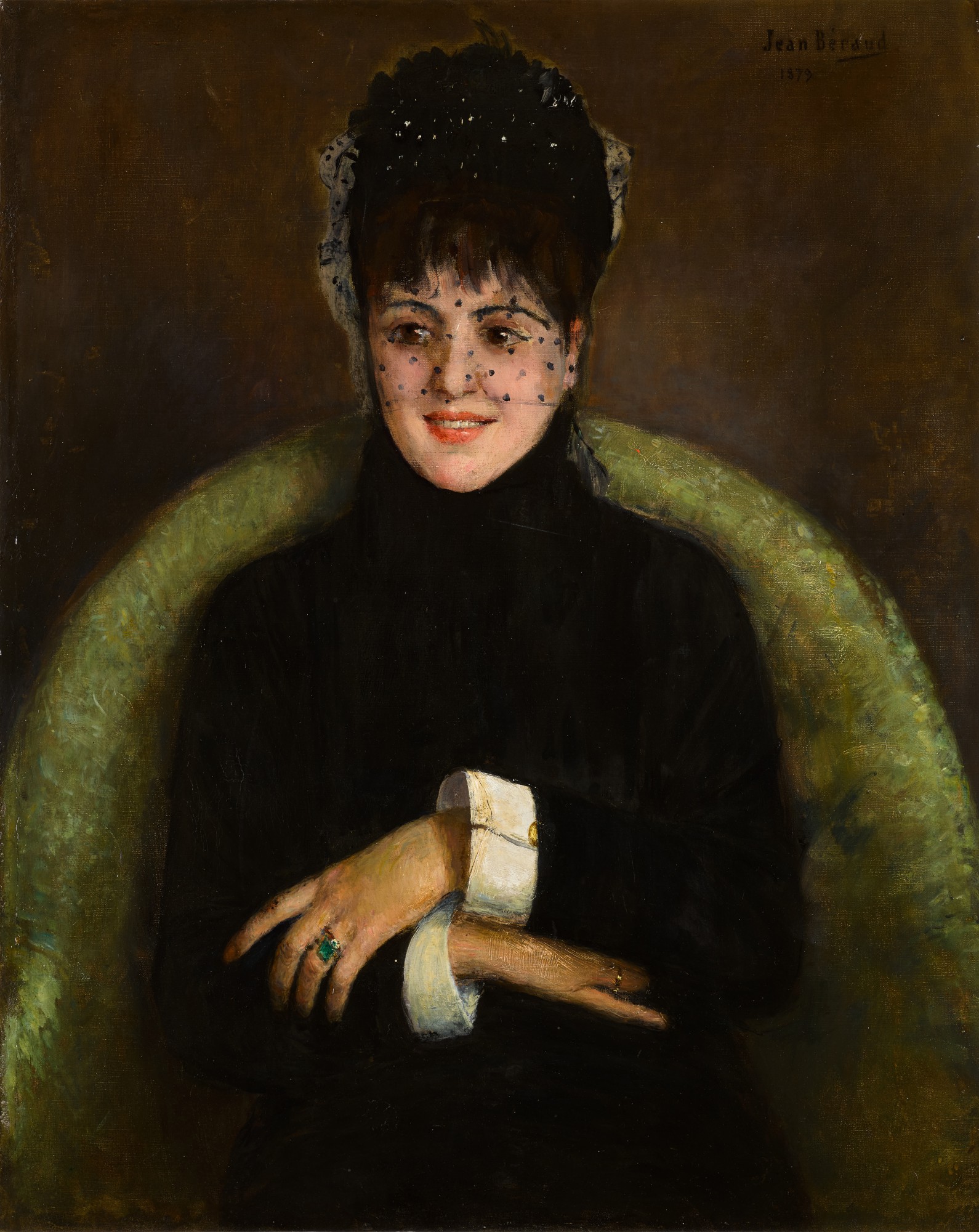
Jean Béraud
Elegante à l'Emeraude
His works appear less frequently at auction than his quality warrants, and serious collectors have been quietly accumulating his paintings for that reason.", "For collectors interested in the edges of this category, there are photographers working today whose relationship to Paris as subject and to the tradition of street photography as form has produced work deserving serious attention. The lineage running from Atget through Kertész and Cartier Bresson to contemporary practitioners is still very much alive, and gallery prices for emerging work in this vein remain accessible in ways that will not persist indefinitely. Eugène Atget himself, whose systematic documentation of old Paris between roughly 1897 and 1927 produced some of the most important photographic archives ever assembled, is worth revisiting as a collecting proposition.
Works attributed to Atget that carry strong provenance documentation represent one of the more interesting value opportunities in the historical photography market.", "At auction, works in this category have shown consistent resilience across market cycles, with photographs by Cartier Bresson and Brassaï regularly achieving strong results at Christie's, Sotheby's, and Phillips. Jeanloup Sieff and Jacques Henri Lartigue, both represented on The Collection, occupy an interesting middle tier where auction estimates often leave room for the kind of disciplined bidding that rewards patient collectors. Elliott Erwitt, whose work spans playful observation and genuine formal rigor, has seen steady secondary market appreciation since his death in 2023, and collectors who hold strong Erwitt prints are in an enviable position.
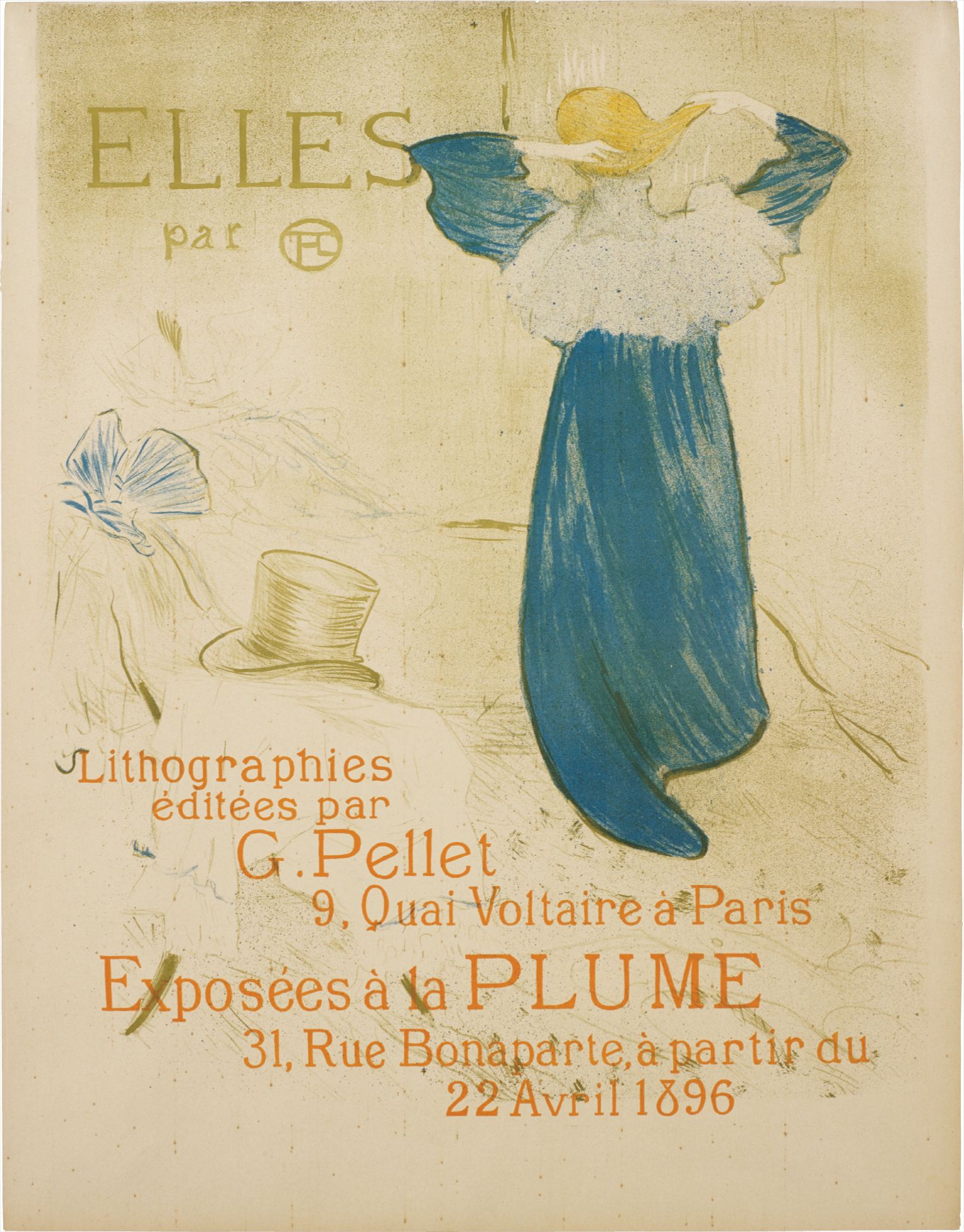
Henri de Toulouse-Lautrec
Elles frontispice
", "Practically speaking, photographic works in this category require careful attention to edition status and print date. For any photograph, you should ask the gallery or seller to confirm whether the print is a period print made close to the date of exposure, a later authorized print made during the artist's lifetime, or a posthumous estate print. Each category has legitimate collecting interest and appropriate pricing, but the distinctions matter enormously for value and for your own understanding of what you own. Irving Penn, represented on The Collection, is an example of an artist whose estate has maintained rigorous documentation standards, which makes authentication relatively straightforward and supports long term market confidence.
", "For works on paper and paintings, condition is everything and framing choices carry real consequences. Avoid non archival mats and exposure to direct light, and be skeptical of any work that has been cleaned or restored without full disclosure. When approaching a gallery about a significant Parisian life work, ask for the full exhibition and loan history, ask whether the work has ever been offered at auction and at what result, and ask specifically about any conservation treatment the work has undergone. A good gallery will answer all of these questions without hesitation.
A hesitant answer tells you something important. The category is rich enough that you need never settle for uncertainty.
Works tagged Parisian Life
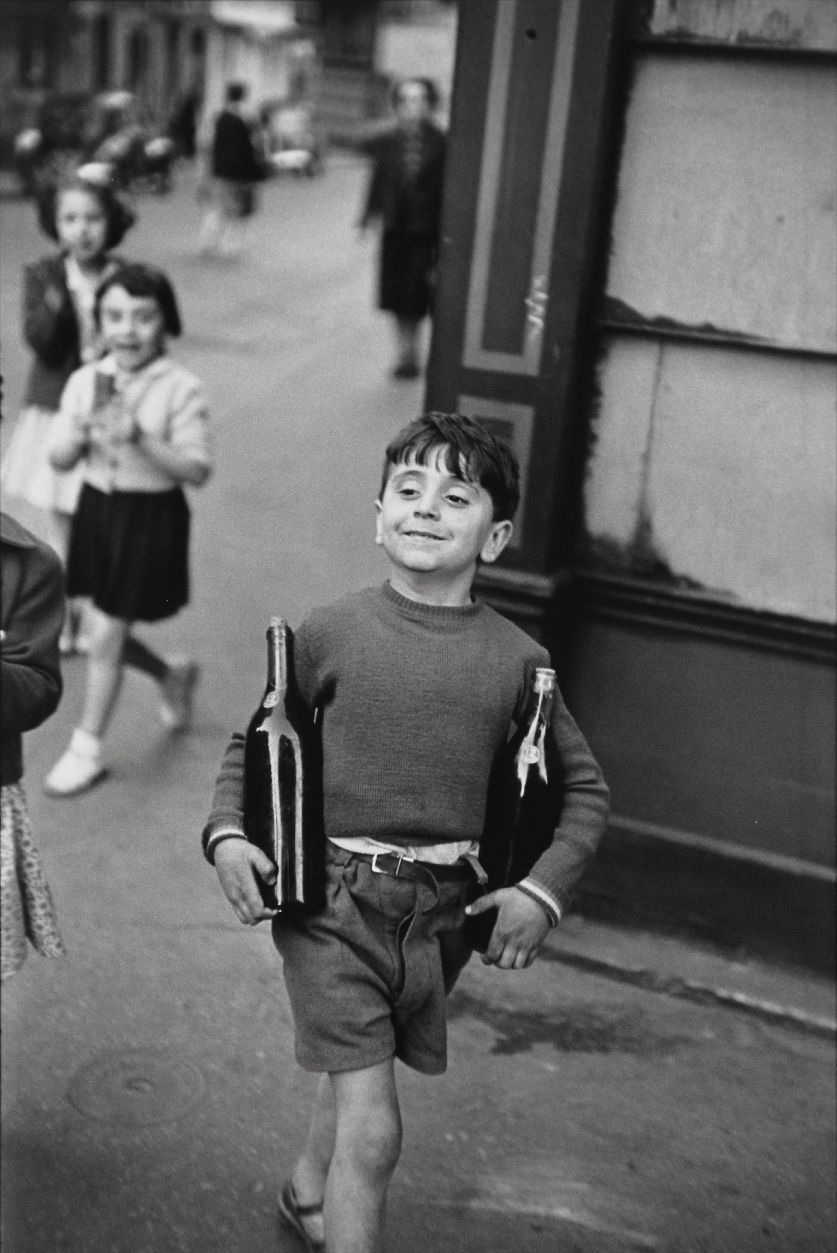
Henri Cartier-Bresson
Rue Mouffetard, Paris
Irving Penn
Butchers, Paris
Jeanloup Sieff
Telephone, Paris
Henri de Toulouse-Lautrec
Elles frontispice
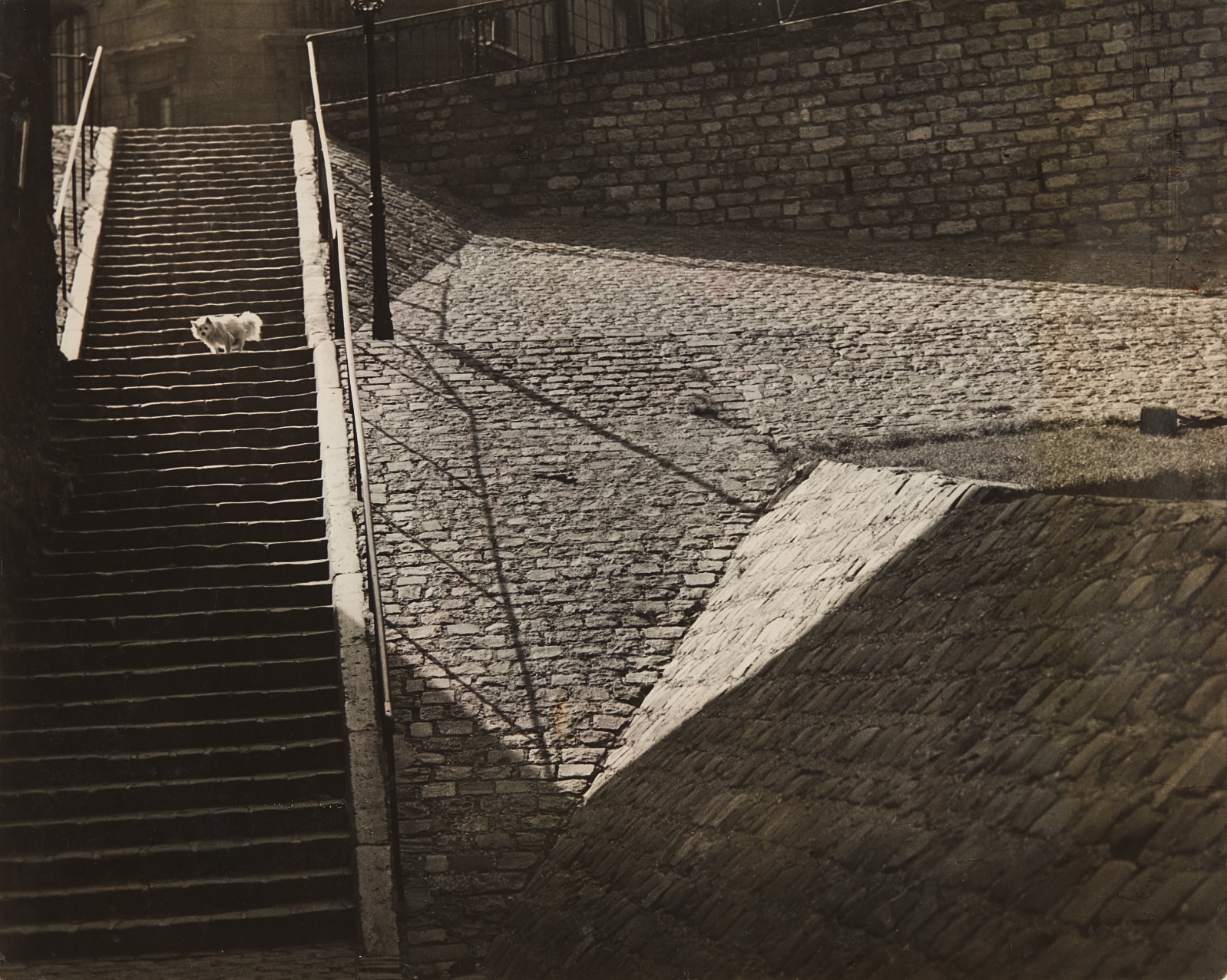
Brassaï (Gyula Halász)
Les Escaliers à Montmartre
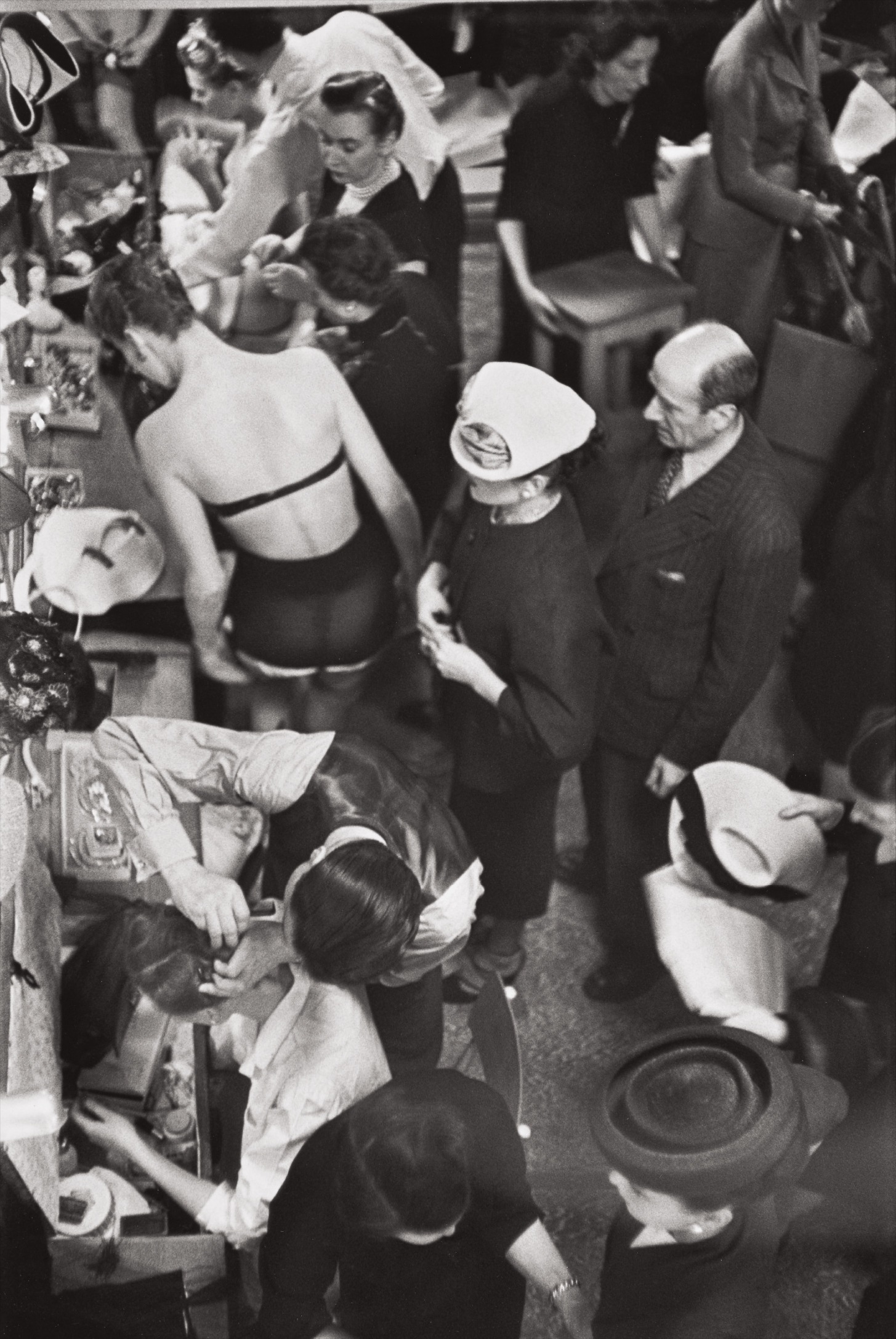
Henri Cartier-Bresson
Changing during the Christian Dior fashion show, Paris
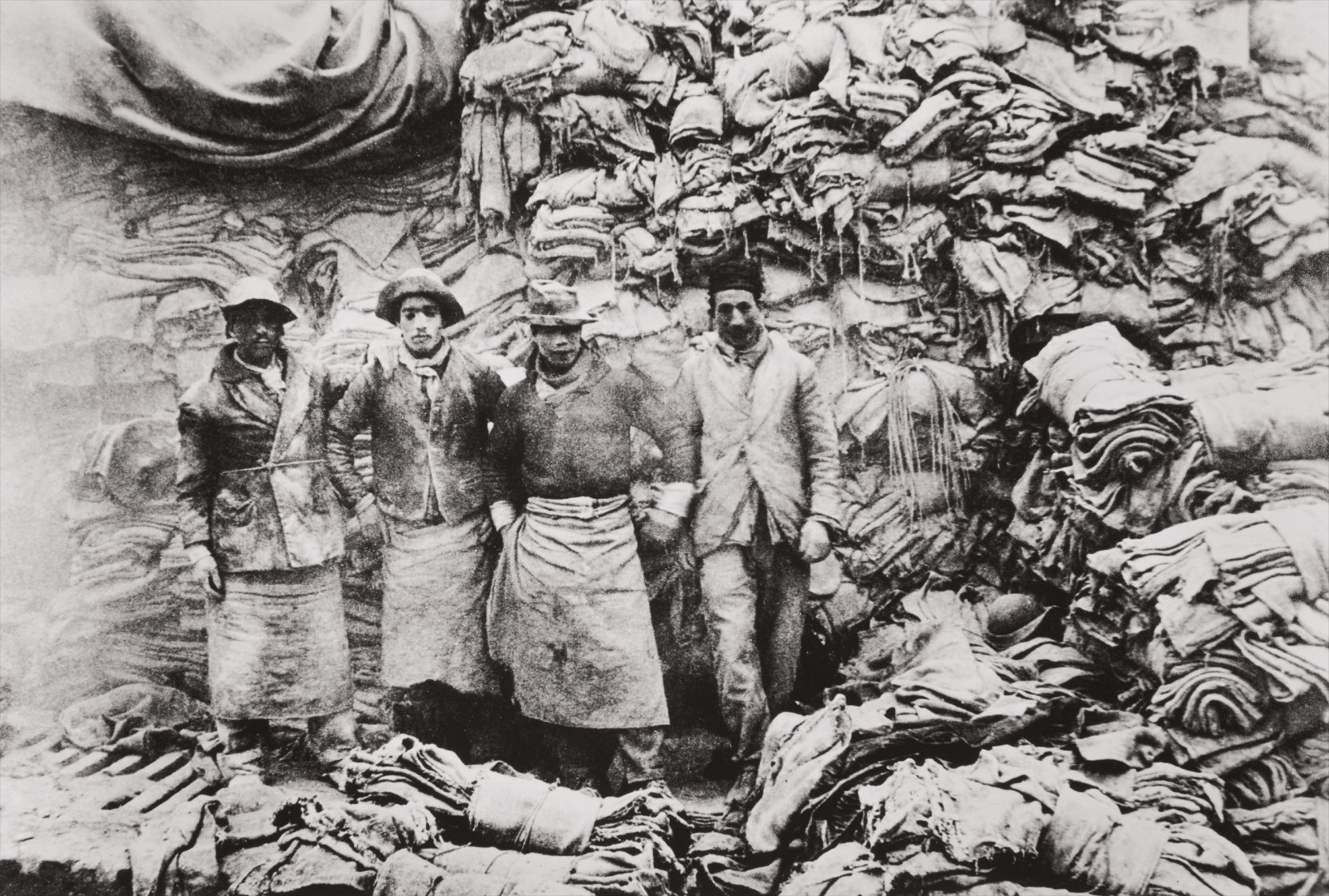
Henri Cartier-Bresson
Quai de Javel, Paris
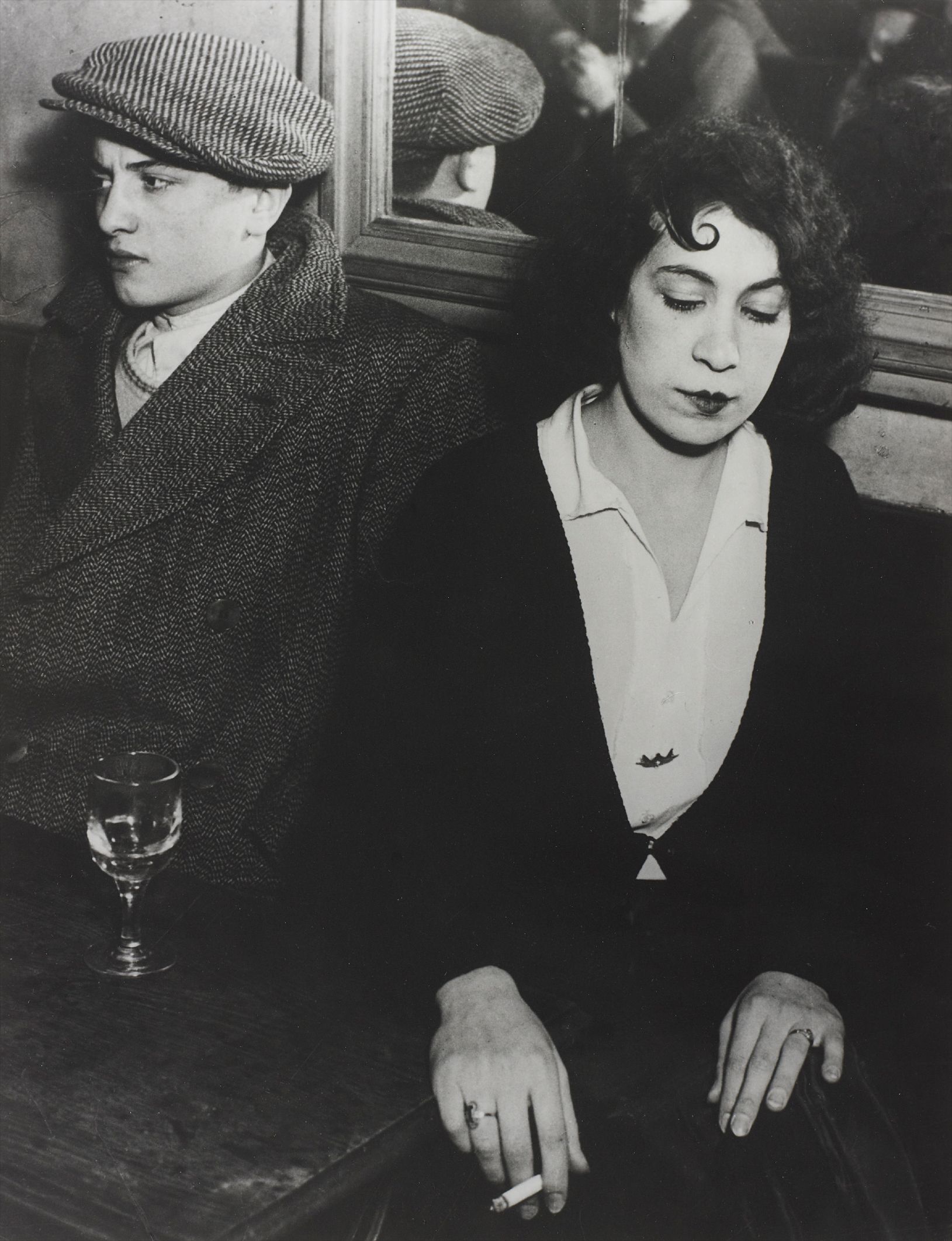
Brassaï (Gyula Halász)
The Quarrel, Bal des Quatre-Saisons, Rue de Lappe
Henri Cartier-Bresson
Rue Mouffetard
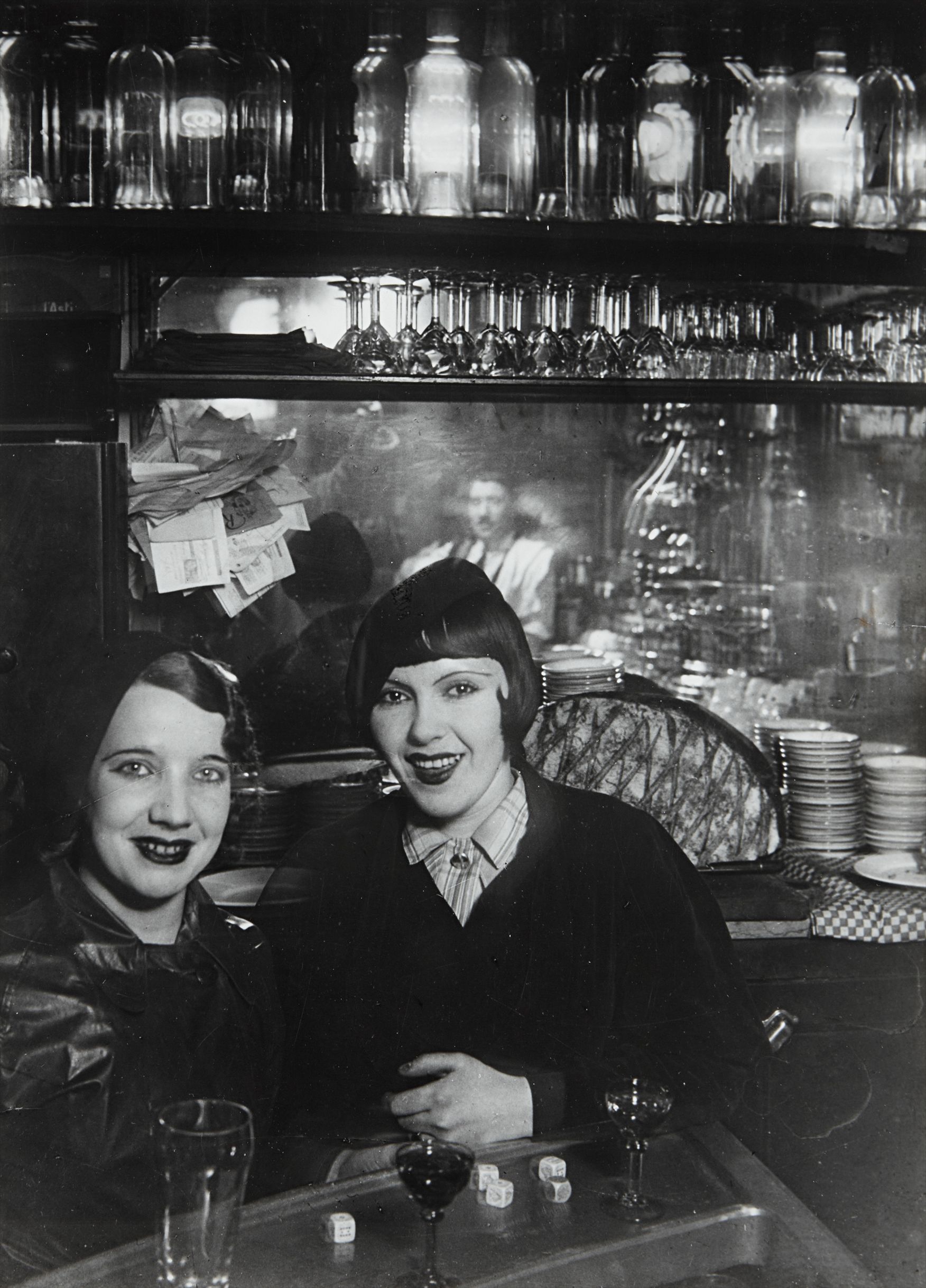
Brassaï (Gyula Halász)
Deux Belles de Nuit, Boulevard de Rochechouart, Montmartre
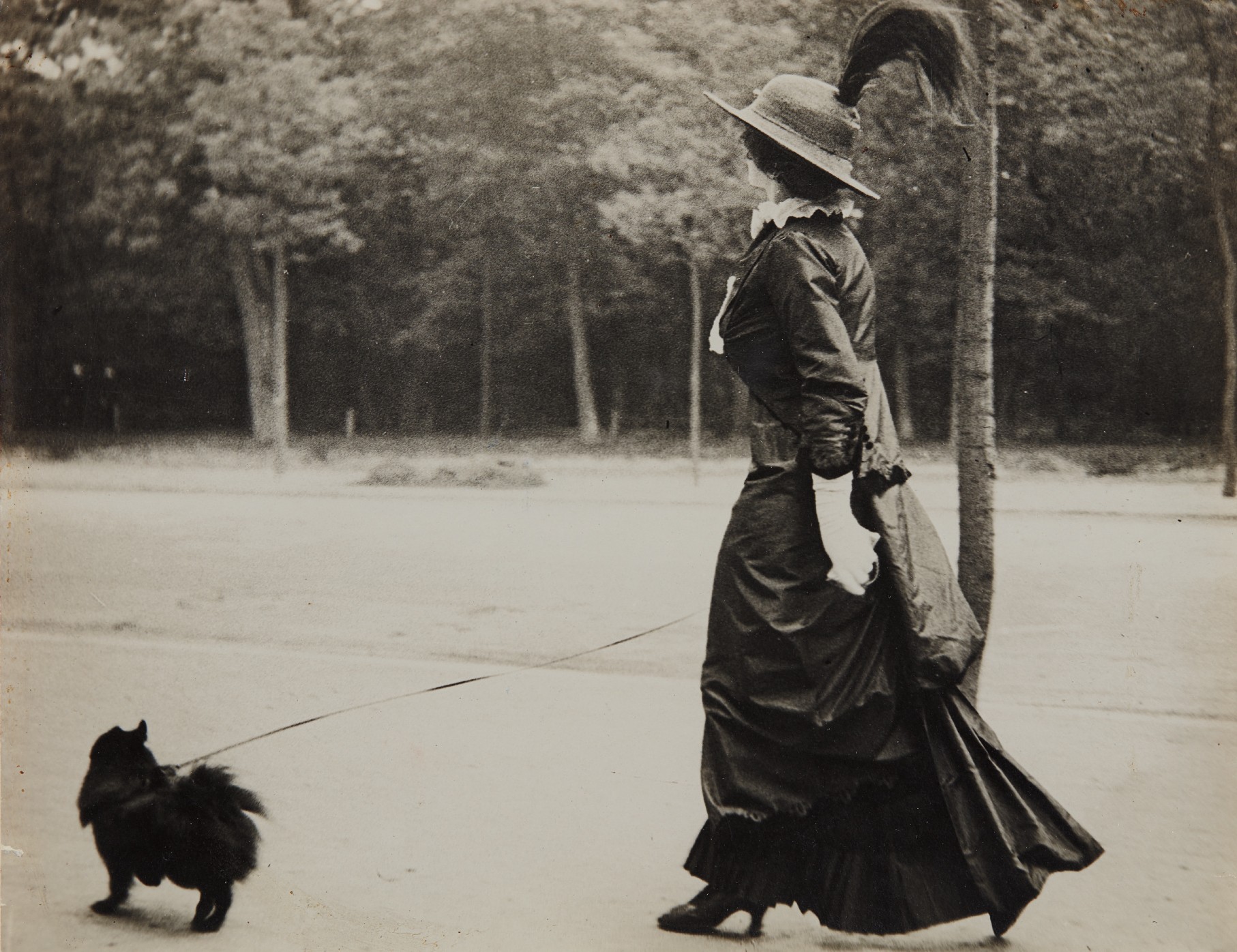
Jacques-Henri Lartigue
Avenue des Acacias, Paris
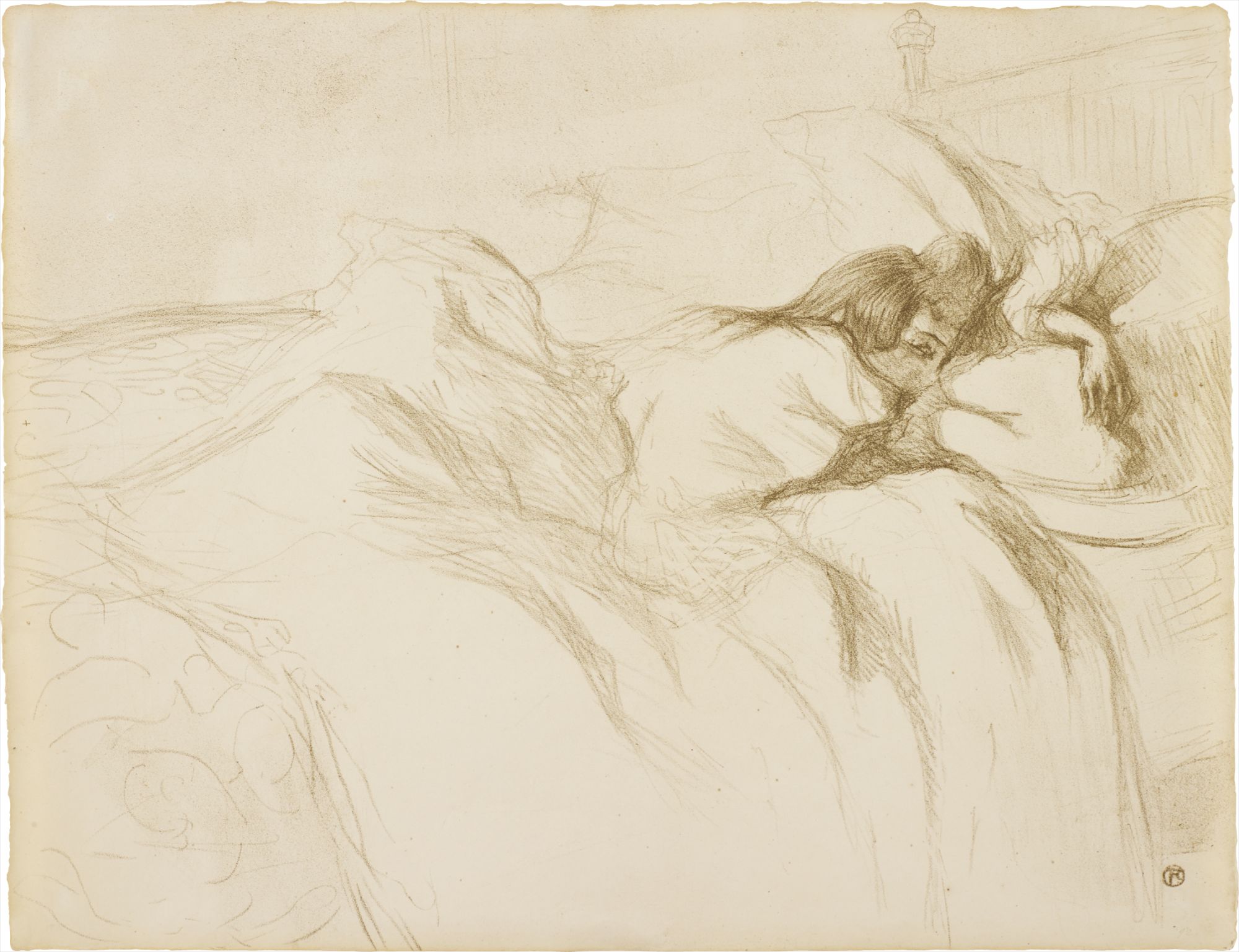
Henri de Toulouse-Lautrec
Femme couchée, réveil (Sleeping Woman, Awakening), from Elles
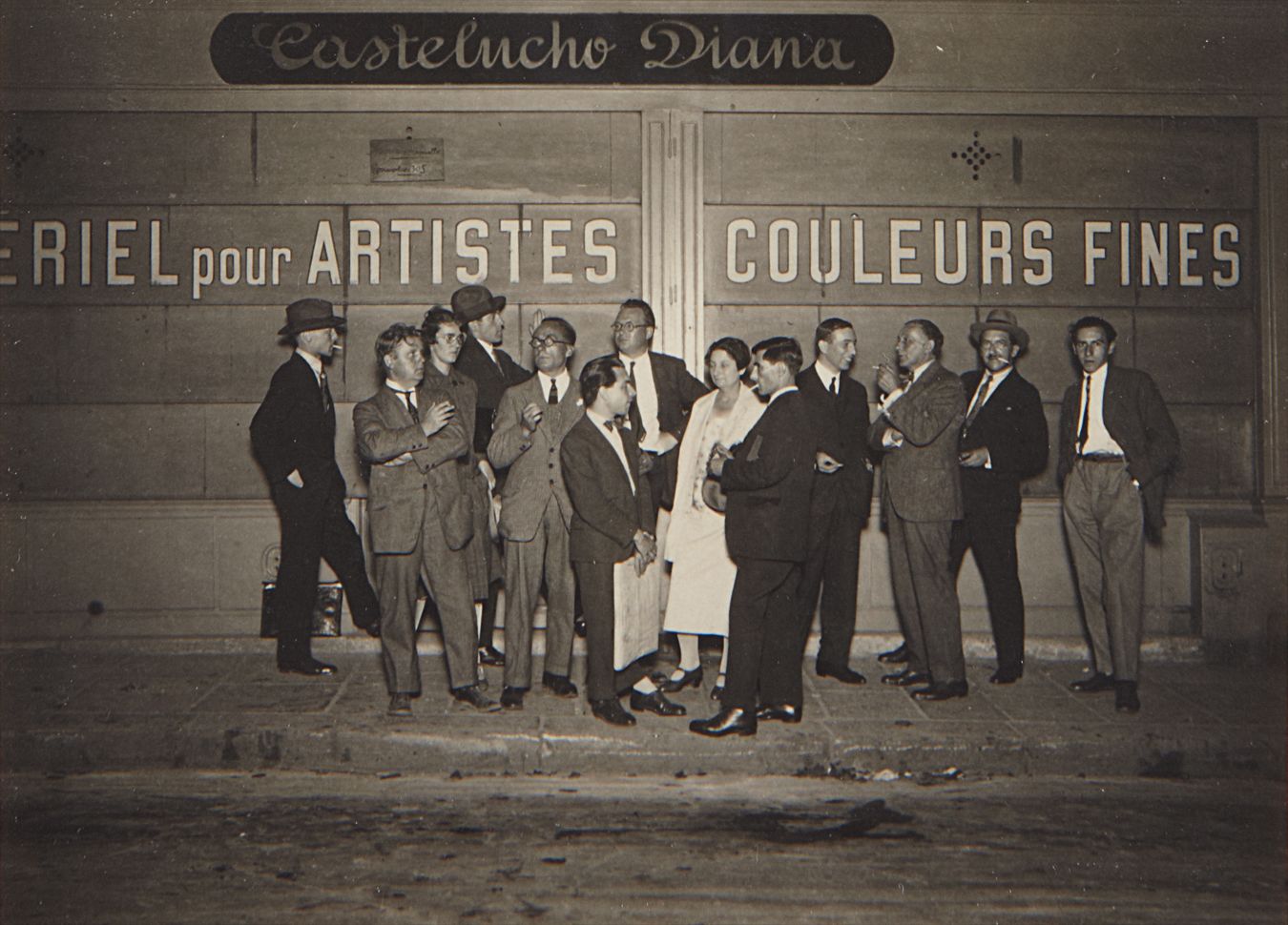
André Kertész
After the Soirée
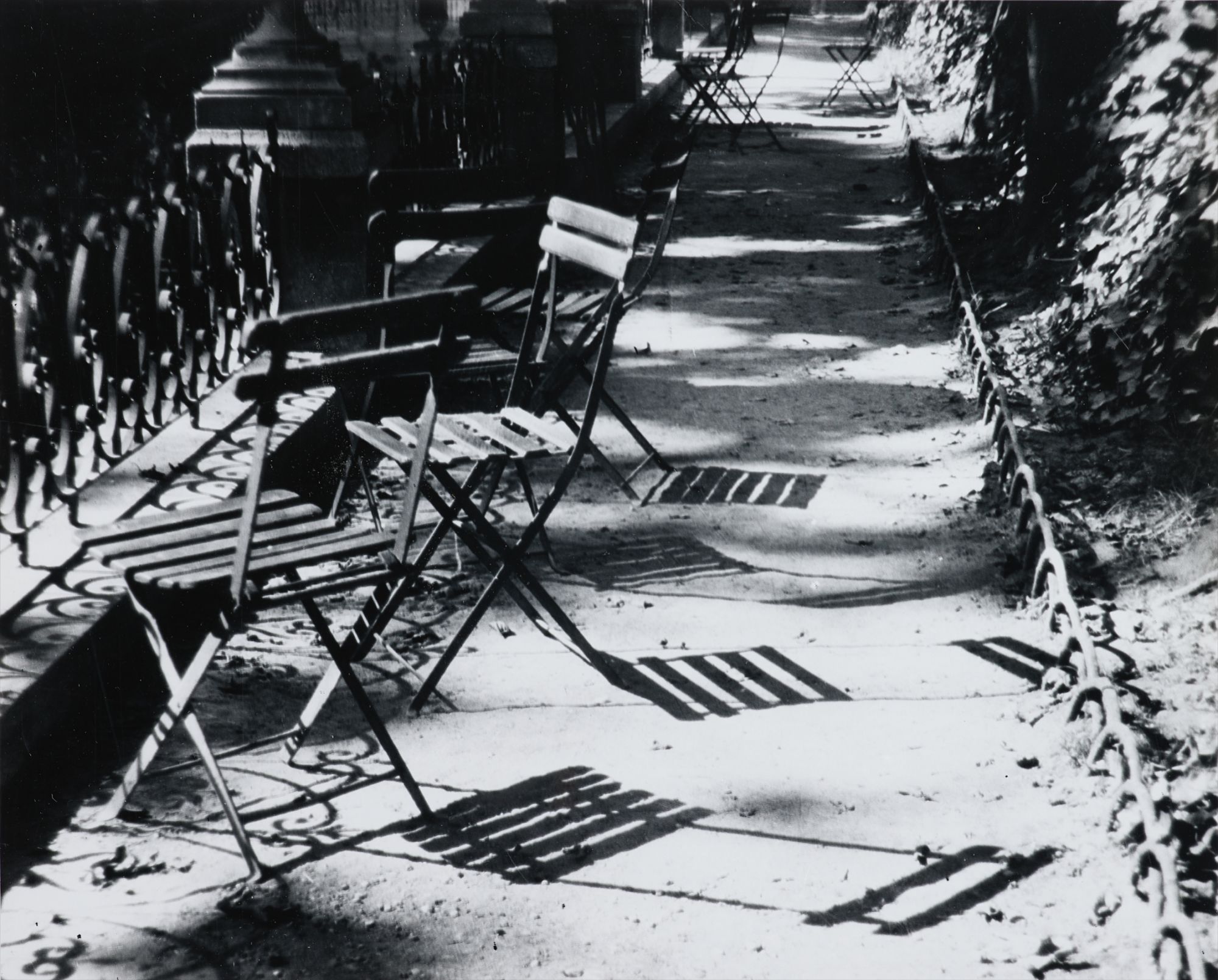
André Kertész
Jardin du Luxembourg, Paris
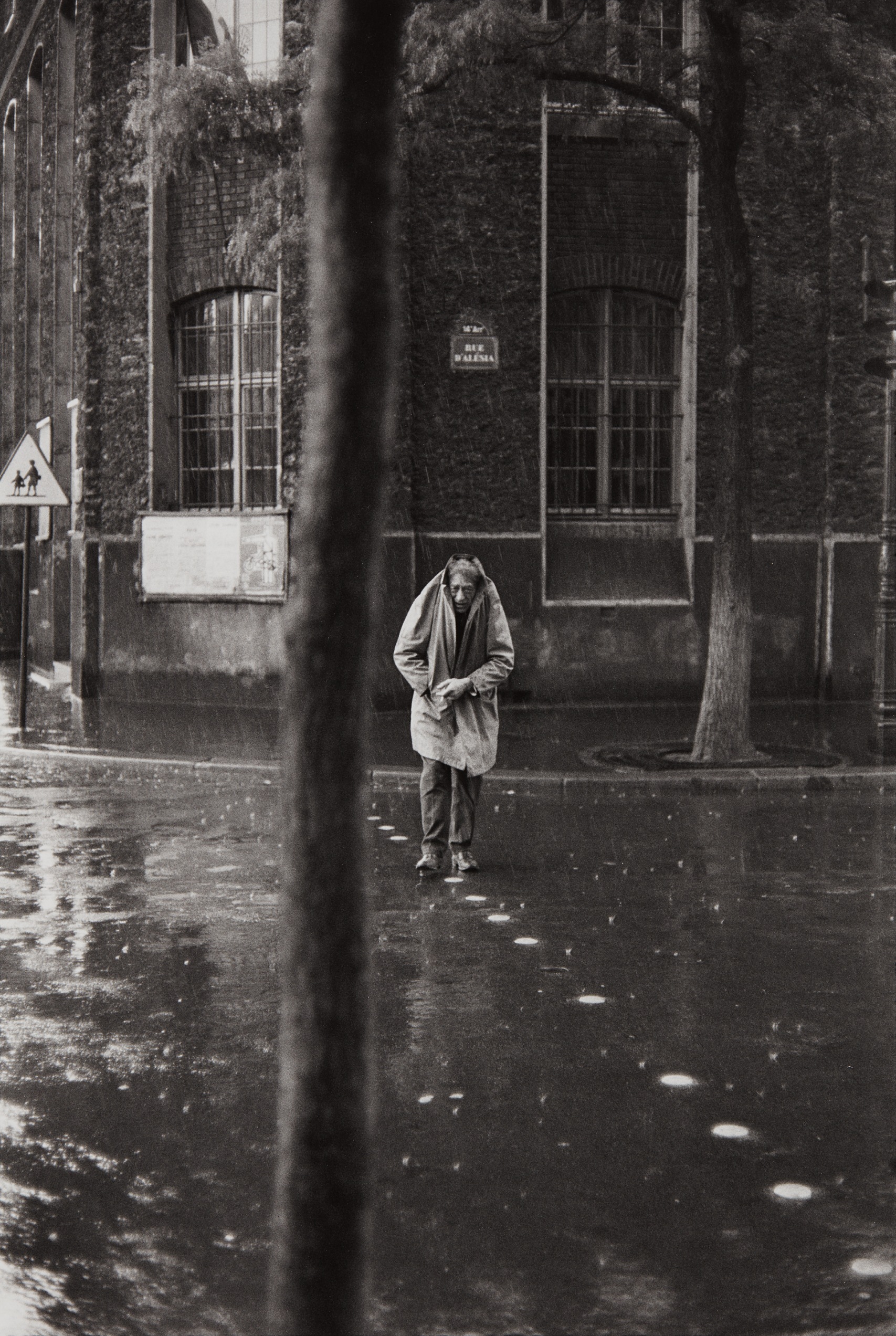
Henri Cartier-Bresson
Alberto Giacometti, Rue d'Alesia, Paris
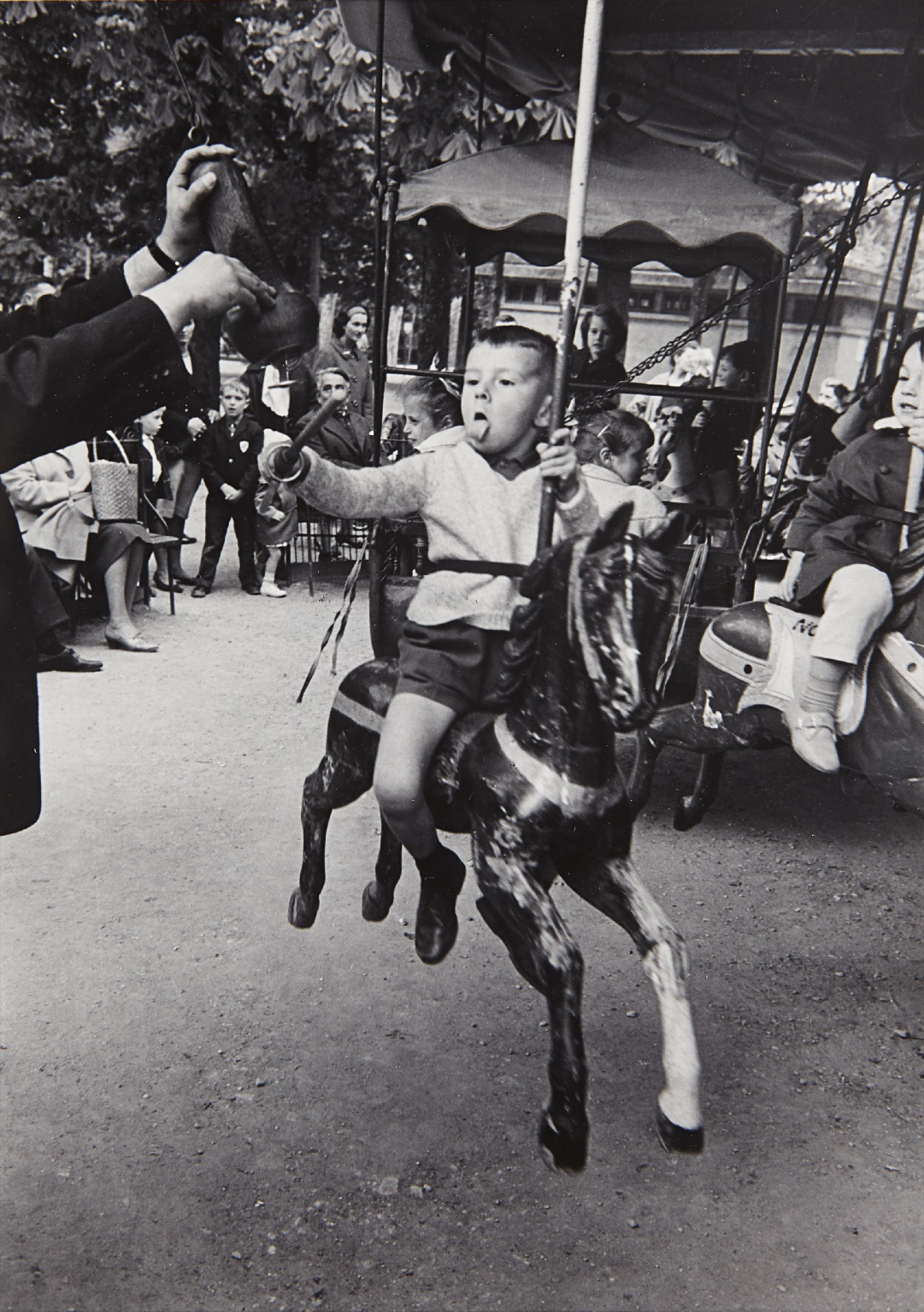
Alfred Eisenstaedt
Merry Go Round at Luxembourg Garden, Paris
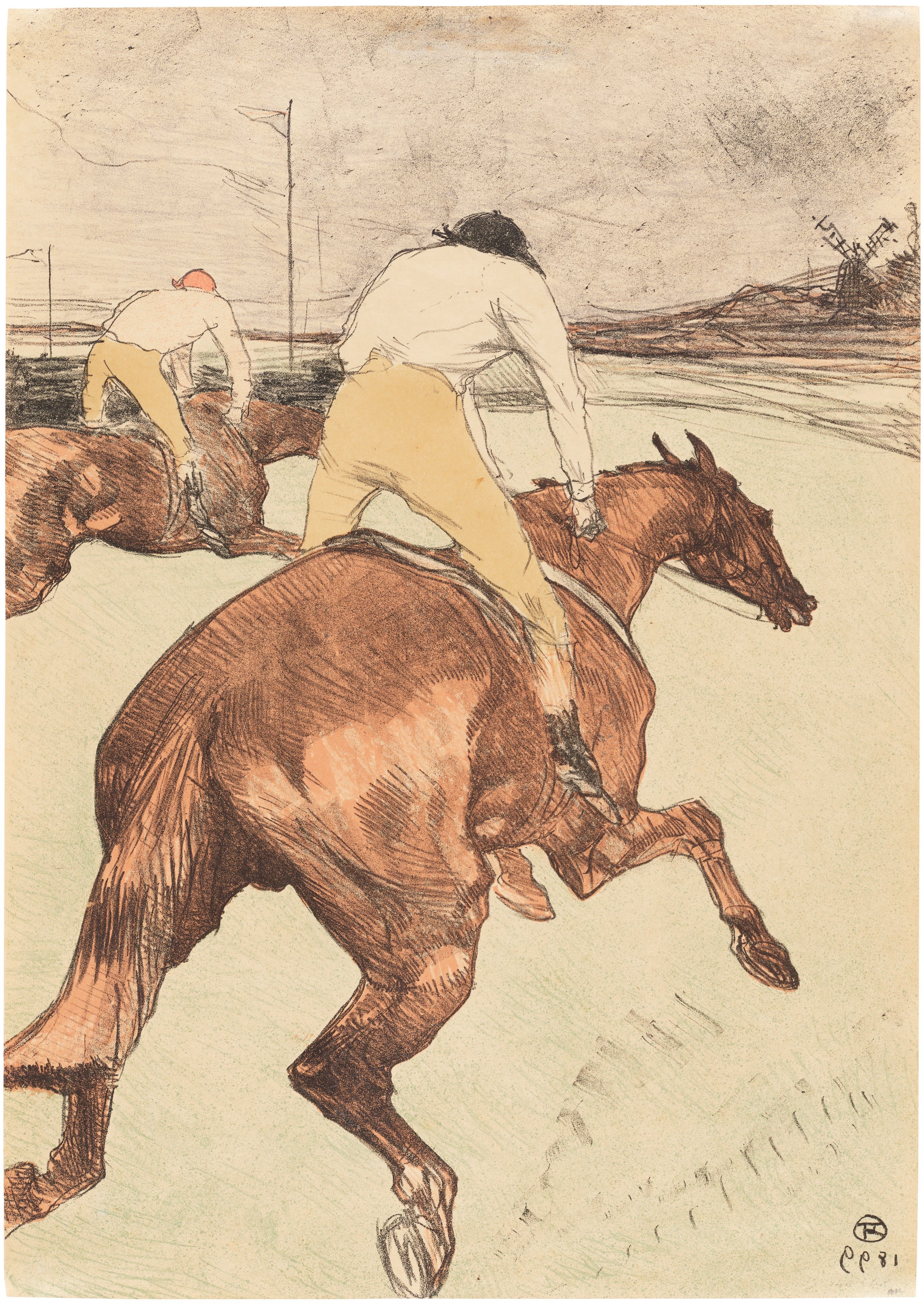
Henri de Toulouse-Lautrec
Le Jockey (The Jockey) (D. 279, A. 365, W. 308)
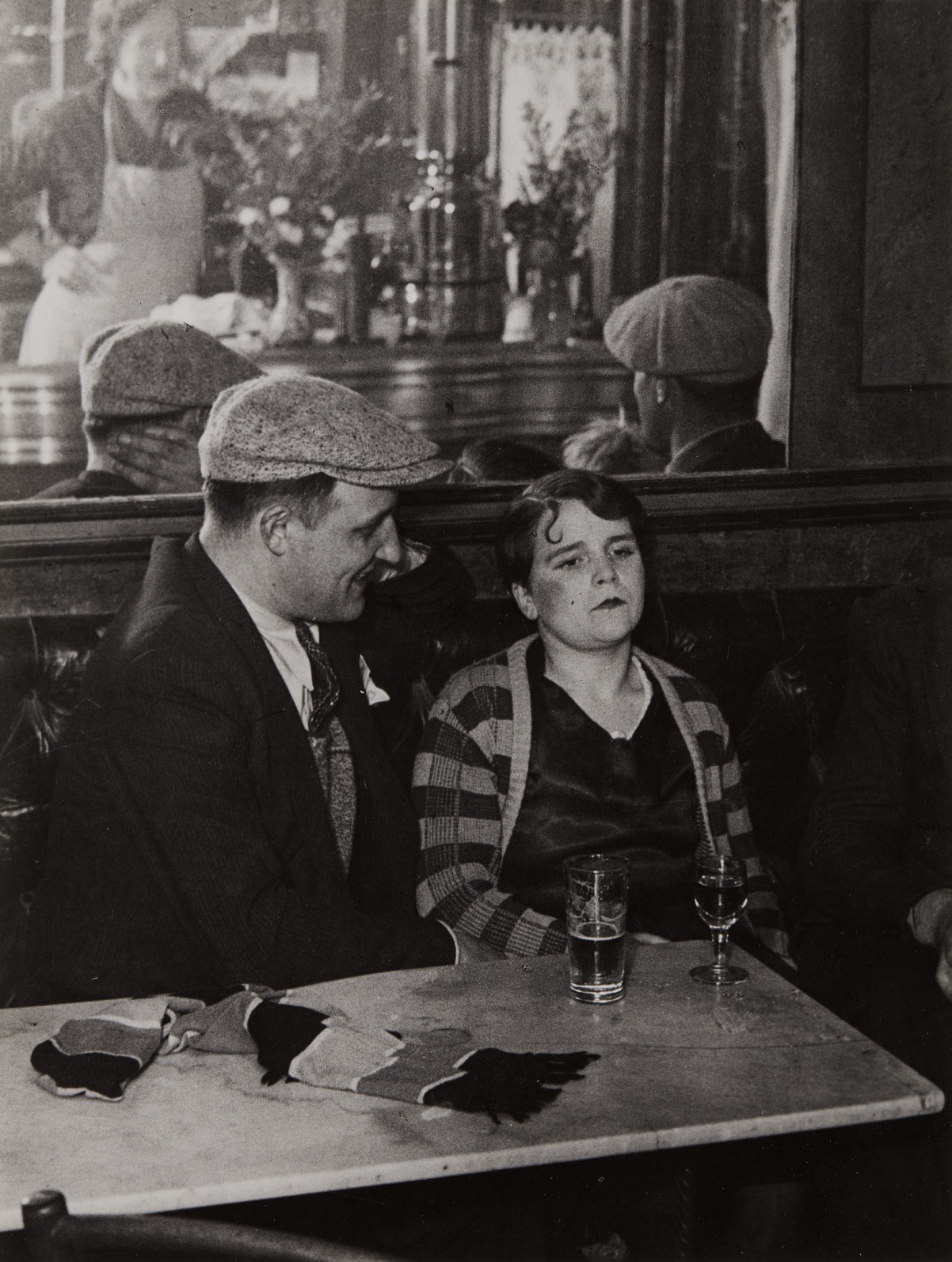
Brassaï (Gyula Halász)
Couple in a Bistro
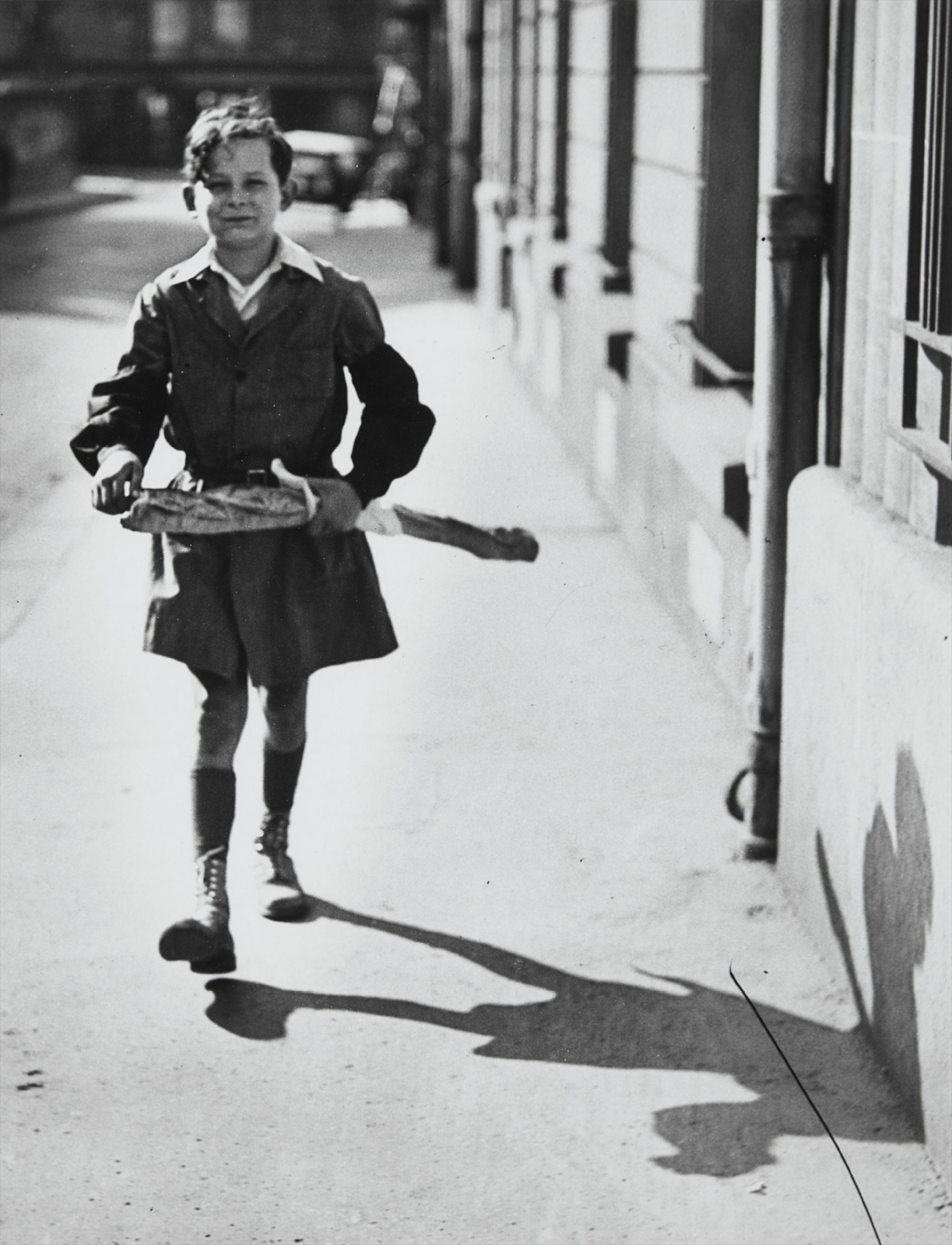
André Kertész
Paris, Morning Bread, Montparnasse
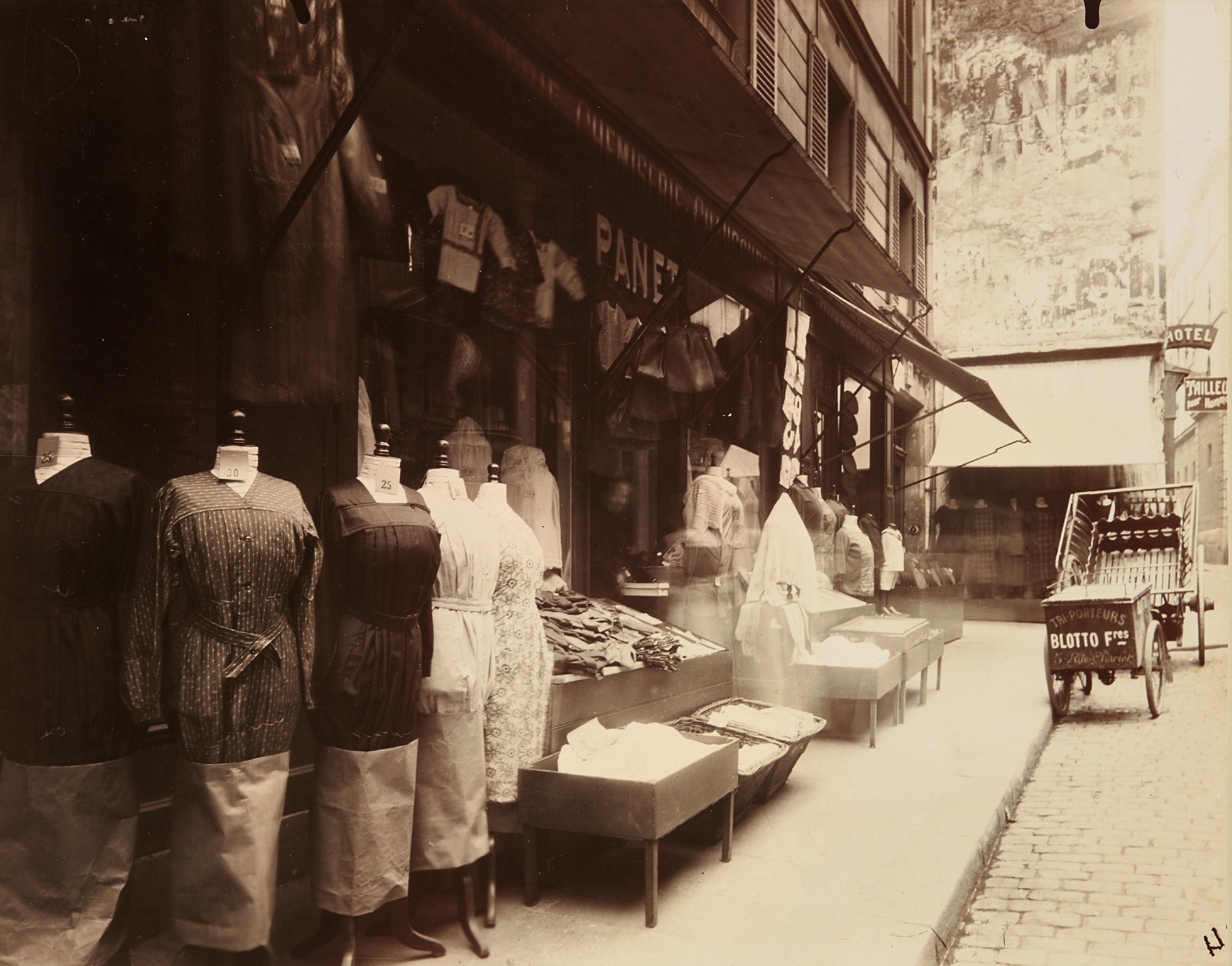
Eugène Atget
Rue Mouffetard
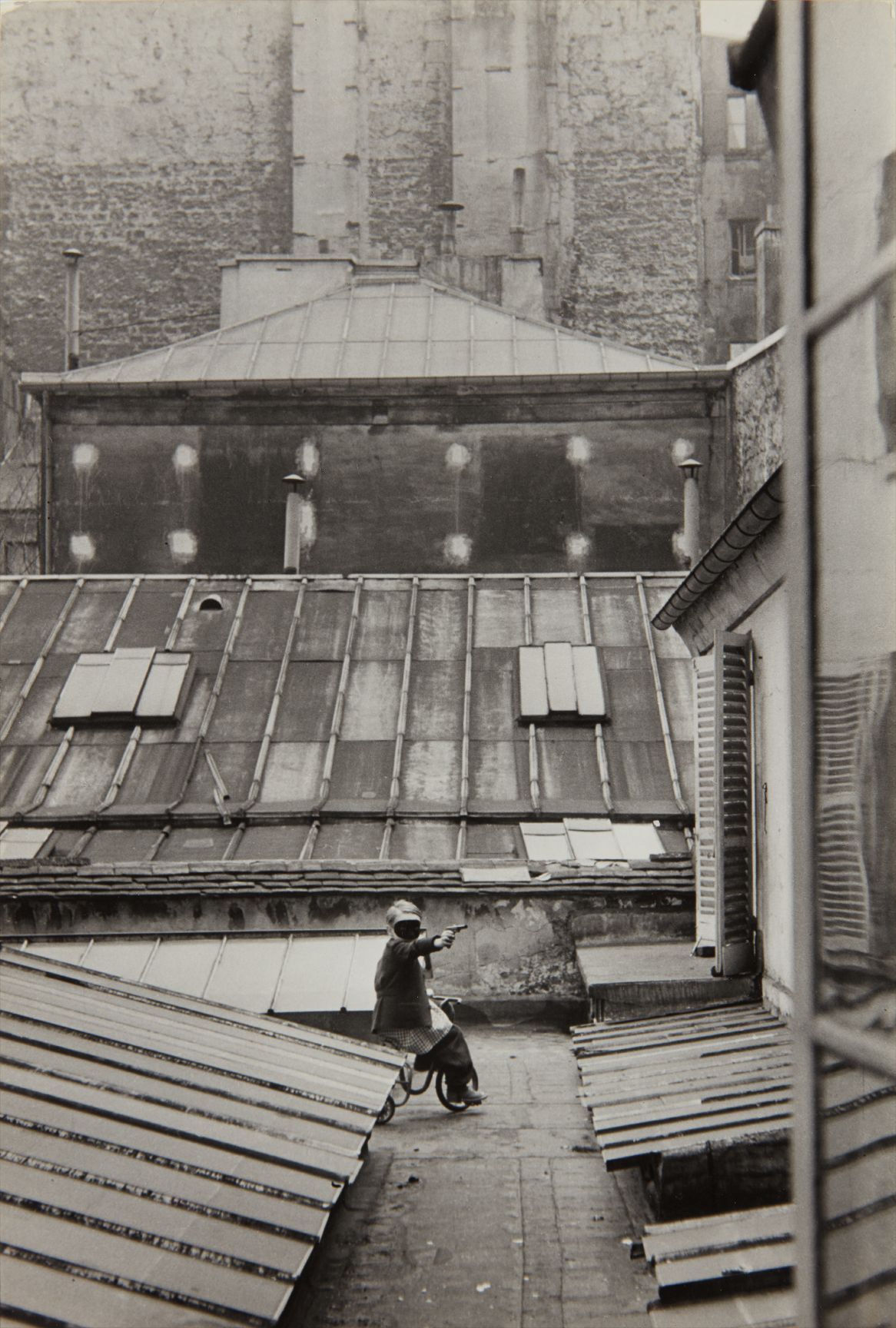
Henri Cartier-Bresson
Hotel court, rue de la Boétie, Paris
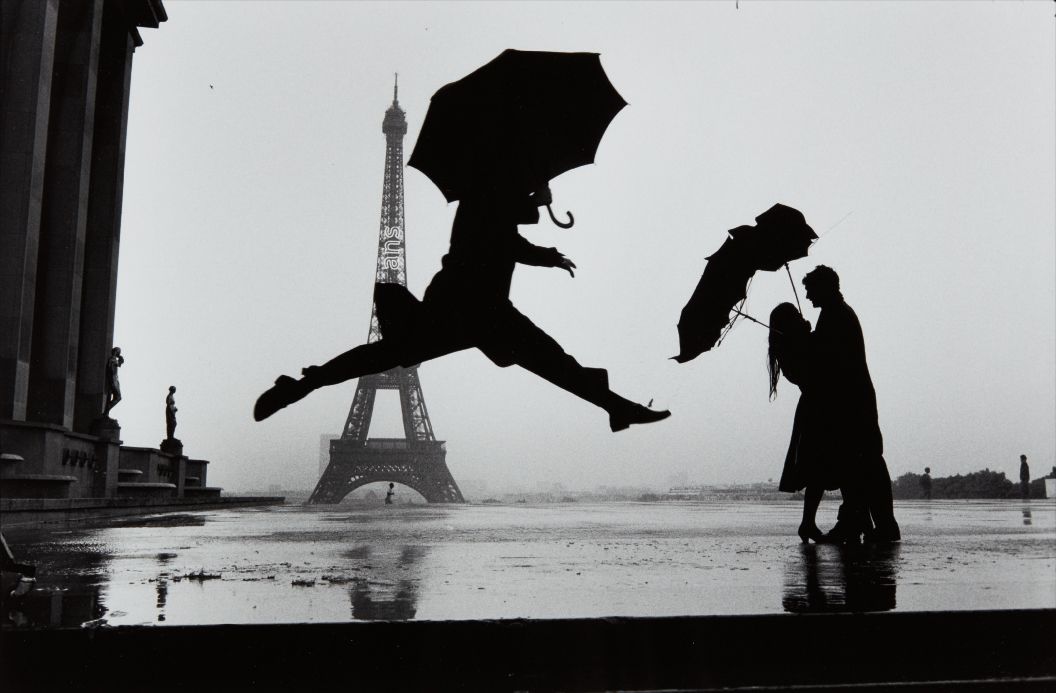
Elliott Erwitt
Paris
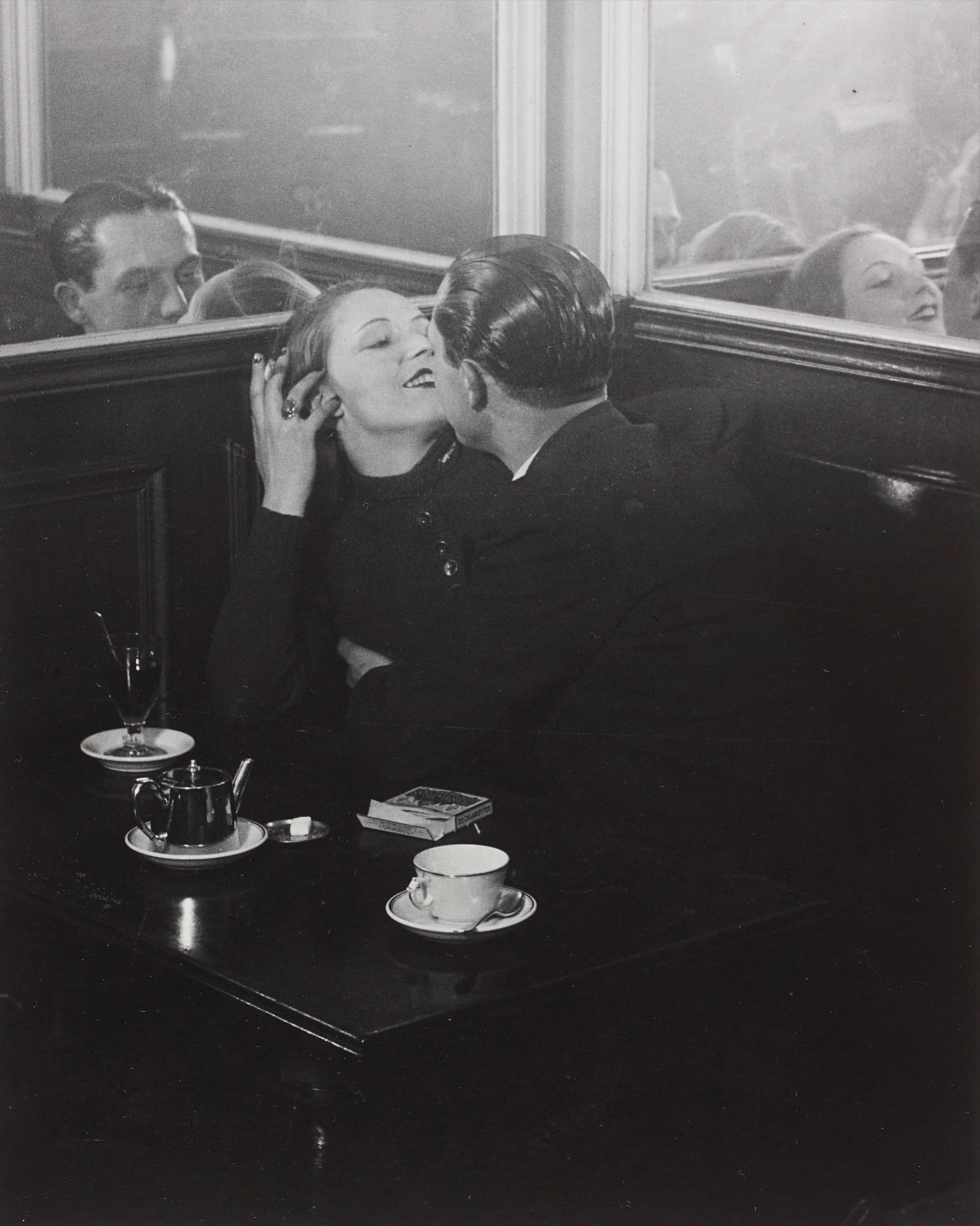
Brassaï (Gyula Halász)
Couple d'amoureux, quartier place d'Italie
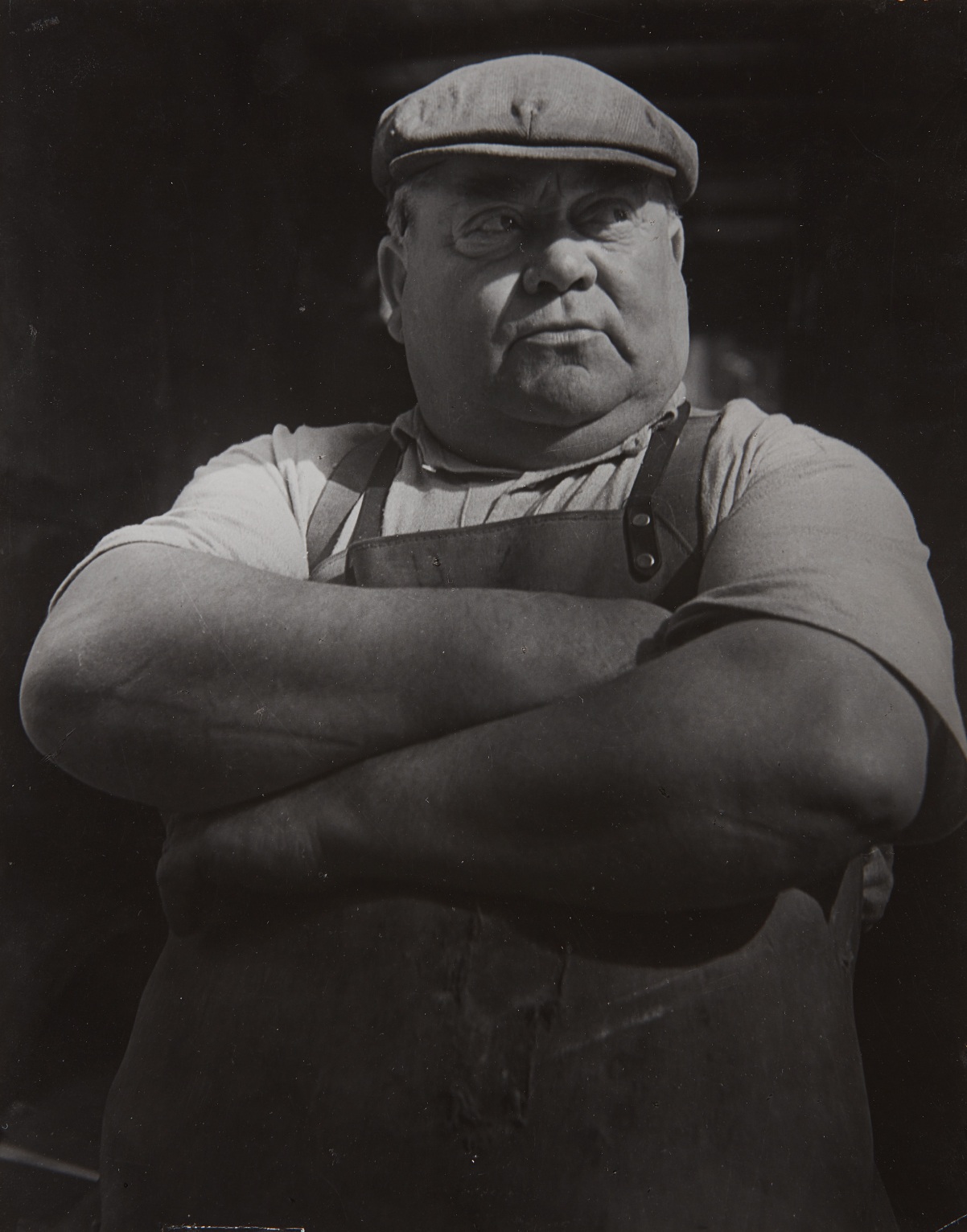
Brassaï (Gyula Halász)
Un Fort des Halles (Market Porter, Les Halles)