Narrative Figuration
Archived article
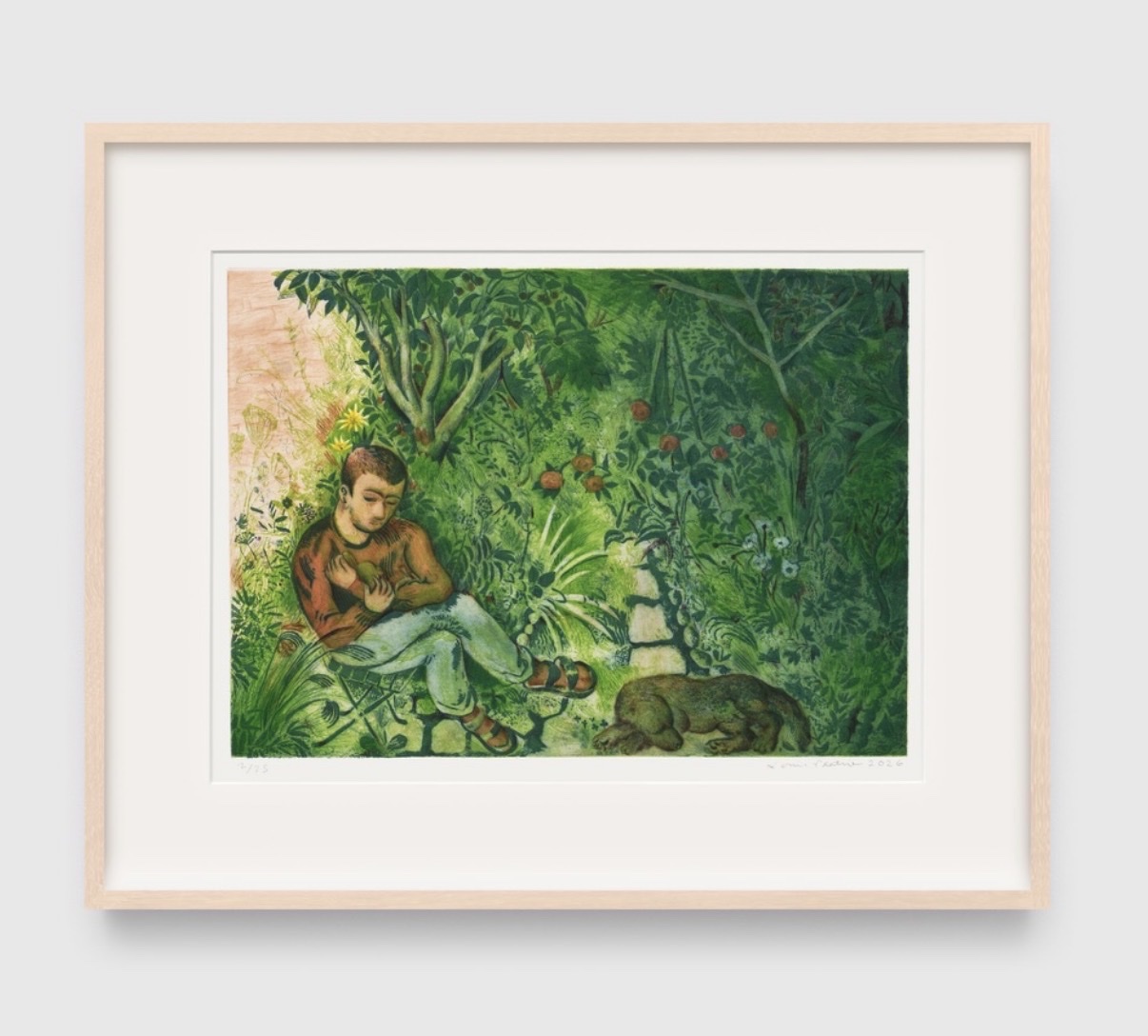
Louis Fratino
September 3
You are reading a previous version of this article.
Read the latest version```json { "headline": "The Figure Returns, and It Has Things to Say", "body": "When Adrian Ghenie's \"Nickelodeon\" sold at Christie's London in 2016 for over nine million pounds, shattering its estimate by a factor of three, the art world took notice in the way it only does when money confirms what critical intuition has been quietly insisting for years. The figure was back, and not in the nostalgic, market hedging way that had characterized certain strands of the 1980s revival. This was something more urgent, more psychologically loaded, more willing to hold the contradictions of painting itself right on the surface of the canvas. Ghenie's work, with its smeared faces and art historical haunting, felt less like a return to figuration than an argument for why figuration had never really left.
", "Narrative figuration as a critical category sits at an interesting crossroads right now. It names something that collectors, curators, and critics all recognize on instinct but struggle to define tidily. The work tends to involve figures doing something, or at least implying that something has happened or is about to happen. There is a sense of elapsed time, of consequence, of the image as a scene rather than merely a surface.
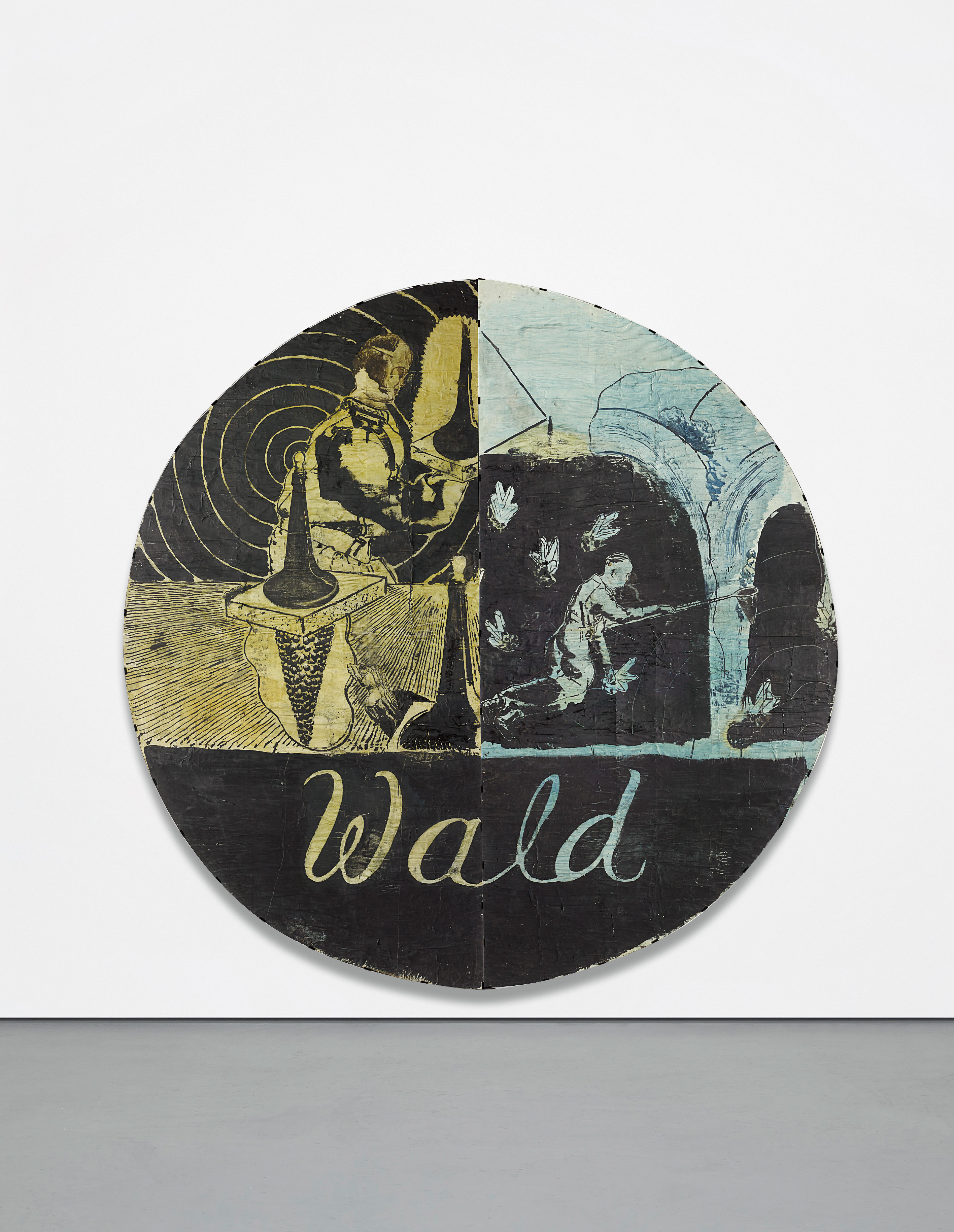
Neo Rauch
Wald
This is what separates it from portraiture on one end and from purely symbolic or abstract figure work on the other. It is painting as storytelling that remains suspicious of easy resolution.", "The exhibitions that have shaped recent critical conversation around this tendency have come from across the institutional spectrum. The Stedelijk Museum in Amsterdam gave Neo Rauch a substantial survey that drew enormous attendance and serious scholarly engagement, confirming that his mythological dreamscapes set in a kind of East German psychological limbo were not a market anomaly but a genuine contribution to postwar European painting.
Rauch's work, well represented on The Collection, rewards the kind of slow looking that narrative content demands. His figures are always mid gesture, caught between intention and outcome, and the narrative withholds resolution in a way that feels distinctly contemporary even when the visual vocabulary reaches back to Caspar David Friedrich and Social Realism simultaneously.", "The market data tells a story of expanding appetite at multiple price points. Ghenie remains the headline figure for auction performance, but the more interesting movement has been happening in the tier below, where artists like Hernan Bas and Louis Fratino have seen sustained institutional and secondary market interest.
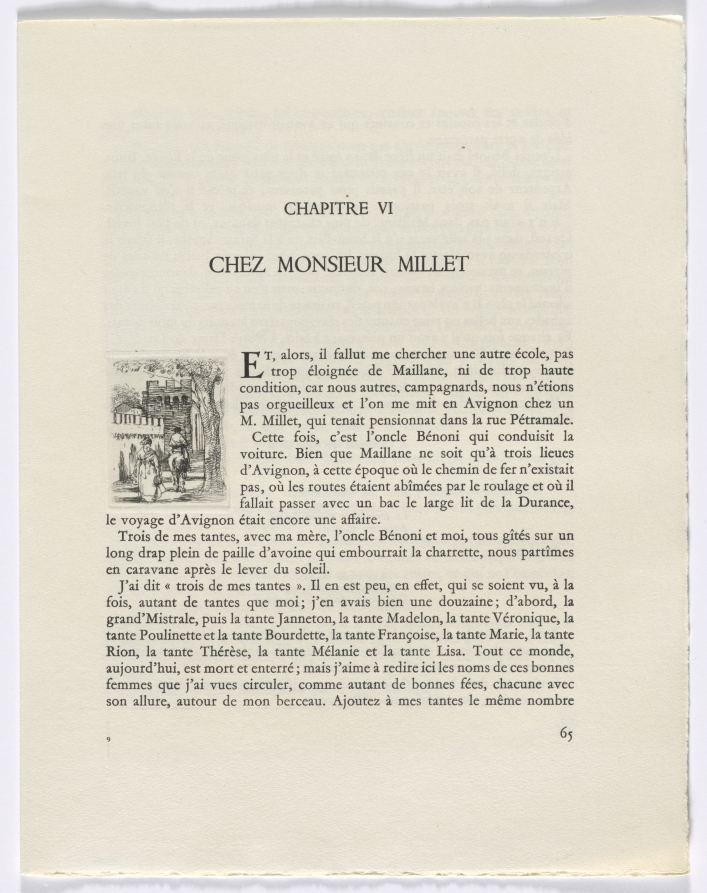
Auguste Brouet
Frédéric Mistral: Mémoires et Recits by Frédéric Mistral: woman and man on horse (page 65), 1937
Fratino's intimate figurative scenes, which carry the influence of Bonnard and the gay literary tradition in equal measure, have moved from cult critical favorite to genuine collecting priority at a pace that surprised even close observers of his career. Bas, whose work draws on subcultural folklore and gothic literary traditions, has been collected by major American institutions including the Museum of Contemporary Art in Chicago, which signals a kind of canonical patience that the market tends to follow.", "Institutional collecting patterns reveal a great deal about which artists are being positioned for long term significance. The Walker Art Center, the Hammer Museum, and the ICA in London have all made notable acquisitions in this space over the past decade, and their choices tend to cluster around artists whose narrative work engages questions of identity, memory, and cultural inheritance rather than pure formalist concerns.
Radcliffe Bailey, whose layered paintings and assemblages weave African American history into dense visual fields, has been collected by the High Museum of Art and the Museum of Fine Arts in Boston, among others. His presence on The Collection sits alongside that of Francis Alÿs, whose work occupies a different register entirely but shares the commitment to image making as a form of witness to history in progress.", "The critical writing around narrative figuration has shifted noticeably in the past five years. Curators like Jarrett Gregory and writers associated with publications including Artforum, frieze, and The Brooklyn Rail have been building a vocabulary that moves away from the simple opposition of figuration and abstraction and toward more nuanced questions about what images owe their subjects and their viewers.
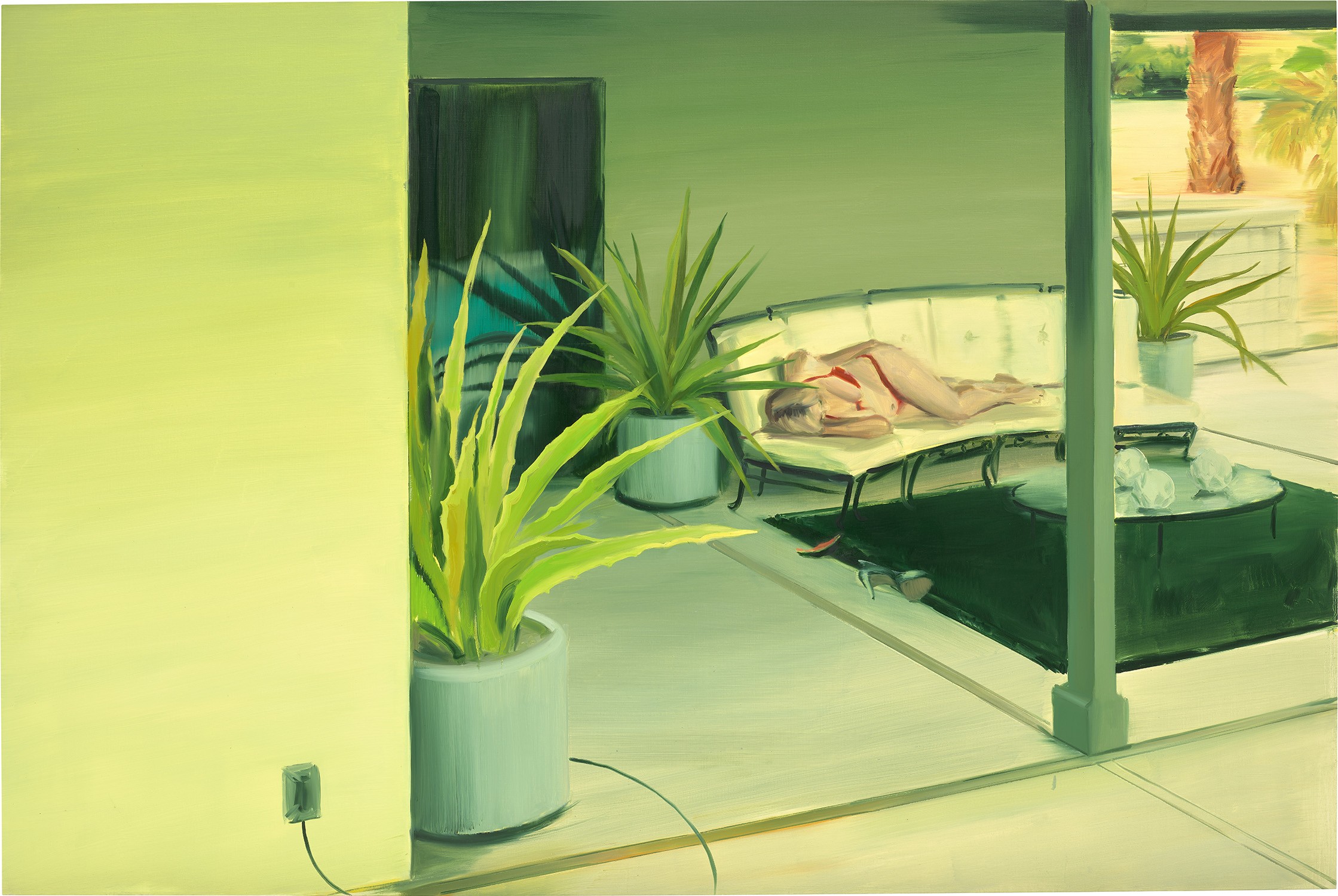
Caroline Walker
Afters, 2016
The conversation increasingly connects painting to literature, to cinema, and to the long history of images made to carry communal memory. Tammy Nguyen's work, which draws on Southeast Asian historical imagery and decorative traditions to construct densely layered allegorical scenes, has become a touchstone in this writing precisely because it refuses to let Western art historical frameworks have the last word on what narrative painting can do.", "What feels genuinely alive in this space right now is a generation of painters who are thinking about narrative not as a concession to accessibility but as a form of structural complexity. Caroline Walker's precisely observed domestic interiors, which place women in spaces of both comfort and constraint, use the conventions of narrative painting to create a kind of suspended social commentary that neither resolves into critique nor retreats into aestheticism.
Gino Rubert's strange, melancholic figures occupy a similarly unresolved territory. The surprise is that this work is finding serious collectors at a moment when the broader culture tends to demand that art announce its meanings quickly. Collectors who are building in this space are making a bet on duration, on the kind of work that changes as you live with it.", "Jean Dubuffet represents an important precedent here, and his influence on the current generation is more widely acknowledged in studio conversations than in published criticism.
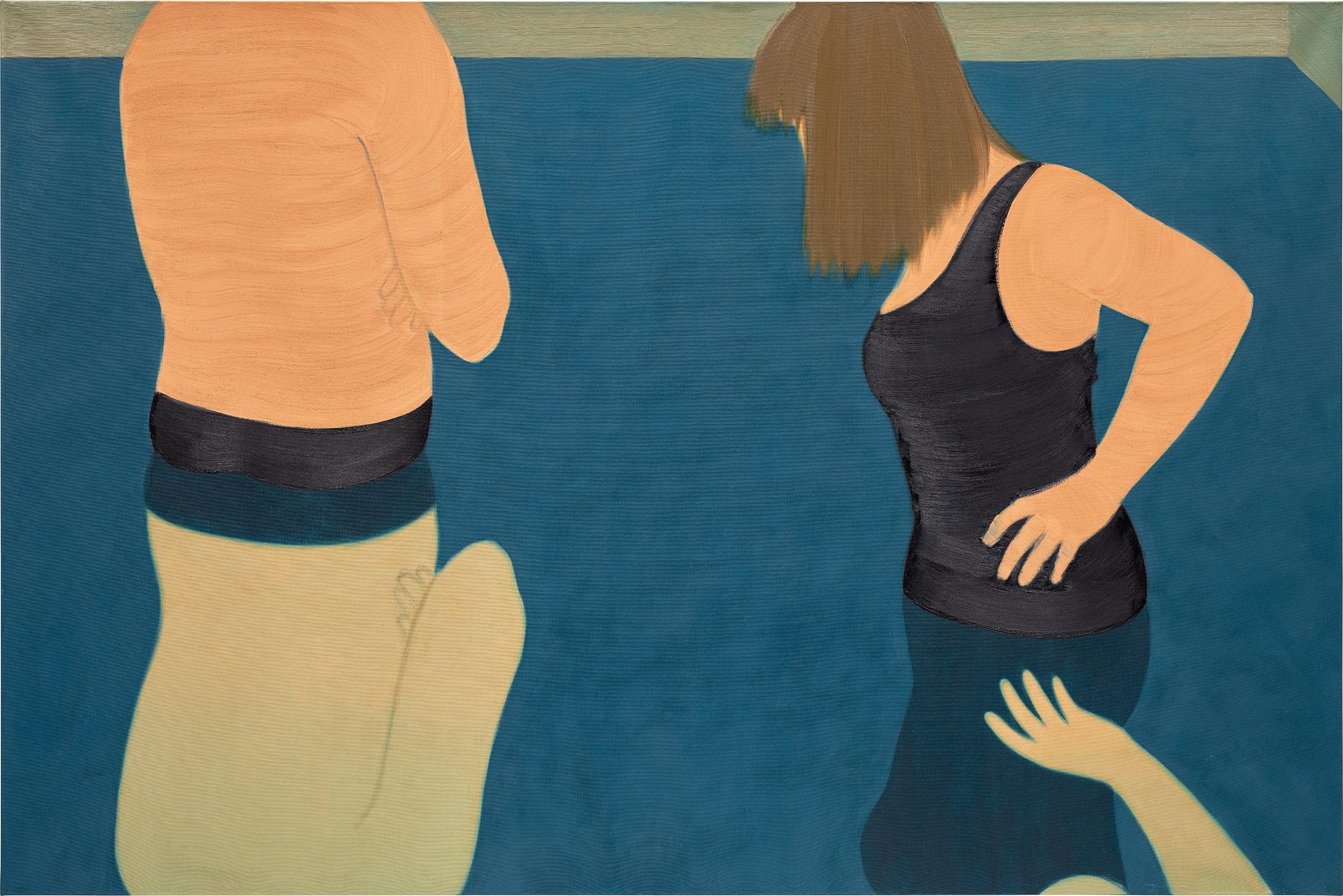
Julien Nguyen
Point Break, 2016
His insistence that image making could bypass the refinements of academic tradition to reach something more primitive and more honest about psychological experience opened a door that artists like Julien Nguyen and Eleanor Swordy walk through in ways that feel distinctly contemporary. Auguste Brouet, working in an earlier register, offers a reminder that the narrative print and painting tradition has deep roots in social observation that the current moment is retrieving with fresh eyes. David Kim Whittaker's work on The Collection connects to these lineages while maintaining a quality of personal witness that keeps the category feeling open rather than settled. The energy here is real, the critical frameworks are catching up, and the collecting opportunity remains genuinely interesting for those paying attention.
Works tagged Narrative Figuration
Neo Rauch
Wald
Auguste Brouet
Frédéric Mistral: Mémoires et Recits by Frédéric Mistral: woman and man on horse (page 65)
Julien Nguyen
Point Break
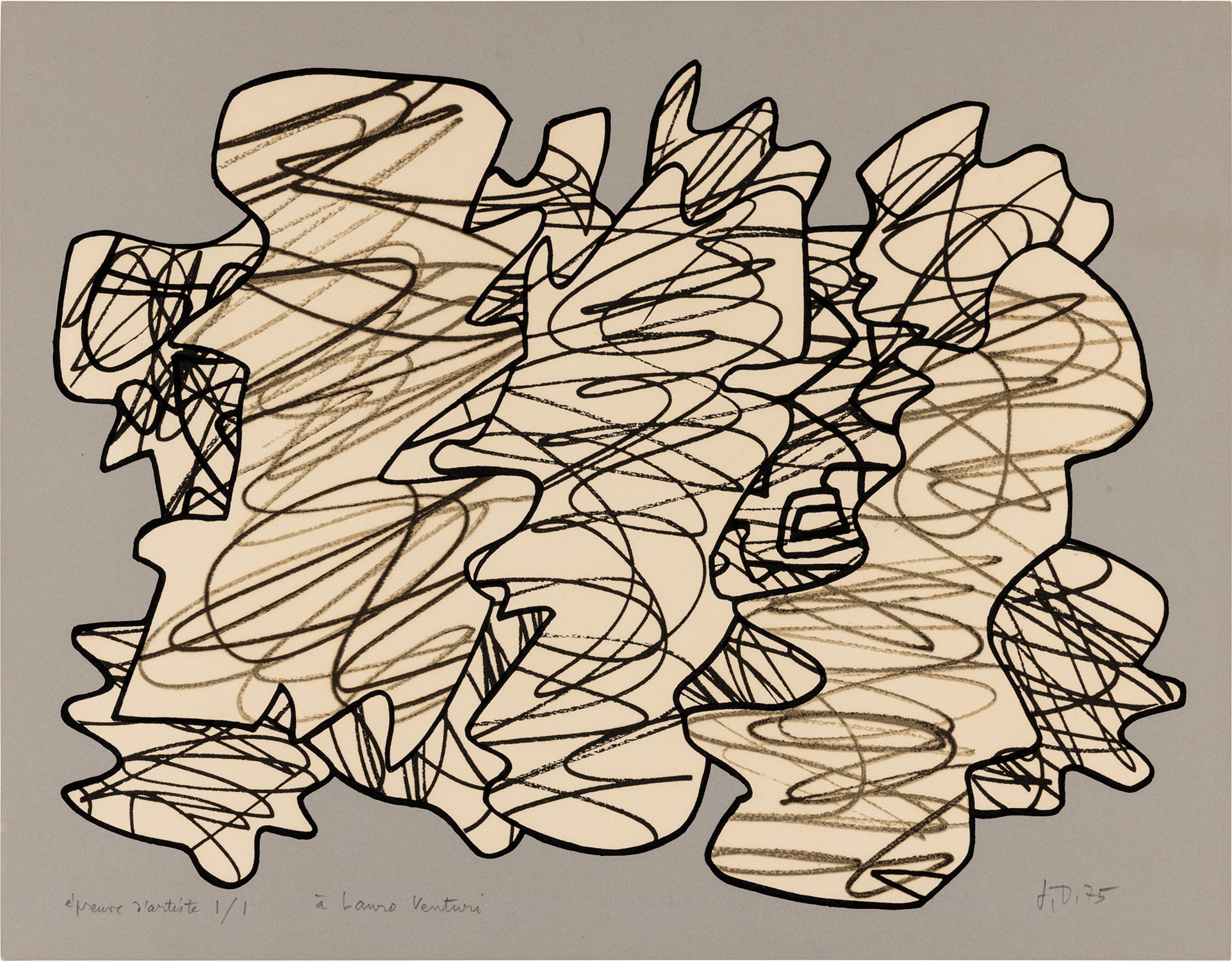
Jean Dubuffet
Récit (Story) (W. 1185)
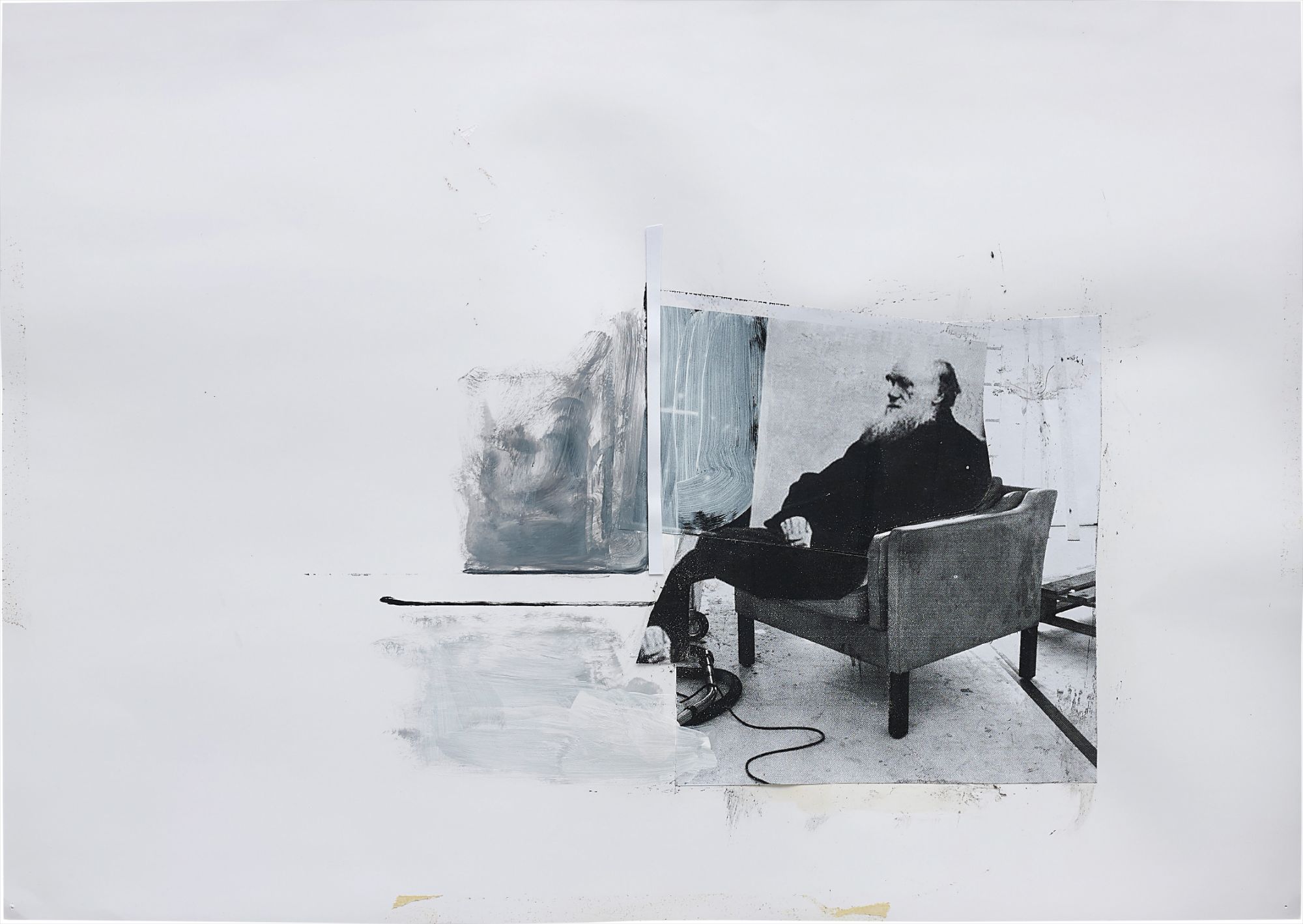
Adrian Ghenie
Study for 'Self-Portrait as Charles Darwin'
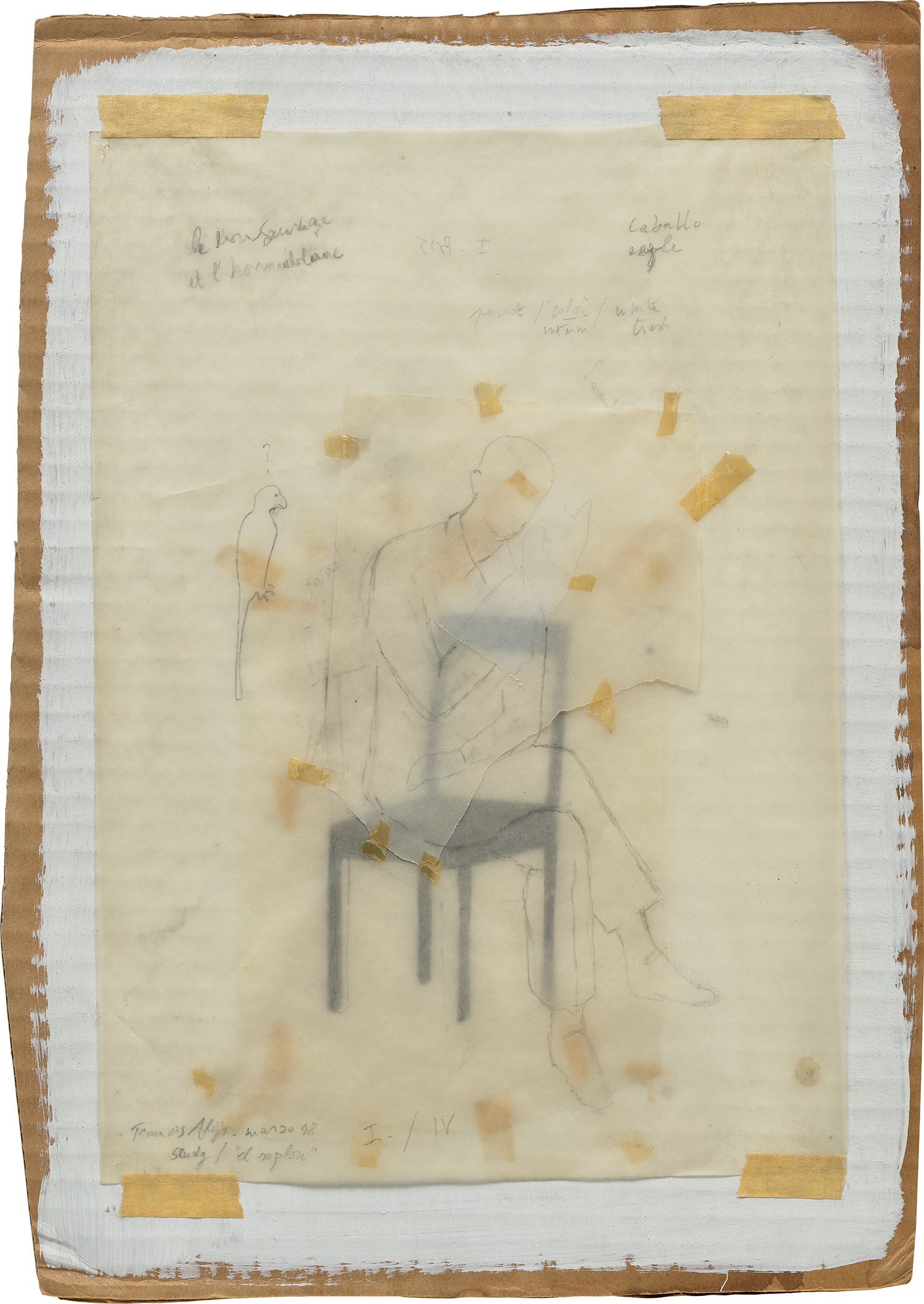
Francis Alÿs
Study for "El Soplon"
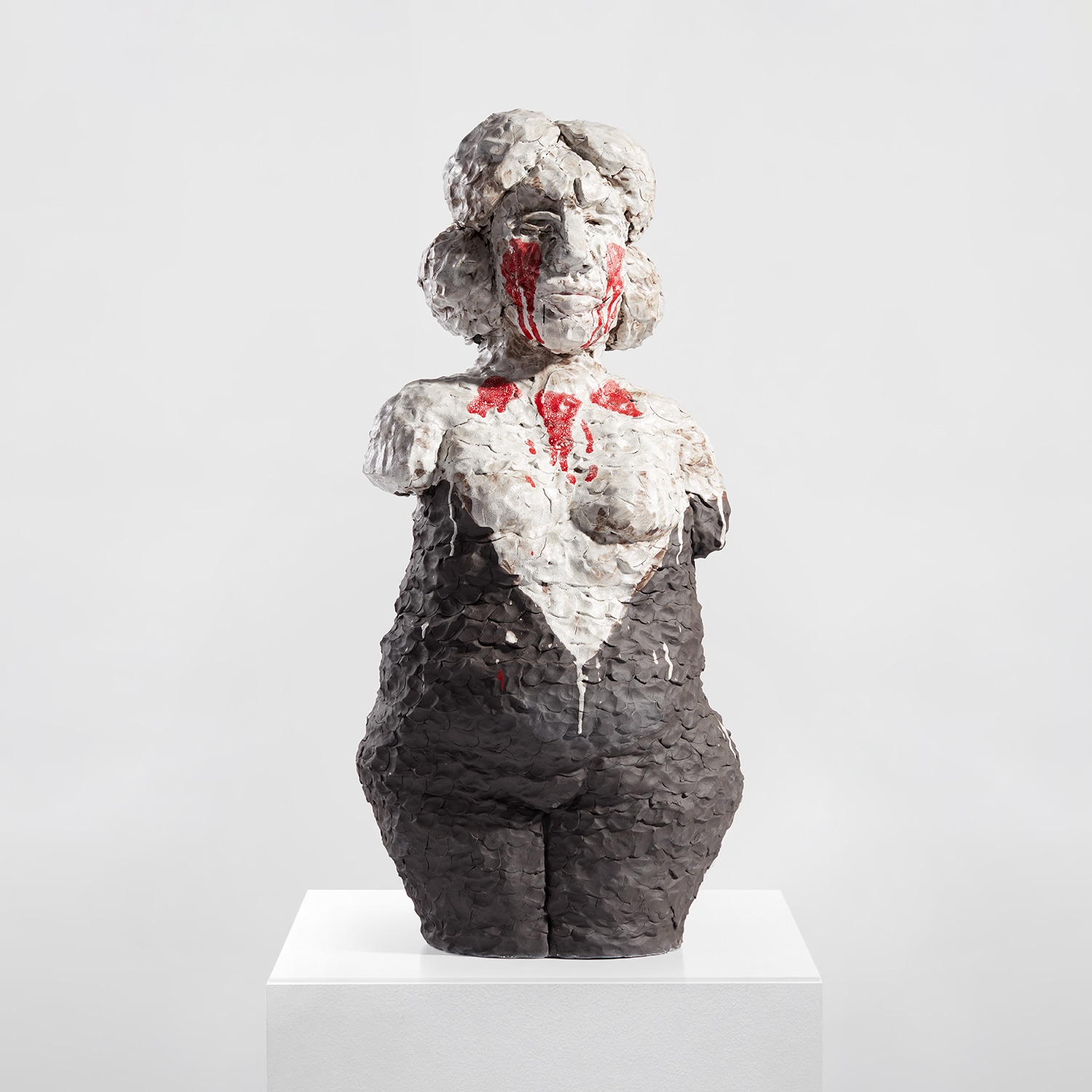
Tammy Nguyen
Northeast Storm and the Young King
Caroline Walker
Afters
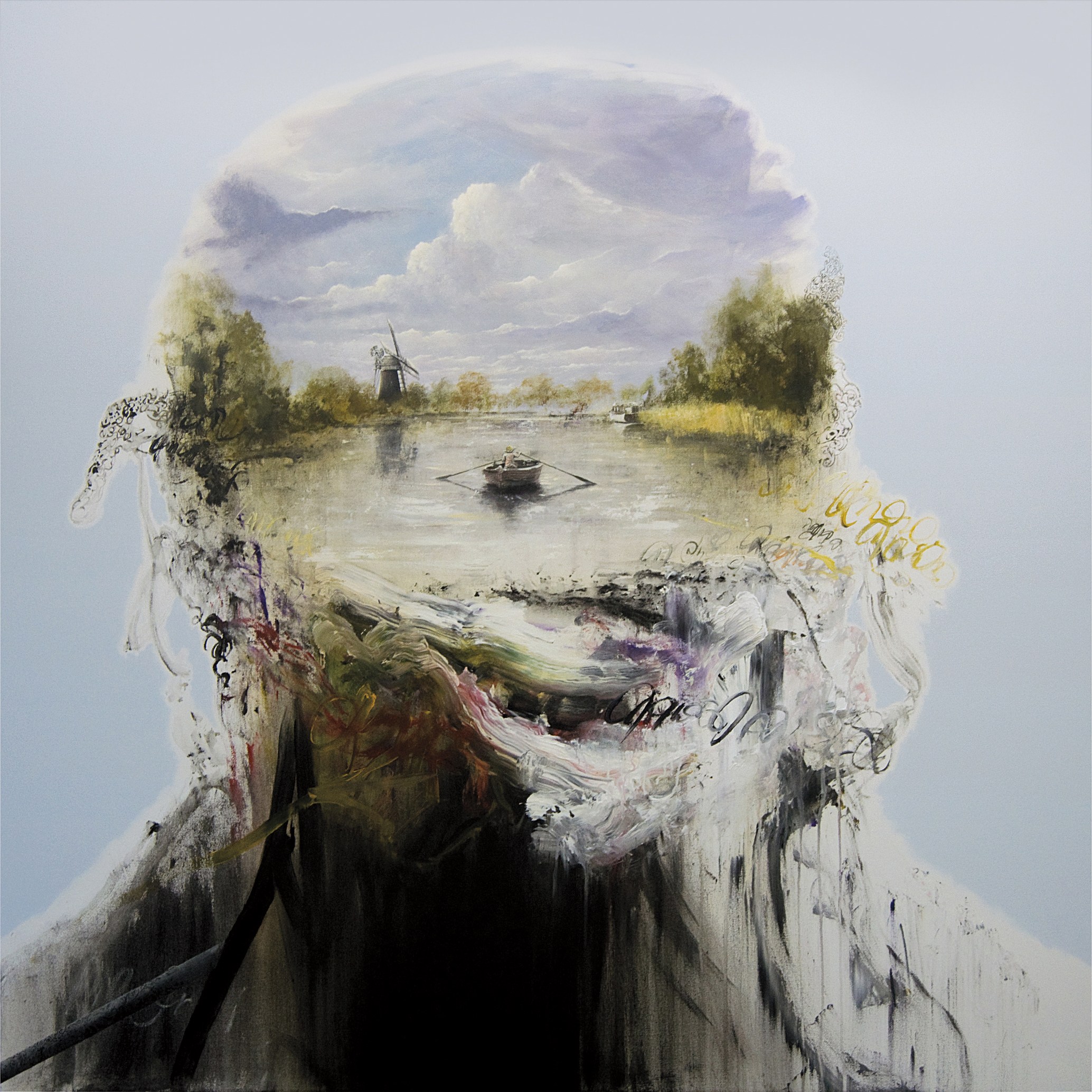
David Kim Whittaker
Self Portrait Four, Jewel Box (The Broads, Thunder Showers, Late Afternoon, A Young Girl in Reflection, Poetics of the Past Never Forgotten)
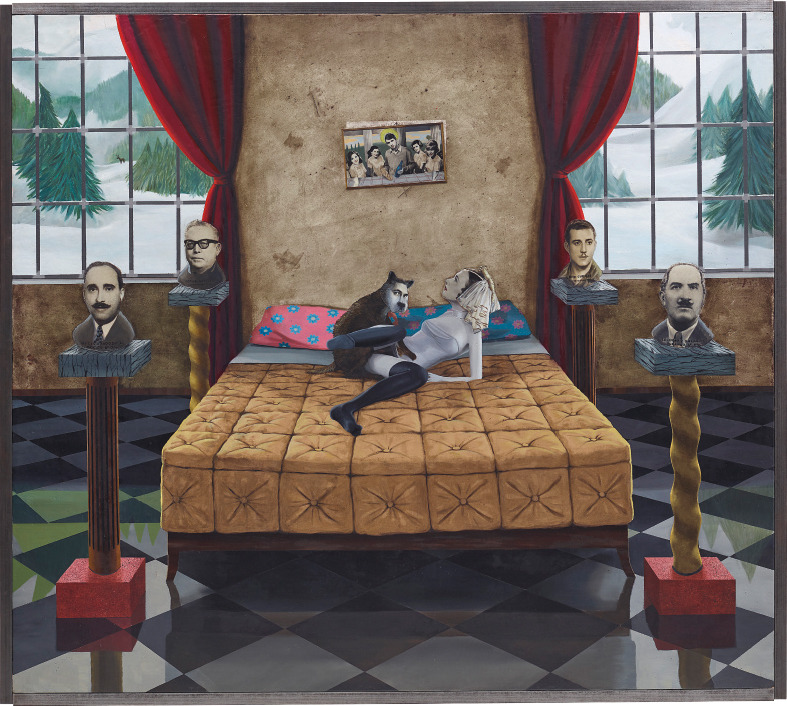
Gino Rubert
Action on Golden Bed
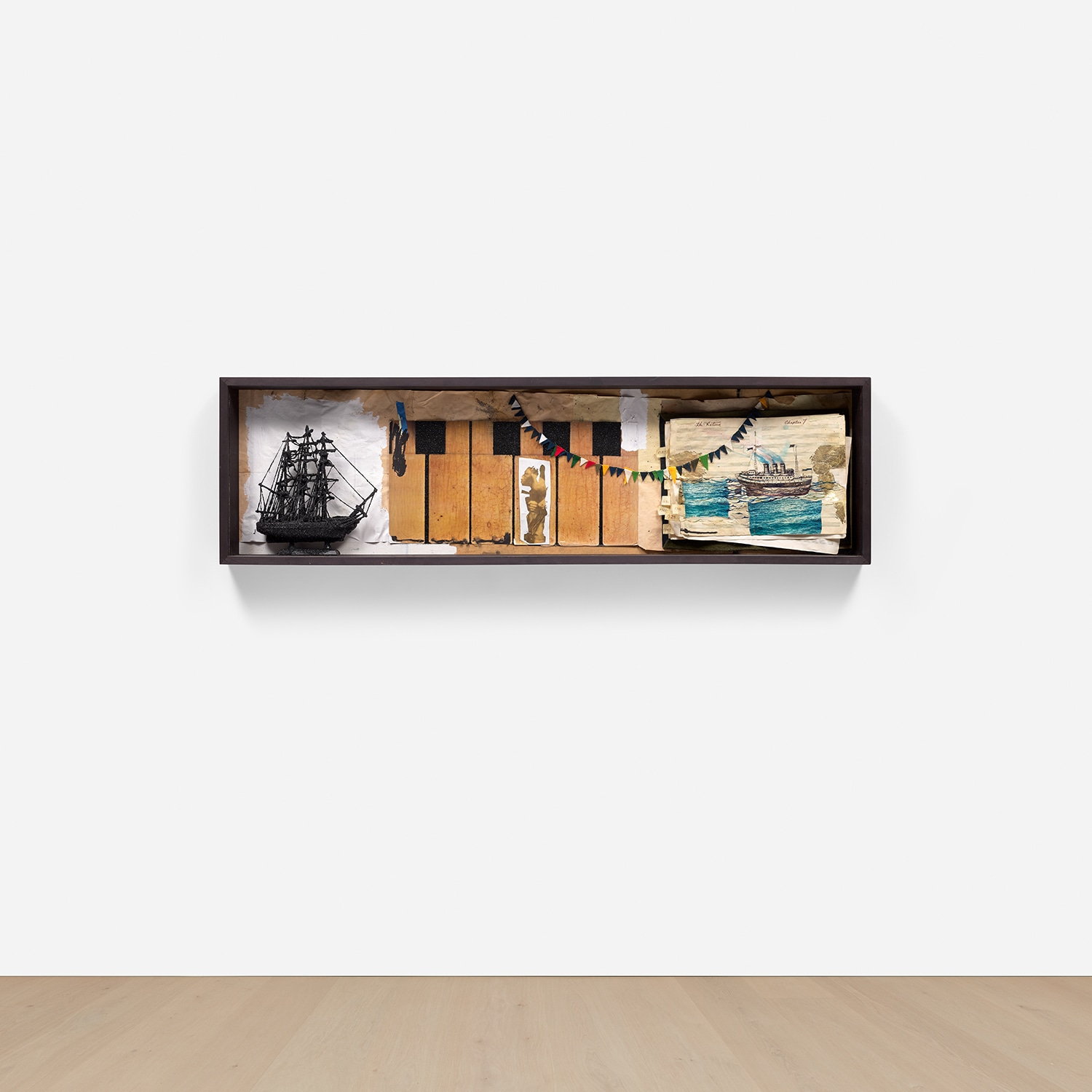
Radcliffe Bailey
Chapter 7
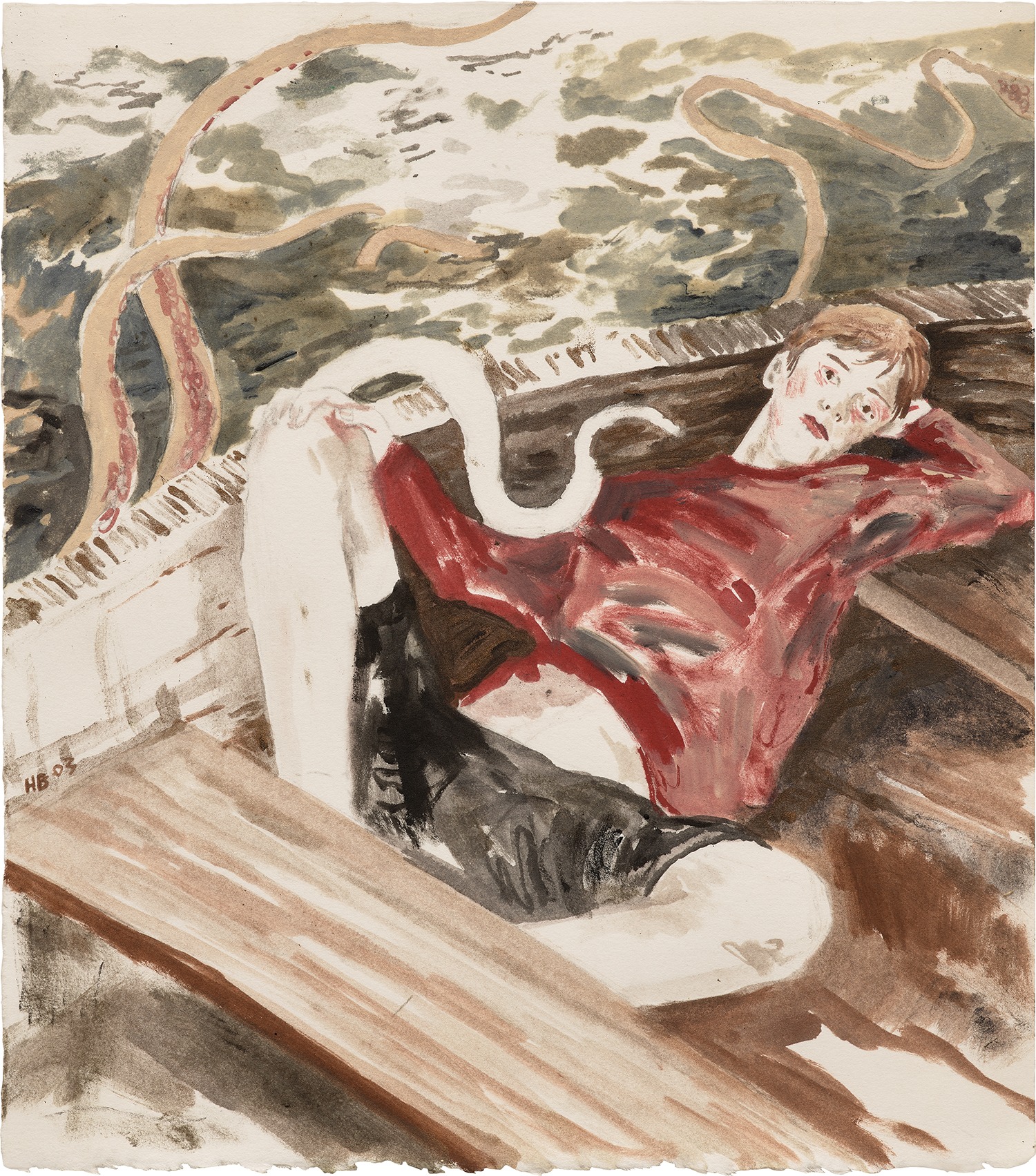
Hernan Bas
Laying Back, A Little Moby Dick in the Net
Louis Fratino
September 3
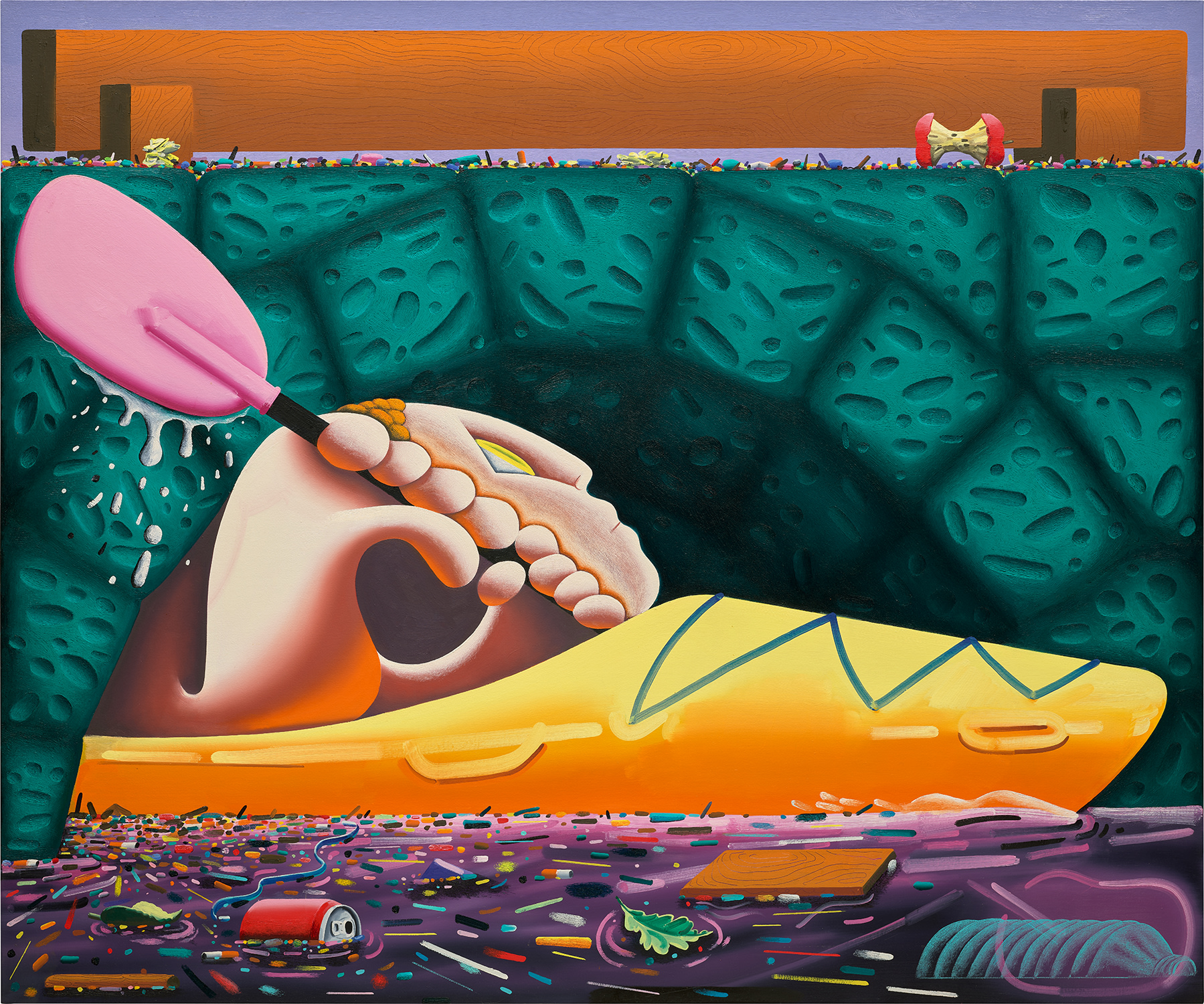
Eleanor Swordy
I Know What You Did Last Summer