Multidisciplinary
Archived article
You are reading a previous version of this article.
Read the latest version```json { "headline": "No Medium Left Behind: The Multidisciplinary Impulse", "body": "There is a particular kind of artist who cannot be satisfied by a single language. The painter who begins to hear music in her compositions, the sculptor who realizes the wall is as interesting as the object placed before it, the filmmaker who understands that the screen is just one surface among many. This restlessness is not a lack of focus. It is, more often than not, the sign of an exceptionally focused intelligence searching for the form that best carries its content.
Multidisciplinary practice is the art world's most honest acknowledgment that experience itself does not arrive in categories.", "The conversation about multidisciplinary art often begins in the twentieth century, but its roots stretch further back. The Renaissance ideal of the universal person, someone capable of moving fluently between painting, architecture, sculpture, and natural philosophy, was never entirely abandoned. What changed in the postwar era was the institutional permission to pursue that ideal without apology.
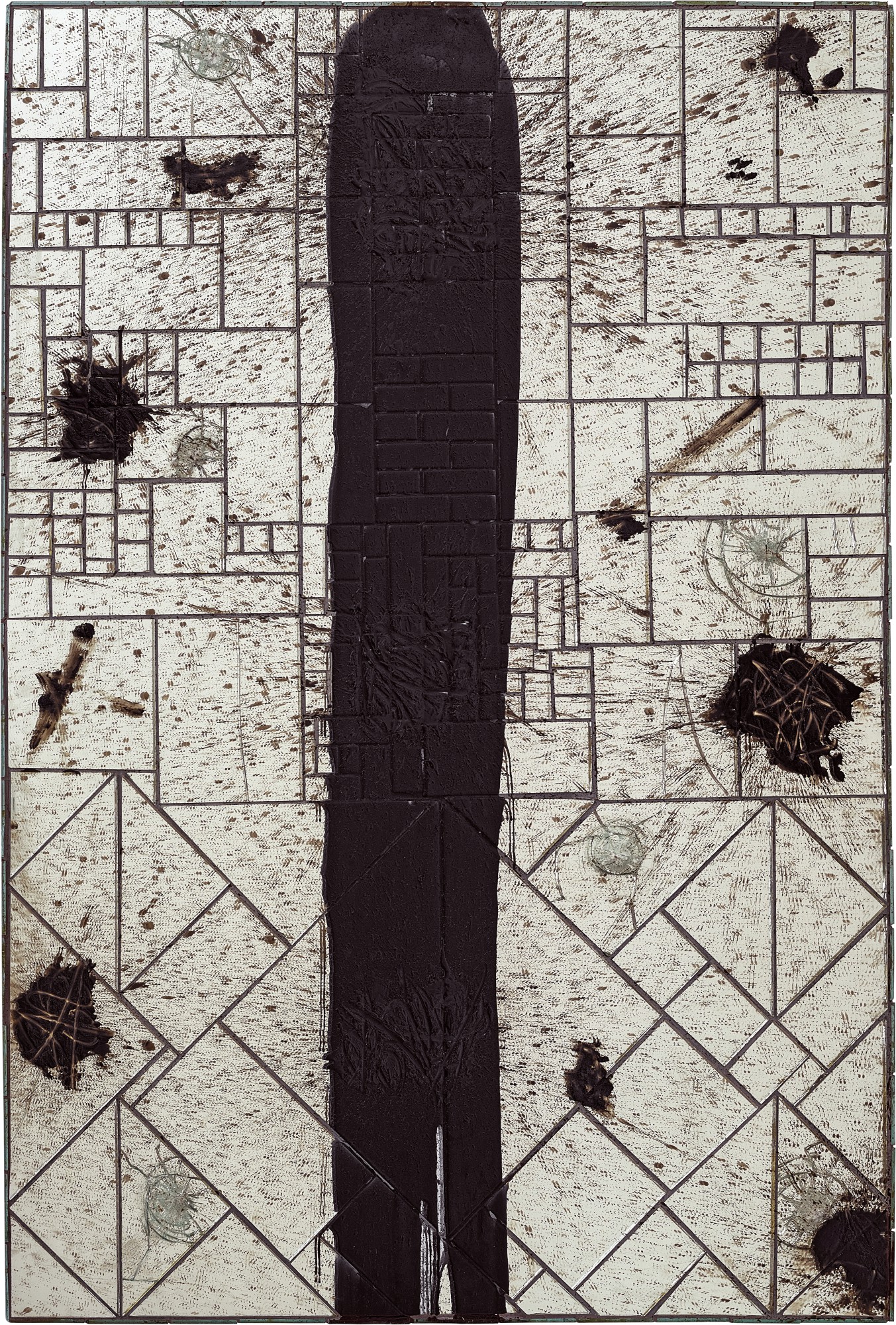
Rashid Johnson
Ages 年齡, 2013
By the late 1950s and early 1960s, the conditions were in place for a genuine rupture. Artists began to ask what a painting could be if it incorporated a stuffed goat, a tire, and printed matter. Robert Rauschenberg answered that question with his Combines, works that absorbed the world around them rather than representing it at a safe aesthetic distance. His practice, sprawling across collage, performance, printmaking, and photography, became one of the defining arguments for a mode of making that refused containment.
", "Rauschenberg was not alone in dismantling medium specificity. The Fluxus movement, gathering force in the early 1960s around figures like George Maciunas and Joseph Beuys, proposed that art could be a score, a social action, a lecture, a conversation, or an object encountered in daily life. Beuys in particular theorized what he called social sculpture, a framework in which every human activity had the potential to become art. These ideas seeded decades of practice, giving subsequent generations both the vocabulary and the courage to work across disciplines without seeking permission from the existing hierarchies of medium or genre.

Ann Hamilton
Ann Hamilton
", "The 1980s and 1990s brought a new complexity to multidisciplinary work, as artists began to engage seriously with the politics of the body, identity, and institutional critique alongside their formal experiments. Robert Gober is an essential figure here. Working with sculpture, drawing, wallpaper, and installation, Gober constructs environments that feel simultaneously domestic and deeply strange. His objects, sinks, cribs, legs emerging from walls, carry enormous psychological weight precisely because they are encountered in spaces that feel inhabited and arranged rather than simply displayed.
There is a theatricality to his installations that belongs to no single discipline, and that is exactly where their power lives.", "Ann Hamilton operates in a similarly expansive register, though her sensory vocabulary is entirely her own. Since the late 1980s, Hamilton has built immersive installations that draw on textile, sound, language, the performing body, and architecture itself. Her 1993 installation tropos at Dia Center for the Arts in New York remains one of the landmark works of that decade, filling a floor with horsehair and engaging a performer in the slow act of burning text.

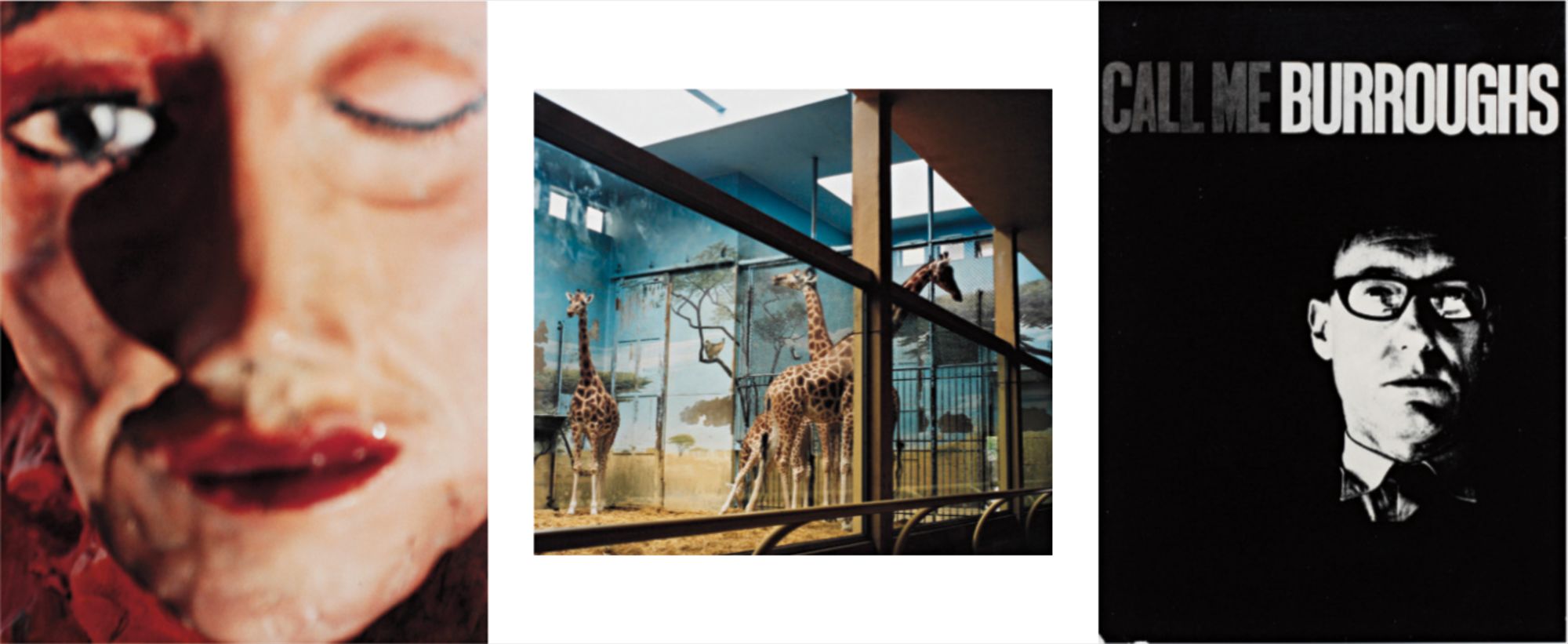
Various Artists
S.M.S. Portfolio #2
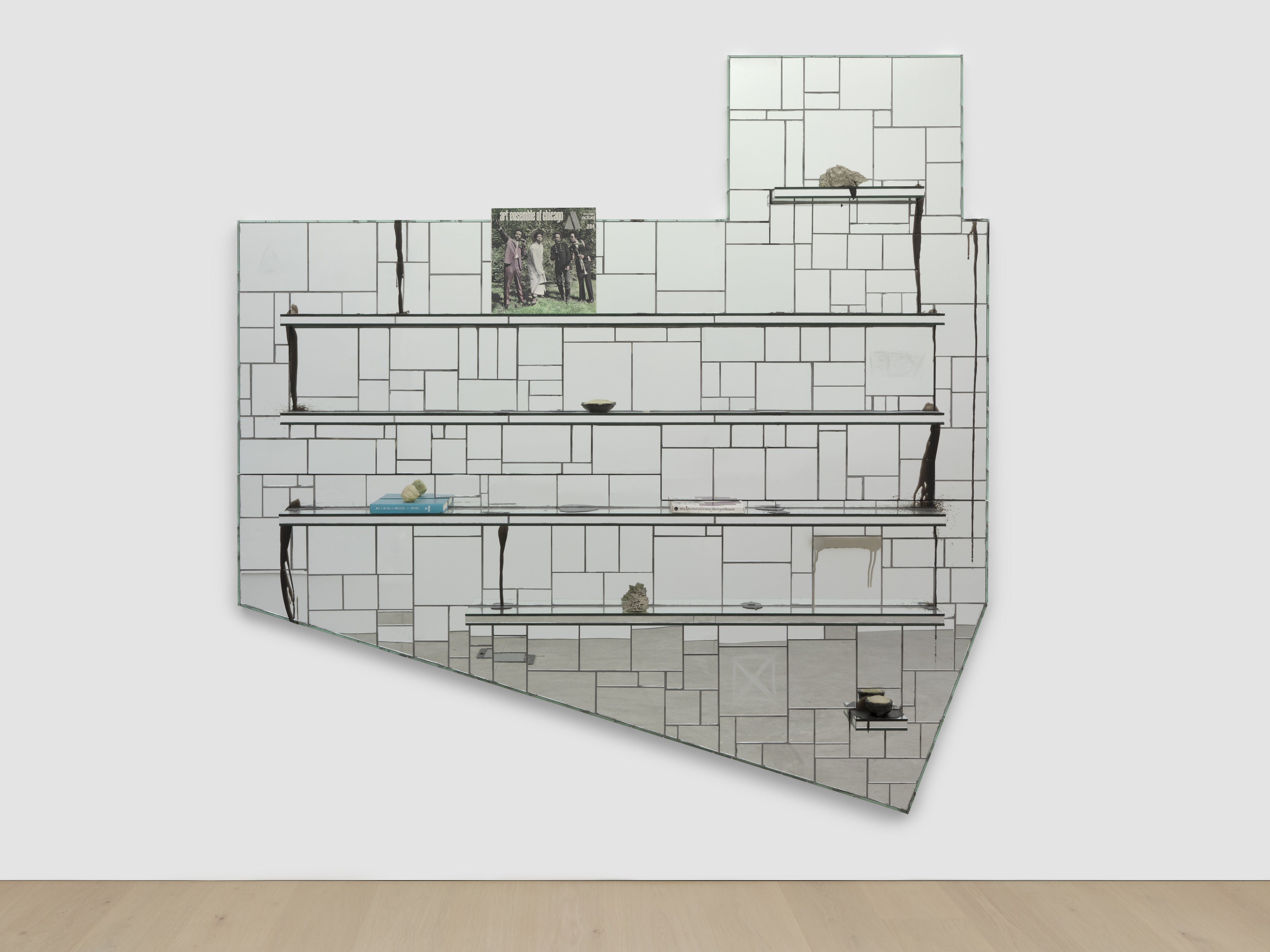
Hamilton understands that meaning accumulates through duration and material density, not through the clarity of a single medium. Her work invites a kind of attention that is closer to listening than to looking.", "Rashid Johnson brings a similarly layered sensibility to his practice, working across painting, sculpture, video, performance, and installation. Johnson draws on the materials of everyday Black life, shea butter, black soap, mirrors, plants, books, and transforms them into dense, allusive environments.
His work does not illustrate ideas so much as it builds atmospheres in which ideas can circulate. The conceptual range of his practice reflects an artist who understands that no single form is capacious enough to hold the complexity of history, identity, and lived experience that interests him. Johnson's presence on The Collection speaks to a broader commitment to artists who think in systems rather than in objects.", "Neil Beloufa represents a younger generation's engagement with these questions, bringing video, sculpture, and installation into a conversation with the politics of image making and global media.
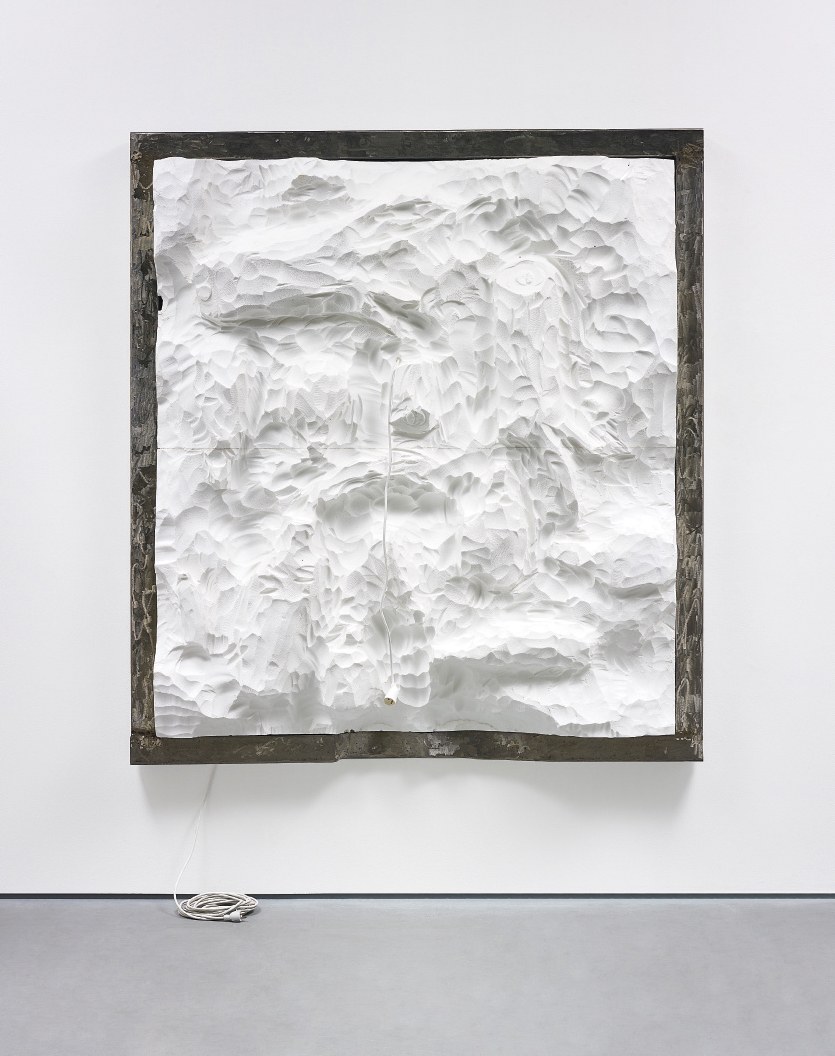
Neil Beloufa
Show off
His work frequently implicates the viewer in systems of looking and representation, asking us to examine not just what we see but the conditions under which seeing is organized. Jean Cocteau, reaching back to an earlier era entirely, offers a reminder that the multidisciplinary impulse has always attracted the most restlessly gifted minds. Cocteau moved between poetry, fiction, drawing, film, and theatre with a freedom that his contemporaries sometimes found difficult to categorize and that we now recognize as essential to his vision.", "What unites artists working across disciplines is less a shared technique than a shared conviction: that the best way to make something true is to use whatever is necessary.
This might mean sound on one day and steel on another, or it might mean that sound and steel and performance and text all arrive simultaneously within a single installation. The conceptual framework that makes this coherent is not eclecticism but necessity. The work demands what it demands, and the artist follows. This orientation toward necessity over convention is what distinguishes genuine multidisciplinary practice from mere novelty.
", "The cultural significance of this approach extends well beyond the studio or the gallery. At a moment when the boundaries between disciplines are dissolving across science, technology, philosophy, and social life, art that refuses to be contained by a single medium offers a kind of model. It demonstrates that complex ideas require complex forms, that the interesting problems are always at the edges of categories rather than safely within them. Javier Calleja, known for his work that blends drawing, sculpture, and a distinctly personal visual iconography, shows that even within a recognizable aesthetic signature there is room for genuine formal adventure.
", "For collectors, multidisciplinary practice presents both a challenge and an invitation. The challenge is that these works resist easy classification, and the market has not always known how to value them with consistency. The invitation is that they demand genuine engagement. You cannot approach a Gober installation or a Hamilton environment and remain a passive observer.
These works ask something of you. They require time, presence, and a willingness to sit with ambiguity. That is, in the end, what the best collecting also requires. The works gathered on The Collection reflect an understanding that the most enduring art is almost always the kind that cannot quite be explained by any single category.
It can only be experienced.
Works tagged Multidisciplinary
Rashid Johnson
Ages 年齡
Ann Hamilton
Ann Hamilton
Various Artists
S.M.S. Portfolio #2
Various Artists
Walcheturm
Rashid Johnson
Art Ensemble
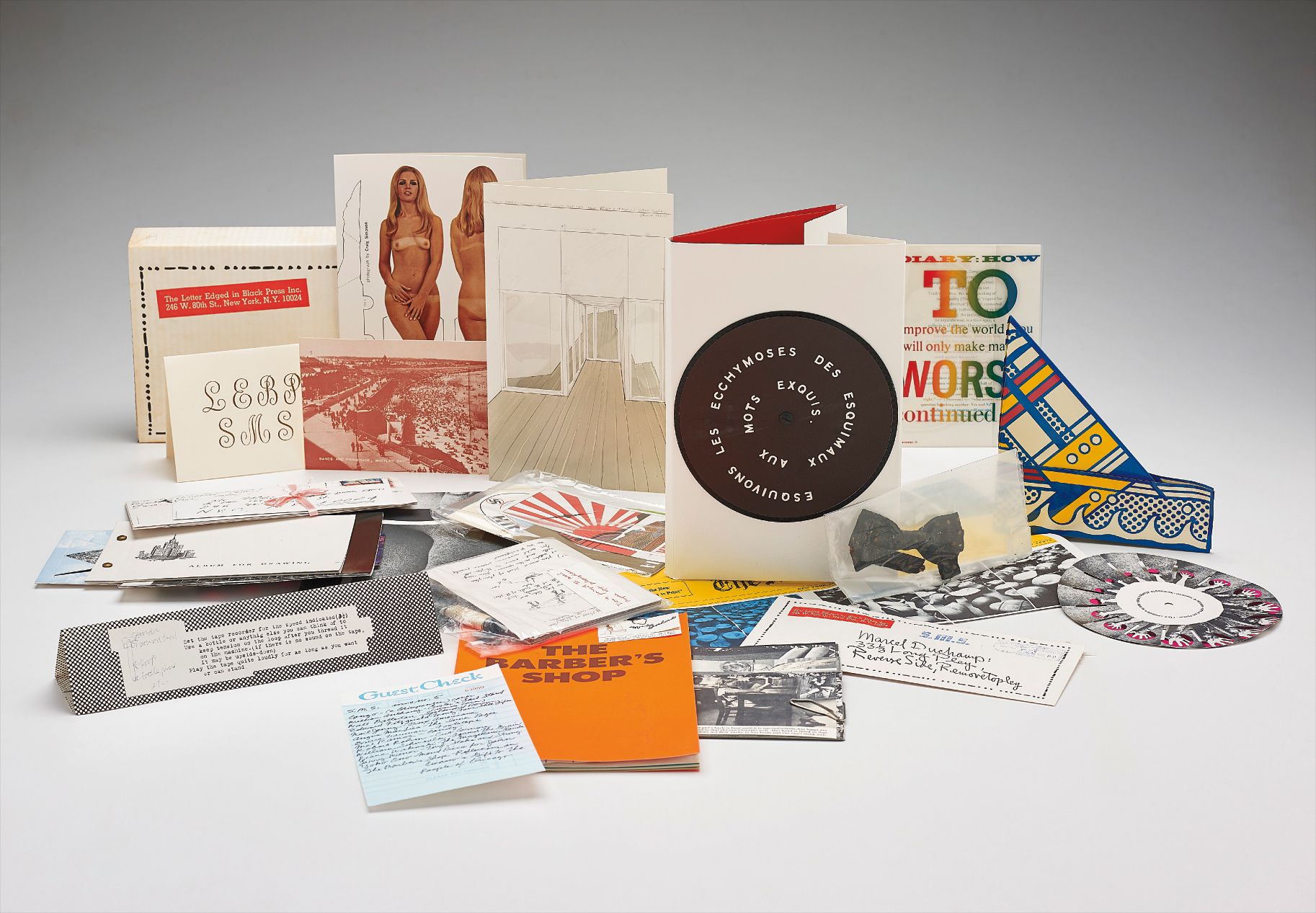
Various Artists
S.M.S. Portfolios #1-6
Neil Beloufa
Show off
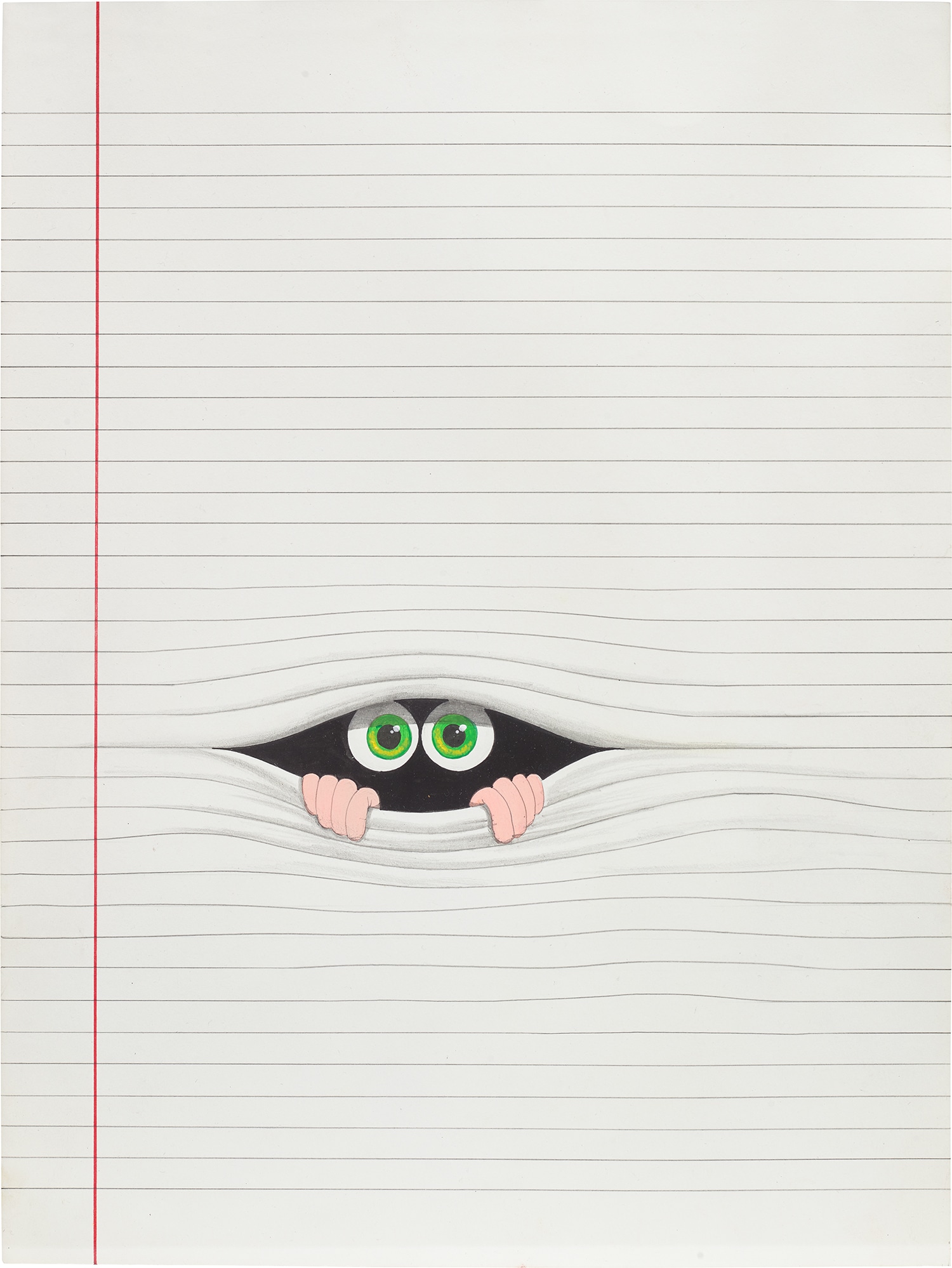
Javier Calleja
Between the Lines
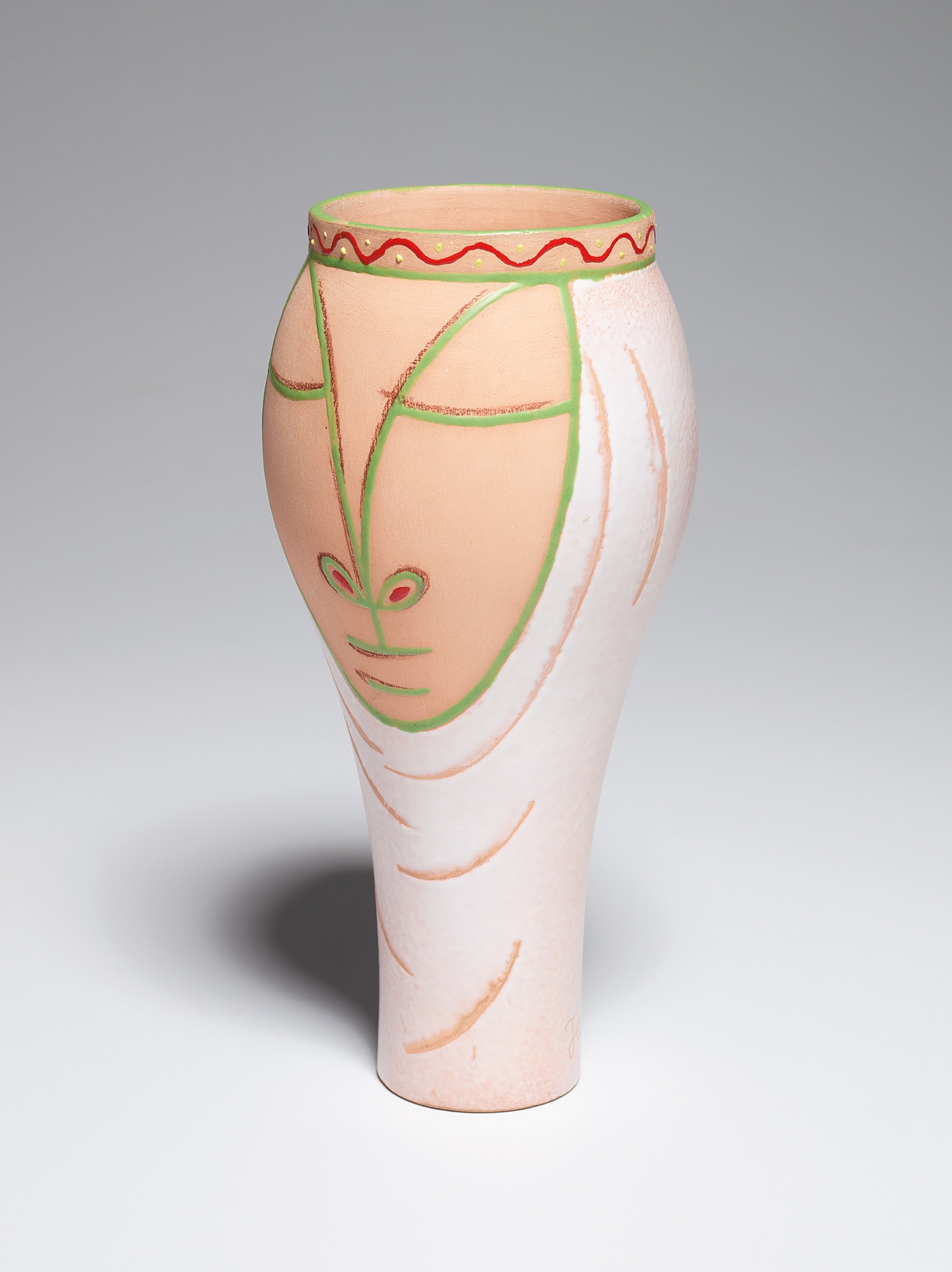
Jean Cocteau
Médiévale (Medieval)
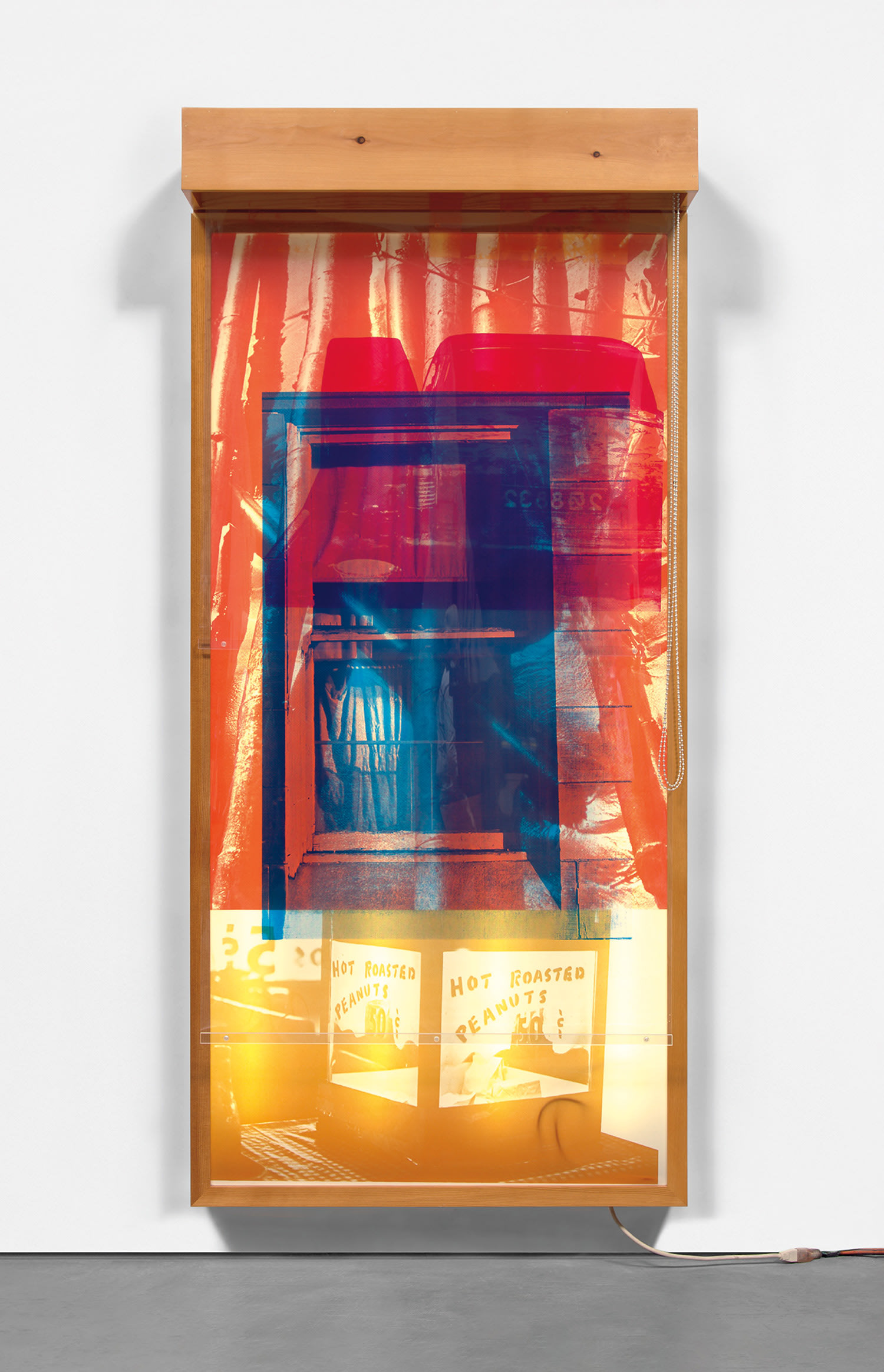
Robert Rauschenberg
Sling-Shots Lit #4

Robert Gober
Heat