Grand Canyon
Archived article
You are reading a previous version of this article.
Read the latest version```json { "headline": "The Abyss That Made America Look", "body": "There is no subject in American art that has demanded more from its makers or delivered more to its viewers than the Grand Canyon. It is not simply a landscape. It is a rupture in the earth so vast, so chromatic, so resistant to easy comprehension that it has functioned for over a century and a half as a kind of test for artists: can you actually see this, or will you merely decorate it? The works that endure are the ones that reckon honestly with the canyon's refusal to be tamed by composition or sentiment.
", "The story of the Grand Canyon in art is inseparable from the story of westward expansion and the federal surveys that mapped the American interior after the Civil War. In the late 1860s and through the 1870s, the United States government dispatched teams of scientists, soldiers, and crucially, image makers into territory that most Americans had never seen and could scarcely imagine. These expeditions were not purely scientific ventures. They were also exercises in nation building, and the photographs and paintings that emerged from them served political as well as aesthetic purposes, persuading a fractured country that its western territories were worth knowing, worth claiming, worth preserving.
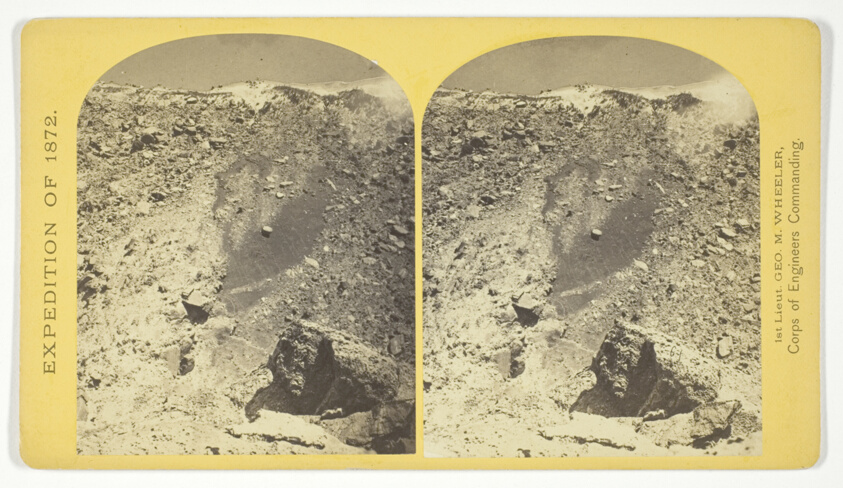
William H. Bell (American, 1830–1910)
View in the Grand Cañon of the Colorado River, No. 12 from the series "Geographical Explorations and Surveys West of the 100th Meridian", 1872
", "Timothy O'Sullivan stands as one of the essential figures of this period. His work with the Wheeler Survey in the early 1870s produced photographs of the Colorado River corridor that remain among the most commanding landscape images ever made. O'Sullivan brought to the canyon the same unflinching directness he had carried through the Civil War battlefields, where he photographed the dead at Gettysburg. His western images share that quality of confrontation.
They do not flatter the land, and they do not make it comfortable. They insist on its indifference, its geological age, its silence. His work is well represented on The Collection and rewards prolonged attention.", "Thomas Moran occupies a different but equally vital position in the canyon's visual history.
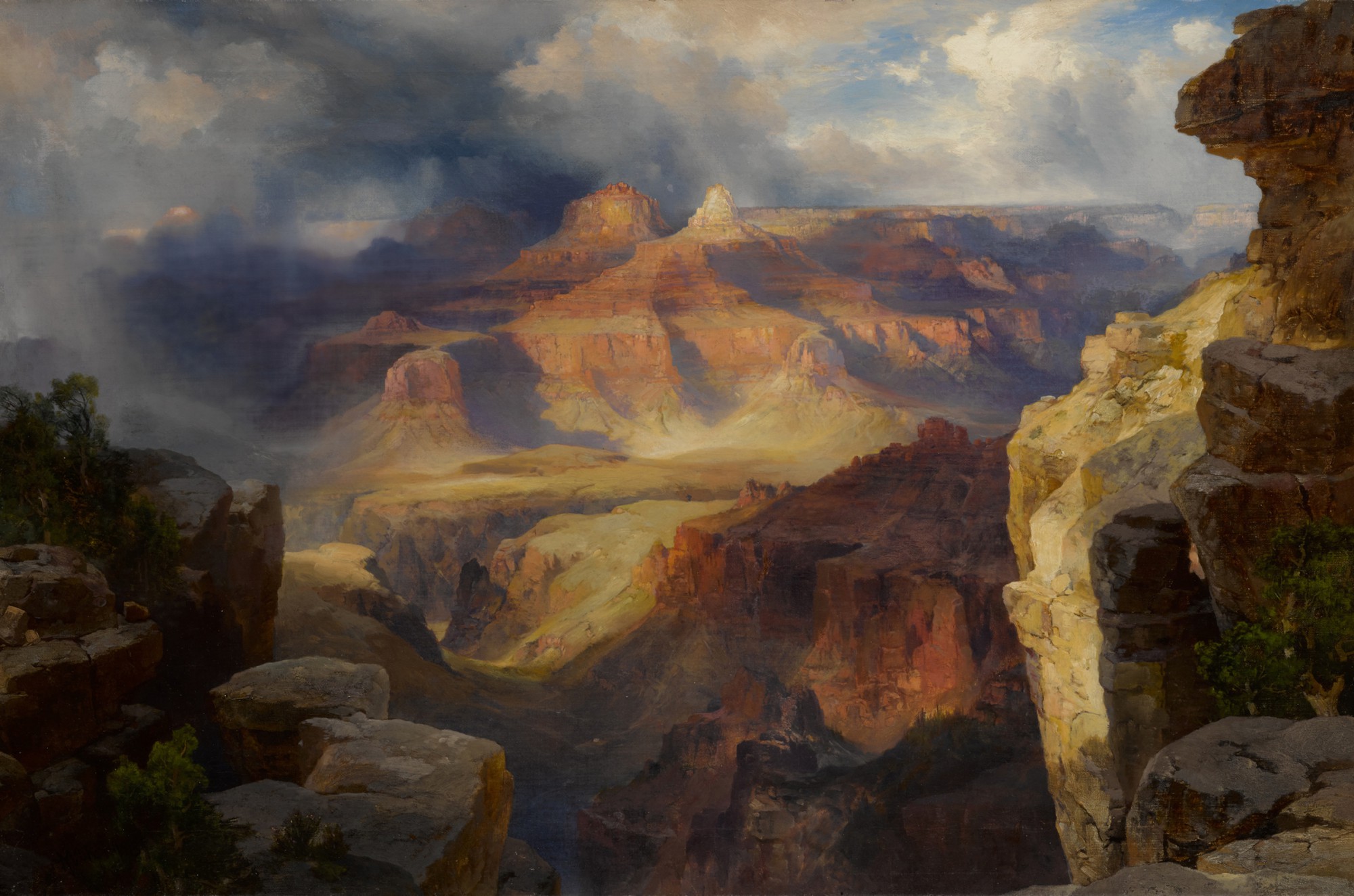
Thomas Moran
Grand Canyon, Arizona (A Miracle of Nature) (Zoroaster Peak, Grand Cañon)
Moran traveled to the Grand Canyon for the first time in 1873 as part of John Wesley Powell's survey, and what he made of that experience transformed American landscape painting. His monumental canvases brought the canyon into the consciousness of eastern audiences who would never make the journey west themselves. Congress purchased his enormous painting of the Yellowstone region in 1872, and his subsequent canyon work carried similar institutional weight, helping make the case for federal protection of these landscapes. Moran understood that he was not just recording scenery but constructing a national mythology, and his works on The Collection reflect that ambition in every layered stroke of color and light.
", "William H. Bell, who worked as the official photographer for the Wheeler Survey from 1871 onward, offers a fascinating counterpoint to both O'Sullivan and Moran. Bell's photographs of the canyon and its surrounding terrain are technically precise and compositionally thoughtful in ways that remind us how seriously these early practitioners took the aesthetic dimensions of their work, even when employed as documentarians. The survey photographs were distributed as stereoviews, bringing the canyon into American parlors as a three dimensional spectacle, and Bell's images were among the most widely circulated of the era.
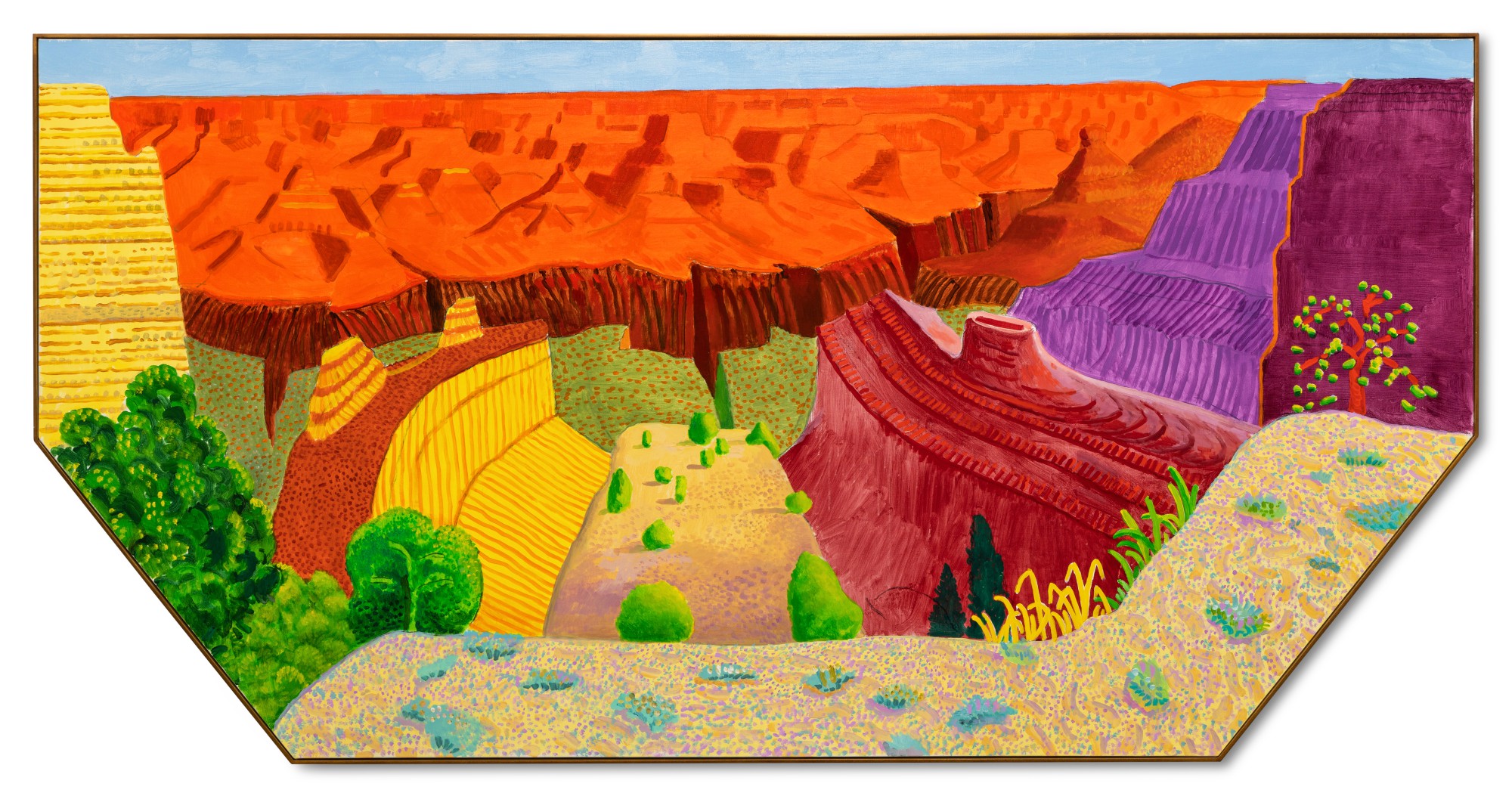
David Hockney
Grand Canyon II, 2017
His presence on The Collection alongside Moran creates a genuinely illuminating dialogue between painting and photography in the same formative moment.", "The techniques available to these artists shaped what they could say. Moran worked in oils and watercolors, and his particular genius lay in his handling of atmospheric light, the way the canyon changes color through the day from ochre and rust to violet and blue gray. He studied Turner closely and brought a Romantic European sensibility to a landscape that had no European precedent.
The survey photographers worked under severe practical constraints, hauling fragile glass plate negatives through extreme terrain and climate, mixing their own collodion solutions in the field. That physical difficulty is legible in the best of the images, which carry a weight of earned presence that studio work rarely achieves.", "The Grand Canyon entered a new artistic chapter in the twentieth century as its meanings became more contested. By the time David Hockney turned his attention to the American west, landscape painting had long been dismissed by the avant garde as nostalgic or provincial.
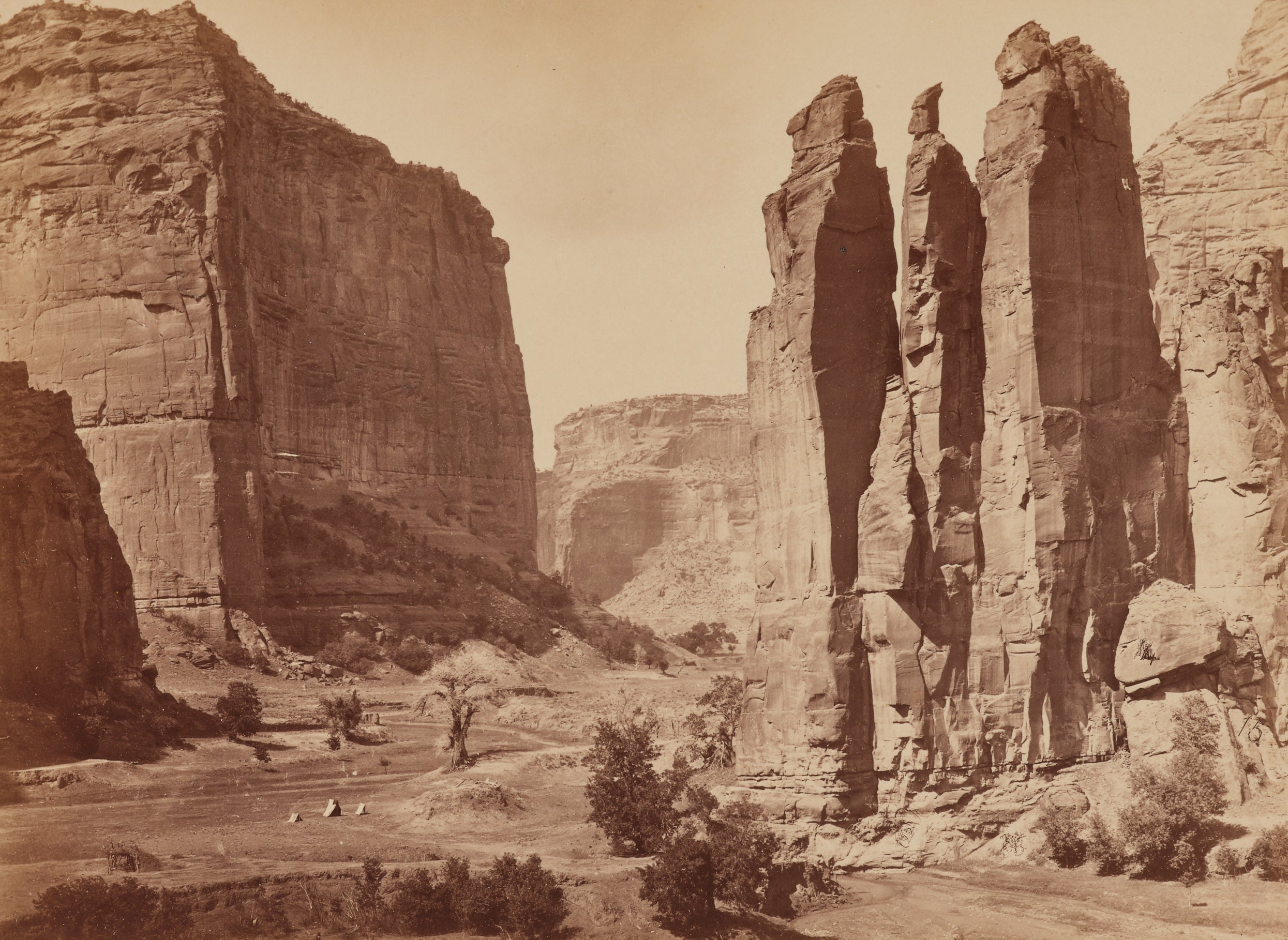
Timothy O'Sullivan
Cañon de Chelle, Walls of the Grand Cañon about 1200 feet in height
Hockney's canyon works, particularly his large format joiners from the 1980s and the digital paintings he returned to in later decades, brought something unexpected: joy, irreverence, and a frank engagement with the problem of perception. Hockney's canyon is not sublime in the nineteenth century sense. It is optical, curious, almost playful. His insistence on multiple viewpoints and saturated color challenged viewers to ask not what the canyon is but how we see it at all.
", "Mark Klett represents yet another inflection point. His rephotography projects, in which he has returned to the exact locations and vantage points of O'Sullivan and Bell to remake their images under contemporary conditions, are among the most conceptually rigorous engagements with the canyon's photographic history. Klett is not simply paying homage. He is asking what time does to a place and to the images that claim to represent it.
The comparison of his photographs with their nineteenth century sources reveals how much has changed and how much the canyon's essential character resists change. His work on The Collection opens onto larger questions about photography, memory, and the politics of landscape.", "The cultural significance of the Grand Canyon as an artistic subject cannot be separated from ongoing conversations about land stewardship, Indigenous sovereignty, and the mythology of wilderness. The Havasupai, Hualapai, Navajo, and other nations whose histories are woven into the canyon long predate the survey expeditions that introduced it to Anglo American audiences.
Contemporary artists and scholars have increasingly attended to this dimension, complicating the story that Moran and his contemporaries told. The canyon was never empty, and the art that treated it as a blank screen for American ambition was already engaged, whether it knew so or not, in a project of erasure.", "What makes the Grand Canyon enduring as a subject is precisely what makes it difficult. It defeats the impulse toward mastery.
Every artist who has worked there seriously has arrived at some version of the same conclusion: the place exceeds what can be said about it. And yet the saying continues, each generation bringing its own instruments and anxieties to the rim. The works gathered on The Collection span photography and painting, the nineteenth century and the contemporary, the heroic and the analytic. Together they form something more than a survey of a place.
They form a record of how humans have tried, across time, to hold in their minds something that will not be held.
Works tagged Grand Canyon
William H. Bell (American, 1830–1910)
View in the Grand Cañon of the Colorado River, No. 12 from the series "Geographical Explorations and Surveys West of the 100th Meridian"
Thomas Moran
Grand Canyon, Arizona (A Miracle of Nature) (Zoroaster Peak, Grand Cañon)
David Hockney
Grand Canyon II
Timothy O'Sullivan
Cañon de Chelle, Walls of the Grand Cañon about 1200 feet in height
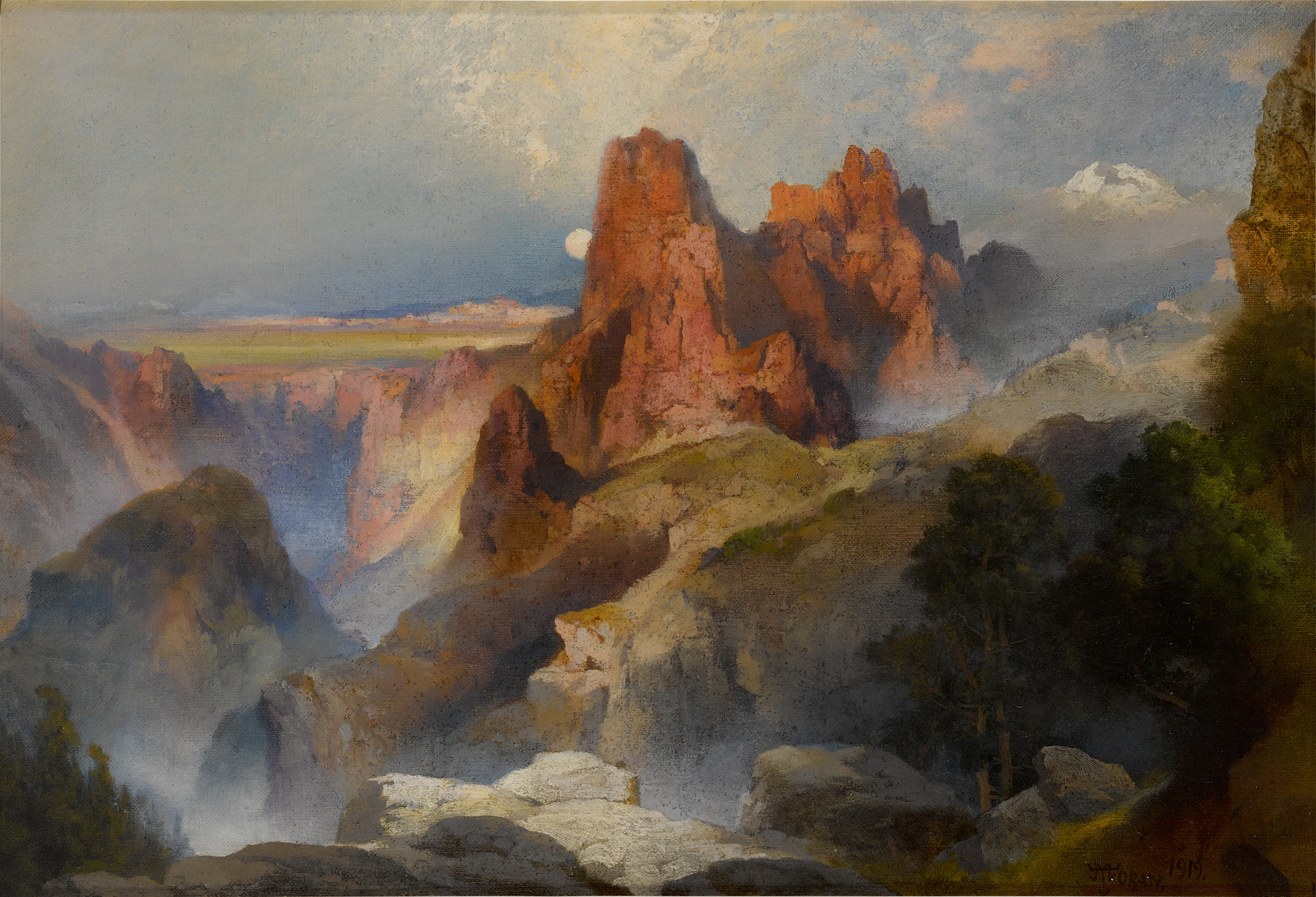
Thomas Moran
Grand Canyon
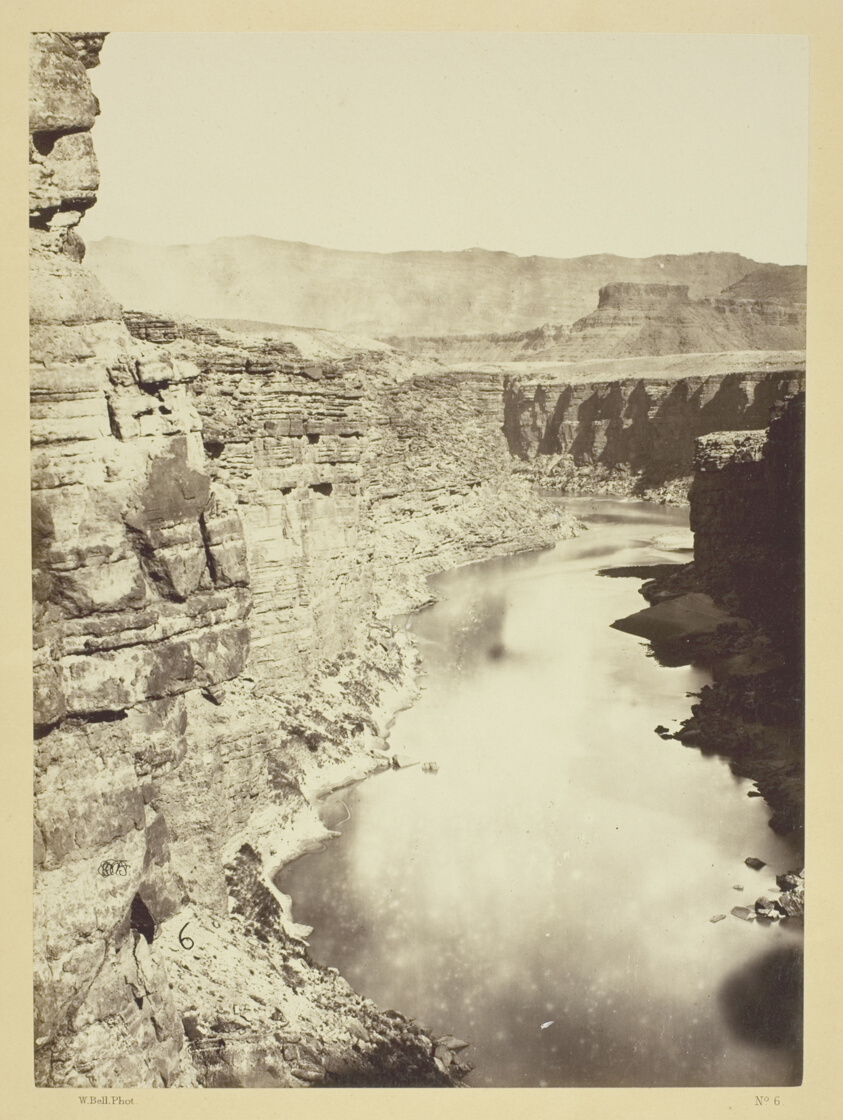
William H. Bell
Grand Canon, Colorado River, Near Paria Creek, Looking West
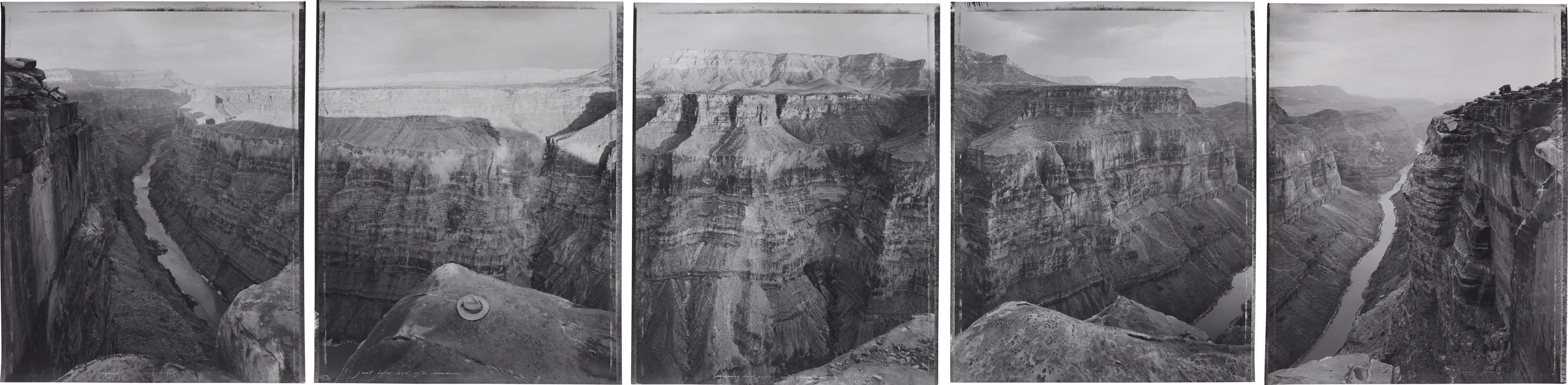
Mark Klett
Around Toroweap Point, just before and after sundown, beginning and ending with views used by J.K. Hillers over 100 years ago, Grand Canyon
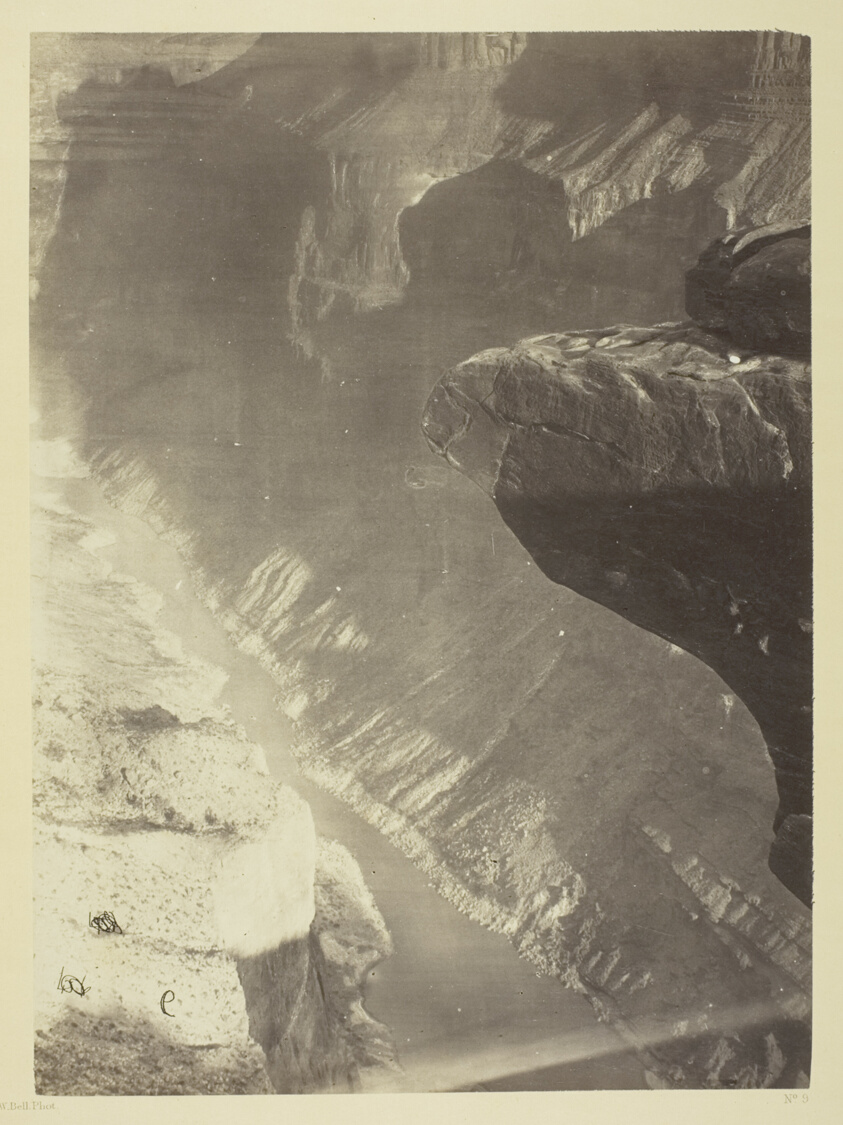
William H. Bell
Looking South into the Grand Cañon, Colorado River, Sheavwitz Crossing