French School
Archived article
You are reading a previous version of this article.
Read the latest version```json { "headline": "The Unsigned Canvas That Contains Everything", "body": "There is a particular pleasure in standing before a painting that refuses to give you its maker's name. The works that fall under the designation French School occupy a strange and rewarding corner of the collecting world, one where provenance becomes detective work and aesthetic judgment sharpens because you cannot lean on a famous signature to do the heavy lifting. Collectors who gravitate here tend to be confident in their own eye. They are drawn not by the comfort of a known quantity but by the painting itself, by the quality of light falling across a face, by the particular green of a landscape that tells you, unmistakably, that someone trained in Paris or Fontainebleau or the Académie Royale made this object.
Living with these works is an ongoing conversation rather than a trophy display.", "The appeal deepens when you consider what French School actually encompasses. It is not a single style or movement but a vast tradition of craft, running from the refinement of the late Renaissance through the grandeur of the seventeenth century, the wit and elegance of the eighteenth, and the turbulent experimentation of the nineteenth. Each period carries its own visual grammar, and the collector who learns to read it gains access to an enormous and still undervalued archive.
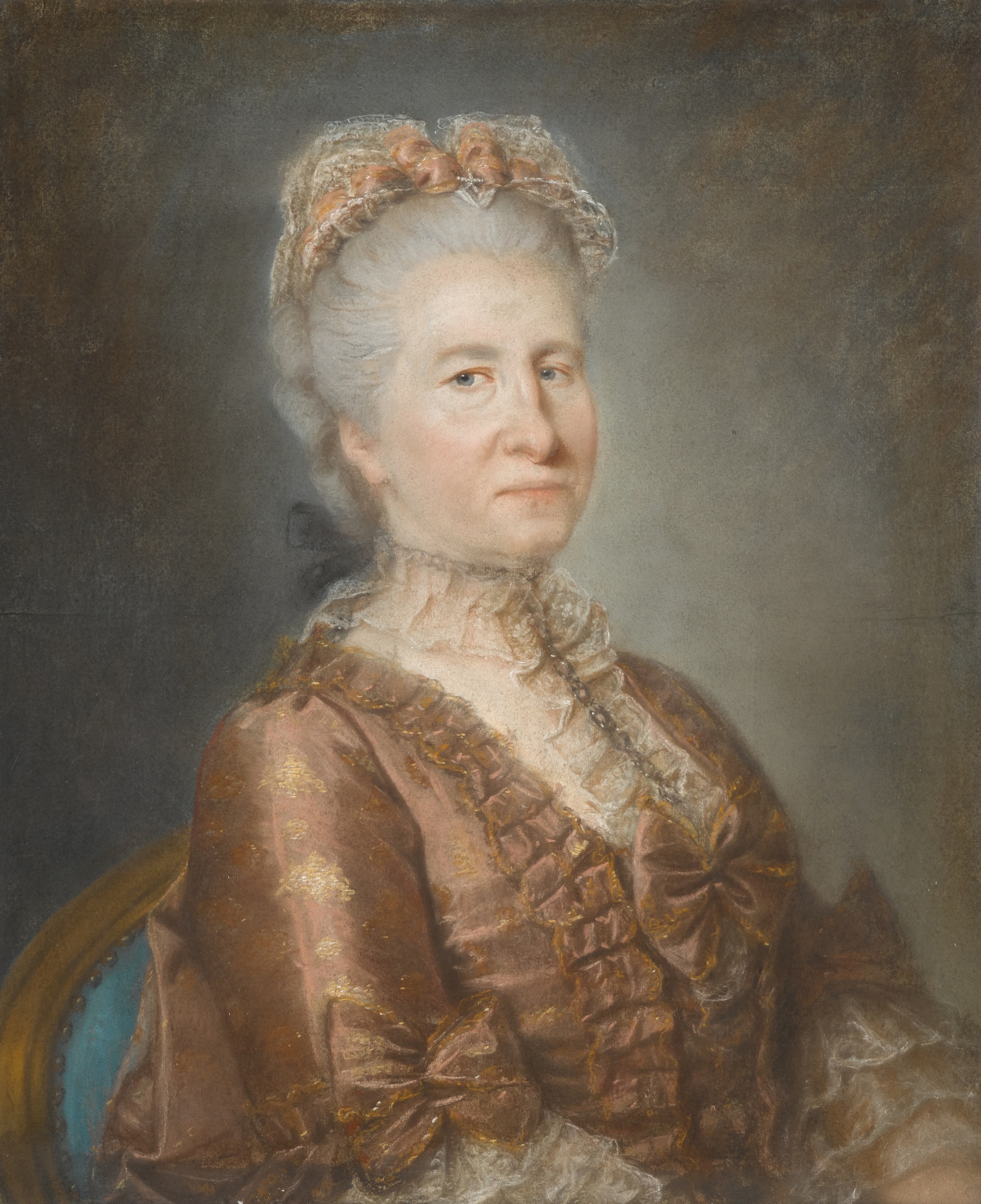
French School, 18th Century
Portrait of a woman, seated, wearing a copper coloured dress adorned with lace
Works on The Collection span that full range, from a circa 1520 panel that speaks to the influence of Italian Mannerism on French painters at Fontainebleau, all the way through to a group of works made around 1900 when French painting was undergoing its most radical transformation since the Renaissance.", "What separates a good work from a great one in this category comes down to a few things, and condition is only part of the story. The question you want to ask is whether the work demonstrates a genuine command of its moment. A seventeenth century French School painting at its best will show real understanding of Poussin or Le Brun, of the classical vocabulary that France was absorbing and transforming into something distinctly its own.
An eighteenth century work should carry the elegant touch, the particular quality of observed gesture, that made French painters the envy of every European court. When you see a French School circa 1760 to 1770 canvas that possesses that lightness, that almost conversational relationship between figures, you are looking at something that deserves serious attention regardless of whether it carries an attributable name.", "Named works within the broader French School tradition carry obvious market advantages, but the attribution works are where real collecting intelligence gets exercised. Charles Antoine Coypel, who served as First Painter to the King and directed the Gobelins tapestry manufactory in the eighteenth century, represents exactly the kind of documented figure whose authenticated works provide both scholarly grounding and market stability.
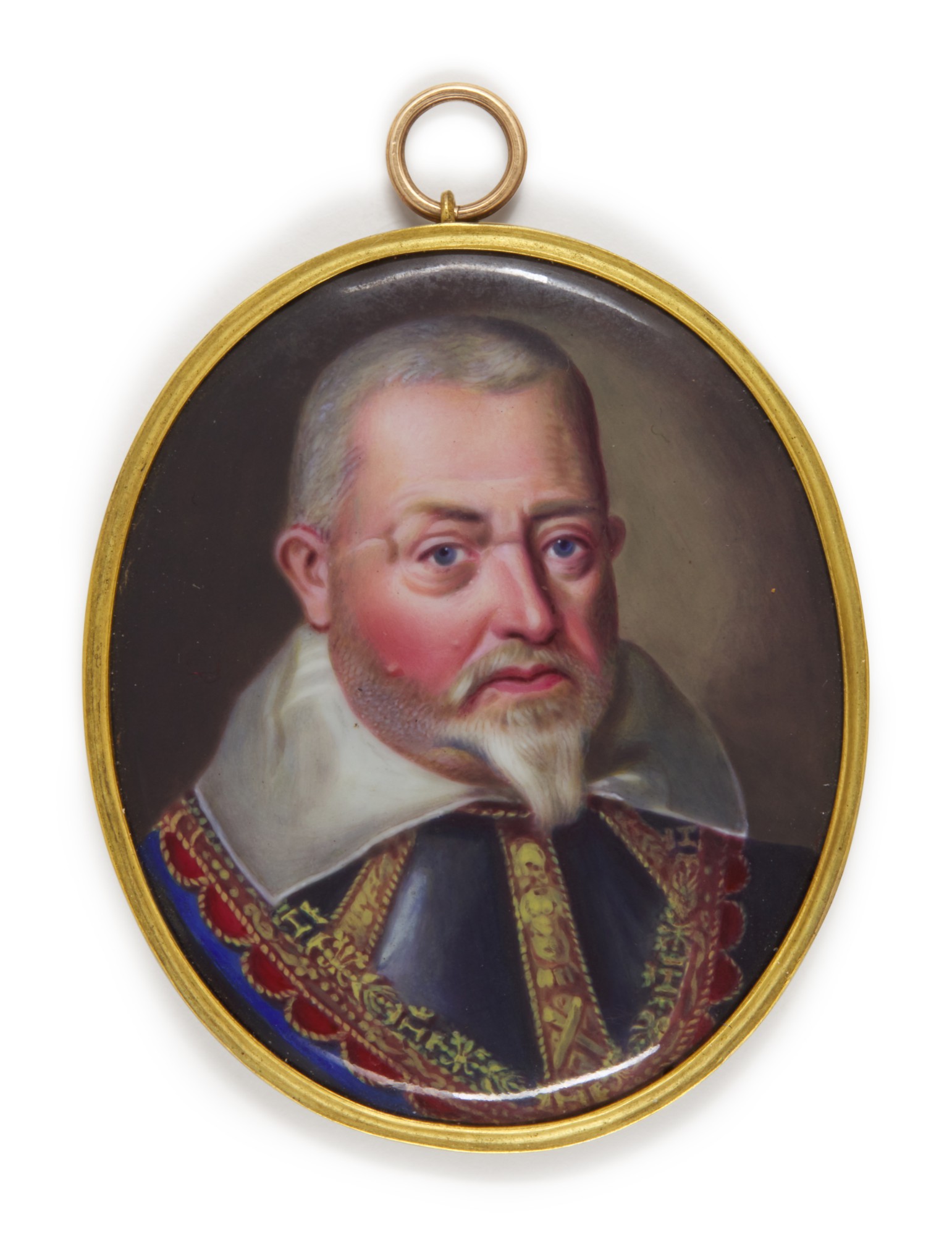
French School, after Louis Lerambert
Portrait of Louis des Balbes de Beston de Crillon (1543-1615)
Jean Baptiste Huët, whose animal and pastoral scenes were genuinely popular at Versailles, occupies a similar position. A work attributed to Huët brings with it a body of scholarly literature, a period of active exhibition and sale records, and a subject matter, pastoral and natural scenes painted with delicate observation, that translates beautifully into domestic settings today. Jean Baptiste Greuze is a more complicated case: his sentimental genre scenes were enormously celebrated in his lifetime, mocked in the twentieth century, and are now being reconsidered with fresh eyes. A work identified as by a follower of Greuze is not a consolation prize.
It is an entry point into one of the more interesting reputational recoveries currently underway in French art scholarship.", "For collectors attentive to value, the unsigned or loosely attributed French School works from the seventeenth and eighteenth centuries represent a genuinely compelling opportunity right now. The major named French painters of these periods, your Watteaus, your Fragonnards, your Bouchers, have long since moved beyond the reach of most private collectors, living primarily in institutional collections or appearing at major international auctions with estimates that reflect their scarcity. But the broader culture of excellence they represent did not exist in isolation.
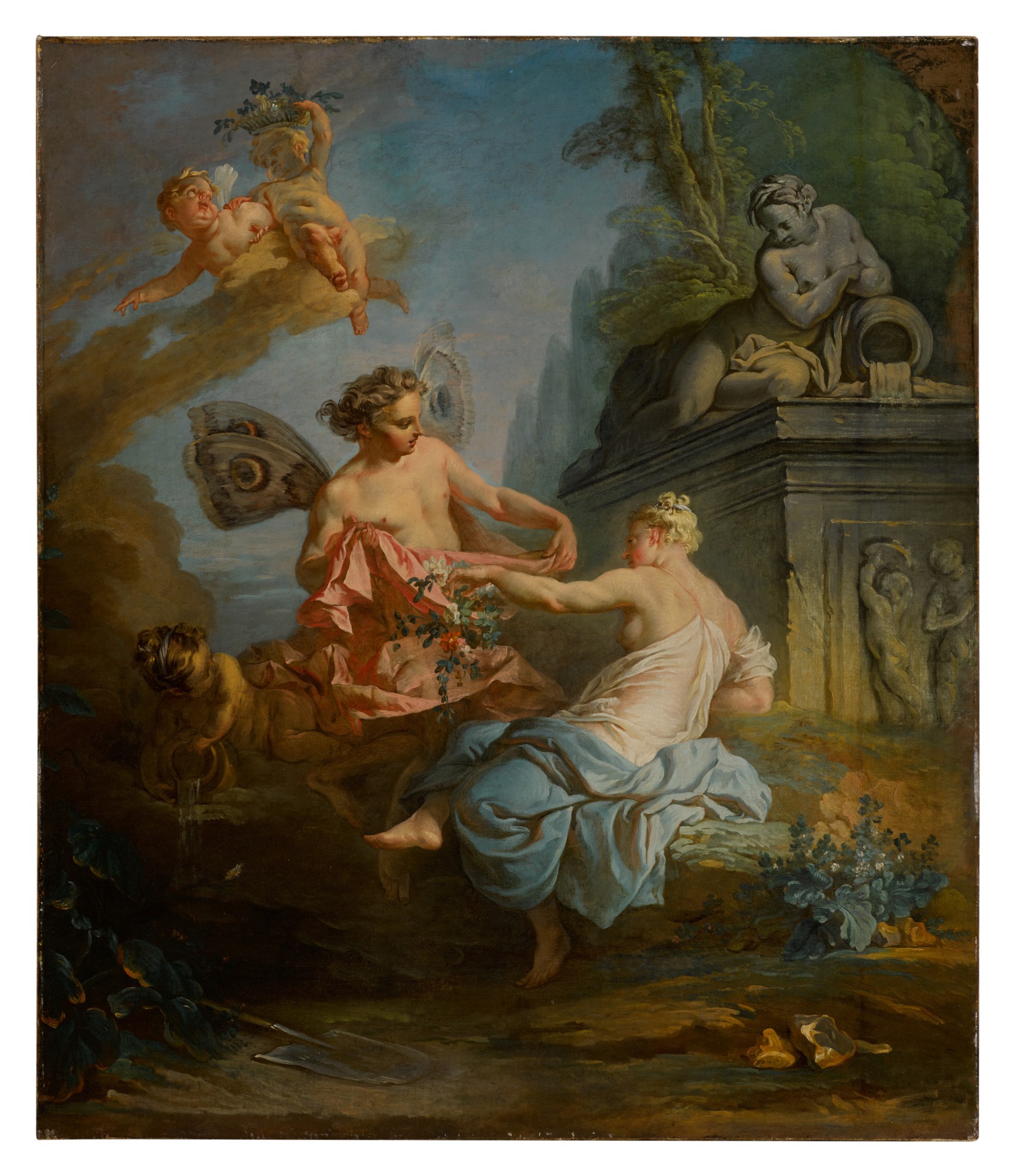
French School, circa 1760-1770
Flora and Zephyr
It existed within workshops, within academies, within circles of talented painters whose names were simply not recorded with the same care as their more celebrated contemporaries. Buying well here means buying the quality of the moment rather than the celebrity of the maker.", "At auction, French School works perform with a kind of quiet consistency that more fashionable categories often lack. They are not subject to the boom and bust cycles that follow living artists or recently deceased market darlings.
A well conditioned eighteenth century French School canvas with a clear exhibition history and a reasonable provenance will find its buyer reliably. The works that underperform are usually those with condition problems that have not been disclosed or addressed, or those that have been overcleaned and lost the tonal relationships that made them valuable in the first place. Secondary market prices for this category have also benefited from broader scholarly interest in period French decorative arts. Collectors furnishing interiors with genuine period pieces increasingly understand that a French School painting from the same decade as their furniture is not a compromise but a commitment to coherence.
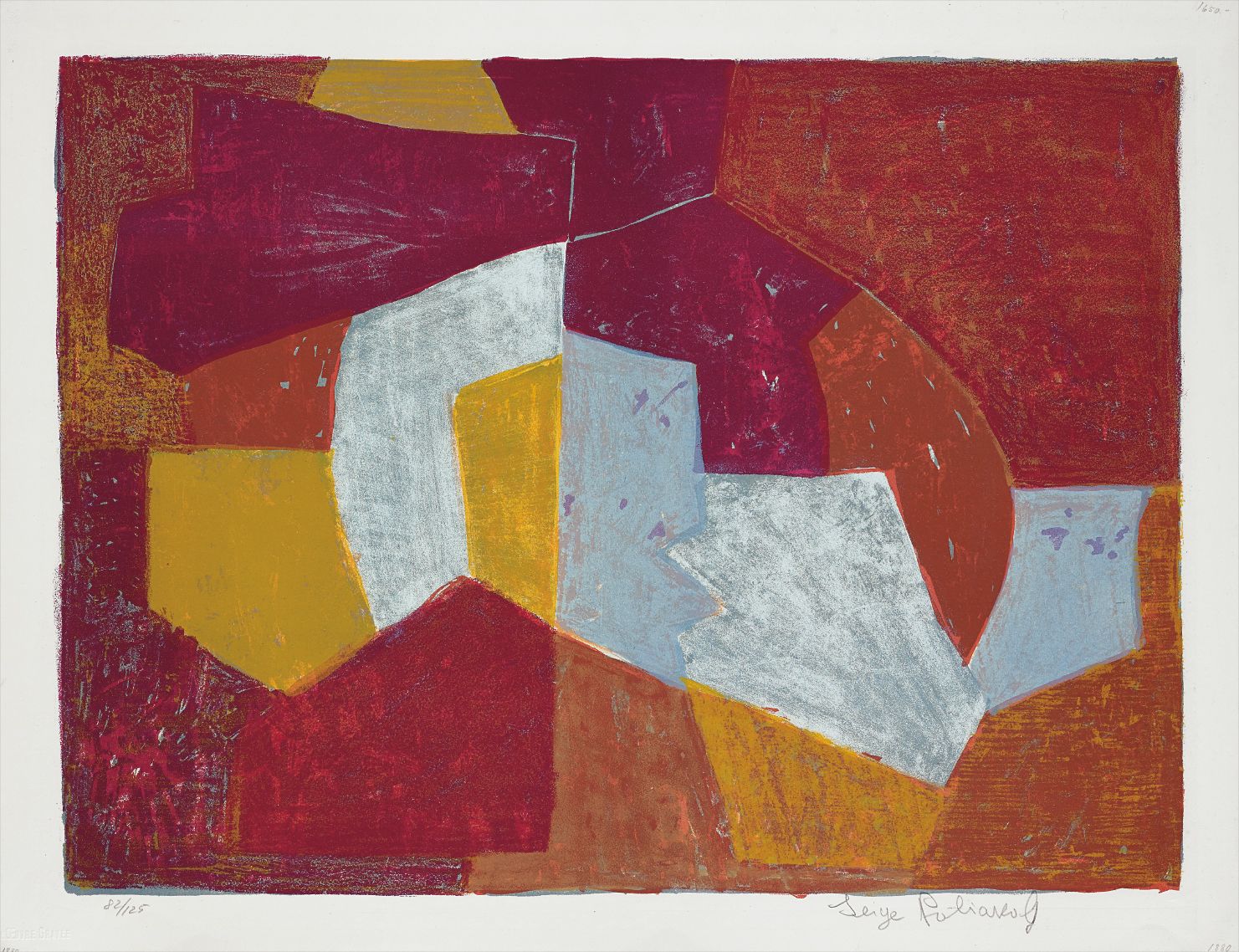
Serge Poliakoff
Composition in Carmine-Red, Brown, Yellow, and Grey
", "Practical advice for anyone entering this space begins with condition reports and does not end there. Ask specifically about any relining of the canvas, any areas of inpainting, and whether the varnish is original or has been replaced. Old varnish can be yellowed and deceptive, but it can also be removed carefully, and a conservator's assessment is worth commissioning before any significant purchase. On display, these works benefit from natural or incandescent light rather than cool LED sources, which tend to flatten the warm tonalities that define the best French painting of these periods.
Ask galleries about the work's exhibition history even if that history is modest. A painting that has been shown, published in a catalogue, or examined by a named scholar carries a kind of intellectual endorsement that matters both for your own confidence and for eventual resale. The question to press most firmly is simply this: what do we know, and what are we inferring, and where does one end and the other begin. The best dealers in this area will answer that question directly, and their willingness to do so is itself a reliable signal of the quality of what they are offering.
Works tagged French School
French School, 18th Century
Portrait of a woman, seated, wearing a copper coloured dress adorned with lace
French School, after Louis Lerambert
Portrait of Louis des Balbes de Beston de Crillon (1543-1615)
French School, circa 1760-1770
Flora and Zephyr
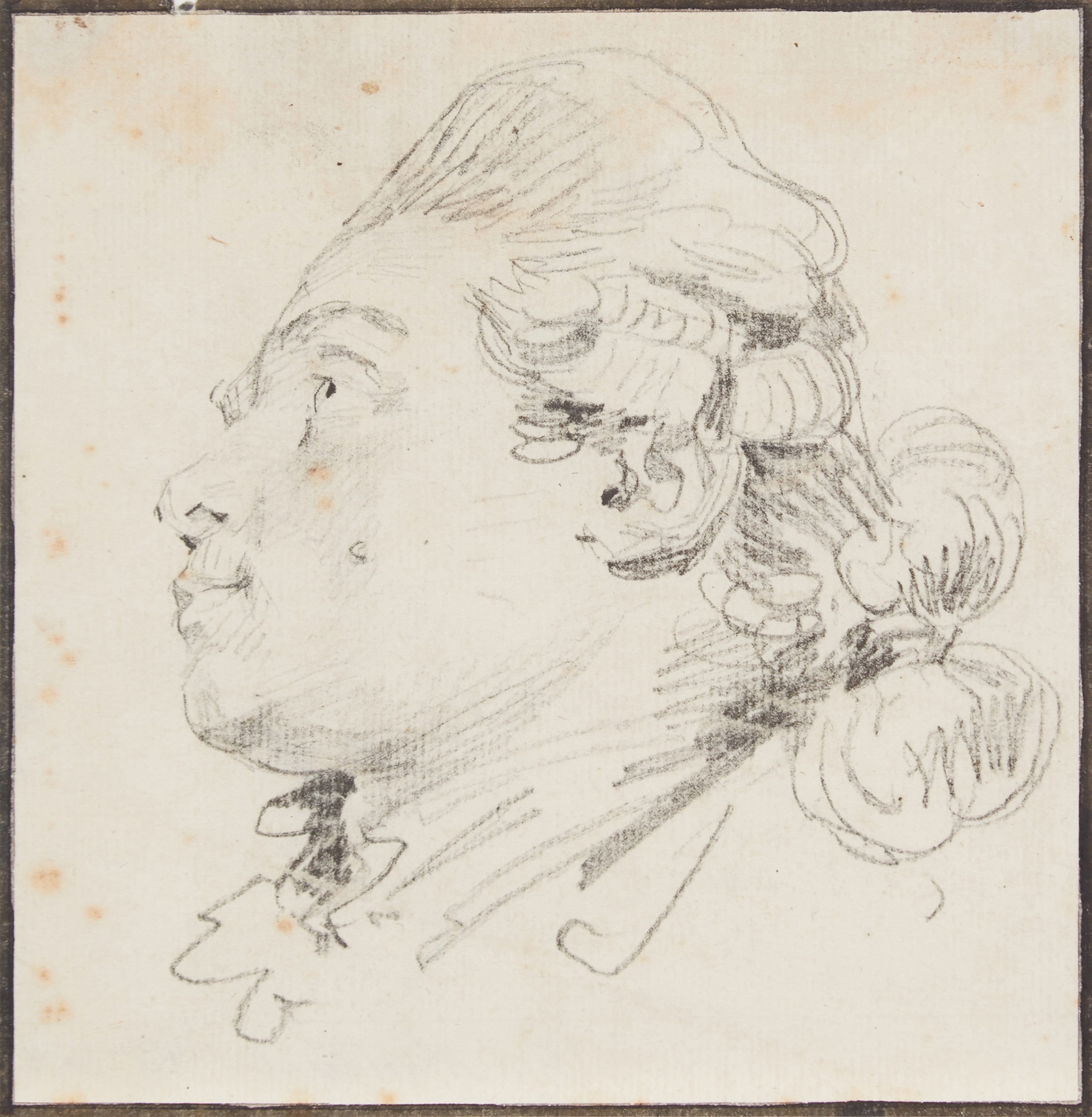
French School, 18th Century
Portrait of a man in profile
Serge Poliakoff
Composition in Carmine-Red, Brown, Yellow, and Grey
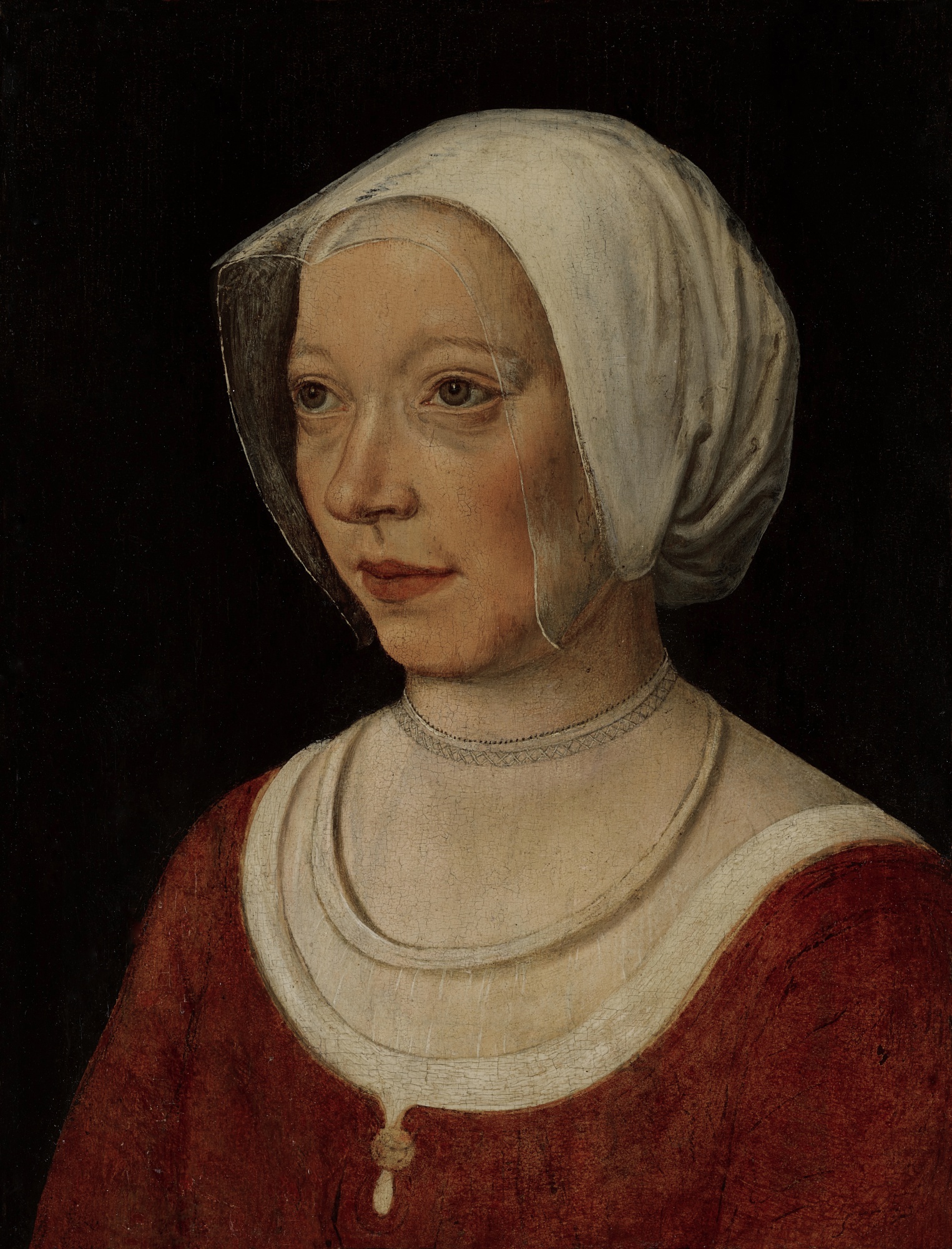
French School, circa 1520
Portrait of a woman wearing a red dress, bust-length
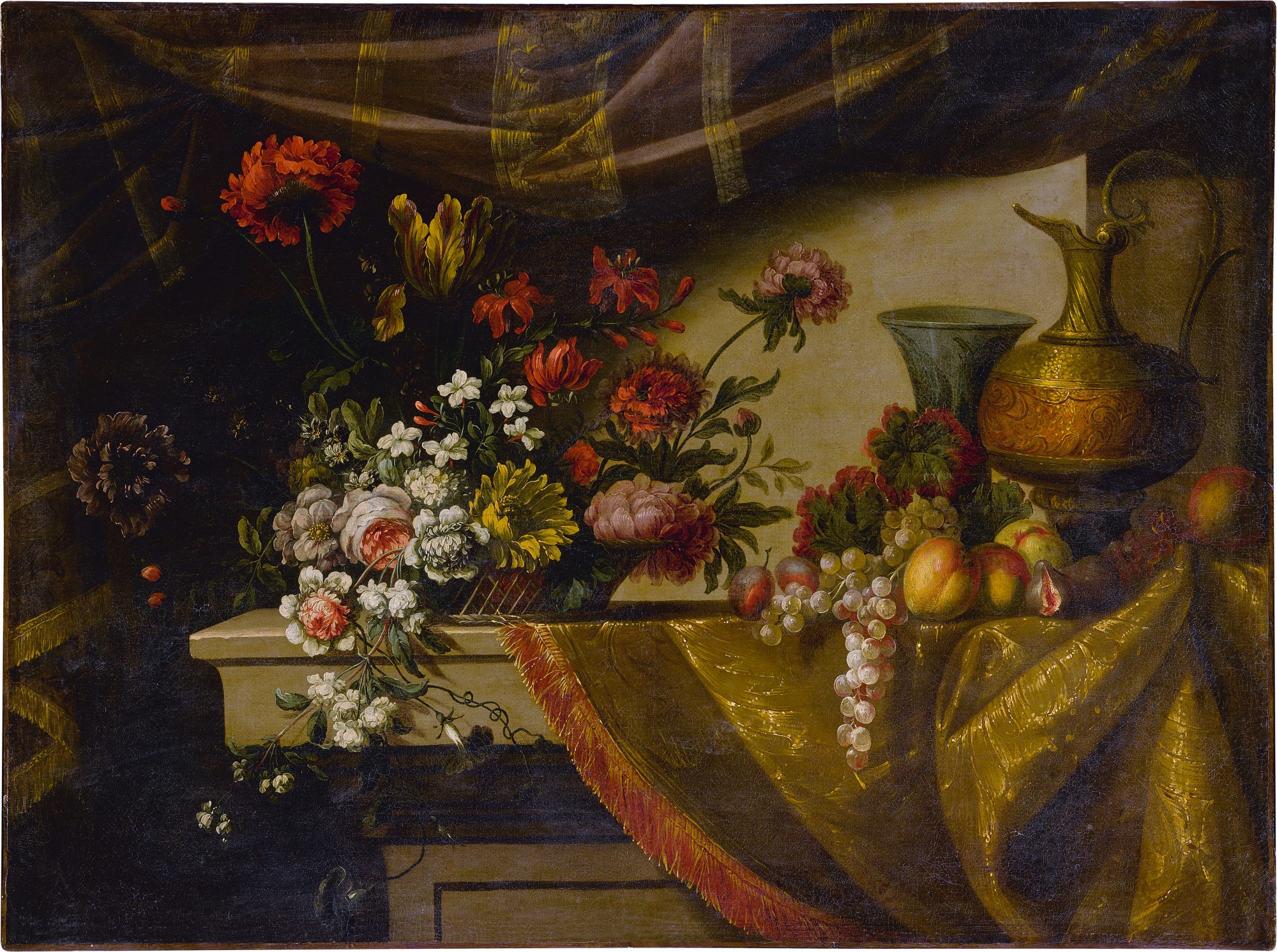
French School, circa 1600
Still llfe of fruit, a basket of flowers, an ewer and vase, all on a table draped with fabric
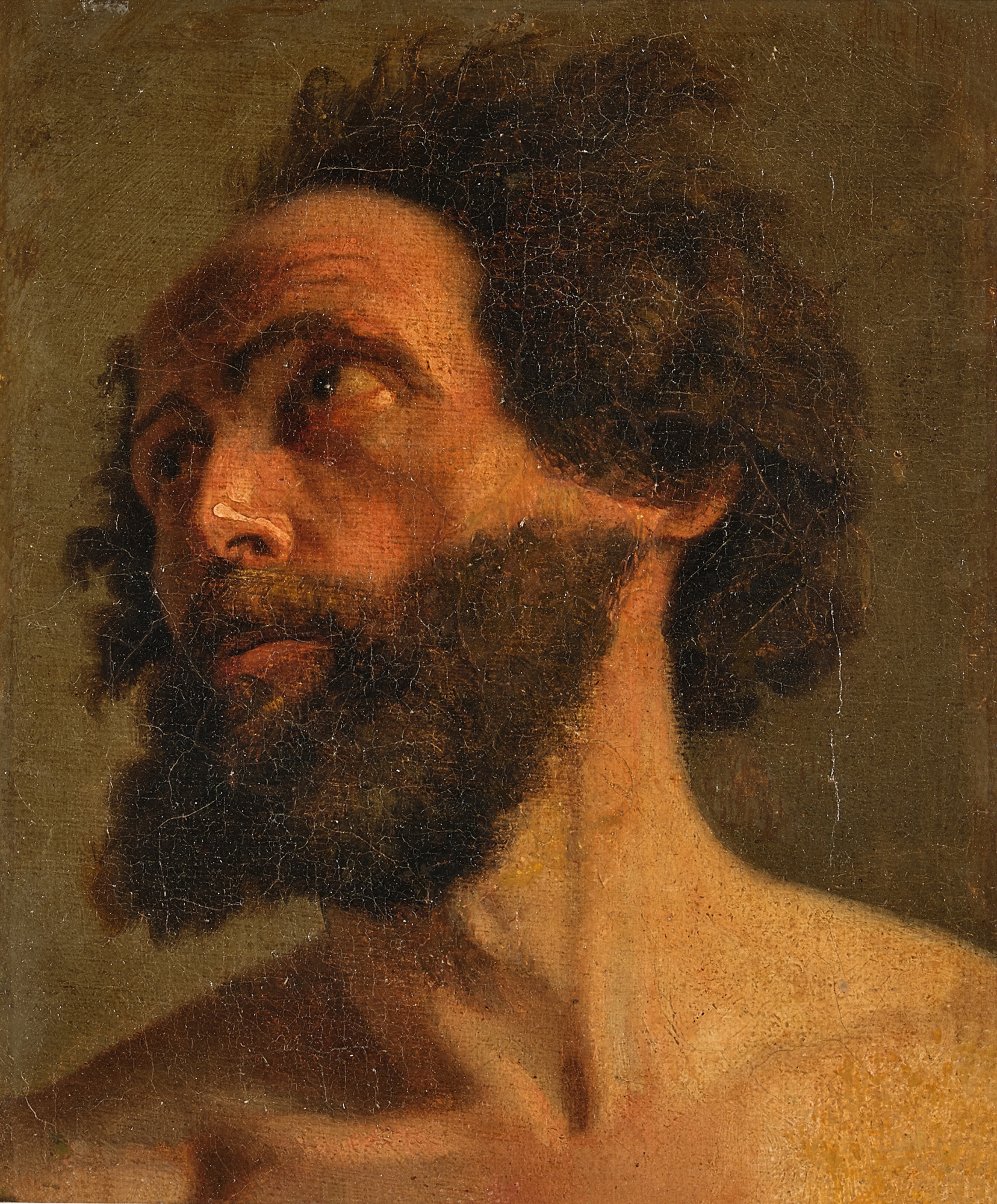
French School, 19th Century
A Pensive Gaze
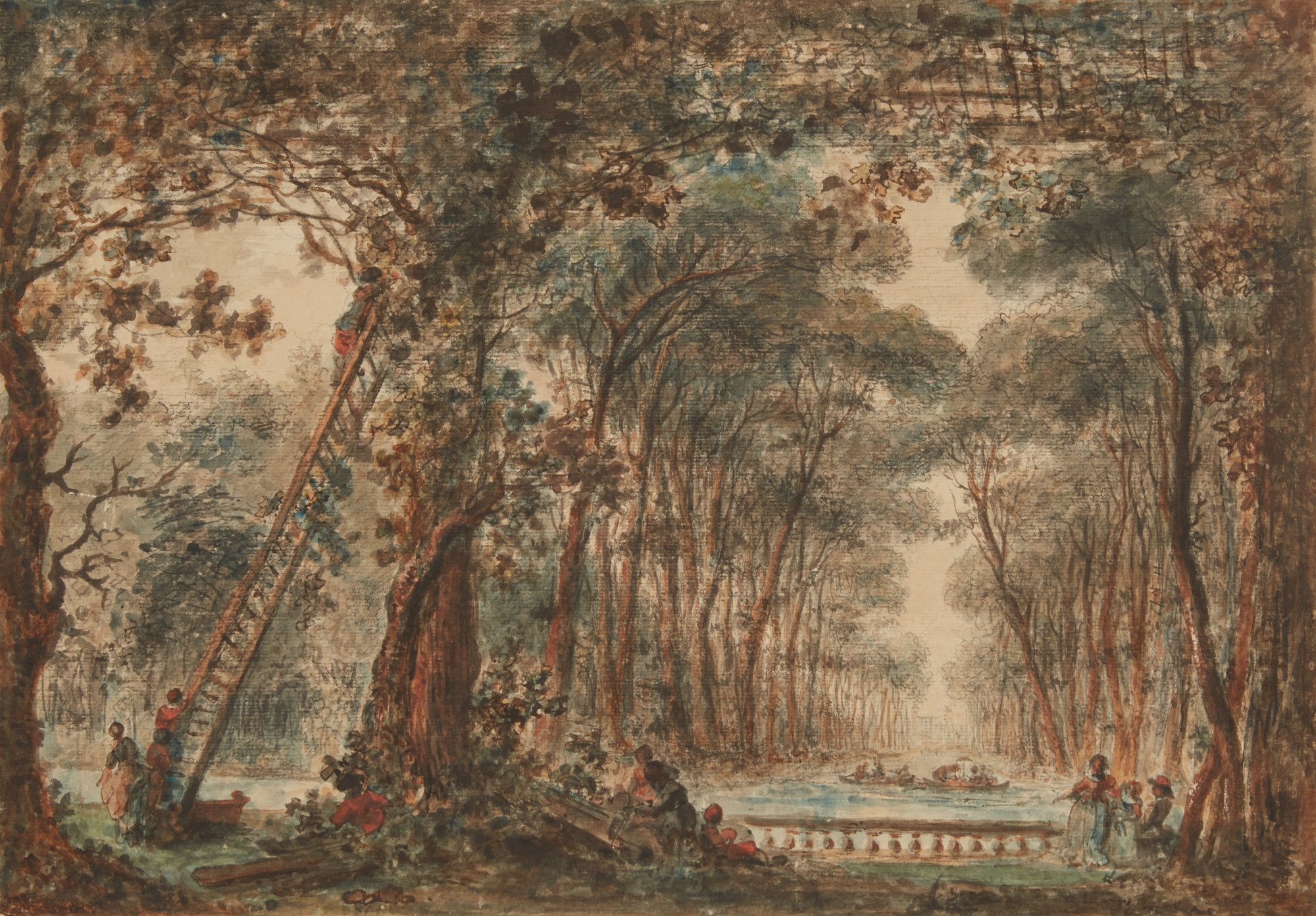
French School, 18th Century
Le canal
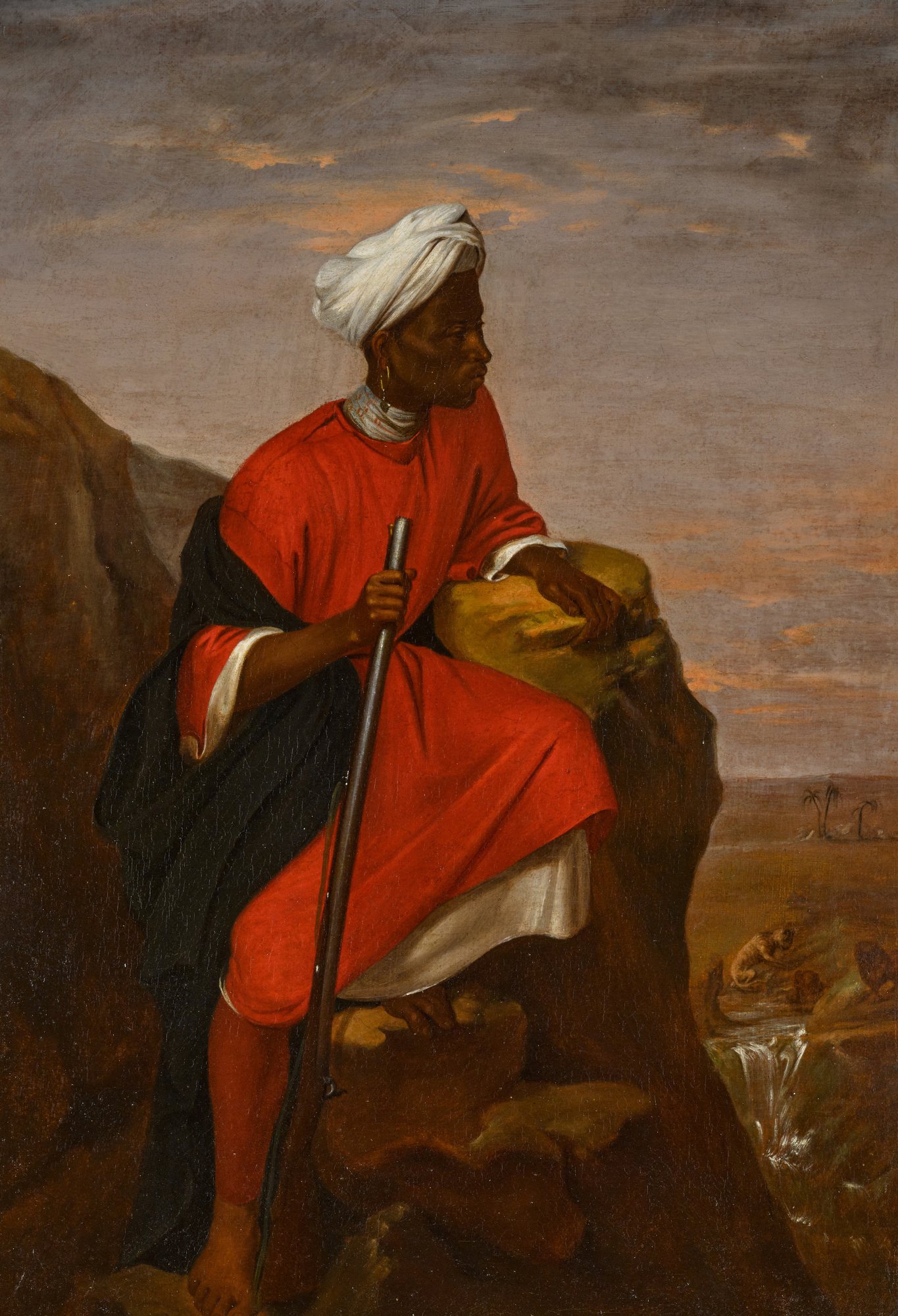
French School, circa 1800
A Moroccan sentry in the desert
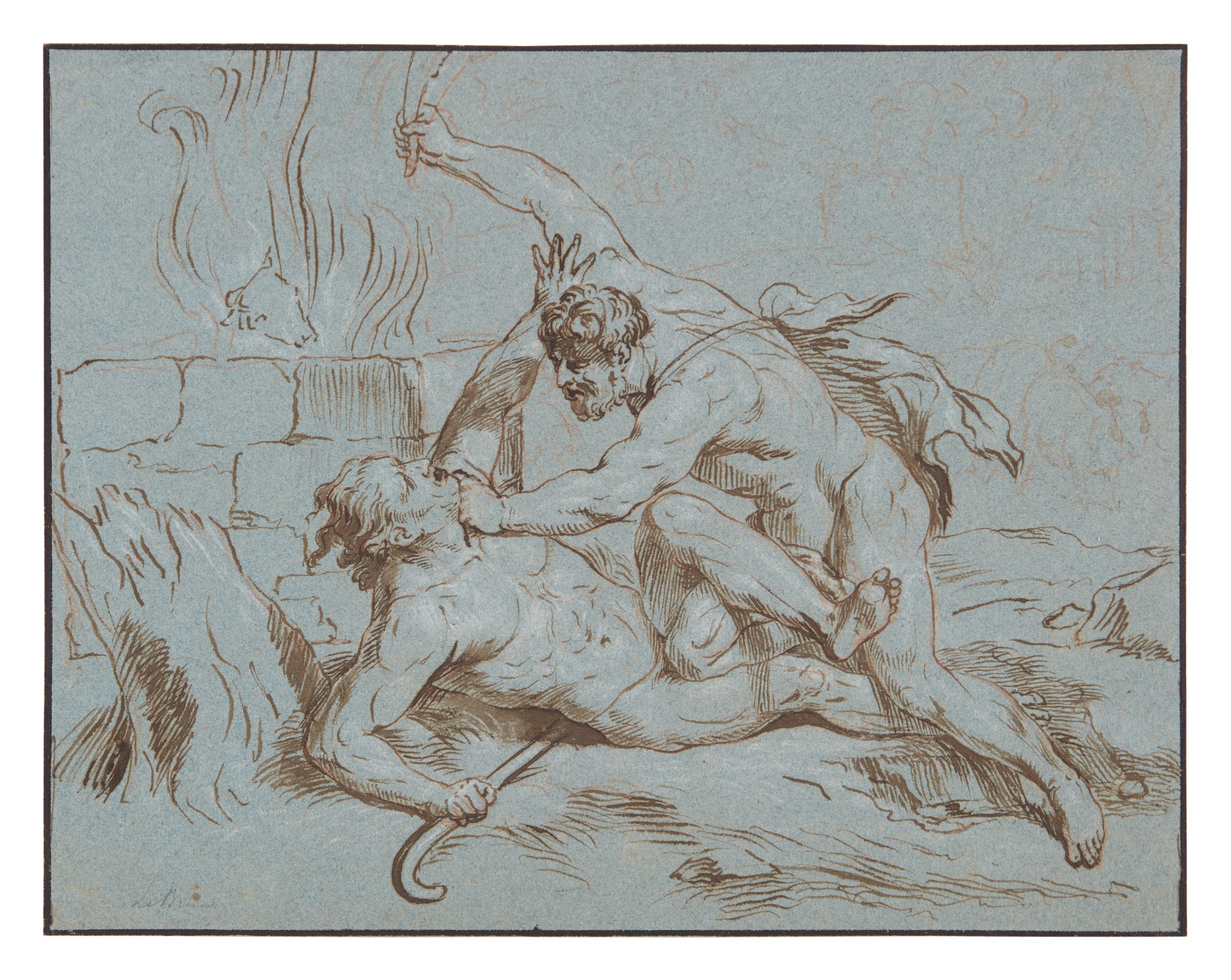
French School, 17th Century
Cain and Abel
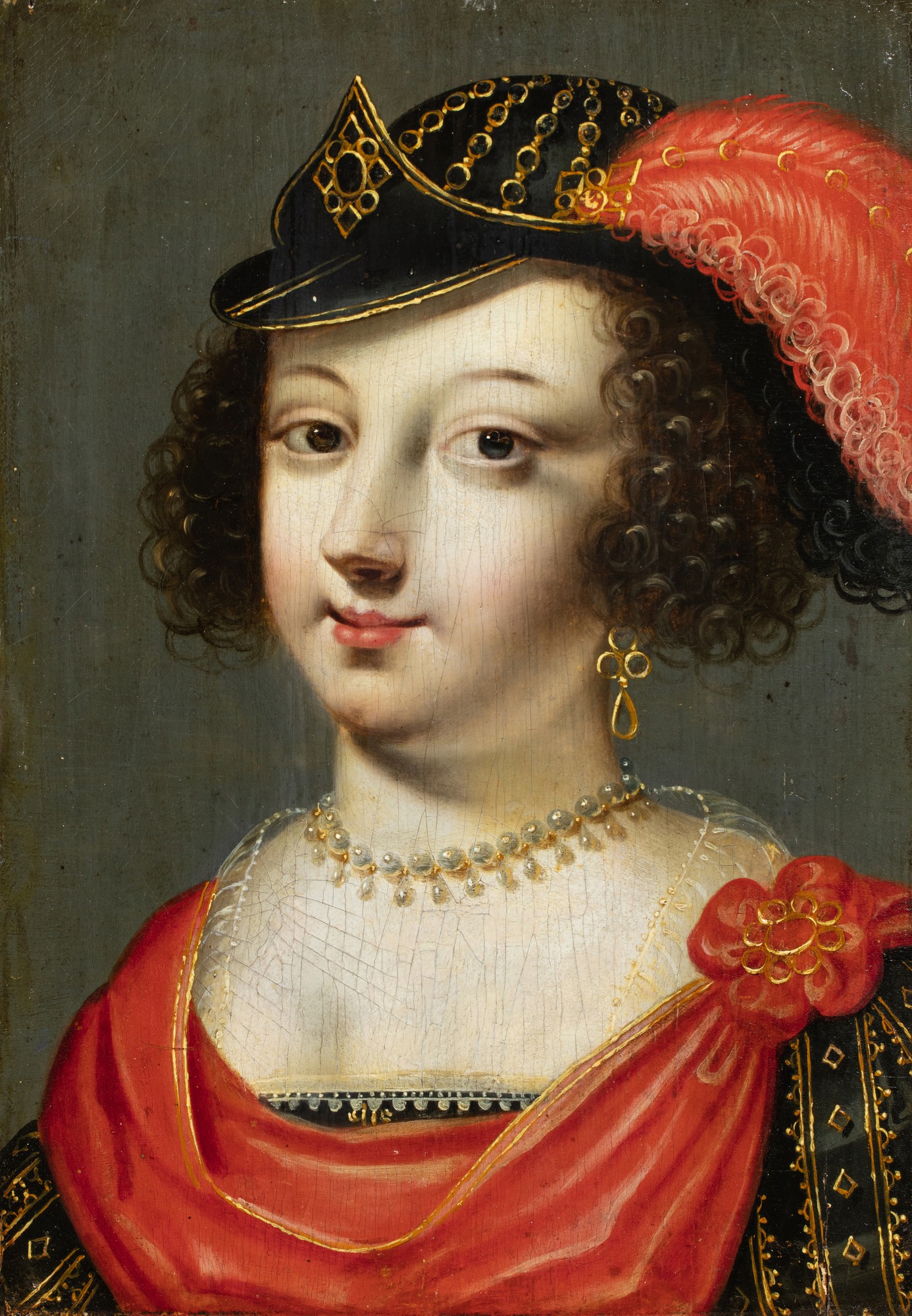
Jean Ducayer
Portrait d'une dame de qualité
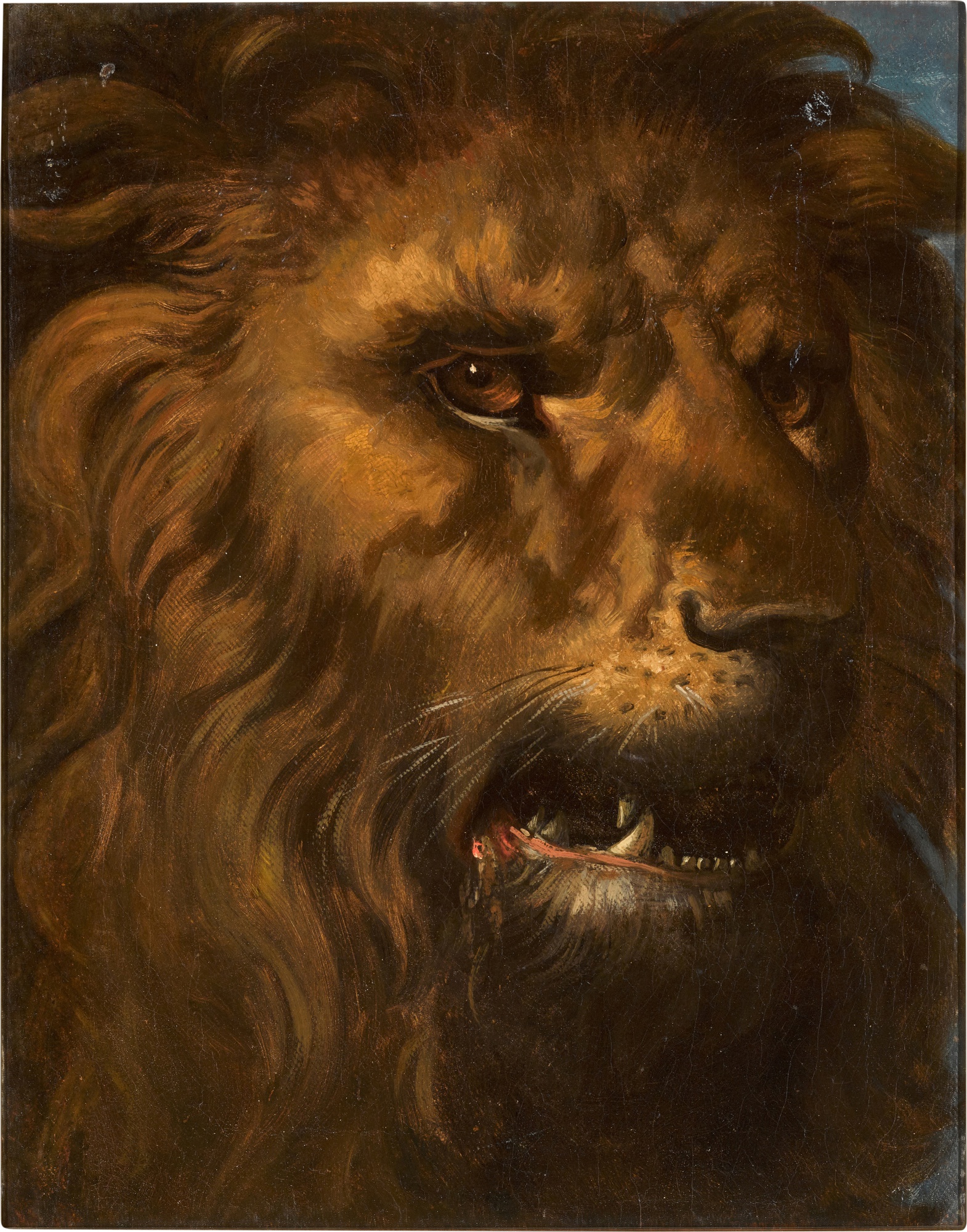
French School, 19th century
Head of a lion
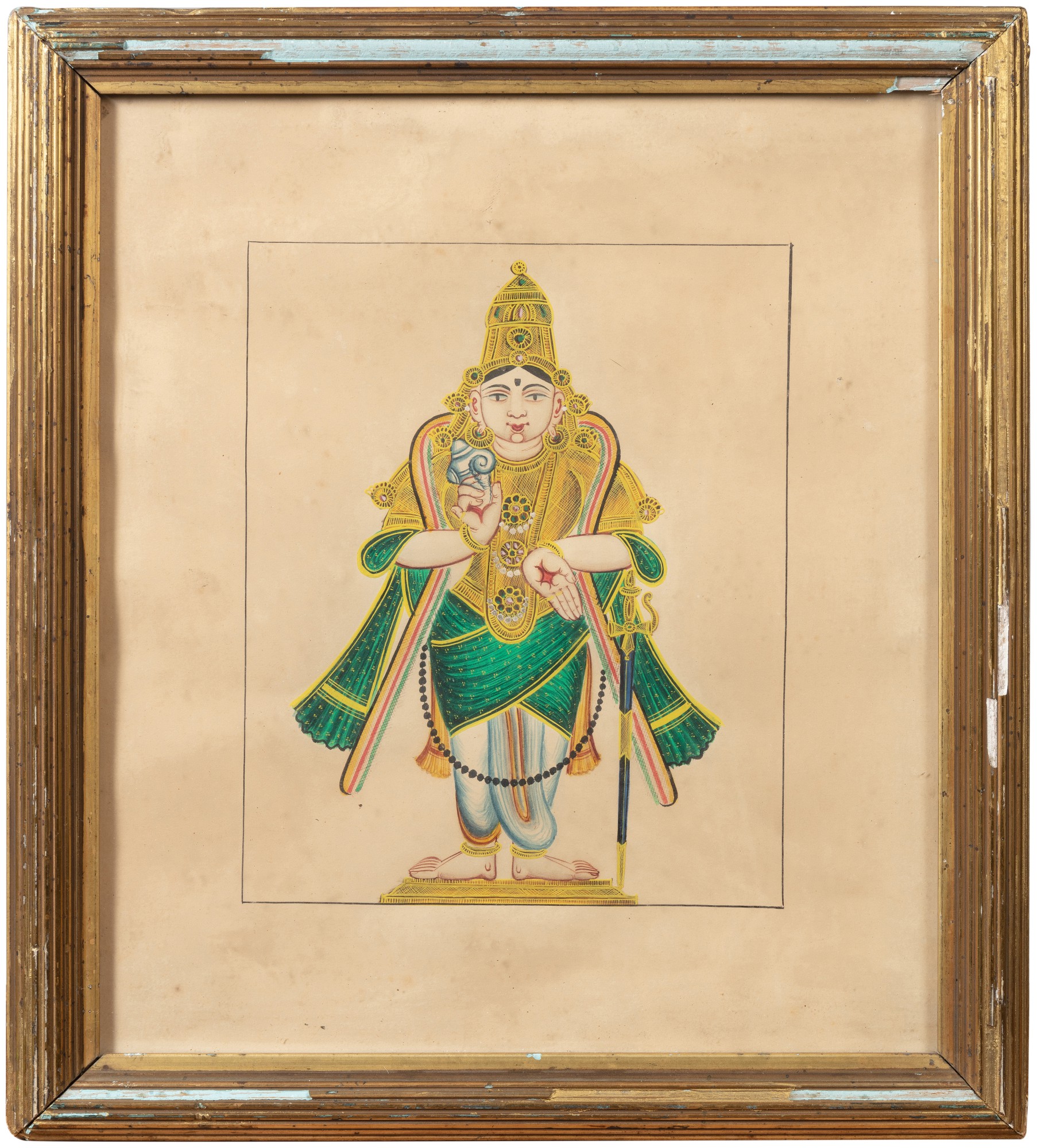
A group of seven paintings, French school, circa 1900
約1900年 印度人物故事圖 一組七幀 設色紙本 鏡框
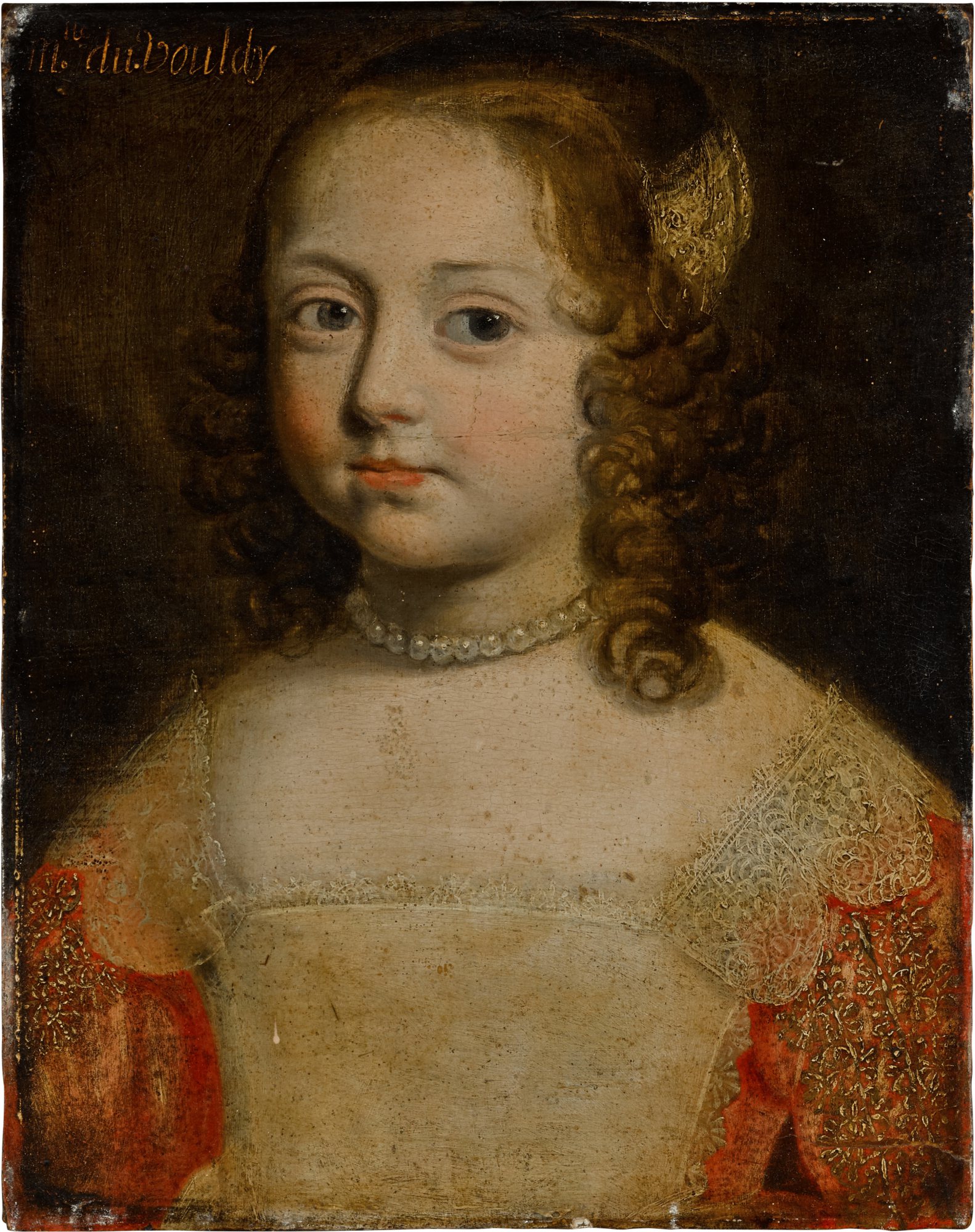
French School, 17th Century
Portrait of Mademoiselle de Vouldy, bust-length
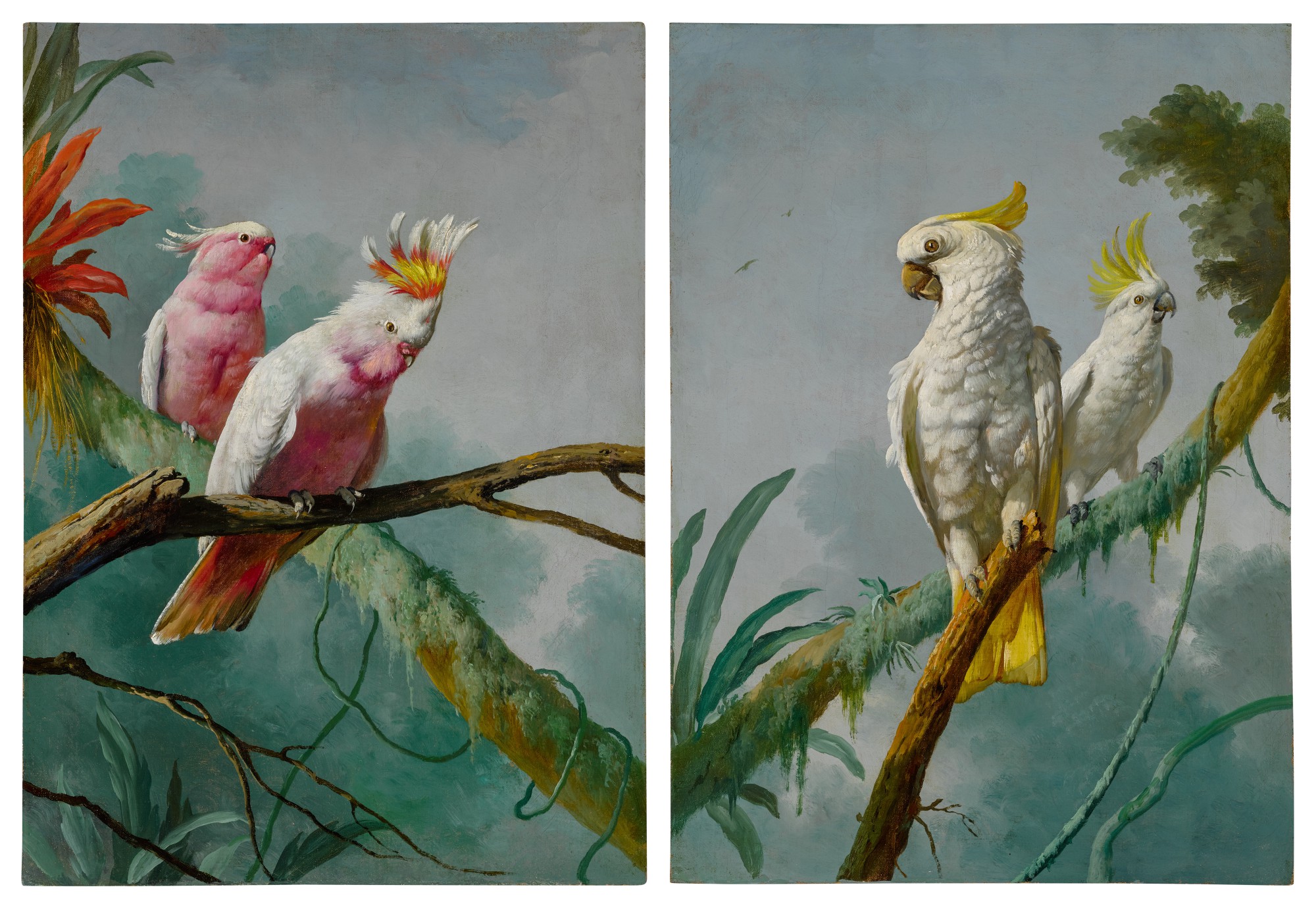
French School, circa 1800
A pair of leadbeater's cockatoos and a pair of sulphur-crested cockatoos
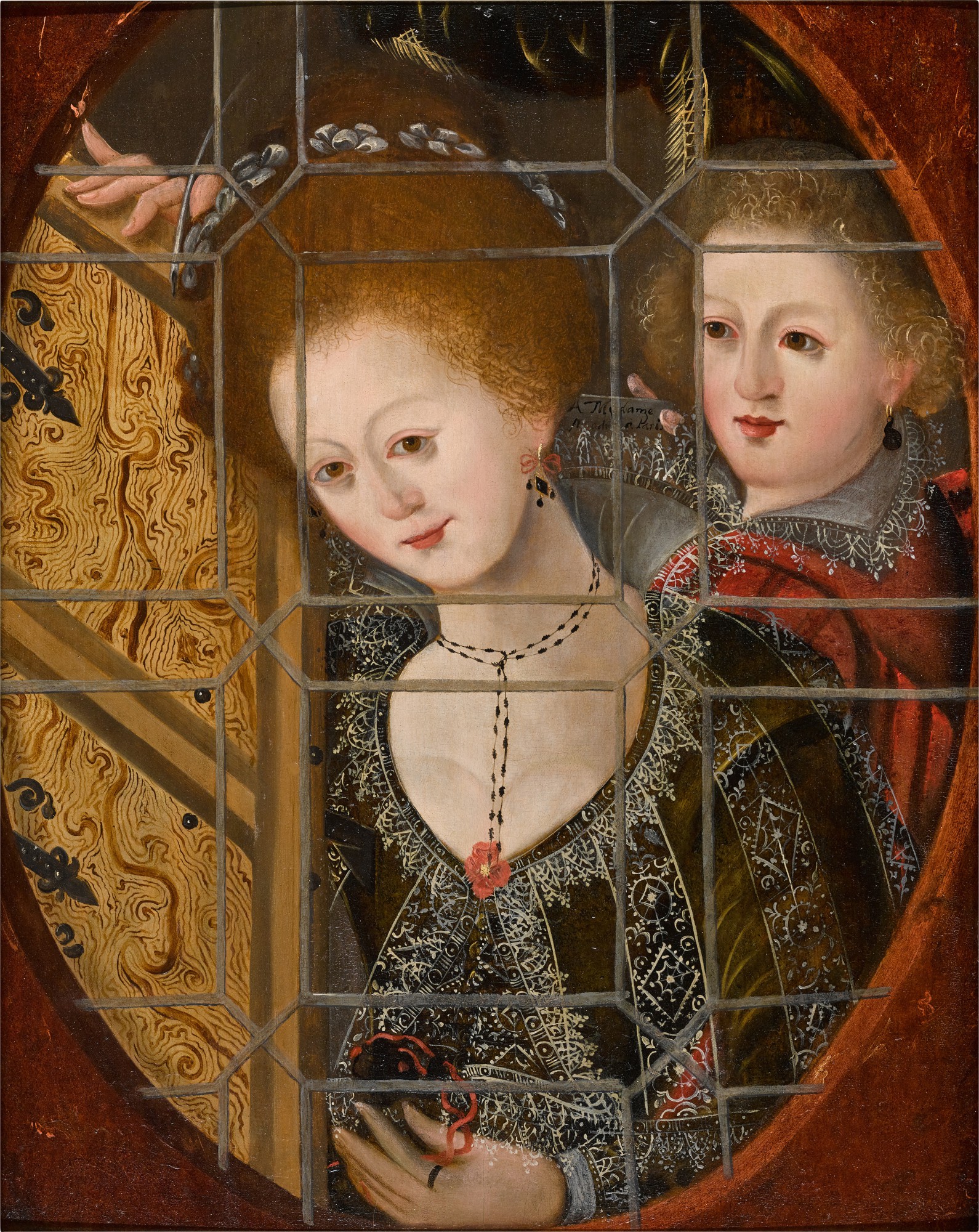
French School, circa 1600
Two young lovers behind a trompe l'œil window
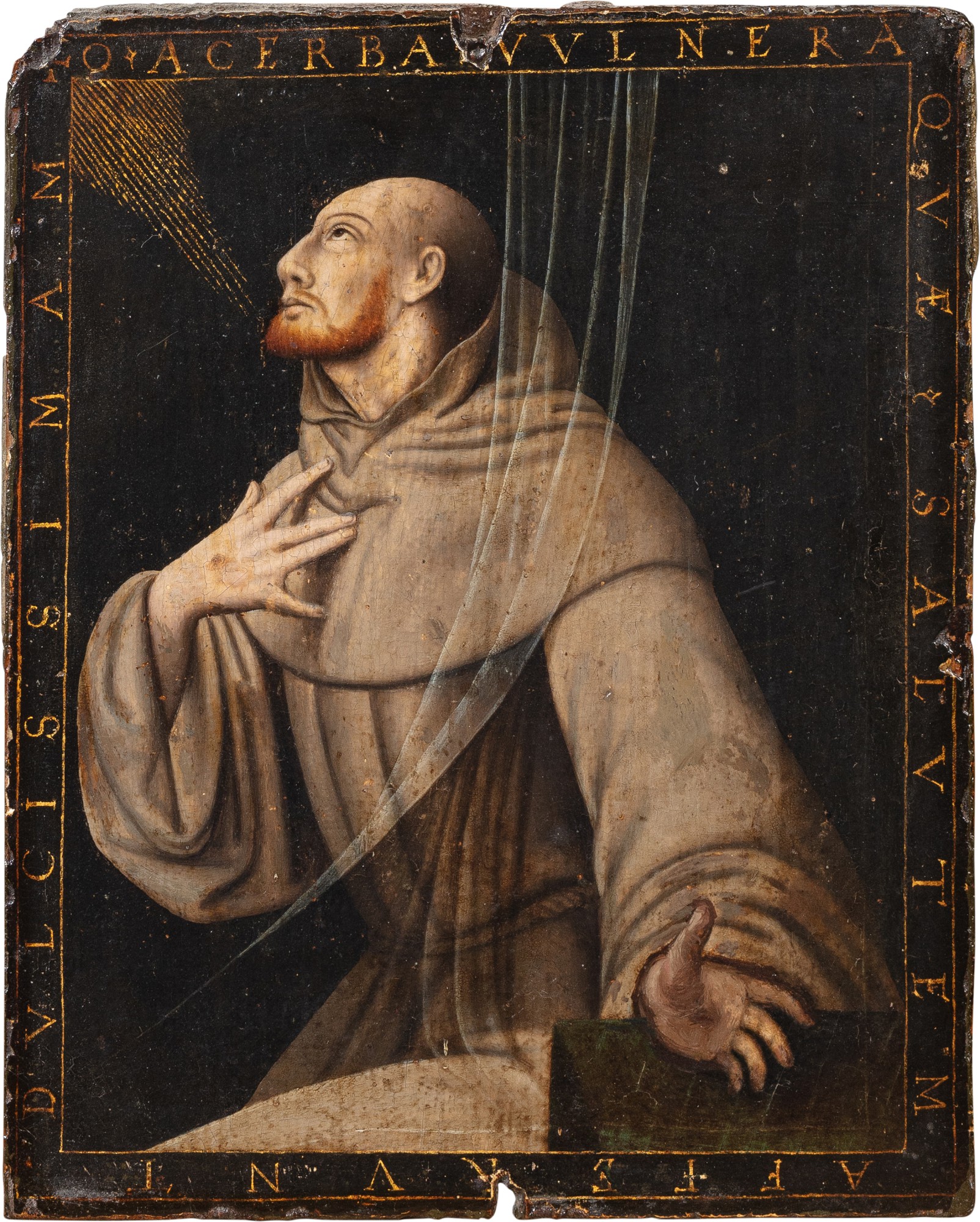
French School circa 1600
Saint François en extase
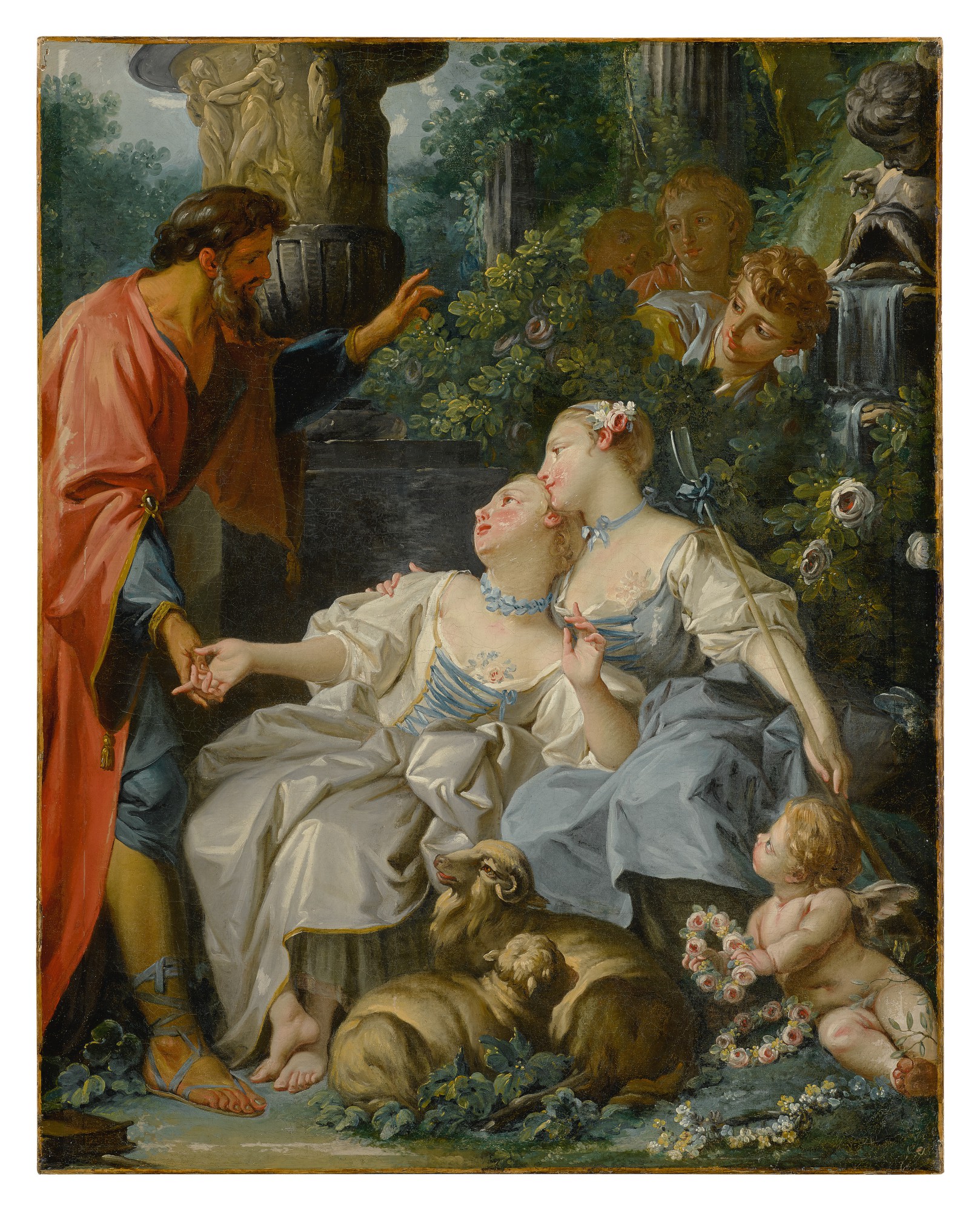
Attributed to Jean-Baptiste Huët
Two shepherdesses in a garden speaking to a shepherd, a putto below and three young men behind them
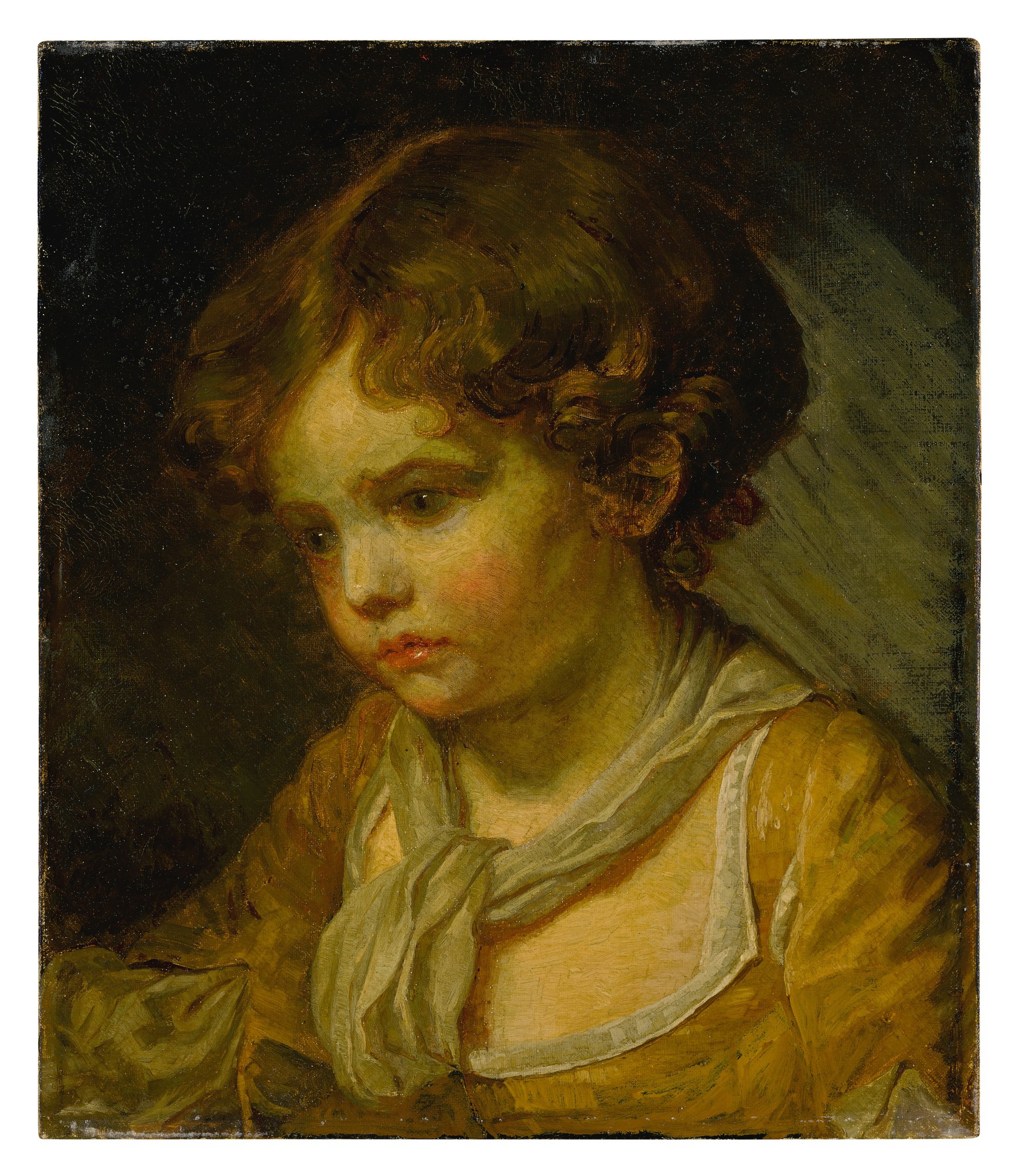
Follower of Jean-Baptiste Greuze
Portrait of a girl, bust length
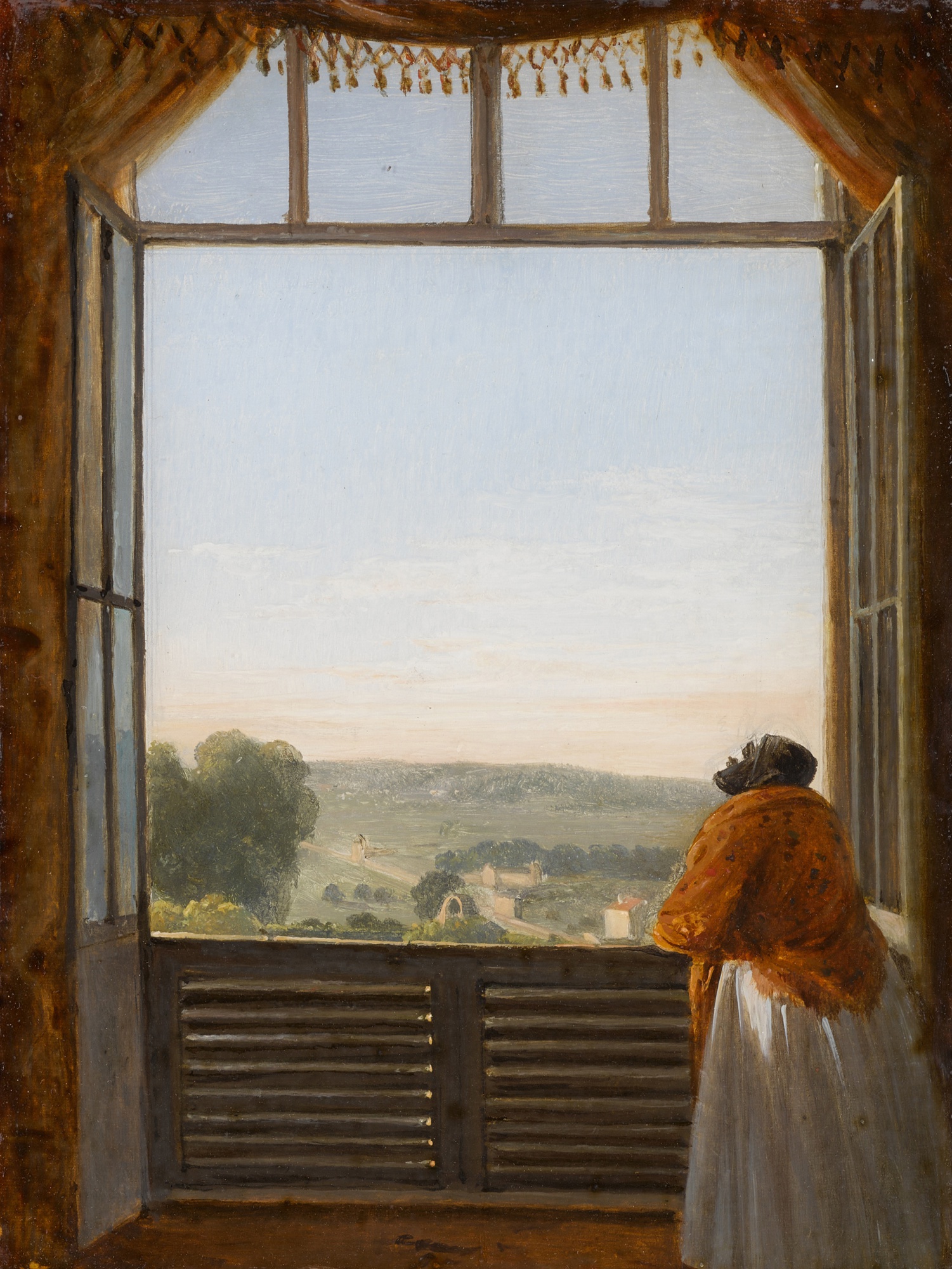
French School, early 19th century
Portrait of a lady at a window, traditionally identified as Henriette Campan (1752–1822)
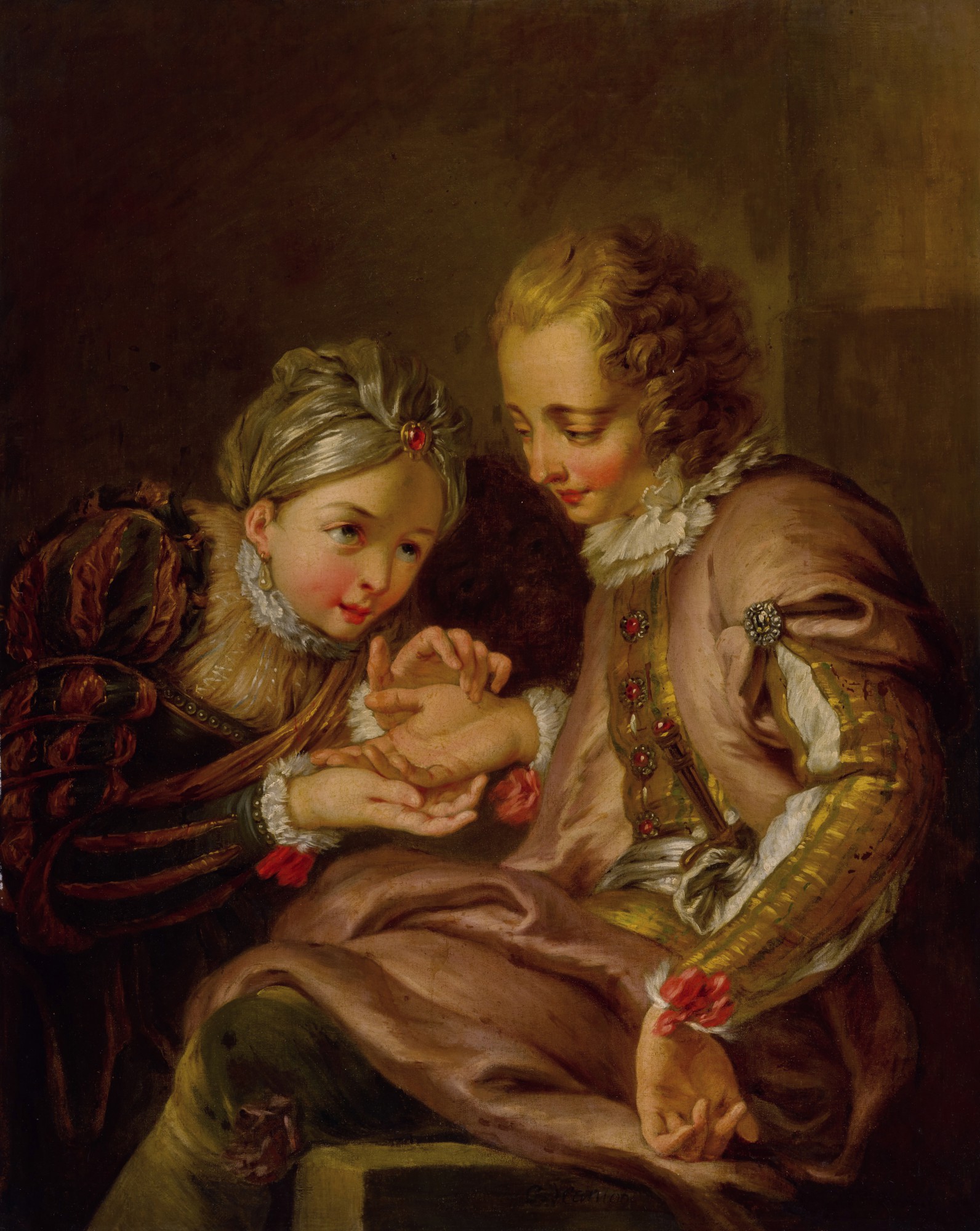
Charles-Antoine Coypel
The fortune teller