Digital Style
Archived article
You are reading a previous version of this article.
Read the latest version```json { "headline": "The Screen Is Now the Canvas", "body": "There is something quietly radical about hanging a work in digital style on your wall and watching it hold its own against everything around it. Collectors who come to this category often describe a similar moment of conversion: the initial skepticism that something born from software and pixel grids could carry genuine emotional weight, followed by the slow realisation that it can, and often does so with a directness that more traditional media cannot match. The appeal is partly aesthetic and partly philosophical. These are works that live in the same visual language as the world we actually inhabit now, saturated with screens, with interface design, with the particular flatness of contemporary visual culture.
To collect in this space is to acknowledge that the present tense has its own beauty.", "Collectors who live with digital style works frequently comment on how well they age in the home. Unlike painting, where the conversation can sometimes feel weighted down by historical expectation, a strong work in this idiom tends to feel present and alert. It does not ask you to approach it with reverence.
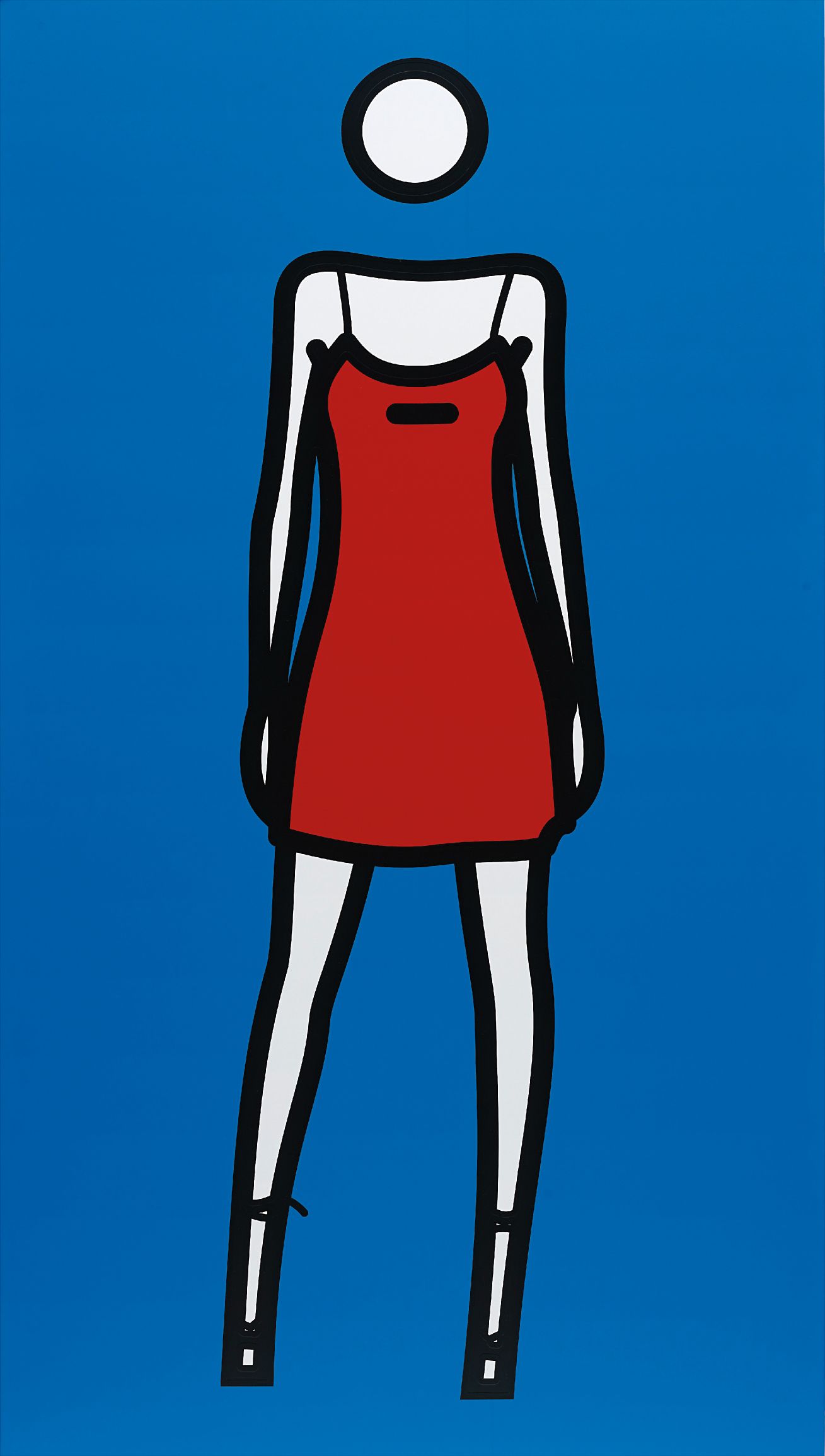
Julian Opie
Woman posing in summer dress. 1.
It meets you where you are. The clean lines, the simplified palettes, the formal confidence of work in this register have a way of holding a room together rather than dominating it, which is a quality experienced collectors learn to prize above showiness.", "What separates a good work from a great one in this category comes down to intention and resolution. The most compelling pieces are not simply images that happen to have been made using digital tools.
They use the logic of those tools to say something that could not be said otherwise. Look for works where the formal vocabulary, the flat colour, the precise contour, the absence of gestural mark making, feels like a choice with genuine artistic stakes rather than a default aesthetic. The best work in digital style tends to carry a kind of philosophical freight about how we perceive and represent the world now. When that conceptual purpose aligns with strong visual instinct, you have something worth serious attention.
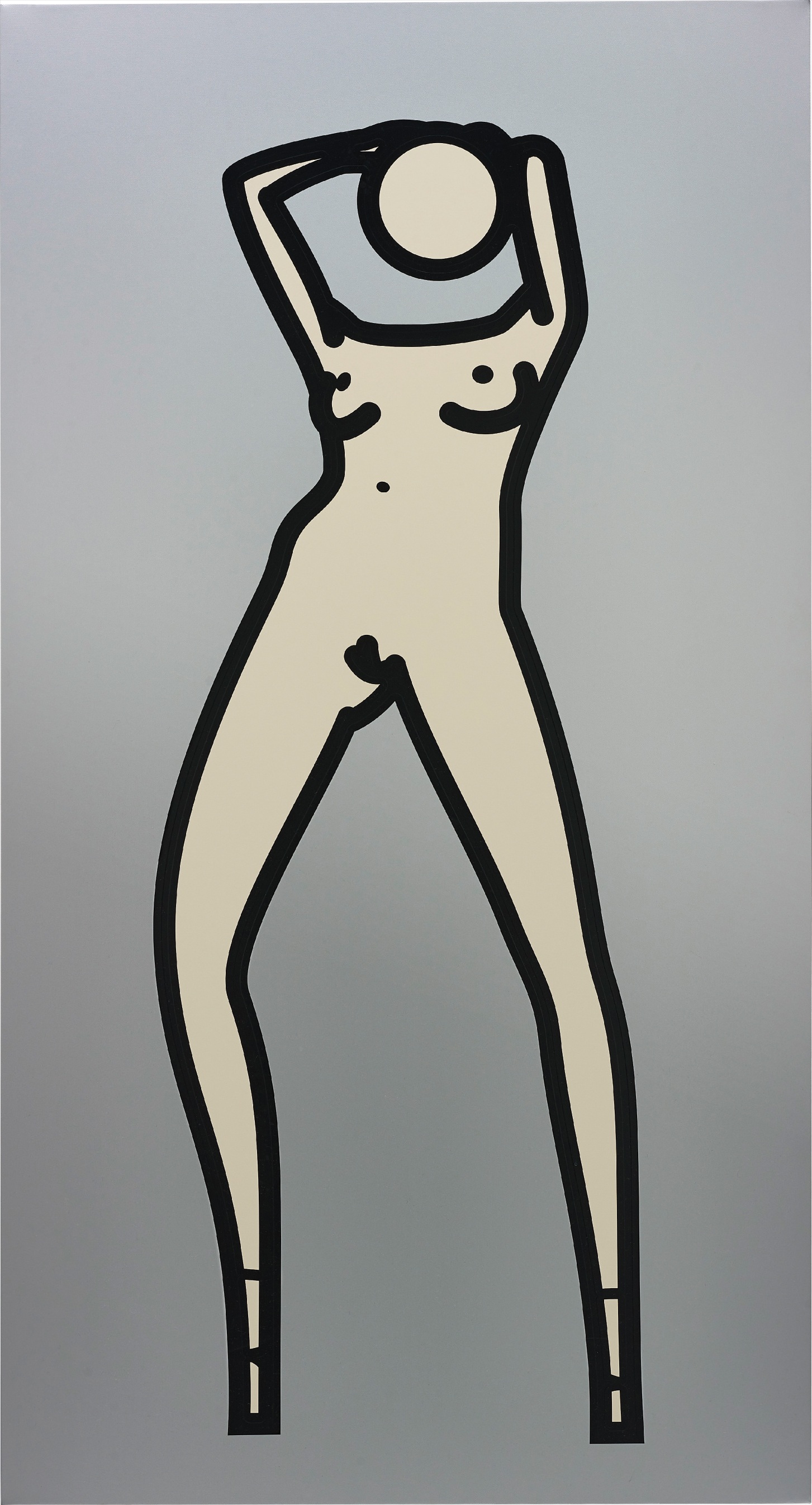
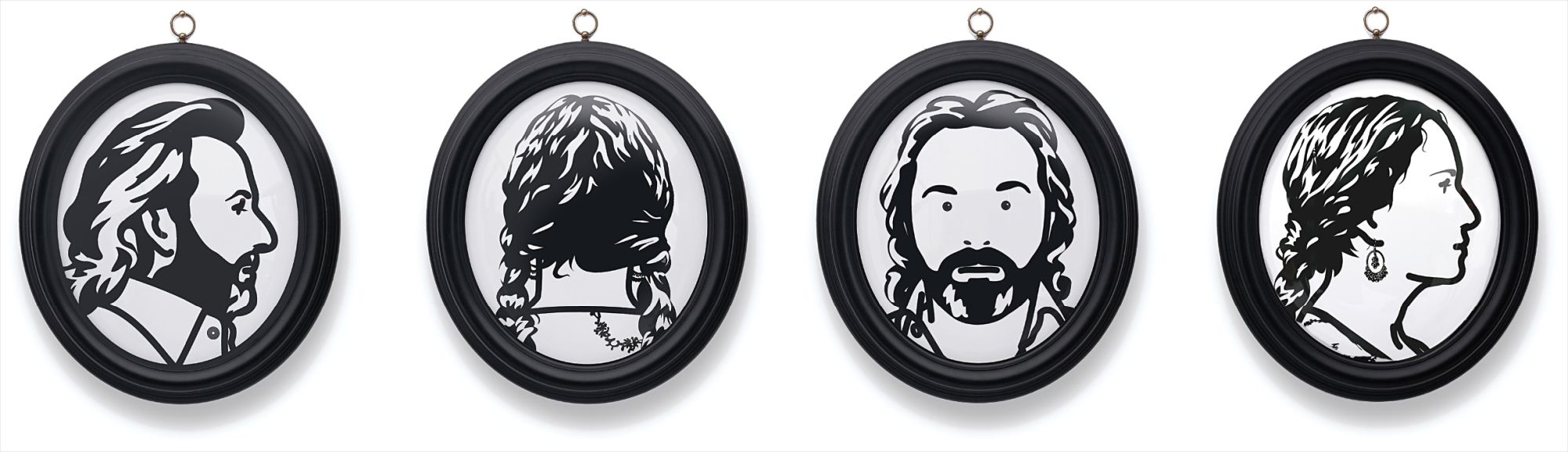
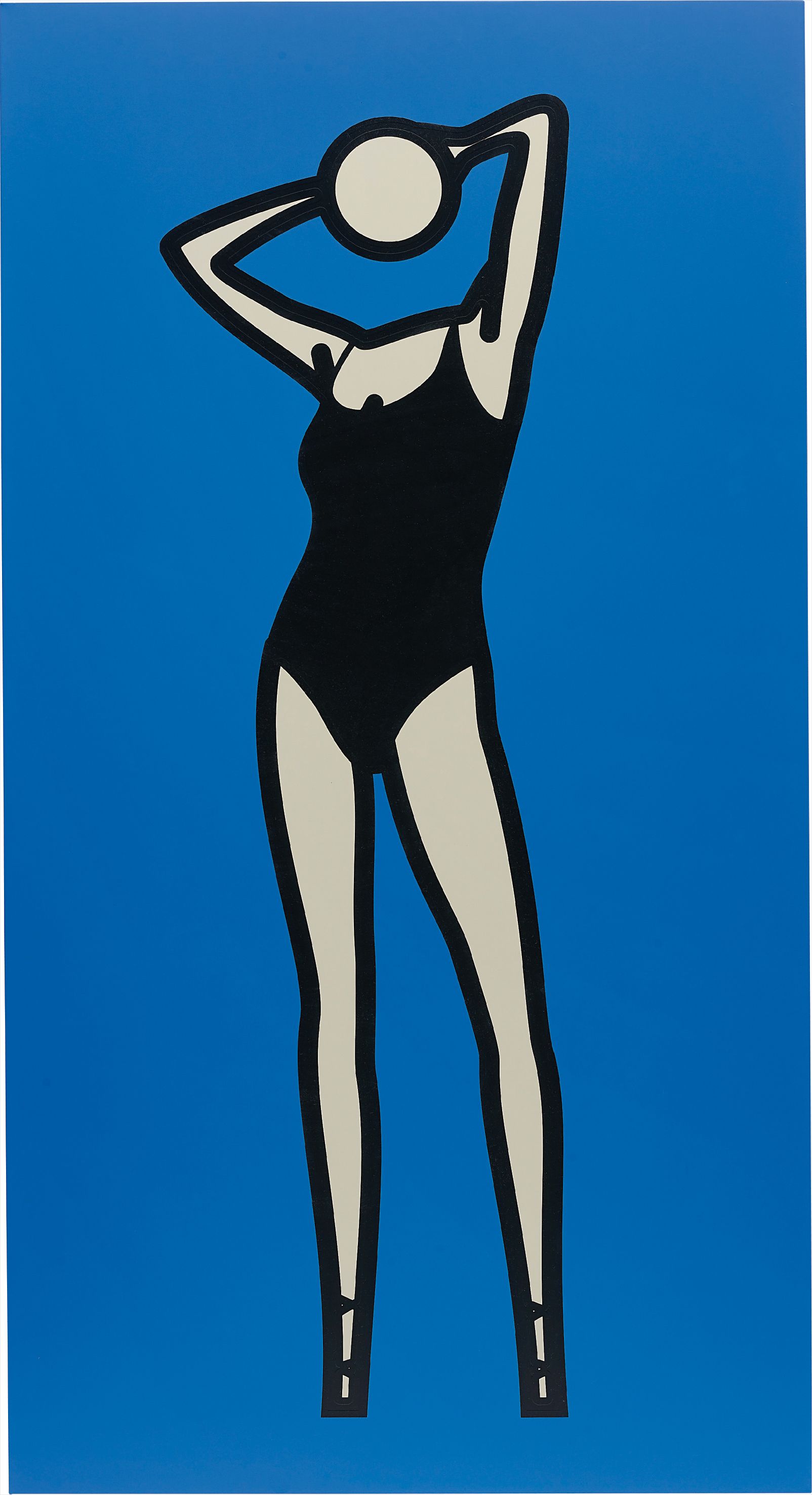
", "Julian Opie is the clearest example of an artist who understood early and deeply what digital style could mean as a serious artistic proposition. His works, well represented on The Collection, reduce the human figure and the observed world to their most essential visual information. A face becomes four or five marks. A walking figure is almost pure silhouette.
What sounds reductive in description is in practice anything but. Opie arrived at this visual language through sustained engagement with portraiture, landscape, and the history of representation, and the resulting work carries that depth beneath its apparently simple surface. Collectors who have tracked his career know that his prices at auction have moved consistently upward over the past two decades, and that works acquired through galleries in the 1990s and early 2000s now command multiples of their original values. His is a market with genuine depth and international appetite.
", "For collectors with an eye on emerging opportunities, the generation working in digital style now is worth close attention. Many younger artists are bringing concerns around identity, surveillance, data, and the ethics of representation into a visual idiom that draws directly on Opie's lineage while pushing into new territory. Artists who have come through MFA programmes in the last decade, particularly those with dual practices spanning fine art and design, are producing work that the market has not yet fully priced. The galleries showing this work are often smaller and more experimental, which means acquisition prices remain accessible and the curatorial validation is often rigorous.
That combination does not stay available for long.", "The secondary market for digital style works has matured considerably over the past fifteen years. Christie's, Phillips, and Bonhams have all run dedicated contemporary sales that include work in this register, and the results have been instructive. Opie in particular has shown resilience across market cycles, with strong hammer prices even during the more cautious periods that followed 2008 and again in the post pandemic corrections of 2022 and 2023.
The category as a whole benefits from a collector base that skews younger than the average contemporary art buyer, which tends to mean sustained demand over time. Works that were considered niche a decade ago are now firmly within the mainstream of serious collecting.", "On the practical side, there are several things worth knowing before you acquire. Works in digital style frequently exist in editions, which raises questions that should be answered before any transaction is complete.
Ask the gallery for the full edition size, the number of artist proofs, and whether any institutional impressions exist. Understand exactly where in the edition your work sits. Condition is less of an ongoing concern with works on aluminium or achromatised print substrates than with oil on canvas, but it still matters. Framing choices are significant in this category.
Many works are intended to be displayed without glass, which affects both appearance and long term care requirements. Ask specifically about the artist's preferred display instructions and whether those instructions are documented.", "For unique works in digital style, the acquisition conversation should also address provenance carefully. Because this is a relatively young market, works sometimes come with thinner provenance trails than you would expect from more established categories.
A direct gallery relationship or a documented exhibition history is worth more here than in some other areas. The most important practical advice, though, is to spend time with the work before committing. Digital style at its best rewards sustained looking. The works that seem almost too simple at first glance tend to be the ones that keep returning to you, that you find yourself rearranging a room around, that end up defining a collection in ways you did not anticipate.
That quality, the quality of staying power, is ultimately what you are trying to identify and what, in this category, the very best artists have always delivered.
Works tagged Digital Style