Contemplative Mood
Archived article
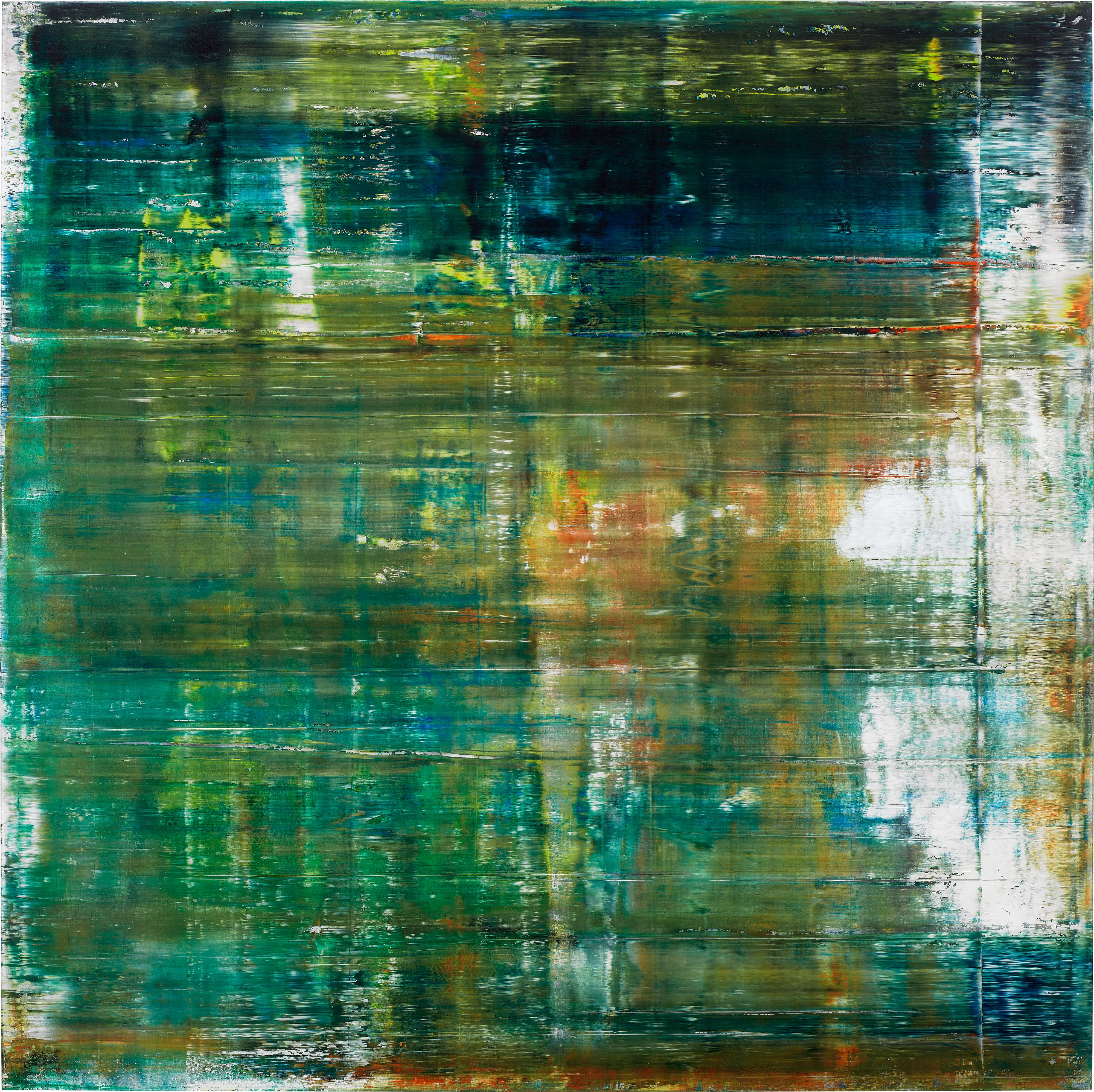
Gerhard Richter
Cage 1 (P19-1)
You are reading a previous version of this article.
Read the latest version```json { "headline": "The Art of Stillness Pays Dividends", "body": "There is a particular kind of collector who keeps returning to the same painting. Not because they haven't decided yet, but because the work keeps offering something new each time they stand before it. Contemplative art, the kind that asks you to slow down and stay, has always attracted a specific and serious collector. These are people who understand that living with art is not the same as owning it, and that the best works change with the light, with your mood, with the years.
There is a hunger in the market right now for exactly this quality, a work that doesn't shout but instead waits patiently for your full attention.", "Collectors drawn to this mood tend to build the most coherent and personally meaningful collections. The works they acquire are often harder to describe at a dinner party than a figurative Basquiat or a Warhol print, but they tend to be the pieces that outlast every other object in a room. There is also, increasingly, a financial logic to this preference.
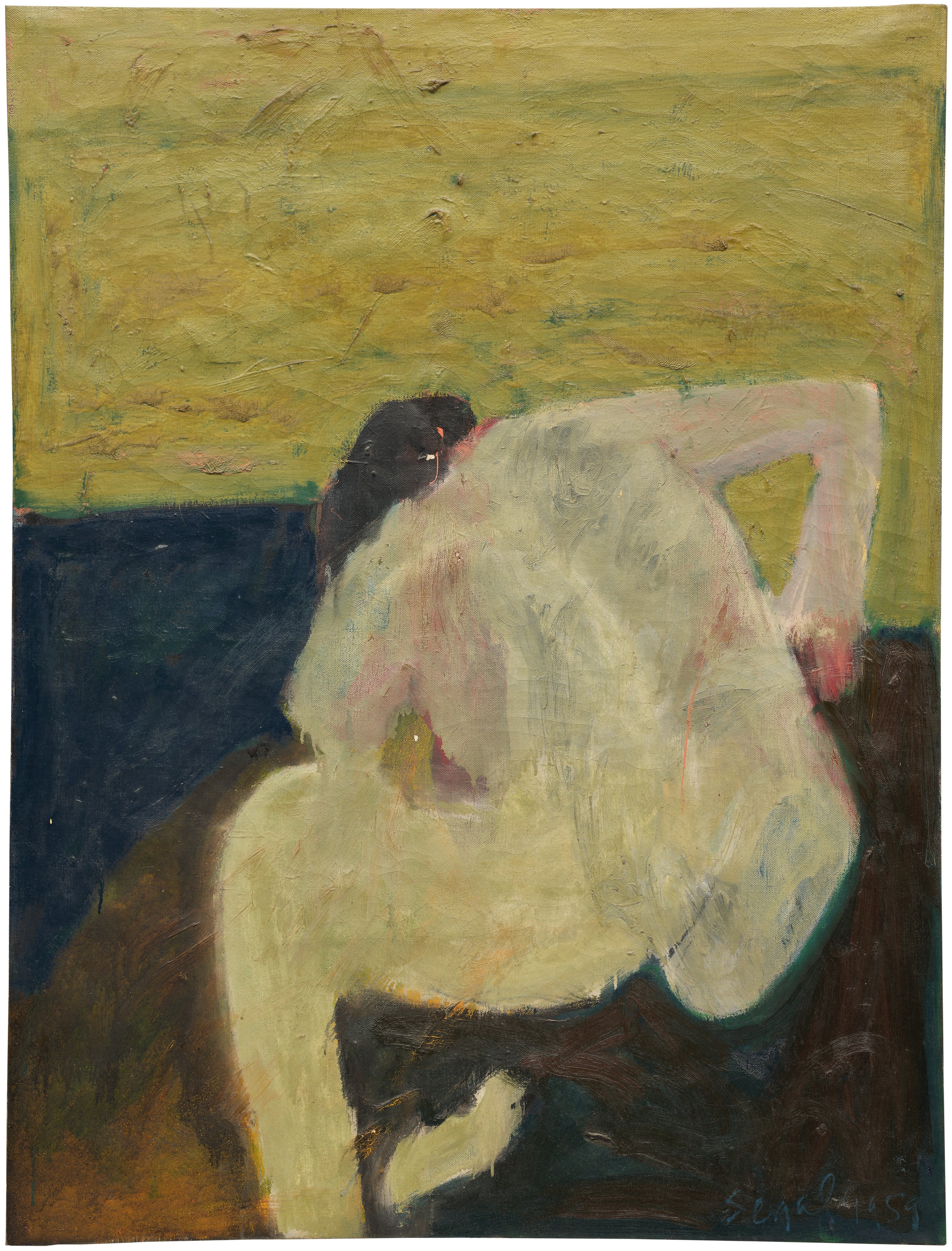
George Segal
Woman, 1959
As the broader market has lurched through cycles of speculation and correction, works with genuine meditative depth have demonstrated a quiet resilience. They hold their value not because they are fashionable but because they are necessary.", "What separates a good contemplative work from a great one is almost always a question of sustained intensity. A lesser work creates an initial impression of calm and then goes silent.
A great work generates what the painter Sean Scully has described as a kind of pressure, a sense that something unresolved is happening beneath the surface. In Scully's own stripe paintings, for instance, the apparent simplicity of the format is the container for something far more volatile. Collectors should look for this tension between restraint and feeling. They should also pay attention to the physical quality of the work itself, how paint is applied, how light behaves across the surface, whether the silence is earned or merely performed.
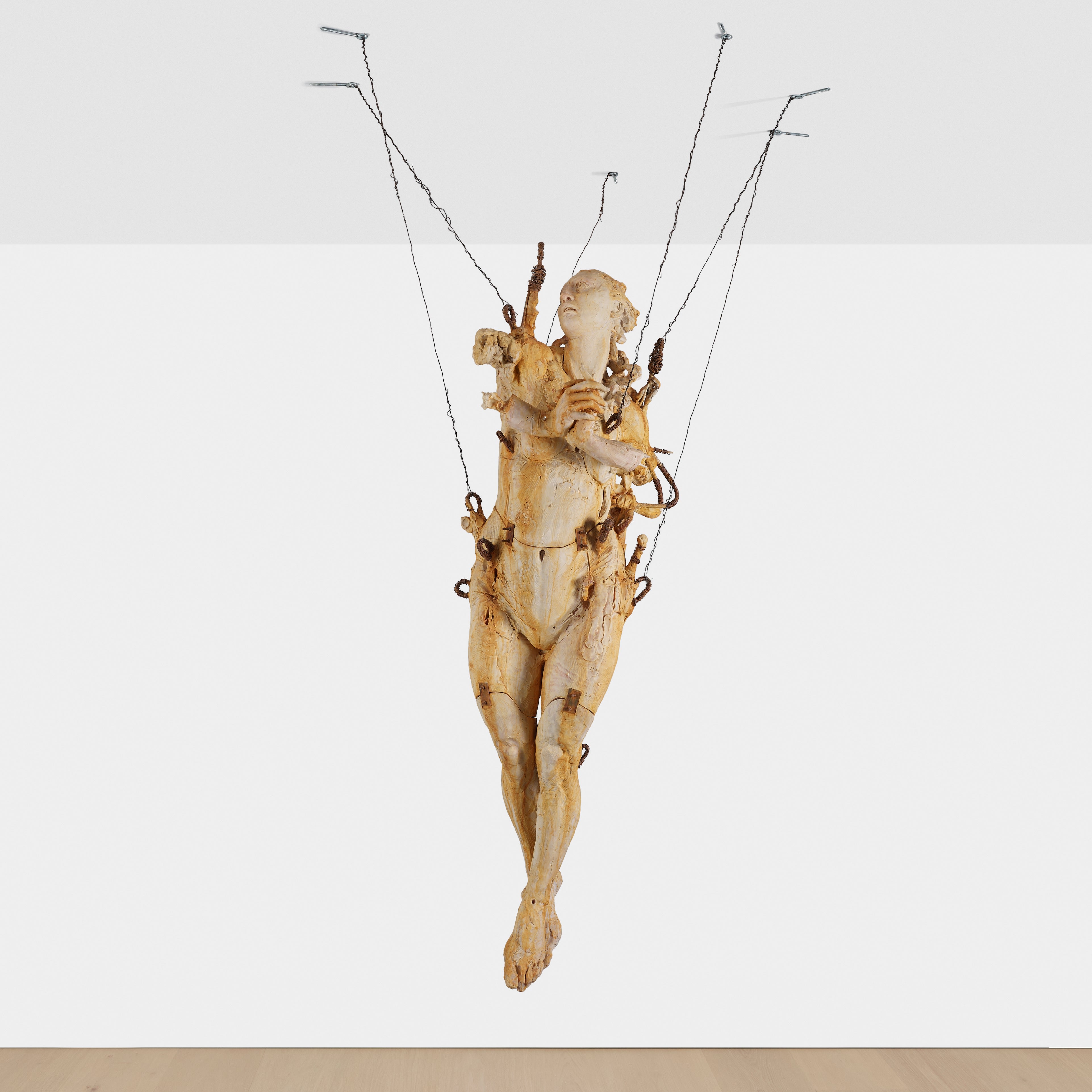
Javier Marín
Femme Suspendue
", "The artists best represented on The Collection offer a genuinely instructive study in this quality. Gerhard Richter's abstract works, particularly his squeegee paintings from the 1980s onward, have become touchstones for exactly this conversation. They look meditative but they carry enormous art historical weight, and the market has recognised this consistently, with major works regularly achieving auction results that confirm their position as among the most significant works of the postwar period. Similarly, Brice Marden's rope paintings and his later Cold Mountain series achieve something rare: they are rooted in process and observation and yet they produce a viewing experience that is genuinely close to the contemplative traditions that inspired him.
Works by both artists represent strong long term value for collectors entering this space.", "Lee Ufan deserves particular attention. His international profile has grown substantially since his major retrospectives at the Guggenheim Bilbao and Versailles, and his market has deepened accordingly. But unlike some artists whose secondary market inflates quickly and then plateaus, Ufan's work benefits from the philosophical coherence of the Mono ha movement he helped define in Japan during the late 1960s and into the 1970s.
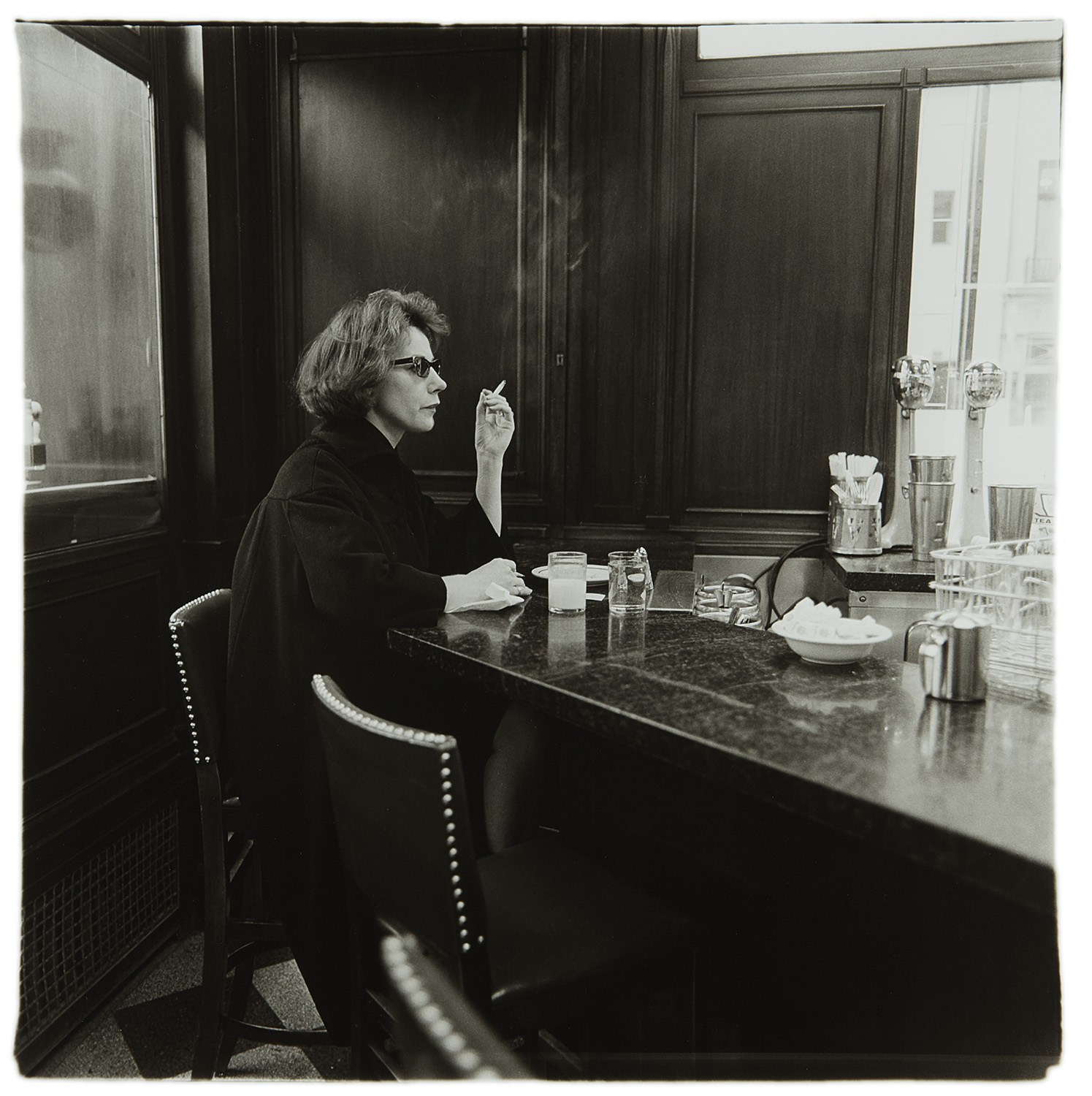
Diane Arbus
Woman at a counter smoking, N.Y.C.
There is an intellectual architecture supporting his prices, and that architecture does not age poorly. Hiroshi Sugimoto operates in a related register: his long exposure photographs of cinema interiors and seascapes occupy a space that is as much conceptual as it is photographic, and the edition structure of his work makes it accessible to collectors at a range of entry points.", "For collectors interested in where the next generation of this sensibility is developing, it is worth spending time with artists working at the intersection of materiality and perception. Ólafur Elíasson, well represented on The Collection, is already a major figure, but his work continues to expand in ways that reward ongoing attention.
Gabriel Orozco represents a slightly different but equally relevant approach: his practice is quieter and more intimate than his reputation might suggest, and collectors who have followed him closely argue that his works reward sustained looking in ways that auction previews rarely communicate. The secondary market for Orozco has been building steadily, and there is a reasonable argument that certain bodies of his work remain underpriced relative to their importance.", "At auction, works with a genuine contemplative quality have shown considerable resilience across market cycles. The data from the past decade suggests that collectors who acquire works by artists with a coherent philosophical underpinning tend to see steadier appreciation than those chasing more topical figures.
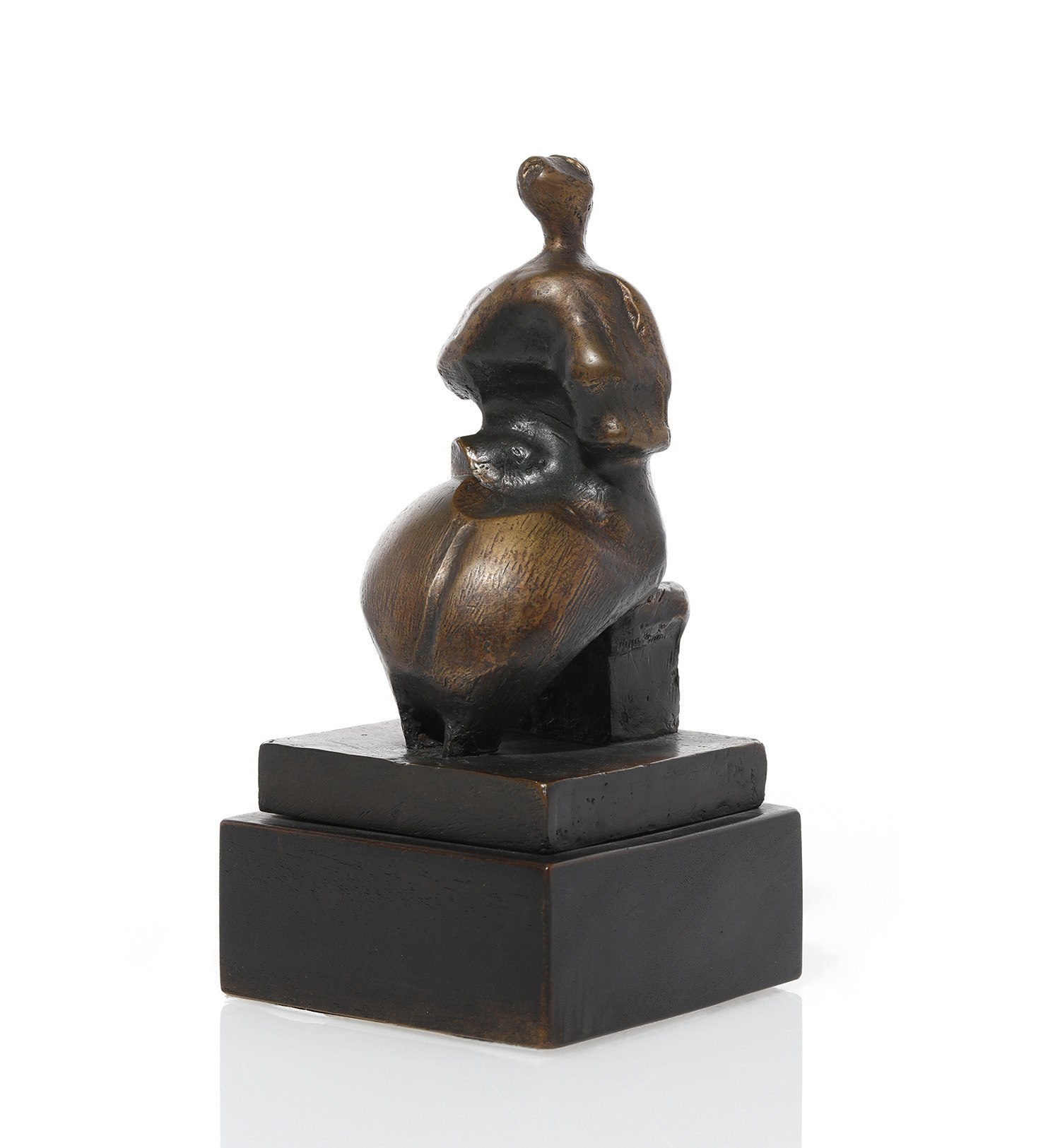
Henry Moore
Maquette for Seated Woman
Robert Motherwell, whose elegy paintings represent one of the great sustained bodies of work in American abstraction, is an instructive example. His prices at auction have remained strong and remarkably consistent. Cy Twombly's market is perhaps the most dramatic illustration of this principle: works that seemed opaque and difficult to a generation of collectors are now recognised as among the most emotionally complex objects of the twentieth century, and their auction performance reflects that belated recognition.", "Practically speaking, collectors entering this area should pay close attention to condition in a way that goes beyond the standard checklist.
Works in this category often depend on surface integrity in ways that are highly specific: a Sugimoto photograph that has been exposed to inconsistent humidity will have lost something that cannot be recovered, and a Richter abstract with even minor inpainting will photograph differently under raking light. Ask galleries directly about exhibition history and loan records, since works that have travelled extensively carry accumulative risk. On the question of editions versus unique works, there is no universal answer, but the honest guidance is that a unique work by an artist at the level of Marden or Scully will almost always offer more significant upside than an edition by a comparable name, even if the entry cost is substantially higher. The contemplative mood rewards patience in collecting as much as it does in looking.
Works tagged Contemplative Mood
Diane Arbus
Woman at a counter smoking, N.Y.C.
Henry Moore
Maquette for Seated Woman

Sarah Lee
Two Half Moons
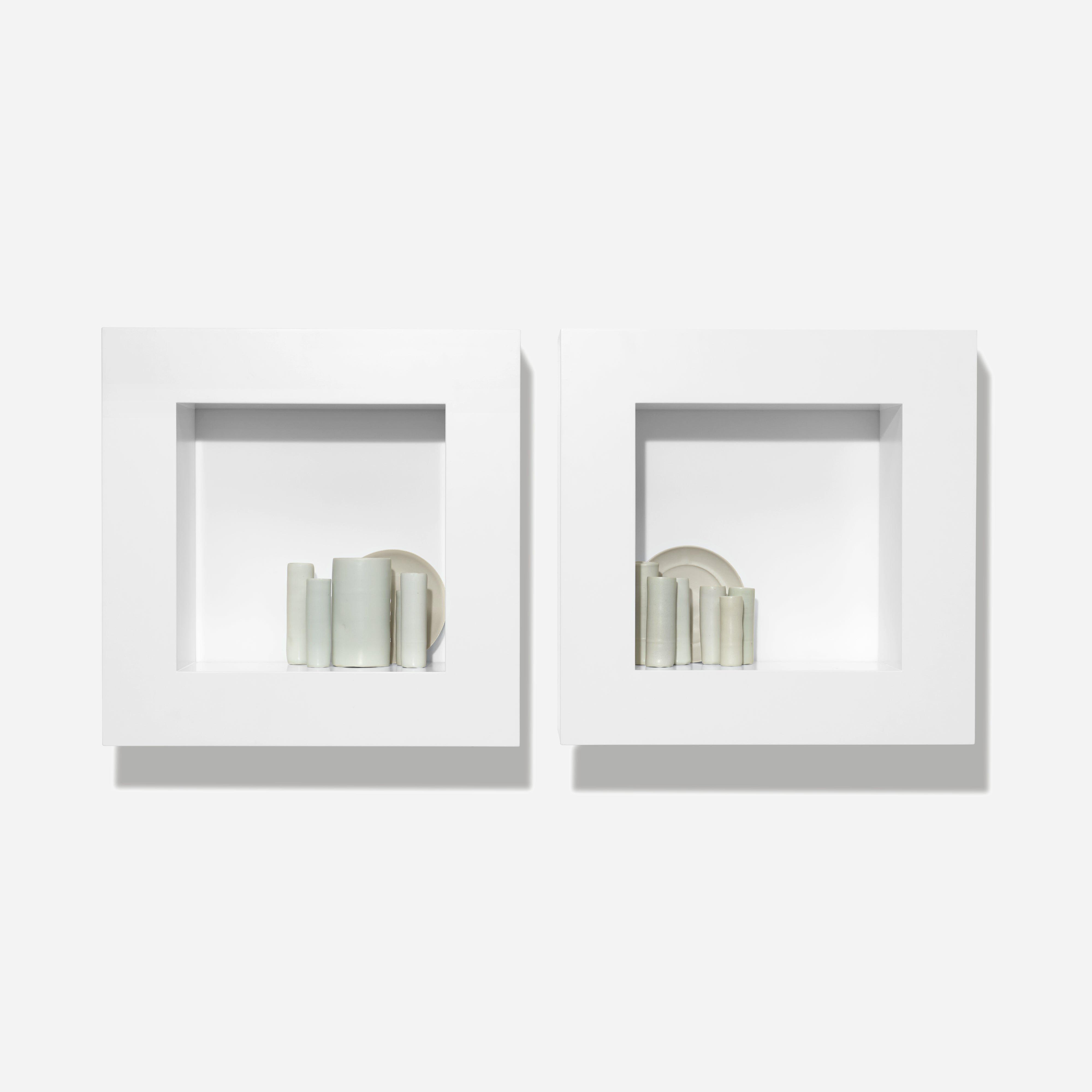
Edmund de Waal
Velocity or Pause
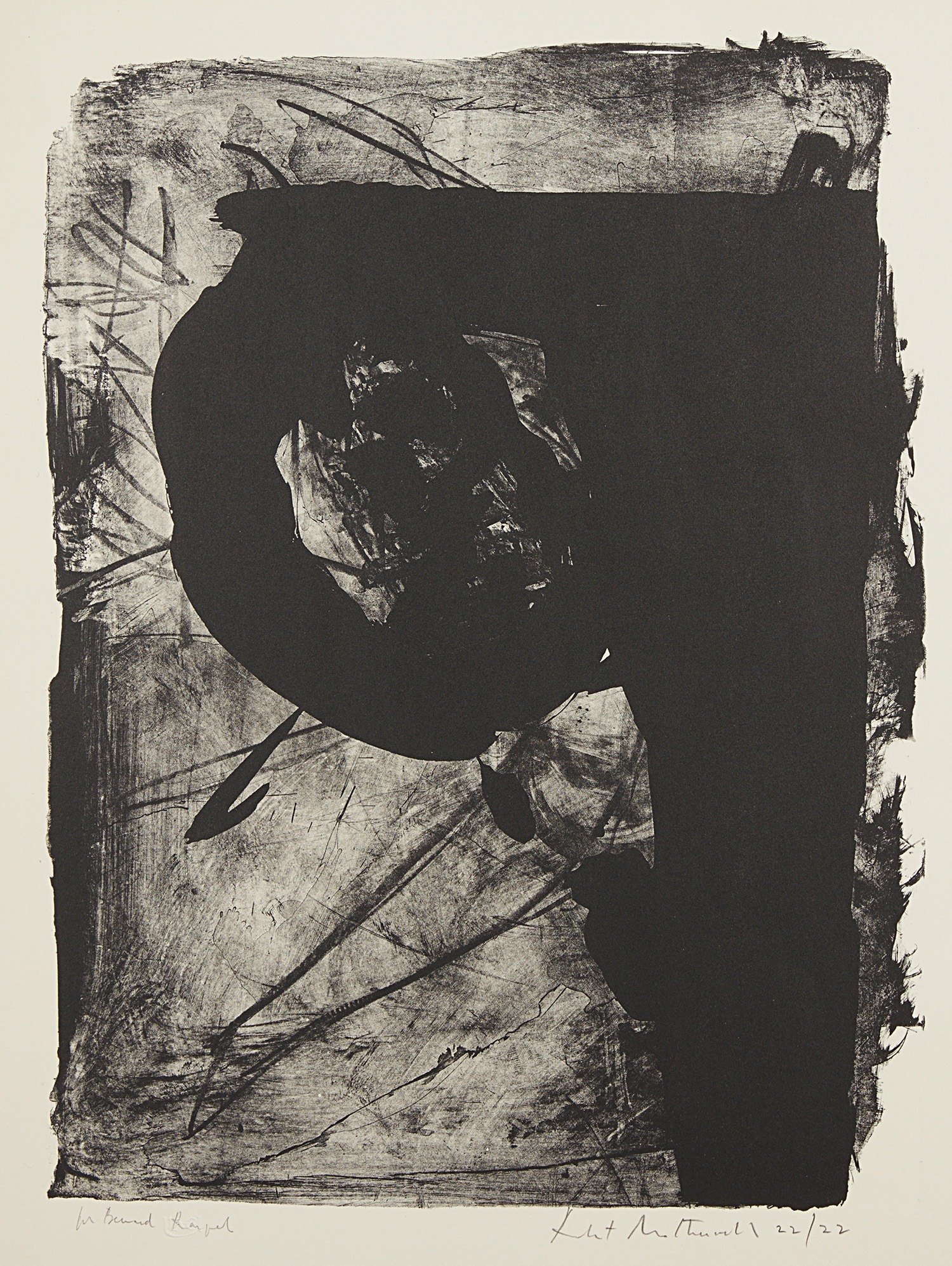
Robert Motherwell
Poet I
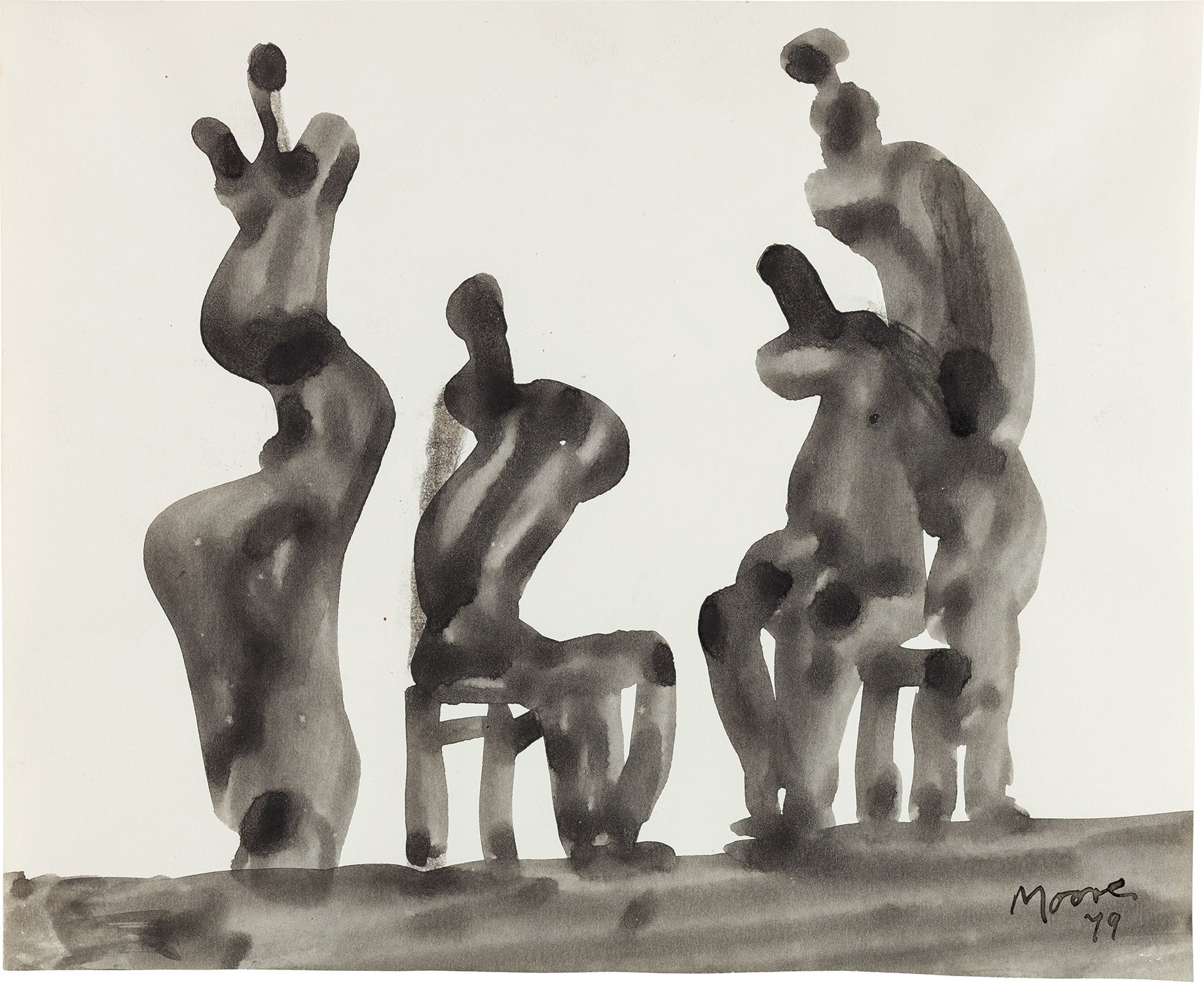
Henry Moore
Four Figures Seated and Standing
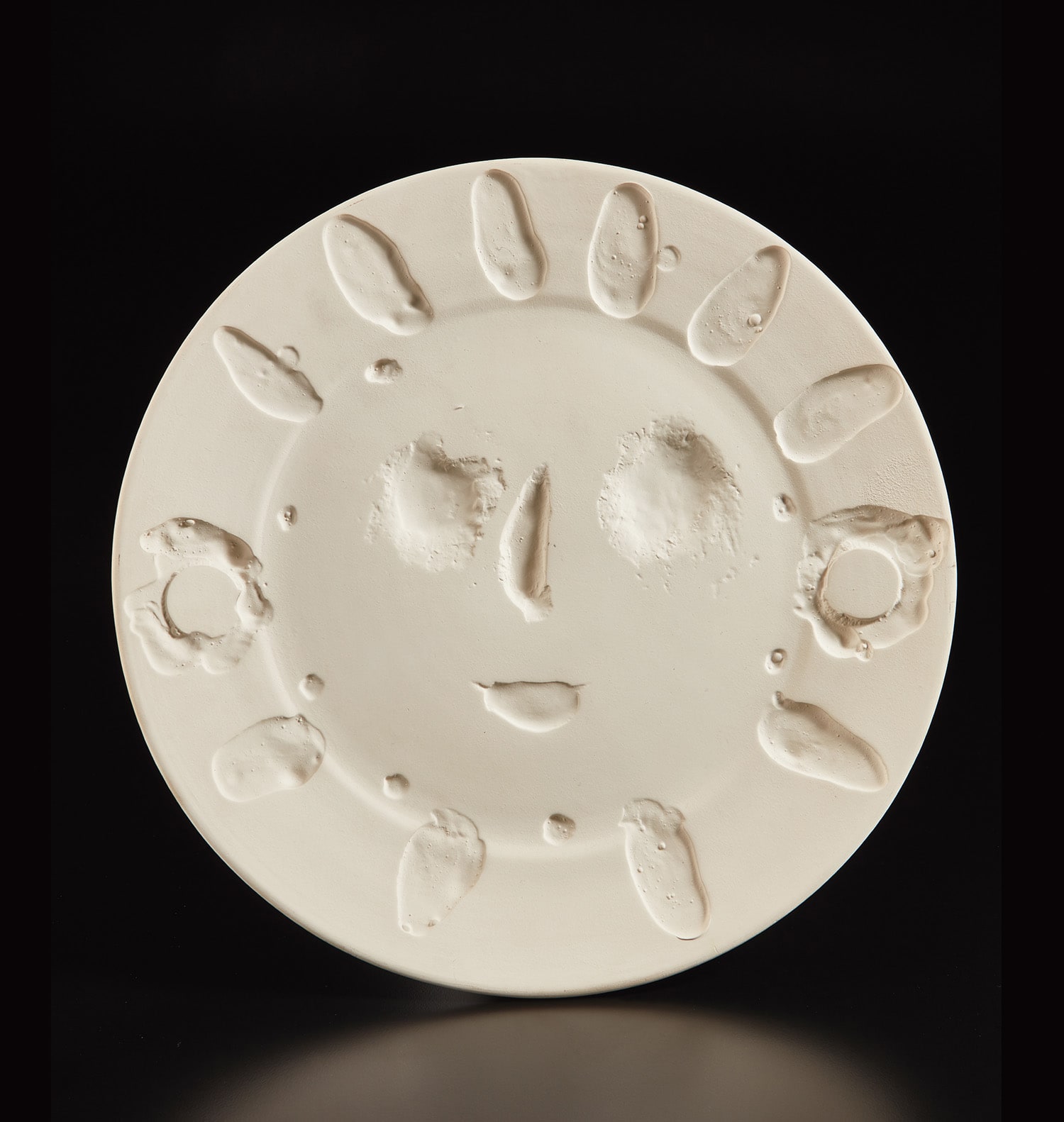
Pablo Picasso
Face with palm-leaves (Visage aux palmes)
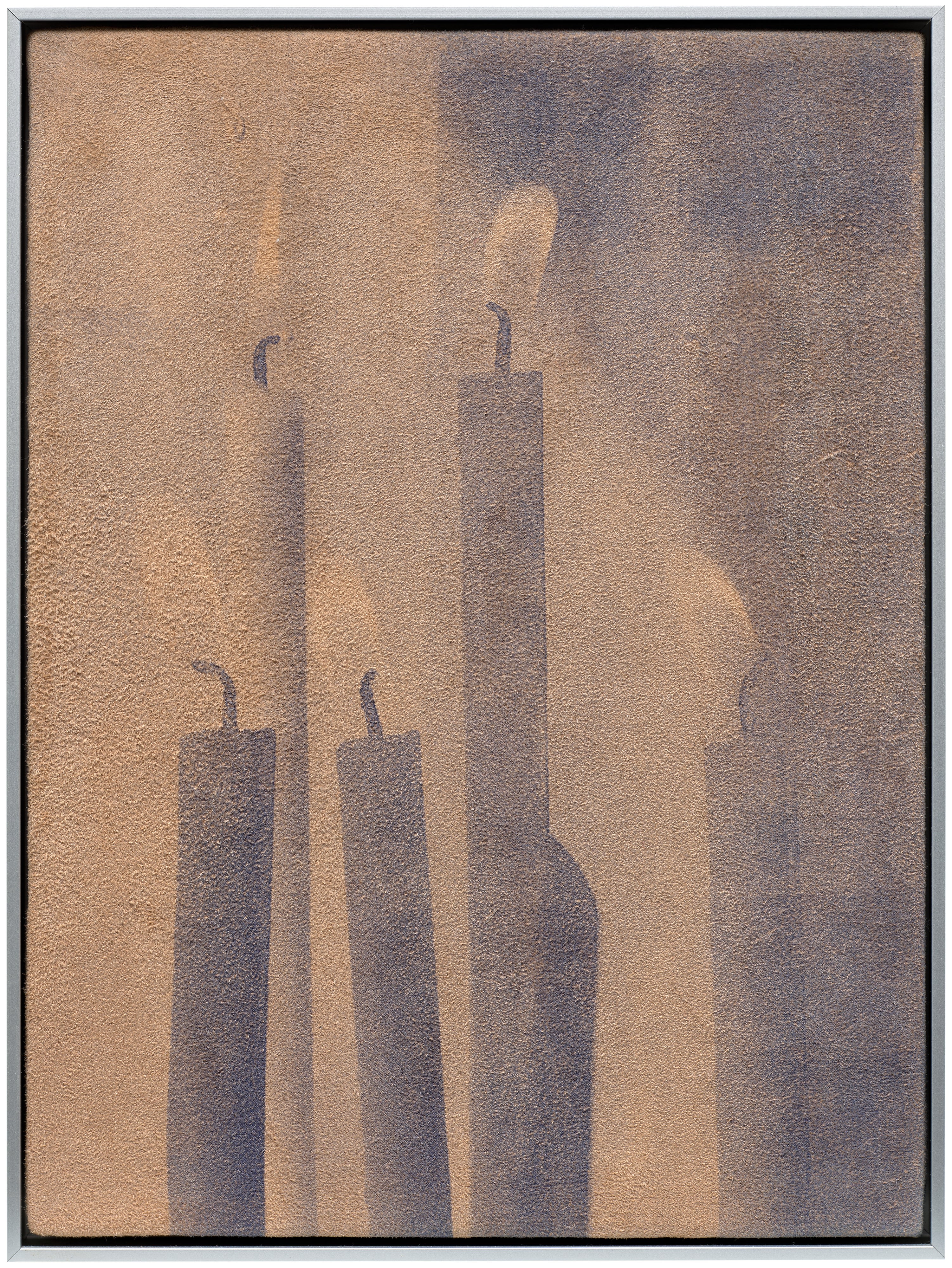
Poppy Jones
Dreamers II
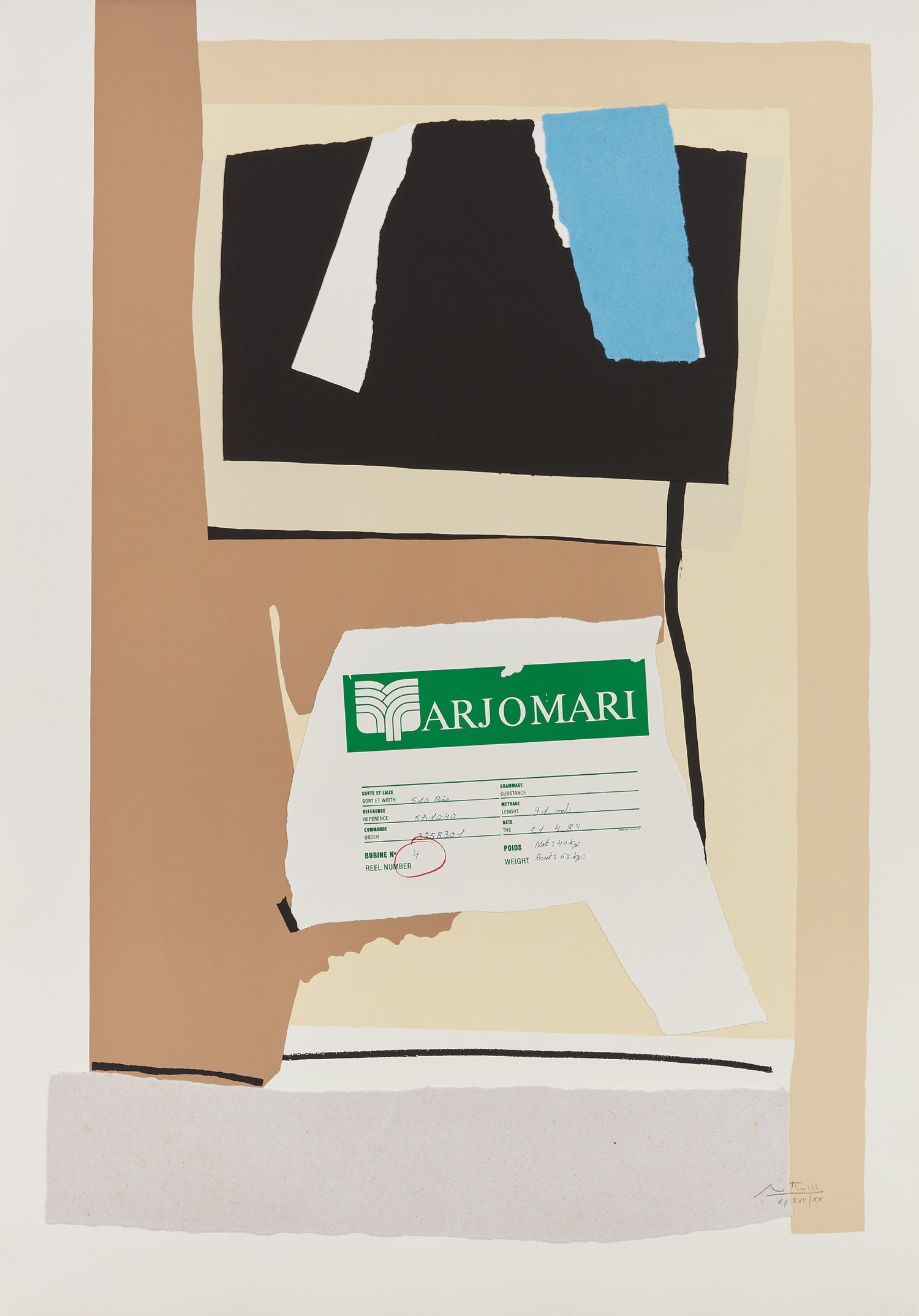
Robert Motherwell
America - La France Variations VII
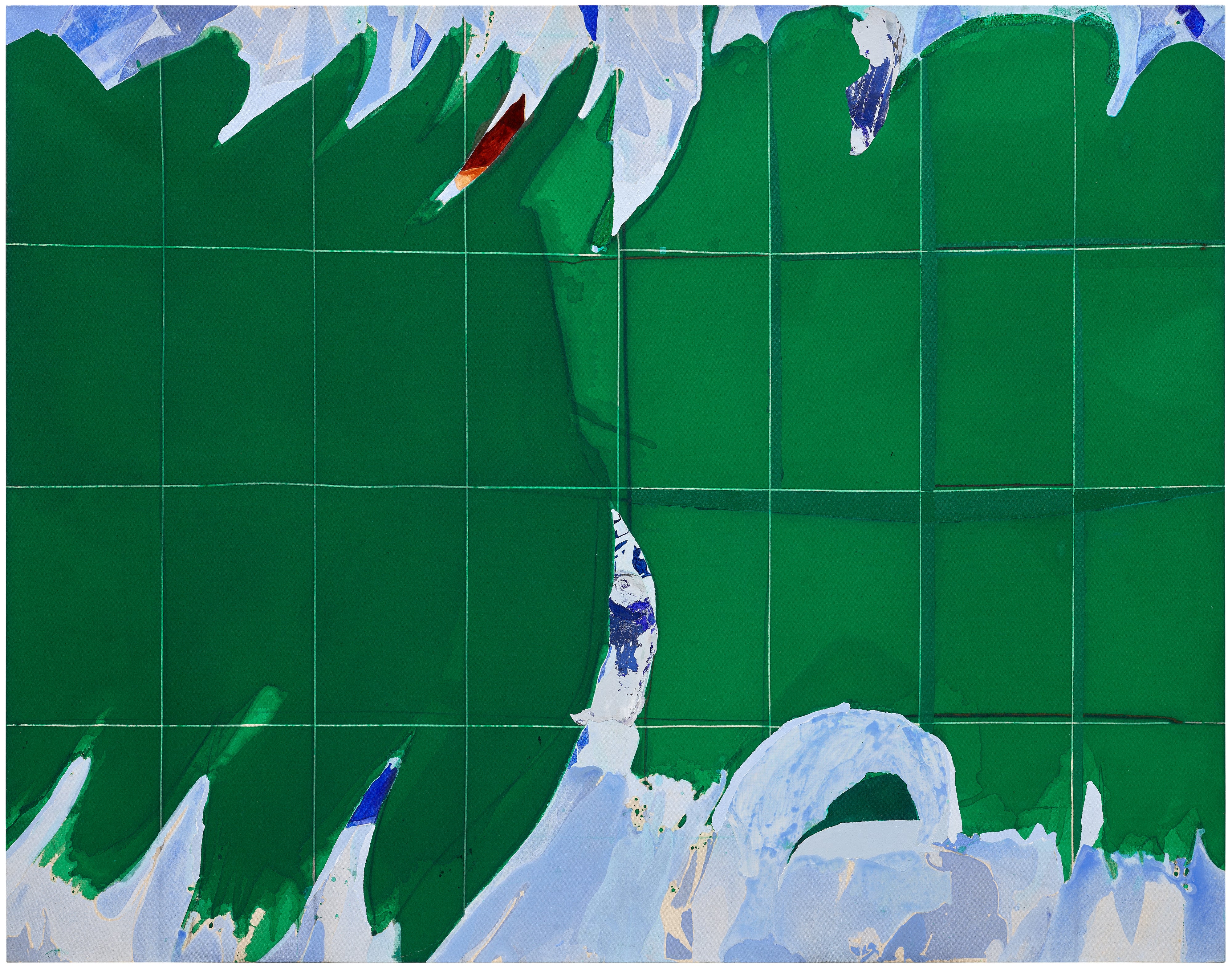
Han Bing
Champs-Élysées
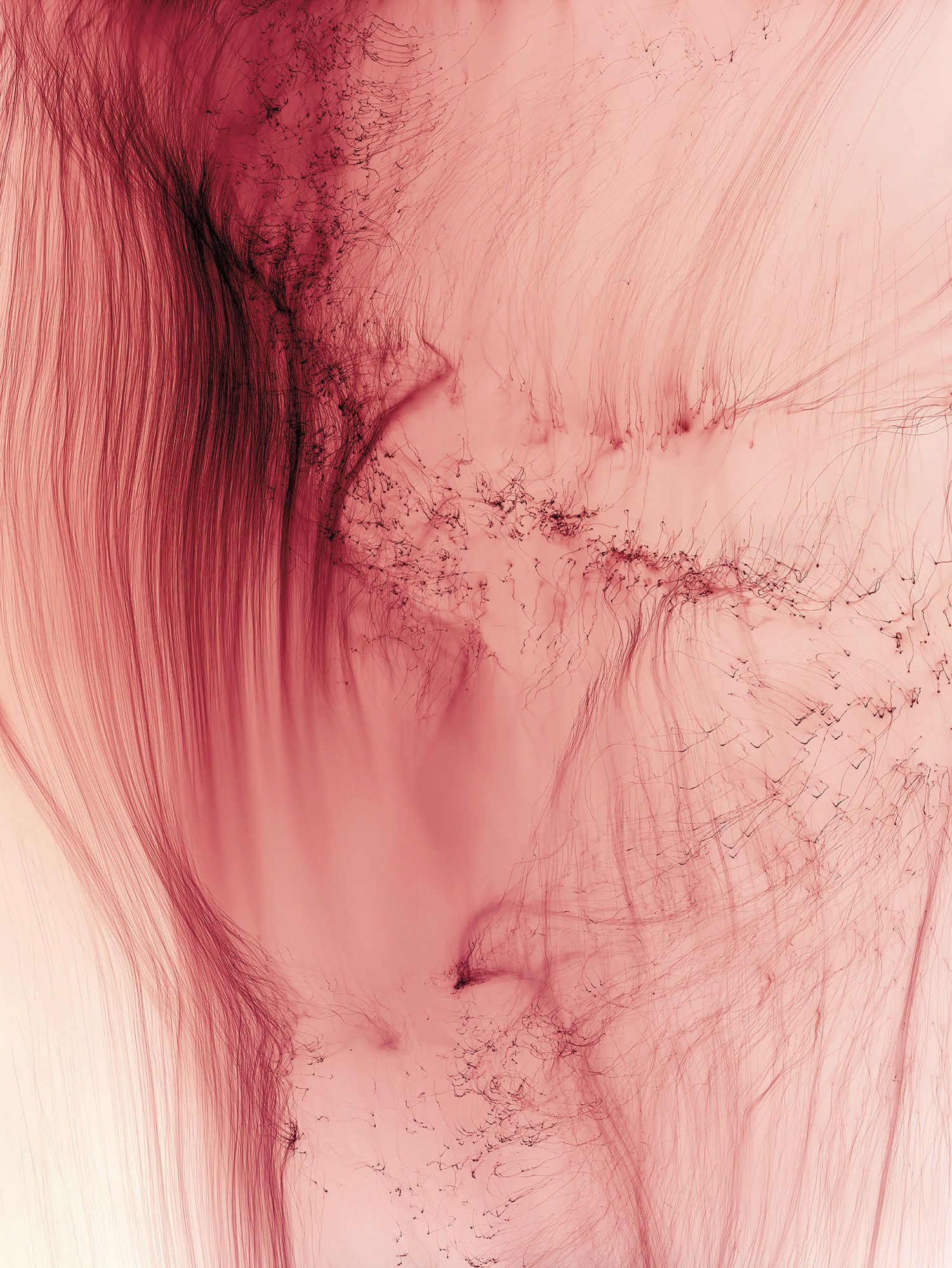
Wolfgang Tillmans
Freischwimmer 20
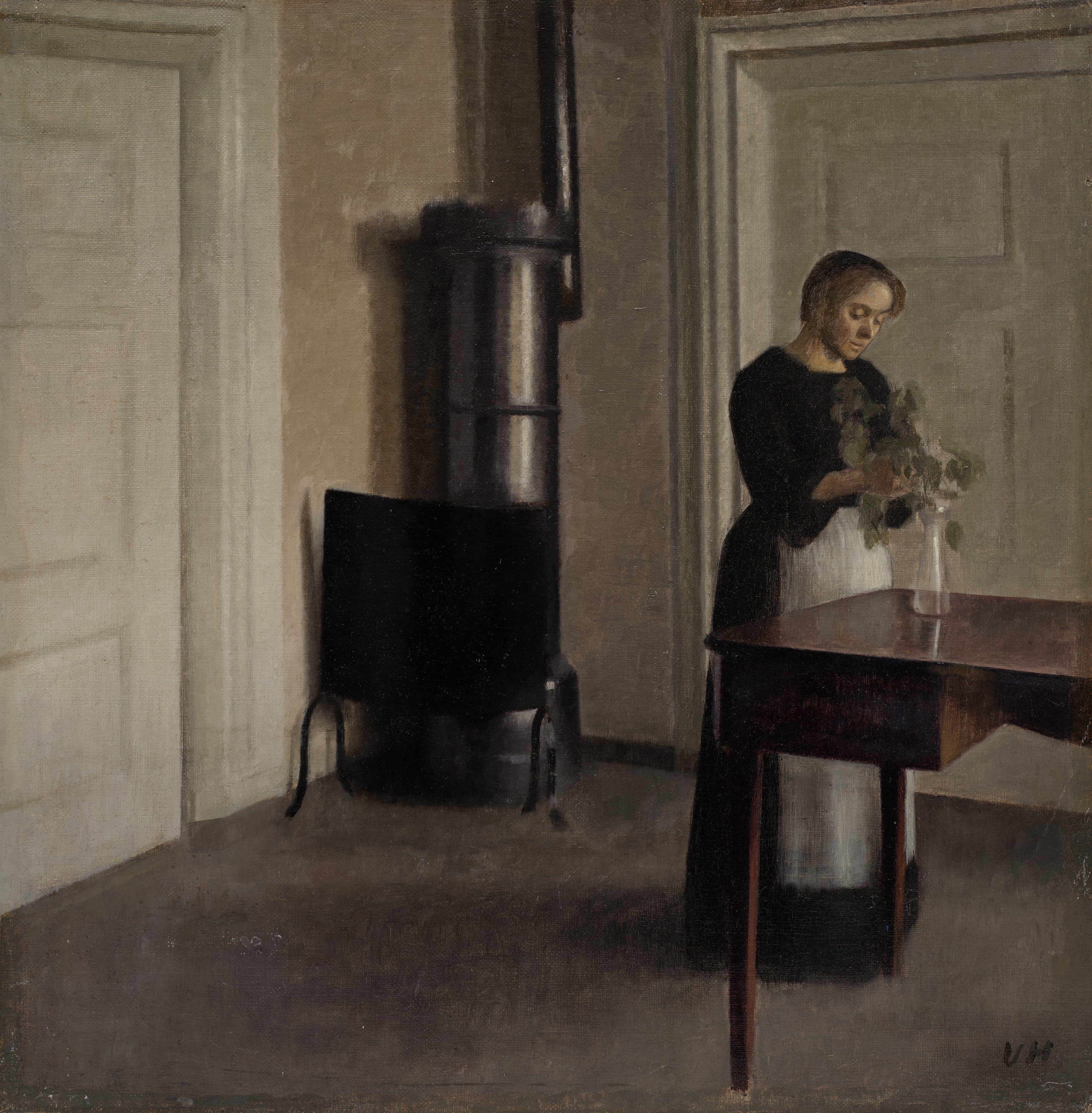
Vilhelm Hammershøi
Interior of Woman Placing Branches in Vase on Table
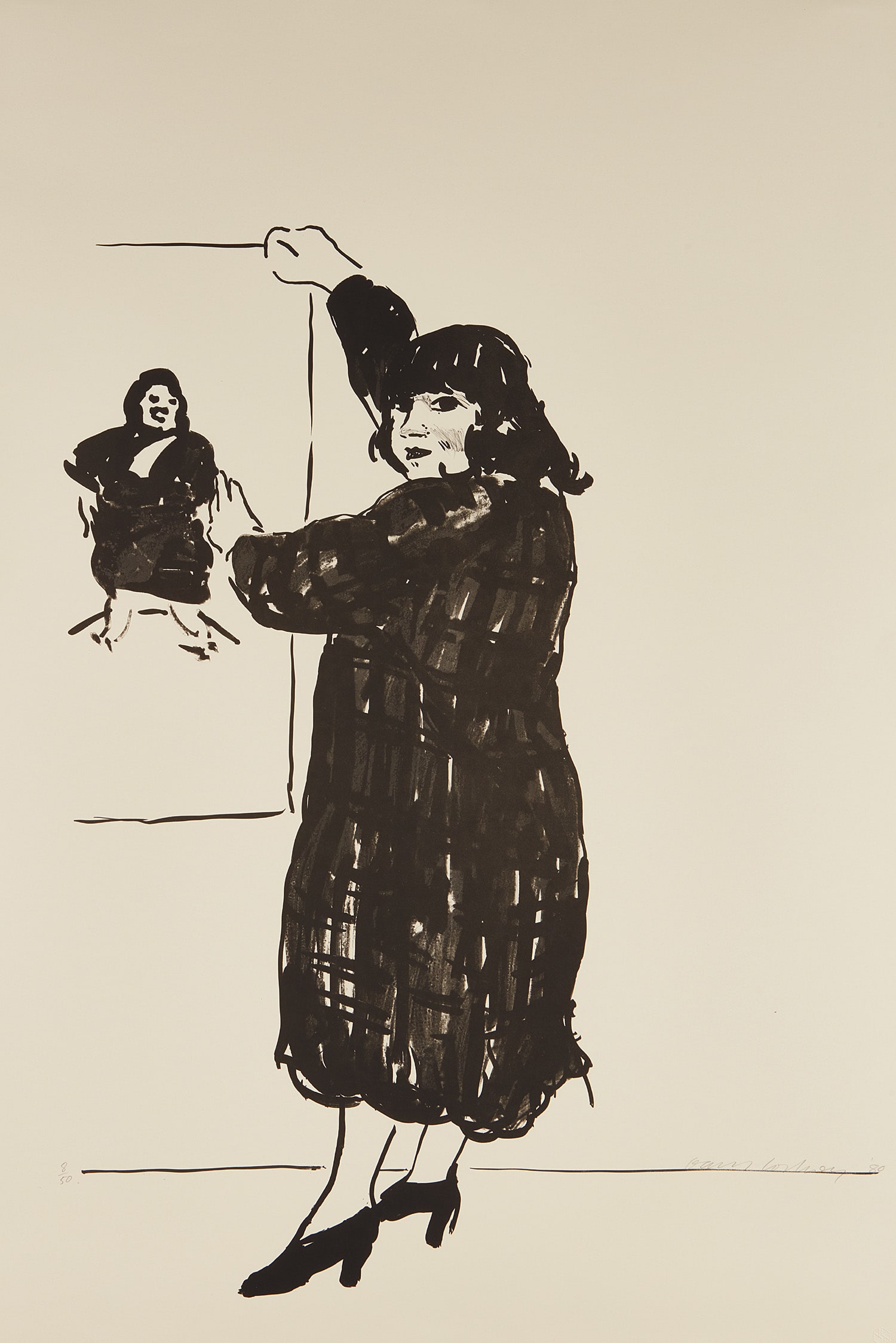
David Hockney
Ann Looking at Her Picture
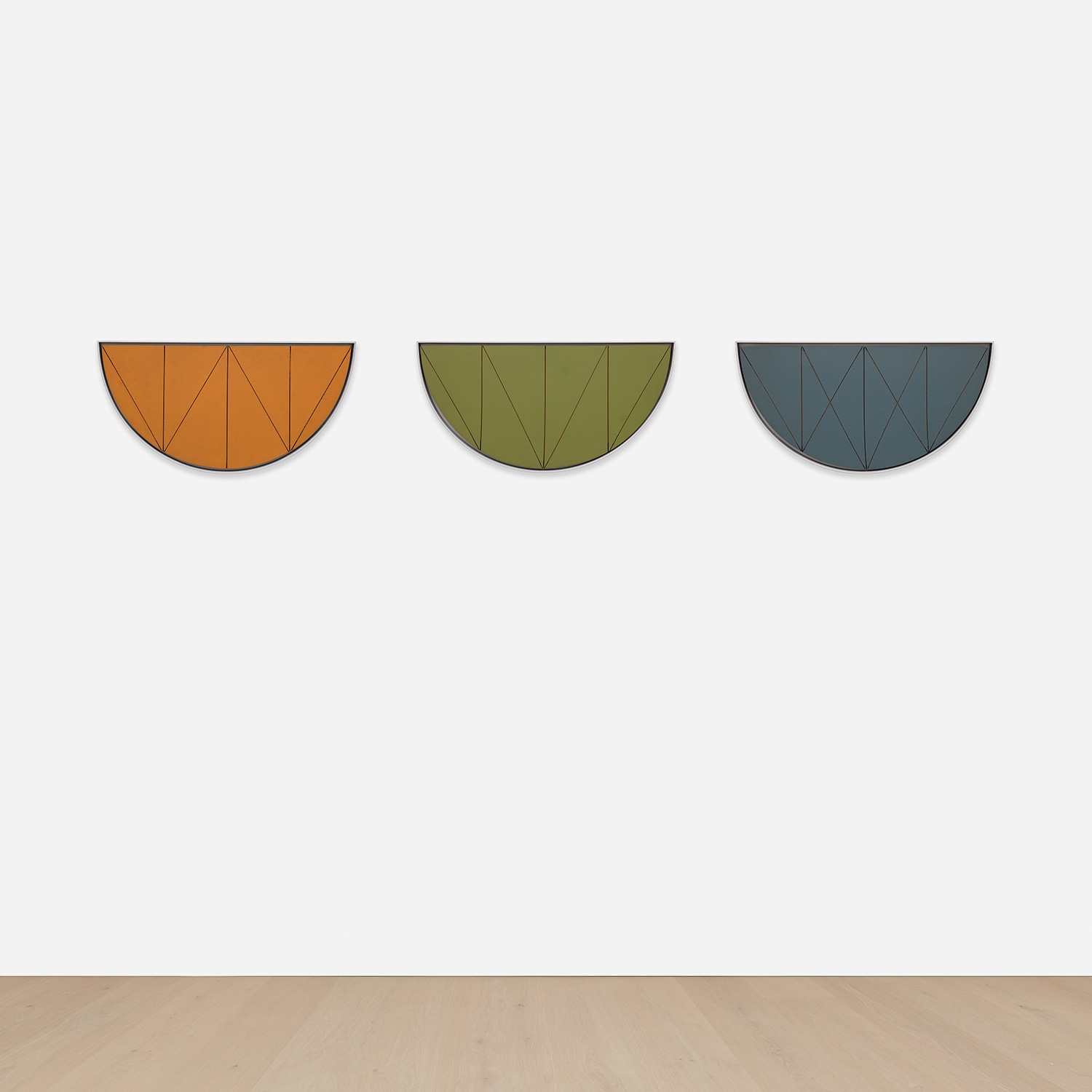
Robert Mangold
Three works: (i)
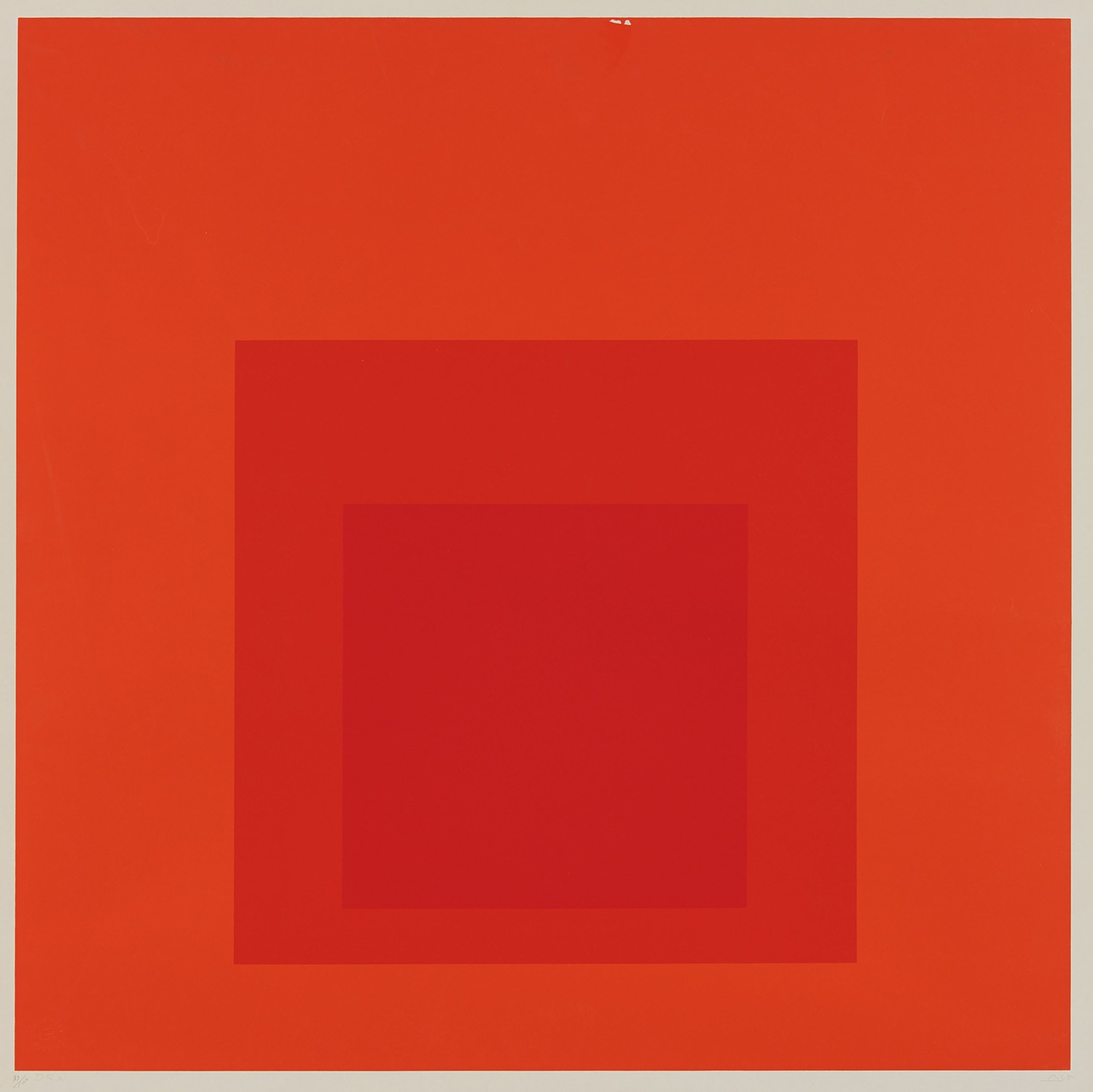
Josef Albers
DR-a
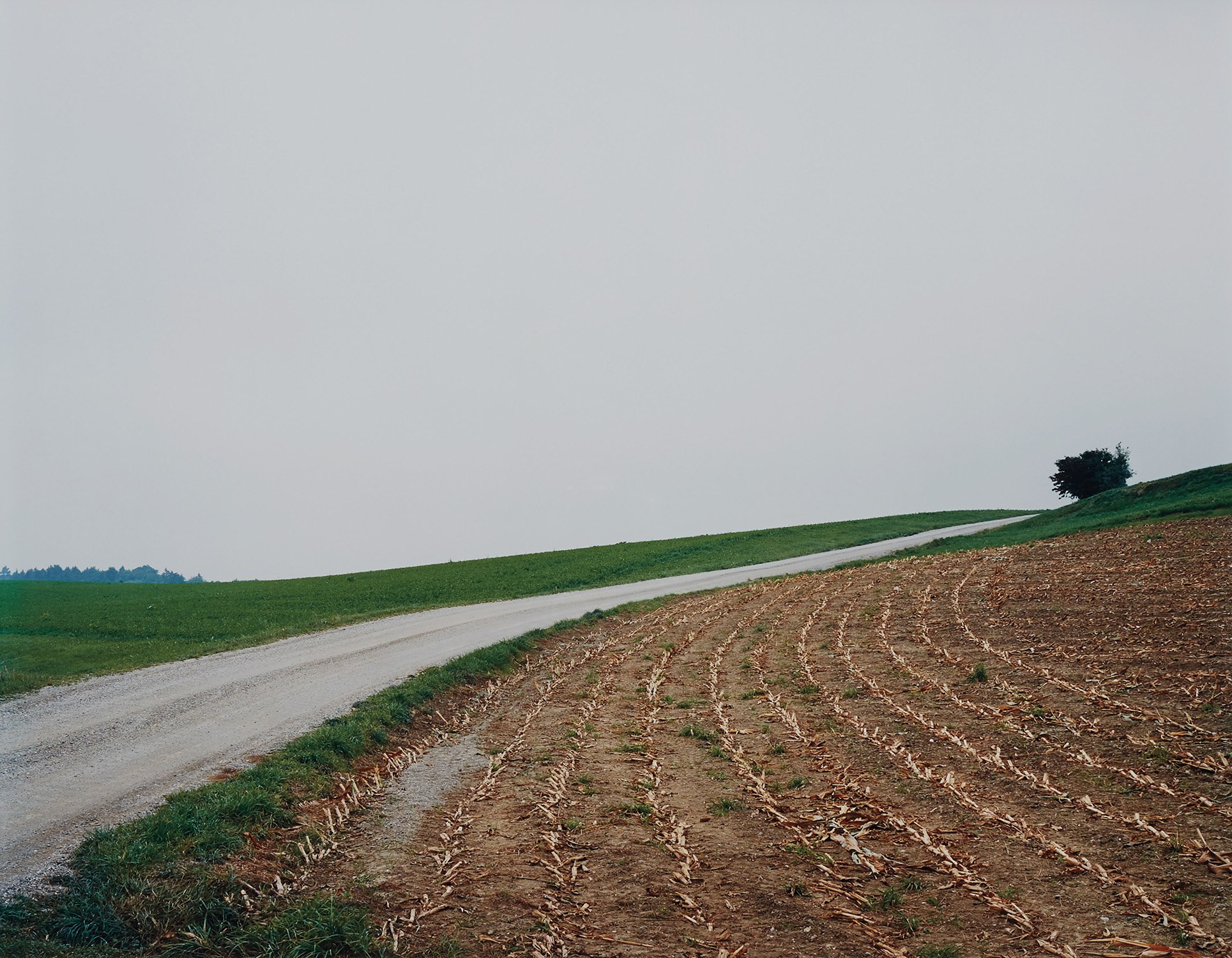
Thomas Struth
Mais-Acker, No. 22, Winterthur
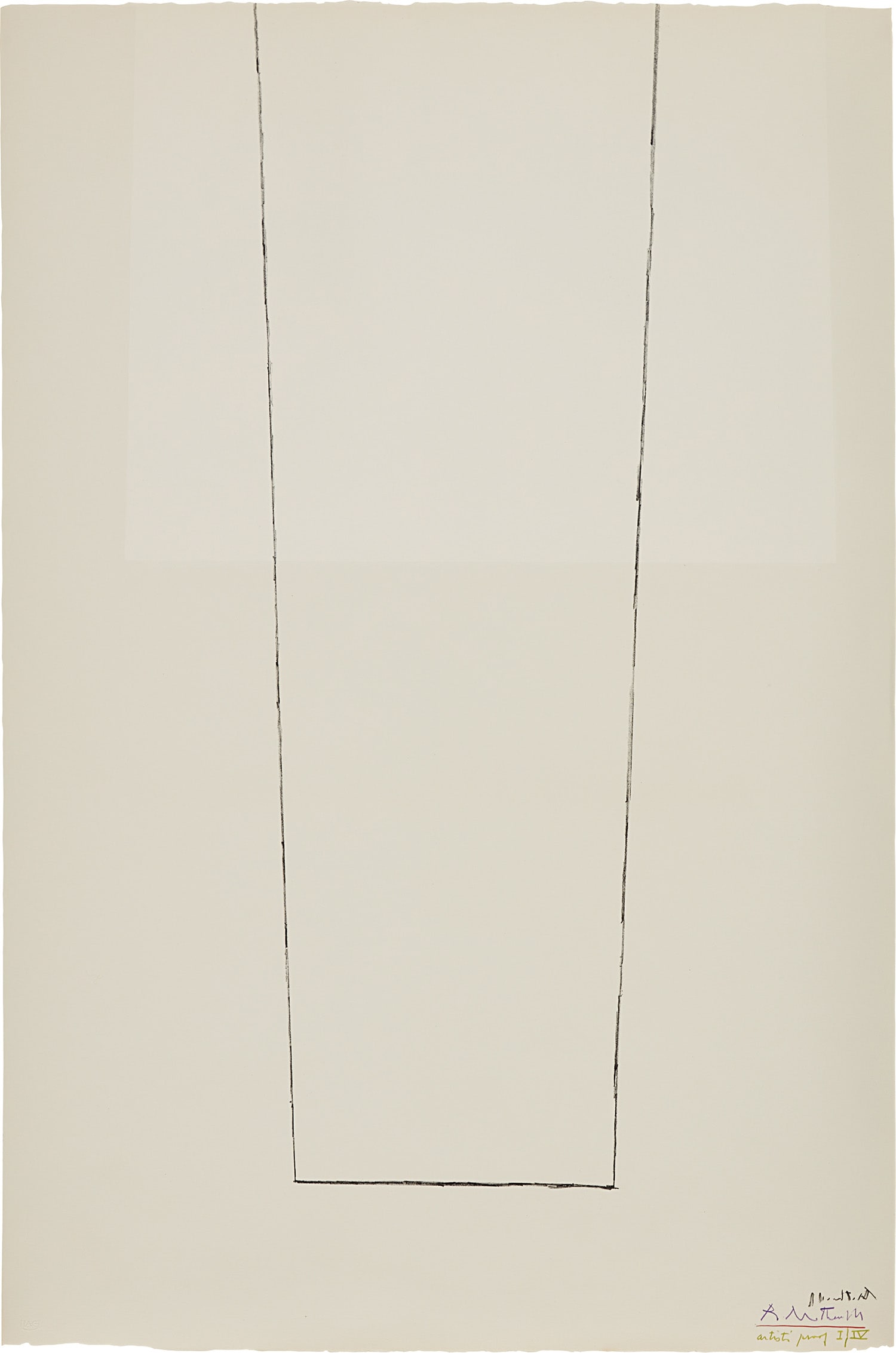
Robert Motherwell
Open on Two Whites
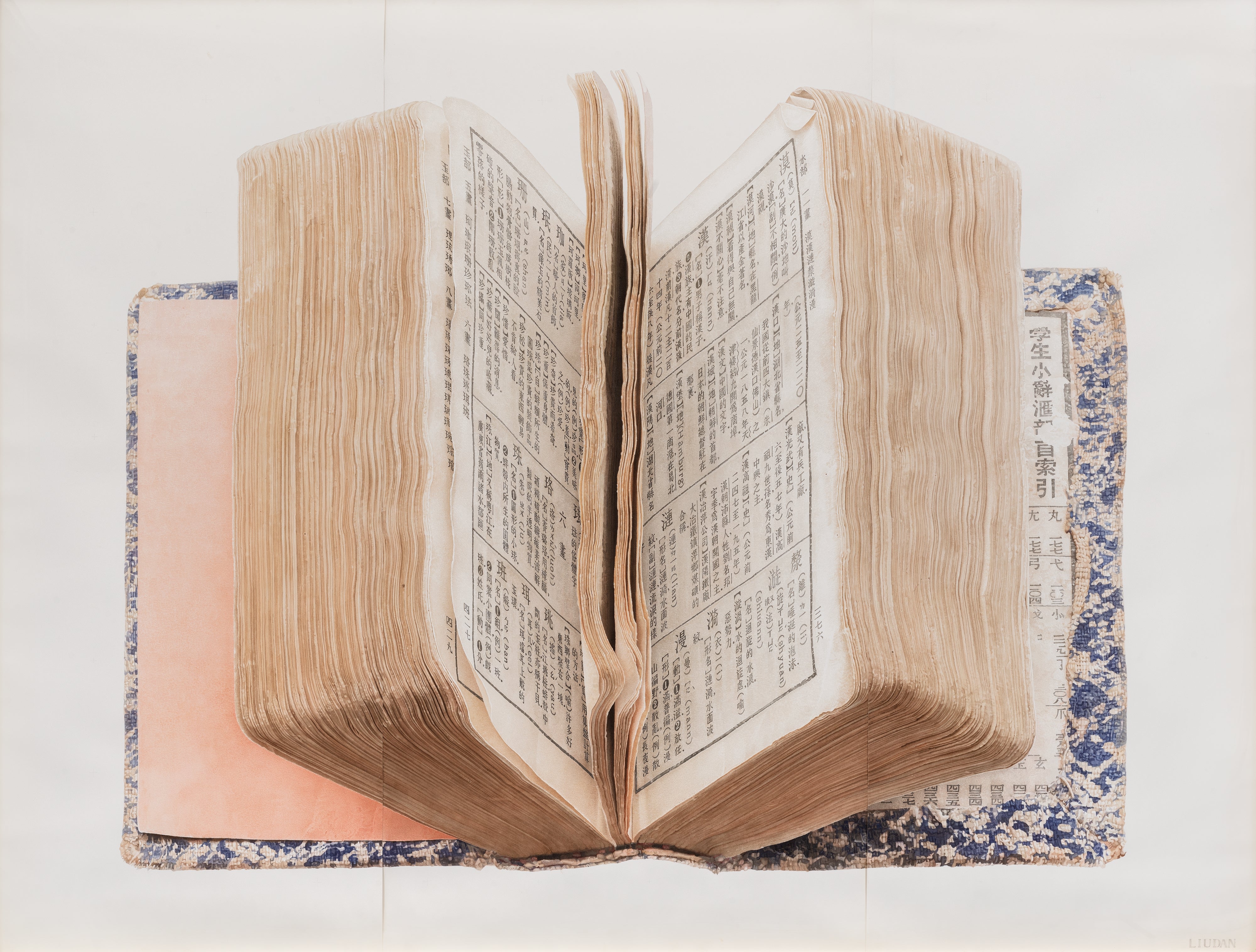
Liu Dan
Dictionary
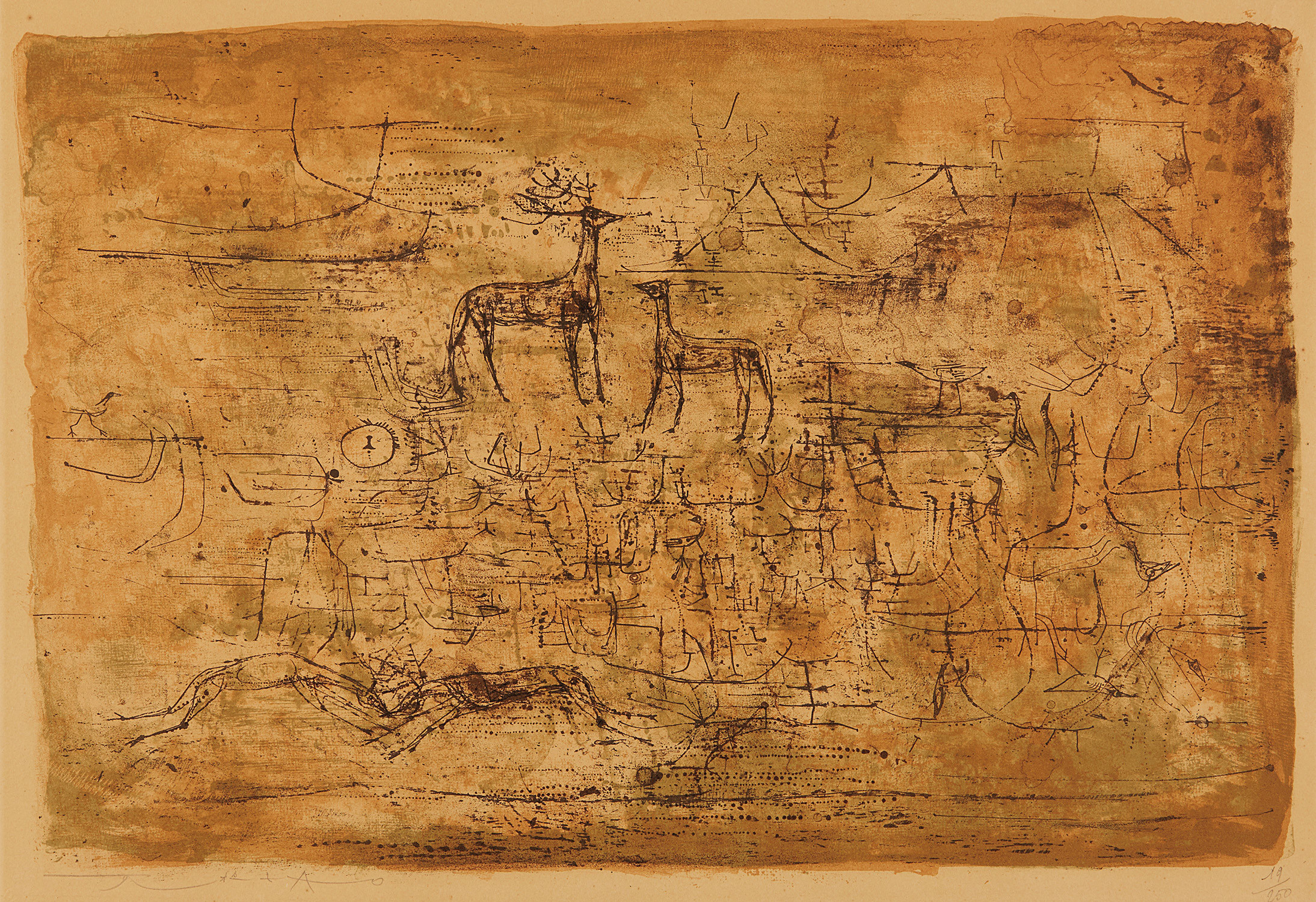
Zao Wou-Ki
Les cerfs (The Deer)
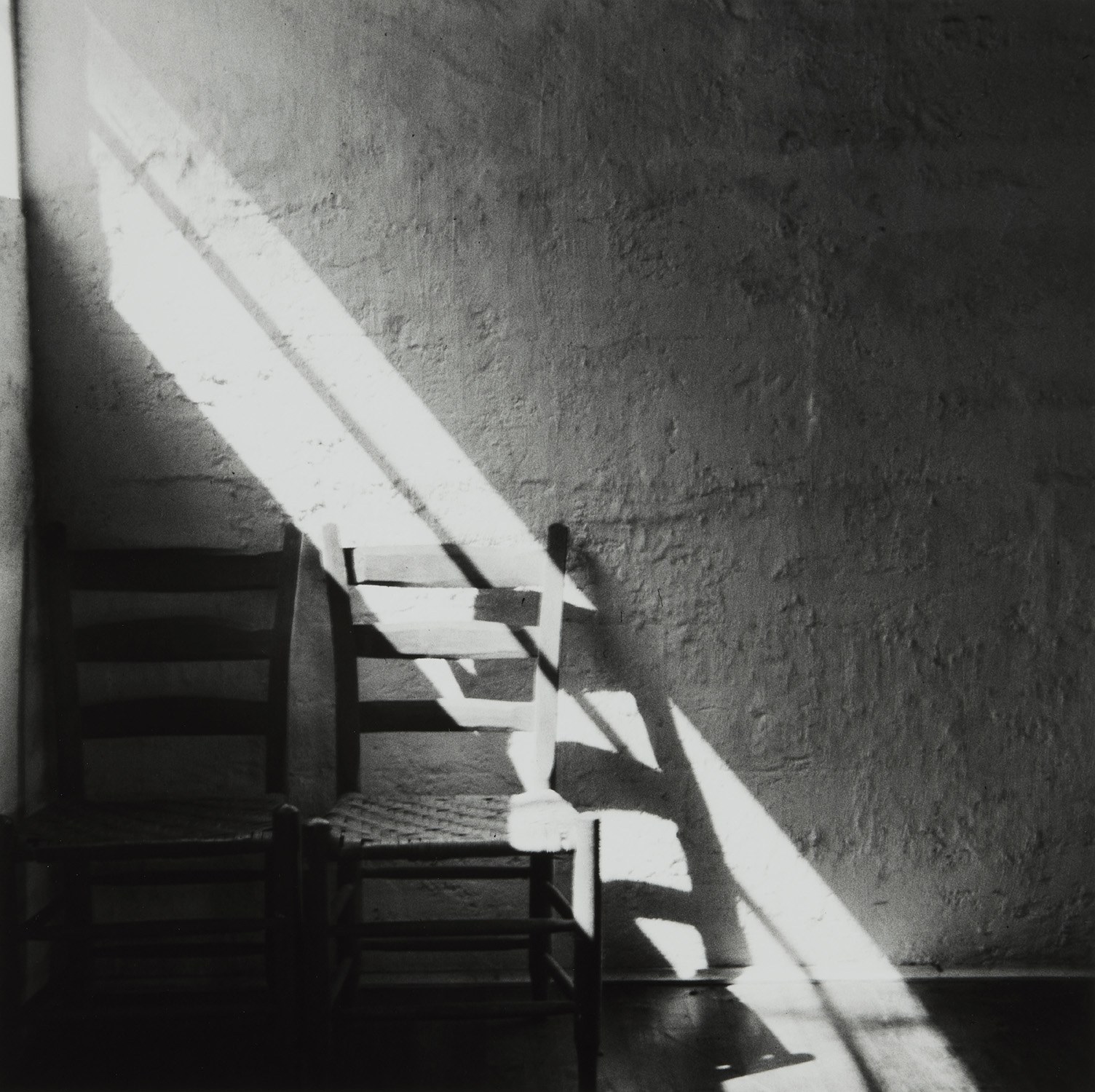
Robert Rauschenberg
Quiet House - Black Mountain
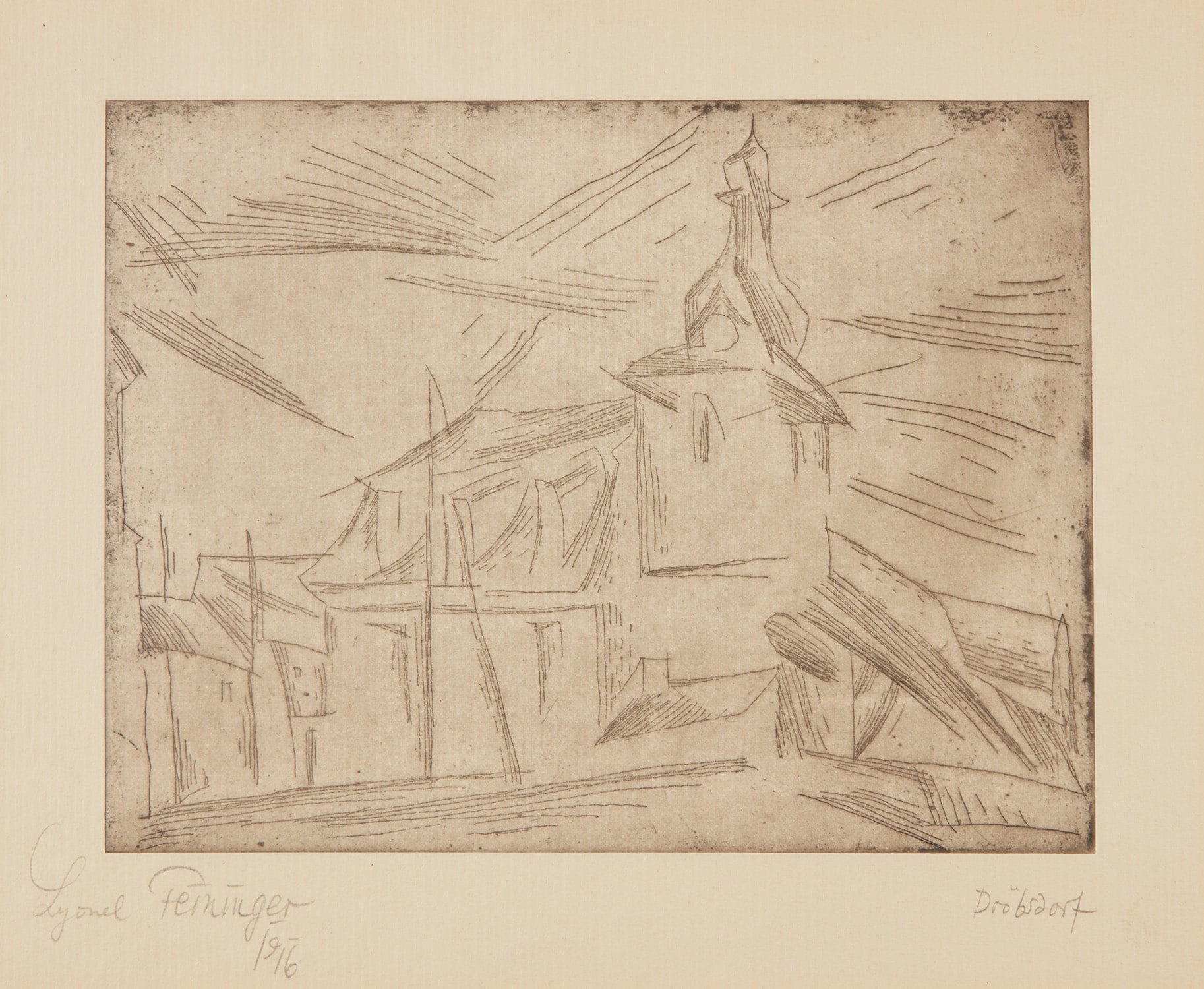
Lyonel Feininger
Kirche von Dröbsdorf (Church of Dröbsdorf)
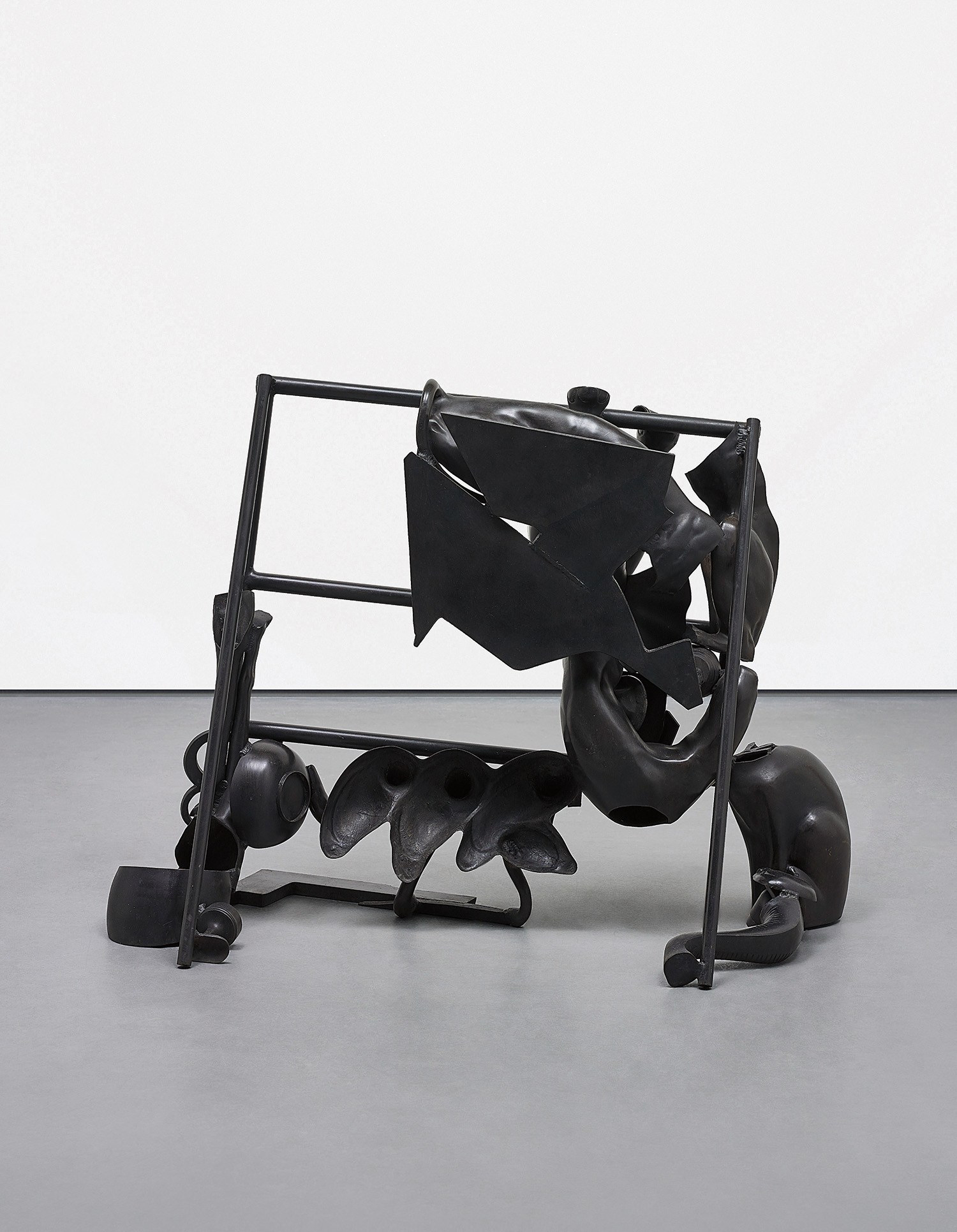
Sir Anthony Caro
Dream of the Nile
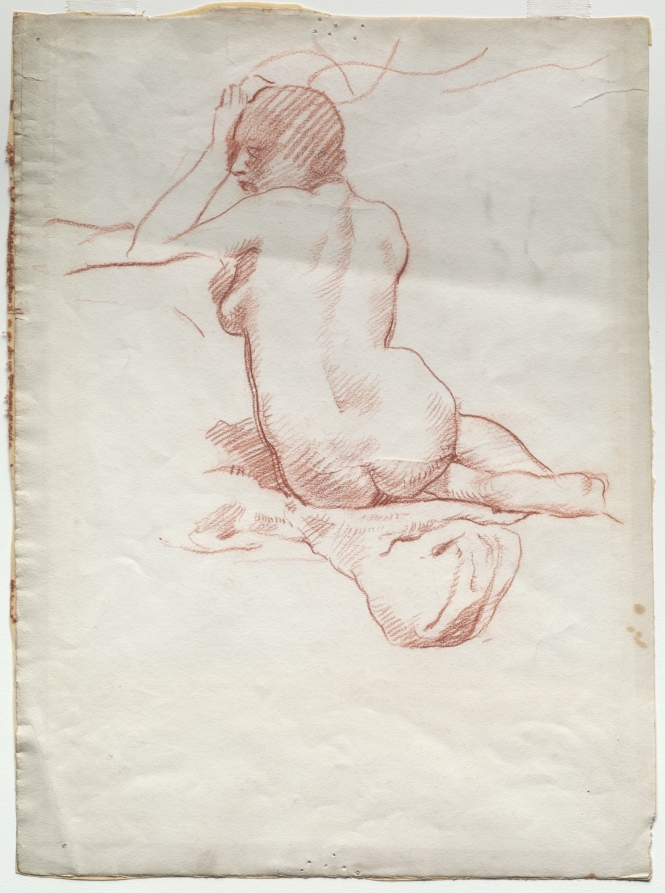
Unknown Artist
Seated Female Nude from the Rear
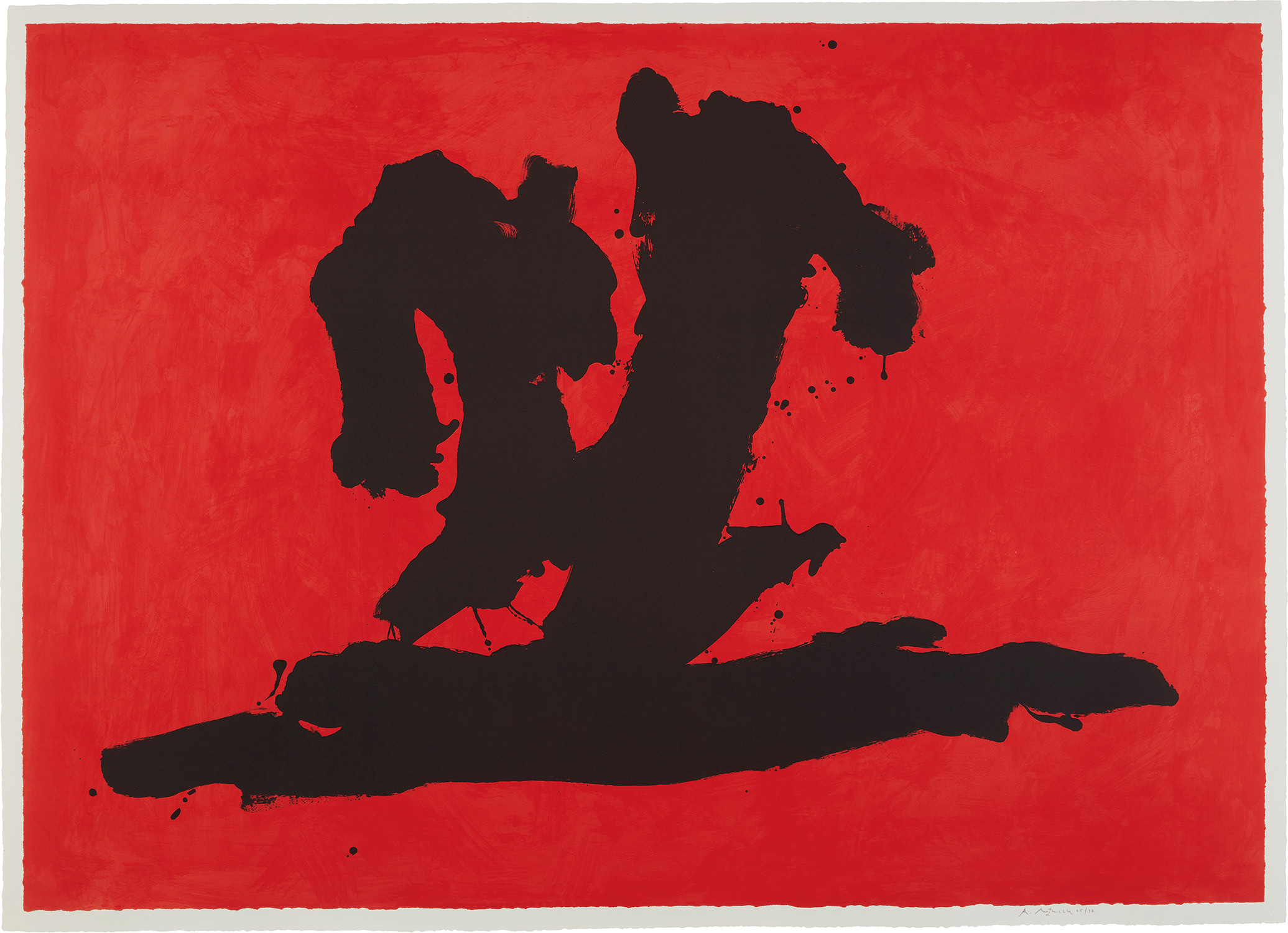
Robert Motherwell
Wave