Back View
Archived article
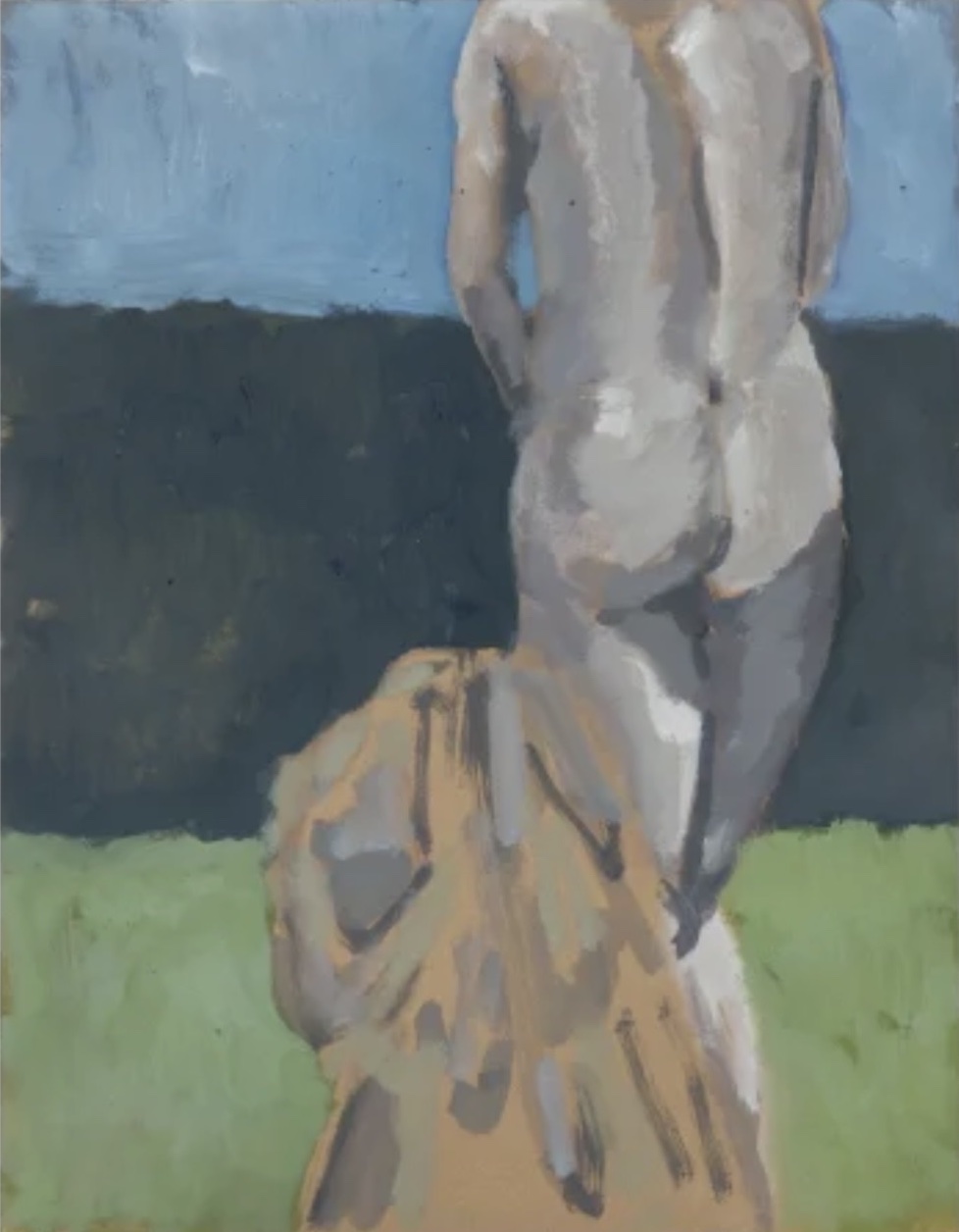
Emil Sands
Watchmen 18
You are reading a previous version of this article.
Read the latest version```json { "headline": "The Turn Away That Says Everything", "body": "There is something quietly radical about a figure that refuses to meet your gaze. The back view in art is not an absence of communication but a redirection of it, pulling the viewer into a different kind of looking, one that is more active, more searching, and ultimately more intimate. To paint or sculpt a figure from behind is to invite speculation about what lies beyond the frame, and to trust the viewer enough to complete the picture themselves. It is one of the most psychologically loaded compositional choices an artist can make, and its history stretches across centuries with remarkable consistency of purpose.
", "The story often begins with Caspar David Friedrich, whose 1818 painting Wanderer Above the Sea of Fog gave the motif its most recognizable philosophical form. The solitary figure seen from behind, standing at the edge of a vast landscape, became the visual shorthand for romantic introspection and the sublime. But Friedrich was working within a tradition that already had deep roots. In the fresco cycles of ancient Rome, in the complex figure arrangements of Renaissance altarpieces, the turned back served as a compositional device that guided the eye and suggested depth.
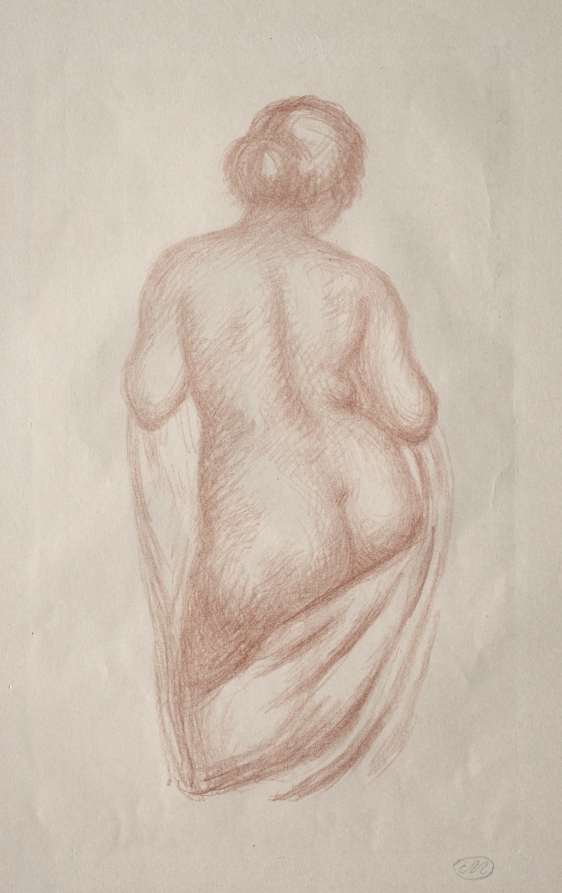
Aristide Maillol
Woman Seen from the Back, 1900
What Friedrich did was elevate the device into a subject in its own right.", "The nineteenth century brought new urgency to the question of how the body occupies space, and sculptors in particular found the back view irresistible. Auguste Rodin understood that the spine, the shoulders, the curve of the neck could carry as much emotional weight as any face. His figures often seem to be in the process of turning, caught between revelation and concealment, and the power of his work lies precisely in that tension.
Aristide Maillol approached the unadorned back with a different sensibility, one rooted in Mediterranean classicism and a belief in the body as a self sufficient formal world. Both artists, well represented in collections across Europe and beyond, transformed the rear view from compositional convenience into primary statement.", "The modernist period accelerated this tendency and gave it new psychological charge. Pablo Picasso, working through Cubism and beyond, fragmented and reassembled the figure in ways that made the concept of a single viewpoint irrelevant, but his return to classical modes in the early 1920s produced a series of monumental female figures seen from the back that are among the most serene and powerful images of the century.
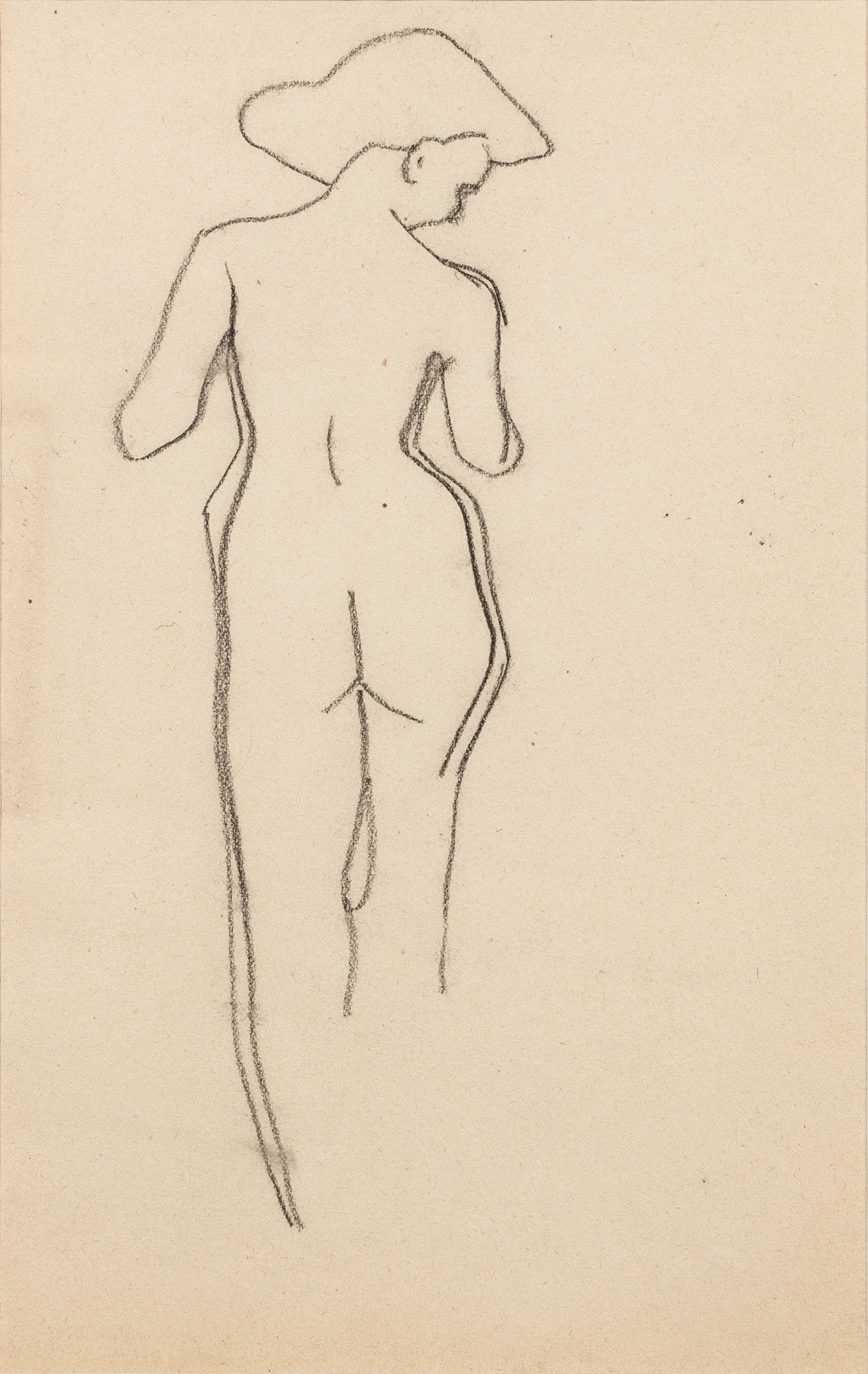
Amedeo Modigliani
Esquisse de femme nue de dos, tête inclinée vers la droite, 1905
Amedeo Modigliani elongated his nudes into icons of melancholy, and when he turned them away from the viewer, the effect was one of profound solitude rather than coyness. Sanyu, the Chinese painter who spent his most productive years in Paris absorbing the lessons of Matisse and the School of Paris, brought his own lyrical economy to the nude figure, and his back views carry a stillness that feels entirely his own.", "Photography entered the conversation and changed its terms considerably. The camera's ability to catch a figure unaware, or to frame a back without the subject's consent or performance, introduced questions about voyeurism, observation, and the ethics of looking that painting could only approach obliquely.
Harry Callahan, whose work is distinguished by an extraordinary formal sensitivity, made images of his wife Eleanor from behind that transformed domestic observation into something close to devotion. The photographs are not surveillance but communion. Callahan understood that the back view strips away the social performance of the face and leaves something more essential, more true.", "Francis Bacon approached the body from a very different direction.
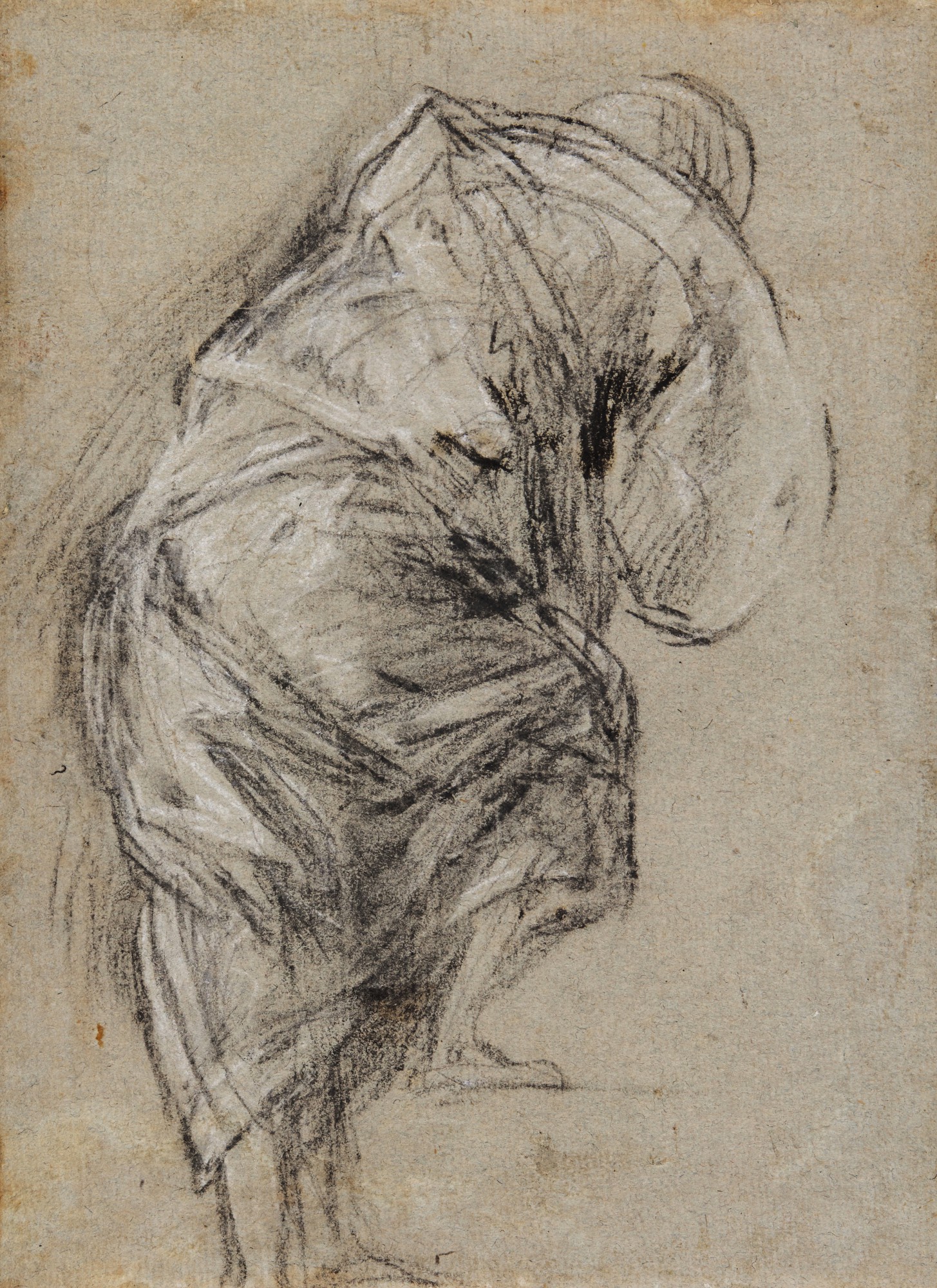
Unknown
Study of a man, seen from behind, stepping to the right, heavily draped
His figures, twisted and isolated within their painted cages, often present a kind of involuntary back view, the body curled away from the world in what reads as pain or exhaustion or the desire to disappear. Bacon was not interested in beauty or serenity but in the rawness of physical existence, and when his figures turn away they do so with a violence that makes the gentler traditions of the motif seem almost naive. The contrast between Bacon's tortured reversals and the calm monumentality of Maillol or Rodin illuminates the full range of what the back view can carry.", "Francis Picabia, always the provocateur, used the figure in ways that challenged every assumption about representation, and his engagement with the body was never less than knowing.
Geli Korzhev, the great Soviet realist whose career spanned decades of political and cultural upheaval, brought a moral seriousness to the human figure that gave even ordinary backs a sense of historical burden. These artists remind us that the back view is not simply a formal choice but a statement about power, visibility, and who gets to be seen. The figure that turns away can be read as withdrawal, as dignity, as refusal, depending on everything the artist brings to the moment.", "Today the back view remains one of the most productive and contested spaces in figurative art.
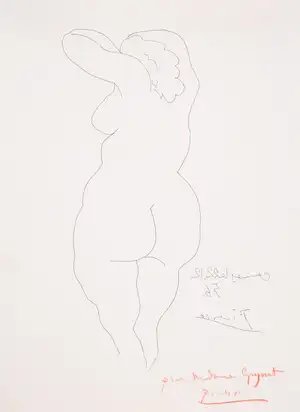
Pablo Picasso
Femme vue de Dos, from Témoignage by Jean Cocteau (Bloch 822)
Contemporary painters and photographers return to it constantly, finding in the turned figure a way to talk about identity, surveillance, race, and the politics of representation without the sometimes reductive directness of the confrontational portrait. The motif connects the work of artists working now to a lineage that runs through Friedrich and Rodin, through Picasso and Callahan, and into something still being negotiated. For collectors, works that engage with this tradition carry a particular density of meaning, sitting at the intersection of formal beauty and conceptual weight in a way that rarely exhausts itself over time. The figure that looks away keeps asking you to look closer.
Works tagged Back View
Aristide Maillol
Woman Seen from the Back
Unknown
Study of a man, seen from behind, stepping to the right, heavily draped
Pablo Picasso
Femme vue de Dos, from Témoignage by Jean Cocteau (Bloch 822)
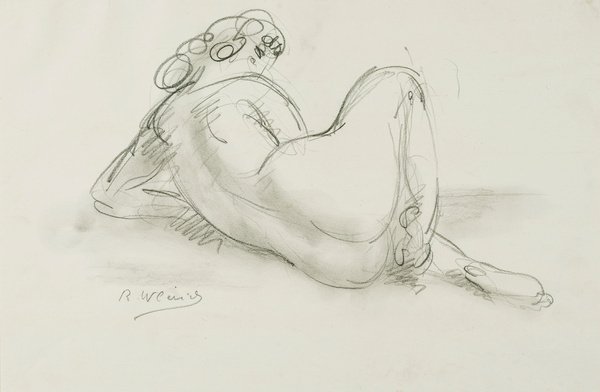
Robert Wlerick
Nu couché de dos
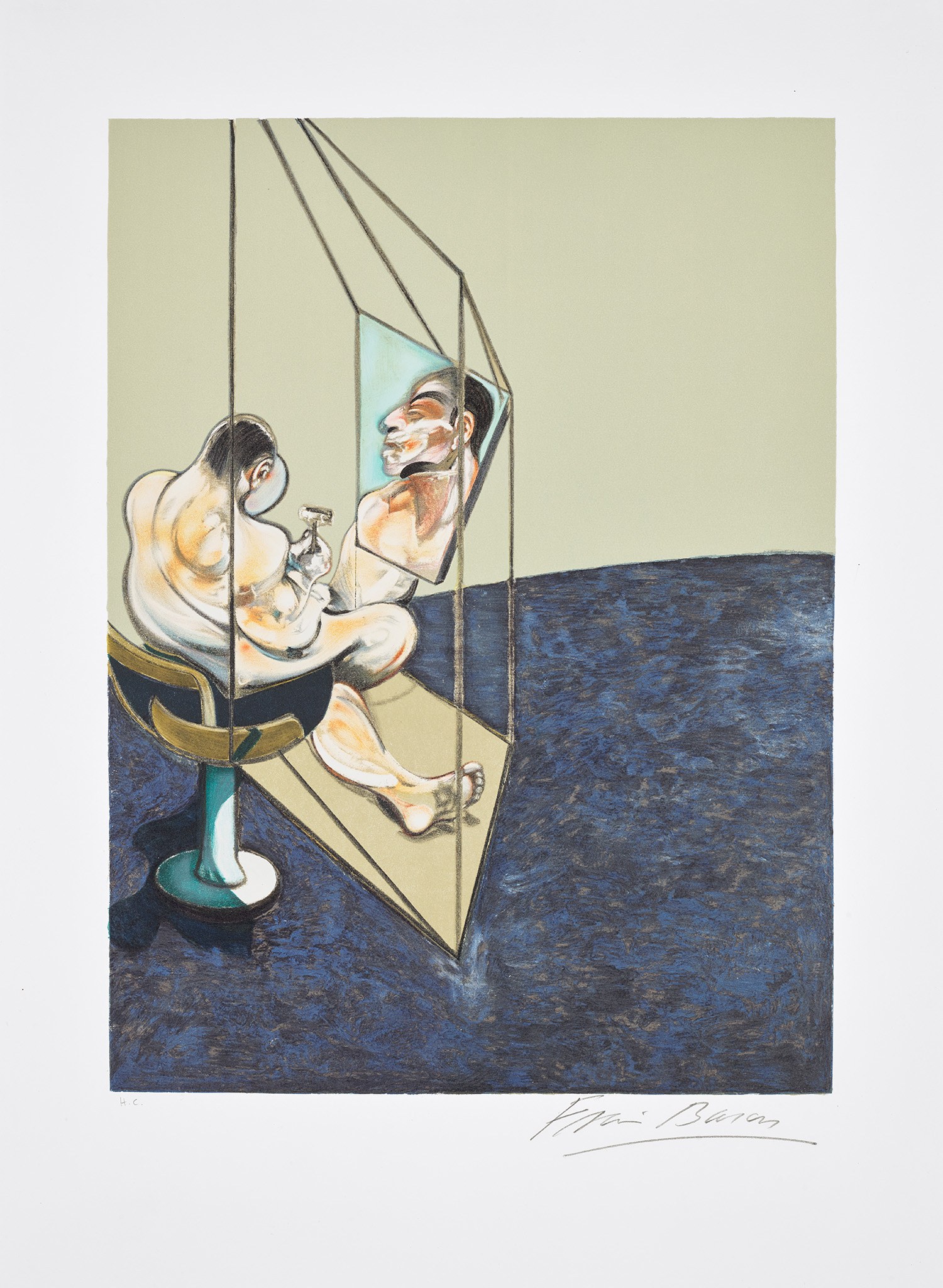
Francis Bacon
Trois études de dos d'homme (after, Three Studies of the Male Back 1970): left panel (S. 21, T. 21)
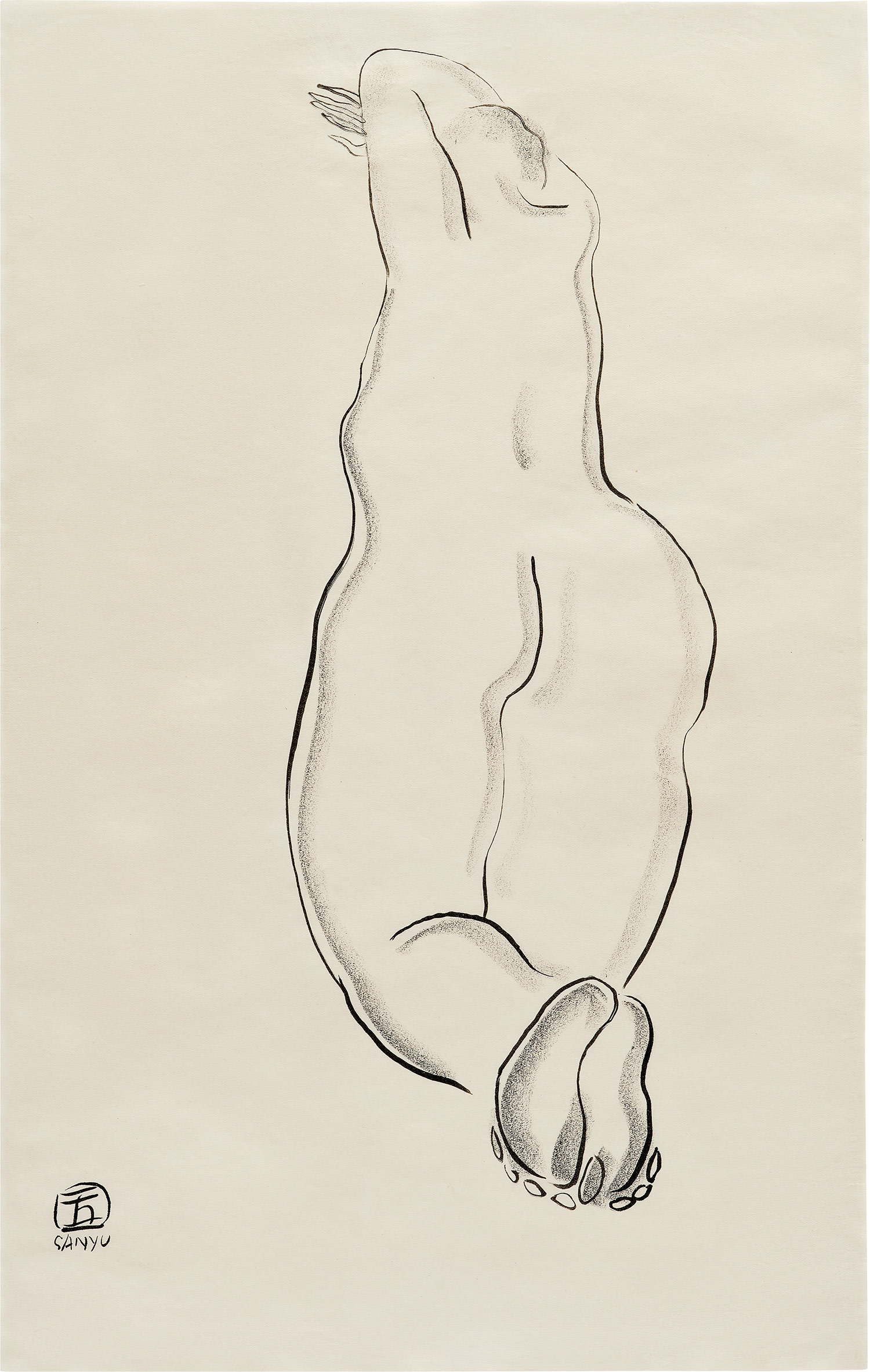
Sanyu
Nu agenouillé de dos
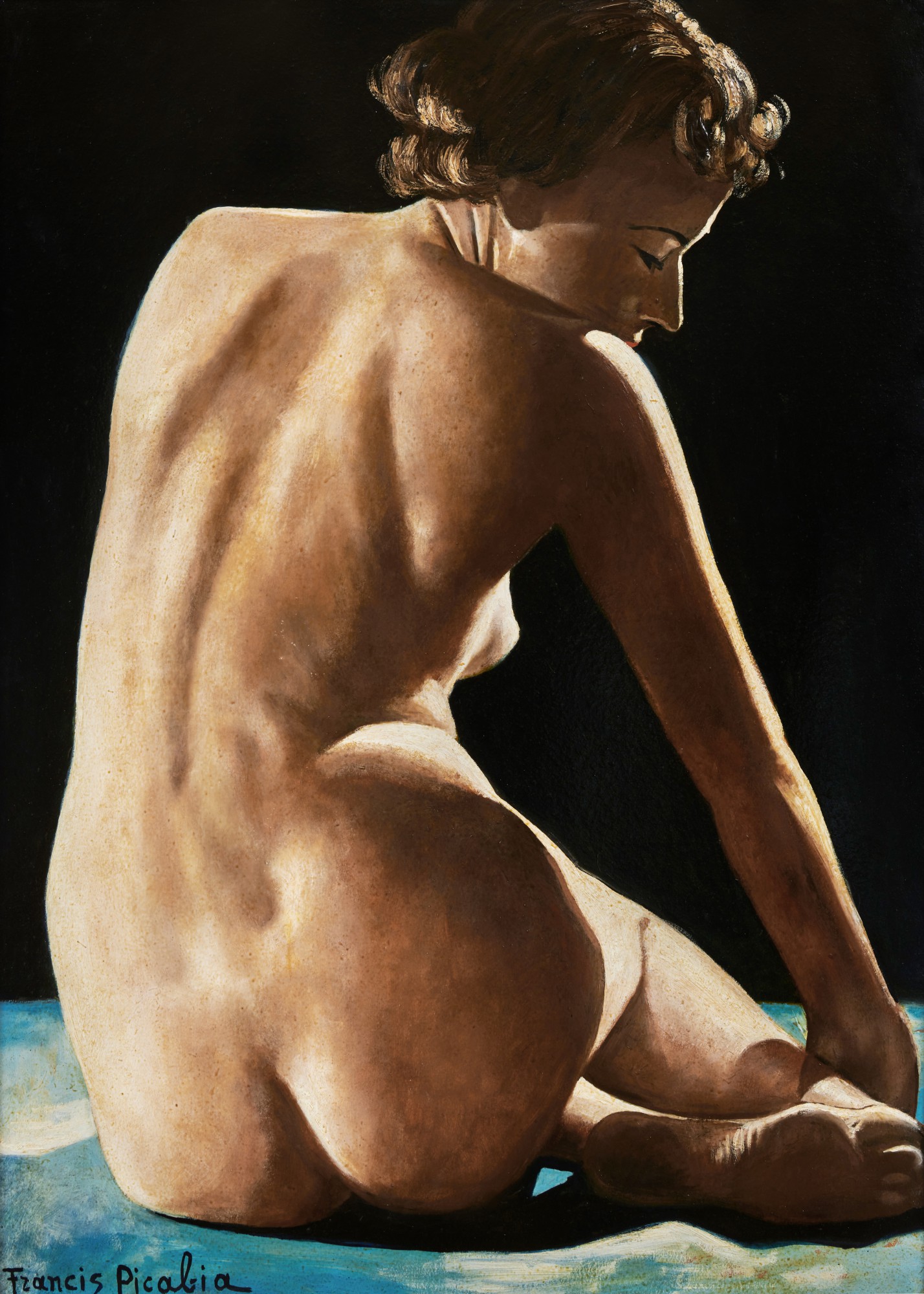
Francis Picabia
Nu de dos
Amedeo Modigliani
Esquisse de femme nue de dos, tête inclinée vers la droite
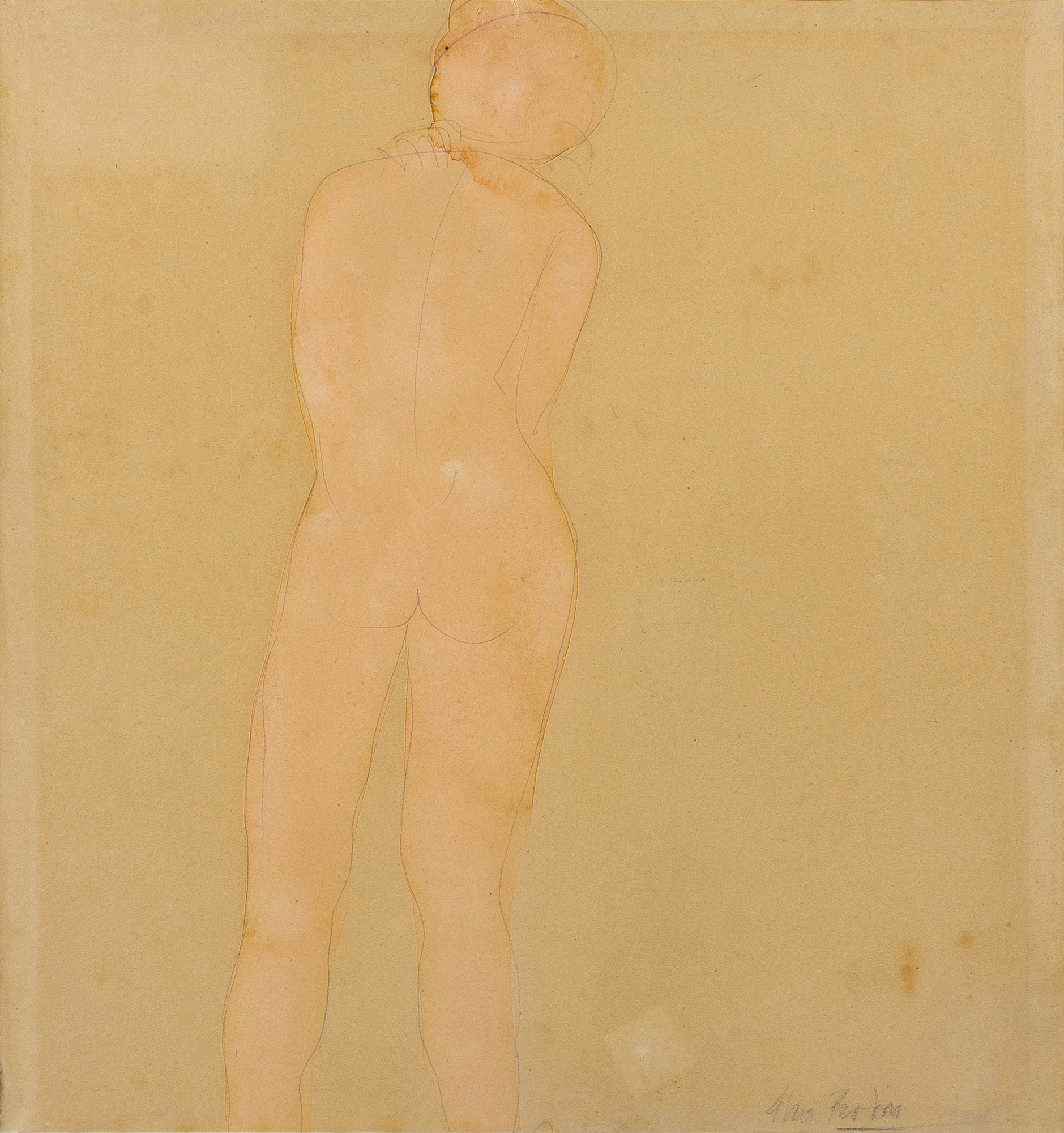
Auguste Rodin
Femme debout, de dos
Emil Sands
Watchmen 18
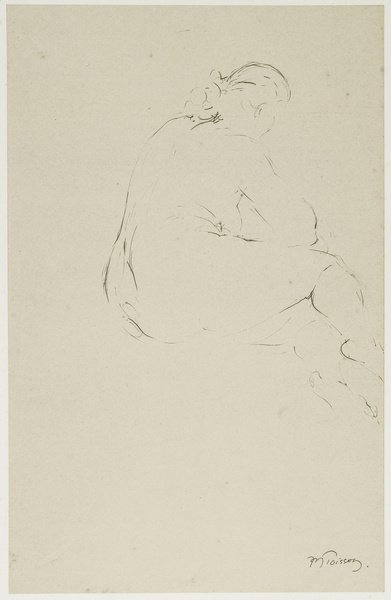
Pierre Marie Poisson
Nu assis de dos
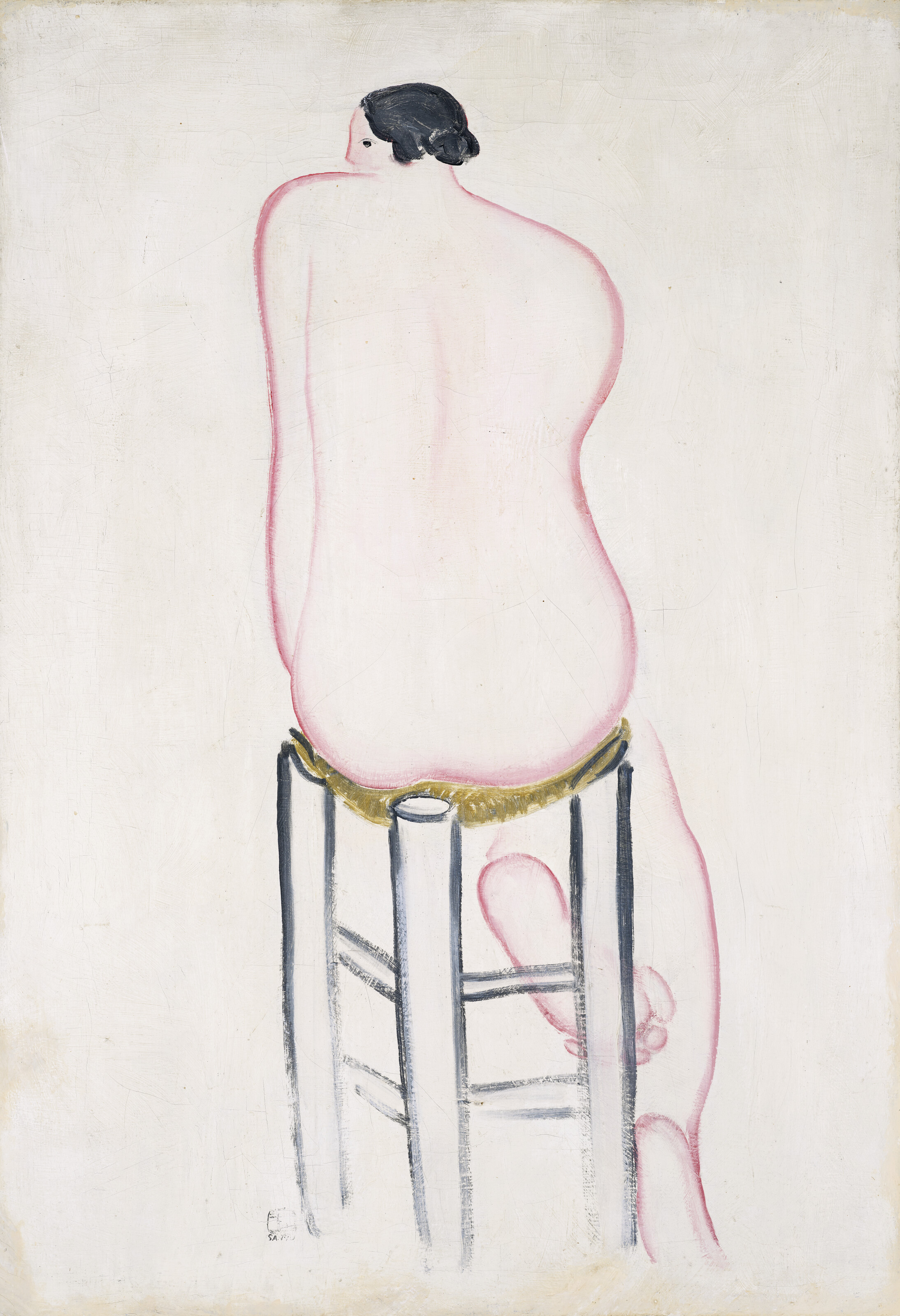
Sanyu (chang Yu, 1895-1966)
Modèle nue, assise, de dos II (Seated Nude Model, Viewed from the Back II)
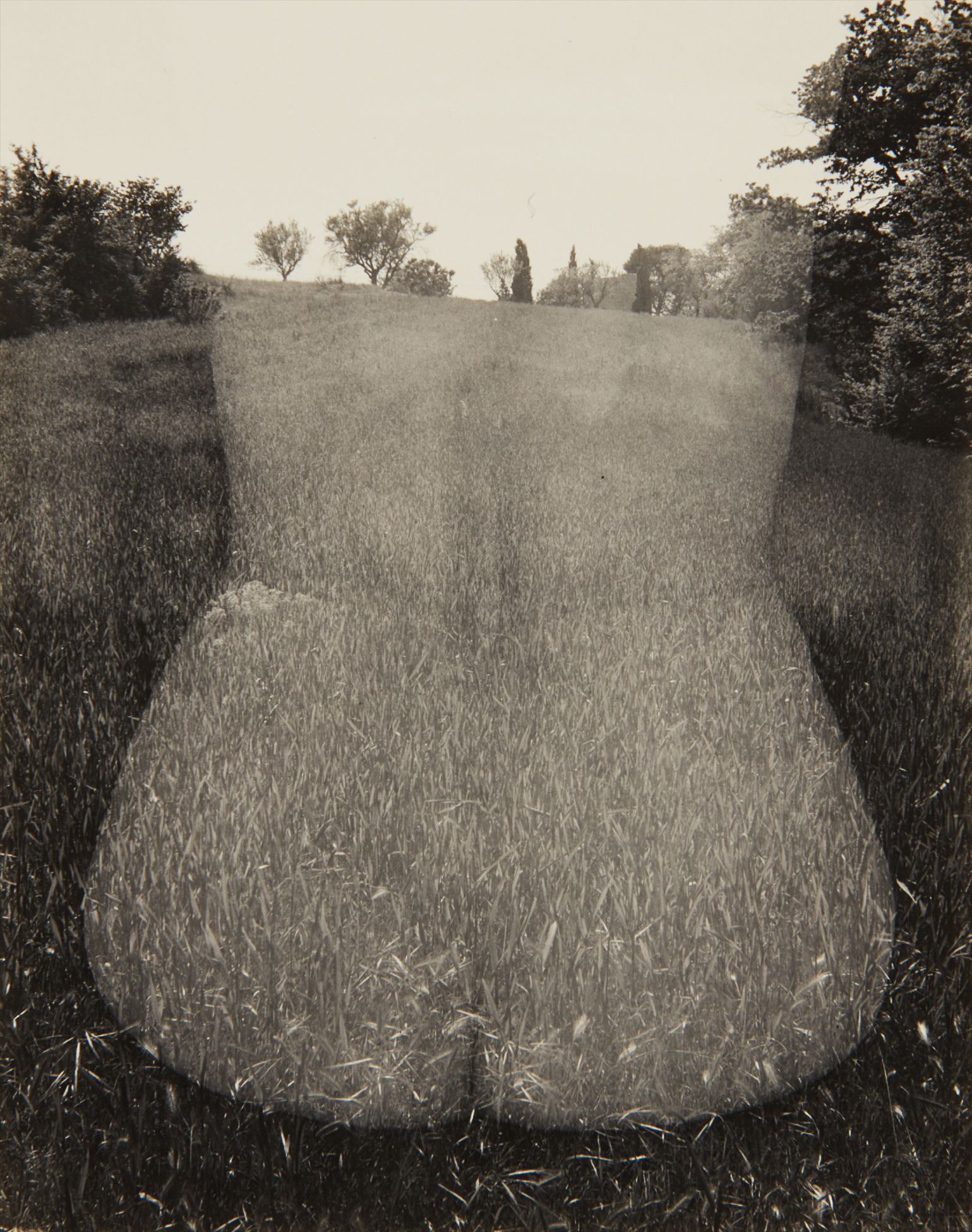
Harry Callahan
Aix-en-Provence (Nude, Back)
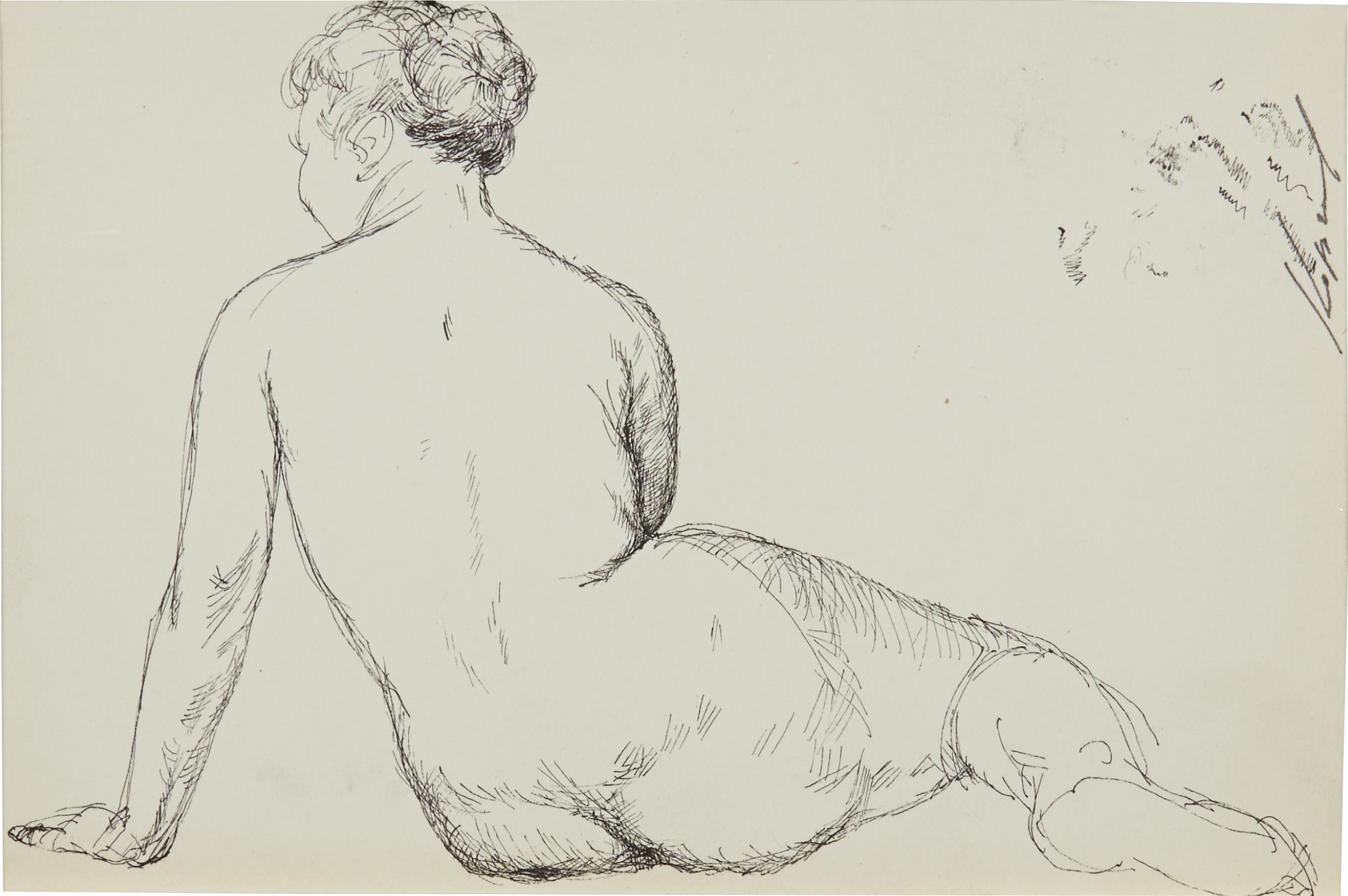
Geli Korzhev
A Nude from the Back