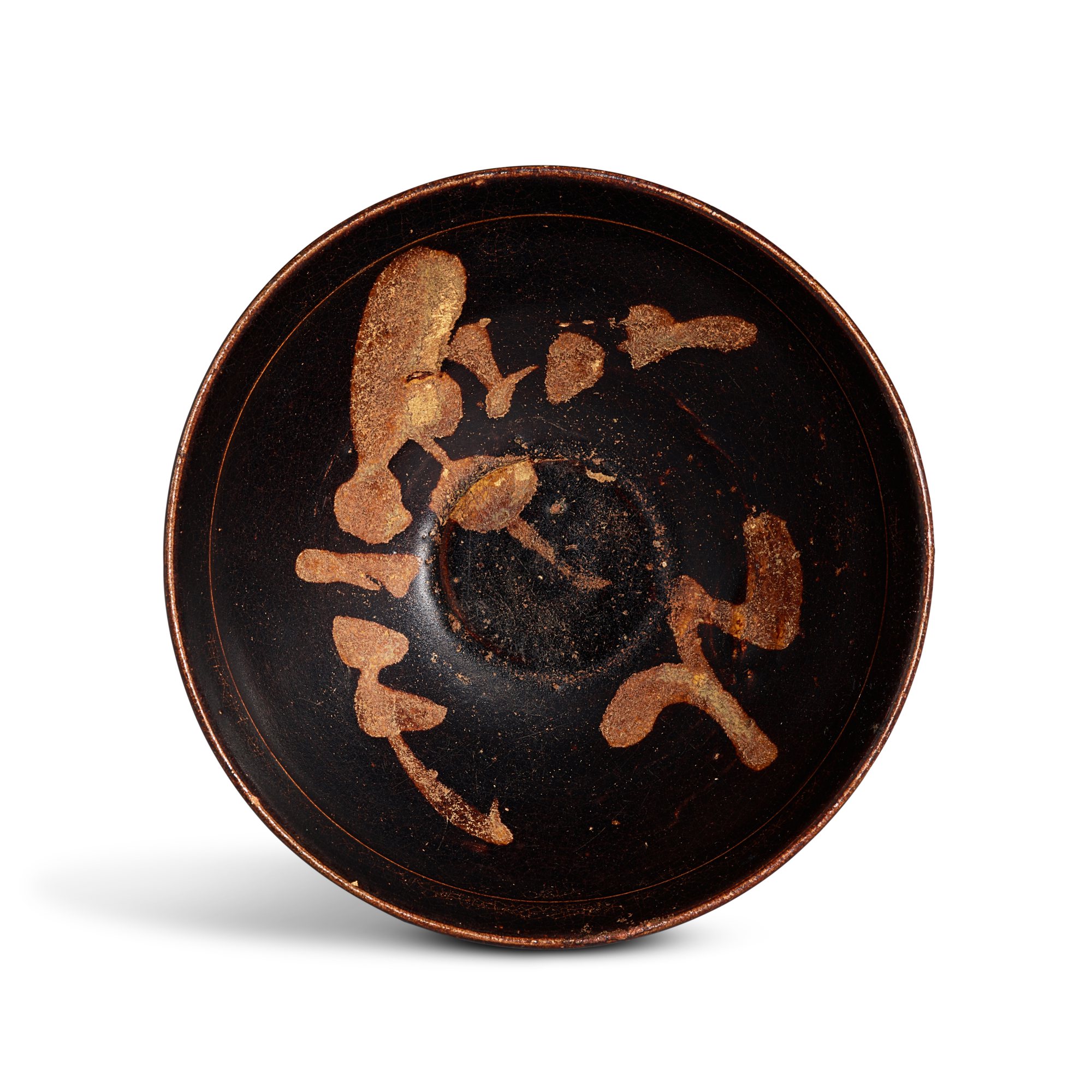
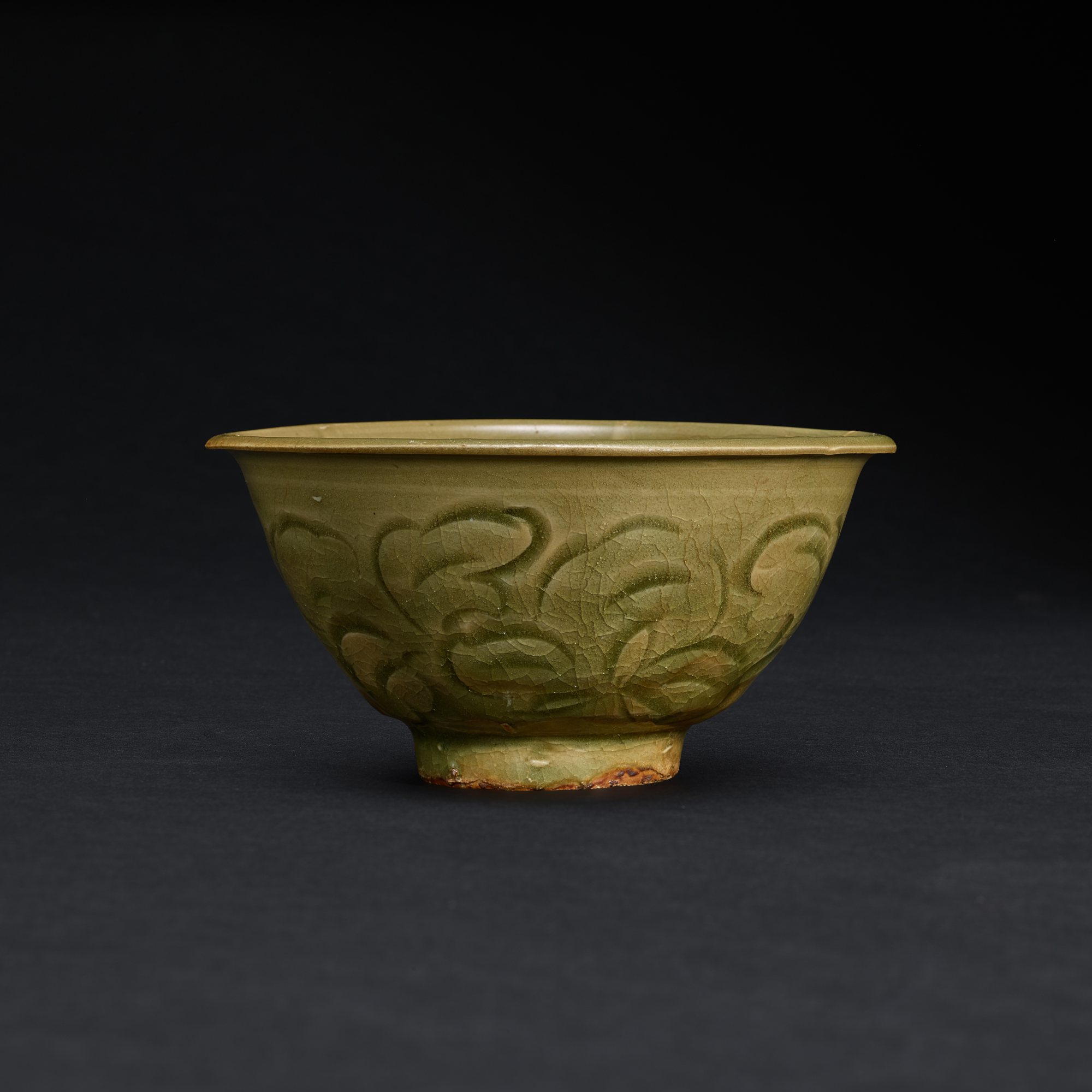
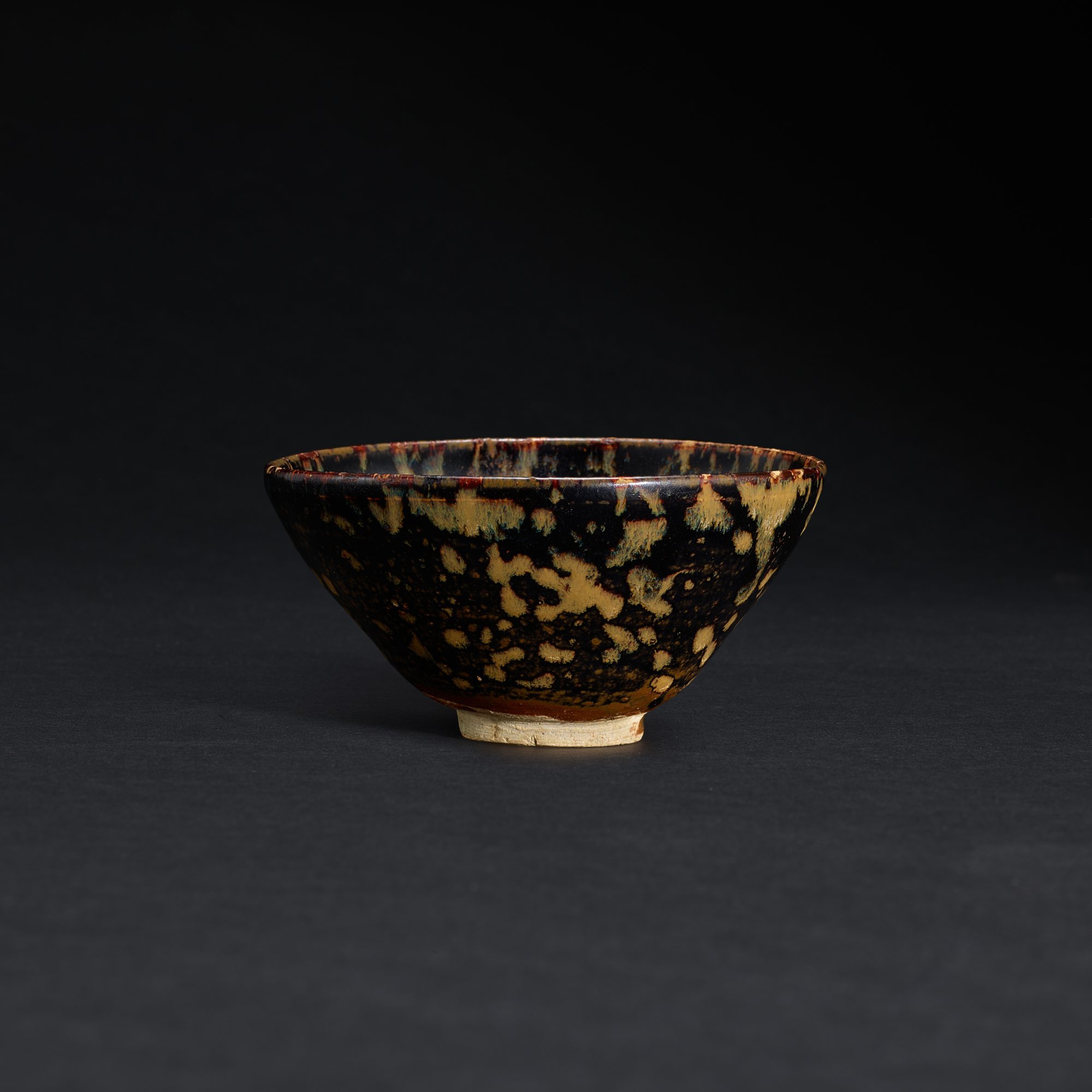
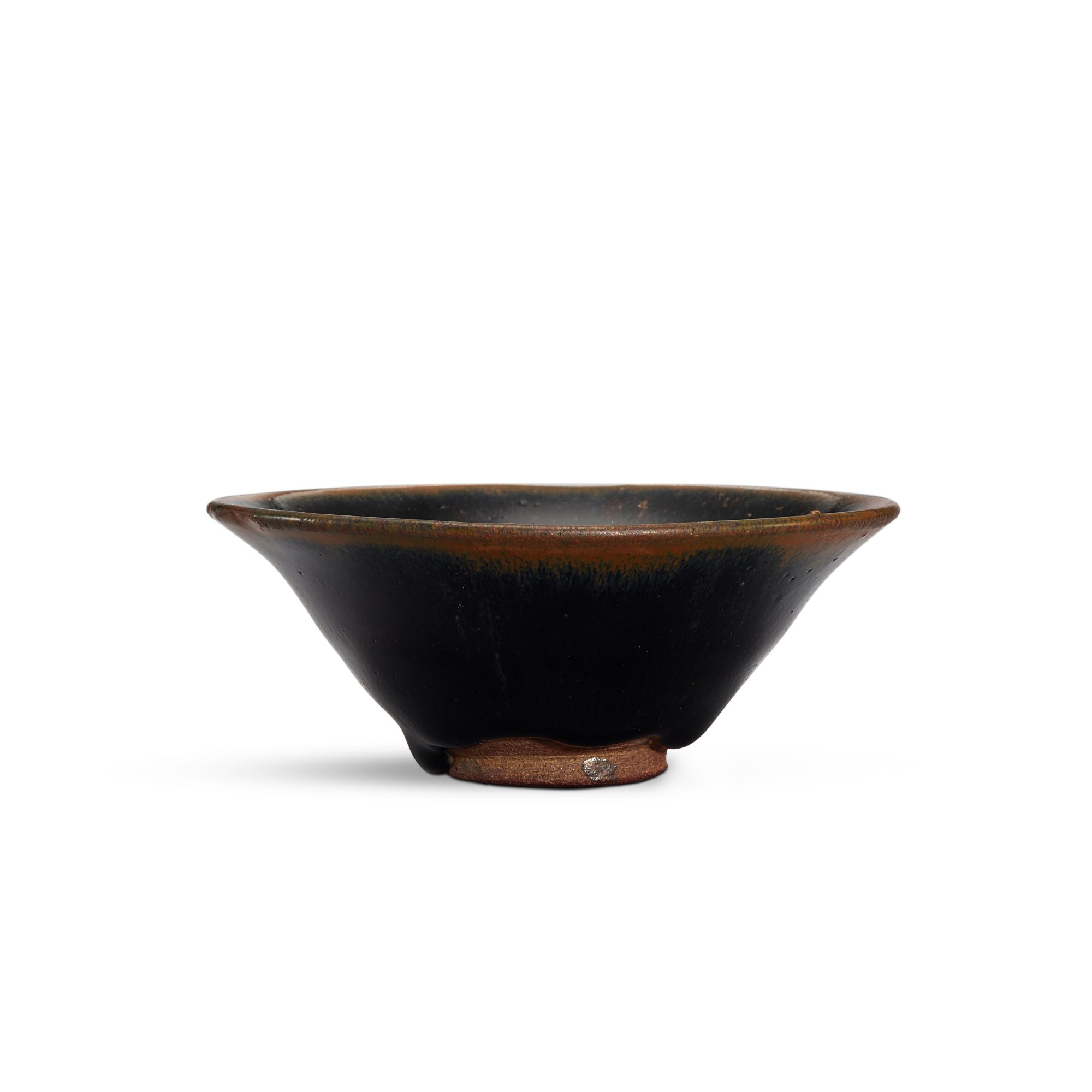
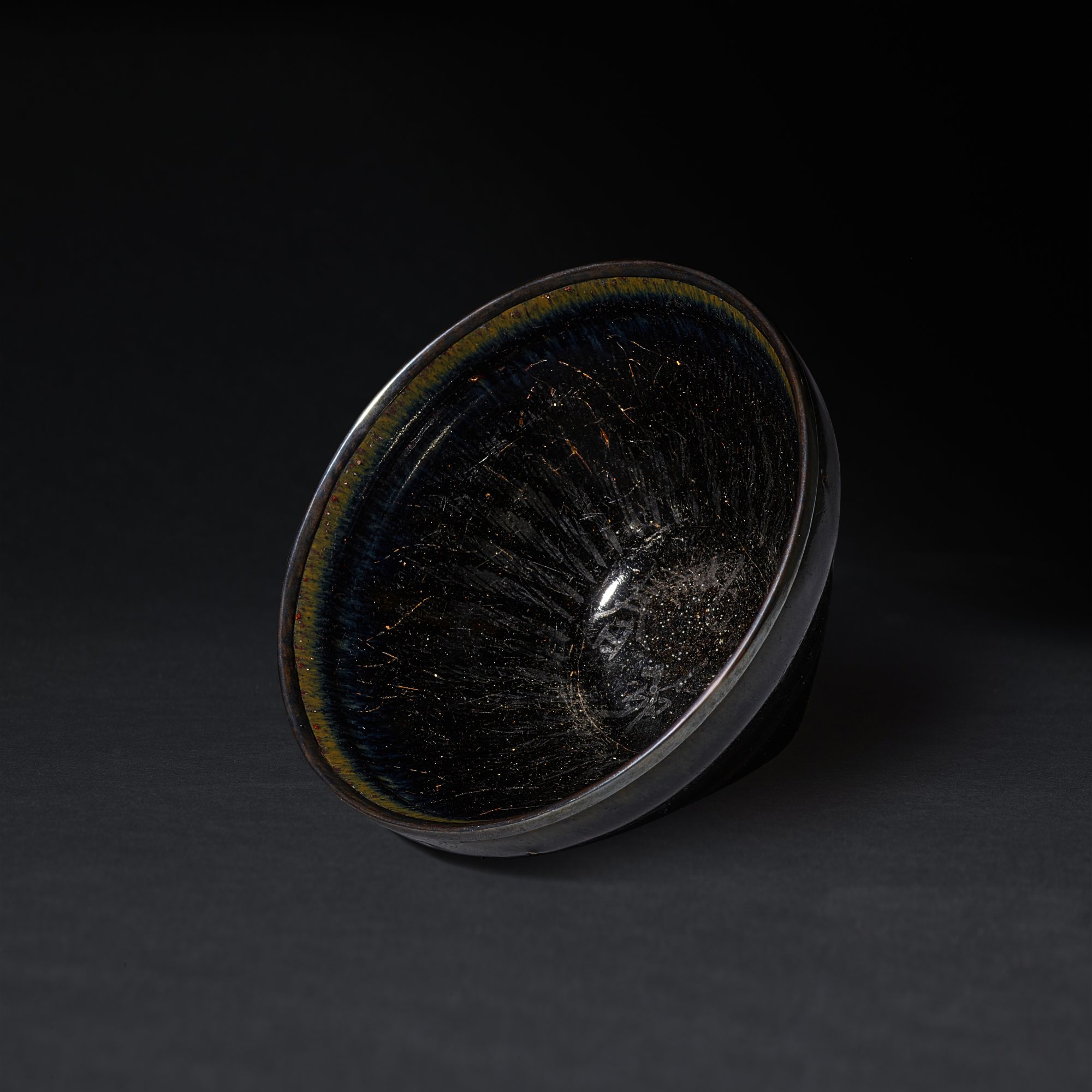
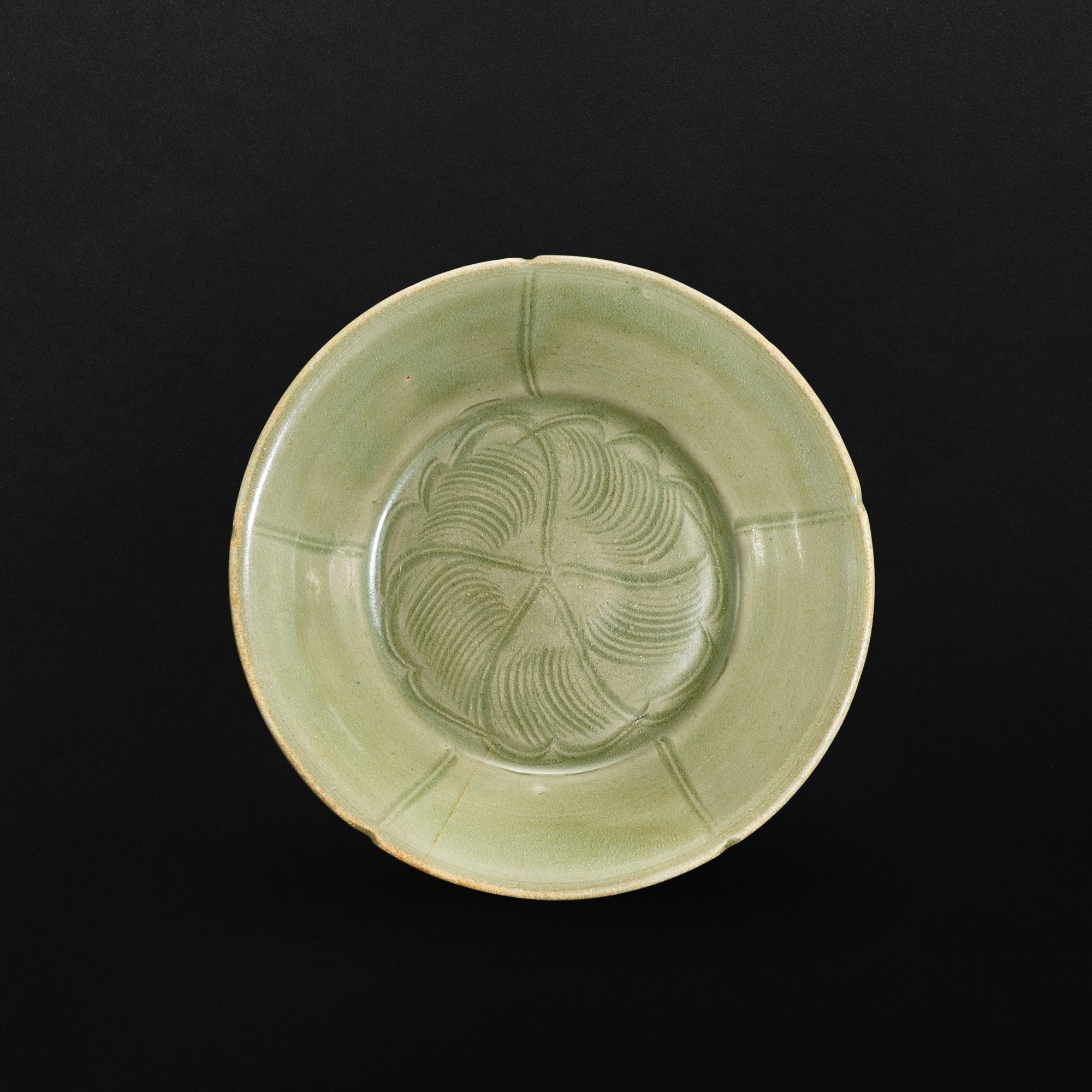
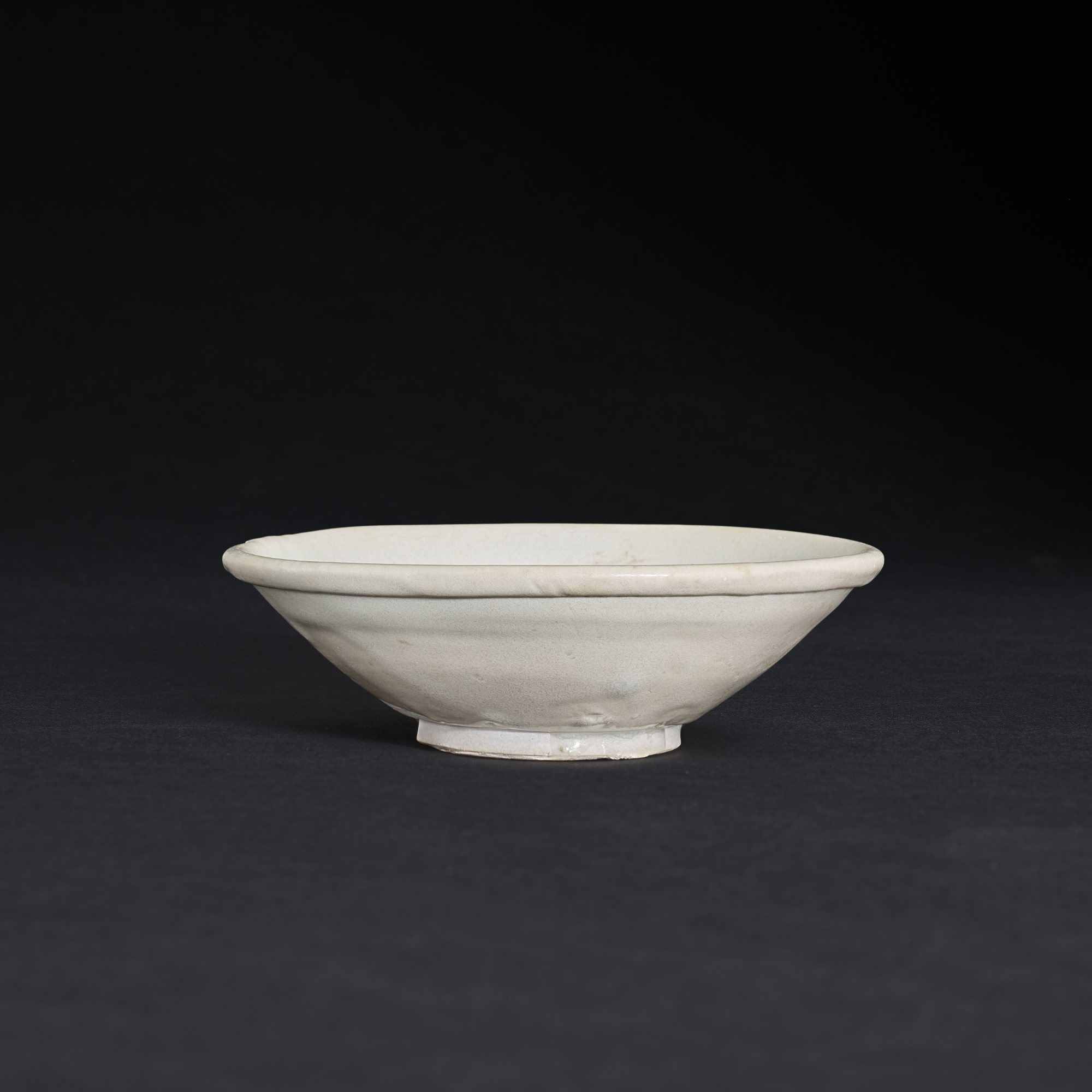
There is a moment, well known to those who study the ceramics of China's Song dynasty, when the eye adjusts and the full intelligence of a glazed bowl becomes visible. It is not a dramatic revelation. It arrives quietly, the way understanding does. The MQ Collection is built around exactly this kind of looking: patient, learned, and deeply devoted to the stoneware and porcelain traditions that flourished between the seventh and fourteenth centuries. In a contemporary art world that often prizes spectacle, this collection stands apart as a testament to the profound pleasures of connoisseurship rooted in stillness and form. The ceramics assembled in the MQ Collection represent some of the most celebrated kiln traditions in Chinese art history. From the imperially associated Yaozhou kilns of Shaanxi province to the rustic, inventive workshops at Jizhou in Jiangxi, from the white refinement of Tang dynasty Xing ware to the iron rich atmospheres of Jian and Yulinting, the collection reads like a carefully considered survey of the golden age of Chinese ceramic art. What unites these objects is not merely their age or rarity, though both are present in abundance. It is the evidence they carry of human intelligence applied to fire, clay, and mineral over generations of accumulated skill. The Tang dynasty Xing white glazed bowl in the collection, with its characteristic bi foot ring, represents one of the earliest chapters in the story of refined Chinese tea culture. Xing ware was celebrated in the Tang by the tea master Lu Yu in his foundational text the Cha Jing, or Classic of Tea, written around 780 CE, where he praised its silver like quality. To hold a Xing bowl is to hold an object that was already being discussed as a classic within living memory of its own production. The MQ Collection's example, with its clean, ivory toned glaze and disciplined form, speaks directly to the restrained elegance that would define Chinese ceramic aesthetics for centuries to come. The Northern Song pieces in the collection demonstrate the extraordinary diversity that flourished before the southern displacement of the Song court in 1127. The Yaozhou celadon carved peony bowl is a superb example of the northern celadon tradition at its height. Yaozhou potters developed a technique of carving through the unfired clay body with a confident, almost calligraphic energy, then covering the relief with an olive green glaze that pools in the recesses and thins over the raised edges, creating a luminous play of depth and light. Peony imagery carried strong associations with nobility and abundance in Song visual culture, making such a bowl not merely a functional object but a statement of cultivated taste. Similarly, the Longquan celadon carved floral dish from the Northern Song period shows the range of the celadon tradition, the Longquan kilns of Zhejiang province producing wares with a softer, more jade like quality than their northern counterparts, beloved by scholars and officials alike. The Southern Song material in the collection introduces a different register of feeling. The Jian black glazed conical tea bowl, with its deeply saturated iron glaze and its steep angular form, is the quintessential object of the Song tea ceremony aesthetic known as diancha, or whisked tea. Jian bowls were prized by the Song emperor Huizong himself, an emperor who was also a gifted painter and calligrapher and who wrote extensively on the appreciation of tea. The darkness of the glaze, punctuated by the crystalline formations that occur during firing, provided the ideal visual contrast against the pale green foam of whisked tea. The MQ Collection's Jian bowl belongs to a lineage of objects that shaped aesthetic philosophy across East Asia, influencing Japanese ceramic traditions that persist to this day. Perhaps the most exceptional piece in the MQ Collection is the Yulinting gilt inscribed black glazed tea bowl bearing the inscription Beiyuan xianchun, which translates roughly as First Spring of Beiyuan. Yulinting is an exceptionally rare kiln site in Fujian province, and examples with gilt painted calligraphic inscriptions are among the most coveted survivals in Chinese ceramic study. Beiyuan was the site of the most famous imperial tea gardens of the Song dynasty, and an object inscribed with its name carries extraordinary cultural resonance. Such a bowl almost certainly entered a setting of elevated social exchange, perhaps a scholar's studio or an official's private gathering, where the ritual of tea drinking was inseparable from poetry, painting, and philosophical conversation. The Jizhou pieces in the collection demonstrate the more experimental, folk influenced energy of the Southern Song ceramic world. The black glazed prunus bowl with its resist decorated plum blossom design shows the Jizhou potters' distinctive technique of applying paper cut stencils before firing to create bold, graphic imagery against dark grounds. The tortoiseshell glazed bowl with its base inscription reading Le, meaning joy or music, adds a personal, intimate dimension to the collection. Such inscribed pieces invite speculation about the individual hands and intentions behind them, reminding us that these objects were made by specific human beings with their own sensibilities and desires, not by an abstract cultural force. For collectors and scholars approaching the Song ceramic tradition, the MQ Collection offers a model of focused, purposeful acquiring. The market for Song ceramics has grown considerably in recent decades, with major auction houses in Hong Kong, London, and New York regularly recording strong results for museum quality examples from the Jian, Jizhou, Yaozhou, and Longquan traditions. Collectors are advised to study glazed surfaces with care, to understand the relationship between foot ring treatment and kiln attribution, and to trace provenance through established collections and scholarly literature. The works gathered in the MQ Collection reward exactly this kind of attention, each piece legible to the informed eye as a node in a vast web of technical tradition and cultural meaning. The legacy of Song ceramics in the broader history of world art is difficult to overstate. These objects shaped the aesthetic vocabulary of Korea's Goryeo celadon tradition, profoundly influenced the development of Japanese tea ceramics from the Muromachi period onward, and continue to inform contemporary studio pottery practice globally. Artists and critics from Bernard Leach to Edmund de Waal have returned again and again to the Song period as a touchstone for what ceramics can aspire to be: functional yet philosophical, humble yet exquisitely intelligent. The MQ Collection, assembled with evident care and scholarly depth, stands as a living argument for why these ancient vessels still matter, not as relics of a vanished world, but as enduring models of what it means to make something beautifully and well.