Willem de Kooning
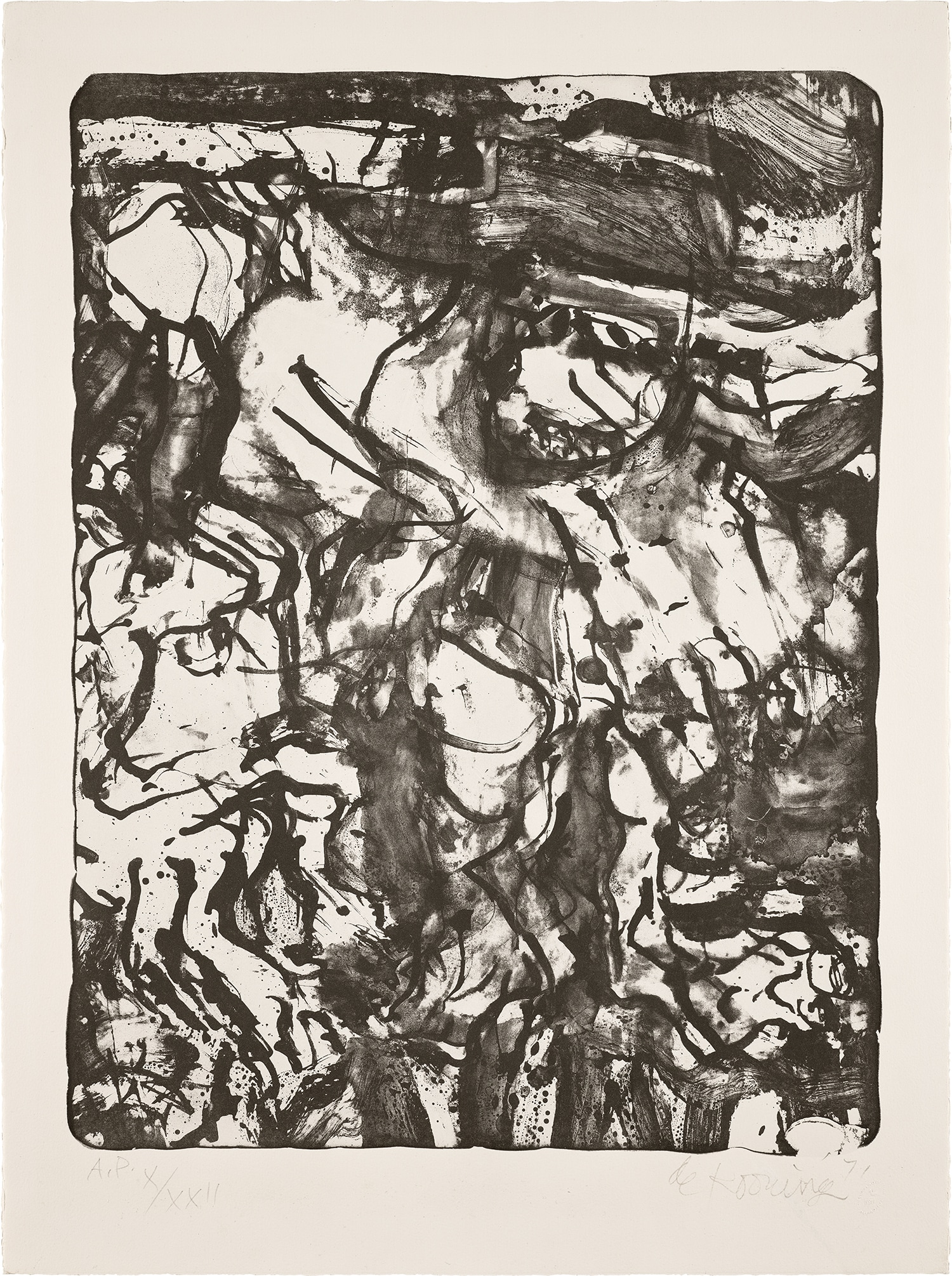
Willem de Kooning, Forever Vital and Alive
Artist Spotlight · The Collection Editorial
“I am not interested in abstracting or taking things out or reducing painting to design, form, line, and color.”
Willem de Kooning, artist's statement
Few artists have felt more urgently present in the galleries and auction rooms of the past decade than Willem de Kooning. In 2022, his 1955 masterwork "Interchange" remained one of the most celebrated paintings to have ever changed hands privately, a transaction that placed it among the most valuable works of the twentieth century. Museum retrospectives from the Museum of Modern Art in New York to the Tate Modern in London have continued to draw enormous crowds, reminding new generations that de Kooning's canvases do not merely hang on walls. They breathe, argue, seduce, and ultimately overwhelm.
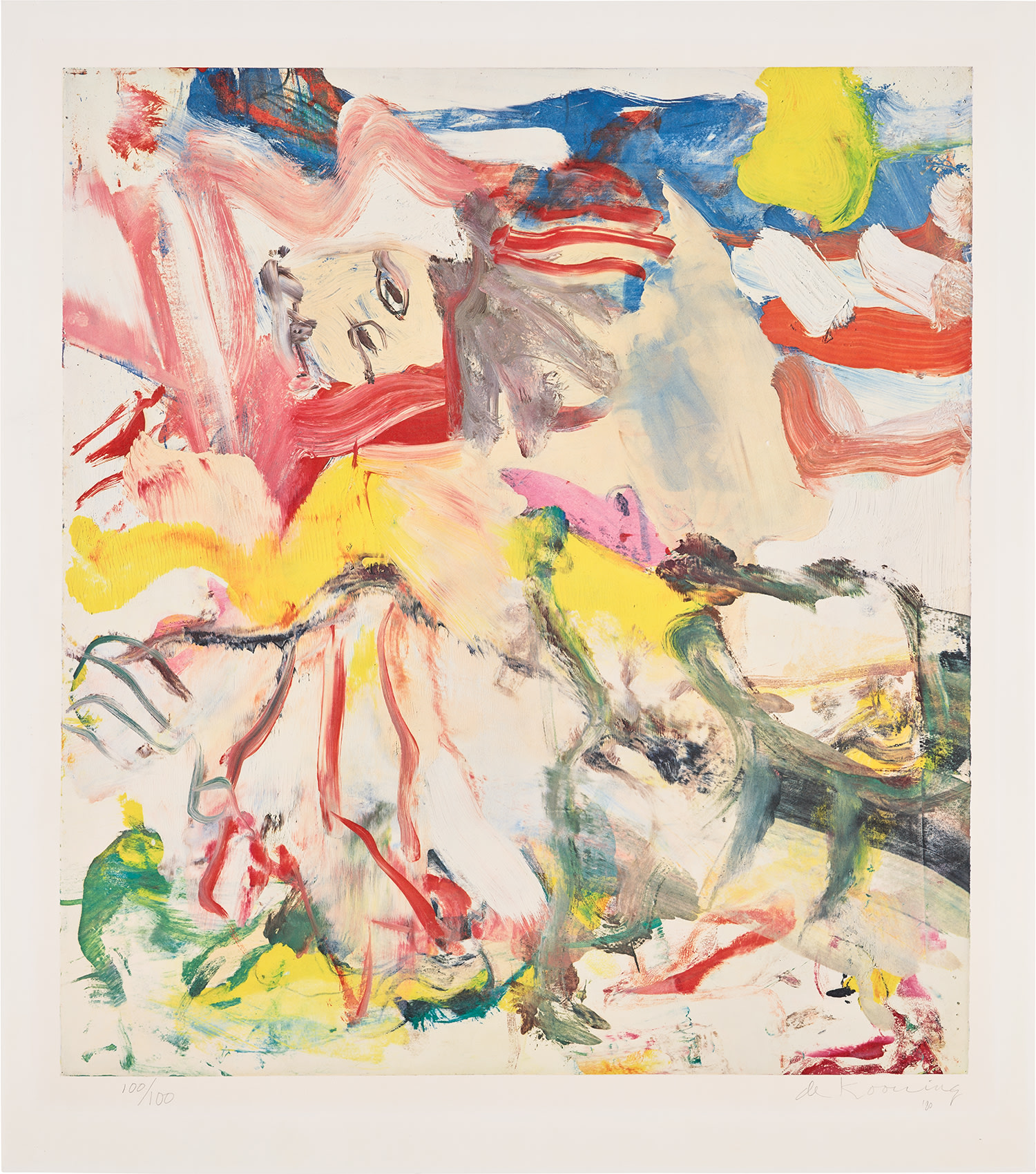
Willem de Kooning
Figures in Landscape VI
Willem de Kooning was born in Rotterdam, the Netherlands, in 1904, into a working class family shaped by dissolution and resilience in equal measure. His parents divorced when he was young, and he was raised largely by his mother, a woman of fierce temperament whose spirit some critics have read, perhaps too conveniently, into the monumental female figures of his later career. At twelve he began an apprenticeship with the commercial decorating firm Gidding and Sons, where he received rigorous formal training in the applied arts. This early grounding in craft, in the practical intelligence of making things with one's hands, never left him.
It gave his painting a physical authority that pure academic training rarely produces. In 1926, at the age of twenty two, de Kooning stowed away on a ship bound for the United States, eventually arriving in New York City by way of Virginia. He found work as a house painter and commercial artist while immersing himself in the city's avant garde circles. The friendships he formed in those early New York years were genuinely formative.
Willem de Kooning
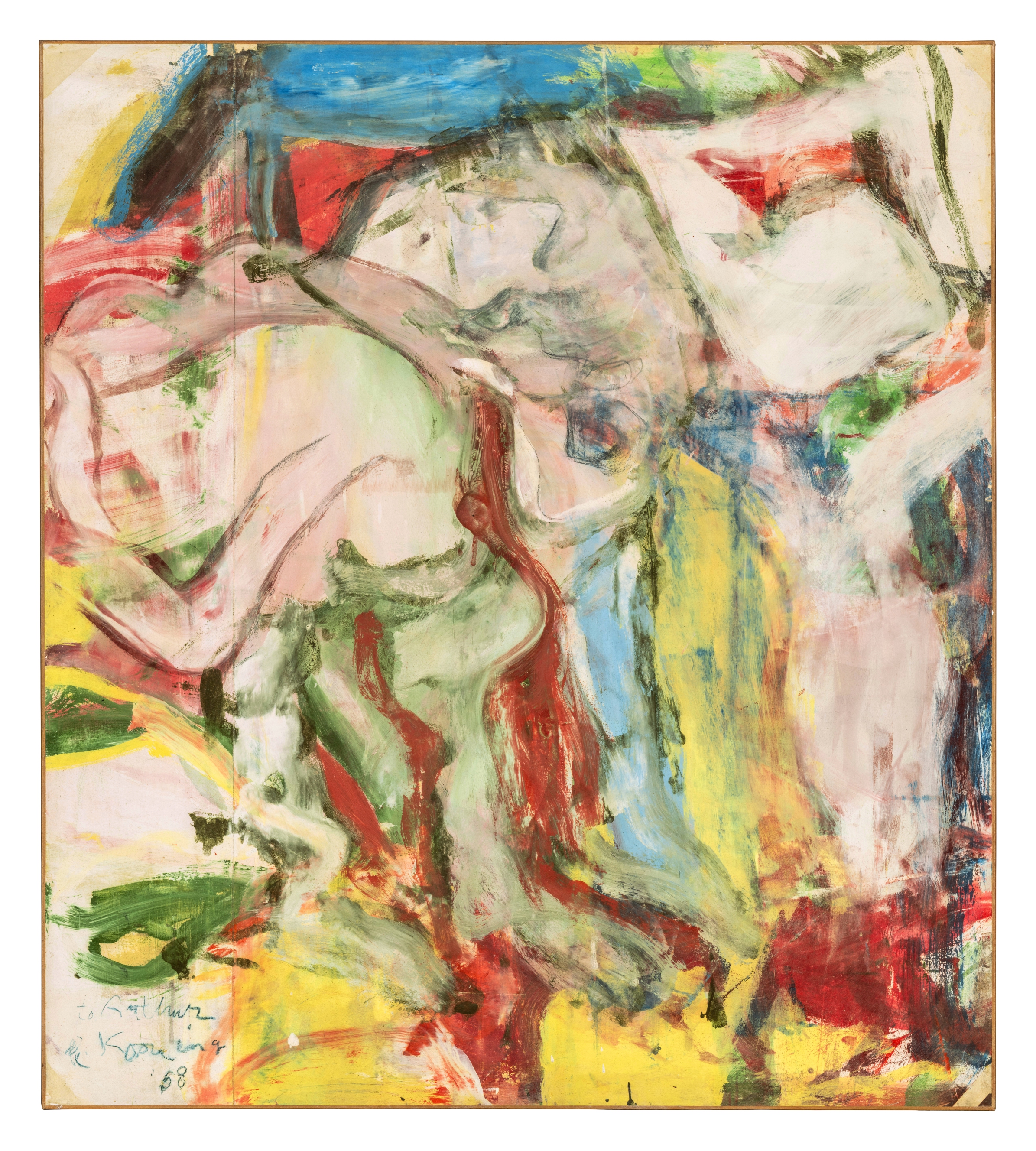
Two Figures in Dunes, 1968
His close relationship with Arshile Gorky, whom he met in the late 1920s, introduced him to the lessons of European Cubism and Surrealism and helped crystallize his thinking about what painting could do when freed from strict representation. By the 1940s, de Kooning was a central figure in the downtown Manhattan scene, exchanging ideas with Franz Kline, Mark Rothko, and Jackson Pollock at the Cedar Tavern and the Club on Eighth Street. De Kooning's artistic development is one of the great ongoing conversations in modern art, a practice that refused to settle into a single answer. His black and white enamel paintings of the late 1940s, works like "Painting" from 1948 now in the collection of MoMA, demonstrated an extraordinary ability to generate tension through compressed, overlapping forms.
“Flesh was the reason oil paint was invented.”
Willem de Kooning
Then came the Women series, launched in earnest with "Woman I" completed in 1952 after nearly two years of revision and near destruction. These paintings shocked and electrified in equal measure. They were figurative at a moment when abstraction was ascendant, and they were ferociously physical in a way that no polite theory of modern art had quite accounted for. The women loomed, grinned, and dissolved back into the paint.
Willem de Kooning
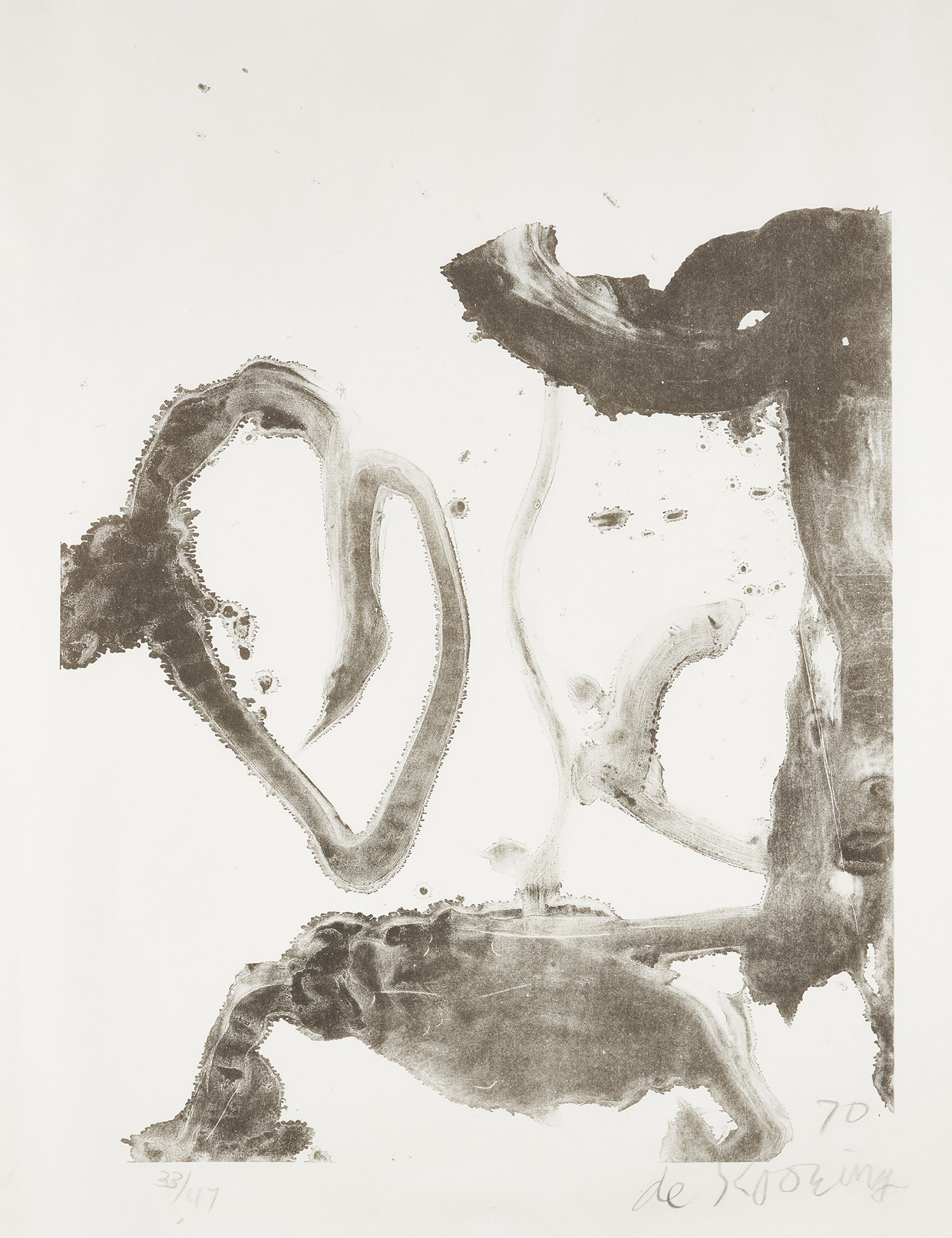
Valentine (G. 16)
They were neither grotesque nor idealized. They were something altogether harder to name. Through the late 1950s and into the 1960s, de Kooning's work underwent a remarkable transformation. Leaving the compressed energy of the Women series behind, he began drawing inspiration from landscape, from the light and open space of Long Island, where he eventually settled in the Springs community near East Hampton.
“The attitude that nature is chaotic and that the artist puts order into it is a very absurd point of view.”
Willem de Kooning, interview, 1950s
The sharp angles and compressed urban geometry of his earlier paintings gave way to sweeping curves and luminous fields of color. Works from this period, including paintings on paper and oil on vellum, carry a particular tenderness, a sense of the body and the land becoming interchangeable. His 1968 work "Two Figures in Dunes" exemplifies this beautifully, the human form dissolving into the organic rhythms of the natural world with a grace that earlier decades had not yet permitted him. For collectors, de Kooning's work on paper represents one of the most compelling entry points into his practice.
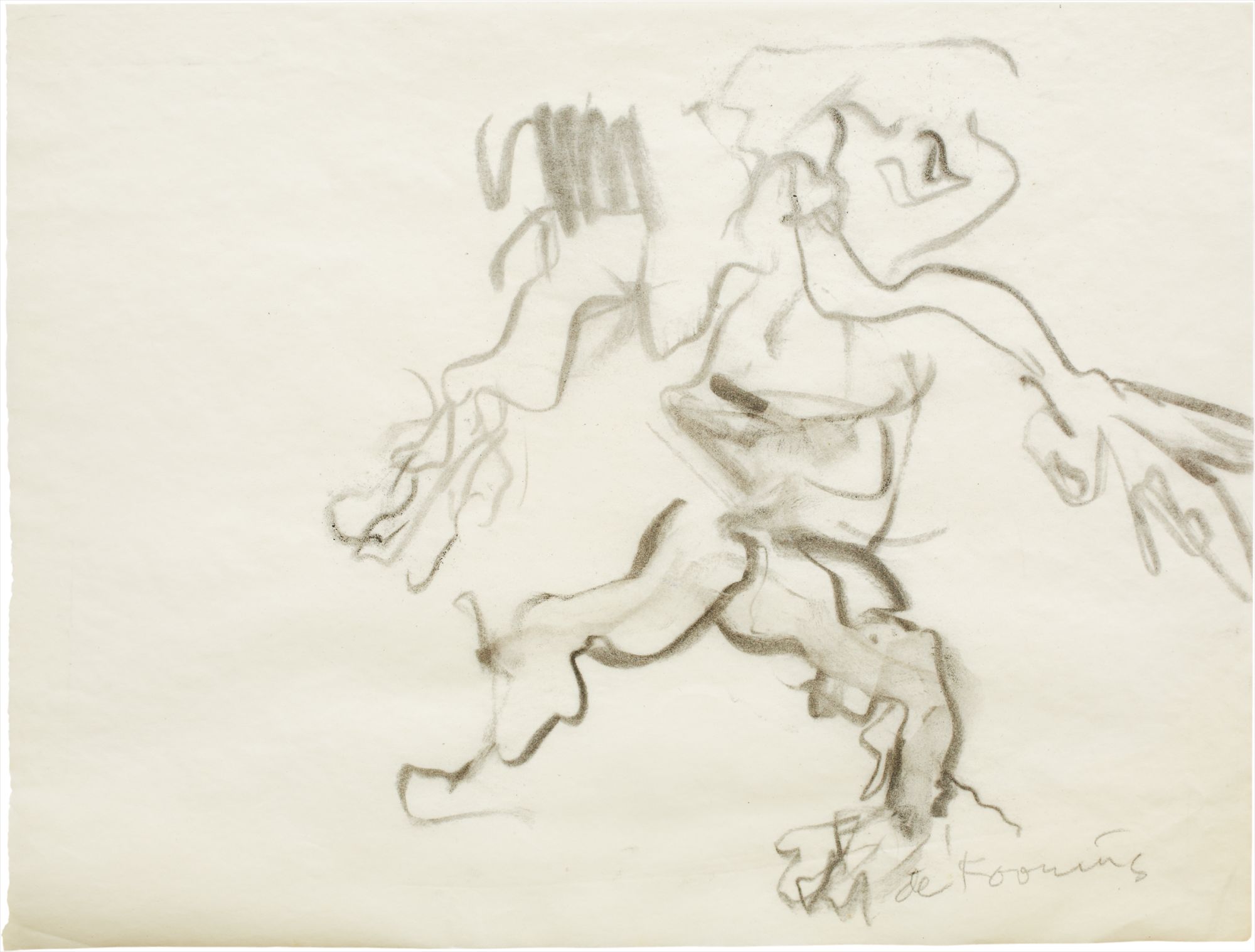
Willem de Kooning
Willem de Kooning’s rapid progression from representational to non-representational painting occurred during the late 1950s into the early 1960s. His legendary Women series over, he began to find inspiration from sources other than the human form, namely that of landscape. In addition, the sharp lines and geometric patterns that had categorized his earlier work began to smooth out into curvatures and fields of space and color. This gave de Kooning’s new work a more reflective element, as it no longer contained the anger and rigor of his earlier paintings and drawings. De Kooning also began to venture into the realm of sculpture, bringing his newly found fluidity and softness into the third dimension. In his works on paper, de Kooning followed the same trajectory: definite figure began to morph into indefinite shape, smoother yet more mysterious than before.
These are not secondary objects or studies in a reduced sense. They are complete expressions of his thinking, often more intimate and immediate than the large canvases, and they reveal the full intelligence of his mark making. Lithographs such as the "Valentine" series and works on Suzuki and Akawara paper show his sensitivity to surface and material, the way a different ground could alter his gesture entirely. At auction, de Kooning's works on paper have consistently performed with strength, and they attract sophisticated collectors who understand that the artist's hand is never more legible than in these quieter formats.
His oil and charcoal works on vellum in particular have a translucent, almost phosphorescent quality that rewards close, sustained looking. To understand de Kooning fully, it helps to place him in conversation with the artists who surrounded and followed him. His gestural language connects directly to Franz Kline's monumental black and white abstractions and finds an echo in the later Neo Expressionism of artists like Cy Twombly and, across the Atlantic, Georg Baselitz. His insistence on holding figuration and abstraction in productive tension prefigures the work of Eric Fischl and the entire wave of painters who returned to the body in the 1980s.
In the context of American art history, he occupies a position comparable only to that of Pollock, though where Pollock sought a kind of total immersion and dissolution of self, de Kooning always maintained a conversation, always left a door open between the world and the canvas. Willem de Kooning lived until 1997, reaching the age of ninety two, though his final years were marked by the advancing effects of Alzheimer's disease. Even in that late period, working with simplified means and a reduced palette, his paintings retained a lyrical authority that astonished those who encountered them. His legacy is not a closed archive.
It is an ongoing argument about what painting can hold, how much drama, how much contradiction, how much life a single surface can bear. For collectors, for institutions, and for anyone who has stood in front of one of his major canvases and felt something shift in their understanding of what art is for, de Kooning remains among the most essential painters the twentieth century produced.
Explore books about Willem de Kooning
Willem de Kooning: A Retrospective
Paul Cummings
de Kooning: An American Master
Mark Stevens and Annalyn Swan
Willem de Kooning Paintings
Jorn Merkert
de Kooning: Critical Texts
Various Authors
The Women of Willem de Kooning
David Anfam
Willem de Kooning: Works, Writings, Interviews
Various Authors
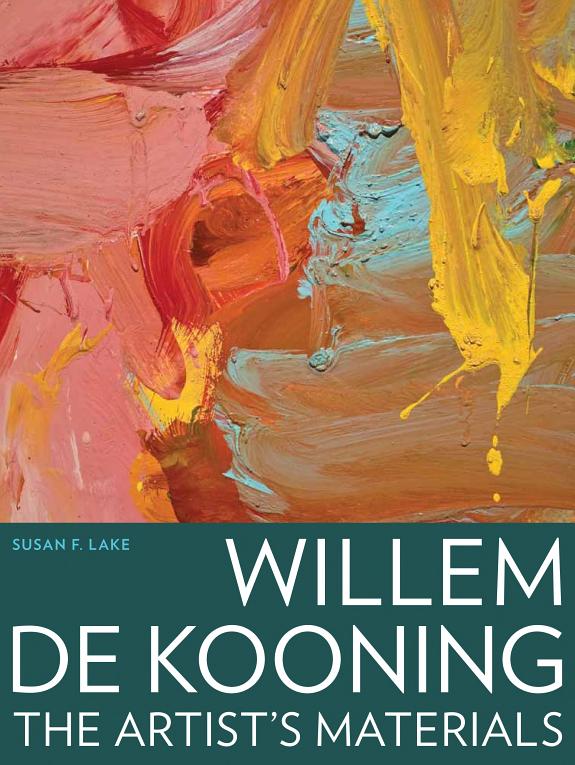
Willem de Kooning: Charcoal and Pastels
Rosalind Krauss