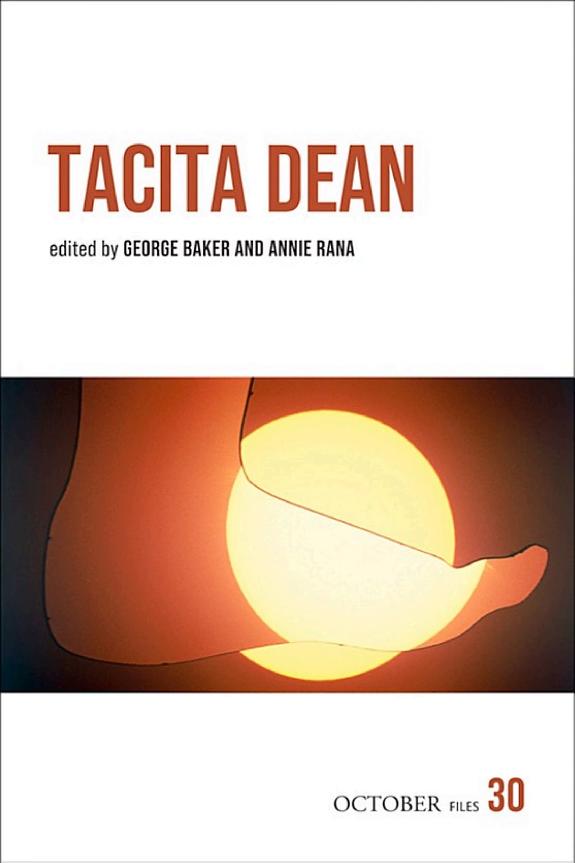
Tacita Dean
Tacita Dean, Cinema's Most Devoted Keeper
Artist Spotlight · The Collection Editorial
“Film is a physical medium. It decays. It has a life and a death, and that is exactly what interests me.”
Tacita Dean, interview with Tate
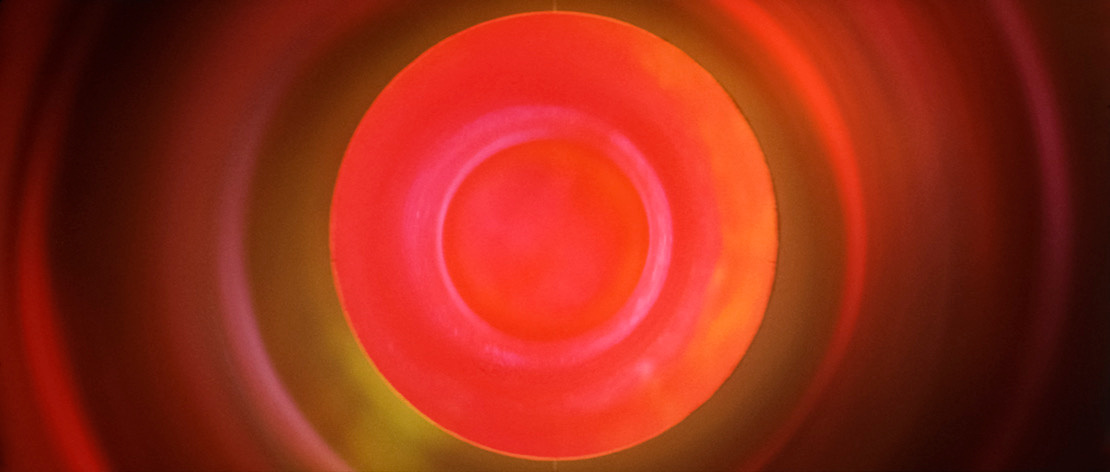
In the spring of 2011, Tate Modern's vast Turbine Hall fell quiet in a way it rarely does. Visitors stood transfixed before FILM, Tacita Dean's monumental single screen 16mm projection, a work commissioned for the Unilever Series that transformed Tate's cathedral of contemporary art into something approaching a place of meditation. The eleven minute loop, projected vertically onto a towering screen, moved through landscapes and abstract film surfaces with a slowness that felt almost geological. It was a statement of breathtaking ambition and, for many who witnessed it, a defining cultural moment of the decade.
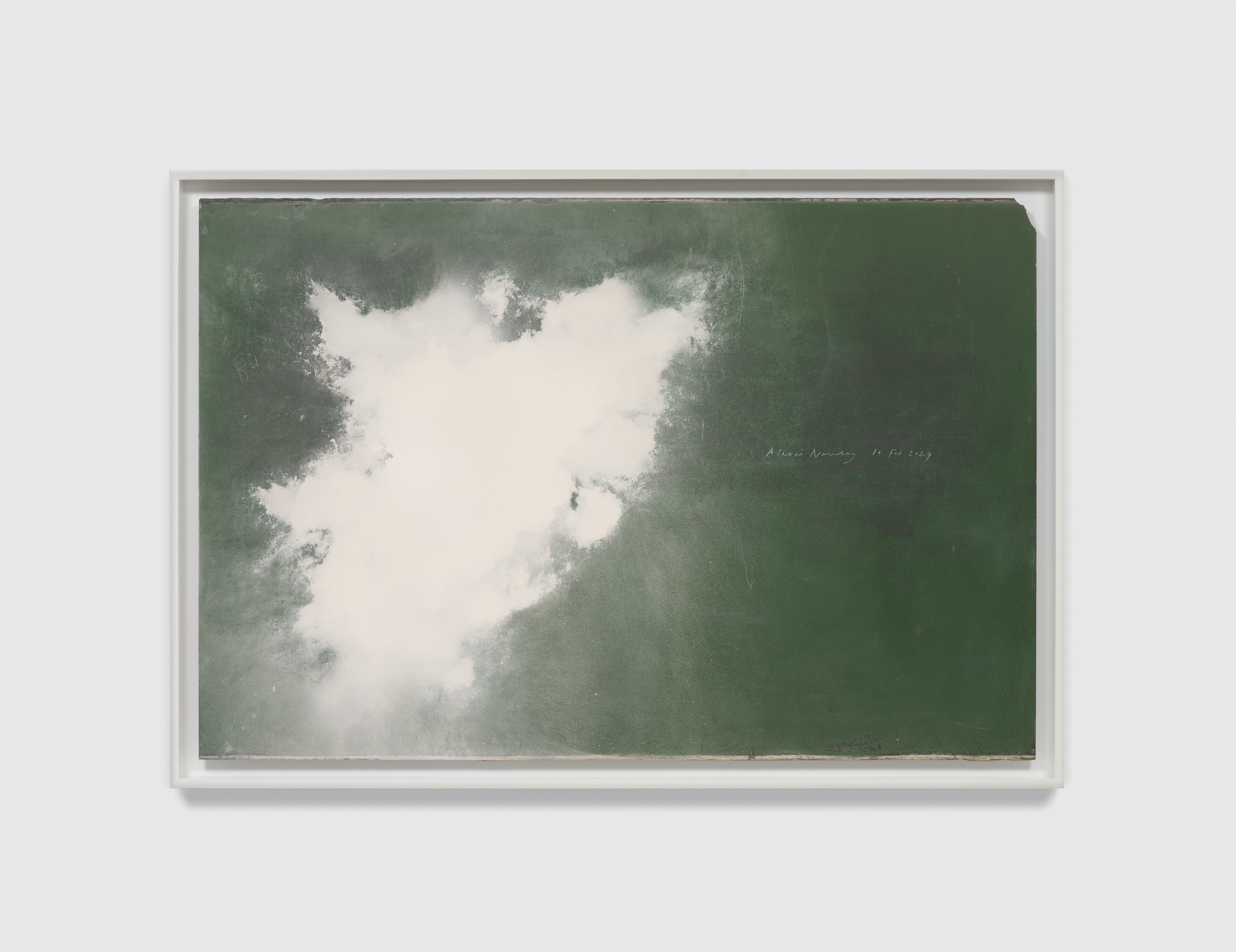
Tacita Dean
Navalny, 2026
Dean had not merely made a film. She had made an argument, a gorgeous and urgent one, for the survival of analog cinema at the precise moment the world was abandoning it. Tacita Dean was born in Canterbury, England, in 1965, and grew up steeped in the visual culture of the British coast. She studied at the Falmouth School of Art before completing her postgraduate work at the Slade School of Fine Art in London, an institution that has shaped generations of British artists and thinkers.
It was during these formative years that she developed the twin fascinations that would define her practice: an almost devotional relationship to the material of film itself, and an abiding interest in the way time moves, pools, and occasionally seems to stop altogether. She spent a significant period in Berlin, a city whose own suspended relationship with history clearly resonated with her sensibility, and she continues to move between studios in Berlin and Los Angeles. Dean came to wider attention in the mid 1990s through a body of work that already displayed her signature preoccupations. Her early chalk and pencil works on paper, including pieces from 1995 that layered gold leaf with delicate drawn marks, revealed an artist for whom the handmade and the material were never incidental.
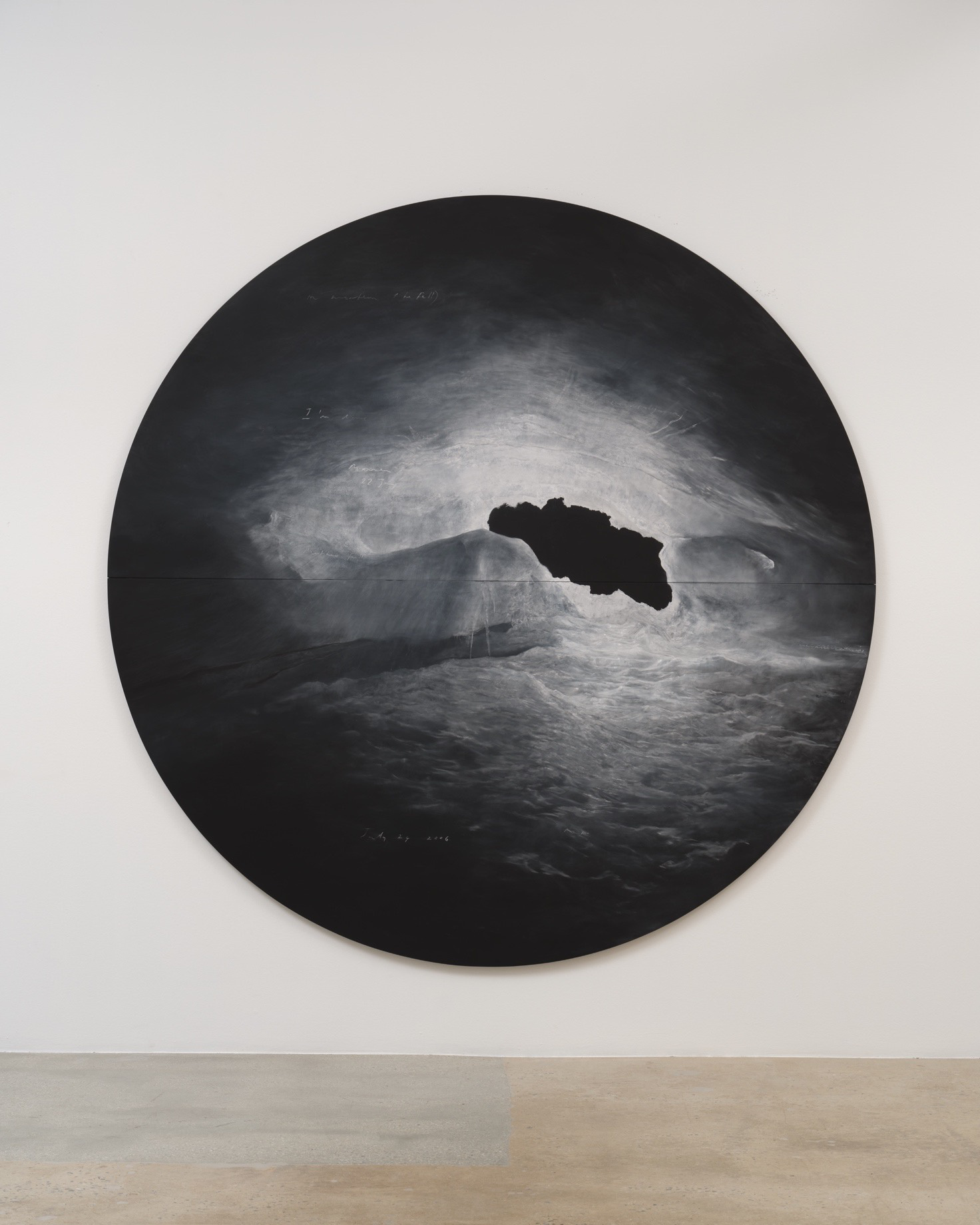
Tacita Dean
In Montem (he fell), 2026
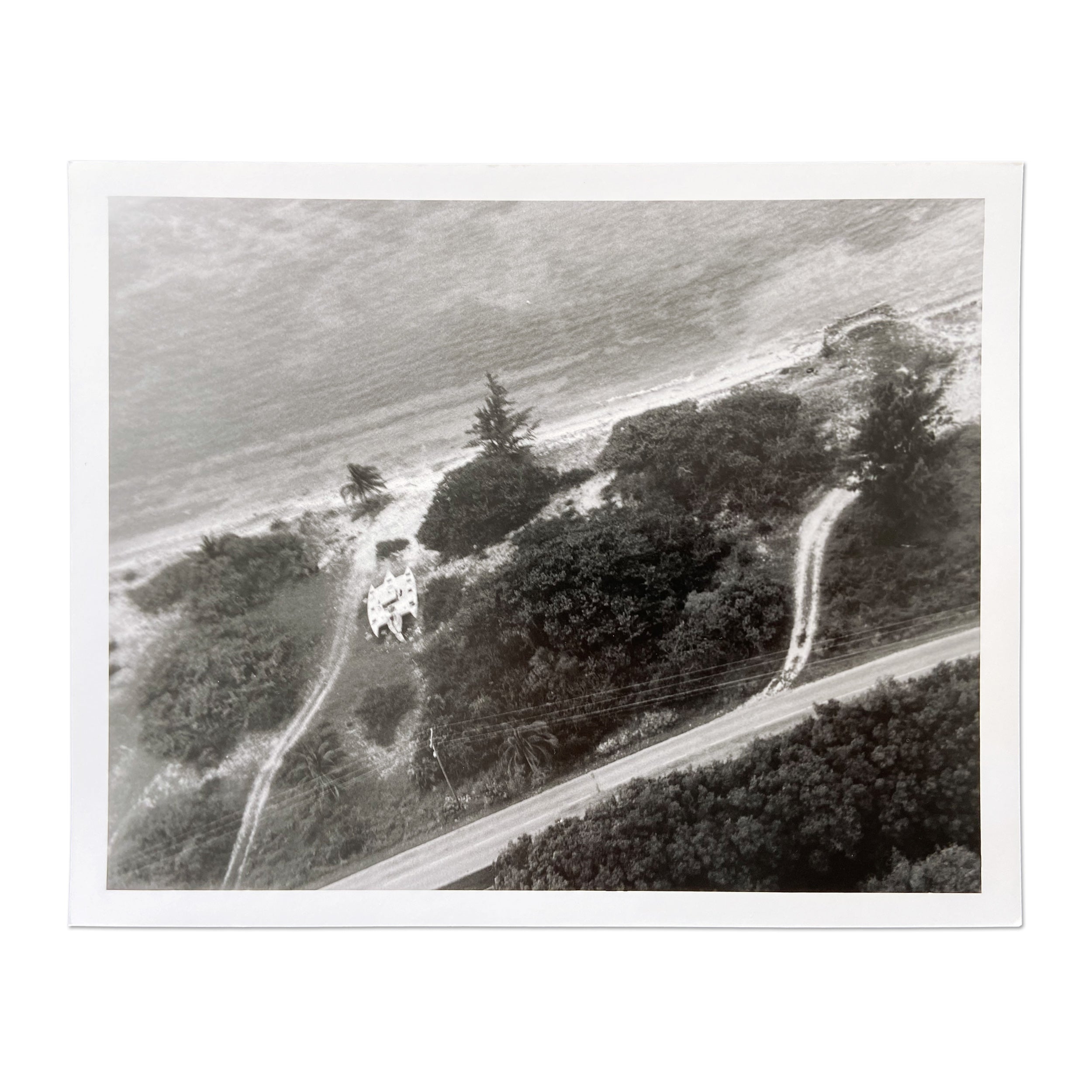
These works on paper remain among the most intimate points of entry into her thinking, showing a mind that moves between the cosmic and the tender, between astronomical observation and the quiet beauty of a found object. By the turn of the millennium she had begun making the longer film works that would cement her international reputation, bringing a documentary instinct and a poet's patience to subjects that most cameras would simply pass by. Perhaps no single image in Dean's body of work has lodged itself more firmly in the cultural imagination than her photographs of the Teignmouth Electron, the trimaran sailed by Donald Crowhurst during the ill fated 1968 Golden Globe Race. Crowhurst, who fabricated his position logs and ultimately vanished at sea, had left behind a vessel that sat rotting on a Caribbean beach for decades, and Dean photographed it in 2000 with a quality of attention that transformed a relic into something almost sacred.
“I am interested in the found, in things that have been left by history or by chance.”
Tacita Dean
The aerial view she captured has become iconic, a document of human hubris and the sea's patient indifference. It is characteristic of Dean's method: she does not impose narrative but allows her chosen subjects their full, strange complexity. Works like La Puerta del Diablo, her 2021 photographs of the geological formations in El Salvador, show that this quality of attention has only deepened with time, as has her instinct for finding in landscape a mirror of interior states. Dean's range of mediums is broader than her reputation as a filmmaker sometimes suggests.
Tacita Dean
Paradise, 2021
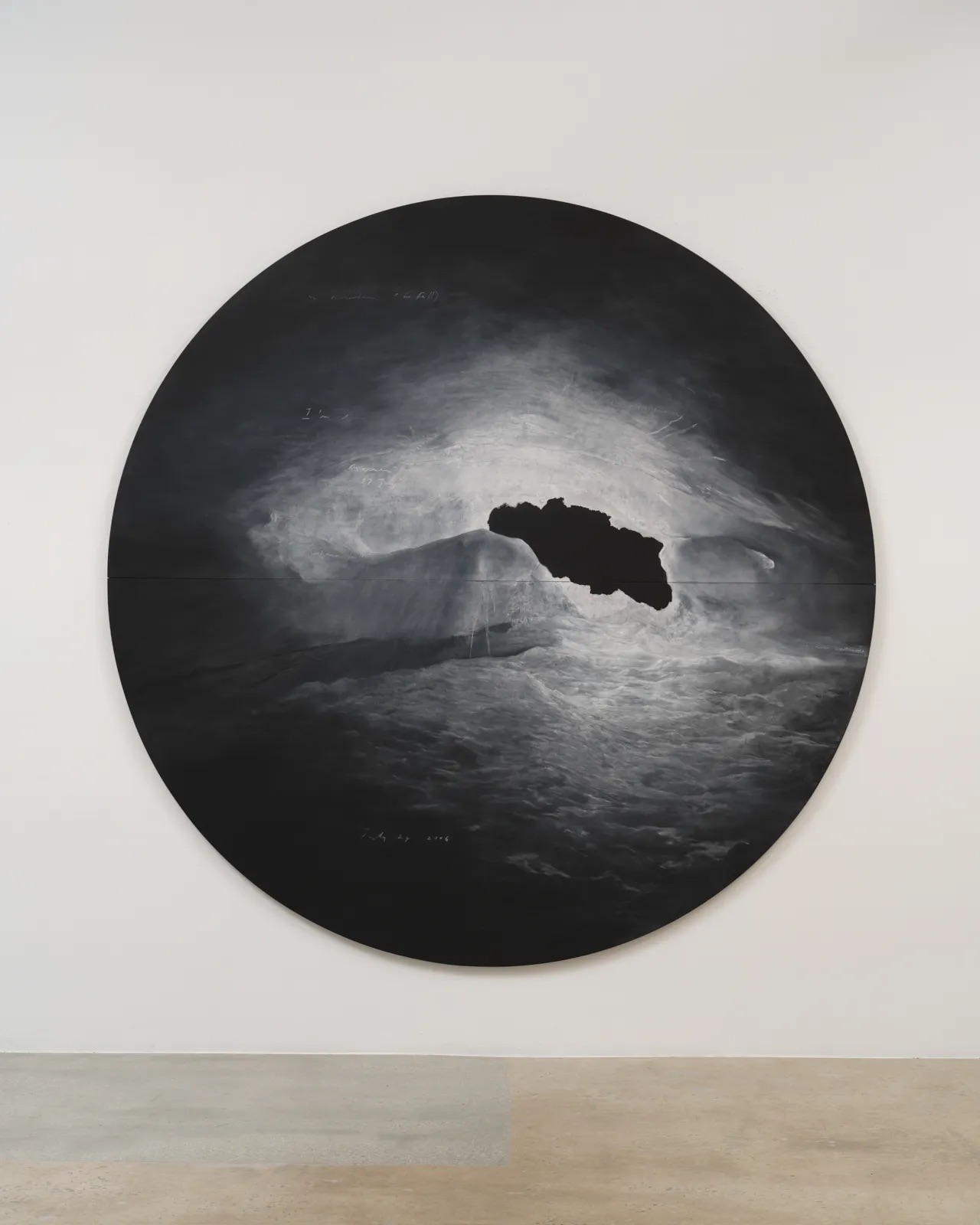
Her chalk on blackboard works, including the extraordinary In Montem (he fell), bring the same contemplative quality to drawing that her films bring to duration and light. The blackboard pieces feel both ancient and urgent, connecting to traditions of the handwritten and the ephemeral while asserting their own permanent authority. Her screenprints, including her contribution to the celebrated Tate Modern 21 Years Portfolio, demonstrate a sophisticated understanding of printmaking as a medium with its own logic and pleasures, quite distinct from her photographic and cinematic work. Collectors who have engaged seriously with Dean's practice tend to find that each medium illuminates the others, and that a single work opens onto a remarkably coherent and searching body of thought.
From a collecting perspective, Tacita Dean occupies a position of unusual distinction. She is represented by Marian Goodman Gallery, one of the most respected galleries in the world, whose program has long been defined by a commitment to serious, durational art practices. Her works appear regularly at the major international auction houses, and her editions, particularly her photographic works and prints, have attracted sustained and growing interest from collectors across Europe, North America, and beyond. The breadth of her output means that there are meaningful points of entry across a range of budgets and collecting ambitions, from intimate works on paper and signed prints to major photographic series.
Tacita Dean
Aerial View of Teignmouth Electron, 2000
What draws discerning collectors to Dean is precisely what makes curators and museum directors admire her: the sense that every work is the product of a deeply considered intelligence, and that her choices of subject, medium, and scale are always purposeful. Dean belongs to a generation of British artists who emerged in the late 1980s and 1990s and reshaped the international conversation about contemporary art. Her sensibility and her insistence on the philosophical weight of chosen mediums invite comparison with artists such as Wolfgang Tillmans, whose devotion to the photograph as a physical object echoes Dean's commitment to celluloid, and with the moving image work of Douglas Gordon, who has similarly interrogated duration and memory through the apparatus of cinema. She has also been associated with a broader European tradition of artists for whom landscape is never simply scenery but always a site of projection, loss, and longing.
Within British art specifically, her work connects to a lineage that runs from Richard Long's quiet walks through the landscape to the photographic poetry of Hamish Fulton. What makes Tacita Dean's practice feel so necessary in the present moment is precisely its resistance to the instant. At a time when images are generated, consumed, and discarded at a speed that would have seemed fantastical even twenty years ago, Dean insists on slowness, on the time it takes to look, to wait, to develop a roll of film, to watch a cloud move across a frame. Her legacy is already substantial: she has represented Britain at the Venice Biennale, held major retrospectives at Tate Britain and across the world's leading institutions, and made works that have genuinely shifted what audiences believe moving image art can do and say.
For collectors who believe that art should accumulate meaning rather than simply attract attention, Tacita Dean is one of the essential artists of our time.
Explore books about Tacita Dean