Shepard Fairey
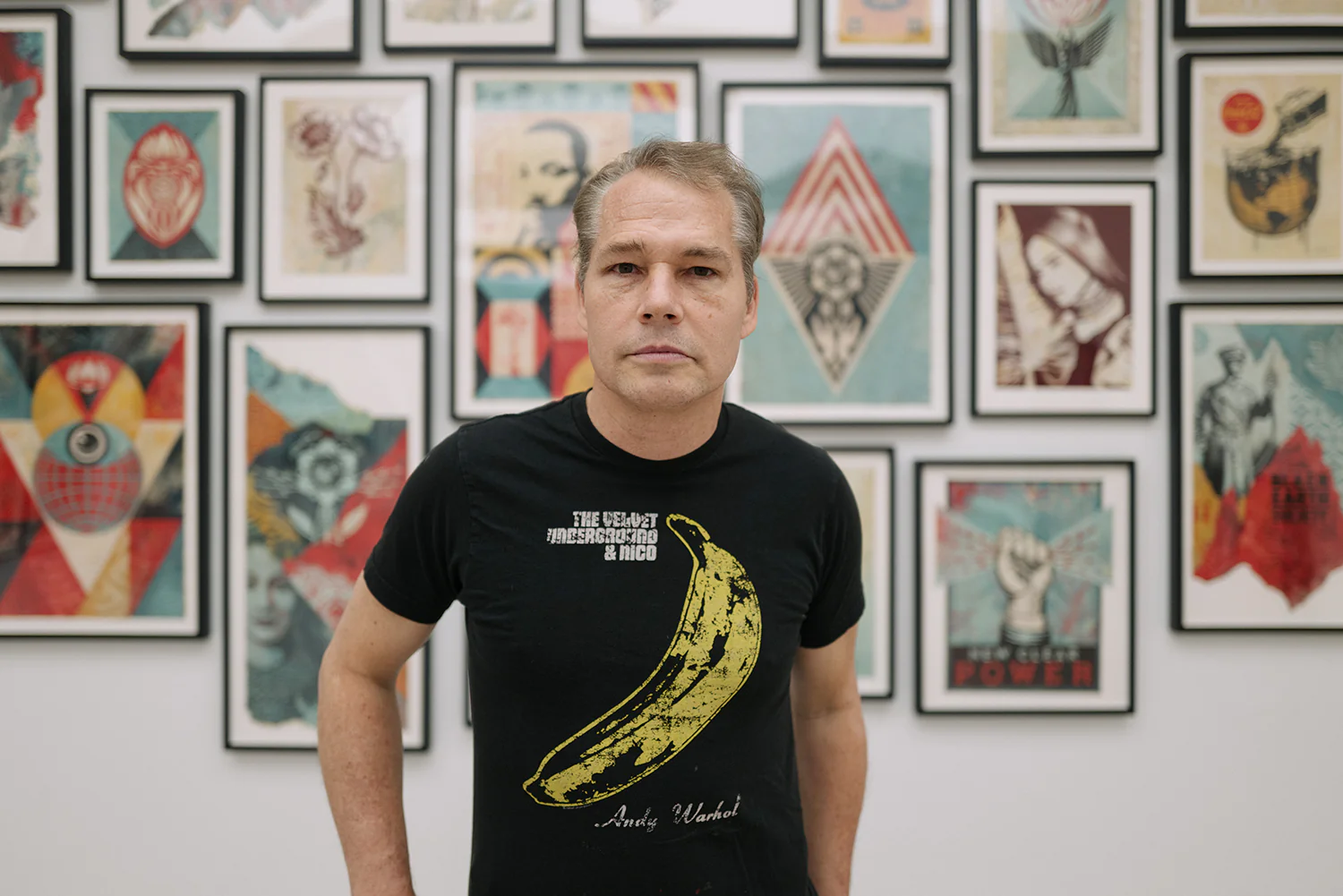
Shepard Fairey: Art That Moves the World
Artist Spotlight · The Collection Editorial
“My main goal is to make art that is both interesting and accessible, not dumbed down but engaging on multiple levels.”
Shepard Fairey, Studio Number One
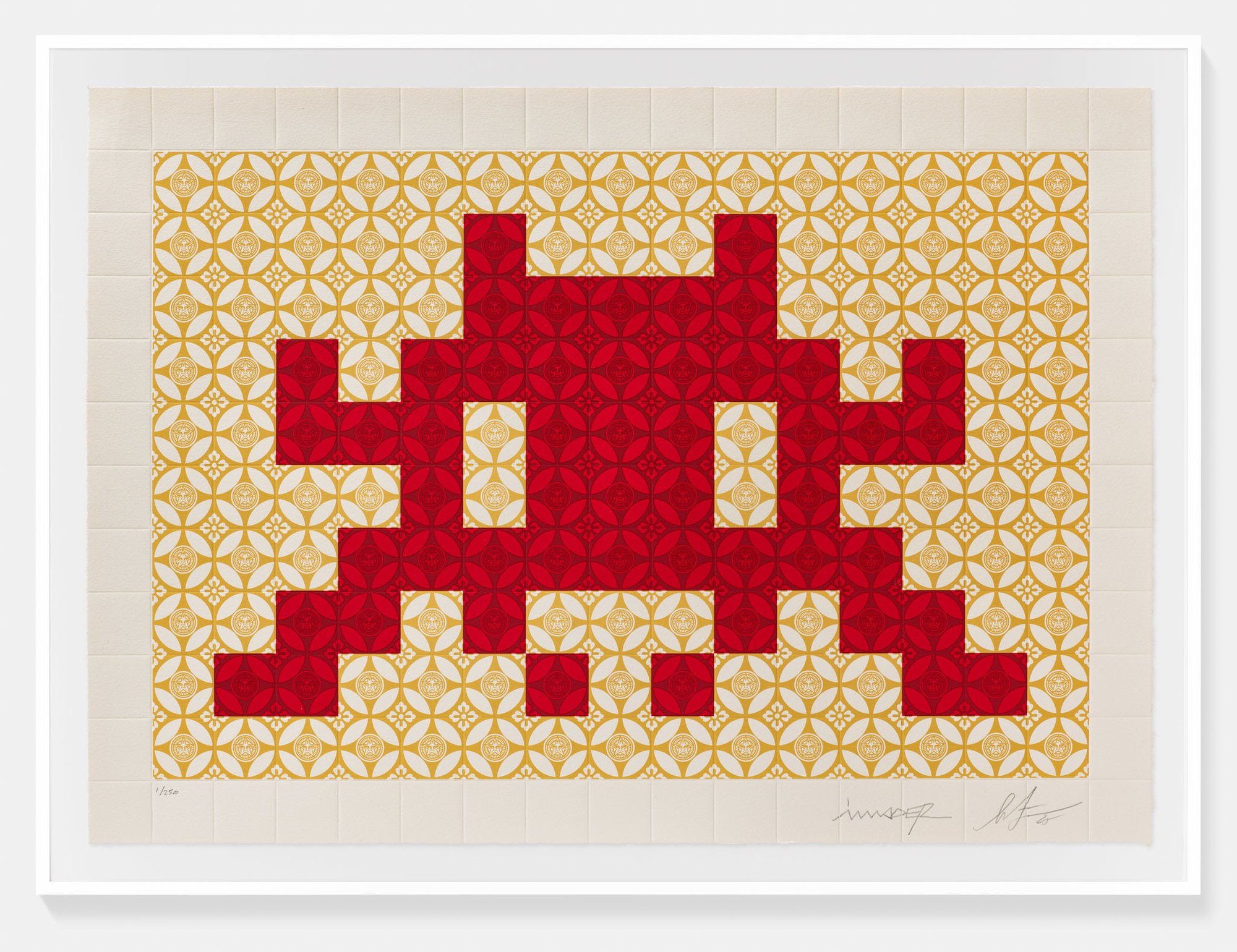
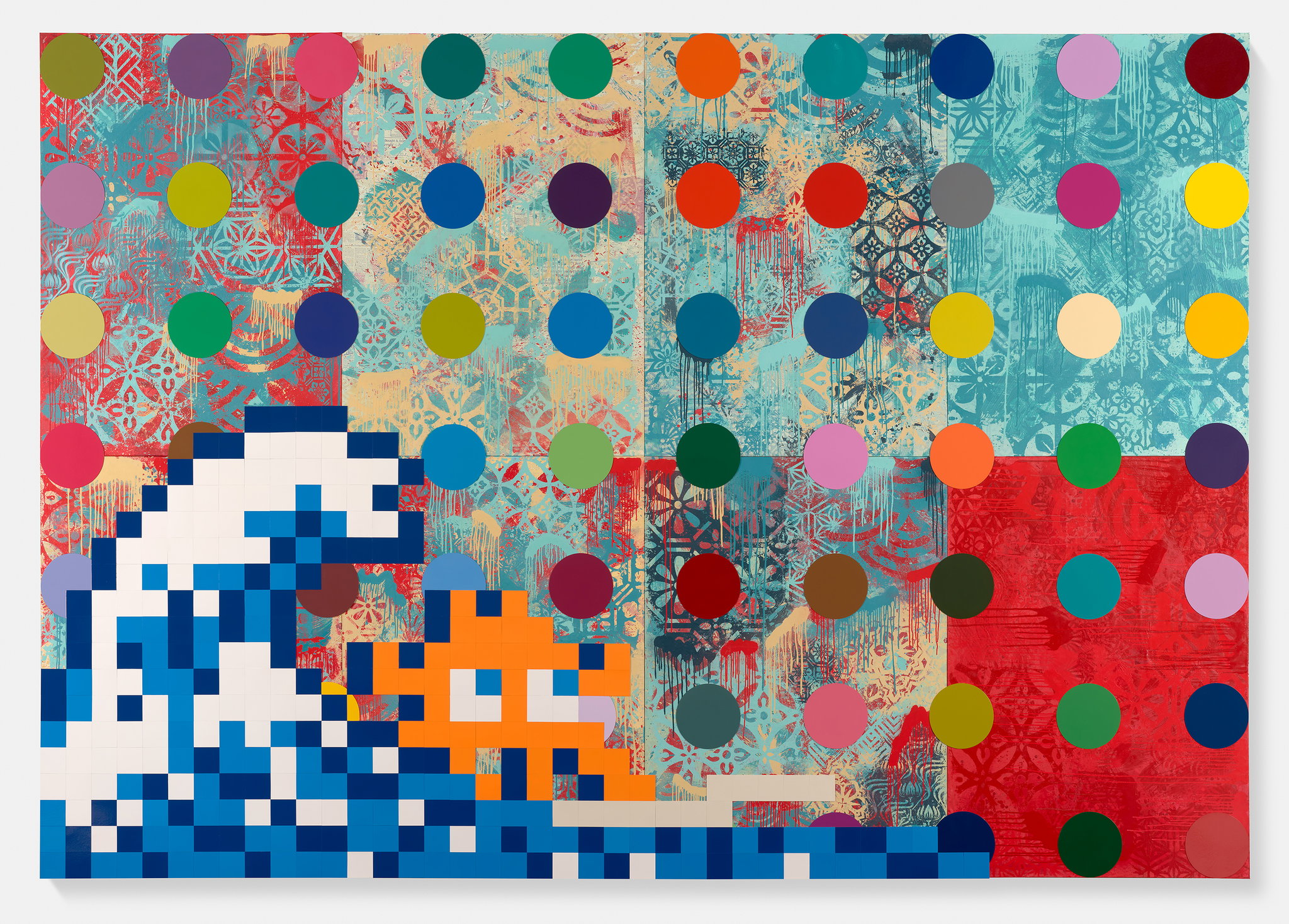
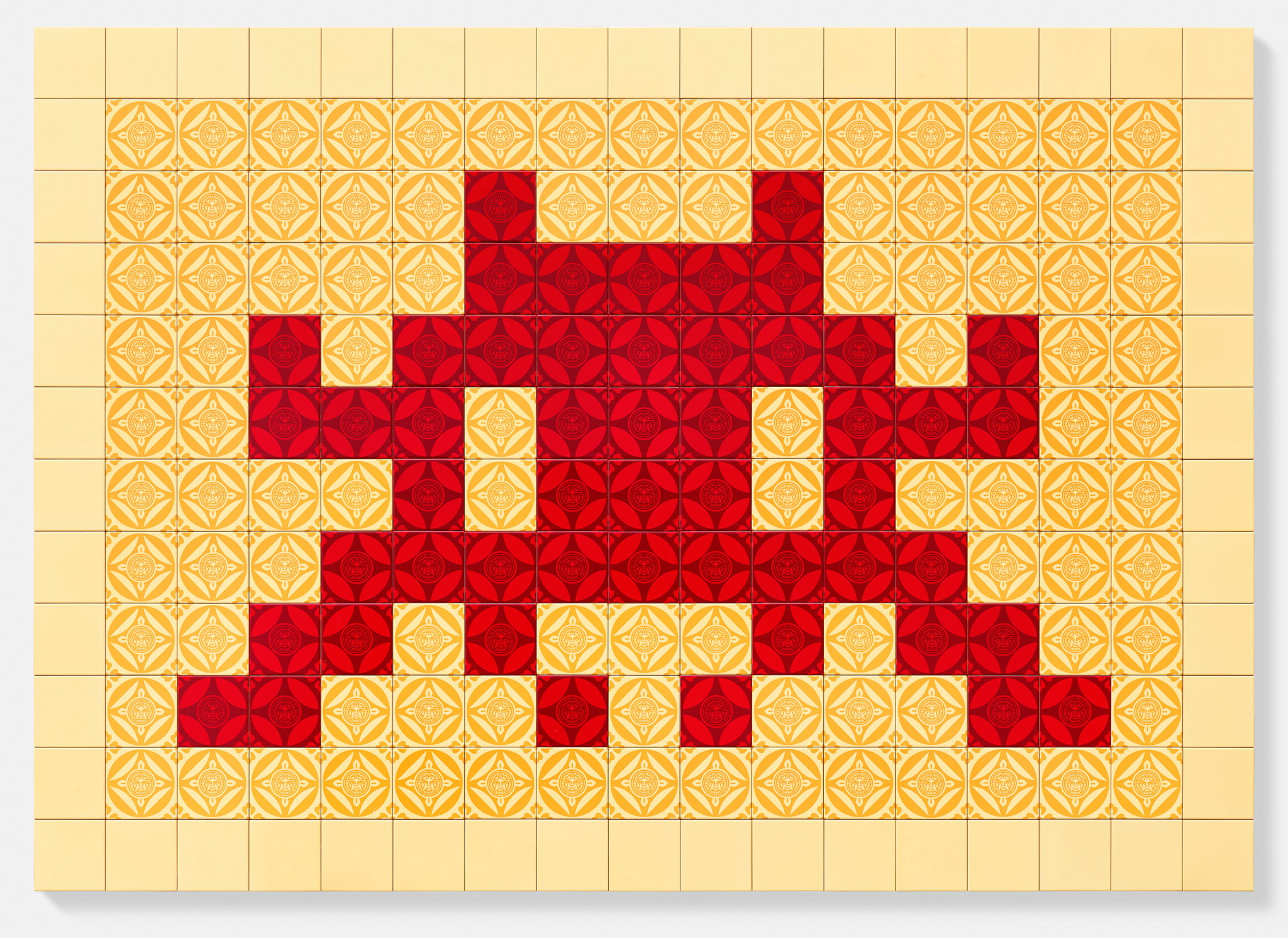
In 2025, Shepard Fairey is as vital and restless as ever. His most recent works, including the tactile and visually arresting Positive Space/Negative Space series and the layered canvas Troubled Waters, demonstrate an artist who refuses to coast on legacy. These pieces, combining silkscreened tiles, spray paint, collage, and enamel, show Fairey pushing his formal vocabulary into new material territory while retaining the graphic intensity and moral conviction that first brought him to the world's attention. At a moment when the relationship between art, politics, and public space is being renegotiated everywhere, Fairey remains one of its most eloquent and committed voices.
Shepard Fairey
Positive Space/Negative Space (Red/Cream), 2025
Fairey was born in Charleston, South Carolina in 1970 and grew up in a world shaped by skateboarding, punk rock, and the irreverent visual culture of the 1980s underground. These were not merely aesthetic influences but genuine frameworks for understanding community, resistance, and self expression outside institutional channels. He studied at the Rhode Island School of Design, graduating in 1992 with a degree in illustration, and it was there that the seeds of his signature approach took root. RISD gave him formal grounding, but the streets gave him his subject matter and his audience.
His early career was defined by the Andre the Giant Has a Posse campaign, launched in 1989 while he was still a student. What began as a sticker featuring the face of professional wrestler Andre the Giant evolved into the Obey Giant project, a sprawling, philosophically charged public art initiative that interrogated media, authority, and the mechanics of visual propaganda. Fairey openly cited the work of Barbara Kruger, constructivist poster design, and the Situationist International as touchstones, weaving together high theory and street level accessibility in a way that felt genuinely new. By the time he relocated to Los Angeles and founded Studio Number One, his practice had expanded into fine art prints, murals, and large scale public installations with a global footprint.
Shepard Fairey
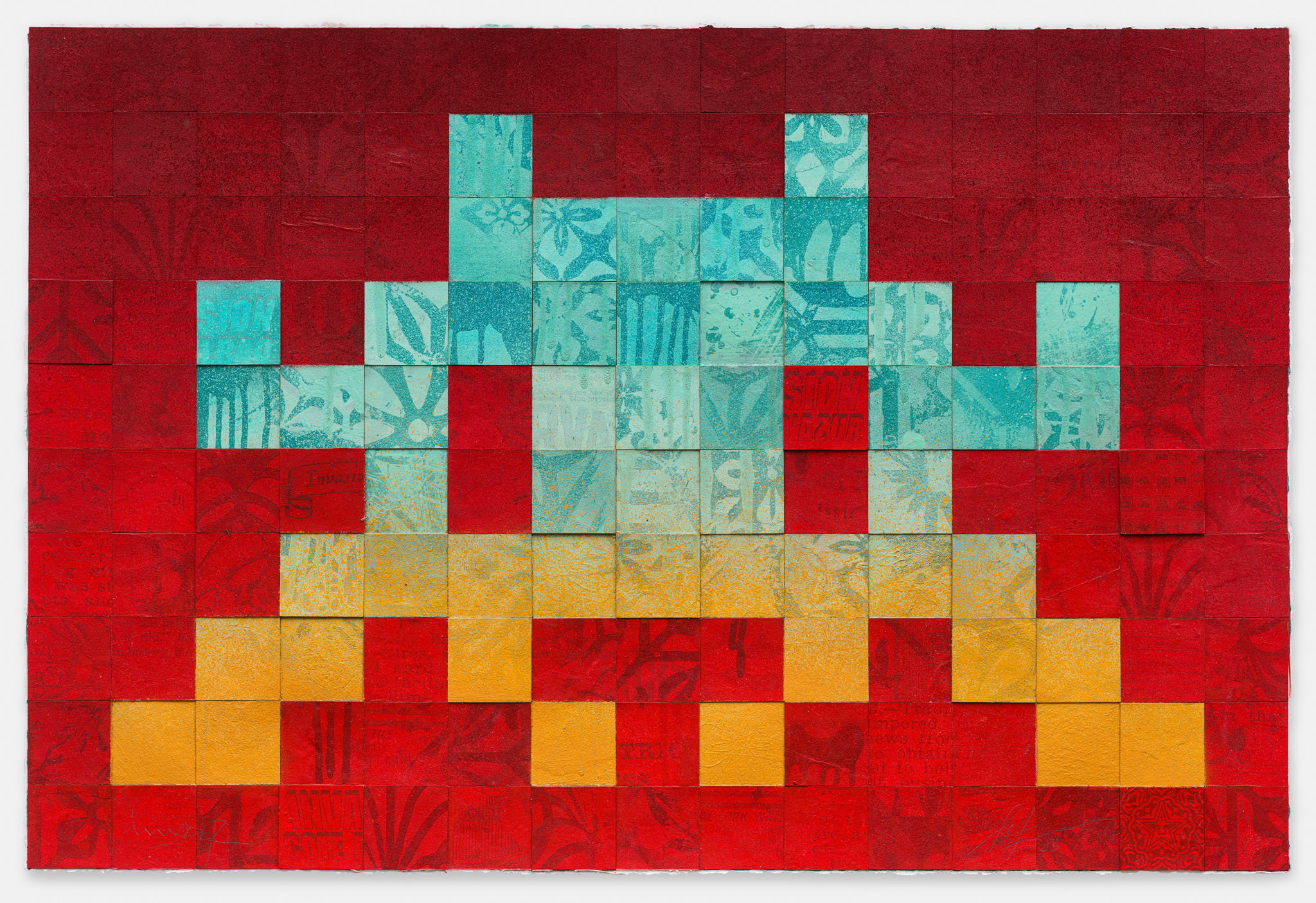
Sunrise Space, 2025
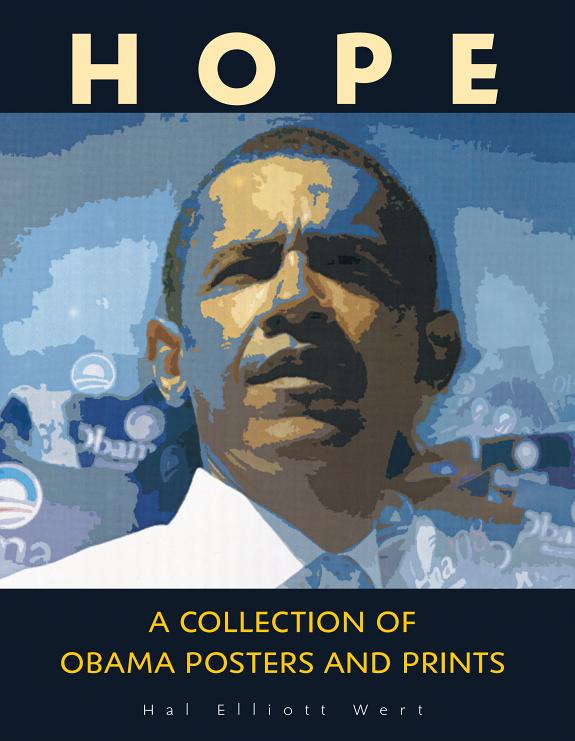
The moment that catapulted Fairey into mainstream consciousness came in 2008 with the Hope poster depicting Barack Obama. Created independently in support of the presidential campaign and reproduced in extraordinary numbers, the image became one of the most recognized pieces of political art in American history. The Smithsonian Institution acquired an original for its permanent collection, and the image was celebrated on the cover of Time magazine. The poster drew equally on the visual grammar of Soviet constructivism and the flat color fields of Pop Art, but its emotional directness was entirely Fairey's own.
“I want people to think about what they are being told and why, and to question things they are told to accept.”
Shepard Fairey, Obey Giant
The work also generated significant legal controversy around the source photograph, a chapter that Fairey has addressed candidly and which became part of a broader national conversation about appropriation, authorship, and the nature of artistic transformation. Fairey's output is remarkably diverse for an artist so closely associated with a single signature style. He works across silkscreen printmaking, painting, mural, ceramics, collage, and installation. Works like Lotus Woman reveal his debt to Art Nouveau and the decorative traditions of Alphonse Mucha, filtered through a contemporary political and social consciousness.
Shepard Fairey
Troubled Waters, 2025
His collaborations, such as the celebrated Leap of Faith project created alongside legendary photographer Martha Cooper, demonstrate his commitment to dialogue and community within the art world. Cooper, a foundational documentarian of early New York graffiti, is a kindred spirit, and their collaboration reads as a genuine meeting of two artists who understand that the street is a legitimate and serious site of cultural production. For collectors, Fairey represents one of the most compelling propositions in the contemporary print and works on paper market. His silkscreen editions, produced with exacting attention to paper quality, embossing, and hand finishing, occupy a sweet spot between accessibility and connoisseurship.
Collectors who began acquiring his work in the early 2000s have watched values appreciate steadily, while new works like the 2025 Positive Space/Negative Space editions on cotton rag paper and the Icon Pixel series on ceramic tiles and wood introduce material complexity and object quality that reward close attention. His work sits comfortably alongside that of fellow printmaker activists like Swoon and Os Gemeos, and his graphic sensibility places him in direct conversation with the legacies of Andy Warhol and Corita Kent. Auction results at major houses including Christie's and Phillips have confirmed sustained collector demand across price points. Within the broader arc of art history, Fairey occupies a rare position as a bridge builder.
Shepard Fairey
Positive Space/Negative Space (Large Red/Cream), 2025
He connects the DIY ethos of punk and skateboard culture to the formal traditions of printmaking and painting. He links the public address of political poster art to the private contemplative space of the collector's wall. And he connects American street art to its global cousins in ways that few artists of his generation have managed with equal credibility. His influence on a younger generation of artists working at the intersection of design, activism, and fine art is immeasurable, visible in countless studios and public spaces around the world.
Fairey's legacy is already secure, but what makes him genuinely exciting in 2025 is his refusal to become a monument. The new bodies of work show an artist interrogating his own visual language, asking what positive and negative space mean not just formally but philosophically, and what it means to make art that insists on hope without sentimentality. For collectors, for institutions, and for anyone who believes that art can participate meaningfully in the life of the world, Shepard Fairey remains essential.
Explore books about Shepard Fairey