Masahisa Fukase
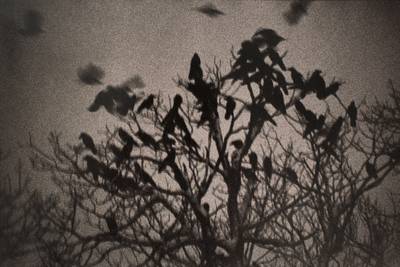
Masahisa Fukase: A Vision Beyond the Ordinary
Artist Spotlight · The Collection Editorial
There are moments in photography when a single image reframes what the medium is capable of. For Masahisa Fukase, that moment arrived somewhere along the bleak, windswept coastline of Hokkaido in the late 1970s, when a train window framed a sky thick with ravens and something clicked into place, not just the shutter but an entire artistic language. The resulting series, Karasu, known in the West as Ravens, would eventually be named the best photography book of the years 1950 to 2000 by a panel of experts assembled by the British Journal of Photography in 2010. It is a distinction that confirmed what serious collectors and curators had long understood: Fukase was not simply a photographer of great skill but a visionary whose work touched something universal about grief, solitude, and the human condition.
Masahisa Fukase
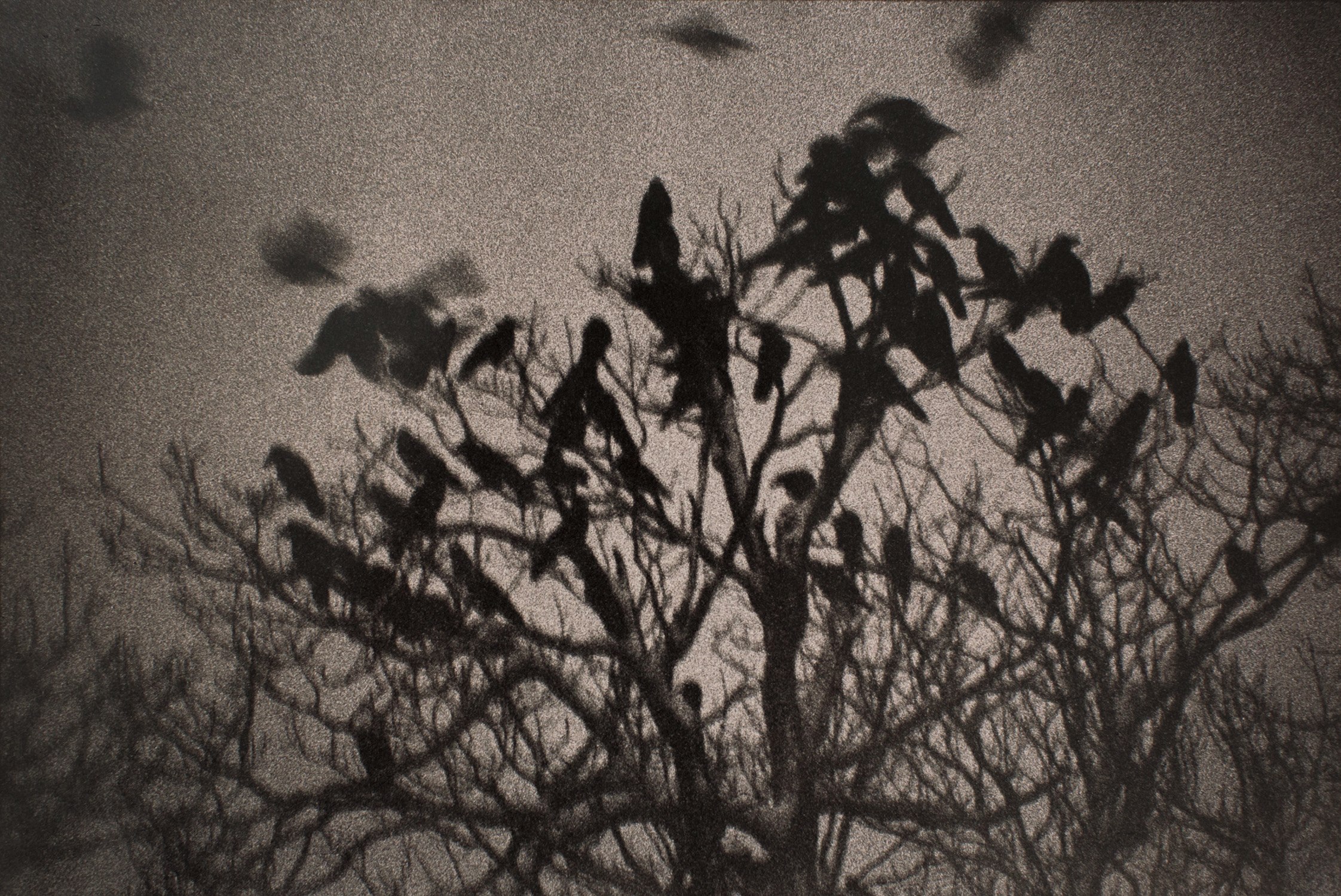
Kanazawa from Ravens
Fukase was born in 1934 in Bifuka, a small town in Hokkaido, Japan's northernmost main island. His family ran a portrait photography studio, and he grew up surrounded by the machinery and rituals of image making, learning early that a photograph could be both document and transformation. He went on to study photography at Nihon University College of Art in Tokyo, graduating in 1956, and spent the early part of his career working as a commercial photographer. That professional foundation gave him technical mastery, but it was his relentlessly personal sensibility that would distinguish him from his contemporaries and place him at the forefront of Japanese photography's most fertile and experimental era.
The 1960s and 1970s were a remarkable period for Japanese photography, with movements like Provoke pushing the medium toward raw, grainy, and emotionally confrontational imagery. Fukase moved in overlapping circles with photographers such as Daido Moriyama, Eikoh Hosoe, and Shomei Tomatsu, figures who together reshaped global understanding of what photography could express. While Moriyama pursued the streets with a kind of feverish anonymity and Hosoe choreographed surrealist tableaux, Fukase turned his lens inward and outward simultaneously, using the people and creatures closest to him as both subjects and mirrors. His long project documenting his former wife Yoko, gathered in the book Yoko published in 1978, is a tender and searching portrait of intimacy that stands as one of the great photographic love letters of the twentieth century.
Masahisa Fukase
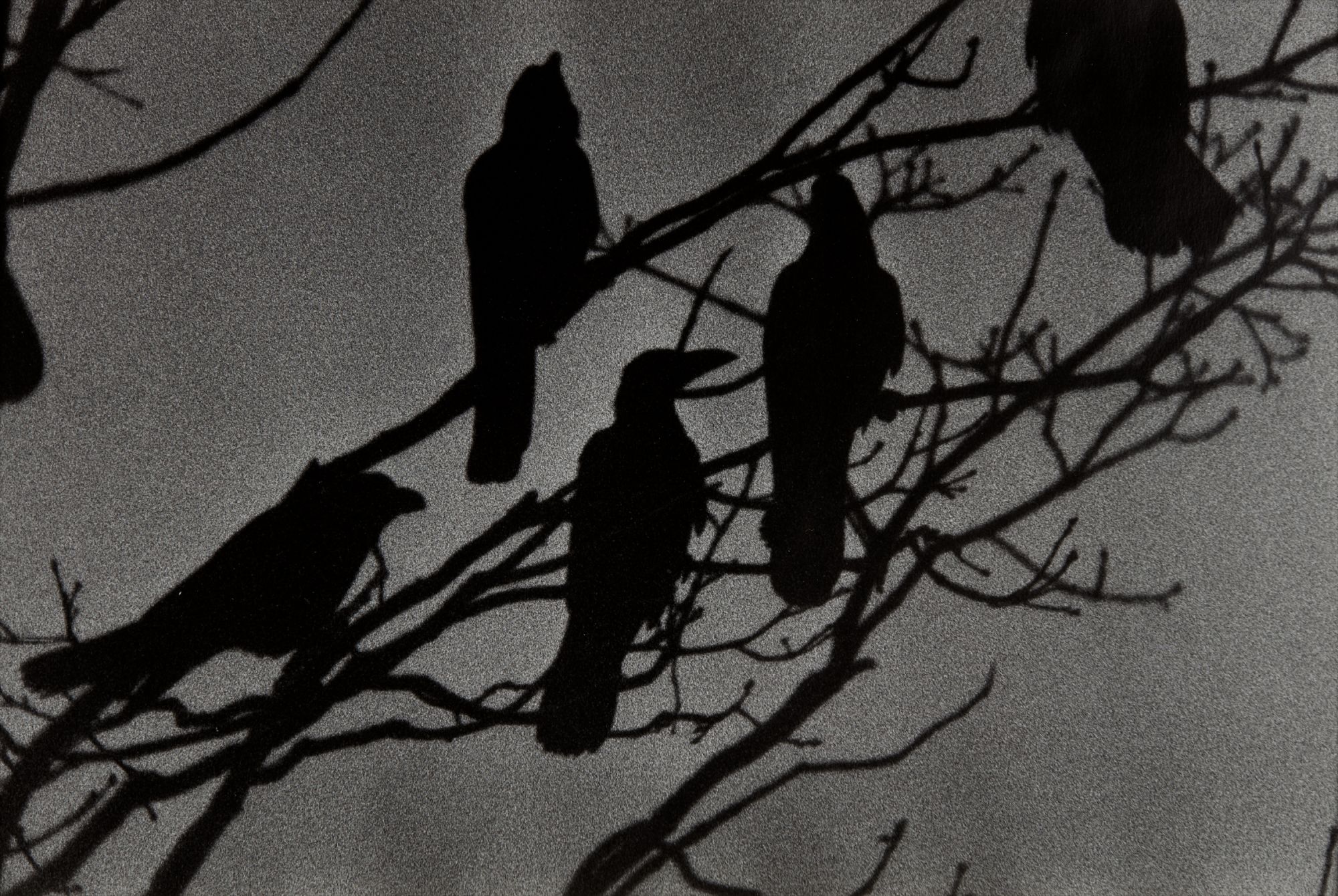
Nayoro from Ravens
The dissolution of his marriage to Yoko Wanibe in 1976 proved to be the rupture that would produce his most celebrated body of work. Traveling back to Hokkaido by train after the separation, Fukase began photographing the ravens that gathered along the route, birds that in Japanese culture carry associations with both bad omens and spiritual passage. Over the following years he returned obsessively to this subject, building a body of images in stark gelatin silver print that transformed the raven into an alter ego, a symbol of isolation, longing, and a grief so acute it became almost transcendent. Works from the series such as the extraordinary Kanazawa from Ravens and Erimo Misaki, Cape Erimo from Ravens show his genius for finding within natural darkness not despair but a strange and terrible beauty.
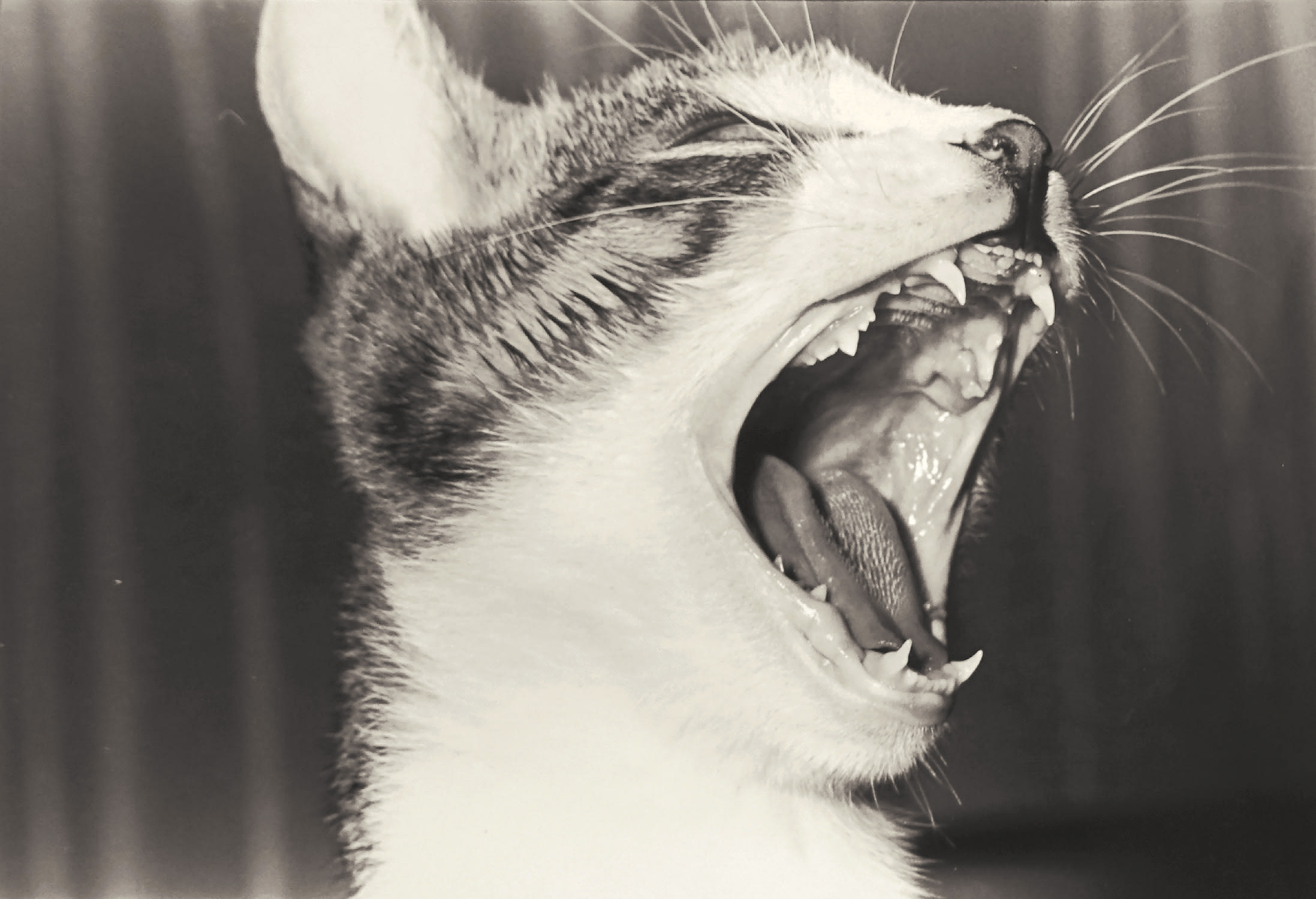
The birds swarm and wheel across white skies and bare branches with an energy that feels both documentary and mythological. Beyond Ravens, Fukase demonstrated a range that collectors continue to explore with genuine reward. His photographs of his cat Sasuke, tender and playful and quietly profound, reveal the same attentiveness to emotional life that animates his more austere work. His self portraits, including the extraordinary Buku Buku, a gelatin silver print from 1991, show him submerging himself in a bathtub, confronting the camera with a look that is simultaneously absurd and deeply serious.
![Masahisa Fukase — 襟裳岬 [Erimo Misaki] Cape Erimo from 鴉 [Karasu] Ravens](https://rtwaymdozgnhgluydsys.supabase.co/storage/v1/object/public/artwork-images/auction-lots/UK040116-192016-lot1774364907512.jpg)
Masahisa Fukase
襟裳岬 [Erimo Misaki] Cape Erimo from 鴉 [Karasu] Ravens
These works demonstrate that Fukase was always his own most willing subject, and that his darkroom practice, including the ferrotyped gelatin silver prints he employed for their particular surface quality and tonal depth, was as considered and deliberate as any aspect of his vision. Prints made in collaboration with or bearing the stamp of his estate and master printer Masato Seto carry particular significance for collectors, representing a continuation of Fukase's own exacting standards. On the auction market, Fukase's work has seen growing international recognition over the past decade, with prints from Ravens commanding serious attention at major houses including Christie's and Phillips. Gelatin silver prints from the Ravens series, particularly those printed during Fukase's active years or by authorised estate printers, represent the most sought after works.
Collectors are advised to pay close attention to provenance, print dates, and the presence of the photographer's stamps or pencil annotations on the reverse, all of which add authenticity and depth to individual examples. The ferrotyped gelatin silver prints of his Hokkaido subjects, with their distinctive lustre and tonal richness, have also drawn sustained collector interest as examples of Fukase's technical range and intimate subject matter. To understand Fukase fully is to place him within a broader constellation of artists who used personal biography as creative fuel. His emotional directness invites comparison with the confessional photography of Nan Goldin, whose Ballad of Sexual Dependency similarly used the camera as a diary of love and loss.
Masahisa Fukase
Sasuke!! My Dear Cat
His formal austerity and feel for the Japanese landscape connects him to a lineage that includes Hiroshi Sugimoto, whose seascapes share something of Fukase's capacity for silence and duration. Yet Fukase remains singular, a figure who translated private devastation into images of universal resonance with a consistency and courage that few artists in any medium have matched. Fukase suffered a tragic fall down a flight of stairs at a bar in Tokyo in 1992, leaving him in a coma for the remaining two decades of his life until his death in 2012. The decades of silence that followed the accident only deepened the mythological weight of his archive, and since his passing renewed scholarly and curatorial attention has brought his full body of work into focus for a new generation of collectors and enthusiasts.
Major institutions including the Tokyo Metropolitan Museum of Photography have presented his work, and the Tate Modern and other leading international venues have included him in landmark survey exhibitions of Japanese photography. His books, particularly Ravens and Yoko, are considered primary documents of postwar photographic history. To collect Fukase is to hold something irreplaceable: the evidence of a singular sensibility that looked at solitude and found within it a fierce, clarifying light.
Explore books about Masahisa Fukase

Masahisa Fukase: Photographer
Masahisa Fukase
The Solitude of Ravens
Masahisa Fukase
Masahisa Fukase: A Human Document
Various Contributors
Masahisa Fukase
Mark Holborn
Fukase by Fukase
Masahisa Fukase
Masahisa Fukase: Photographer 1934-2012
Ryoji Akiyama