Isa Genzken

Isa Genzken: The World Reimagined Brilliantly
Artist Spotlight · The Collection Editorial
“I think my work is very difficult to understand. Sometimes people do and sometimes they don't. I can't do much about that.”
Isa Genzken
When the Museum of Modern Art in New York staged its major Isa Genzken retrospective in 2013, the art world took a collective breath. Spanning four decades of relentlessly inventive work, the exhibition confirmed what European curators and collectors had long understood: Genzken is one of the most daring and consequential artists alive. The show moved through her hypnotic early concrete sculptures, her wildly associative assemblages, her paintings and photographs, and her architectural provocations, revealing a practice so restless and so coherent at once that it felt like encountering a singular force of nature. For many American audiences it was a revelation.
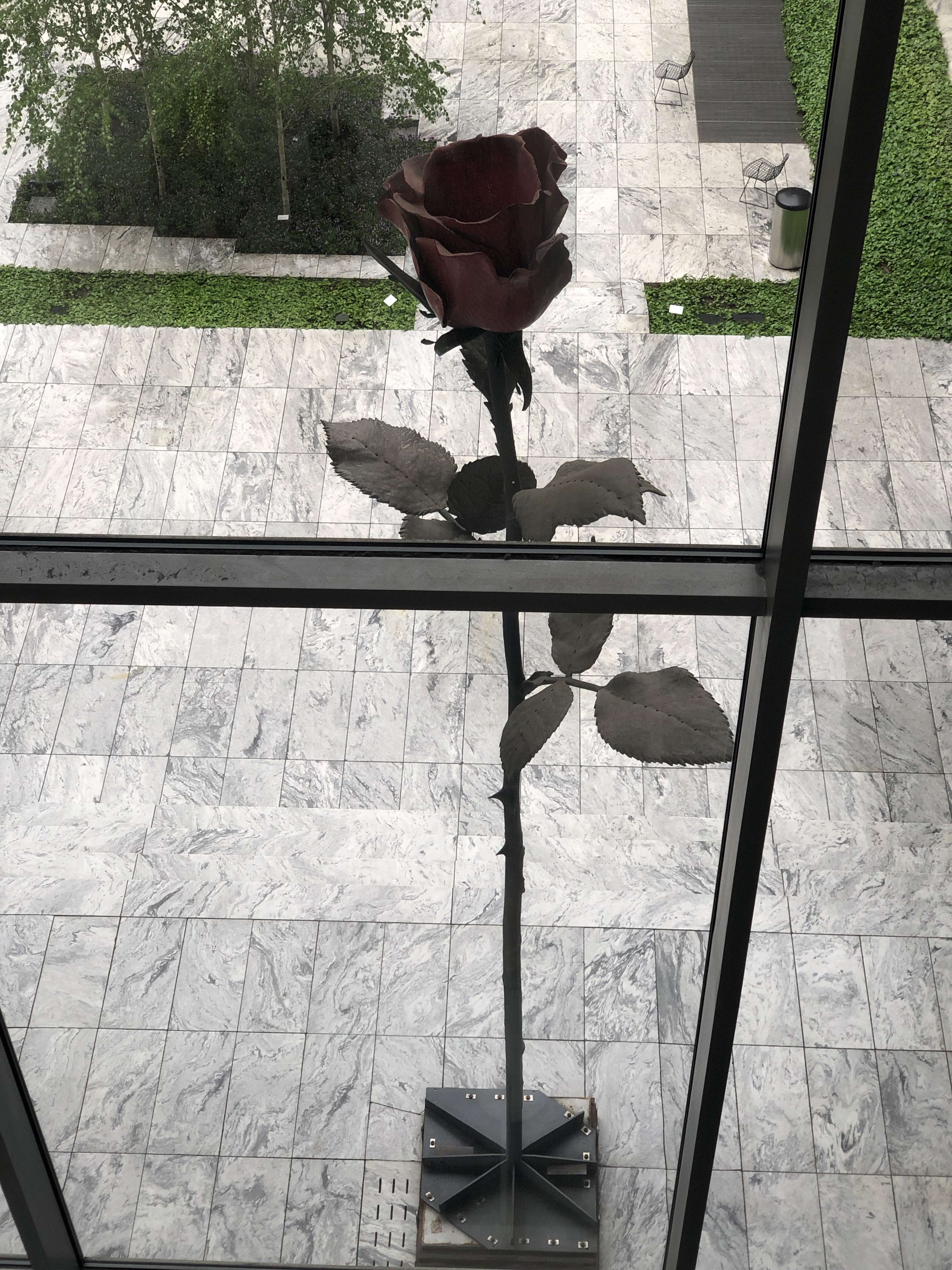
Isa Genzken
Rose II, 2007
For those who had been following her since the 1970s, it was simply long overdue recognition. Genzken was born in 1948 in Bad Oldesloe, a small town in the north of Germany, and came of age in a country rebuilding itself physically and psychologically from the rubble of the Second World War. That landscape of reconstruction and its attendant tensions between utopian ambition and material reality would become a permanent undercurrent in her art. She studied at the Hochschule für Bildende Künste in Hamburg before moving to the Kunstakademie Düsseldorf, one of the most fertile art schools in postwar Europe.
There she studied under Gerhard Richter, a relationship that deepened into a long personal partnership and eventually marriage. Düsseldorf in the 1970s was a crucible: Joseph Beuys was teaching, the Becher school was redefining photography, and the city hummed with debates about what art could and should do in a rapidly modernizing world. Genzken absorbed all of it and then went her own way. Her earliest mature works, produced from the late 1970s into the 1980s, are among the most quietly astonishing objects in postwar sculpture.
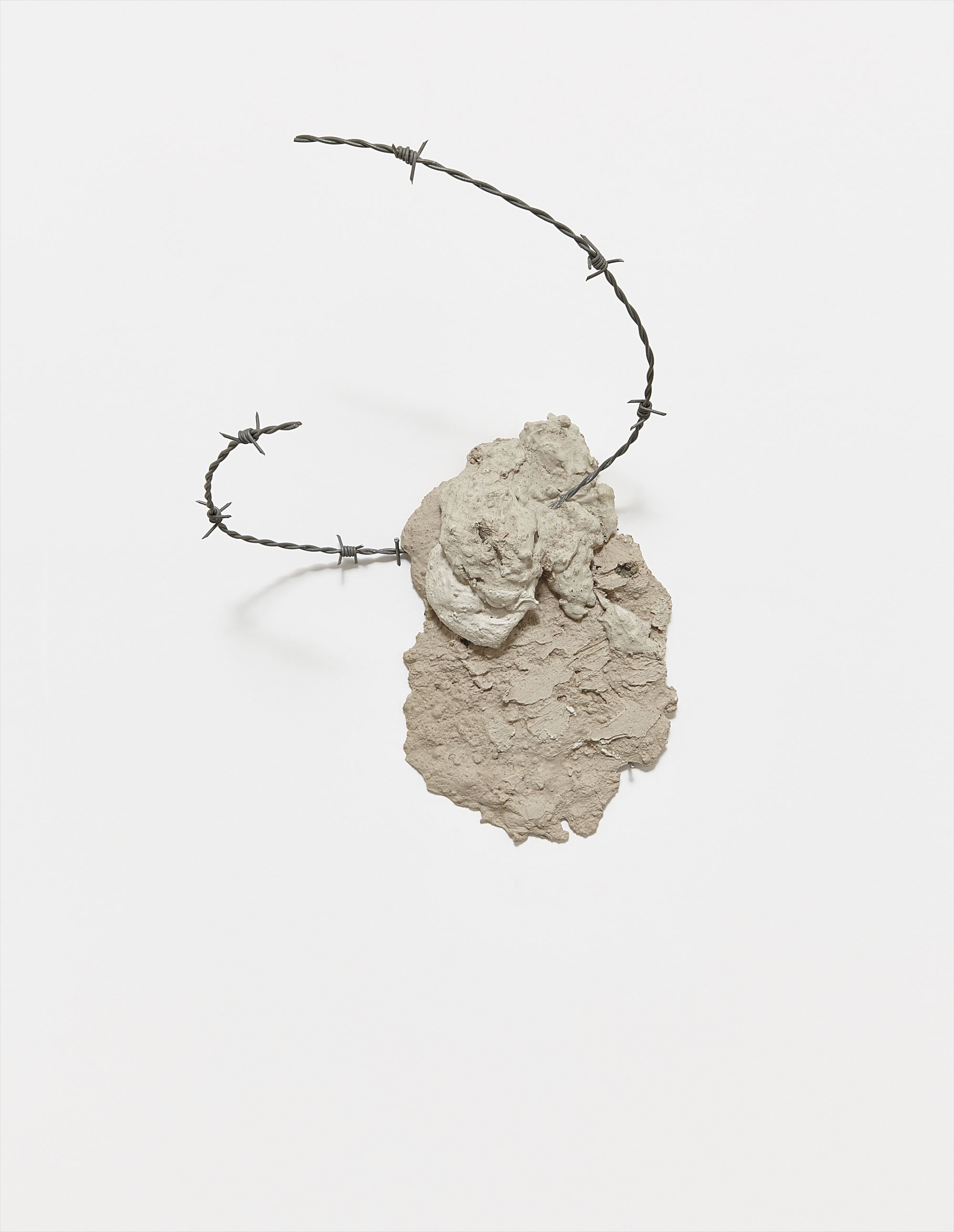
Isa Genzken
Oskar
Using mathematical formulas and computer calculations, she generated elongated concrete forms, ellipses and hyperbolas, that stretched sometimes to lengths of several meters. These pieces engaged seriously with minimalism while also subtly departing from its cool American logic. Where Donald Judd or Carl Andre worked with industrial standardization, Genzken introduced a bodily quality, a sense of the organic lurking inside pure geometry. Works from this period feel both rigorously intellectual and strangely alive.
Her 1989 oil on canvas titled Basic Research, present in her body of work, signals her willingness to move across mediums without apology, treating each shift as a form of thinking rather than a departure from a fixed identity. Through the 1990s and into the 2000s, Genzken's practice opened up dramatically. She turned to assemblage and installation with an energy that felt urgent and at times deliberately abrasive. Her Empire/Vampire series, including Empire/Vampire III from 2004, brought together found objects, plastics, mirrors, foils, and photographic fragments into dense, crackling compositions that seemed to metabolize the noise and spectacle of contemporary consumer culture without either celebrating or simply condemning it.
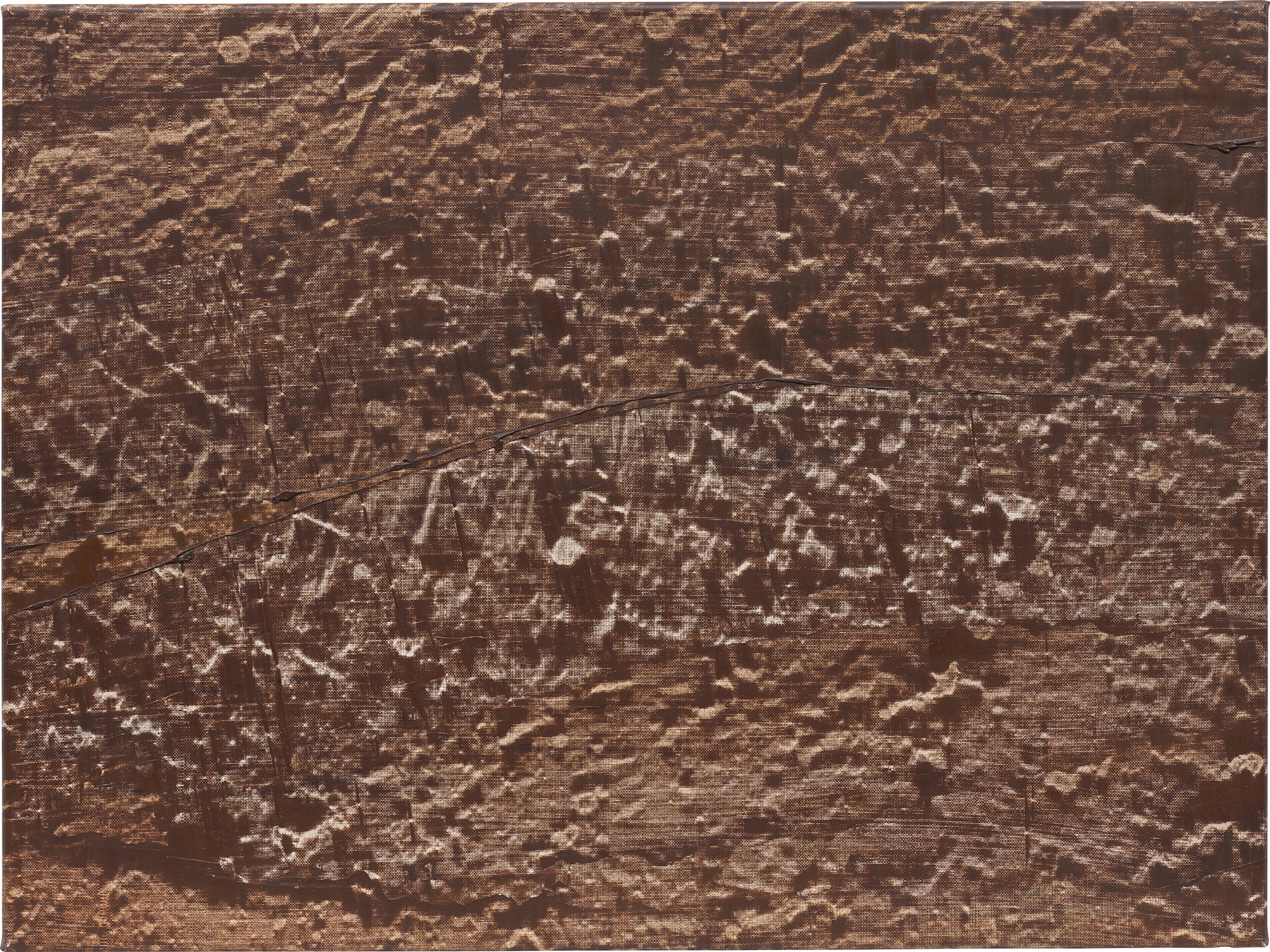
Isa Genzken
Basic Research, 1989
Flugzeugfenster I, made in 2003 using enamel and spray paint on a plastic airplane window panel, encapsulates her genius for transforming the most ordinary detritus of modern mobility into something luminous and strange. These works arrived in the context of post reunification Germany and the early years of globalization, and they carry that historical weight without ever becoming didactic. Among the works that define her achievement, Rose II from 2007 stands as a touchstone. Constructed from epoxy, steel, lacquer, and acrylic glass, it belongs to a series of oversized flower sculptures that manage simultaneously to feel celebratory and melancholic, tender and toughened by industrial process.
The rose is among the most loaded symbols in Western culture, and Genzken handles it with characteristic obliqueness, neither embracing nor deflating its sentimentality but suspending it in a state of productive uncertainty. Her Soziale Fassaden works and her piece Urlaub, combining glass, lacquer, plastics, metal, wood, and photograph, show the same instinct: the everyday world rendered strange and newly visible. Her Untitled work from 2015, using mirror foil, adhesive tape, photograph, and acrylic on panel, demonstrates that even in her late career she continues to find fresh formal solutions, assembling materials with a kind of improvised precision that rewards close and sustained looking. From a collecting perspective, Genzken occupies a particularly compelling position.
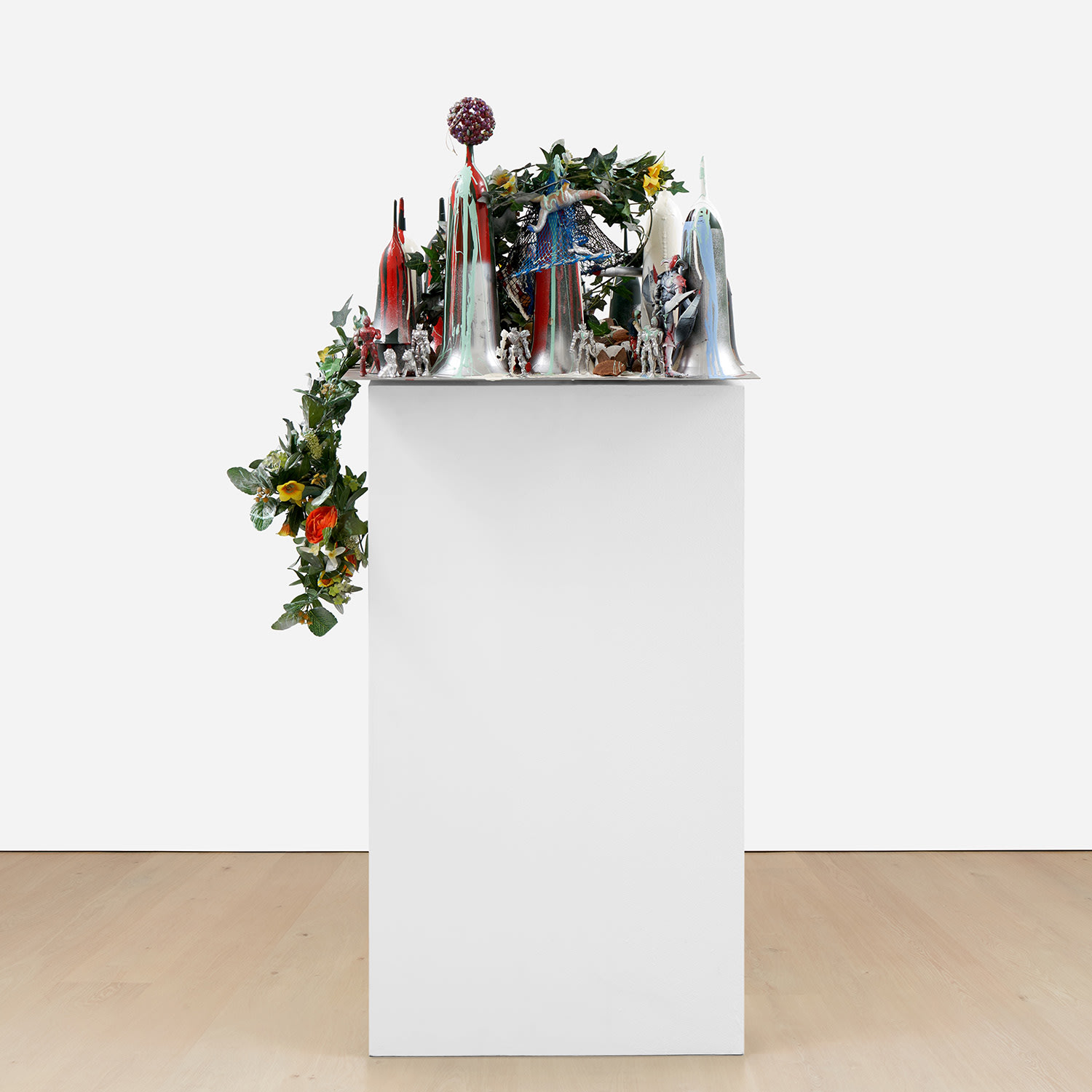
Isa Genzken
Empire/Vampire III, 2004
She is fully established in museum collections and the critical canon, with work held by institutions including the Stedelijk Museum in Amsterdam, the Tate Modern in London, and the Art Institute of Chicago, yet her market retains a vitality and range that makes collecting her genuinely exciting rather than merely prestigious. Her works on paper and smaller assemblages offer entry points for collectors building thoughtfully, while her major sculptures and installations represent the kind of defining acquisitions that anchor a serious collection. Auction results have steadily reflected growing international demand, particularly as her influence on younger generations of artists has become impossible to ignore. Collectors drawn to artists such as Rachel Harrison, whom Genzken's assemblage practice clearly inspired, or to the architectural investigations of sculptors working today, often find that tracing those lines leads them directly and inevitably back to Genzken.
In the broader sweep of art history, she belongs to a crucial transitional generation that bridges the high seriousness of postwar European modernism and the fractured, media saturated world that came after. Her peers and interlocutors include not only Richter but also artists like Martin Kippenberger and Albert Oehlen, figures who shared her refusal of easy hierarchies between high and low, serious and playful, finished and provisional. Yet Genzken has always been distinctly her own category. Her famous reflection that her work is very difficult to understand, that sometimes people do and sometimes they do not, and that she cannot do much about that, is not a complaint but a statement of artistic principle.
She makes work on her own terms and trusts the viewer to meet her there. What makes Genzken so vital today is precisely this uncompromising quality combined with an almost inexhaustible formal generosity. She has given us rigorous minimalist sculpture and sprawling installation, painting and photography, public art and intimate assemblage. She has engaged with architecture, mass media, tourism, grief, and joy with equal seriousness.
As museums and collectors continue to reassess the postwar German contribution to global art history, and as younger artists increasingly cite her as foundational, Genzken's position only grows more central. To collect her work is to own a piece of that history and to participate in a conversation that is very much still unfolding.
Explore books about Isa Genzken
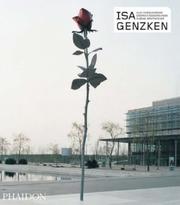
Isa Genzken
Theodora Vischer, Beatrix Ruf
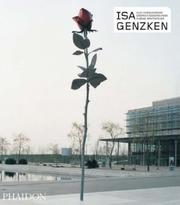
Isa Genzken: Retrospective
Museum of Modern Art
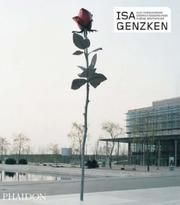
Isa Genzken: Werke 1973-1983
Klaus Kertess
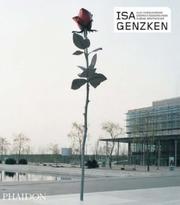
Isa Genzken: Fuck the Rest
Neville Wakefield
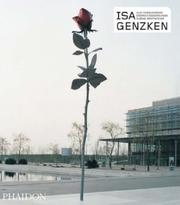
Isa Genzken: My Berlin
Various contributors
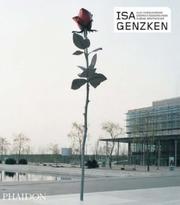
Isa Genzken: Deicht Projects Los Angeles
Friedrich Meschede
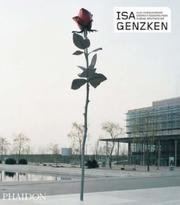
Isa Genzken: Making it Real
Okwui Enwezor