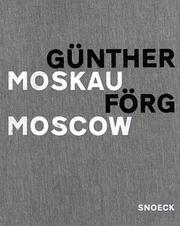
Günther Förg

Günther Förg: Master of Radiant Restless Beauty
Artist Spotlight · The Collection Editorial
“Really, painting should be sexy. It should be sensual. These are things that will always escape the concept.”
Günther Förg
In the spring of 2023, a large format acrylic on lead work by Günther Förg sold at Christie's for well above its high estimate, drawing sustained bidding from collectors across Europe and the United States. It was yet another confirmation of something the art world has known for some time: Förg's reputation, far from plateauing after his death in 2013, continues to grow with remarkable momentum. Museums, foundations, and private collectors are reassessing the full scope of what he achieved across four decades of restless, joyful, formally ambitious work, and the consensus is increasingly clear. He was one of the most genuinely original artists of his generation.
Günther Förg
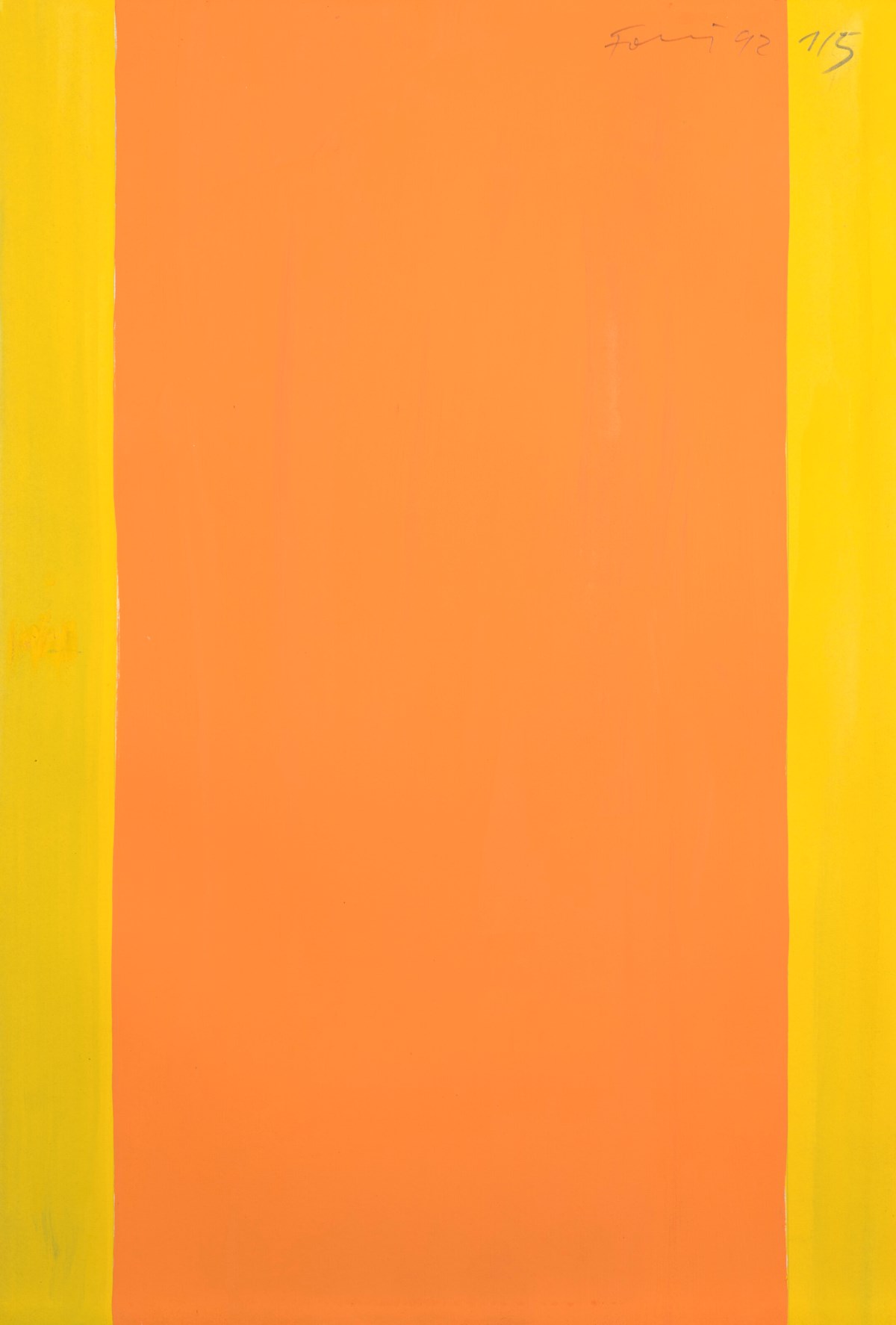
Sans titre, 1992
Günther Förg was born in 1952 in Füssen, a small town in Bavaria in southern Germany, and he came of age during one of the most charged periods in postwar European culture. He studied at the Akademie der Bildenden Künste in Munich from 1973 to 1979, where he encountered the legacies of both American abstraction and German Expressionism as living, contested forces rather than settled history. Munich in the 1970s was intellectually vibrant, and Förg absorbed its atmosphere of serious inquiry without ever becoming doctrinaire. His formation was broad and hungry, drawing on architecture, photography, design history, and the full tradition of modernist painting.
From the outset, Förg refused to settle into a single medium or a single mode. He worked simultaneously in painting, photography, fresco, sculpture, printmaking, and works on paper, treating each discipline not as a separate practice but as a different facet of the same sustained investigation. His early paintings on lead, begun in the late 1970s and continuing through the 1980s, announced something genuinely new. By wrapping lead sheets over wooden supports and painting directly onto that cool, industrial surface, he created objects that were neither quite painting nor sculpture, works that seemed to hold the weight of the material world while still reaching toward luminosity and color.
Günther Förg
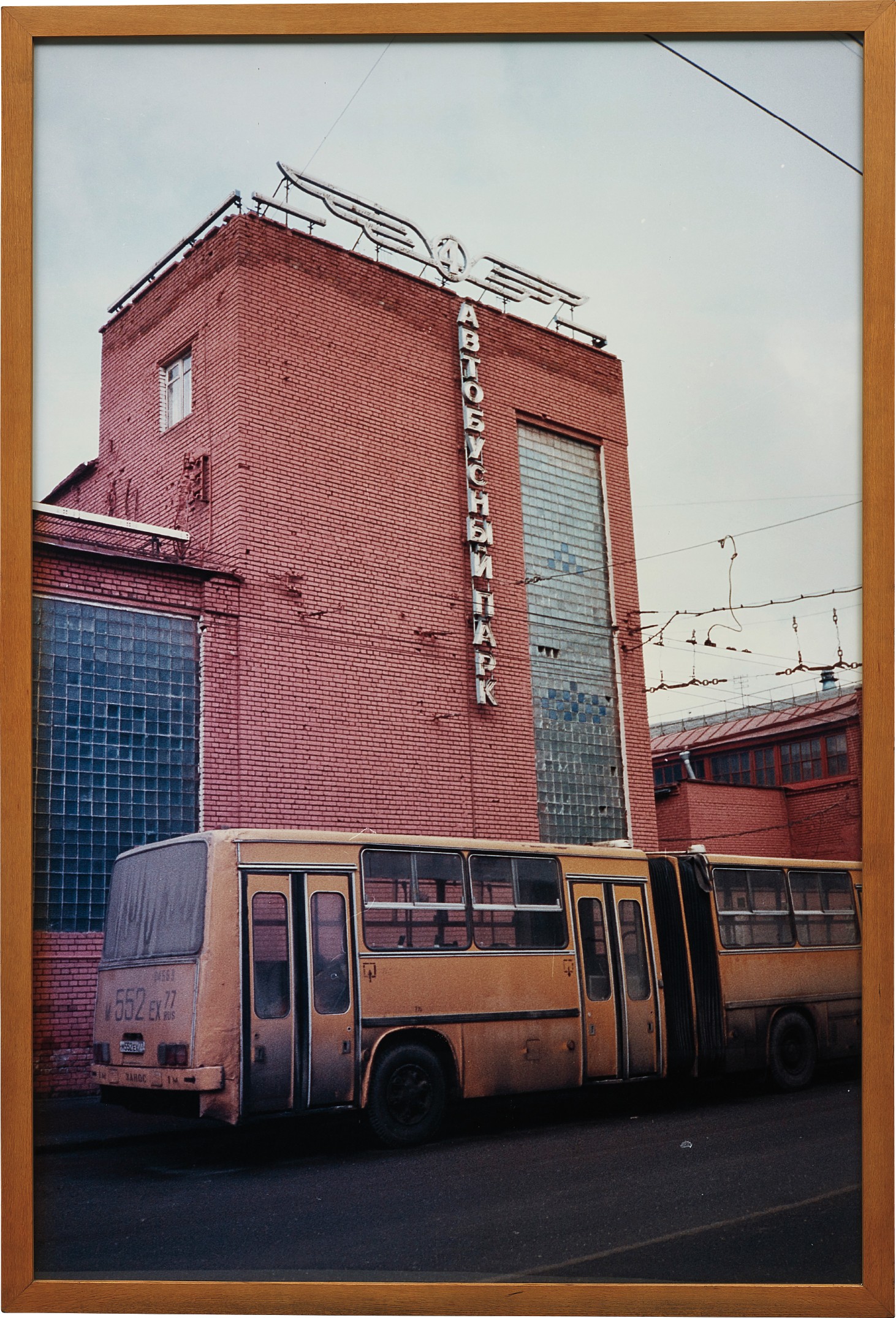
Bus Garages, Moscow
These lead works drew immediate critical attention and established him as a central figure in the conversation about what painting could still do in a skeptical, postmodern moment. His photographic work ran in parallel and deepened the themes of his painting. Förg traveled extensively, photographing modernist architectural landmarks including buildings by Ludwig Mies van der Rohe, Carlo Scarpa, and Giovanni Michelucci with an eye that was at once documentary and elegiac. His images of the Casa Malaparte on Capri, including the gelatin silver print Untitled (Malaparte) from 1989, are among the most beautiful architectural photographs of the late twentieth century.
They treat buildings not as subjects to be recorded but as occasions for thinking about utopian aspiration and the passage of time, about what grand human projects look like when the people have left and only the light and the stone remain. His Moscow bus garage photographs, taken in color and presented in artist made frames, carry a similar quality of tender attention to structures that were built with ambition and then largely forgotten. Through the 1980s and 1990s Förg's painting evolved in directions that surprised even his close admirers. His grid paintings, sometimes called gitterbilder, deployed loosely painted lattices of color across large canvases in ways that recalled both Mondrian and late Monet while remaining emphatically his own.
Günther Förg
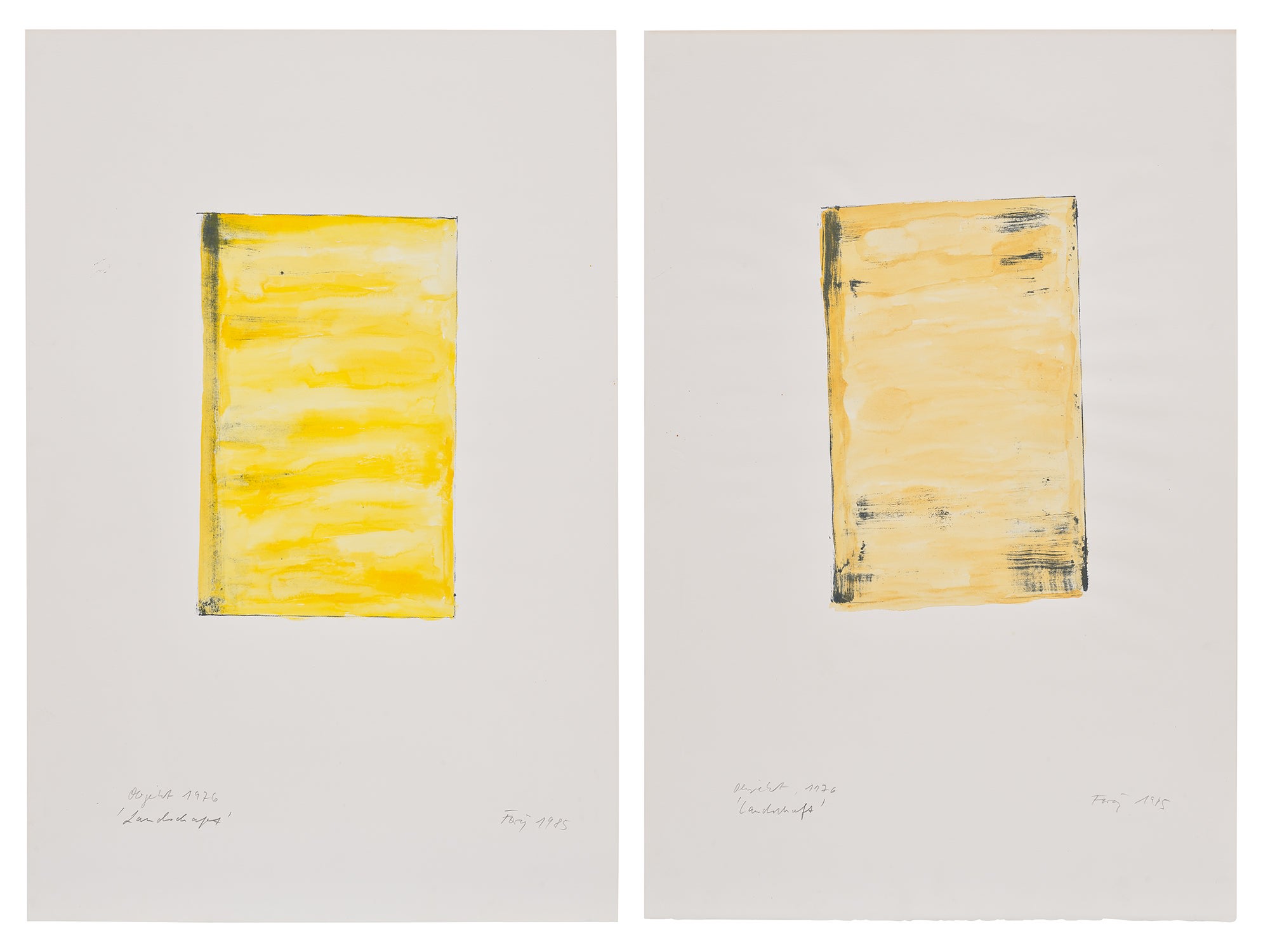
Two works: (i), 1985
His works on paper, including the gouaches and the pieces combining wax, crayon, watercolor, and pencil, showed a more intimate and exploratory side of the same sensibility. He was a genuinely gifted colorist, someone for whom color was never merely decorative but always structural and emotional simultaneously. In the multi part works he produced across various series through the 1990s, he demonstrated an extraordinary ability to think across a sequence of panels or sheets, building rhythms and tensions that unfolded slowly for the attentive viewer. His five part gouache works on paper from 1992 are exemplary in this regard, each element complete in itself and yet resonant in relation to its companions.
Formationally and temperamentally, Förg belongs in conversation with a generation of artists who were working through the inheritance of American abstraction while insisting on European preoccupations with history, materiality, and the body. His closest affinities are with artists like Sigmar Polke, whose willingness to treat the surface of painting as a site of ironic and sensuous investigation resonated with Förg's own approach. There are also meaningful connections to the work of Blinky Palermo, whose use of color and architectural thinking influenced a whole generation of German artists. Internationally, Förg's concerns put him in dialogue with artists like Christopher Wool and Sherrie Levine, figures who were asking similar questions about appropriation, materiality, and the persistence of aesthetic pleasure in an age of conceptual skepticism.
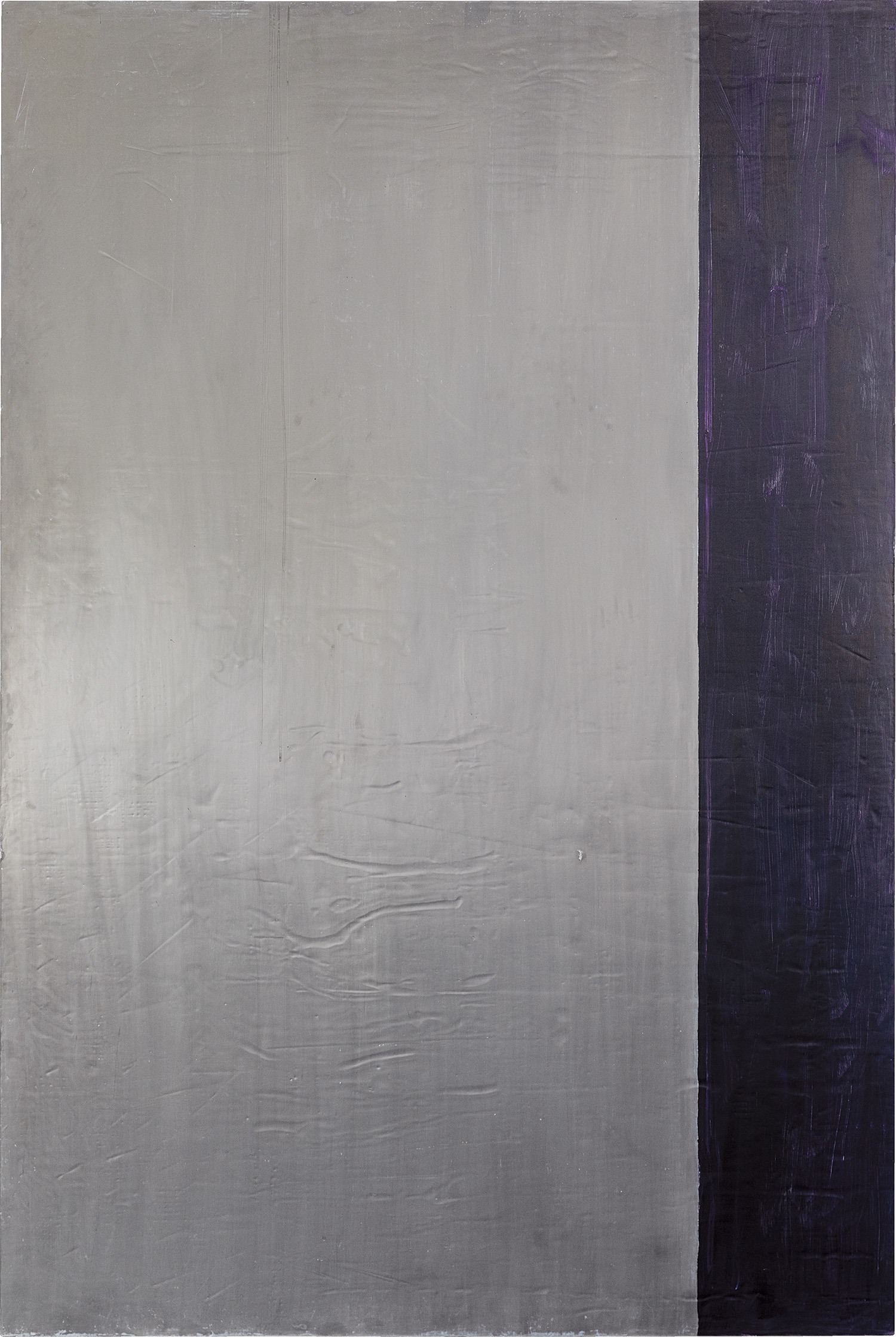
Günther Förg
An arrestingly elegant example of Günther Förg’s multifaceted oeuvre,
For collectors, Förg offers a range of entry points and a breadth of medium that is rare among artists of comparable stature. The lead paintings occupy the highest tier of the market and appear relatively infrequently, making them significant acquisitions when they do appear. The photographic works, including the Gardone series of gelatin silver prints and the Moscow architectural photographs, represent exceptional value for collectors who want direct access to his thinking without the price points of the major paintings. The prints and editions, including the Coda from Sequences series published by Edition Schellmann in Munich and New York, are beautifully produced and offer the full flavor of his graphic sensibility.
Works on paper, particularly the multi part gouaches and the mixed media pieces from the 1980s, are among the most personally revealing things he made and reward close and repeated looking. Günther Förg died in December 2013 in Freiburg at the age of 61, and the years since have seen a steady and deserved elevation of his standing. The Kunstmuseum Basel held a major retrospective that helped consolidate his international reputation, and his work is held in significant public collections across Germany, Switzerland, and beyond. What endures most powerfully in his work is the conviction that painting, and art making in all its forms, is an act of genuine sensuous engagement with the world.
He made things that are beautiful in a serious and demanding way, objects that reward sustained attention and that grow richer with each encounter. For collectors and institutions building toward the future, his work represents exactly the kind of sustained, multifaceted achievement that only becomes clearer with time.
Explore books about Günther Förg