Futura

Futura: The Cosmic Force Still Expanding
Artist Spotlight · The Collection Editorial
“I was never a traditional graffiti writer. I was always more interested in abstraction, in color, in composition.”
Futura, interview with Juxtapoz Magazine
When Supreme released its collaboration with Futura in 2017, the streetwear world reacted with the kind of reverence usually reserved for museum retrospectives. But for those who had been watching Leonard Hilton McGurr since the late 1970s, the moment felt less like a discovery and more like a confirmation. Futura has spent five decades building a visual language so singular, so restlessly inventive, that the culture keeps returning to him not out of nostalgia but out of genuine necessity. He is, in the truest sense, an artist whose time never really passed.
Futura
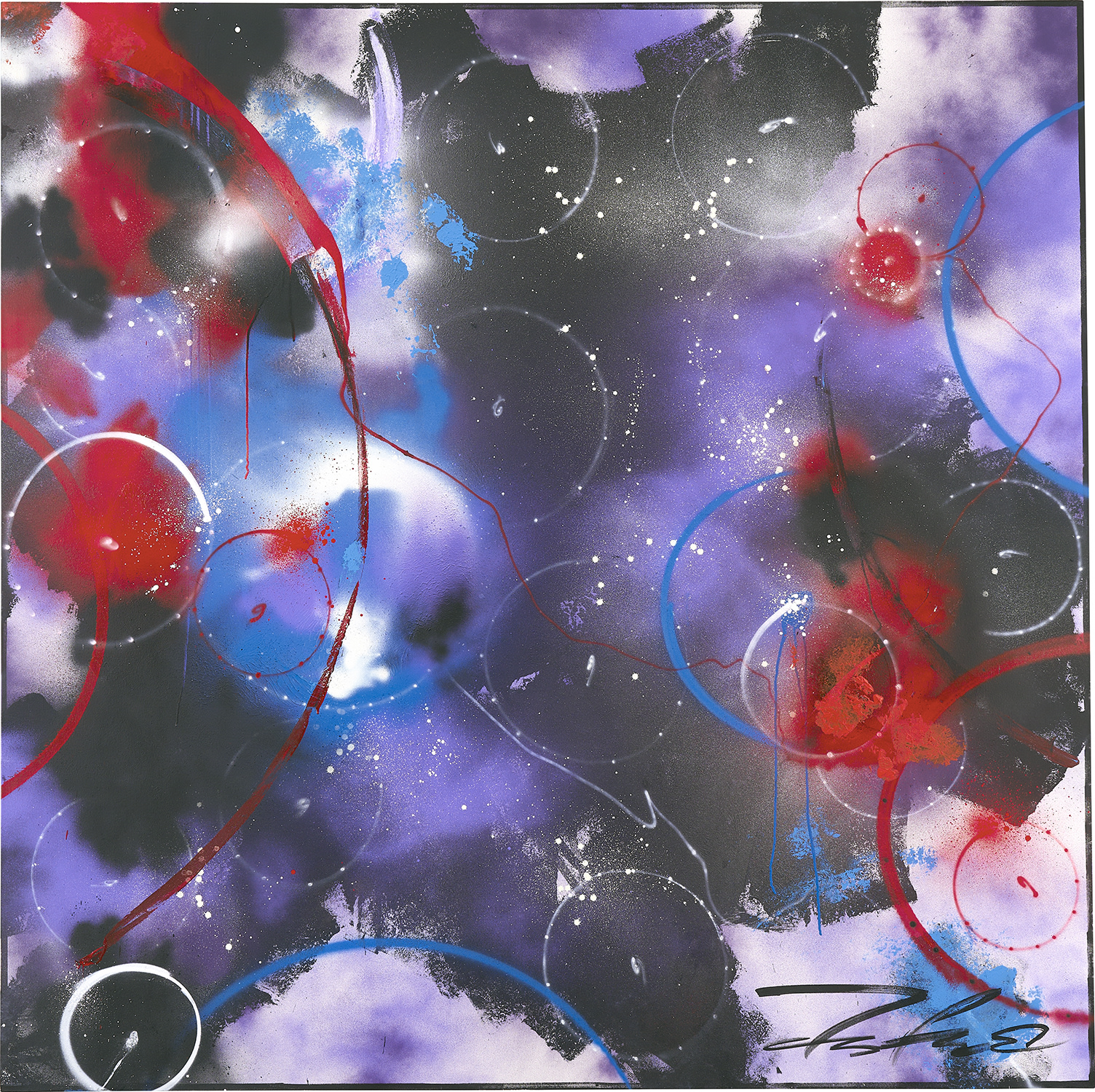
Patrick, 2019
Born in New York City in 1955, McGurr came of age in a city that was, by most accounts, coming apart at the seams. Fiscal crisis, urban decay, and social fracture defined the landscape of 1970s New York, and yet from that pressure something extraordinary emerged: a grassroots visual culture that would eventually reshape global art. The young McGurr, who would take the name Futura 2000, found his way into the subway art scene during its earliest and most electric years. He had served in the United States Navy before returning to New York, and that interval of discipline and displacement seemed only to sharpen his hunger to make something genuinely his own.
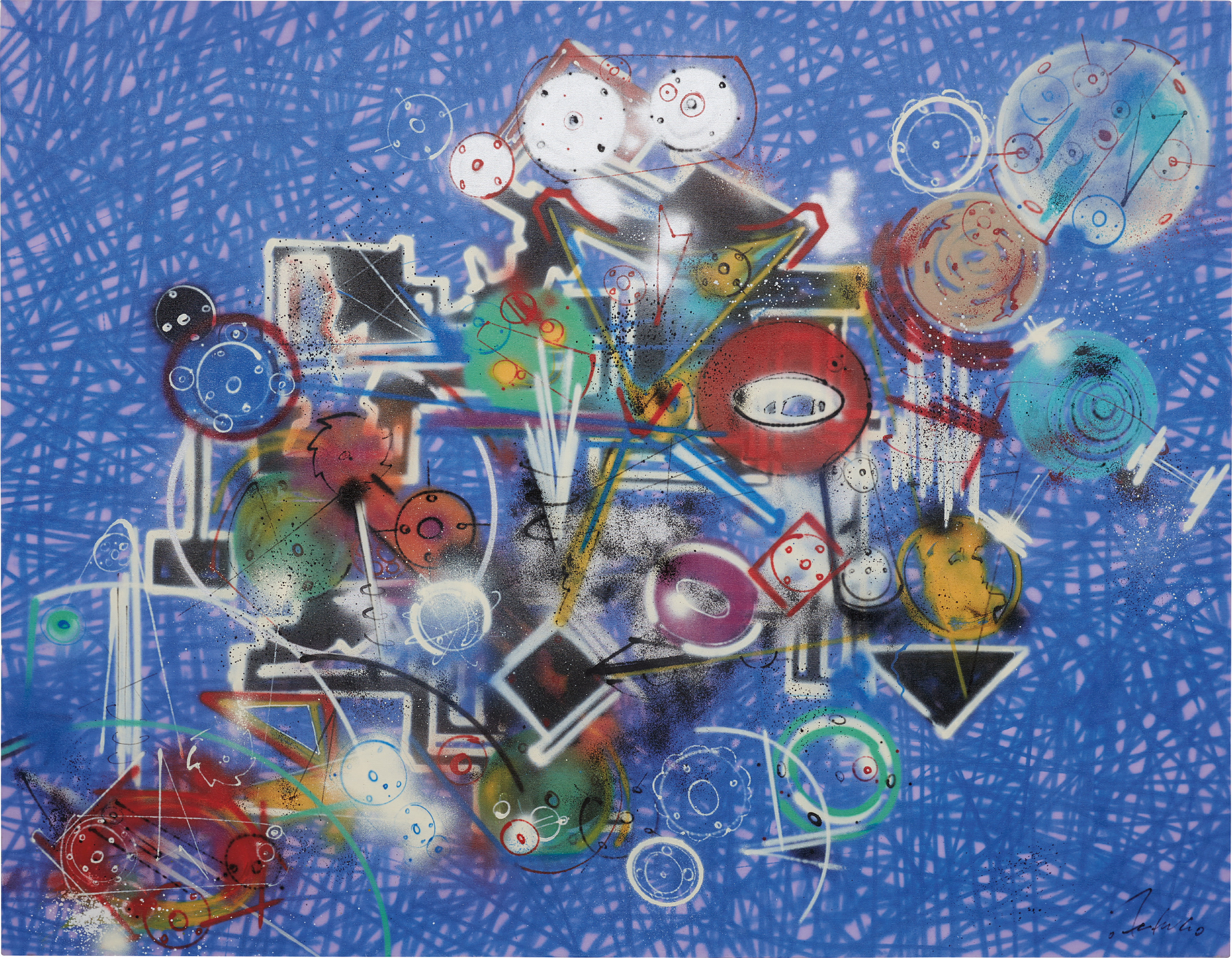
What set Futura apart from his contemporaries almost immediately was his refusal to follow the dominant grammar of graffiti writing. Early hip hop graffiti culture was rooted in letterforms, in the stylized rendering of names and tags, in a tradition that prized legibility and personal signature. Futura looked at that tradition and stepped sideways from it entirely. He brought abstraction into the conversation, painting sweeping cosmic fields on subway cars, compositions that felt more like deep space than street corner, more like gestural painting than gang notation.
Futura
Rough Design for Timmy, 1985
His work acknowledged the energy of the city while reaching for something beyond it. The breakthrough into the gallery world came in the early 1980s, when Patti Astor's Fun Gallery in the East Village became the unlikely salon where graffiti met the art market. Futura exhibited there alongside Jean Michel Basquiat, Keith Haring, and Kenny Scharf, a constellation of talents that would permanently alter the trajectory of contemporary art. What distinguished Futura in that company was his painterly abstraction, his willingness to let a canvas breathe with movement and color rather than insisting on narrative or iconography.
Works from this period, including pieces in spray enamel on canvas dating to 1984 and 1985, carry a rawness and urgency that feel completely undiminished today. "Rough Design for Timmy" from 1985 is a perfect example: gestural, alive, and rooted in a specific historical moment while refusing to be trapped by it. The signature Futura vocabulary accumulated over decades. His Pointman character, a masked figure rendered in spare, almost calligraphic lines, became one of the most recognizable icons in the street art canon.
Futura
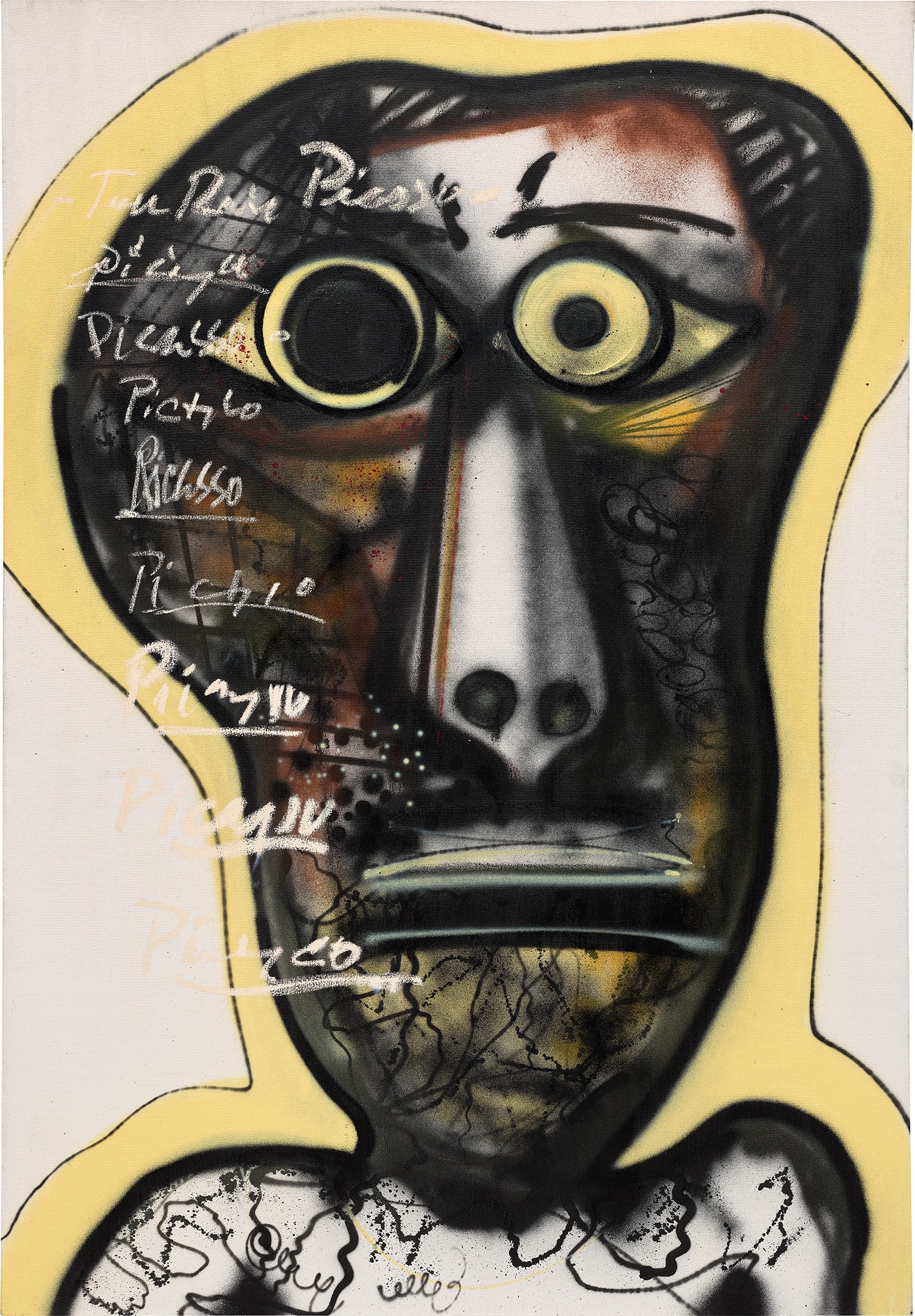
Self-Portrait of Picasso 1969, 1984
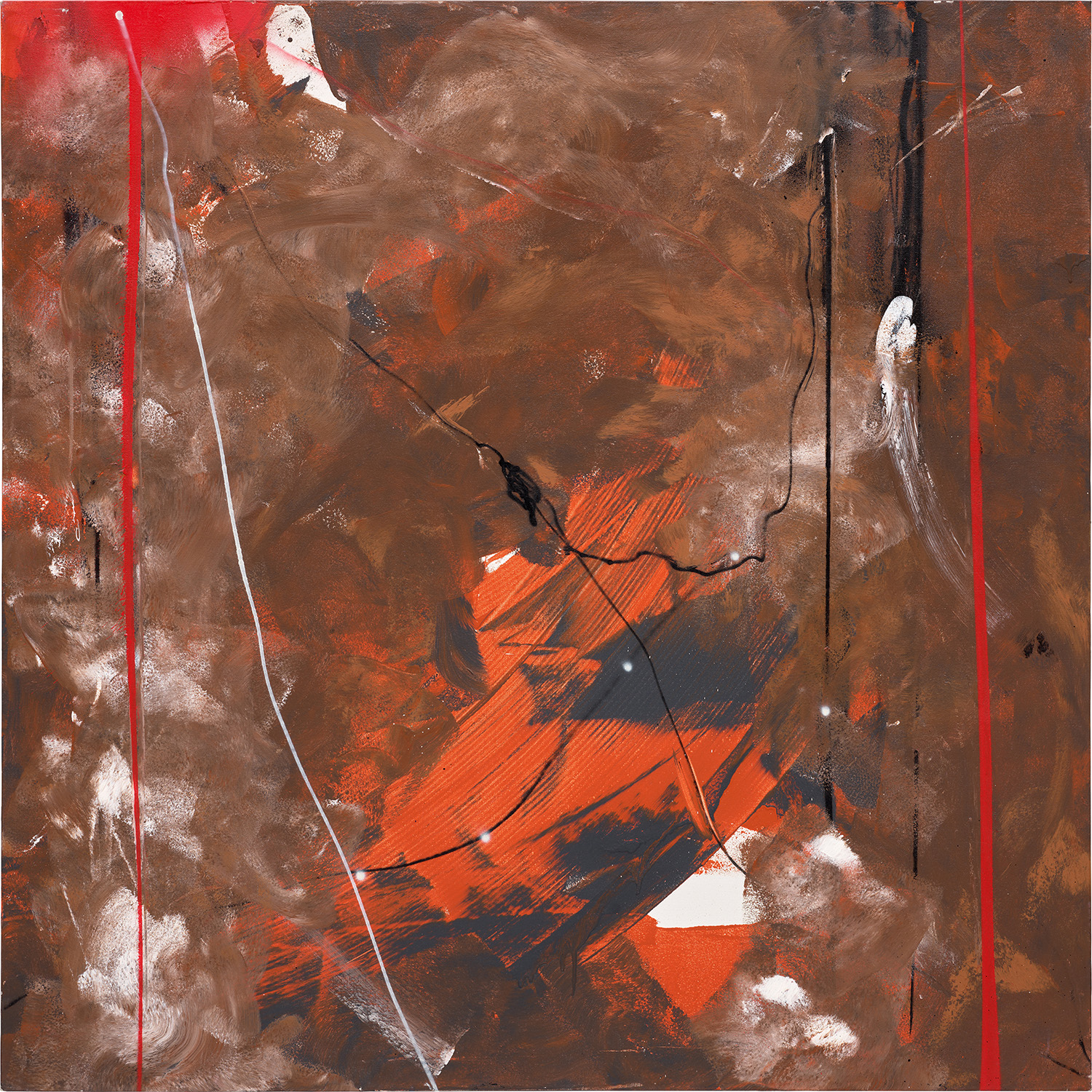
His compositions built fields of color that referenced both the spray can physicality of the street and the broader traditions of abstract expressionism and color field painting. It is not accidental that critics have drawn connections between Futura's large scale canvases and the gestural energy of Franz Kline or the atmospheric immersion of Mark Rothko. Futura arrived at abstraction from a completely different direction, but the conversation across art history is real and meaningful. His 2011 works, including "Broken Clock" and the acrylic and spray paint canvas titled "Untitled" with its Japanese character for wordlessness, show an artist fully in command of his vocabulary, using it to explore time, identity, and the ineffable.
For collectors, the appeal of Futura's work operates on several registers simultaneously. There is the historical argument: works from the early 1980s represent a primary document of one of the most consequential moments in postwar American art, when the street entered the gallery and neither was quite the same afterward. There is the aesthetic argument: the canvases are genuinely beautiful objects, dynamic and meditative at once, capable of commanding a room regardless of the viewer's familiarity with graffiti culture. And there is the contemporary relevance argument, perhaps the most compelling of all.
Futura
Broken Clock, 2011
Futura has not coasted on his history. More recent canvases such as "Patrick" from 2019 demonstrate continued formal evolution, and his sculptural work in bronze and brass, including the Pointman editions issued through The Mass., extends his practice into three dimensions with the same confidence that marks his painting. Collectors entering his market now are acquiring not an artifact of a finished story but a chapter in one still being written.
The context Futura inhabits in art history is genuinely fascinating territory for any serious collector to consider. He belongs to the generation that built the bridge between subcultural production and institutional art, a generation that includes Basquiat, Haring, Scharf, and Dondi White. But Futura's persistent abstraction has always given him a slightly different position within that group, one that aligns him as much with the New York School as with hip hop culture. He collaborated with The Clash on their 1982 tour, painting live on stage at Bonds Casino, and that moment of collision between punk energy and spray can abstraction feels prophetic in retrospect.
It pointed toward a future in which the boundaries between music, fashion, design, and fine art would become genuinely porous, and Futura was already living there. The legacy question answers itself, but it is worth stating clearly. Futura did not simply participate in the graffiti movement of the 1970s and 1980s. He expanded what that movement thought it was allowed to be.
By bringing abstraction into a form defined by letterforms and personal tags, he opened a door that subsequent generations of artists, designers, and image makers have walked through ever since. The roster of artists who cite him as a direct influence spans several generations and multiple continents. Streetwear, contemporary fine art, graphic design, and urban visual culture all carry his fingerprints. To collect Futura is to own a piece of genuine origin, a work made by someone who was not following a path but laying one down.
That is a rare thing in any era, and it is what makes his presence in any serious collection feel not like a luxury but like a necessity.
Explore books about Futura