Cindy Sherman

Cindy Sherman: The Mirror That Sees Everything
Artist Spotlight · The Collection Editorial
“I'm really just using the mirror to summon something I don't even know until I see it.”
Cindy Sherman, Interview Magazine
Few living artists command the kind of sustained cultural reverence that Cindy Sherman does. In 2023, her work appeared prominently in major institutional surveys across Europe and North America, and Christie's continued to record strong results for her chromogenic prints, with collectors from Los Angeles to London competing for her most recognizable images. Her hold on the contemporary art market remains as firm as ever, a testament not only to the enduring power of her photographs but to the way they seem to grow more urgent, more prescient, with every passing year. In an age defined by selfies, filters, and the performance of identity on social media, Sherman's work feels less like art history and more like prophecy.
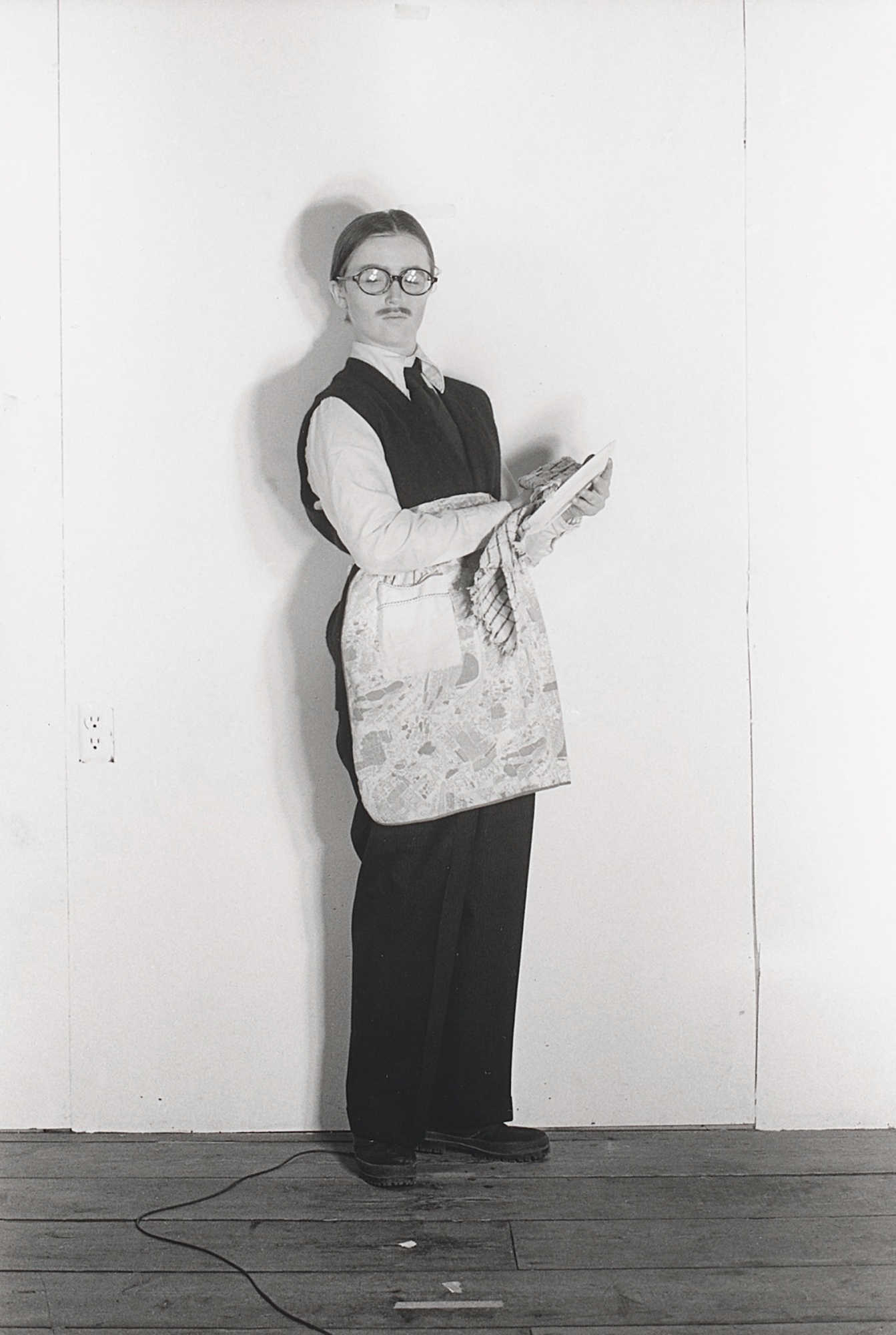
Cindy Sherman
Untitled #394, 1976
Cynthia Morris Sherman was born in 1954 in Glen Ridge, New Jersey, and grew up in Huntington, on Long Island. As a child she was drawn to dress up and transformation, spending hours experimenting with costumes and makeup in ways that foreshadowed an entire career built on metamorphosis. She studied painting at Buffalo State College in New York before transferring her attention to photography, a medium she recognized as better suited to the questions she wanted to ask about image making, representation, and the construction of femininity. Buffalo in the 1970s was a fertile environment for emerging conceptual artists, and the influence of that experimental, idea driven atmosphere stayed with Sherman long after she relocated to New York City in 1977.
New York sharpened everything. Sherman arrived at just the moment when the downtown art scene was crackling with energy, and she found herself among a generation of artists, including Robert Longo and Barbara Kruger, who were interrogating the visual language of mass media with rigorous intelligence. It was in this context that she began producing the work that would make her name. Between 1977 and 1980 she created the Untitled Film Stills, a series of 69 black and white photographs in which she staged herself as unnamed female protagonists lifted from the aesthetic of 1950s and 1960s cinema.
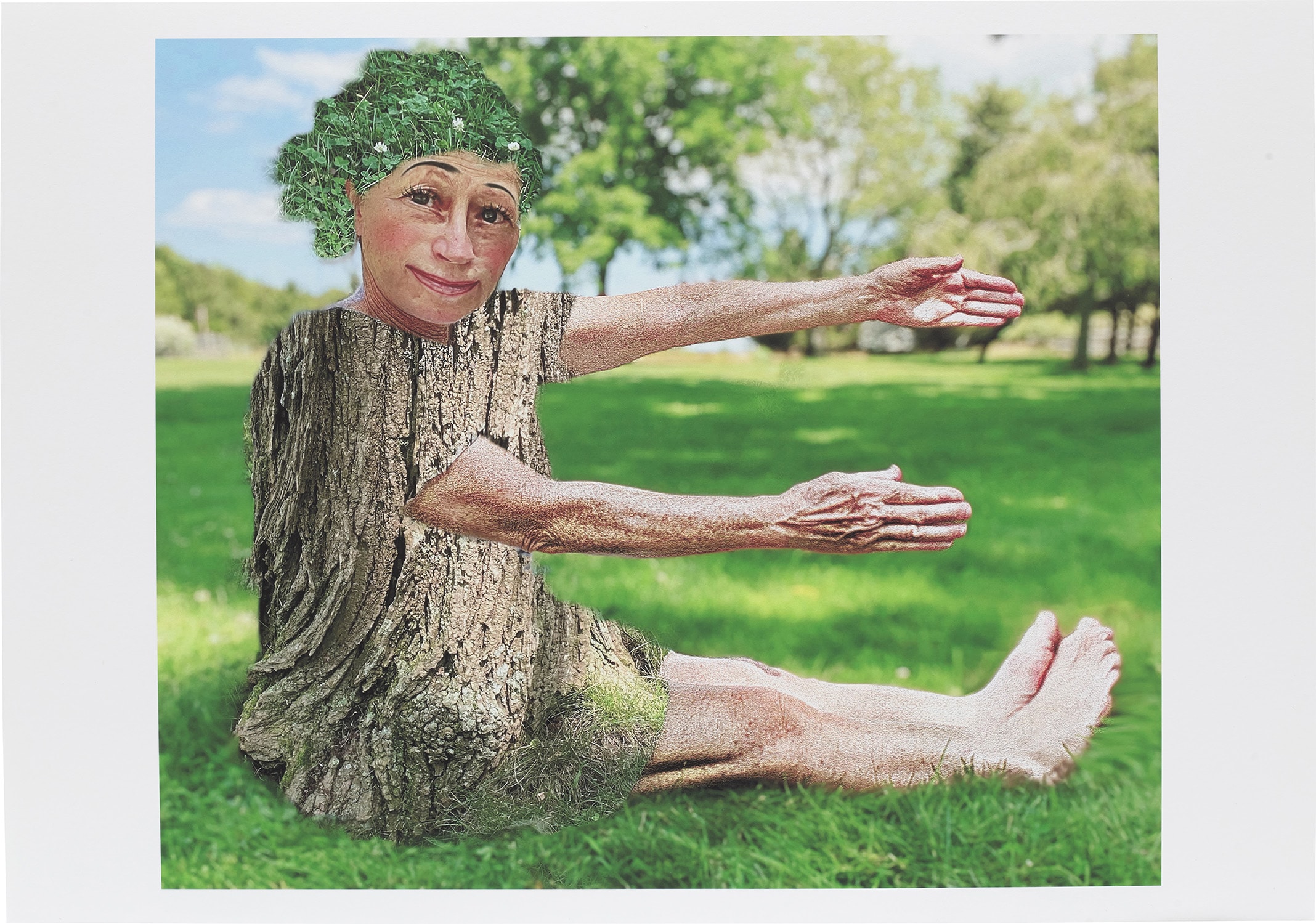
Cindy Sherman
digital print on card, 2020
The images feel uncannily familiar without corresponding to any actual film, which is precisely the point. They are archetypes: the ingenue, the housewife, the femme fatale, each frozen in a moment charged with unspoken narrative. The Untitled Film Stills were groundbreaking for the way they revealed how deeply cinematic codes had shaped collective ideas about womanhood. Sherman was not illustrating feminism so much as performing its insights, making the viewer complicit in the act of projection.
“I didn't want to make high art. I had no interest in that.”
Cindy Sherman, The Guardian
The series was acquired in its entirety by the Museum of Modern Art in New York in 1995, a landmark moment that confirmed Sherman's place in the canon. From there her practice expanded and deepened through a succession of major bodies of work: the large format Centerfolds of 1981, the Fashion photographs of the early 1980s made in collaboration with Interview magazine and Dianne B., the grotesque and carnivalesque History Portraits of the early 1990s, and the Society Portraits and Clowns series of the 2000s. Each series found Sherman pushing further into the possibilities of constructed identity, aging, desire, and the absurdity of social performance.
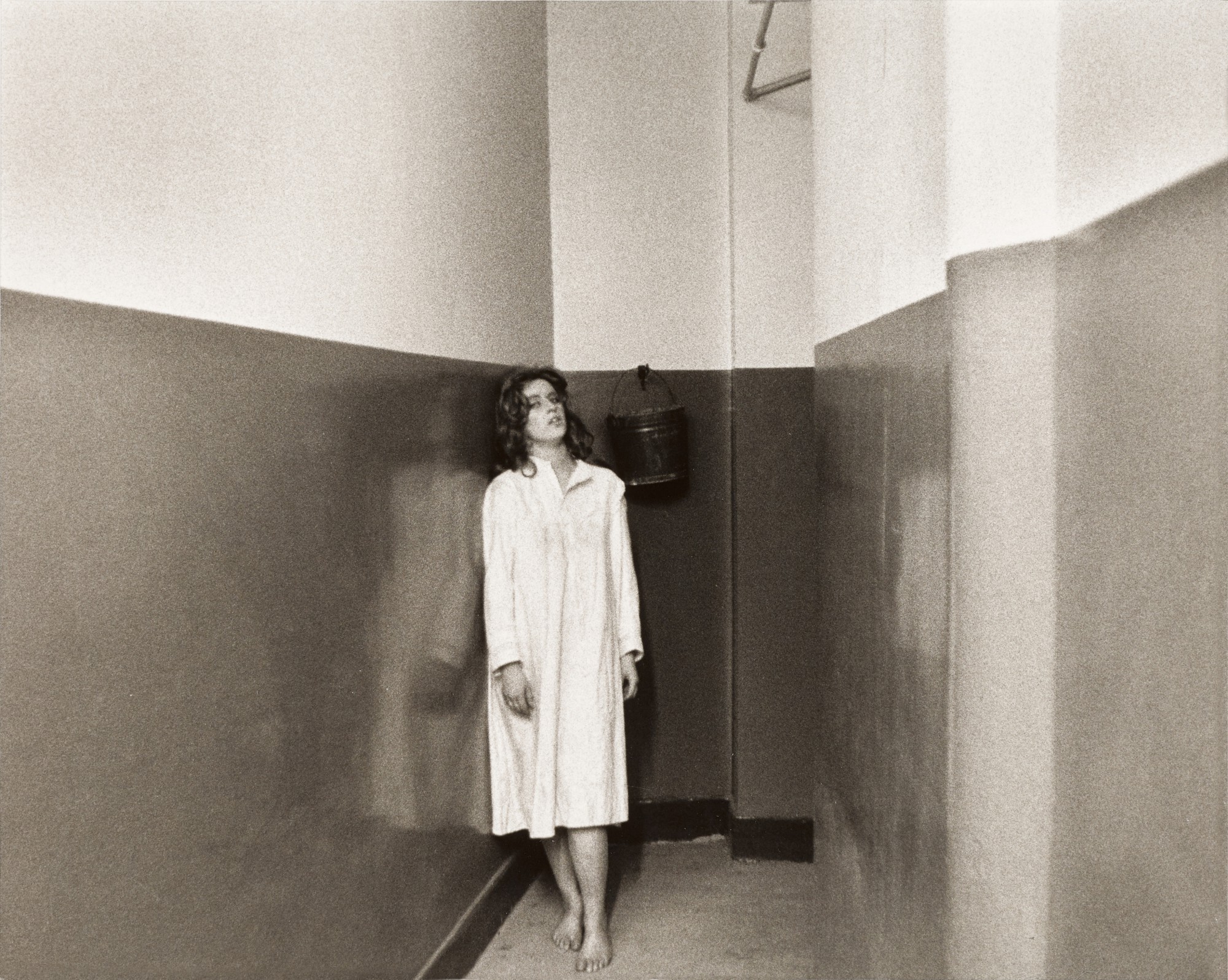
Cindy Sherman
Untitled Film Still No. 27b, 1979
Among her most celebrated individual works, Untitled Film Still No. 27b from 1979 captures Sherman posed against an urban backdrop, dressed with studied ordinariness, her gaze directed away from the camera in a way that feels both vulnerable and unknowable. Untitled Film Still No. 34, also from 1979, is equally iconic, staging her as a figure seemingly caught in a moment of private tension.
These gelatin silver prints have become touchstones of postmodern photography, reproduced endlessly in textbooks and exhibition catalogues. Her 1990 chromogenic print Nipple with Diamond belongs to a later, more unsettling register, part of a series that used prosthetics and theatrical artifice to destabilize bodily identity entirely. The range across these works is extraordinary, yet each one is unmistakably Sherman. For collectors, Sherman represents one of the most secure and intellectually rewarding commitments available in the contemporary photography market.
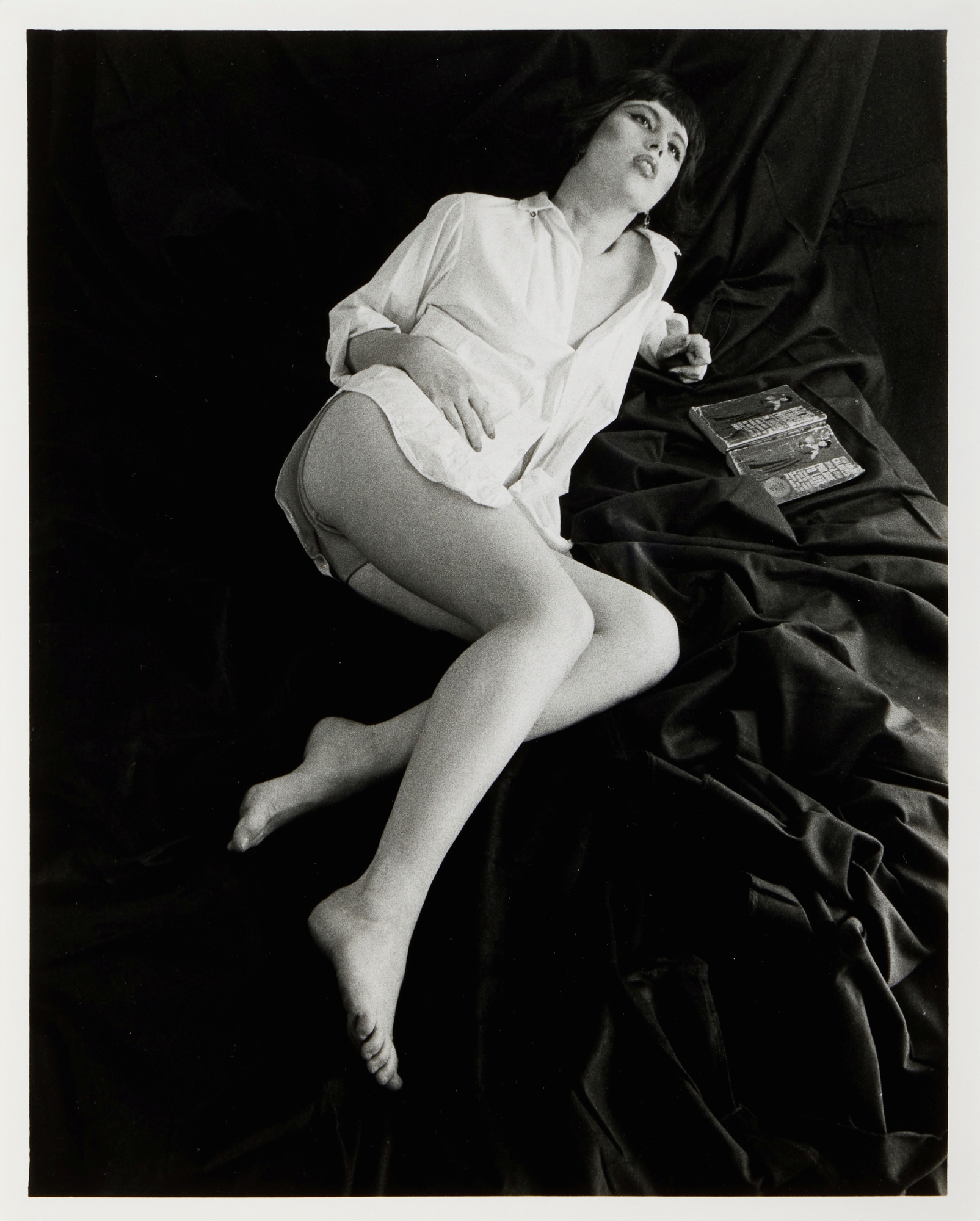
Cindy Sherman
Untitled Film Still #34, 1979
Her work is held by virtually every major museum collection in the world, including the Tate, the Centre Pompidou, the Guggenheim, and MoMA, which lends her photographs an institutional gravity that underpins their market strength. At auction, her prices have reached significant heights, with major chromogenic prints selling well into six figures and her most sought after Untitled Film Stills regularly attracting competitive bidding. What distinguishes Sherman's work for discerning collectors is the combination of historical importance and visual immediacy: these are photographs that command a room and reward sustained looking. Works from the Film Stills series, the Centerfolds, and the History Portraits are considered the most blue chip, though later series offer compelling opportunities for those building thoughtful, research driven collections.
Sherman sits naturally alongside a constellation of artists who share her preoccupations with identity, gender, and the politics of representation. Barbara Kruger deploys text and image to similar critical ends, while Nan Goldin brings an intimate, diaristic intensity to questions of selfhood and vulnerability. Laurie Simmons, another Pictures Generation alumna, works in a comparable register of staged photography and feminine archetypes. Internationally, the Japanese photographer Yasumasa Morimura has engaged in related practices of self portraiture and cultural masquerade.
Placing Sherman within this company illuminates the broader intellectual project of her generation, the systematic dismantling and re examination of how images shape, constrain, and sometimes liberate identity. Sherman's legacy is not confined to art history seminar rooms or auction catalogues. Her influence radiates outward into fashion, cinema, advertising, and the everyday visual culture of the internet age. She demonstrated, with extraordinary consistency over five decades, that a single person looking directly at the conditions of their own representation could produce work of universal resonance.
There is generosity in that project as well as rigor: an invitation to every viewer to examine their own assumptions about who is being seen and who is doing the seeing. To collect Sherman is to participate in one of the most important ongoing conversations in contemporary art, a conversation about image, power, and what it means to construct a self in a world saturated with pictures.
Explore books about Cindy Sherman