Zanele Muholi

Artist Spotlight · The Collection Editorial
```json { "headline": "Zanele Muholi Sees Us All Clearly", "body": "In 2020, the Tate Modern in London mounted a landmark solo retrospective of Zanele Muholi's work, bringing together decades of photographic practice under one roof and introducing the South African visual activist to a generation of new admirers worldwide. The exhibition was a watershed moment, confirming what those in the art world had long understood: Muholi is one of the most significant image makers working anywhere on the planet today. Crowds gathered around prints that pulsed with dignity, intimacy, and an almost confrontational sense of presence. The show traveled to subsequent venues and deepened the conversation about who gets to be seen, who gets to be celebrated, and who has historically been rendered invisible by the mainstream art world.
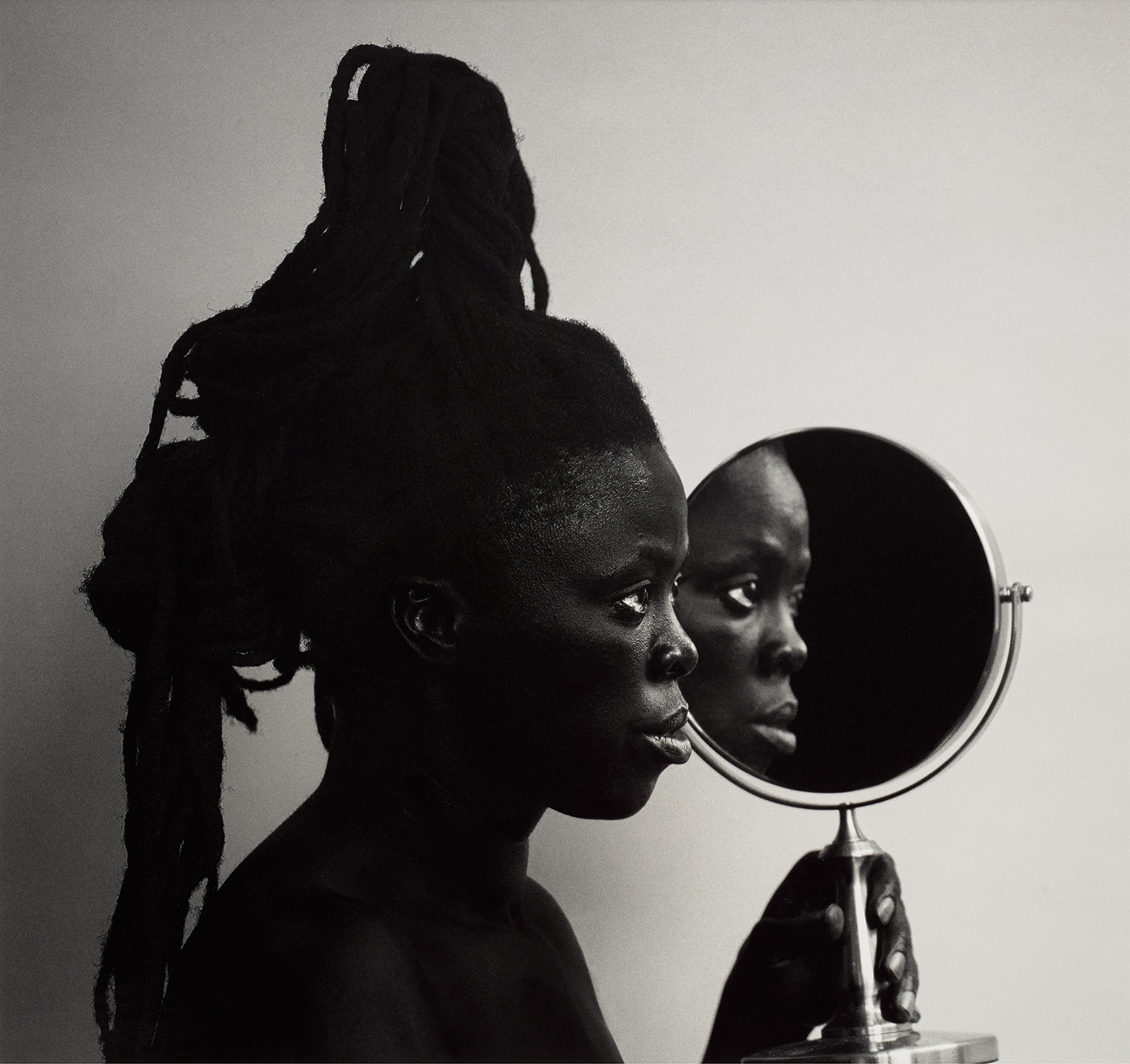
Zanele Muholi
Bona, Charlottesville (9781), from Somnyama Ngonyama
", "Early life rooted Muholi deeply in the realities of South Africa's townships. Born in 1972 in Umlazi, a township outside Durban in KwaZulu Natal, Muholi grew up under the final, grinding years of apartheid, a system that enforced invisibility on Black South Africans at every level of civic and cultural life. That experience of enforced erasure would become the central engine of their artistic practice. Muholi studied photography at the Market Photo Workshop in Johannesburg, an institution founded by the legendary documentary photographer David Goldblatt, whose commitment to bearing ethical witness to South African life left a lasting impression on how Muholi thought about the camera as a tool of accountability rather than mere aesthetics.
", "Muholi's practice took its earliest and most urgent shape through documentary work focused on Black lesbian, gay, bisexual, transgender, and intersex communities in South Africa during the 2000s. The country had enshrined some of the most progressive LGBTQ protections in the world into its post apartheid constitution, yet violence, corrective rape, and murder remained devastating realities for queer Black South Africans. Muholi responded not with distant photojournalism but with something more tender and collaborative, spending years building relationships with subjects and communities, returning again and again to document lives that deserved witness and celebration in equal measure. This approach, rooted in trust and sustained presence, gave the resulting images a warmth that separated them entirely from the tradition of crisis photography.
Zanele Muholi
Bukhosi I, Parktown from Somnyama Ngonyama
", "The series Faces and Phases, begun in 2006 and still ongoing, stands as one of the great photographic projects of the twenty first century. Shot in black and white, the portraits depict Black lesbian and transgender individuals across South Africa and beyond, each subject photographed frontally and with quiet gravity. Works such as Matshidiso Mofokeng, Constitution Hill, Johannesburg and Ntobza Mkhwanazi, BB Section, Umlazi Township, Durban carry within them a remarkable doubling of meaning: Constitution Hill, the site of the former prison that once held Nelson Mandela and Mahatma Gandhi, now houses South Africa's Constitutional Court, making it a charged backdrop for a portrait of queer Black life and its hard won freedoms. The gelatin silver prints in this series have a luminous tonal range that rewards close looking, and their cumulative power as an archive grows with every passing year.
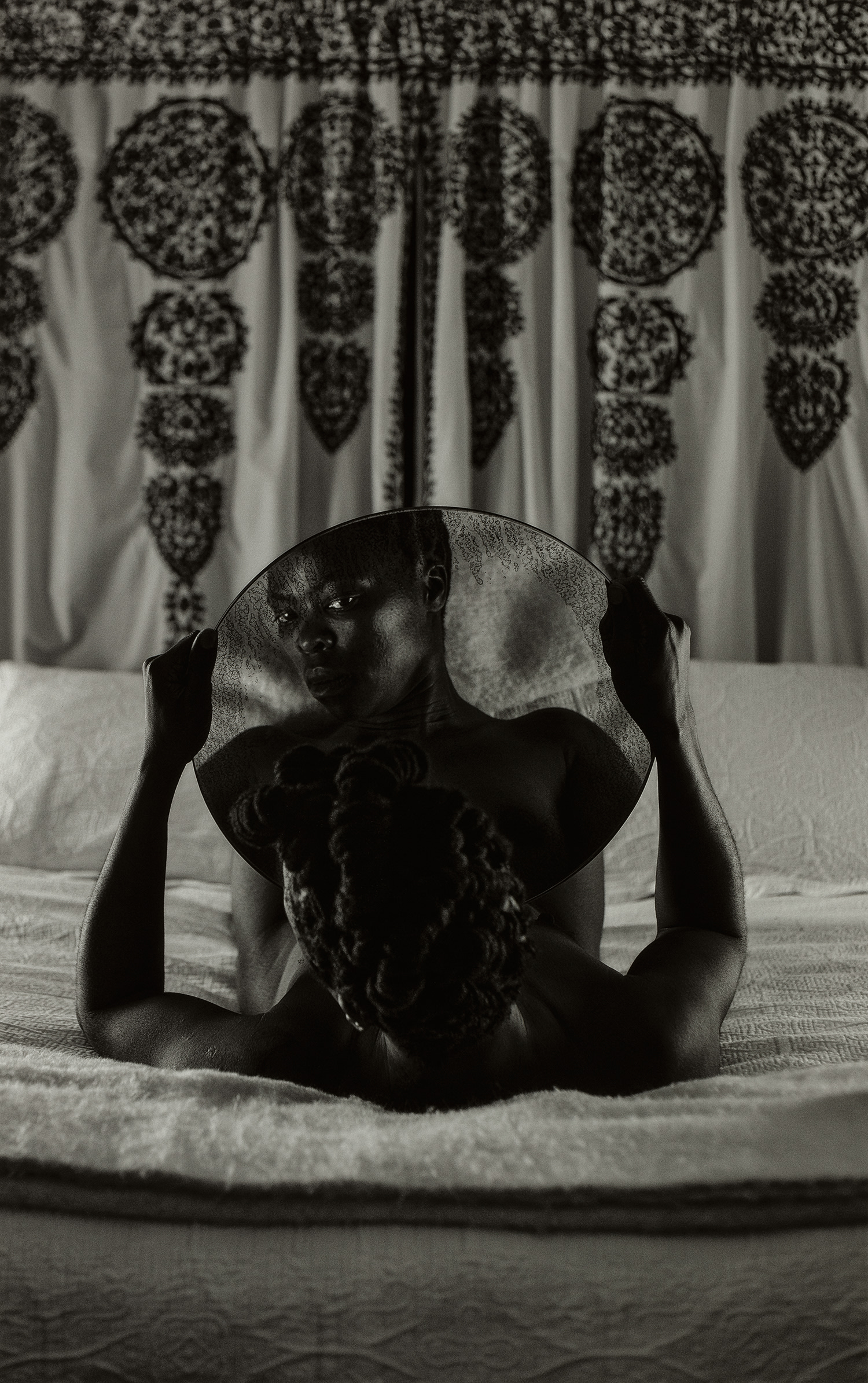
", "If Faces and Phases established Muholi's reputation as a documentarian of community, the series Somnyama Ngonyama, whose Zulu title translates roughly as Hail the Dark Lioness, announced a fully transformed artistic voice. Begun around 2012 and published as a book in 2018, the series consists of self portraits in which Muholi darkens their own skin tone dramatically during post processing, creating images of extraordinary graphic intensity. Works such as Bona, Charlottesville and Bukhosi I, Parktown layer historical and political references into theatrical compositions built from everyday objects including rubber gloves, electrical cords, and wire. The effect is simultaneously regal and unsettling, insisting on the beauty and complexity of a Black body that the world has tried to diminish.
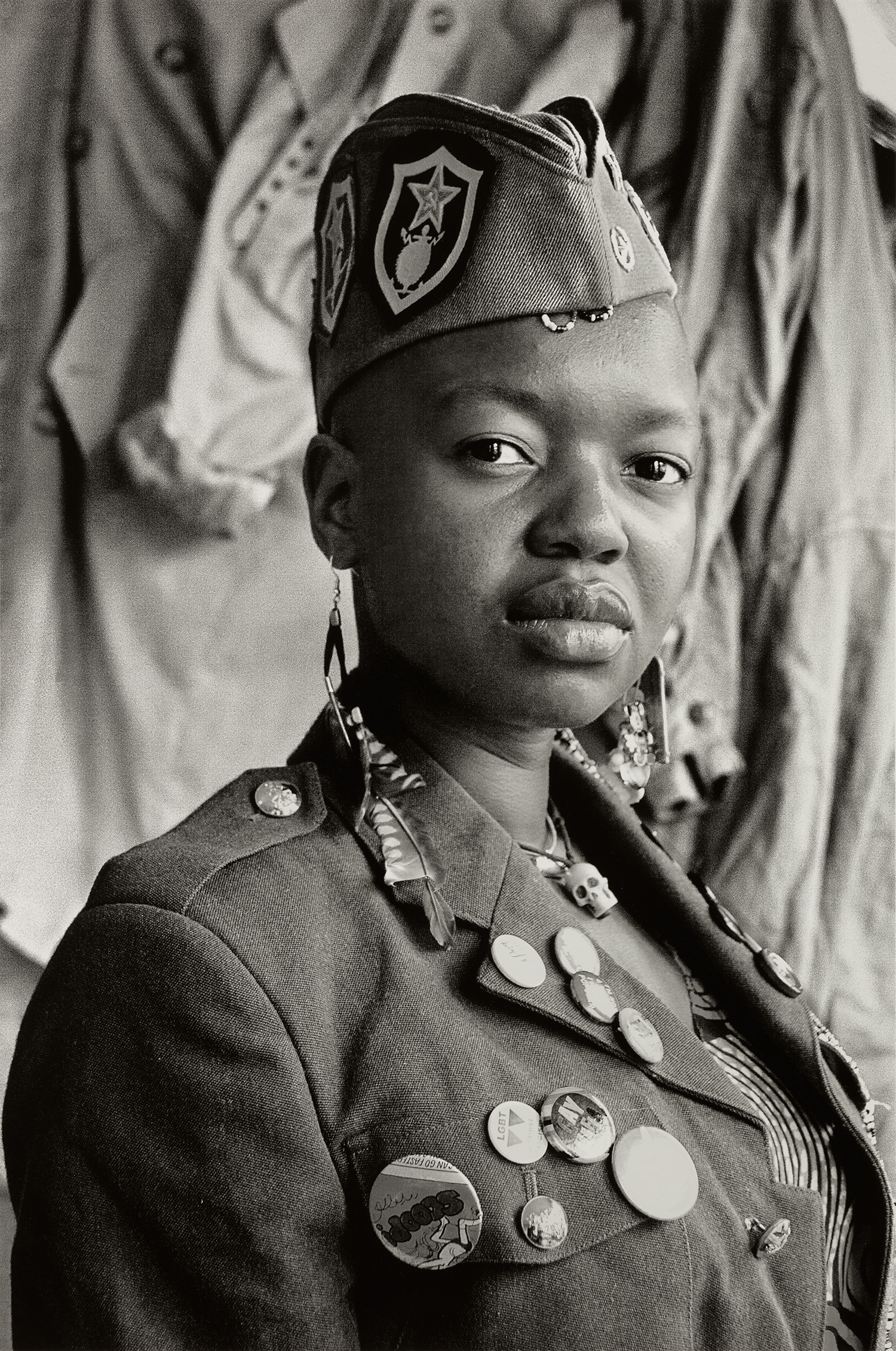
Zanele Muholi
Skye Chirape, Brighton, United Kingdom from Faces and Phases
Muholi has described the series as a reclamation, an act of self definition conducted entirely on their own terms.", "From a collecting perspective, Muholi's market has developed with impressive consistency. Major auction houses including Christie's and Phillips have offered works from both Faces and Phases and Somnyama Ngonyama to strong results, with institutional demand running in close parallel to the secondary market. Collectors who have acquired early Faces and Phases prints have found themselves holding works of genuine historical importance, photographs that function simultaneously as art objects, activist documents, and archival records.
The gelatin silver prints, typically issued in editions of eight plus two artist's proofs, retain a material richness that reproduction cannot fully convey. For those new to Muholi's work, the platform offers a compelling range of entry points across both major series, allowing collectors to experience the breadth of a practice that encompasses portraiture, self portraiture, and even forays into painting such as the acrylic on canvas work Khetha.", "Muholi belongs to a lineage of photographers who have used the medium to assert the humanity and complexity of those whom dominant culture has chosen to overlook. In this, there are resonances with the work of Gordon Parks in America, Seydou Keïta in Mali, and Samuel Fosso in Cameroon, artists who turned the camera toward Black subjects with an eye for beauty, specificity, and dignity rather than spectacle.
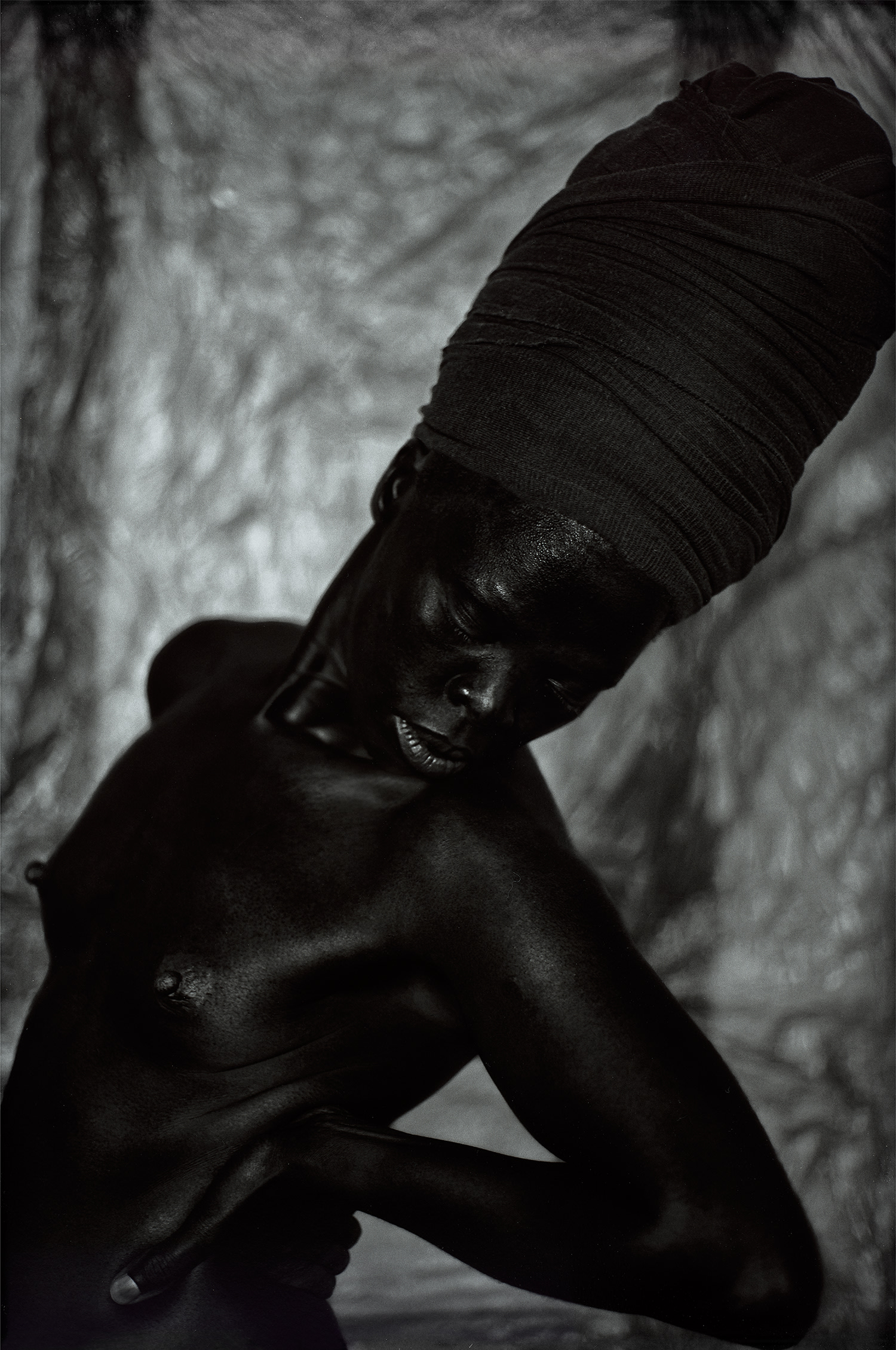
Zanele Muholi
NTOMBI III, Parktown, 2016
Closer to home, Muholi's practice in many ways extends and complicates the legacy of the Market Photo Workshop tradition, pushing documentary instincts into a more overtly political and self reflexive register. Internationally, conversations about Muholi's work are often held alongside those about artists such as Carrie Mae Weems and Lorna Simpson, whose long investigations into Black femininity, history, and representation share both subject matter and a deep ethical seriousness with Muholi's own project.", "What makes Muholi's work feel so vital today is precisely its refusal to resolve into a single, comfortable meaning. These images demand that viewers reckon with history, with violence, with beauty, and with joy, often all at once.
Major institutions including the Guggenheim, the Museum of Modern Art in New York, and the Stedelijk Museum in Amsterdam hold Muholi's work in their permanent collections, a fact that reflects both the art world's recognition of the work's importance and the growing understanding that the history of photography cannot be told honestly without it. For collectors, owning a Muholi is to participate in something larger than the art market: it is to hold a piece of an ongoing archive, a living record of communities and a self that insist, with quiet ferocity, on being seen." , "quotes": [ { "quote": "I am not a politician but I'm using my images to politicize those who are viewing them.", "source": "Zanele Muholi, Tate Modern interview, 2020" }, { "quote": "We are making history every time we document our lives.
Explore books about Zanele Muholi