Wim Delvoye
Wim Delvoye: Beauty Lives in the Unexpected
Artist Spotlight · The Collection Editorial
“I am always trying to make something that looks wrong but is right.”
Wim Delvoye
There are artists who work at the edges of comfort, and then there is Wim Delvoye, who has spent four decades making that edge feel like the most exciting place in contemporary art. His 2024 survey exhibition at the Mucem in Marseille reminded audiences why his work continues to generate serious critical conversation and genuine collector passion in equal measure. Standing before one of his elaborately tattooed sculptures or his towering laser cut steel Gothic towers, visitors tend to experience the same sequence of responses: confusion, then delight, then something close to philosophical vertigo. That sequence is entirely the point.
Wim Delvoye
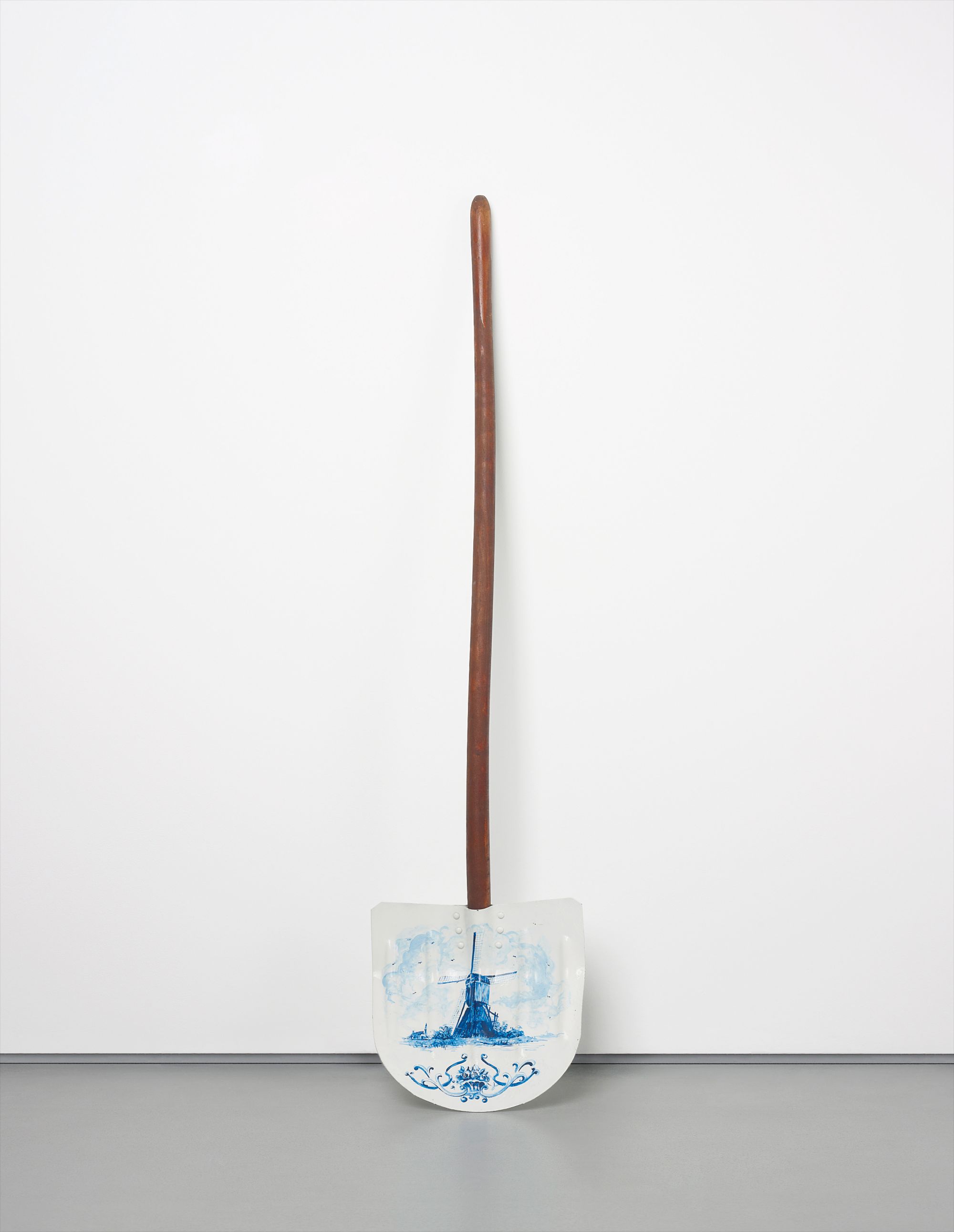
Delft Shovel (A)
Delvoye was born in Wervik, Belgium in 1965, and grew up in a country with one of the richest decorative traditions in Europe. Flemish craft, Gothic architecture, and the ornamental excesses of Northern European religious art were not museum abstractions for him but part of the visual air he breathed. He studied at the Royal Academy of Fine Arts in Ghent, where he developed the conceptual sharpness that would later make his most audacious projects feel rigorously intentional rather than merely provocative. Belgium, with its particular genius for surrealism and its comfort with the macabre and the beautiful existing side by side, proved a perfect incubator for the sensibility Delvoye would bring to international attention.
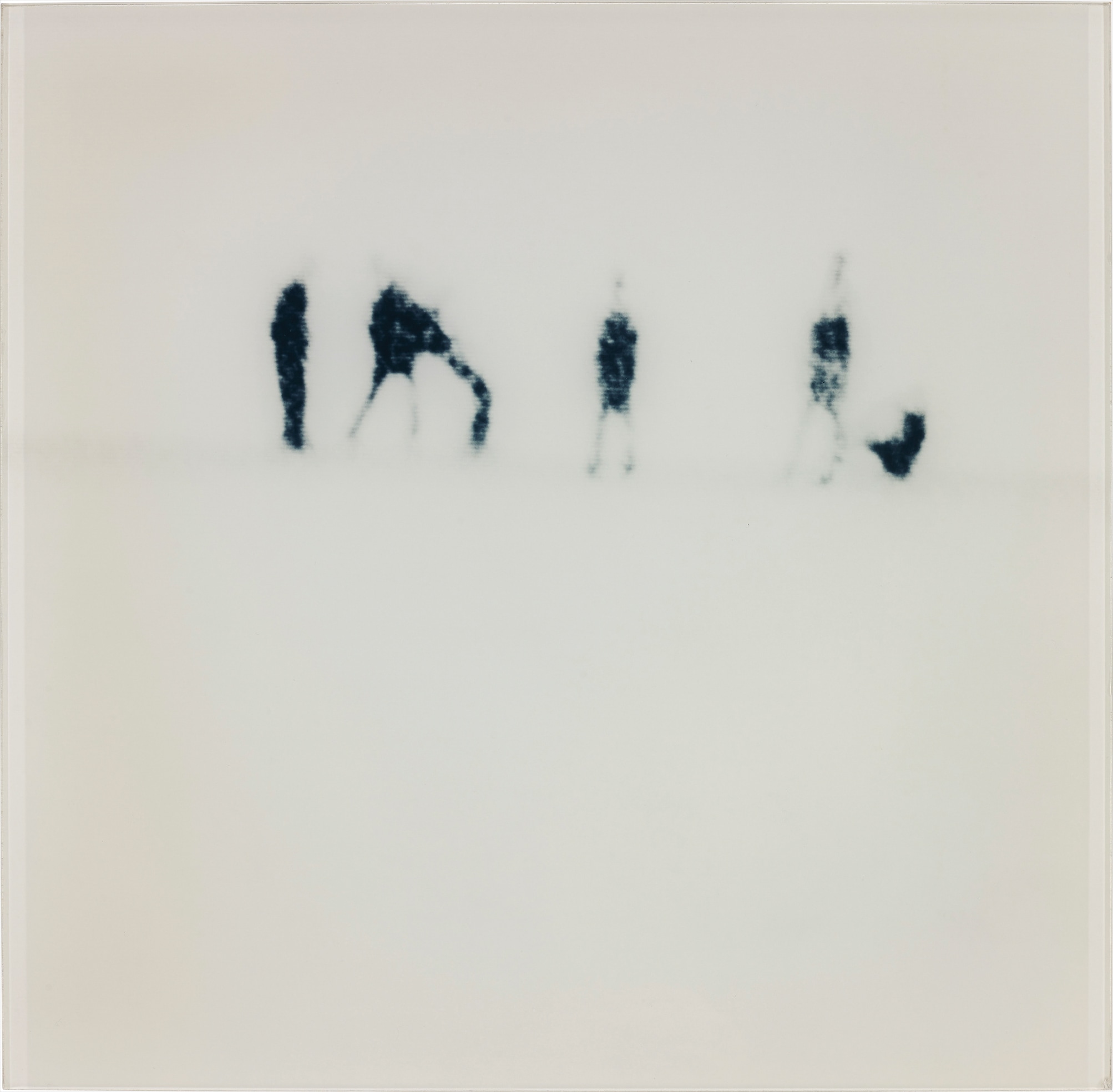
His artistic development in the late 1980s and through the 1990s was marked by a fascination with what happens when you apply the logic of high craft to resolutely low subject matter. The early Delft series, in which he painted X ray images of copulating figures onto traditional blue and white Delftware, announced his signature strategy: take a form saturated with cultural prestige and fill it with content that disrupts every assumption that prestige carries. The works were funny, technically accomplished, and genuinely unsettling in the best sense. Collectors and critics in Europe and the United States began to pay serious attention, and his reputation moved quickly from Ghent to Brussels to New York and beyond.
Wim Delvoye
cibachrome print, 1999
The work that secured his global profile was Cloaca, first unveiled at the Museum voor Hedendaagse Kunst in Antwerp in 2000. The machine was an elaborate, medically accurate replication of the human digestive system, fed meals twice daily and producing, at the end of its cycle, genuine human equivalent waste. The audacity of the concept was matched by the rigor of its construction: Delvoye worked with scientists and engineers to ensure biological accuracy, and the result was as much a feat of industrial design as it was conceptual art. Cloaca went on to tour major museums internationally, generating the kind of press coverage and institutional validation that cements a career.
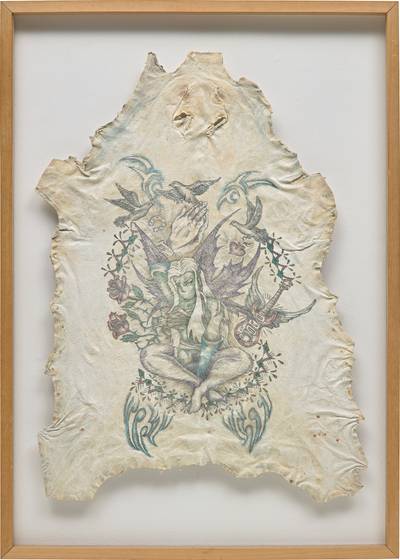
It also established that Delvoye was not interested in provocation as an end in itself but as a method for asking serious questions about value, production, consumption, and what we are willing to call beautiful. Delvoye's tattooed pigs, developed through his Art Farm project in China beginning in the early 2000s, represent perhaps his most philosophically dense body of work. The pigs were tattooed while young and raised to adulthood, their skins then preserved and displayed as both living performance and eventual object. The project raised genuine ethical debates and genuine art historical questions simultaneously, placing Delvoye in conversation with the long tradition of using the body as both medium and message.
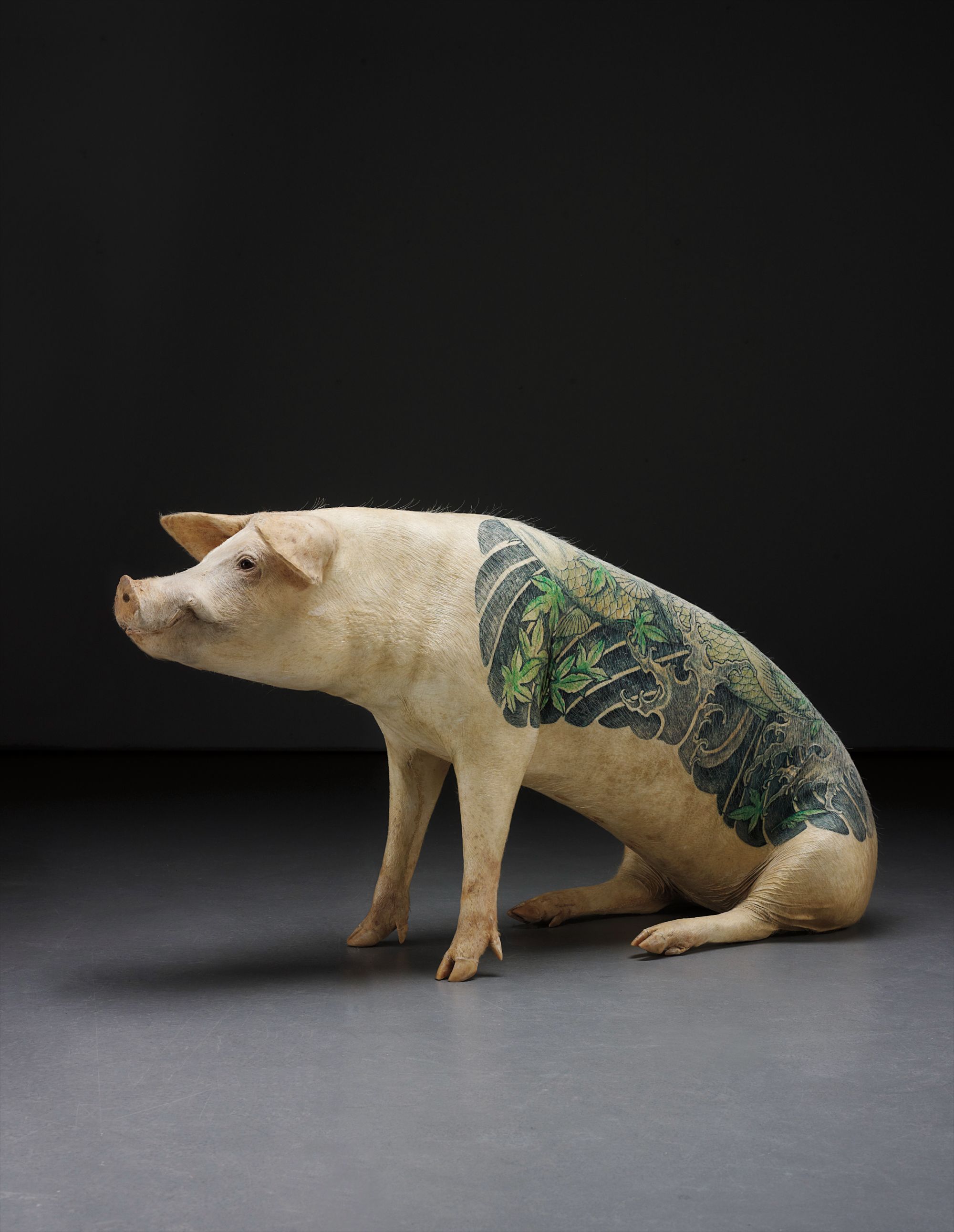
Wim Delvoye
stuffed and tattooed pig
Works from this series entered major institutional collections and generated significant auction results, with tattooed pig skins and related documentation appearing at major houses including Christie's. The project demonstrated that Delvoye could sustain a conceptual framework across years and across media without losing its intellectual coherence. His Gothic steel towers, the Twisted series of elaborately detailed laser cut structures that rise to heights of several meters, brought a different dimension to his practice. These works look like medieval spires translated into industrial steel, their intricate lacework of ornament produced not by hand but by computer controlled cutting machines.
The series belongs to a long conversation in art history about the relationship between craft and technology, one that runs from William Morris through Donald Judd and into the present. But Delvoye's contribution is distinct: he uses the precision of industrial production to achieve something that reads as the opposite of industrial, something that feels almost impossibly organic and handmade. Works from the Twisted series are held in institutional collections across Europe and North America and command serious prices at auction. For collectors, Delvoye's practice offers a remarkable range of entry points.
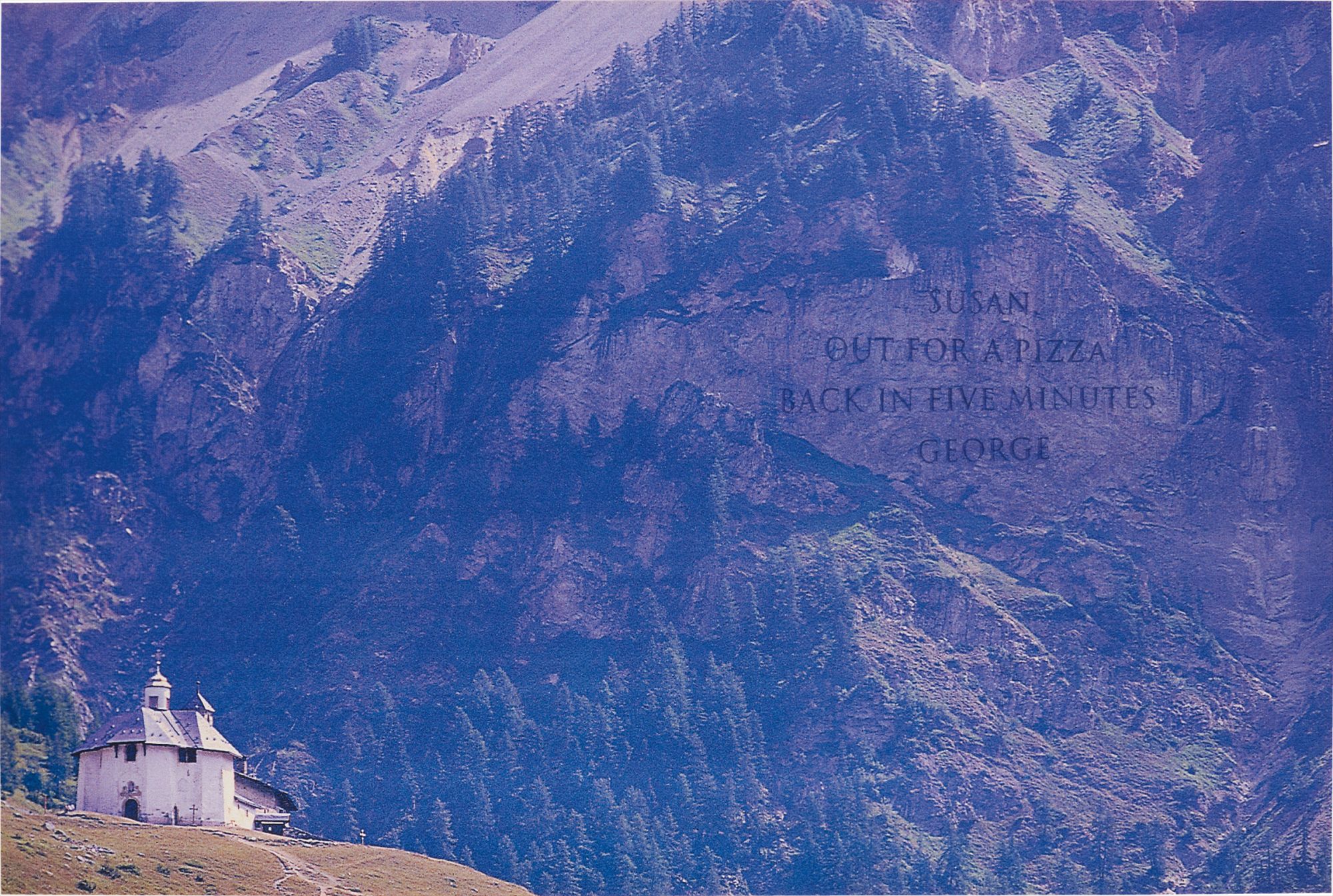
Wim Delvoye
Swiss Mountain
Works on paper and prints, including his Delft inspired series and photographic works, provide access to his conceptual world at a more accessible scale. The enamel painted shovels, objects from his long running series applying decorative Delft patterns to working tools, sit at the intersection of ready made tradition and decorative art history and have proven to be among his most enduringly collectible works. Sculptures in patinated bronze and painted steel represent the upper register of the market and carry the kind of institutional validation, with works in the collections of MoMA, the Guggenheim, and the Louvre, that gives serious collectors confidence. His market has shown consistent strength across cycles, reflecting both the seriousness of his critical reputation and the genuine visual pleasure his best objects provide.
Delvoye belongs to a generation of European conceptualists that includes Maurizio Cattelan, whose wit and willingness to court controversy he shares, and Damien Hirst, with whom he shares an interest in the borders between the clinical and the beautiful. But his deep roots in decorative tradition and his specific relationship to Belgian and Flemish visual culture give him a distinctiveness that sets him apart from both. He is perhaps closer in spirit to Mike Kelley or Paul McCarthy in his willingness to use the abject as a philosophical tool, but his love of ornament and craft gives his work a warmth that neither of those artists quite reaches. What makes Delvoye matter in 2024, and what will make him matter in the decades ahead, is that his questions have only grown more urgent.
In a world of algorithmic production, of machines that generate images and objects at inhuman speed, his investigations into what we value and why, into the gap between how something is made and what it means, into the comedy and the pathos of human beings trying to assign beauty to the world, feel more pressing than ever. His work is in the great institutions, it is in the hands of thoughtful private collectors, and it continues to be made with the same restless intelligence that announced itself in Ghent thirty years ago. To collect Delvoye is to invest in one of the defining artistic imaginations of his generation.
Explore books about Wim Delvoye