William N. Copley
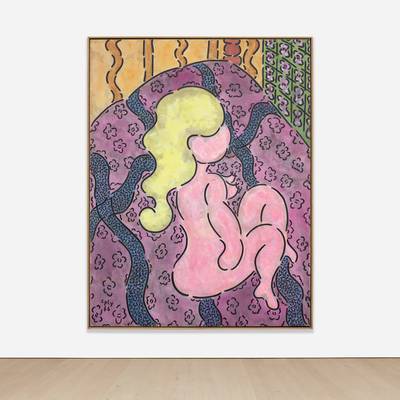
William Copley, America's Most Gleefully Subversive Painter
Artist Spotlight · The Collection Editorial
There is a moment, standing before a William N. Copley canvas, when you realize the joke is entirely on you, and that this is precisely the point, and that you are delighted by it. That feeling, somewhere between a snicker and a revelation, is what has kept Copley's reputation growing steadily in the decades since his death in 1996. Major survey exhibitions at institutions including the Menil Collection in Houston and the Museum of Contemporary Art in Los Angeles have reintroduced him to new generations of collectors and curators who find in his work something both urgently funny and quietly devastating about the American condition.
William N. Copley
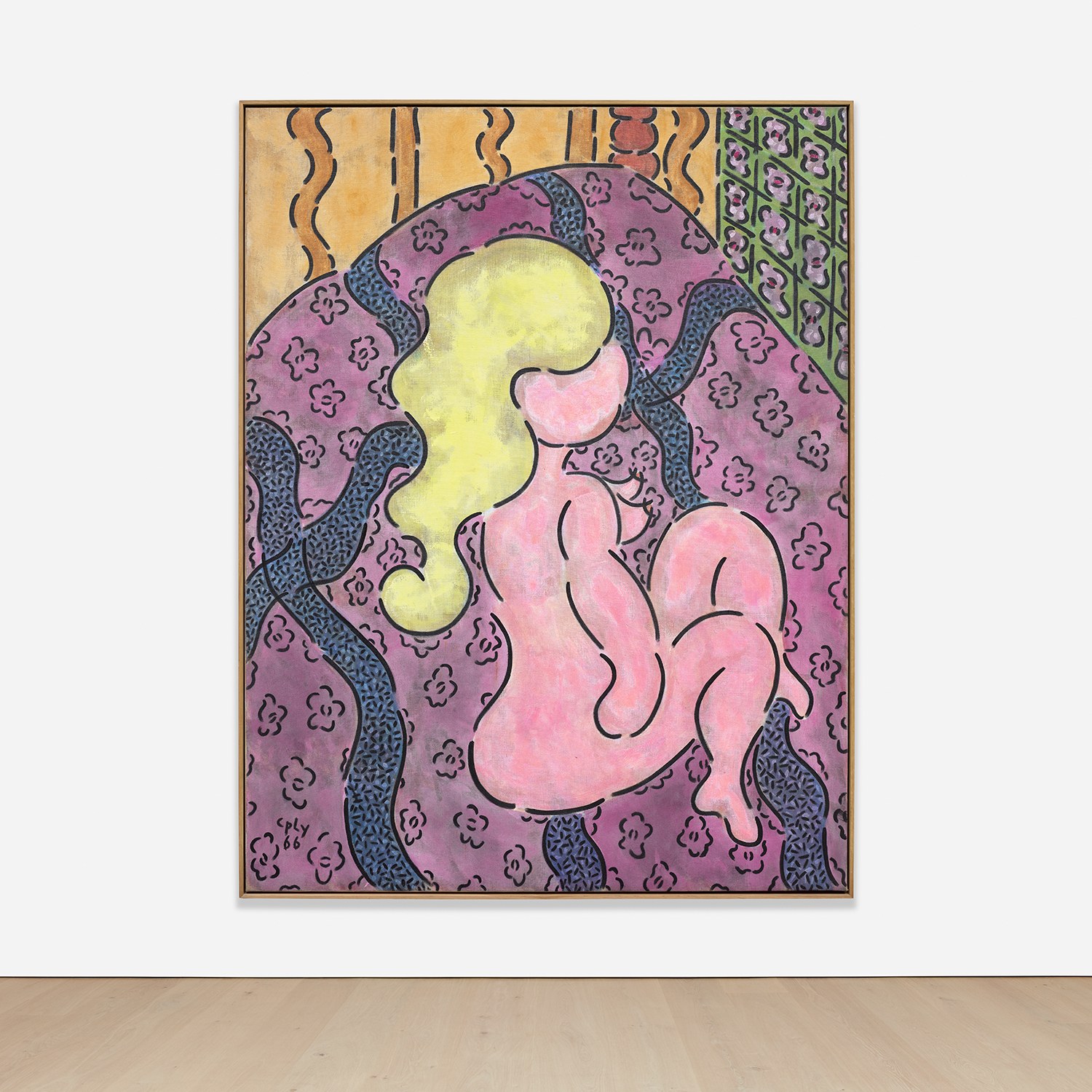
Frigid Bridget, 1966
His paintings feel, if anything, more relevant now than they did when he made them. Copley was born in New York in 1919 and adopted as an infant into a family of considerable means, the son of Ira Copley, a newspaper publisher whose fortune gave William both freedom and a target. He was educated at the Phillips Academy in Andover and briefly attended Yale, but formal art training was never part of his biography. That absence became one of his greatest assets.
Unburdened by the orthodoxies of the academy, he developed a visual language entirely his own, one that looked naive on the surface and revealed itself to be precisely calibrated the longer you looked. His early encounters with Surrealism, particularly through his friendship with Man Ray and through his passionate study of the work of René Magritte and Marcel Duchamp, pointed him toward an art that prioritized wit and conceptual mischief over technical virtuosity. In the late 1940s, Copley made one of the great generous gestures in postwar American art history. He opened a gallery in Beverly Hills called the Copley Galleries, which he ran from 1948 to 1949.
William N. Copley
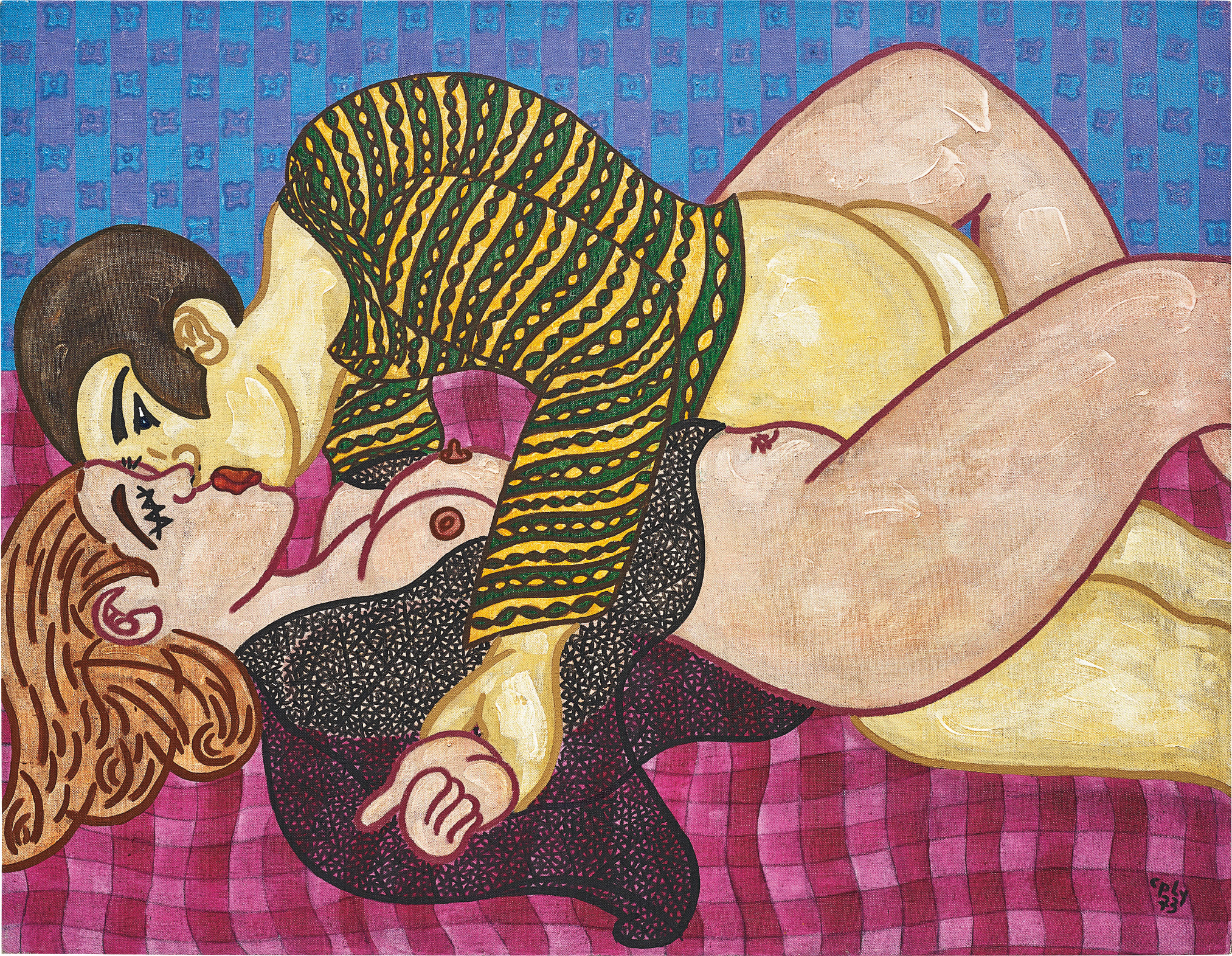
The Conformist, 1973
The gallery was dedicated to Surrealism at a moment when Los Angeles had almost no appetite for it, and Copley mounted shows of work by Magritte, Duchamp, Man Ray, Yves Tanguy, and Joseph Cornell, among others. The gallery failed commercially but succeeded in cementing his relationships with the artists he most admired. He eventually relocated to Paris and Mexico, living for extended periods abroad and absorbing European attitudes toward sexuality, politics, and irony that would deepen everything he painted. By the time he returned permanently to the United States in the 1960s, he had become a fully formed and utterly original artist.
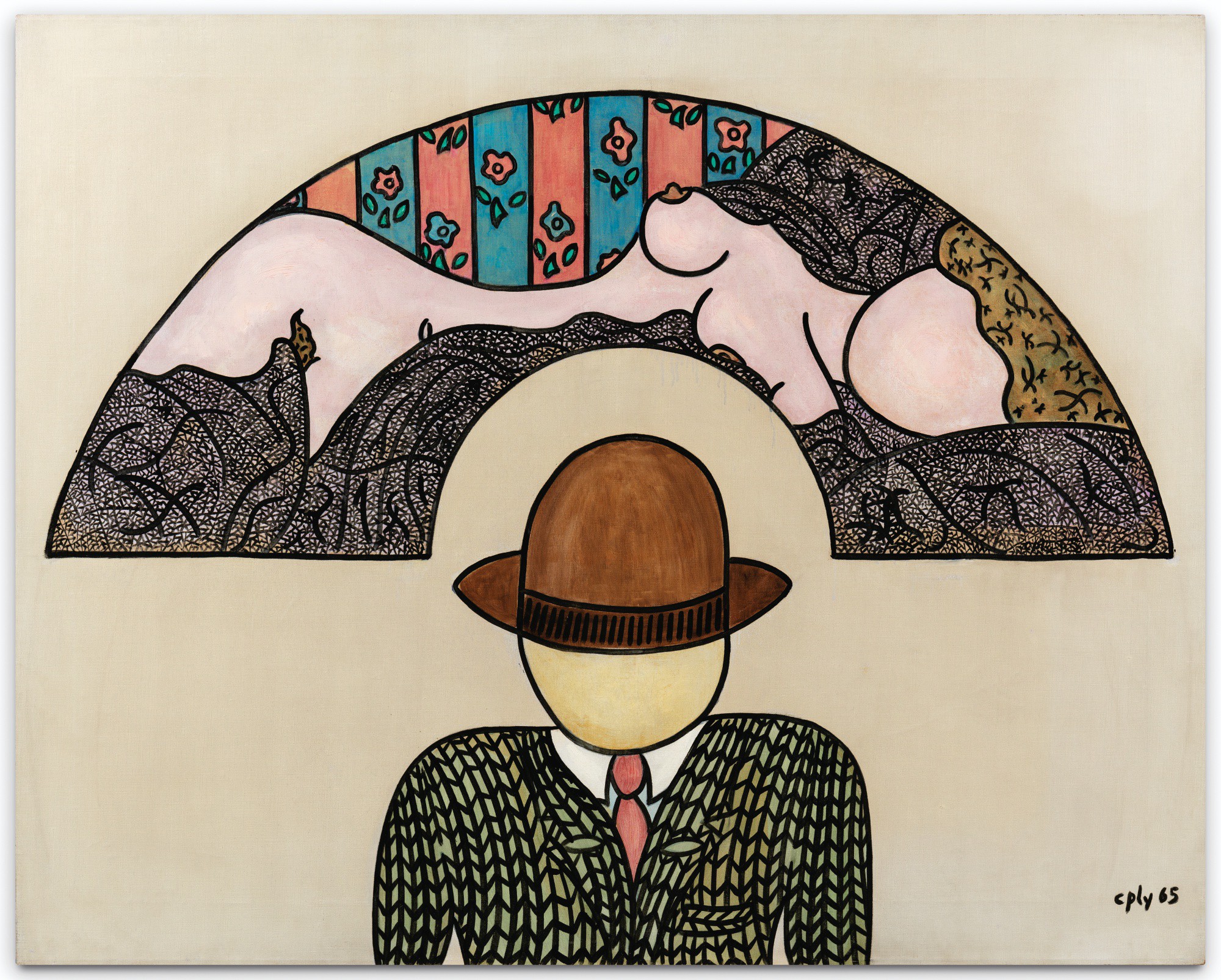
Copley's mature work is organized around a set of recurring characters and symbols that function almost like a private mythology. There are the cowboys and the nudes, the stars and stripes, Uncle Sam rendered with knowing absurdity, and women who are never victims of the male gaze but rather seem to be in on the joke, often outwitting the hapless men who share their canvases. The work is painted in flat, uninflected color with bold outlines that owe a debt to comic strips and commercial signage, and this deliberate flatness is what gives the paintings their peculiar charge. Works such as Frigid Bridget from 1966 and Lady Windermere's Fan from 1965 demonstrate his ability to use the visual grammar of innocence, a cartoon simplicity, to deliver commentary on desire, repression, and social performance that is anything but innocent.
William N. Copley
Lady Windermere’s Fan, 1965
The Conformist from 1973 extends this into explicit political territory, using his signature vocabulary to skewer the psychology of submission to authority that he found endemic to American life. Among the works available to collectors on The Collection, pieces such as Damn These Birds, with its unusual combination of acrylic on linen and lace and its artist's frame, and Lest We Forget speak to the full range of Copley's practice. He was an artist who thought carefully about materials and presentation, and the artist's frame in particular reflects a tradition he shared with Duchamp of treating the entire object, not merely the painted surface, as part of the work's meaning. Zizi Jean Mare from 1980 and That's My Dad show the sustained vitality of his later career, when his formal confidence was at its peak and his wit had lost none of its edge.
The Belgian Flag demonstrates his interest in national symbols as readymade provocations, a sensibility he inherited from his Surrealist forebears and transformed into something distinctly American. From a collecting perspective, Copley occupies a position of growing significance in the market for postwar American art. His work has appeared consistently at Christie's, Sotheby's, and Phillips, where prices for strong examples on canvas have risen meaningfully over the past decade as institutional attention has increased. Collectors are drawn to the paintings for their visual immediacy, their humor, and their intellectual depth, a combination that is genuinely rare.
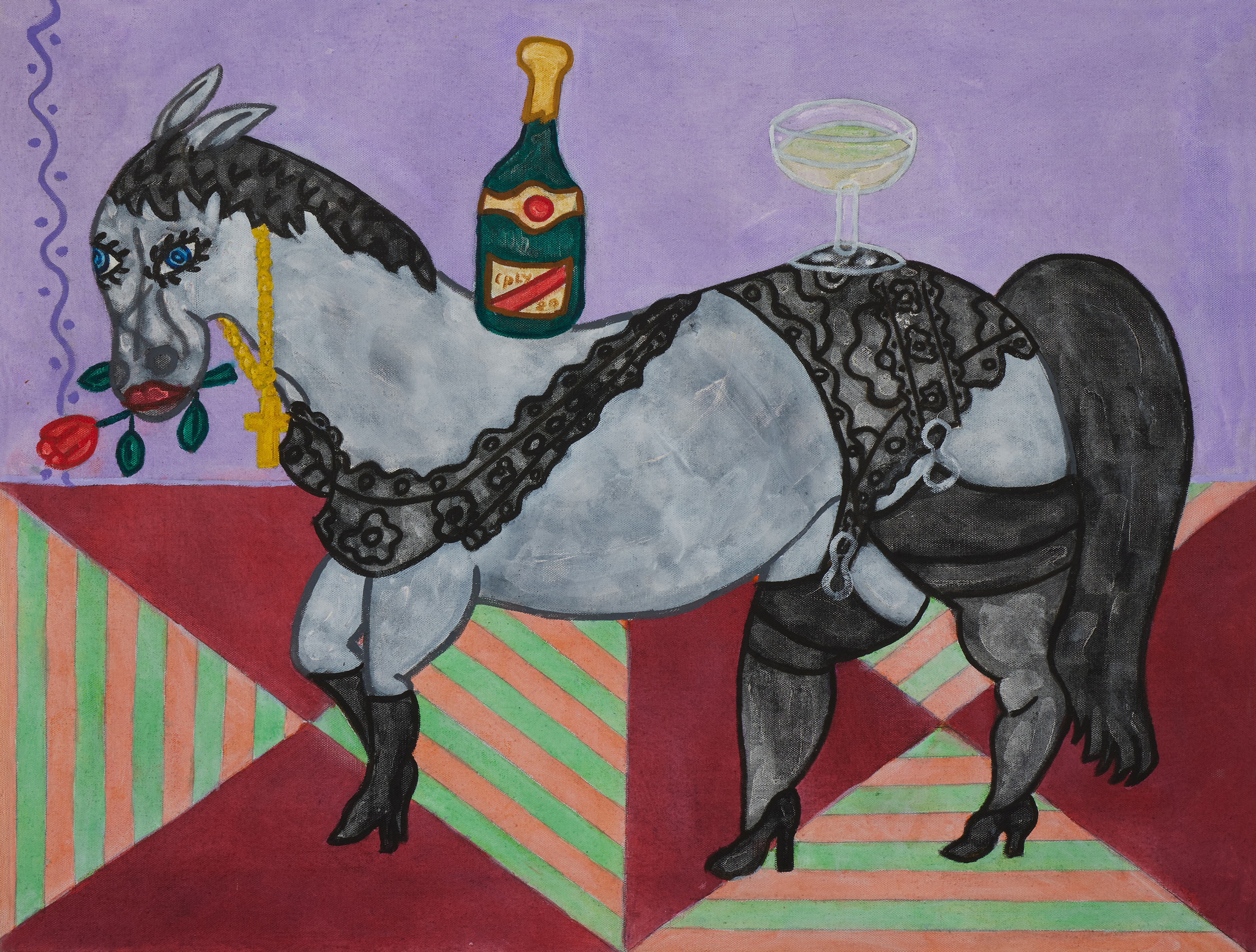
William N. Copley
Zizi Jean Mare, 1980
Works signed with his characteristic pseudonym CPLY, which he adopted in part as a nod to his Surrealist friends' fondness for pseudonyms and wordplay, are a particular point of focus for serious collectors. The signature itself is a small act of self effacement and self invention simultaneously, entirely in keeping with the spirit of everything he made. Copley sits at a fascinating crossroads in art history. He belongs to the Surrealist tradition through temperament and friendship, but he anticipates Pop Art in his appropriation of commercial visual language, and he shares with artists such as Peter Saul and H.
C. Westermann a distinctly American strain of irreverence and political savagery expressed through comic form. His friendship and mutual admiration with Man Ray was lifelong, and Duchamp's influence is visible everywhere in his work's embrace of paradox and play. Contemporary artists including Mike Kelley and Tom Wesselmann have acknowledged debts to the tradition he helped define, and his influence on younger figurative painters working with political satire today is unmistakable.
What makes Copley genuinely important, beyond the pleasure his paintings deliver, is the seriousness of his commitment to freedom. As a collector, a gallerist, a philanthropist through his CASSANDRA Foundation which supported artists including John Cage and Yoko Ono, and as an artist, he consistently put his resources and his reputation behind the proposition that art should be difficult, free, and irreverent. He believed, with the conviction of someone who had thought it through rather than simply inherited the belief, that art which makes you laugh is not lesser art but potentially the bravest kind. Standing before his paintings today, that conviction feels not dated but remarkably alive.