William Eggleston
William Eggleston: The Poet of Ordinary Light
Artist Spotlight · The Collection Editorial
“I had this notion of what I called a democratic way of looking around, that nothing was more or less important.”
William Eggleston
There is a moment in the permanent collection galleries of the Metropolitan Museum of Art when a visitor stops, unexpectedly, in front of a photograph of a red ceiling. It is not a grand ceiling. It is the ceiling of a room somewhere in the American South, painted the deep, arterial red of a fresh wound or a ripe pomegranate, and it commands absolute silence. That image, made by William Eggleston in Memphis around 1973 and known informally as "The Red Ceiling," has become one of the most discussed photographs in the history of the medium.
William Eggleston
n.d.
It hangs in great museums and lives in the memory of everyone who has encountered it, a reminder that one man's decision to point his camera at the mundane world changed the course of art history. William Eggleston was born in Memphis, Tennessee, in 1939, and raised on a cotton plantation in Sumner, Mississippi, a landscape of flat light, slow heat, and extraordinary social complexity. The American South of his childhood was a world of violent beauty and quiet contradiction, and Eggleston absorbed its textures and temperatures the way a painter absorbs the palette of a particular region. He studied at Vanderbilt University, Delta State College, and the University of Mississippi, though formal academic training held limited interest for him.
It was an encounter with Henri Cartier Bresson's book "The Decisive Moment" in the late 1950s that opened photography's possibilities to him, and soon afterward he discovered the work of Walker Evans, whose unflinching attention to vernacular American life would prove a lasting influence. Eggleston began shooting in black and white in the early 1960s, working through the visual language of the era with a restless, searching intelligence. The decisive turn came around 1965 when he began experimenting with color negative film, and then, crucially, with the dye transfer printing process, a technique originally developed for commercial reproduction that allowed for extraordinarily saturated, luminous color. Dye transfer prints are labor intensive and technically demanding, and their richness of tone gives Eggleston's photographs a physical presence that rivals painting.
William Eggleston
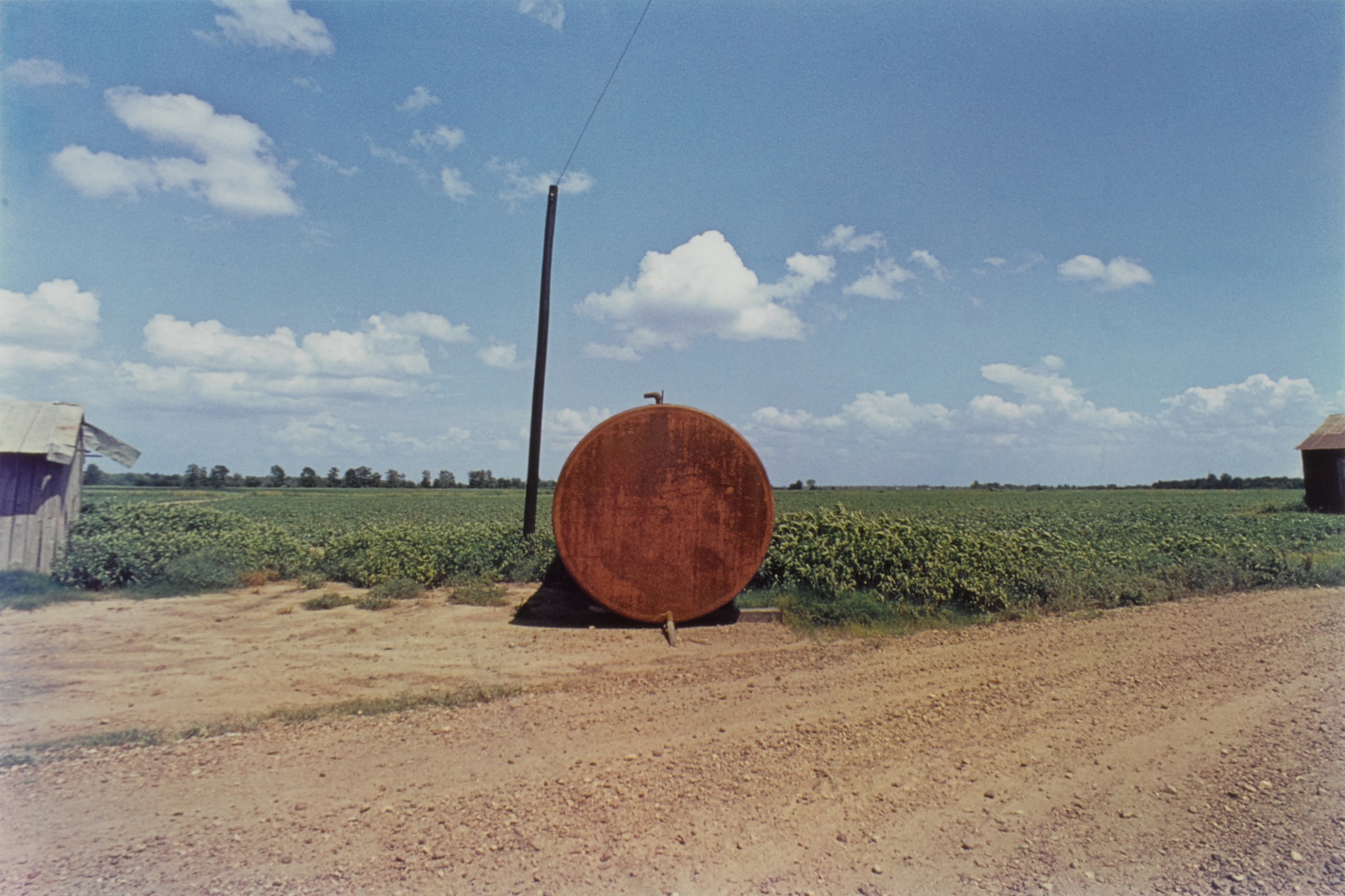
Black Bayou Plantation, near Glendora, Mississippi (Water Tank)
The process became his signature, and the prints produced through it are among the most coveted objects in the photography market today. By the early 1970s he had developed a fully formed vision: a democratic, roving eye that treated a supermarket aisle, a motel room, a child's tricycle on a suburban sidewalk, and a rusted water tank in the Mississippi Delta with equal gravity and equal love. The watershed moment arrived in 1976 when the Museum of Modern Art in New York mounted "William Eggleston's Guide," curated by John Szarkowski, then the museum's director of photography and the most influential champion of photography as a fine art in the twentieth century. The exhibition was controversial in ways that are difficult to fully appreciate today.
“I am at war with the obvious.”
William Eggleston
Critics argued that color photography was inherently commercial, vulgar, and unsuited to serious artistic expression. Szarkowski disagreed, and he staked the museum's considerable authority on Eggleston's work. The accompanying catalogue remains one of the essential texts of photographic history. The show did not merely introduce an artist; it redefined what photography was permitted to be.
William Eggleston
‘I had this notion of what I called a democratic way of looking around, that nothing was more or less important.’
Color became not a concession to popular taste but a sophisticated, expressive tool, and the ordinary subject was elevated to a carrier of genuine emotional and aesthetic weight. Among the works that collectors and curators return to again and again is "Memphis (Tricycle)," made around 1970, which depicts a child's red and yellow tricycle photographed from a low angle against an expanse of suburban lawn and overcast sky. The perspective transforms a toy into something monumental, even slightly threatening, and the image captures the particular loneliness and abundance of American postwar domestic life with a precision no sociologist could match. Equally celebrated is "Black Bayou Plantation, near Glendora, Mississippi (Water Tank)," a photograph in which a rusted industrial structure becomes a meditation on the passage of time, the weight of Southern history, and the strange dignity of things that have outlived their usefulness.
These are works that reward sustained looking, revealing new details and emotional registers with each encounter. For collectors, Eggleston's market has matured into one of the most stable and consistently appreciating in the photography world. His dye transfer prints, particularly those produced in limited editions and printed under his supervision through the Eggleston Artistic Trust, command significant prices at auction and through galleries. In 2012, a group of prints sold at Christie's New York set records that drew wide attention and confirmed the market's confidence in his work at the highest level.
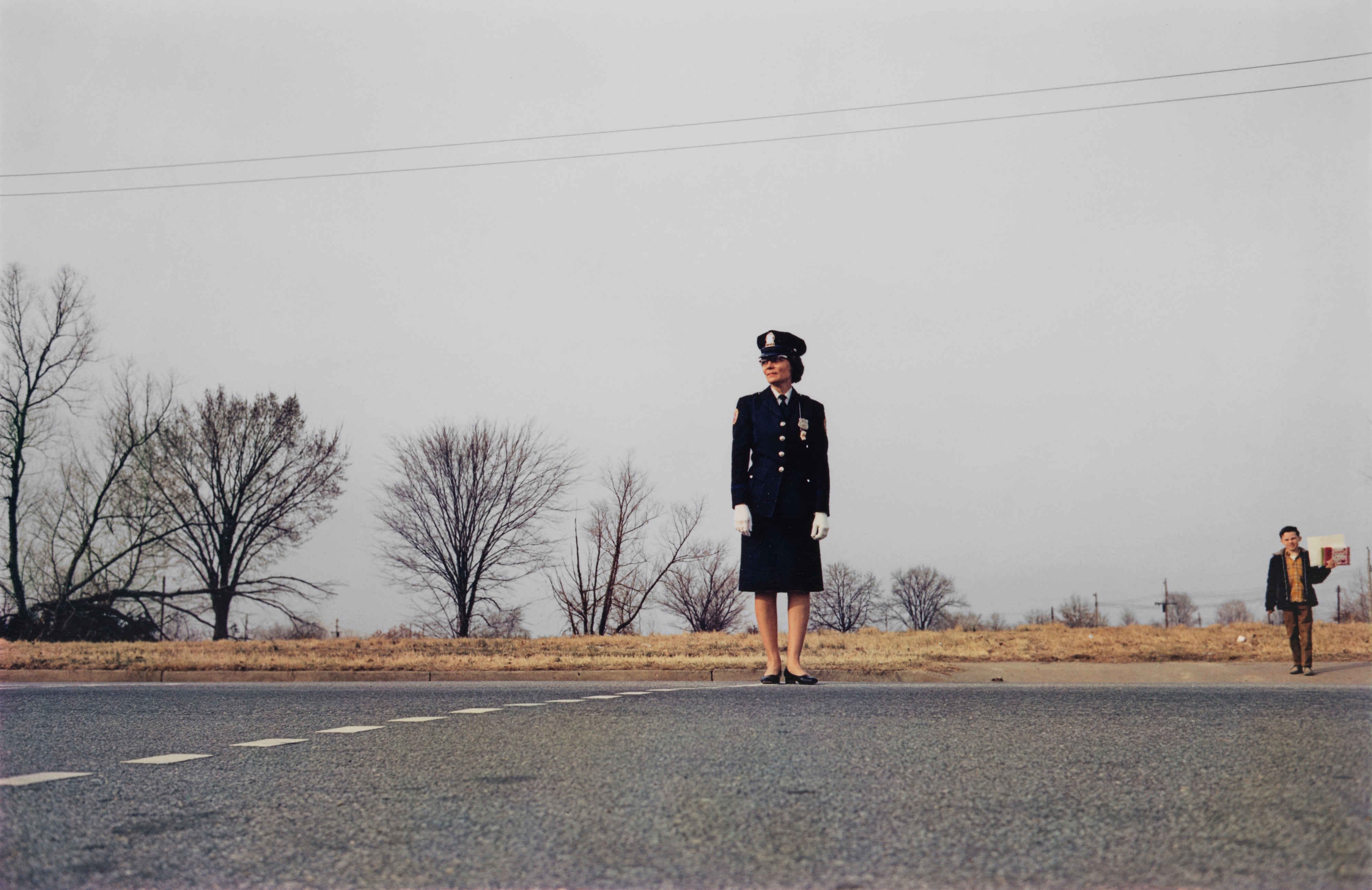
William Eggleston
circa 1970-1974
Works on paper, artist books such as "Dust Bells" and publications associated with projects like "Pictures from Eve's Bayou," also represent compelling entry points for collectors who wish to build a relationship with his practice across different formats and scales. Provenance and print date matter considerably in this market, and works printed close to the time of capture carry particular historical resonance. In situating Eggleston within a broader art historical conversation, one finds him in dialogue with painters as much as with photographers. His relationship to color owes debts to the chromatic intensity of the American South and to the traditions of Southern Gothic literature, where beauty and unease are inseparable companions.
Among photographers, Stephen Shore was working in a parallel vein during the same years, also turning color film toward the American vernacular, and the two are often discussed together as foundational figures of what became known as New Color Photography. Nan Goldin, later, would carry forward the tradition of intimate, emotionally unguarded color work, and a generation of photographers from Wolfgang Tillmans to Alec Soth have acknowledged Eggleston's influence on their own practices. William Eggleston is now in his mid eighties, and his place in the history of art is secure. Institutions from the Whitney Museum of American Art to the J.
Paul Getty Museum hold his work in depth, and retrospectives and focused exhibitions continue to introduce new audiences to his vision around the world. But what makes him matter today is not simply institutional validation. It is the quality of attention his photographs model: a way of looking that finds the world inexhaustibly interesting, that refuses hierarchy, that insists on the significance of what is actually in front of us rather than what we have been told to notice. In an era of image saturation, when photographs are made and discarded by the billion, Eggleston's commitment to the singular, considered, irreplaceable image feels less like nostalgia and more like a form of resistance.
His photographs ask us to slow down, to look again, and to find, in the red ceiling or the abandoned grocery cart or the evening light falling across a Southern porch, something that could not have been said in any other way.
Explore books about William Eggleston
William Eggleston's Guide
William Eggleston, John Szarkowski
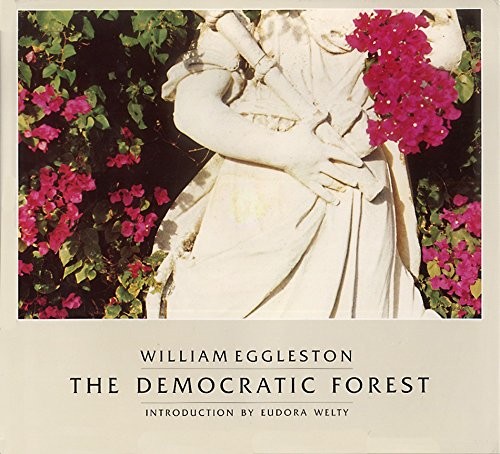
The Democratic Forest
William Eggleston

Ancient and Modern
William Eggleston
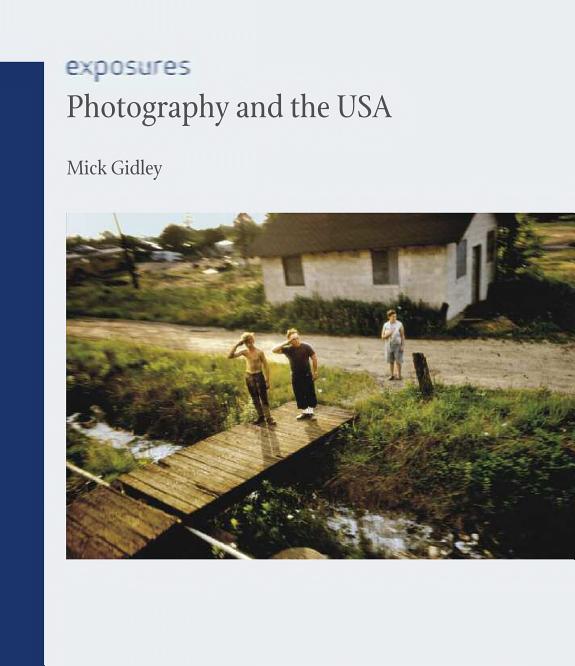
William Eggleston
Terence Pitts
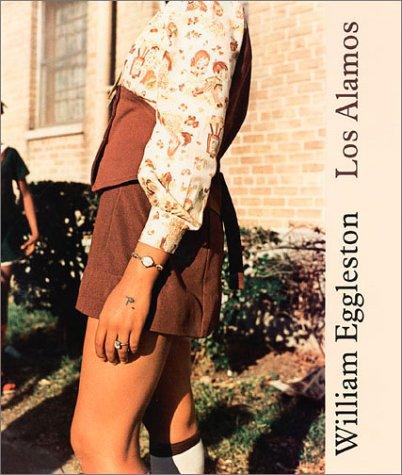
Los Alamos
William Eggleston

The Outlands: John Craig Stewart
William Eggleston
William Eggleston: Election Eve
William Eggleston