Wilhelm Sasnal

Wilhelm Sasnal Paints the World Anew
Artist Spotlight · The Collection Editorial
“I treat painting as a form of thinking. The process of painting is a way of understanding something.”
Wilhelm Sasnal, interview with Artforum
In recent years, Wilhelm Sasnal has cemented his position as one of the most compelling and consistently surprising painters working anywhere in Europe. His 2022 retrospective at the Stedelijk Museum in Amsterdam drew significant critical attention, reaffirming what a generation of curators and collectors has long understood: that Sasnal is not simply a painter of images but a philosopher of how images circulate, accumulate meaning, and quietly transform our understanding of history and daily life. He moves between tenderness and provocation with a fluency that feels entirely natural, and the art world has responded with sustained, genuine enthusiasm. Sasnal was born in 1972 in Tarnów, a city in southern Poland, and came of age during one of the most turbulent and generative periods in Polish history.
Wilhelm Sasnal
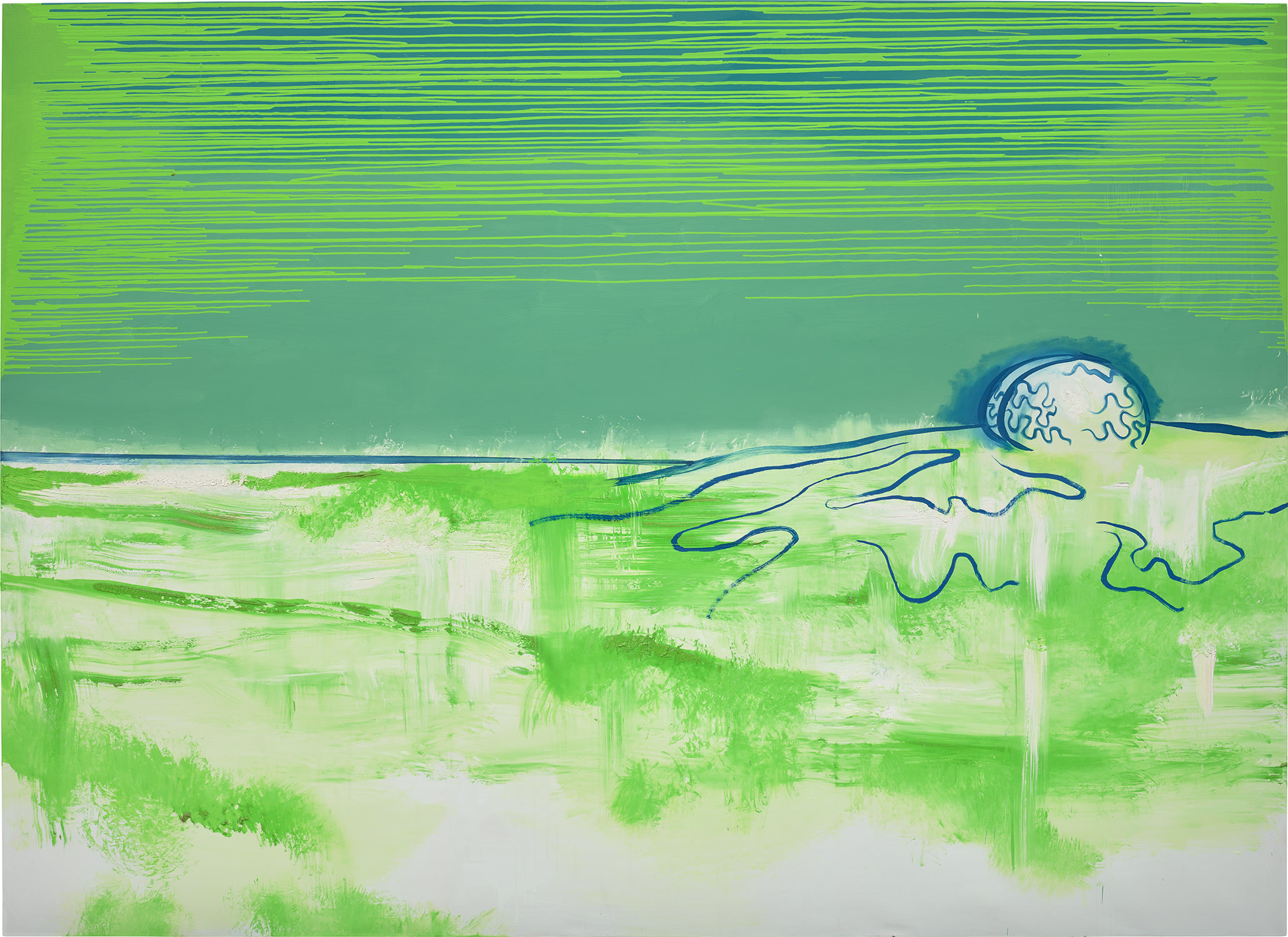
Heat, 2012
The collapse of communist rule, the rush of Western media and consumer culture into Polish life, and the complicated reckoning with a century of extraordinary trauma all formed the atmospheric pressure under which his sensibility developed. He studied at the Academy of Fine Arts in Kraków, where he also spent formative years engaging with the city's vibrant post transition art scene. Kraków in the late 1990s was a place of restless intellectual energy, and Sasnal absorbed its lessons deeply. His early career brought him to the attention of the Foksal Gallery Foundation in Warsaw, which became a crucial institutional home and advocate for his work.
From the outset, Sasnal distinguished himself by refusing to stay still. He worked across painting, photography, illustration, and film, approaching each medium with the same rigorous curiosity. His paintings drew on an extraordinarily wide range of sources: newspaper photographs, film stills, album covers, historical archives, personal snapshots, and the vernacular imagery of contemporary Polish life. What united these sources was not their subject matter but the quality of attention Sasnal brought to them, always asking what a particular image was doing in the world and what it might do again inside a painting.
Wilhelm Sasnal
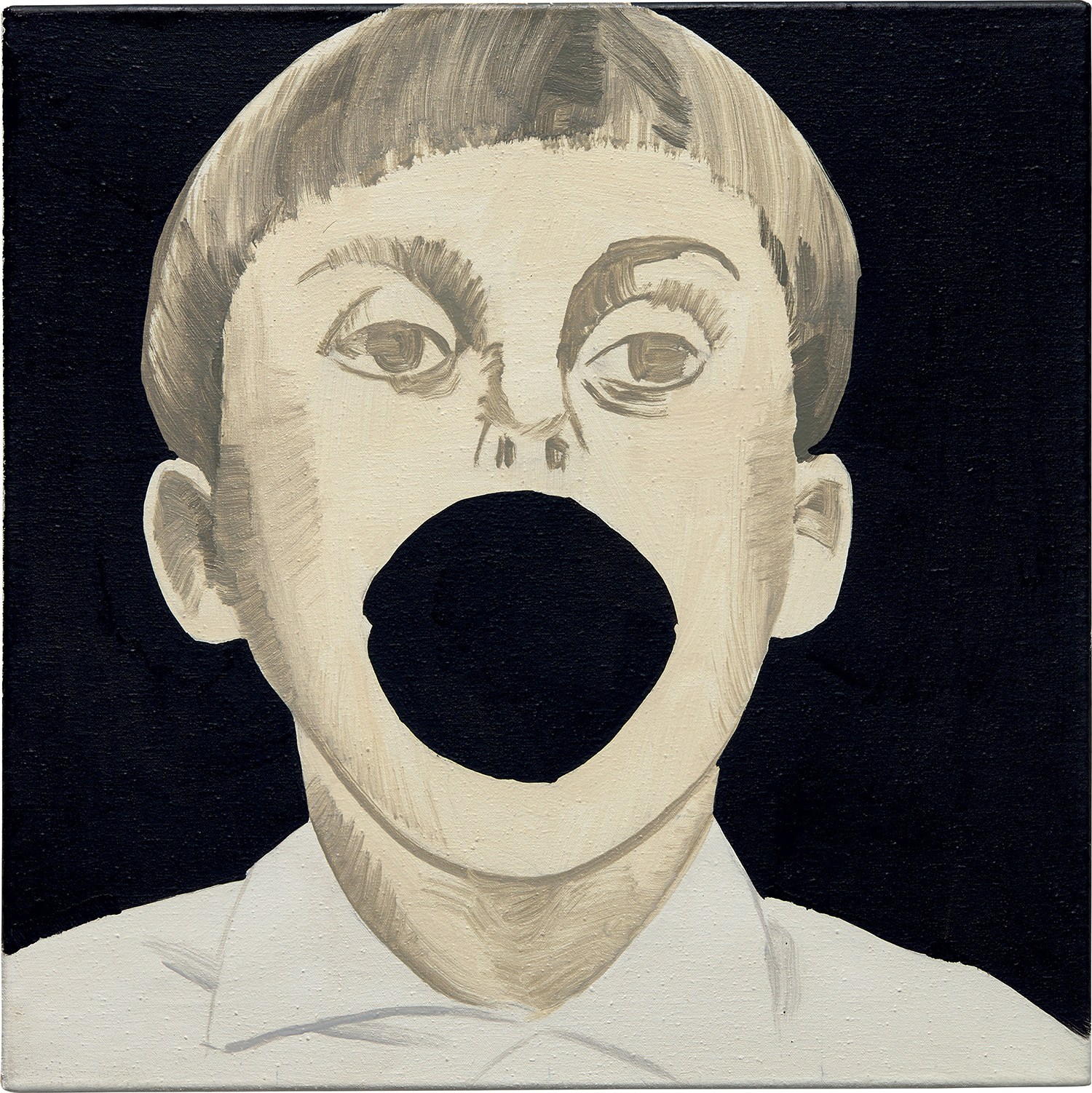
Pawel B., 2007
The works from the early and mid 2000s established his international reputation with remarkable speed. Paintings like Concorde 2 from 2003 and Concorde from 2007 exemplify his approach at its most quietly devastating. The Concorde, that icon of technological optimism and eventual obsolescence, becomes in Sasnal's hands something genuinely elegiac, a meditation on progress and its discontents rendered in tones of grey and black that feel neither cold nor sentimental. Pawel B.
from 2007 shows his extraordinary facility with portraiture, the subject rendered with an intimacy that feels earned rather than performed. These are paintings that reward sustained looking, revealing new layers of intention and feeling the longer one spends with them. The works from 2012 demonstrate Sasnal in full command of his powers. Heat from that year is a painting of concentrated atmospheric force, the kind of work that seems to generate its own climate.
Wilhelm Sasnal
Wilhelm Sasnal
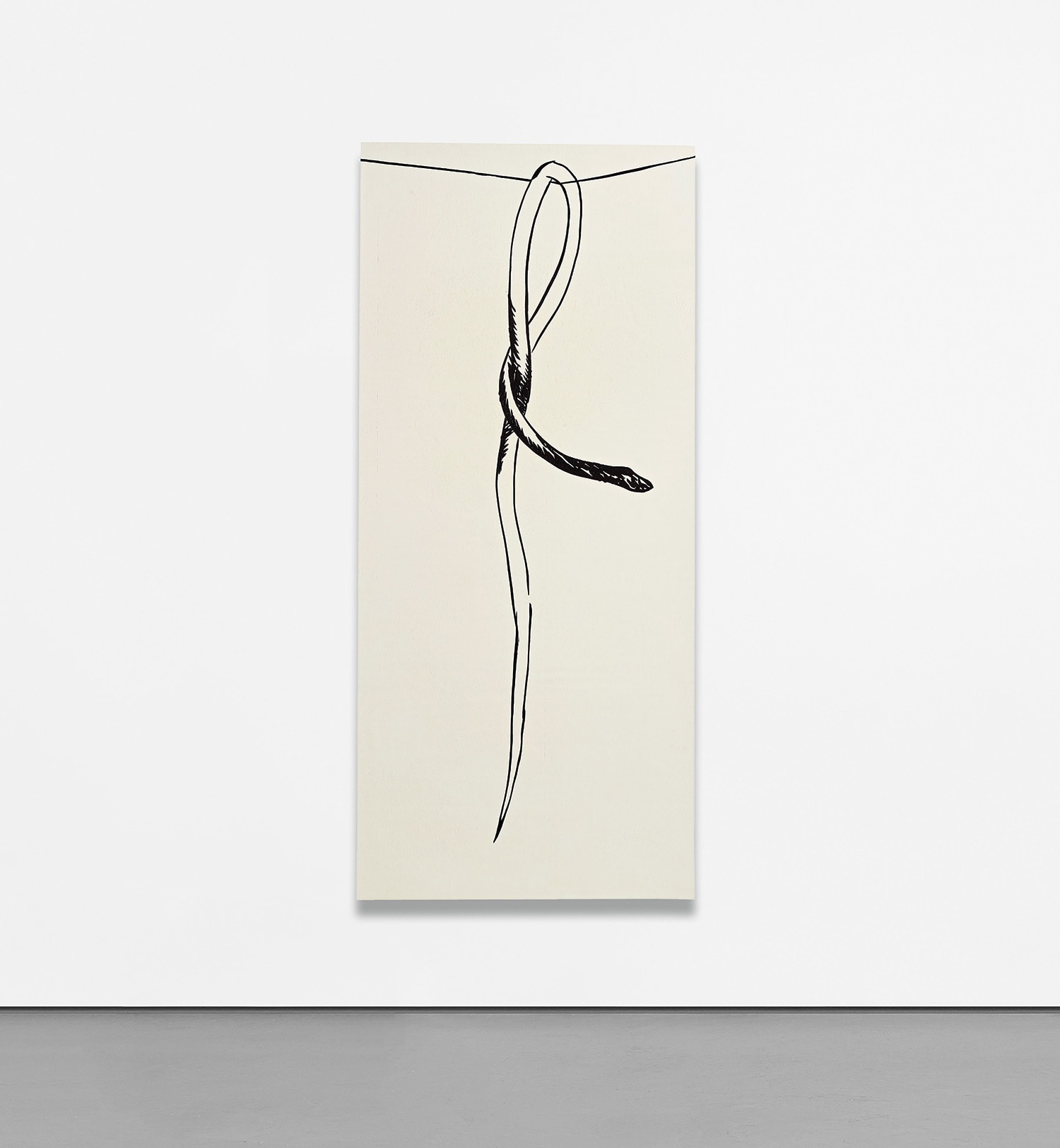
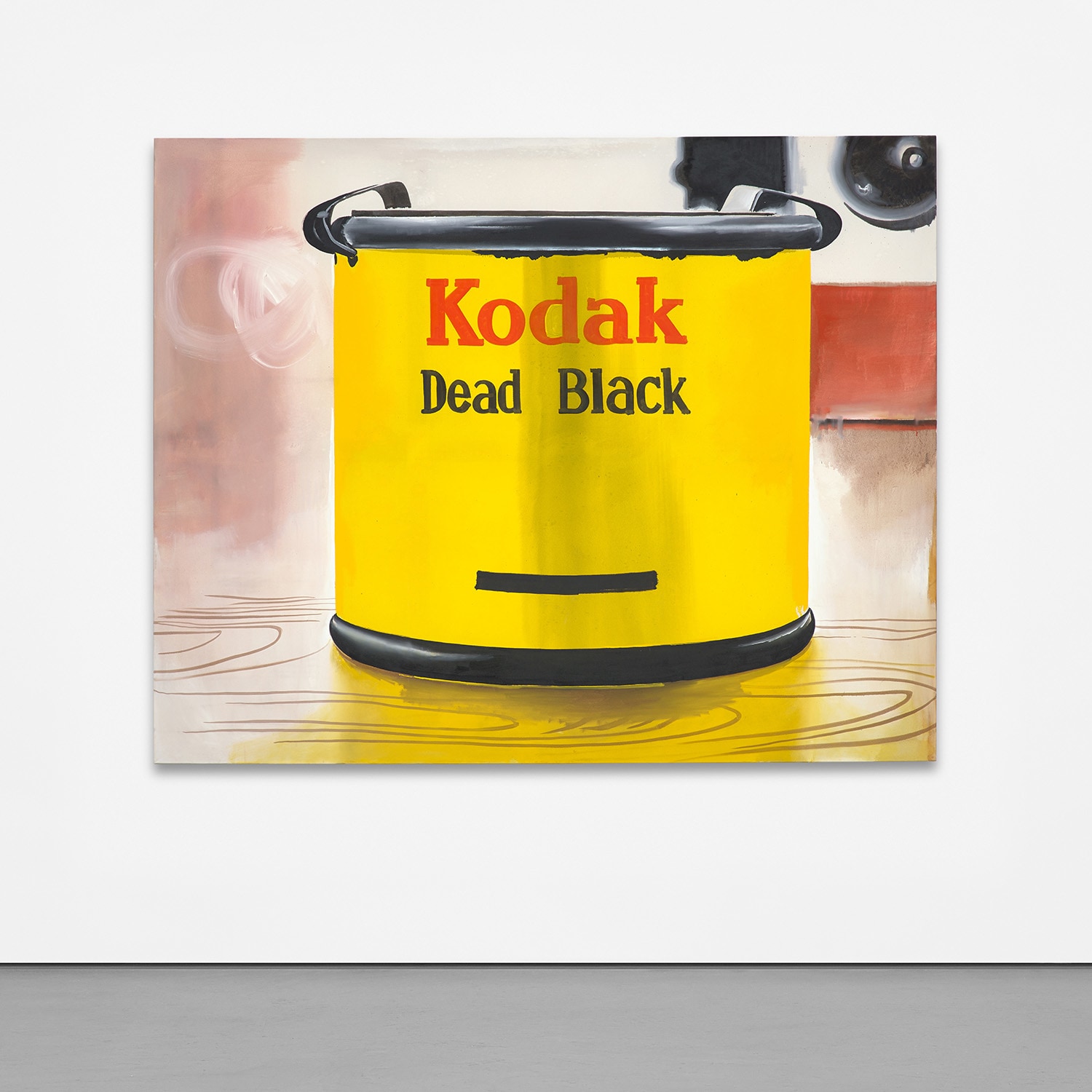
Kodak Black, also from 2012, shows his ongoing engagement with the history of photography and image reproduction, taking the brand name as both subject and material, folding commercial culture into the language of fine art painting with characteristic lightness of touch. His Sportsmen Parade After Rodchenko is a direct and generous engagement with the Russian avant garde, demonstrating that Sasnal's practice is in constant dialogue with art history as well as with the present moment. The painting vibrates with the energy of Rodchenko's original while remaining unmistakably its own thing. For collectors, Sasnal represents one of those rare cases where critical esteem and genuine visual pleasure reinforce each other entirely.
His works have entered major public collections including the Museum of Modern Art in New York, the Tate in London, and the Centre Pompidou in Paris, a constellation of institutional endorsement that speaks to his standing in the broader canon. On the secondary market, his paintings have performed consistently well, with strong results at Sotheby's and Christie's confirming the depth of collector interest. What draws serious collectors to Sasnal is not simply the quality of individual works but the coherence of a vision that becomes richer and more legible the more of it one encounters. Collecting Sasnal over time is a genuinely cumulative experience.
Wilhelm Sasnal
Kodak Black, 2012
To understand Sasnal fully it helps to place him in a broader constellation of painters who emerged in the late 1990s and early 2000s grappling with similar questions about the status of painting in a world saturated with images. Artists like Luc Tuymans, whose influence on Sasnal is often noted and which Sasnal himself has acknowledged, share his interest in painting as a form of historical reckoning. Neo Rauch, another Central European painter of enormous stature, similarly draws on the specific psychological textures of post communist experience. Kai Althoff and Peter Doig, though working from different cultural positions, share Sasnal's commitment to painting as a medium capable of genuine philosophical seriousness without sacrificing sensory pleasure.
Sasnal belongs in this company comfortably and distinctly. What makes Sasnal matter today, in 2025, is precisely what has always made him matter: his refusal to simplify. He is a painter who takes the full complexity of contemporary life as his subject, including its media saturation, its historical burdens, its small moments of grace, and its persistent violence, and who renders that complexity with a painterly intelligence that is both rigorous and deeply humane. His most recent works, including the Untitled canvas on cotton from 2024, suggest that his practice continues to evolve and deepen rather than settling into comfortable repetition.
He remains, after more than two decades of serious international attention, an artist of genuine surprise. That is a rare and precious quality, and it is what makes collecting his work not just a sound decision but a genuinely joyful one.
Explore books about Wilhelm Sasnal